Jensen Huang: Vera Rubin Full Mass Production, AI Agent a Key Focus, Challenging Intel to Target the Next-Generation AI PC Gateway

marsbitPubblicato 2026-06-01Pubblicato ultima volta 2026-06-01

Introduzione

NVIDIA CEO Jensen Huang delivered the keynote speech at GTC Taipei 2026, announcing several major product launches and strategic directions. The company's Vera Rubin architecture is now in full-scale production, with OpenAI, Anthropic, and SpaceX among the first customers. NVIDIA highlighted AI Agent as a key future focus, introducing the Vera CPU designed for AI agents and the Vera BlueField-4 STX for secure, chip-level AI storage processing. A significant move involves challenging Intel in the PC market. NVIDIA, in collaboration with MediaTek, is developing the RTX SPARK PC chip (manufactured by TSMC) for Windows systems, set to launch this fall for laptops and desktops. This signals NVIDIA's push into the next-generation AI PC arena, aiming to provide a vertically integrated core computing platform for the entire Windows ecosystem, similar to Apple's approach. Other announcements include the new Nemotron 3 Ultra AI model and the NVIDIA DSX platform, described as a complete "playbook" for building AI factories, allowing performance simulation and validation before physical deployment. In automotive, the DRIVE Hyperion platform was positioned as a global robotaxi platform, with major Chinese automakers like BYD, Geely, Zeekr, Xiaomi, and Pony.ai already adopting or developing autonomous driving solutions based on it. The Alpamayo 2 super open inference model for robotaxis was also introduced. For robotics, NVIDIA unveiled the Isaac GR00T humanoid robot reference platform...

Author: Wall Street Insights

On June 1st, NVIDIA founder and CEO Jensen Huang delivered the NVIDIA GTC Taipei 2026 keynote speech in Taipei, China.

During this speech, Huang focused on releasing multiple new products and platforms including the Vera Rubin architecture, the Vera CPU for AI Agents, the AI model Nemotron 3 Ultra, and the AI factory platform DSX.

Simultaneously, NVIDIA further signaled its push into the next-generation AI PC market, targeting the entire Windows ecosystem.

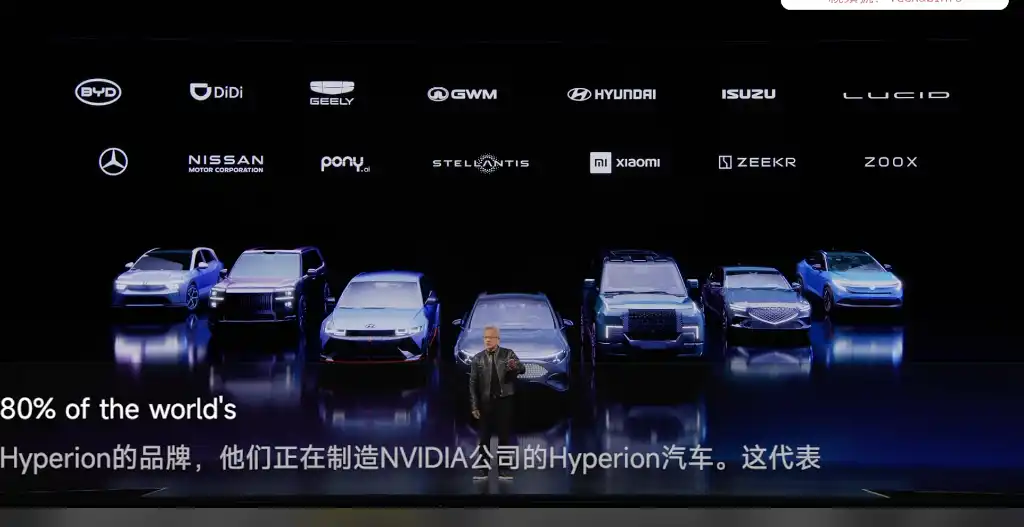
NVIDIA revealed at the event that mainstream Chinese automakers and autonomous driving companies including BYD, Geely, ZEEKR, Xiaomi, and Pony.ai have adopted or are developing autonomous driving based on the NVIDIA Hyperion platform.

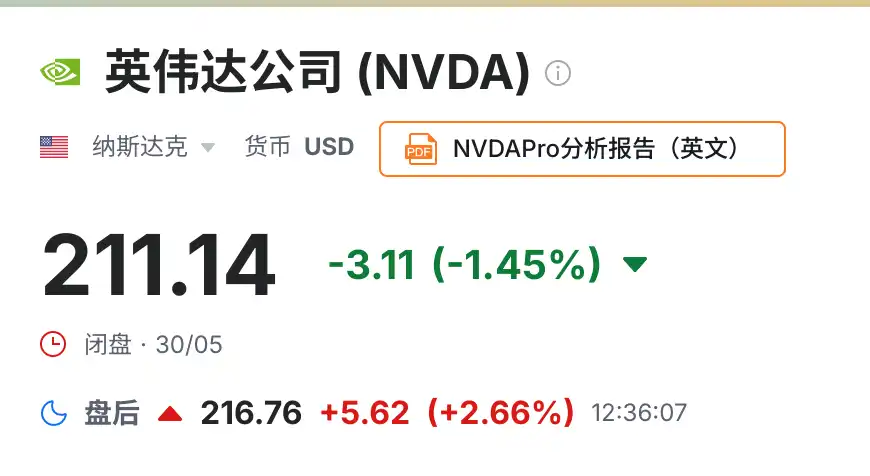
NVIDIA's U.S. stock pre-market price rose 2.7%.
Vera Rubin Now in Full Mass Production

Jensen Huang stated that the Vera Rubin architecture has now fully entered mass production, with OpenAI, Anthropic, and SpaceX becoming the first customers for NVIDIA's Vera chips.
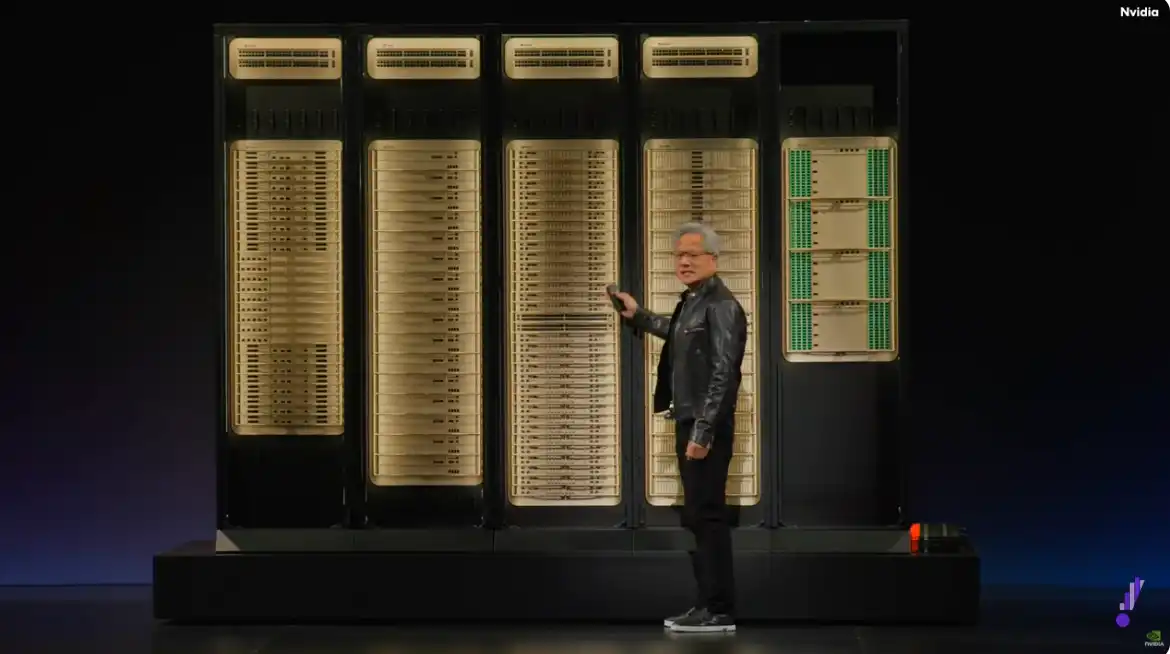
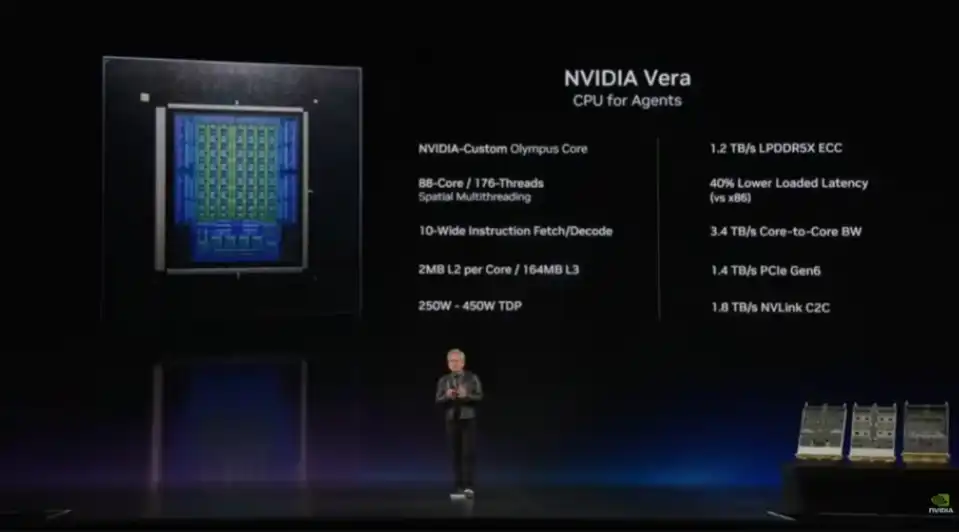
AI Agents will become a key focus for future efforts, and NVIDIA will launch the Vera CPU for AI agents.

Huang also emphasized that NVIDIA Vera BlueField-4 STX delivers chip-level secure, agentic AI storage processing capabilities.
Targeting the Next-Generation AI PC Gateway

Notably, NVIDIA unveiled a new processor for Windows-based personal computers, challenging Intel.

NVIDIA will collaborate with MediaTek to develop the RTX SPARK personal computer chip, which will be manufactured by TSMC. Huang revealed that NVIDIA's personal computer chip will launch this fall, suitable for laptops and desktops.

Jensen Huang stated that NVIDIA will launch a new generation of personal computer (PC) chips alongside each generation of its AI processors.

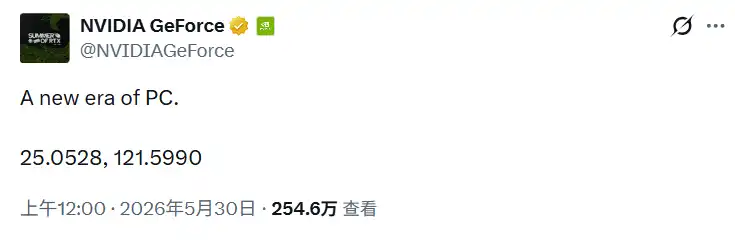
Previously, NVIDIA's official social media account issued a three-word teaser—"A new era of PC"—signaling its aim for the next-generation AI PC gateway.
Analysis suggests NVIDIA intends to integrate CPU, GPU, and AI units into a single SoC, directly supplying a complete core computing platform to OEMs like Dell and Lenovo, fundamentally altering its position in the value chain. This follows the vertical integration path of Apple Silicon, but targets the entire Windows ecosystem.

NVIDIA: Will Collaborate with Unitree Tech and Other Global Humanoid Robot Makers to Develop Robots

NVIDIA plans to collaborate not only with China's Unitree Tech but also with humanoid robot manufacturers in the United States, Europe, and South Korea on research robot projects.

Launches New AI Model + AI Factory "Action Guide"

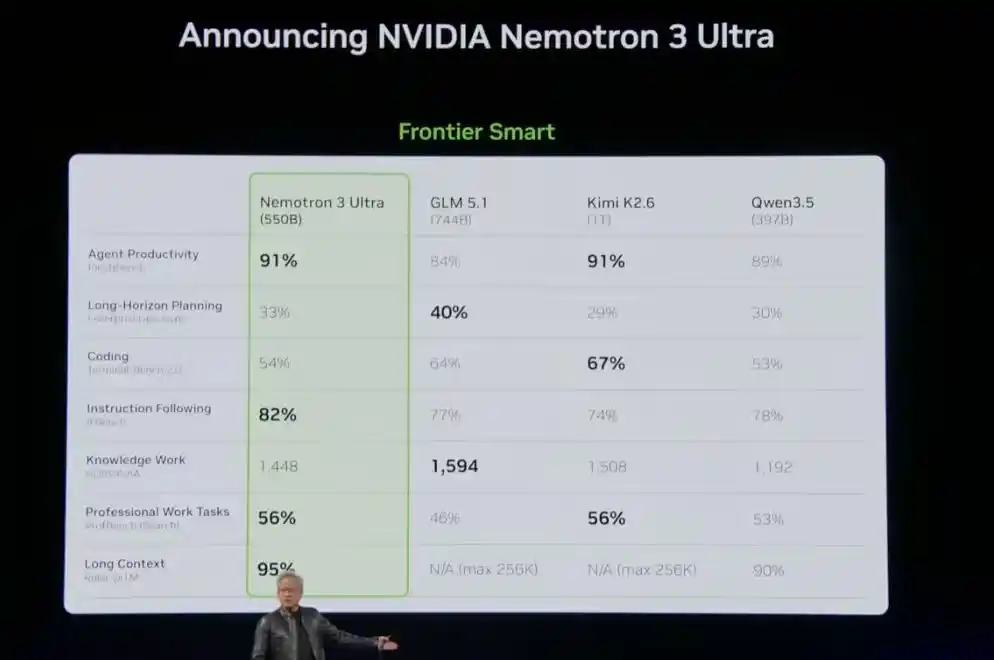
Furthermore, NVIDIA announced the launch of a new AI model, Nemotron 3 Ultra.
NVIDIA announced the launch of the NVIDIA DSX platform, providing infrastructure builders with a complete action guide for creating AI factories. Jensen Huang stated:

With the DSX platform, you can simulate the entire factory without spending a dime, validate performance before installing a single rack, and operate with the reliability required for production-grade AI.

Autonomous Driving Platform Hyperion Ecosystem Emerges

NVIDIA DRIVE Hyperion becomes the global autonomous robotaxi platform.

NVIDIA revealed at the event that mainstream Chinese automakers and autonomous driving companies including BYD, Geely, ZEEKR, Xiaomi, and Pony.ai have adopted or are developing autonomous driving based on the NVIDIA Hyperion platform.

NVIDIA also launched the Alpamayo 2 super open inference model for autonomous taxis.
Building the Development Ecosystem for the Robotics Era

In the field of humanoid robots, NVIDIA is attempting to play the role of an "infrastructure provider."

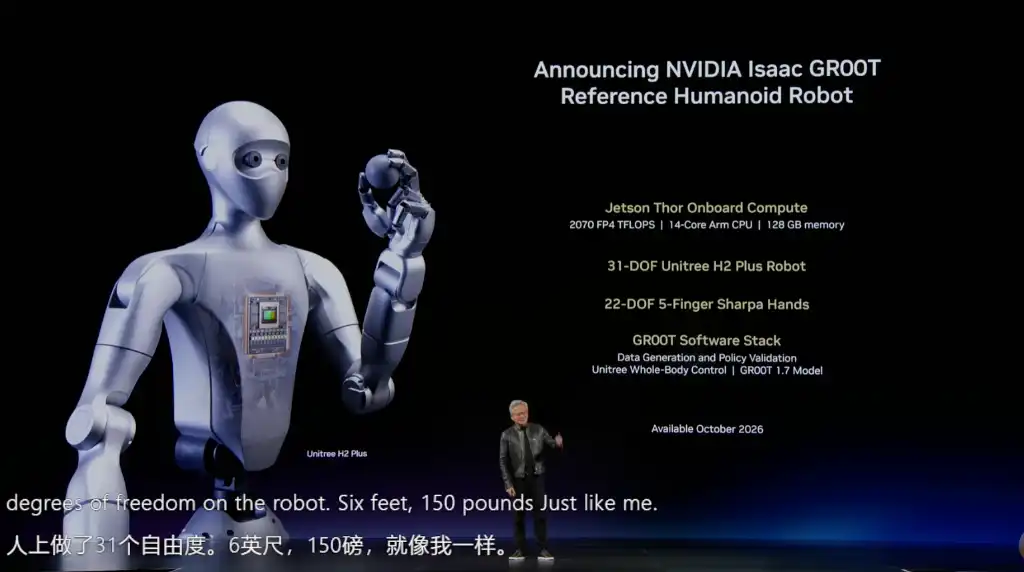
At this launch event, NVIDIA introduced the NVIDIA Isaac GR00T humanoid robot reference platform for academic research, while also releasing a large-scale open-source toolkit of agents and skills for Physical AI.

At the event, NVIDIA selected Unitree Tech's H2 Plus as the reference model, introducing the Isaac GR00T reference humanoid robot platform. This platform integrates Jetson Thor computing chips, the GR00T software stack, as well as dexterous hand and full-body control systems, providing robot manufacturers with a hardware-to-software one-stop development framework.
Domande pertinenti

QWhat major new products or platforms did Jensen Huang announce during his GTC Taipei 2026 keynote?

AJensen Huang announced several major new products and platforms, including the Vera Rubin architecture, the Vera CPU for AI Agents, the Nemotron 3 Ultra AI model, the DSX platform for building AI factories, and new processors for Windows PCs developed in partnership with MediaTek (RTX SPARK chips).

QWhat is the significance of NVIDIA's partnership with MediaTek on the RTX SPARK PC chips?

AThe partnership with MediaTek to develop RTX SPARK PC chips signifies NVIDIA's major push into the next-generation AI PC market, directly challenging Intel. These SoC (System on Chip) designs integrate CPU, GPU, and AI units, aiming to provide a complete core computing platform to OEMs like Dell and Lenovo. This represents a fundamental shift in NVIDIA's position in the value chain.

QWhich major companies were mentioned as the first customers for the new Vera Rubin architecture chips?

AOpenAI, Anthropic, and SpaceX were named as the first customers for NVIDIA's Vera Rubin architecture chips.

QIn which key application areas besides AI PCs did NVIDIA highlight its ecosystem growth during the keynote?

ANVIDIA highlighted significant ecosystem growth in two key areas: Autonomous Driving, with companies like BYD, Geely, ZEEKR, Xiaomi, and Pony.ai adopting the NVIDIA Hyperion platform, and Robotics, with announced collaborations with global humanoid robot makers including China's Unitree Robotics.

QHow does NVIDIA's Isaac GR00T platform aim to support development in the robotics field?

ANVIDIA's Isaac GR00T is a reference humanoid robot platform designed to be a development ecosystem provider. It integrates the Jetson Thor compute chip, the GR00T software stack, and dexterous hand and whole-body control systems. It provides robot manufacturers with a comprehensive hardware-to-software development framework, with Unitree's H2 Plus robot serving as a reference model.

Letture associate

Why Bitcoin Holds Above $64,000 After Fed's Hard Pause

**Bitcoin Stabilizes Near $64,000 Following Hawkish Fed Pause** The cryptocurrency market, led by Bitcoin, remained stable around $64,000 despite a volatile reaction to the latest U.S. Federal Reserve meeting. The Fed paused interest rates but signaled a hawkish stance, with three committee members voting for an increase—the highest dissent since 2016. This limits risk appetite but hasn't triggered panic selling. Key market highlights include Bitcoin ETFs seeing a net inflow of $32.1 million, breaking a streak of outflows, while Ethereum ETFs experienced outflows of $18.65 million. Liquidations affected about 90,000 traders. Technically, Bitcoin finds support around $63,000-$63,500, with major resistance near $66,000. While its price is about 49% below its all-time high, institutional demand via ETFs and the absence of mass capitulation support a potential recovery scenario in the second half of the year. Major altcoins showed mixed movements, with Solana attracting capital while Ethereum faced selling pressure despite strong on-chain metrics like a growing staking queue. Regulatory news took a pause as the U.S. Senate delayed the CLARITY Act vote until at least autumn. For the final trading day of July, U.S. inflation and consumer spending data will be crucial. Bitcoin's key levels to watch are $63,000 support and $66,000 resistance. Sustained ETF inflows and Bitcoin holding above $63,000 are seen as positive signs for a potential market recovery later in the year.

cryptonews.ru9 min fa

Why Bitcoin Holds Above $64,000 After Fed's Hard Pause

cryptonews.ru9 min fa

Participants in XRP Fraud Scheme That Stole $9 Million from 71 Investors Arrested

South Korean police have arrested three individuals accused of operating a fraudulent investment platform that stole approximately 3.4 million XRP (worth about $9 million) from 71 investors between October 16 and 23. The suspects promoted the site Fxrpntwork.com through blogs, online articles, and YouTube videos, promising guaranteed principal and monthly returns of 1.5% to 1.8%. Investors were instructed to transfer XRP from Korean exchanges to overseas platforms and then to wallets controlled by the group before the site was shut down. The scammers copied the branding of legitimate projects Flare Network and FXRP to appear credible. Authorities warn that such impersonation frauds, which use familiar branding and urgent promises of guaranteed profits, are a common red flag. Legitimate companies do not solicit cryptocurrency transfers through unsolicited promotions. Seoul police have issued an Interpol Red Notice for a fourth suspect abroad and are investigating others involved in creating and promoting the fraudulent website. While investigators froze 17.3 billion won in assets, approximately 10 billion won was moved during the probe, with wallet analysis revealing transfers totaling 27.3 billion won, suggesting there may be additional unidentified victims and accomplices. The case underscores the organized, cross-border nature of crypto investment fraud.

cryptonews.ru12 min fa

Participants in XRP Fraud Scheme That Stole $9 Million from 71 Investors Arrested

cryptonews.ru12 min fa

Trading

Spot
活动图片





