Interactive Tutorial | Startale Group, Which Raised $63 Million, Launches Points Campaign

Odaily星球日报Pubblicato 2026-03-27Pubblicato ultima volta 2026-03-27

Introduzione

Startale Group, a Singapore-based Web3 infrastructure and solution provider, has raised $63 million in a Series A funding round. The investment includes $50 million from SBI Group and $13 million from Sony Innovation Fund. The funds will be used to advance its on-chain infrastructure, including the development of its Ethereum Layer 2 network Soneium (co-managed with Sony), the Astar Network, a stablecoin (Startale USD and JPYSC), and tokenized securities. The company has launched an interactive points campaign where users can earn STAR points by completing various tasks. Key steps include: registering with an invitation code, daily check-ins, swapping at least 10 USDC (for 3 points), depositing at least 10 USDC into a vault (for 5 points and 7.42% APY), and providing liquidity (for 5 points plus daily rewards). An additional "Lucky Easter Egg" event from March 23 to April 3 offers extra chances to win STAR points and USDSC rewards.

Original | Odaily Planet Daily (@OdailyChina)

Author | Asher (@Asher_ 0210)

Yesterday, Startale Group announced the completion of a $63 million Series A funding round, with SBI Group investing $50 million and Sony Innovation Fund investing $13 million. This round of funding will be used to advance its on-chain infrastructure layout, including Layer2 networks, stablecoins, and tokenized securities.
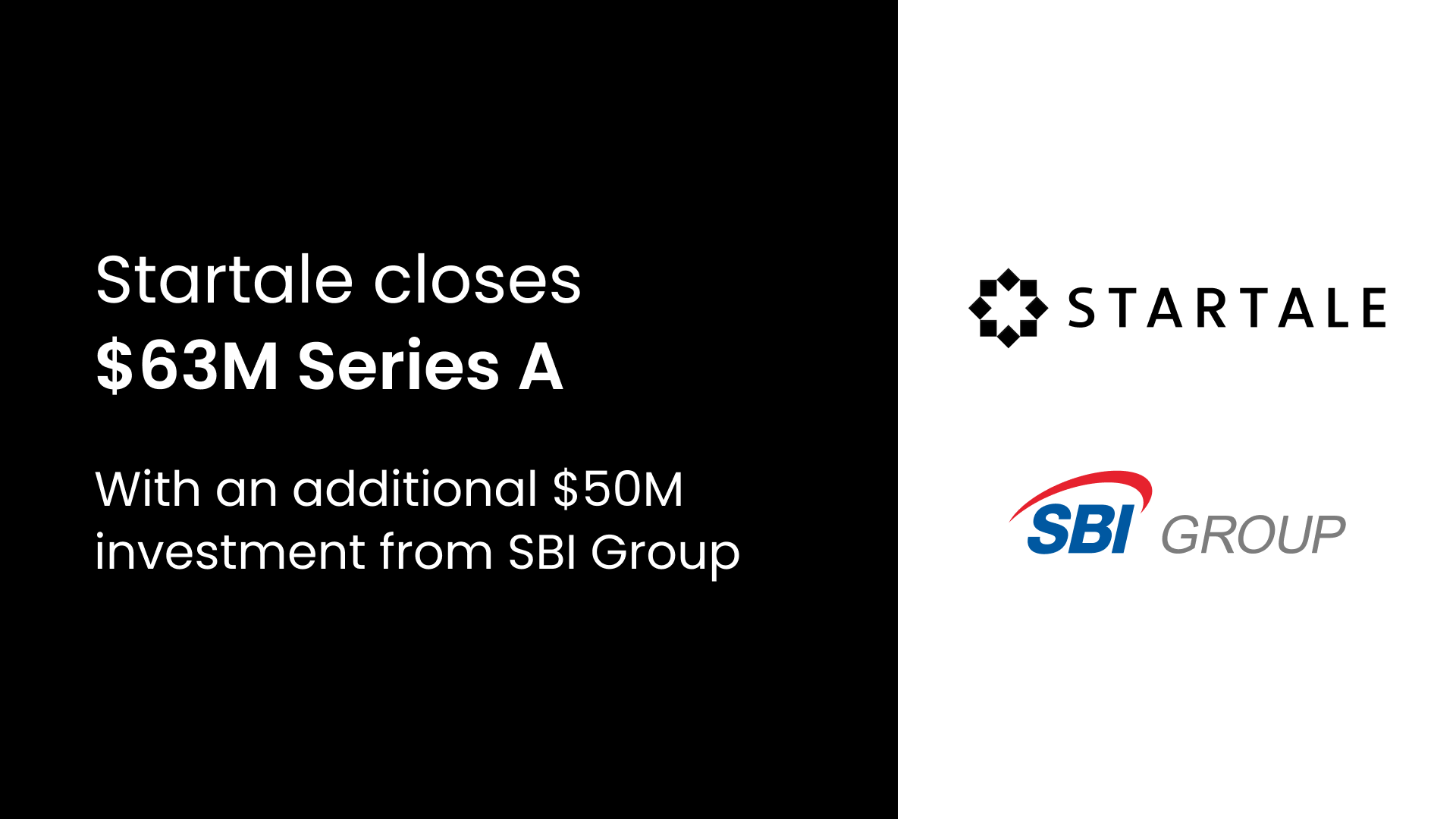
Startale Group Announces Completion of $63 Million Series A Funding Round

Next, Odaily Planet Daily will break down Startale Group and provide a step-by-step guide on how to interact with the project.

Startale Group

Startale Group is a Web3 infrastructure and solutions provider headquartered in Singapore. It currently jointly operates the Ethereum Layer 2 network Soneium with Sony Group and operates Astar Network.

Startale Group is building a complete on-chain ecosystem around projects such as Soneium, Astar Network, Startale App, stablecoin products Startale USD and JPYSC, and Strium, focusing on infrastructure, consumer applications, and financial tools. Furthermore, Startale Group emphasizes entertainment-native blockchain, IP protection, compliant financial infrastructure (RWA, stablecoins), and mass adoption. Through partnerships with Sony and SBI, the company holds a significant position in Japan's Web3 ecosystem while actively expanding globally.

In summary, Startale Group is a key Web3 player backed by Sony, focusing on vertical integration from infrastructure to consumer applications, with the goal of making blockchain technology truly serve hundreds of millions of users.

Step-by-Step Interaction Tutorial

STEP 1. Go to the interaction website (link). An invitation code is required to participate. Three invitation codes are provided here: CMPRFS46, QSQREF49, TGIAHX63. After entering the invitation code, log in to your account via a Web3 wallet.
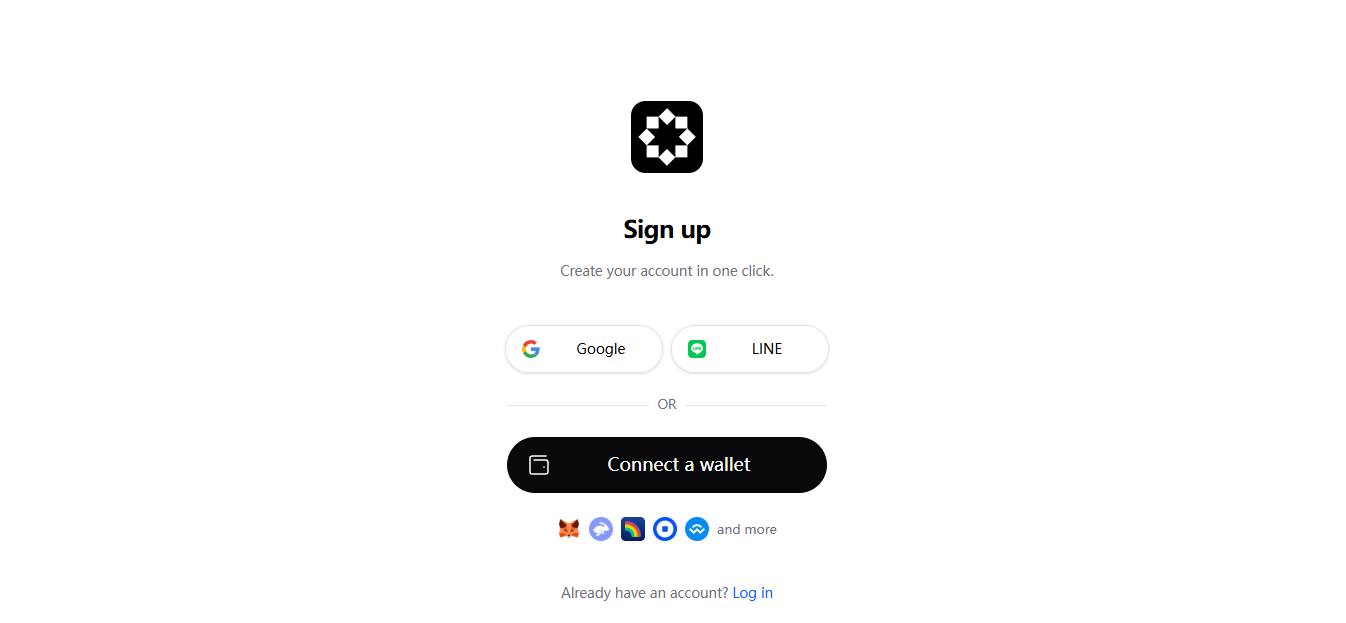
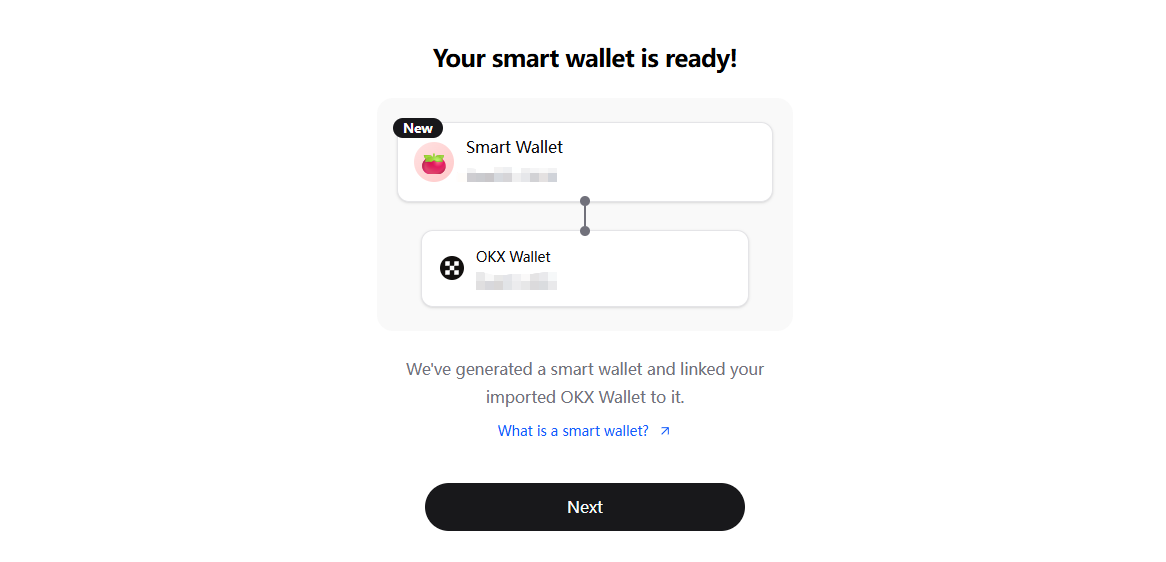
STEP 2. After entering the interaction website, click "Next" to automatically generate a built-in wallet.
STEP 3. Click "GM" to complete the daily check-in. Consecutive check-ins for 10 days will yield rewards.
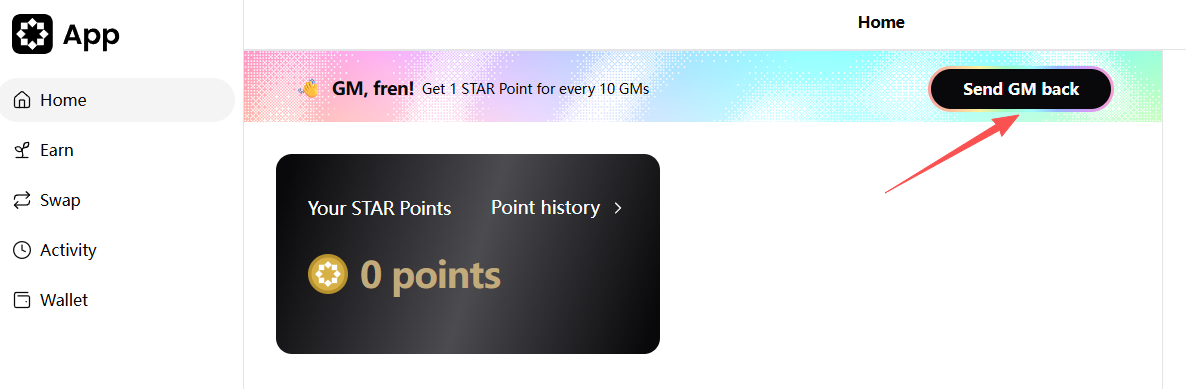
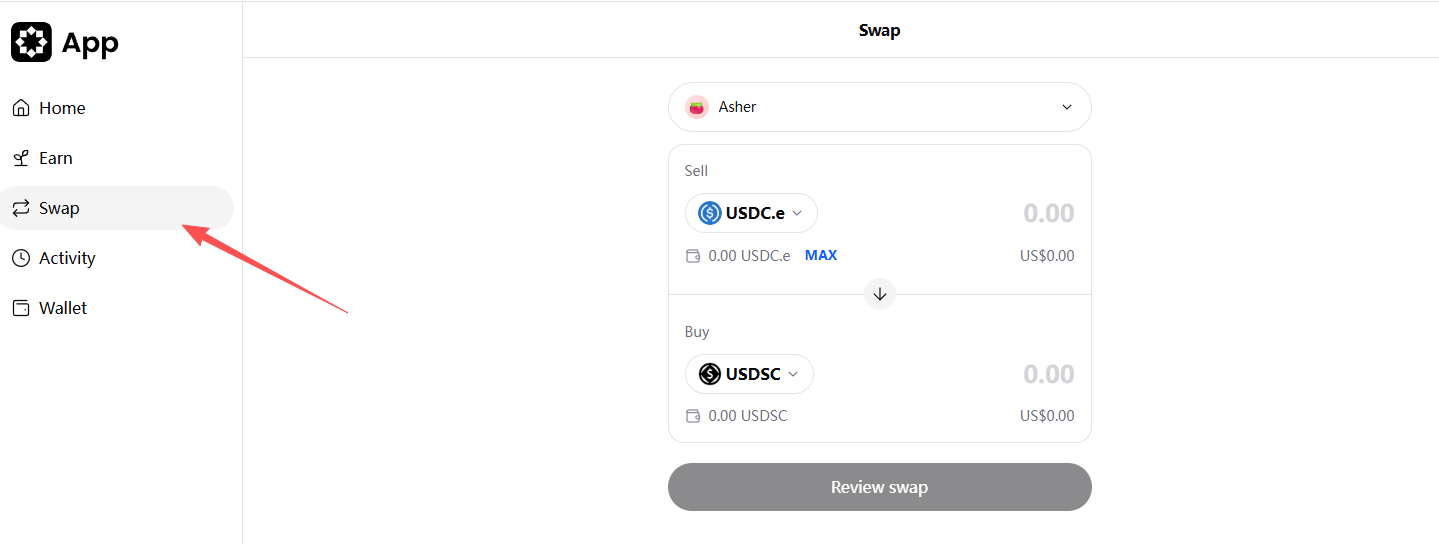
STEP 4. Swap USDC (minimum 10 USDC) to earn 3 STAR points.
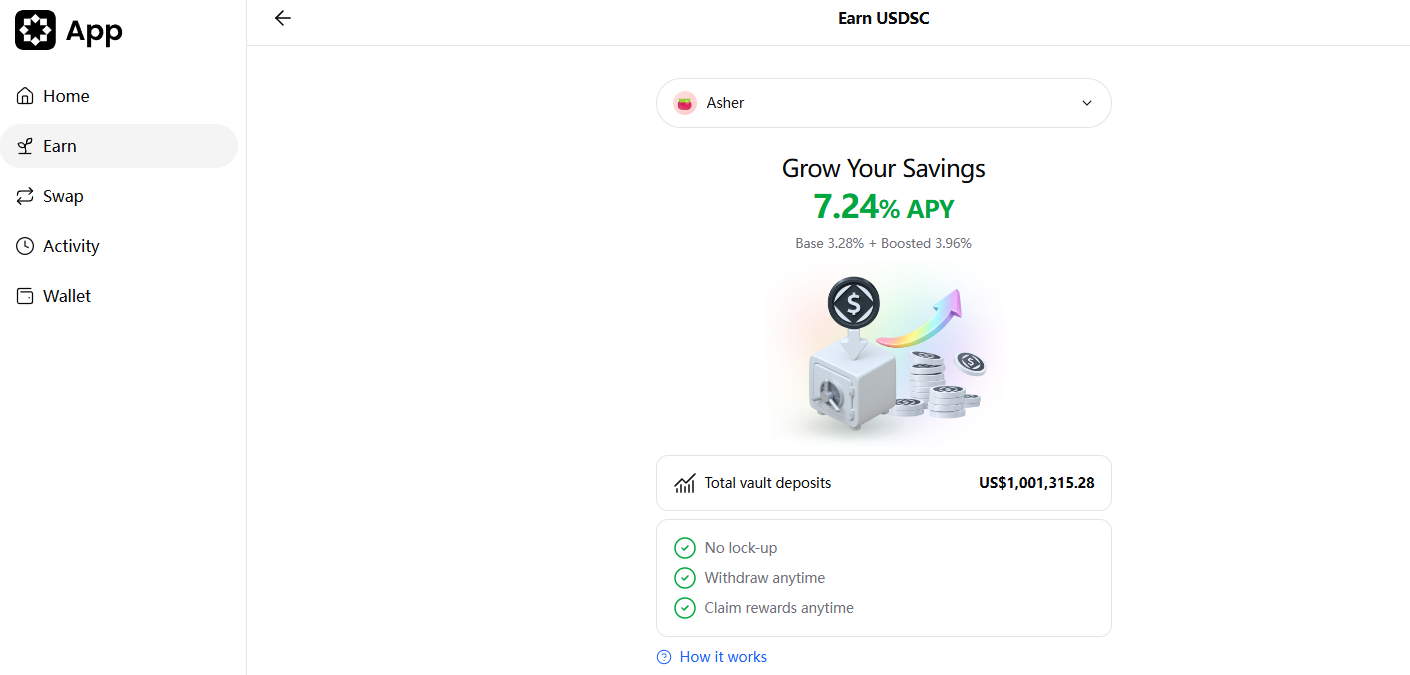
STEP 5. Deposit USDC into the vault (minimum 10 USDC) to earn 5 STAR points, while also receiving a 7.42% annualized yield. The current deposit amount is $1 million.
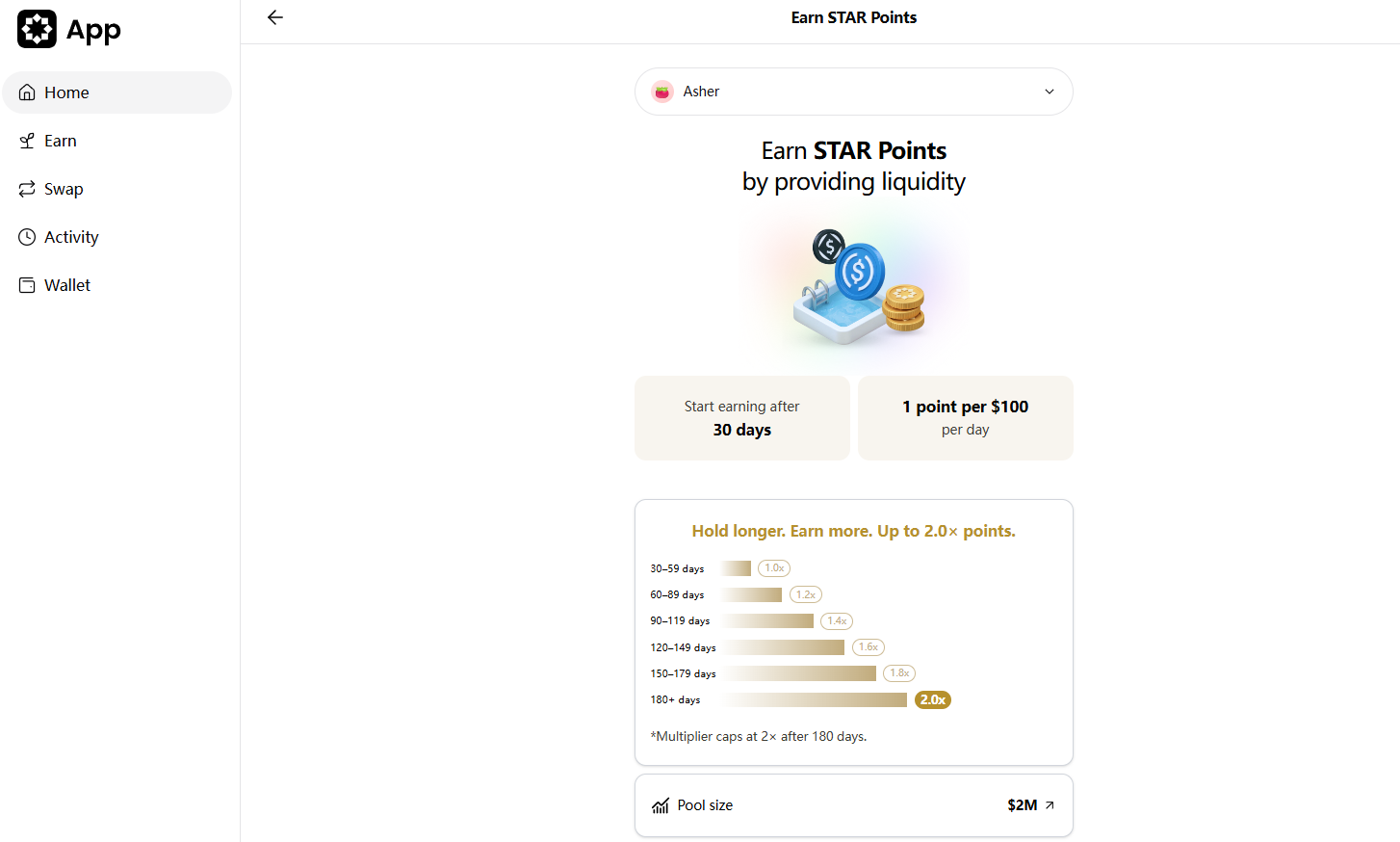
STEP 6. Provide LP liquidity to earn 5 points. Additionally, earn 1 STAR point daily for every $100 in value. Deposits held for over 60 days will receive additional STAR point bonuses.
Furthermore, Startale Group is running a "Lucky Easter Egg" event from March 23rd to April 3rd. Completing the above tasks will grant additional chances to open eggs for opportunities to win STAR points and USDSC rewards.

Domande pertinenti

QWhat is the total amount of Series A funding raised by Startale Group and who were the major investors?

AStartale Group raised a total of $63 million in Series A funding, with SBI Group investing $50 million and Sony Innovation Fund investing $13 million.

QWhat are the main business focuses and products of Startale Group as a Web3 infrastructure provider?

AStartale Group focuses on building a complete on-chain ecosystem, including the Ethereum Layer 2 network Soneium, operating Astar Network, the Startale App, stablecoin products Startale USD and JPYSC, and Strium. Their key areas are infrastructure, consumer applications, and financial tools.

QWhat is the first step to interact with the Startale Group project according to the tutorial?

AThe first step is to enter the interaction website, fill in an invitation code (e.g., CMPRFS46, QSQREF49, TGIAHX63), and then log in to the account using a Web3 wallet.

QHow can users earn STAR points by interacting with the platform?

AUsers can earn STAR points by: 1. Swapping at least 10 USDC to get 3 points. 2. Depositing at least 10 USDC into the vault to get 5 points. 3. Providing liquidity (LP) to get 5 points, plus 1 point daily for every $100 in value, with additional bonuses for deposits over 60 days.

QWhat special event did Startale Group launch from March 23 to April 3, and what can users win?

AStartale Group launched a 'Lucky Easter Egg' event during that period. Users who complete the interaction tasks get additional chances to open eggs and win STAR points and USDSC rewards.

Letture associate

The Encryption Bill Clarity's Challenge: A Thorny Path of Bipartisan Compromise in the U.S.

U.S. lawmakers are attempting to advance the Clarity Act, a significant crypto market structure bill, but its path is fraught with partisan hurdles. The process has been rocky since January, when a prior bipartisan deal in the Senate Banking Committee was upended. A key compromise in May on "yield" issues allowed the bill to move forward in committee, but only with the conditional support of two Democratic senators, Angela Alsobrooks and Ruben Gallego. They emphasized that their final vote depends on reaching an agreement on ethics provisions for elected officials. Ultimately, the Senate Agriculture Committee passed its version along party lines without Democratic support. As Republicans push for a full Senate vote in July, the demand for strong ethics language has expanded beyond Democrats. Additional controversies surround provisions related to yields (aligning some Republicans with large banks) and developer protections (opposed by enforcement agencies). Core concerns about illicit finance and consumer protection remain central to the debate. Despite consensus on the need for legislation, achieving the necessary bipartisan compromise is proving difficult. While momentum exists—including recent meetings between senators and White House officials—a reconciled bill text faces skepticism. Senator Gallego has stated that without ethics terms acceptable to Democrats, they will not provide the needed votes. The immediate goals for the crypto community in Congress are unclear: a symbolic Senate vote before the August recess, eventual passage into law by 2026, or forging a final compromise framework. The arduous, vote-by-vote effort to build bipartisan support continues, mirroring the traditional legislative grind the industry must now navigate.

Foresight News49 min fa

The Encryption Bill Clarity's Challenge: A Thorny Path of Bipartisan Compromise in the U.S.

Foresight News49 min fa

Kalshi and Polymarket Founders at Odds? This Business War Is Far More Brutal Than You Imagine

The New York Times details the fierce, personal rivalry between Kalshi CEO Tarek Mansour and Polymarket founder Shayne Coplan, which has escalated beyond typical business competition into a conflict marked by legal complaints, regulatory battles, and public hostilities. The feud intensified in late 2024 when FBI agents raided Coplan's New York apartment. While Coplan publicly blamed political motives, sources indicate his team privately suspected Mansour, noting that Kalshi's lawyers had previously reported Polymarket's operational model to federal prosecutors, highlighting that U.S. users could still access its offshore platform despite a ban. The animosity extends through their companies' operations. Kalshi positions itself as a compliance-focused, fully licensed U.S. operator, while Polymarket has historically operated its core platform offshore without a U.S. license, offering more anonymity and controversial betting markets. Mansour has publicly called Polymarket's model "illegal and immoral," while Coplan privately dismisses Kalshi as a copycat. Their competition has played out in Washington lobbying, attempts to sabotage each other's major deals (such as Kalshi's efforts to dissuade Intercontinental Exchange from investing in Polymarket), competing sponsorships, and poaching staff. The rivalry continues as both platforms experience massive growth, with Kalshi currently holding a valuation and trading volume edge, but facing ongoing regulatory scrutiny alongside Polymarket.

Foresight News1 h fa

Kalshi and Polymarket Founders at Odds? This Business War Is Far More Brutal Than You Imagine

Foresight News1 h fa

Trading

Spot
活动图片