In Web3 Storytelling Today, You Don't Need Creativity

深潮Pubblicato 2025-12-29Pubblicato ultima volta 2025-12-29

Introduzione

In the Web3 space, many content creators struggle with storytelling not due to a lack of creativity, but because their content lacks contrast—the element that creates engagement and memorability. Contrast refers to a shift or change, such as moving from "before" to "after," "expectation" to "reality," or "belief" to "realization." Without this transformation, content remains flat and informational but fails to resonate. Web3 is filled with straightforward presentations of features, data, and promises, which often fail to capture attention because the human brain responds to unexpected or relatable changes. For instance, instead of stating "Solana is fast and cheap," a more effective approach would be: "I clicked send, switched tabs, and realized the transaction was already complete"—creating a moment of contrast that stands out. Embracing contrast often involves acknowledging personal mistakes, doubts, or unexpected outcomes, which can feel uncomfortable but adds authenticity and relatability. To incorporate contrast, creators should ask: "What changed here?" and include elements like past assumptions, moments of hesitation, or surprising results. Ultimately, contrast allows Web3 content to stand out in a noisy landscape without needing exaggerated creativity—just genuine, transformative storytelling.

Author:Noir

Compiled by: Deep Tide TechFlow

Most Web3 content creators think they are not good at storytelling because they feel they "lack creativity."

But friend, that is usually not the real issue.

In fact, the real problem is:

—Your content lacks contrast.

Hey, either the content:

sounds the same,

feels flat,

or has no variation.

And when nothing changes, there is no story to tell.

What is Contrast?
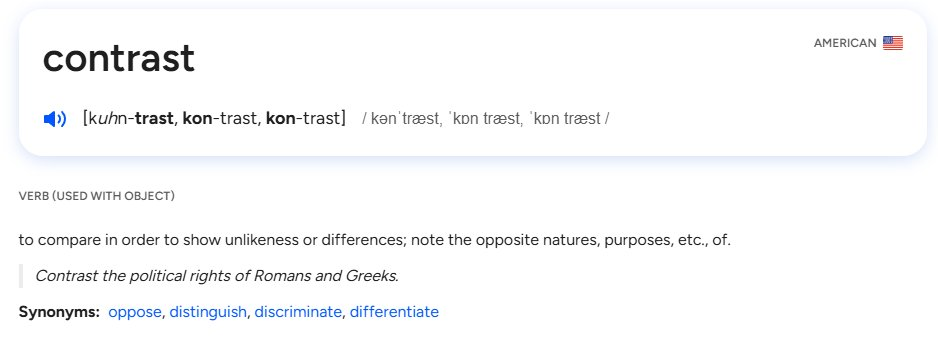
Contrast actually means something is different from previous content.

Yes, it's that simple.

It doesn't require:

flowery language,

surprising plot twists,

or background music.

Essentially, contrast is a transformation, such as:

From "before" to "after"

From "expectation" to "reality"

From "belief" to "realization"

Without this transformation, your content is just information.

Yes, it might be useful, but memorable? Hmm... unlikely.

Why does a lack of contrast make content weak?

The Web3 world is full of:

features, data, promises, roadmaps......

But most content is presented too straightforwardly:

"This is what it does."

"These are its benefits."

"This is why you should care about it."

However, the brain isn't interested in this linear information.

It wakes up when something unexpected happens.

Why Content Loses Appeal Without Contrast

The Web3 world is filled with:

features, data, promises, roadmaps......

But most content is presented too straightforwardly:

"This is its function."

"Why it's good."

"Why you need to care about it."

However, the brain isn't activated by this linear information.

It only wakes up when something unexpected happens.

A Simple Example of "Contrast"

(You must have seen it countless times)

Expression without contrast:

Solana has fast transactions and low costs.

Your brain responds: Okay... so what?

Expression with contrast:

I clicked send, switched pages, and then realized the transaction was already completed.

The same idea, but with a completely different impact.

The second expression creates a "moment." Got it?

Why Does "Contrast" Feel Uncomfortable?

(And why this matters)

Contrast often requires you to admit:

You were wrong, you were confused, you underestimated something.

That's why most people avoid it.

But this discomfort is precisely what makes content feel authentic.

People don't like flawless things.

They connect more easily with resonance and vulnerability.

When someone thinks: "Wait... I've felt that way too."

Congratulations, you've succeeded.

How to Add "Contrast" to Your Content?

Before publishing, ask yourself one question:

"What changed here?"

If you can't answer, try adding:

  • A mistaken assumption you once had

  • A moment of hesitation

  • An unexpected result

  • A "small decision" you almost didn't make

It really doesn't require a dramatic plot.

You just need a bit of relatable change.

Weirdo's Summary

Don't get me wrong, creativity does play an important role in storytelling.

But not everyone is born creative. This article is specifically for those who genuinely want to learn storytelling techniques.

Its core lies in: being sincere enough to show "transformation."

In the complex and noisy world of Web3,

"Contrast" is how you stand out without having to shout :)

Remember to follow me, or else... (Content here does not comply with Mainland China regulations, recommended to delete).


Domande pertinenti

QWhat is the main reason most Web3 content creators struggle with storytelling according to the article?

AThe main reason is not a lack of creativity, but rather that their content lacks contrast.

QWhat does 'contrast' in content creation refer to, as defined in the article?

AContrast refers to a change or transformation from one state to another, such as from 'before' to 'after', 'expectation' to 'reality', or 'belief' to 'realization'.

QWhy does the absence of contrast make content less engaging?

AWithout contrast, content becomes straightforward information that fails to activate the brain, which is only awakened by unexpected or surprising elements.

QHow can a content creator add contrast to their work, based on the article's advice?

ABy incorporating elements like a past mistaken assumption, a moment of hesitation, an unexpected result, or a small decision that was almost not made.

QWhat emotional quality does contrast often introduce, and why is this beneficial?

AContrast often introduces discomfort through vulnerability or admitting being wrong, which makes the content feel more authentic and relatable to the audience.

Letture associate

First Day Review of "Musk's WeChat" XChat: Even Worse Than Expected

Elon Musk's much-anticipated "WeChat-like" app, XChat, has officially launched after multiple delays. The initial review reveals a product that falls short of expectations, offering an experience largely similar to X Platform's (formerly Twitter) direct messages, despite being marketed as an encrypted communication tool. Key observations from the first-day test include: 1. The app's promoted "end-to-end encryption" and its claimed relation to Bitcoin's architecture were criticized by experts as a superficial attempt to capitalize on crypto buzz, with no real technical connection. 2. Musk's vision of an ad-free "secure communication system" is technically met, but only because the app is currently extremely basic, featuring only a single chat interface. 3. A promised anti-screenshot feature appears inconsistent; it works in X Platform group chats but fails within the XChat app itself, where screenshots still capture avatars. 4. The app supports 45 languages and has a 16+ age rating, indicating a broader tolerance for content compared to WeChat's 13+ rating. 5. A puzzling login process requires users to verify the email associated with their X account. 6. The touted encryption" feels minimal in practice, with its presence only indicated by a simple "Encrypted - Yes" label on messages. 7. Disappearing message timers for groups can be set from 5 minutes to 4 weeks, with the timer starting upon being read by a user. 8. Group invite links are shared with X Platform groups. 9. Group size limits are planned to be increased, aiming for 1000 members, a move that has drawn user criticism. 10. The app offers 8 different colored icons, and its chat bubbles are notably similar to WeChat's. Message deletion options mimic Telegram's. Crucially, many pre-announced features like importing X contacts, integrating Grok AI, X Money payments, and Cashtags are not yet available. The initial release is seen as a bare-bones and underwhelming first step.

Odaily星球日报42 min fa

First Day Review of "Musk's WeChat" XChat: Even Worse Than Expected

Odaily星球日报42 min fa

Trading

Spot
Futures

Articoli Popolari

Come comprare T

Benvenuto in HTX.com! Abbiamo reso l'acquisto di Threshold Network Token (T) semplice e conveniente. Segui la nostra guida passo passo per intraprendere il tuo viaggio nel mondo delle criptovalute.Step 1: Crea il tuo Account HTXUsa la tua email o numero di telefono per registrarti il tuo account gratuito su HTX. Vivi un'esperienza facile e sblocca tutte le funzionalità,Crea il mio accountStep 2: Vai in Acquista crypto e seleziona il tuo metodo di pagamentoCarta di credito/debito: utilizza la tua Visa o Mastercard per acquistare immediatamente Threshold Network TokenT.Bilancio: Usa i fondi dal bilancio del tuo account HTX per fare trading senza problemi.Terze parti: abbiamo aggiunto metodi di pagamento molto utilizzati come Google Pay e Apple Pay per maggiore comodità.P2P: Fai trading direttamente con altri utenti HTX.Over-the-Counter (OTC): Offriamo servizi su misura e tassi di cambio competitivi per i trader.Step 3: Conserva Threshold Network Token (T)Dopo aver acquistato Threshold Network Token (T), conserva nel tuo account HTX. In alternativa, puoi inviare tramite trasferimento blockchain o scambiare per altre criptovalute.Step 4: Scambia Threshold Network Token (T)Scambia facilmente Threshold Network Token (T) nel mercato spot di HTX. Accedi al tuo account, seleziona la tua coppia di trading, esegui le tue operazioni e monitora in tempo reale. Offriamo un'esperienza user-friendly sia per chi ha appena iniziato che per i trader più esperti.

310 Totale visualizzazioniPubblicato il 2024.12.10Aggiornato il 2025.03.21

Come comprare T

Discussioni

Benvenuto nella Community HTX. Qui puoi rimanere informato sugli ultimi sviluppi della piattaforma e accedere ad approfondimenti esperti sul mercato. Le opinioni degli utenti sul prezzo di T T sono presentate come di seguito.

活动图片












