Hot Interaction Collection | Cascade Early Access Application; OpenMind Adds Badge Tasks (December 17)

Odaily星球日报Pubblicato 2025-12-17Pubblicato ultima volta 2025-12-17

Introduzione

Hot Interaction Roundup: Cascade Early Access and OpenMind Badge Tasks (Dec 17) Cascade, a crypto brokerage platform, is now accepting early access applications. It offers 24/7 trading of U.S. stocks and crypto perpetual contracts with a single margin account. Users can apply via X (Twitter) and Google email, and join the Discord to claim OG roles. OpenMind, founded by a Stanford professor, is building a universal OS and decentralized network for smart machines. It recently added new badge tasks: users can sign up with Google, verify with World Coin for a Personhood badge, and connect a Backpack wallet for another badge. Altius, a modular execution stack developer, launched a Web3 knowledge quiz with Open Academy. Participants can complete three course levels and social tasks for a chance to win limited edition boxes or OA tokens. The event runs until December 23.

Original | Odaily Planet Daily (@OdailyChina)

Author | Asher (@Asher_ 0210)

Cascade: 24/7 US Stock Trading + Cryptocurrency Perpetual Contract Trading

Project Introduction

Cascade is an encrypted brokerage firm, offering a brokerage-style trading application that operates 24/7, supporting perpetual contract trading for cryptocurrencies, US stocks, and private assets. Users can directly link their bank accounts to complete perpetual trading, portfolio-based lending, and asset transfers within a single margin account.

According to ROOTDATA data, Citrea completed a $15 million financing round, receiving investments from Polychain, Coinbase Ventures, and others.

Interaction Tutorial

STEP 1. Go to the official website (Link: https://cascade.xyz/join), fill in your personal X account and Google email to complete the early access application (limited-time task).
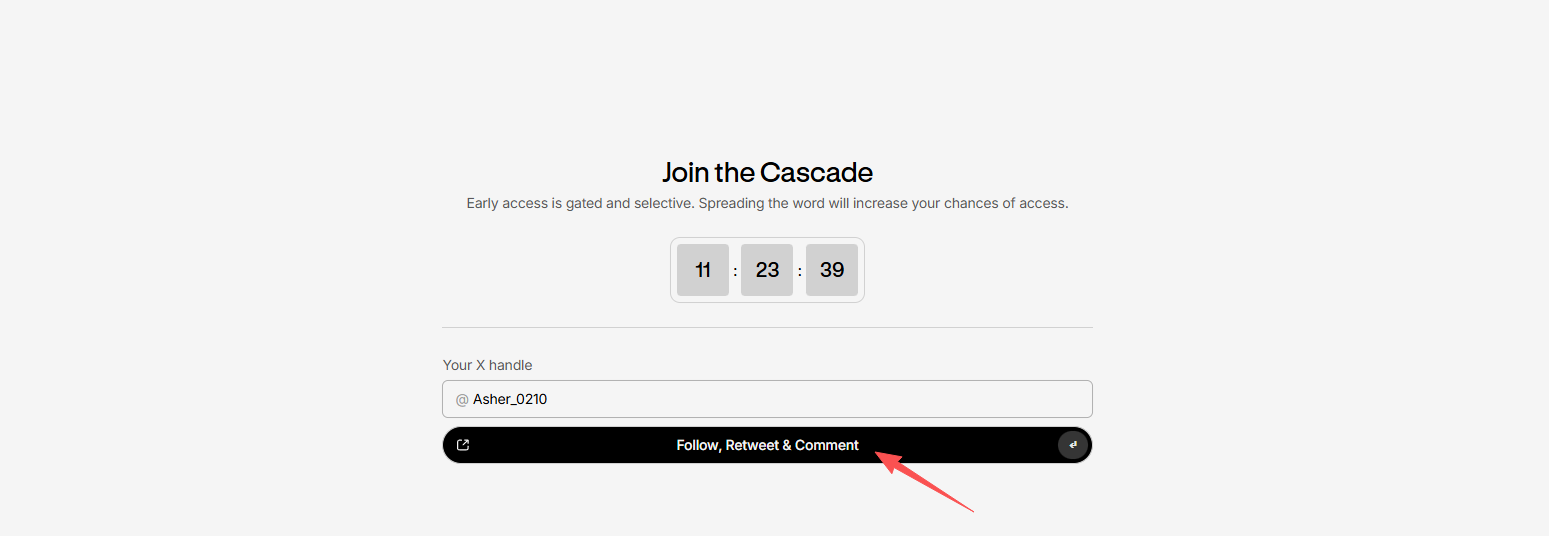
STEP 2. Join the official Discord community (Link: https://discord.com/invite/cascade-xyz) and claim the OG role (limited-time task).

OpenMind: Building a Universal Operating System and Decentralized Collaboration Network for Intelligent Machines

Project Introduction

OpenMind, founded by Stanford University Professor Jan Liphardt, is dedicated to building a universal operating system and decentralized collaboration network for intelligent machines, enabling robots from different manufacturers and of different forms to securely trust each other, share information, and collaborate globally.

In early August this year, OpenMind announced the completion of a $20 million financing round, led by Pantera Capital, with participation from Ribbit, Sequoia, Coinbase Ventures, DCG, Lightspeed Faction, Anagram, Pi Network Ventures, Topology, Primitive Ventures, Amber Group, and several other institutions and renowned angel investors.

Interaction Tutorial

STEP 1. Go to the interaction website (Link: https://fabric.openmind.org/sign-in) and register using your Google email.
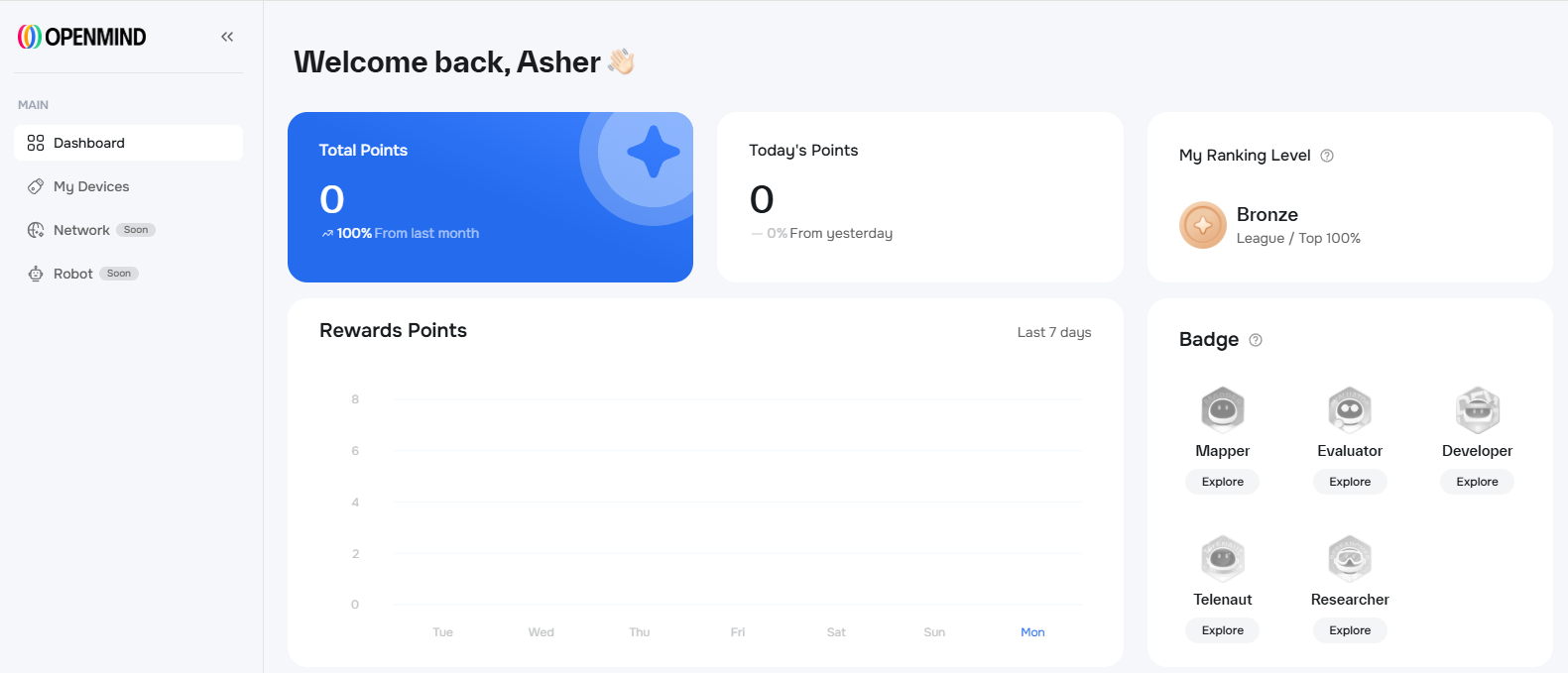
STEP 2. After installing the World Coin software on your phone, click "Personhood" and follow the process to register and receive the badge.
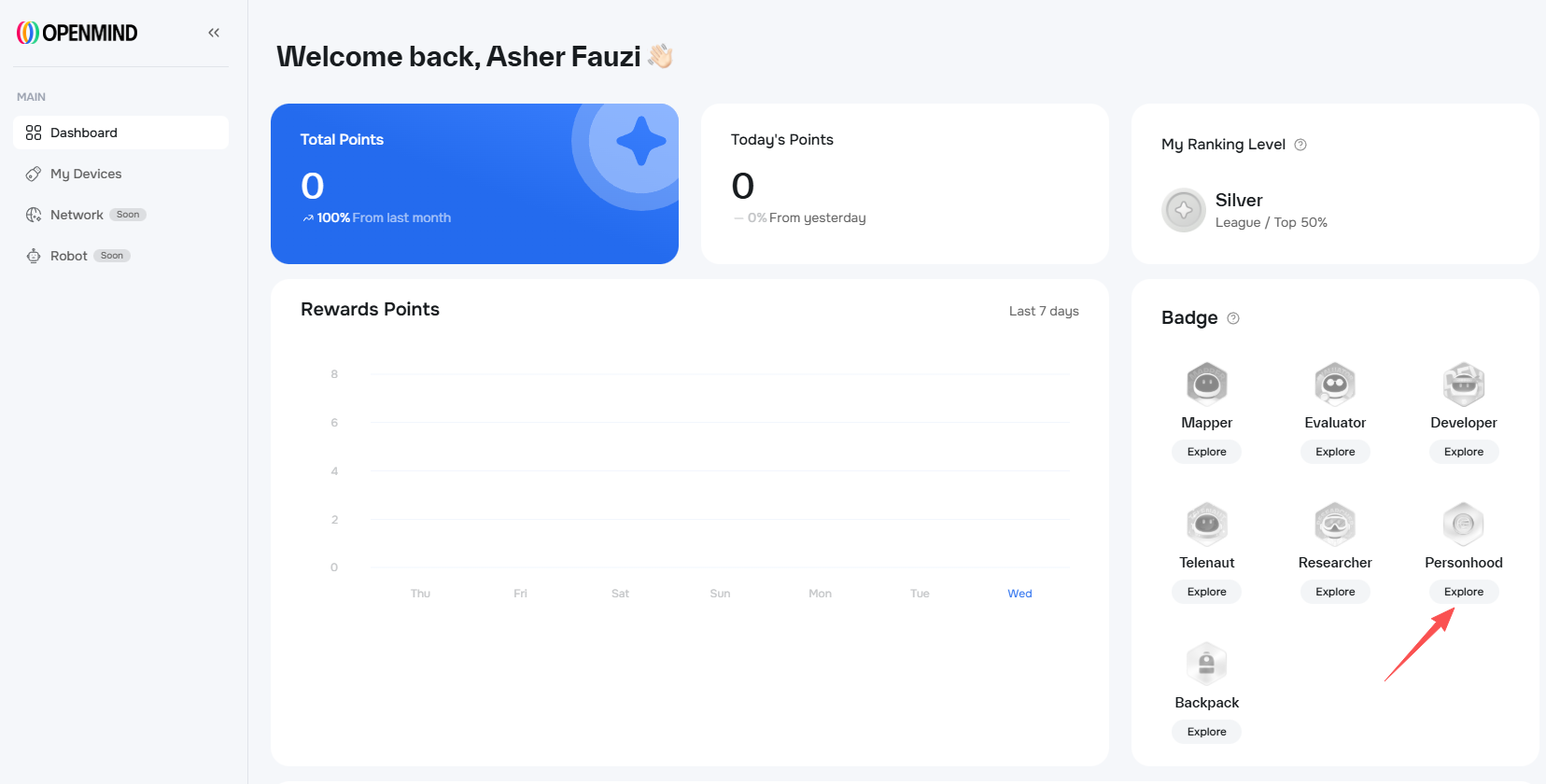
STEP 3. After installing the Backpack software on your phone and registering your personal wallet, click "Backpack", scan the QR code to connect, and receive the badge.
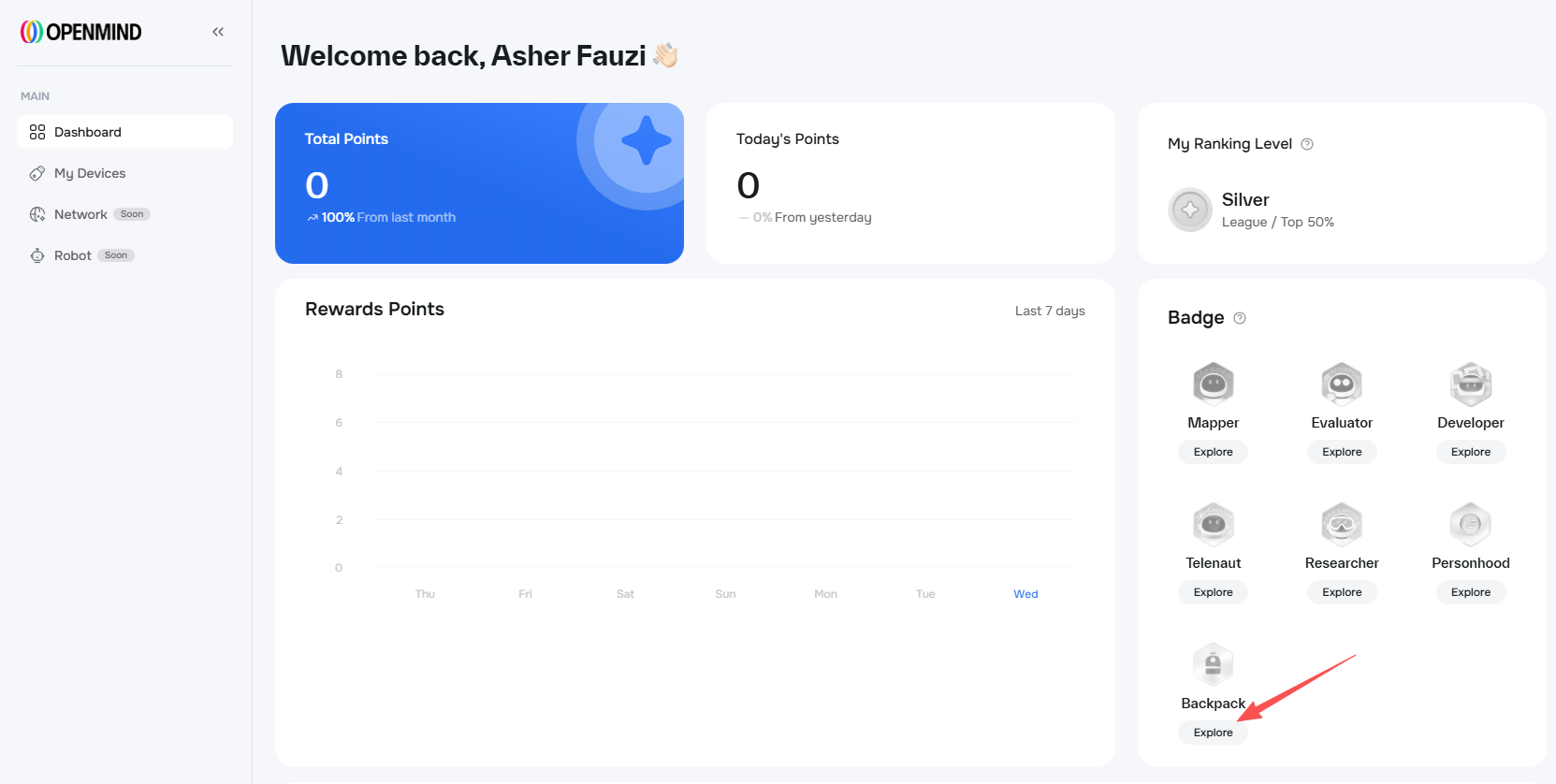
Altius: Committed to Developing a Virtual Machine-Agnostic Modular Execution Stack

Project Introduction

Altius is a set of high-performance on-chain execution infrastructure for the future, co-founded by former Hudson River Trading software engineer Anit Chakraborty and former Amber Group managing partner Annabelle Huang. It is committed to developing a virtual machine (VM)-agnostic modular execution stack.

In mid-February this year, Altius announced the completion of an $11 million Pre-Seed funding round, led by Founders Fund and Pantera, with participation from Archetype, Reforge, DCG, and others.

Interaction Tutorial

On December 13th, Altius, in collaboration with Open Academy, launched a Web3 knowledge test activity. 5 users can win limited edition Altius gift boxes, and 200 users can each receive 200 OA tokens. The deadline is December 23rd.

STEP 1. Go to the interaction website (Link: https://www.altiuslabs.xyz/blog/altius-x-open-academy-educational-course) and click the location shown below to jump to the Telegram link.
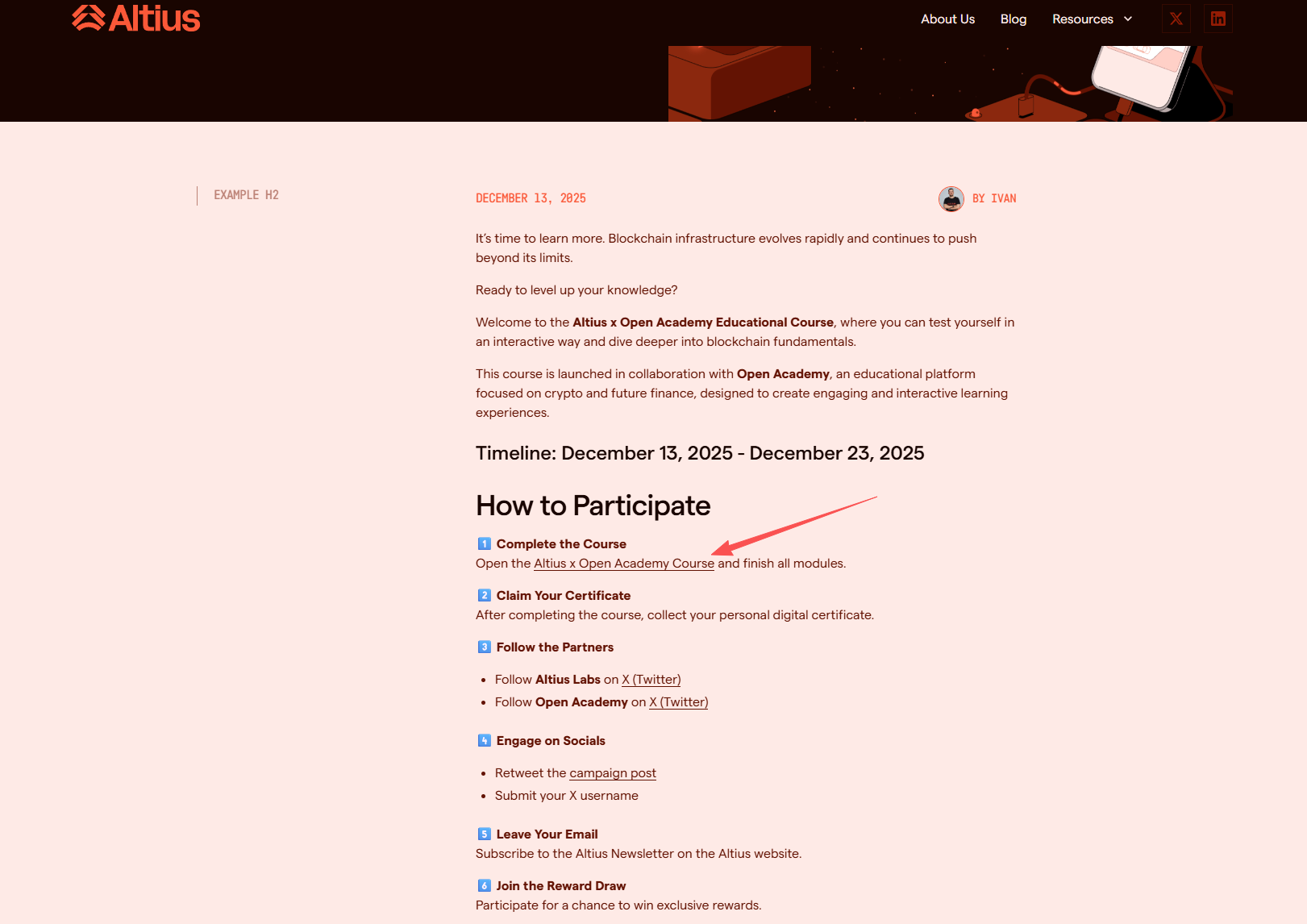
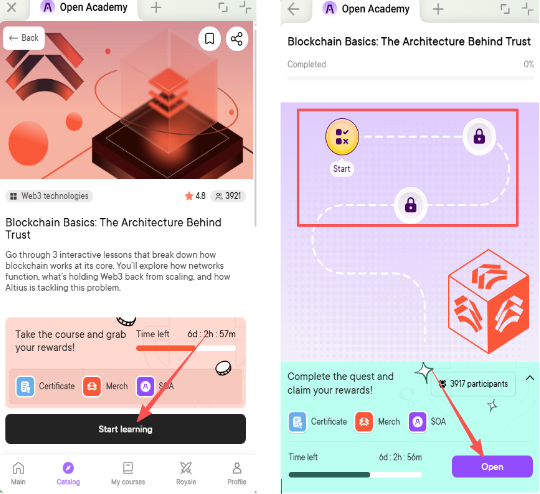
STEP 2. After entering the TG mini-app, click "Start learning". Complete the 3-level course tasks as prompted, then click "Open" below and complete the social tasks in order.
Crypto di tendenza

Domande pertinenti

QWhat is Cascade and what services does it offer?

ACascade is a crypto brokerage firm that provides a 24/7 trading application. It supports perpetual contract trading for cryptocurrencies, US stocks, and private assets. Users can link their bank accounts and perform perpetual trading, portfolio-based lending, and asset transfers within a single margin account.

QHow can users apply for early access to Cascade?

AUsers can apply for early access by visiting the official website (https://cascade.xyz/join), providing their X (Twitter) account and Google email address. This is a limited-time task.

QWhat is the main goal of the OpenMind project and who founded it?

AOpenMind aims to build a universal operating system for intelligent machines and a decentralized collaboration network, enabling robots from different manufacturers to securely share information and work together globally. It was founded by Stanford University professor Jan Liphardt.

QWhat are the steps to earn a badge on OpenMind platform?

ATo earn a badge on OpenMind, users must first register on the interaction website (https://fabric.openmind.org/sign-in) using a Google email. Then, they can obtain a badge by either: 1) Installing the World Coin app, clicking 'Personhood', and completing the registration process, or 2) Installing and registering a Backpack wallet, then clicking 'Backpack' and scanning a QR code to connect.

QWhat is the purpose of the Altius project and what recent activity did it announce?

AAltius is developing a virtual machine (VM)-agnostic modular execution stack for high-performance on-chain execution infrastructure. Recently, on December 13th, it launched a Web3 knowledge test activity in collaboration with Open Academy, offering prizes like limited edition gift boxes and OA tokens, which runs until December 23rd.

Letture associate

CPU Makes a Comeback to the Table, A $170 Billion "Power Seizure" Drama Begins

A new era is dawning for the server CPU (Central Processing Unit), driven by the shift from AI model training to large-scale reasoning and the rise of Agentic AI. This article explores how the CPU is reclaiming a central role in the AI data center. For years, the focus has been on the GPU (Graphics Processing Unit) for AI training. However, as AI moves to the inference and Agent phase—where tasks involve complex, multi-step reasoning, tool calls, and data management—the workload balance is flipping. Studies show CPUs now handle over 70% of the workload in Agentic AI, up from 10-30% in training. This is because Agent tasks generate massive intermediate data (KV Cache) that exceeds GPU memory, forcing it to be offloaded to the CPU's larger, more scalable memory pools. This increased importance is translating into market changes. Major players are taking note: NVIDIA launched its first standalone CPU line, Vera, based on ARM architecture and optimized for Agent performance. AMD doubled its server CPU market forecast to over $1200 billion by 2030. Analyst reports project the total server CPU market could reach $1700 billion by 2030, with AI-driven demand being a primary driver. Furthermore, the classic ratio of CPUs to GPUs in AI servers is rapidly changing, converging from 1:8 toward 1:1 for Agent deployments. This surge in demand has led to a rare industry-wide price increase of 10-15% for server CPUs from Intel and AMD, breaking a decade-long trend of "more performance for the same price." Demand is bifurcating into high-core-count CPUs for in-rack GPU support and moderate-core CPUs for standalone Agent task orchestration. In China, this global trend presents an opportunity for domestic CPU manufacturers like Hygon (海光信息) and Huawei Kunpeng, who are bolstered by both growing AI infrastructure needs and national policies promoting technological self-reliance ("xin chuang"). The maturity of their software ecosystems is also accelerating, evidenced by faster adaptation to new AI models. In conclusion, the narrative is shifting from a GPU-centric view to one where CPU-GPU synergy is critical. The CPU is no longer a peripheral component but a performance-defining bottleneck and a key growth driver in the AI hardware stack, opening a massive new market estimated in the hundreds of billions of dollars.

marsbit6 h fa

CPU Makes a Comeback to the Table, A $170 Billion "Power Seizure" Drama Begins

marsbit6 h fa

TechFlow Intelligence: AMD AI Director Publicly Criticizes Claude Code for "Becoming Dumber and Lazier", Trump Claims Full Ceasefire in Hormuz But Strait Still Has 80 Unexploded Mines

TechFlow Intelligence Report: This daily digest covers key developments in AI, crypto, hardware, and geopolitics. In AI, SK Telecom faces US export control scrutiny over its partnership with Anthropic, while a Gemini user reports being misled in a scam scenario, sparking safety debates. China's Z.AI launches the GLM-5.2 model, rivaling Claude Opus without NVIDIA chips. In crypto, Bithumb lists ReProtocol, and Upbit delists KernelDAO. On the hardware front, MIT researchers build a custom OS to study chips, ASML denies US claims its advanced lithography machines are in China, and Amazon considers selling its in-house AI chips. Apple's future A21 Pro chip may use TSMC's latest N2P process. Major tech issues include 10,000 GitHub repositories distributing malware and Apple patching a critical eavesdropping flaw in Beats earbuds. US stocks rise, led by semiconductors, with Intel surging 10.6%, while SpaceX falls 3.5%. Geopolitically, despite a US-Iran deal, the Strait of Hormuz remains risky with ~80 uncleared mines, stalling 80M barrels of oil on standby tankers. Iran postpones Switzerland talks, and Trump calls the agreement an "unconditional surrender." The report highlights a contrast: temporary geopolitical calm versus the ongoing, fundamental restructuring of tech supply chains and chip independence.

marsbit6 h fa

TechFlow Intelligence: AMD AI Director Publicly Criticizes Claude Code for "Becoming Dumber and Lazier", Trump Claims Full Ceasefire in Hormuz But Strait Still Has 80 Unexploded Mines

marsbit6 h fa

Trading

Spot
Futures

Articoli Popolari

Come comprare HOT

Benvenuto in HTX.com! Abbiamo reso l'acquisto di Holo (HOT) semplice e conveniente. Segui la nostra guida passo passo per intraprendere il tuo viaggio nel mondo delle criptovalute.Step 1: Crea il tuo Account HTXUsa la tua email o numero di telefono per registrarti il tuo account gratuito su HTX. Vivi un'esperienza facile e sblocca tutte le funzionalità,Crea il mio accountStep 2: Vai in Acquista crypto e seleziona il tuo metodo di pagamentoCarta di credito/debito: utilizza la tua Visa o Mastercard per acquistare immediatamente HoloHOT.Bilancio: Usa i fondi dal bilancio del tuo account HTX per fare trading senza problemi.Terze parti: abbiamo aggiunto metodi di pagamento molto utilizzati come Google Pay e Apple Pay per maggiore comodità.P2P: Fai trading direttamente con altri utenti HTX.Over-the-Counter (OTC): Offriamo servizi su misura e tassi di cambio competitivi per i trader.Step 3: Conserva Holo (HOT)Dopo aver acquistato Holo (HOT), conserva nel tuo account HTX. In alternativa, puoi inviare tramite trasferimento blockchain o scambiare per altre criptovalute.Step 4: Scambia Holo (HOT)Scambia facilmente Holo (HOT) nel mercato spot di HTX. Accedi al tuo account, seleziona la tua coppia di trading, esegui le tue operazioni e monitora in tempo reale. Offriamo un'esperienza user-friendly sia per chi ha appena iniziato che per i trader più esperti.

98 Totale visualizzazioniPubblicato il 2024.12.11Aggiornato il 2026.06.02

Come comprare HOT

Cosa è HOLO

Comprendere HOLO: Il Futuro delle Applicazioni Decentralizzate Introduzione a HOLO, $holo Nel panorama in rapida evoluzione delle criptovalute e delle tecnologie decentralizzate, HOLO, noto anche come Holo, è emerso come un attore notevole. Questo progetto innovativo facilita lo sviluppo di applicazioni decentralizzate (DApps) attraverso la sua architettura sottostante conosciuta come Holochain. Con una visione di creare un ponte tra l'internet centralizzato che conosciamo oggi e l'ecosistema decentralizzato del futuro, HOLO mira a rendere le DApps accessibili all'utente comune senza gli ostacoli di installazioni complesse e competenze tecniche. Cos'è HOLO, $holo? Alla sua base, HOLO è una piattaforma distribuita progettata per ospitare DApps costruite su Holochain. A differenza delle tradizionali piattaforme blockchain, Holochain adotta un approccio unico consentendo a ciascuna applicazione di funzionare secondo un proprio insieme di regole. Il mandato di HOLO è connettere queste applicazioni Holochain (hApps) con gli utenti tramite tecnologie web familiari. L'obiettivo principale di HOLO è democratizzare l'accesso e l'uso delle DApps consentendo agli utenti di accedere a queste applicazioni direttamente attraverso i normali browser web. Questa accessibilità è fondamentale per ridurre le frizioni per gli utenti medi di internet, permettendo loro di utilizzare applicazioni di nuova generazione senza dover affrontare le complessità spesso associate alle criptovalute e all'uso delle DApp. Creatore di HOLO, $holo HOLO nasce dalla visione dei suoi creatori, Arthur Brock ed Eric Harris-Braun. Entrambi sviluppatori esperti e programmatori di contratti, hanno avviato il progetto nel dicembre 2016 come parte del MetaCurrency Project. Questa iniziativa era inizialmente focalizzata sullo sviluppo di strumenti e tecnologie mirati a promuovere un'economia peer-to-peer. I loro background nella programmazione e nelle iniziative imprenditoriali li hanno posizionati in modo unico per affrontare le sfide dello sviluppo e dell'hosting di applicazioni decentralizzate. Investitori di HOLO, $holo Sebbene i dettagli specifici riguardanti investitori individuali in HOLO non siano facilmente disponibili, è evidente che il progetto ha ricevuto un sostegno significativo e attenzione dalla comunità più ampia delle criptovalute. Il suo approccio innovativo all'hosting di applicazioni decentralizzate, insieme a una comunità di supporto, ha alimentato l'interesse e l'investimento nel progetto. Come funziona HOLO, $holo? HOLO opera creando un ampio ecosistema in cui gli host contribuiscono con spazio di archiviazione e potenza di elaborazione per le DApps basate su Holochain. Trasformando i loro dispositivi o anche hardware dedicato come HoloPorts in nodi di hosting, gli individui possono monetizzare efficacemente le risorse inutilizzate dei loro computer. I principali componenti funzionali di HOLO includono: Fornitore di Applicazioni: Queste entità acquistano crediti di hosting da HOLO, che vengono mantenuti in un conto di riserva. Questo meccanismo consente agli sviluppatori di DApp di garantire le risorse necessarie per eseguire le loro applicazioni. Host: Individui o organizzazioni che scelgono di ospitare DApps generano log di servizio firmati mentre rispondono alle richieste degli utenti. Questo processo garantisce che tutte le interazioni sulla rete siano tracciate e autenticate. Prova di Servizio: Un elemento cruciale dell'integrità operativa di HOLO, gli host presentano fatture ai fornitori di applicazioni, che poi convalidano il servizio fornito. Una volta convalidato, gli host ricevono compenso sotto forma di crediti di hosting. HoloFuel: Servendo come token nativo della rete Holo, HoloFuel è progettato per microtransazioni. Questo token facilita l'ampio throughput di transazioni necessario affinché la piattaforma supporti miliardi di transazioni simultanee senza problemi. La sinergia combinata di questi componenti garantisce un ambiente di hosting robusto e decentralizzato, spingendo l'utilità e la portata delle applicazioni Holochain. Cronologia di HOLO, $holo Il percorso di HOLO è stato segnato da diversi traguardi sin dalla sua nascita: Dicembre 2016: L'inizio di HOLO da parte di Arthur Brock ed Eric Harris-Braun come parte del MetaCurrency Project. 2018: L'emissione di un token ERC20, noto come HoloToken (HOT), ha servito come un “IOU” che è riscattabile per HoloFuel al lancio del progetto. Sviluppo Continuo: Avanzamenti, test e ottimizzazione continui della rete Holo e di HoloFuel, assicurando che il progetto rimanga all'avanguardia della tecnologia di hosting di applicazioni decentralizzate. Caratteristiche Uniche di HOLO, $holo HOLO si distingue nel campo affollato delle criptovalute e delle piattaforme decentralizzate grazie alle sue caratteristiche distintive e al framework innovativo su cui opera: Hosting Peer-to-Peer: HOLO apre la porta a chiunque per diventare un host per DApps semplicemente utilizzando i propri computer. Questa democratizzazione dell'hosting è simile a come piattaforme come Airbnb hanno interrotto l'industria alberghiera tradizionale dando potere agli individui di partecipare all'economia. Framework Holochain: Centrale alle innovazioni di HOLO è il framework Holochain stesso. Posizionato come una tecnologia di nuova generazione, Holochain vanta scalabilità senza pari, velocità di transazione rapide, eccezionale efficienza energetica e convenienza rispetto alle tecnologie blockchain convenzionali. HoloFuel per Microtransazioni: HoloFuel è meticolosamente progettato per accogliere microtransazioni, consentendo alla rete Holo di gestire efficientemente miliardi di transazioni contemporaneamente. Questa capacità è fondamentale per l'adozione mainstream, consentendo agli sviluppatori di creare applicazioni che siano economicamente sostenibili su larga scala. Conclusione HOLO rappresenta un significativo avanzamento nel panorama delle applicazioni decentralizzate e della tecnologia blockchain. Con la sua infrastruttura robusta, un approccio user-friendly e il framework innovativo Holochain, HOLO è pronto a svolgere un ruolo cruciale nel futuro del web. Se migliorerà le esperienze quotidiane su internet o ridefinirà il modo in cui sviluppatori e utenti interagiscono con le applicazioni digitali rimane da vedere, ma i suoi progressi finora meritano di essere seguiti mentre il mondo continua a muoversi verso un'economia digitale decentralizzata. Man mano che il progetto evolve, i suoi sviluppi in corso e il coinvolgimento della comunità saranno componenti cruciali del suo successo, potenzialmente stabilendo HOLO come una piattaforma mainstream per applicazioni decentralizzate. Con il crescente interesse attorno alle tecnologie decentralizzate, l'importanza e l'impatto di progetti come HOLO aumenteranno solo negli anni a venire.

101 Totale visualizzazioniPubblicato il 2024.12.26Aggiornato il 2024.12.26

Cosa è HOLO

Discussioni

Benvenuto nella Community HTX. Qui puoi rimanere informato sugli ultimi sviluppi della piattaforma e accedere ad approfondimenti esperti sul mercato. Le opinioni degli utenti sul prezzo di HOT HOT sono presentate come di seguito.

活动图片