Over 90 days, the correlation between Bitcoin and the Nasdaq 100 has dropped from 60% to 33%, while its correlation with gold has risen from nearly zero at the start of the year to over 50%. This was noted by Zach Pandl, Head of Research at Grayscale.
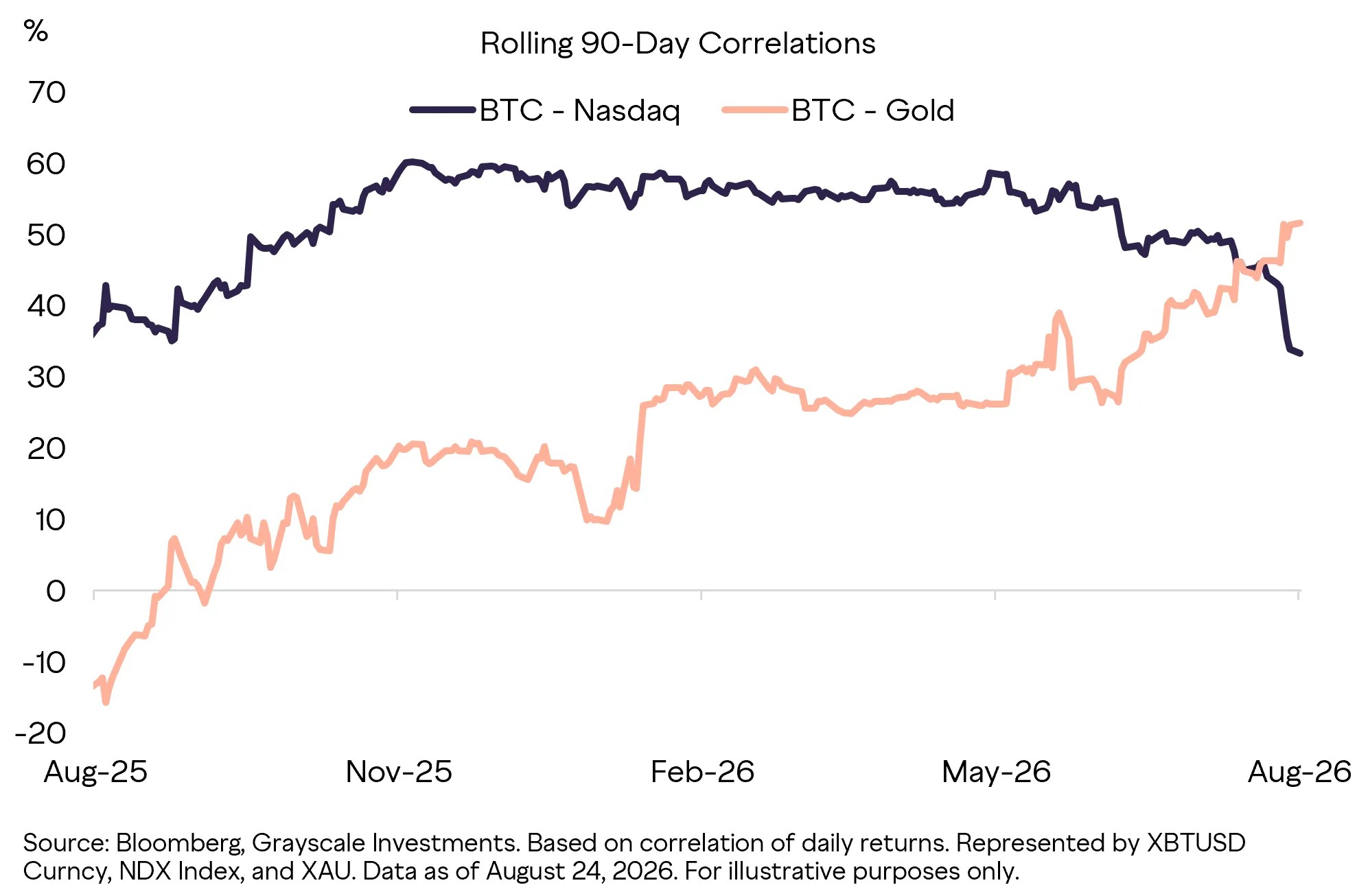
According to Pandl, the market is once again beginning to perceive the first cryptocurrency as a safe-haven asset.
"This shift may reflect a renewed investor focus on Bitcoin's scarcity, its financial independence, and its utility as a store of value," he added.
The Grayscale executive also pointed out that U.S. national debt has exceeded $40 trillion, and growing deficits and rising Treasury yields are driving demand for assets that can protect capital from the weakening of fiat currencies. Grayscale referred to this as part of the macroeconomic backdrop for a "bet on currency debasement."
According to Pandl's assessment, in such conditions, Bitcoin could become a liquid alternative to gold. He reminded that the asset's supply is capped at 21 million coins, and its emission schedule is transparent and independent of a central issuer.
A similar position was voiced by Jurrien Timmer, Director of Global Macro at Fidelity. He linked the rise in gold and Bitcoin to actions by the U.S. Treasury to buy back long-term bonds and increase bill issuance.
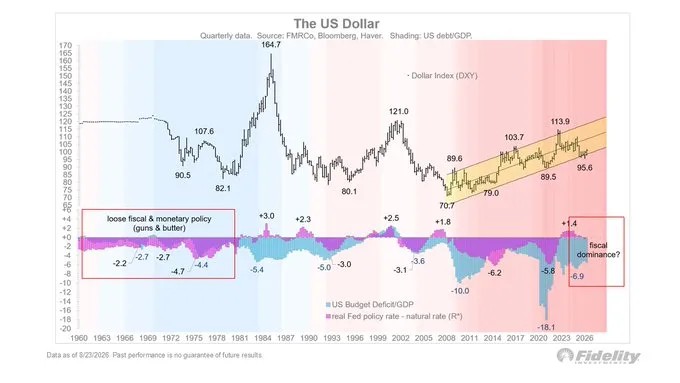
"The market senses a slippery slope towards fiscal dominance and a potential loss of Federal Reserve independence," noted Timmer.
Loose fiscal and monetary policies are a clear negative for the U.S. dollar but a positive for gold, added the Fidelity representative.
Earlier, CryptoQuant analysts explained the reasons for Bitcoin's halt at $80,000.
BlackRock Links Demand for Bitcoin and Gold to U.S. Debt