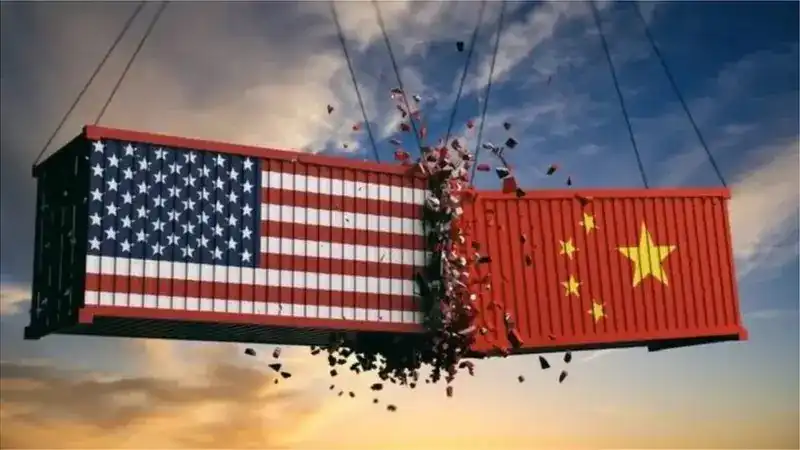
Gold and Silver Experience 'Black Friday' as the Dollar Stages a Dramatic Comeback!

比推Pubblicato 2026-01-31Pubblicato ultima volta 2026-01-31

Introduzione

Gold and silver experienced a historic crash on January 30, 2026, with silver plunging over 30% in its largest single-day drop ever, and gold fell more than 9%, marking its worst decline since the early 1980s. Meanwhile, the US dollar surged nearly 0.9%, its biggest gain since July of the previous year. The sell-off was triggered by the news that former Federal Reserve Governor Kevin Warsh, known for his hawkish stance, was nominated as the next Fed chair. This eased market concerns about the Fed's politicization and led to a rapid unwinding of dollar short positions. The precious metals market, already in extreme overbought territory with silver up 63% and gold 20% year-to-date, faced a liquidity crisis, accelerated by forced liquidations and profit-taking. Commodity currencies like the AUD and CHF were hit hard. Analysts are divided on whether this is a correction within a bull market or a sign of a broader reversal, with factors like geopolitical tensions and monetary policy shifts under the new Fed leadership being key to watch.

On the last trading day of January 2026, global financial markets witnessed a 'heart-stopping moment' for the history books.

On January 30th (Friday) Eastern Time, the precious metals market, which had been surging relentlessly and repeatedly hitting historic highs, was suddenly hit by a 'cold snap.' Spot silver recorded its largest single-day drop in history, plummeting over 30% at one point during the session; spot gold was not spared either, suffering a drop of over 9%, its worst single-day loss since the early 1980s. Meanwhile, the previously persistently weak U.S. Dollar Index (DXY) surged dramatically, posting its largest single-day gain since last July, rebounding about 0.9% in one day.
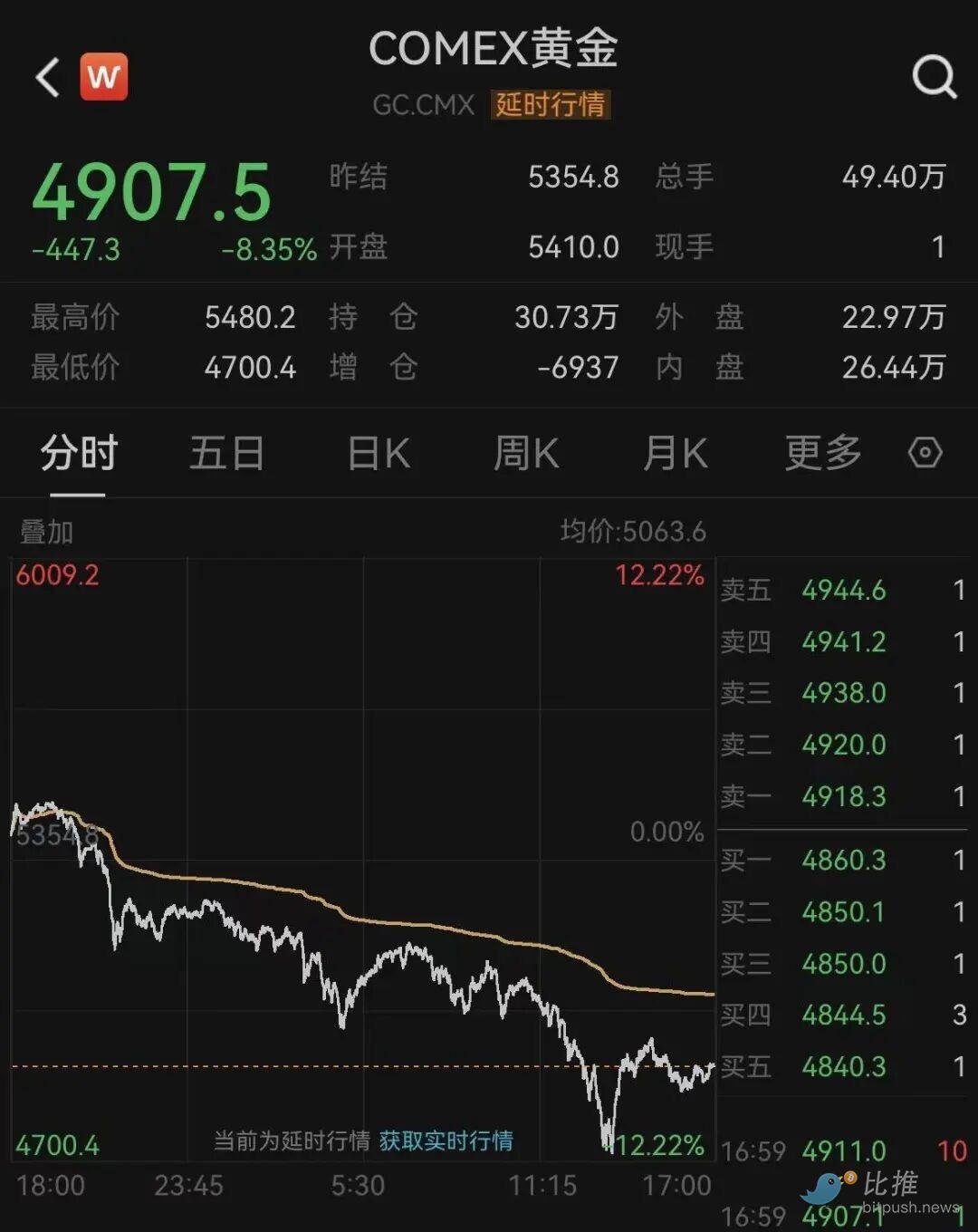
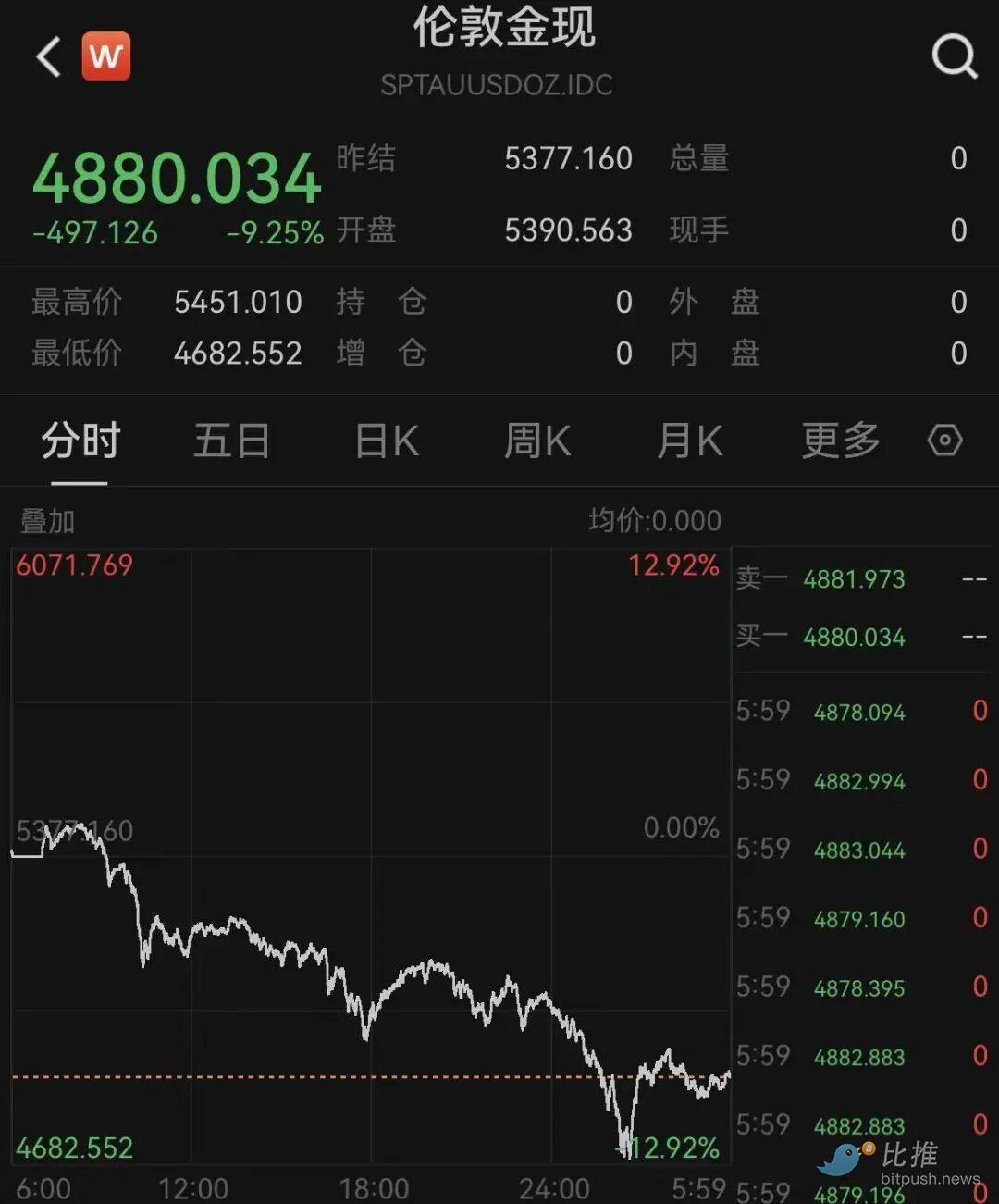
This global asset reshuffle not only wiped trillions of dollars in market value from the precious metals market but also marked the first major correction to the 'weak dollar, strong gold and silver' trading logic since Trump's return to the White House.

Policy 'Hurricane': Warsh Nomination Ignites Dollar Counterattack

The immediate trigger for this plunge in gold and silver was a major personnel decision by the Trump administration. News on Friday indicated that Trump had selected Kevin Warsh to serve as the next Chair of the Federal Reserve.

This decision sent multiple shockwaves through the market:

  • Defending Fed Independence: Previously, the market was highly concerned that Trump would choose a complete 'proxy' who would顺从 his will and favor aggressive interest rate cuts. This concern had directly contributed to the sustained decline of the dollar in January. Warsh, a former Federal Reserve Governor known for his academic rigor and vigilance against inflation, greatly alleviated Wall Street's fears of Fed 'politicization,' restoring market confidence in the Fed's independence.

  • Reshaping Rate Expectations: Warsh has historically shown clear 'hawkish' colors, with almost zero tolerance for inflation. Compared to the possibility of deep, aggressive rate cuts under previously speculated candidates, the market quickly adjusted its expectations to a 'more moderate and cautious' monetary policy. As non-interest-bearing assets, gold and silver saw their appeal plummet under the expectation that 'rates may remain high.'

  • Dollar Short Squeeze: The dollar index had fallen about 1.4% cumulatively in January, with short positions extremely crowded. The news of Warsh's nomination prompted a massive unwinding of dollar shorts, rapidly pushing the dollar index above 96.74, thereby dealing a heavy blow to dollar-denominated precious metals.

Liquidity Crisis in Overbought Territory

If the Warsh nomination was the 'spark,' then the extremely overbought condition of the gold and silver markets was the 'tinder.'

Before the crash on January 30th, spot gold had approached the $5,600 per ounce mark, while silver had reached a peak of $120 per ounce. Since the beginning of the year, silver's gains had reached as high as 63%, and gold's monthly gains were close to 20%. A Wall Street quant strategist stated: "This is no longer a gain explainable by fundamentals, but a typical speculative bubble driven by FOMO (Fear Of Missing Out)."

Multiple technical factors contributed to Friday's 'stampede-like' decline:

  1. RSI Peaking: Gold's Relative Strength Index (RSI) hit a 40-year peak before the crash (RSI near 90), indicating extreme overbought conditions.

  2. Forced Liquidations: The silver market, due to its high leverage, triggered large-scale programmed stop-losses after prices fell below key support levels. Estimates suggest the market capitalization of gold and silver shrunk by a staggering $7.4 trillion on Friday. Selling on this scale evolved into 'liquidity contraction,' forcing investors to sell the most liquid assets, gold and silver, to cover margins for other assets.

  3. Profit-Taking: Early entrants had a strong incentive to cash out when faced with signals of a policy shift.

The combination of a stronger dollar and plummeting gold and silver dealt a direct blow to commodity currencies among the G10.

  • Australian Dollar (AUD): Plunged over 2% intraday. As a leader in resource exports, the gold and silver crash directly hit its trade foundation, making it the 'hardest hit' among G10 currencies that day.

  • Swiss Franc (CHF): Fell about 1.5%. The gold price plunge completely severed the franc's safe-haven premium, causing funds to panic and flow back to the dollar, which was supported by hawkish expectations.

  • Swedish Krona (SEK): Plunged nearly 1.8% intraday.

Outlook: A 'Bull Market Correction' or a 'Termination Signal'?

Regarding the outlook, a research report from Citi provided a sober perspective for the market. Citi pointed out that half of the risk factors supporting gold (such as geopolitical tensions, U.S. debt concerns, AI uncertainty) could subside later in 2026.

  • Middle East & Russia-Ukraine Variables: As the Trump administration works towards achieving 'American-style stability' before the mid-term elections in mid-2026, if the Russia-Ukraine conflict and the Iran situation tend to ease, gold's safe-haven premium will further erode.

  • American-Style Gold Stability: Citi's mention of 'American-style gold stability' implies that if Warsh successfully takes office and stabilizes Fed credibility, the dollar will regain favor with international capital, forming medium-term negative pressure on gold prices.

However, some analysts hold dissenting views. Nanhua Futures pointed out that despite the short-term turmoil, demand for silver in new energy and industrial sectors remains strong, and a supply gap persists in the long term. This crash is more about 'deleveraging' and 'squeezing the bubble' rather than a complete reversal of fundamentals.

The January 30th crash in gold and silver served as a vivid risk management lesson for all investors. Even physical assets known as 'safe havens' can experience instant liquidity droughts in the face of extreme sentiment premiums and policy inflection points.

For investors, the core observation point now is:

If Kevin Warsh officially takes the helm of the Fed, will the focus of monetary policy in 2026 shift from 'supporting growth' to 'returning to monetary discipline'? This will determine whether the dollar index can completely break out of its year-long slump and whether gold and silver will enter a prolonged period of volatile consolidation.

Author: seed.eth


Twitter:https://twitter.com/BitpushNewsCN

Bitpush TG Discussion Group:https://t.me/BitPushCommunity

Bitpush TG Subscription: https://t.me/bitpush

Original link:https://www.bitpush.news/articles/7607526

Domande pertinenti

QWhat was the direct trigger for the sharp decline in gold and silver prices on January 30, 2026?

AThe direct trigger was the news that the Trump administration had selected Kevin Warsh, a former Fed governor known for his academic rigor and inflation vigilance, as the next Federal Reserve Chair.

QWhat was the single-day percentage drop for spot silver, and how significant was it?

ASpot silver experienced a single-day drop of over 30%, which was its largest single-day decline in history.

QHow did the U.S. Dollar Index (DXY) perform on that day, and what was the reason for its movement?

AThe U.S. Dollar Index (DXY) surged by approximately 0.9%, marking its largest single-day gain since the previous July. This was due to the relief over the perceived preservation of Fed independence with Warsh's nomination, which caused a massive short-covering rally.

QAccording to the article, what technical indicator for gold had reached an extreme level before the crash?

AGold's Relative Strength Index (RSI) had reached a 40-year peak, near 90, indicating it was extremely overbought.

QWhich G10 currency was the hardest hit by the combination of a stronger dollar and collapsing precious metals, and why?

AThe Australian Dollar (AUD) was the hardest hit, plummeting over 2%. As a leading resource export currency, the crash in precious metals directly damaged its trade foundation.

Letture associate

The New Cold War is a Tech Stock War

The New Cold War is a Tech Stock War The article argues that the contemporary geopolitical and economic rivalry between the US and China represents a "New Cold War," but one fundamentally fought through technology and financial markets, not physical barriers or conventional trade. Historically, US dominance was secured through financial systems. The Soviet Union, reliant on the rigid "Transferable Ruble," was ultimately undermined by its dependency on the US dollar for oil trade. Later, Japan's semiconductor challenge was countered not just by tariffs (e.g., Plaza Accord, 301 investigations) but by binding it to US Treasury bonds. China presents a more complex, "embedded" challenger. While it holds vast dollar reserves and US debt like Japan, its industrial base is stronger and more diversified than the Soviet Union's. Surviving the initial 2018 trade war phase, the conflict has evolved into a "tech-financial war." The core battlefield is now the stock market. US tech stocks (AI, semiconductors) are treated as sovereign assets, buoyed by bipartisan national will. China is pushing to strengthen its own financial markets to convert industrial strength into financial power and fund its tech ambitions. Companies like ChangXin (semiconductors), Moonshot AI, and DJI compete not just for market share but as financial proxies for their respective systems. The new paradigm is moving from globally efficient monopolies (Apple, Google) towards companies that achieve monopolistic profits within their respective geopolitical spheres. This competition over "pricing power" and financial valuation in segmented markets defines the current era, making the stock market the primary arena for this tech-centric struggle.

marsbit9 min fa

The New Cold War is a Tech Stock War

marsbit9 min fa

RWA Weekly: Ten European Financial Institutions Establish Tokenized Asset Cooperative; Ondo Launches New Execution Network Ondo Network

RWA Weekly: European Banks Form Tokenized Asset Cooperative; Ondo Launches New Execution Network Ondo Network Covering July 24-31, 2026, the RWA sector saw a steady on-chain total value locked (TVL) of $36.8 billion, with holder count hitting a record high. However, stablecoin transfer volumes fell sharply (~30%), indicating low on-chain settlement demand. Key regulatory moves include South Korea advancing stablecoin legislation and a push to scrap crypto taxes, Kenya lowering capital requirements for stablecoin issuers, and Zimbabwe approving seven projects for its crypto sandbox. In project developments, BIS-led Project Agorá successfully tested cross-border payments with tokenized funds across six currencies. Ten major European financial institutions formed the RL1 blockchain cooperative to build tokenized asset infrastructure. Other notable updates: Aviva launched a tokenized dollar liquidity fund on XRPL, POSCO International tokenized commercial invoices on Injective, and a Brazilian farmer used tokenized cattle as collateral for a loan. Additional progress includes BNY Mellon migrating its core transfer agent operations to blockchain, Securitize gaining SEC investment advisor registration, and Tether’s compliant stablecoin USA₮ launching on Celo. Ondo Finance introduced Ondo Network, a new execution layer focused on speed and privacy, moving away from its initial chain plans. An analysis highlights that despite the growing scale of on-chain RWAs (~$32B), approximately 90% remain underutilized in DeFi, pointing to a critical challenge in unlocking liquidity and fostering real-world application beyond mere issuance.

marsbit10 min fa

RWA Weekly: Ten European Financial Institutions Establish Tokenized Asset Cooperative; Ondo Launches New Execution Network Ondo Network

marsbit10 min fa

South Korean Stock Market Sees Sharp Rebound After Forceful De-leveraging, SK Hynix Rises 30%

On July 31, South Korean stocks staged a historic rebound. The benchmark KOSPI index surged 18.27%, with chipmaker SK Hynix hitting a 30% gain limit. This followed a brutal, near-40% decline in the KOSPI over the previous month, driven largely by a deleveraging spiral involving leveraged ETFs. Analysts attributed the sharp sell-off to structural liquidity issues rather than deteriorating corporate fundamentals. The rally was triggered by a confluence of positive catalysts. Firstly, strong earnings from U.S. cloud giants Microsoft and Amazon alleviated fears of an "AI bubble burst," boosting global tech sentiment. Secondly, SK Group Chairman Chey Tae-won made a rare personal purchase of SK Hynix shares, seen as a strong vote of confidence. Thirdly, the South Korean government announced a 20 trillion won ($139 billion) AI investment fund. In response to the market turmoil, South Korean regulators are tightening controls on leveraged ETFs, admitting oversight shortcomings. Measures include raising minimum cash保证金 requirements for散户 investors and suspending new product launches. While the rebound signals eased liquidity pressure, analysts note deep structural issues remain. The market's future stability is seen as dependent on global tech capital expenditure trends and memory chip price cycles, with some viewing the surge as a technical correction rather than a definitive trend reversal.

marsbit30 min fa

South Korean Stock Market Sees Sharp Rebound After Forceful De-leveraging, SK Hynix Rises 30%

marsbit30 min fa

Cryptocurrency Company Wintermute Makes Pessimistic Statements Regarding Expected Altcoin Growth! Here are the Details

Crypto market maker Wintermute has made a pessimistic assessment regarding the anticipated altcoin season, suggesting that any upcoming rally may benefit only a limited number of projects. The company reports a record 72% of its spot OTC trading volume in H1 2026 came from institutional clients, whose capital is becoming more selective and concentrated. Data shows institutional traders act quickly on price spikes, while retail interest lasts longer. This selective behavior indicates the classic altcoin season, where hundreds of tokens rise simultaneously, may be changing. Wintermute believes only projects with strong use cases, high liquidity, and institutional appeal will stand out. Supporting this view, CryptoQuant data shows altcoin trading volume against Bitcoin is near its lowest since 2021, with the top 10 altcoins (excluding stablecoins) holding about 80.5% of the total altcoin market cap. Similarly, Kaiko reports that the top 10 altcoins now account for 63% of total altcoin trading volume, up from ~50% a few months ago, indicating capital concentration. Analysts suggest that in the current cautious institutional climate, projects with advanced technology, liquidity, and robust ecosystems will attract disproportionate attention. Therefore, any potential new altcoin season may be less broad than past bull markets, with gains concentrated in a narrower set of promising tokens.

cryptonews.ru31 min fa

Cryptocurrency Company Wintermute Makes Pessimistic Statements Regarding Expected Altcoin Growth! Here are the Details

cryptonews.ru31 min fa

Trading

Spot
活动图片