GENIUS Act enters final phase: NCUA unveils draft stablecoin rules

ambcryptoPubblicato 2026-02-12Pubblicato ultima volta 2026-02-12

Introduzione

The U.S. National Credit Union Administration (NCUA) has released draft rules for credit unions to issue payment stablecoins under the GENIUS Act, becoming the first federal regulator to advance the law’s implementation. Federally insured credit unions (FICUs) must issue stablecoins through a subsidiary they own at least 10% of, rather than directly. The proposal includes a 120-day decision deadline for applications and allows reapplications if denied. Stakeholder feedback is due by April 13, 2026, after which the NCUA will finalize the rules. Other major stablecoin issuers like Tether and Circle will be regulated by the OCC, which has yet to propose its rules. The stablecoin market has grown significantly since the GENIUS Act was passed, though growth has recently slowed.

After becoming law last July, the U.S. stablecoin framework, the GENIUS Act, is now gearing up for the final implementation stage.

The U.S. National Credit Union Administration (NCUA), one of the four federal regulators overseeing the sector, has unveiled proposed rules for credit unions seeking to issue payment stablecoins.

Other regulators instructed by the GENIUS Act to formulate laws to operationalize the framework for payment stablecoins include the FDIC, OCC, and the Federal Reserve. So far, NCUA’s latest move makes it the first to push for implementation.

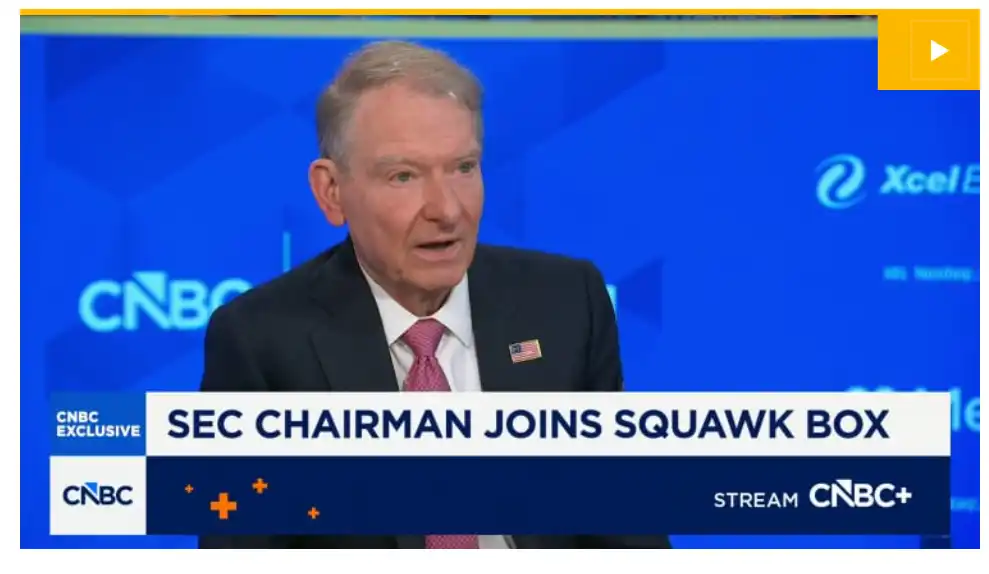
Reacting to the same, NCUA Chairman Kyle Hauptman said,

“We’re on track to meet the Congress’ July 18 deadline. Credit unions should be aware that they won’t be at a disadvantage versus other entities, whether in timing or standards.”

What’s next after NCUA draft proposals?

Under the NCUA’s proposed rules, federally insured credit unions (FICUs) cannot issue stablecoins directly; they can only do so through a subsidiary.

Besides, the FICUs must own over 10% of the subsidiary. So the NCUA licenses will be issued to the FICU subsidiary.

Regarding the application requirements, there will be a 120-day deadline for the NCUA’s decision after a potential issuer completes the filing. And applicants will have the right to reapply even after being denied. Other requirements, such as reserve backing, will be issued later.

Stakeholders (credit unions, industry groups, fintechs, etc) are expected to give feedback on these proposed rules by the 13th of April, 2026.

After reviewing these comments, the NCUA will revise and clarify the provisions. The process addresses concerns and refines the framework. After revisions, the NCUA issues updated rules as legally enforceable regulations. This action marks the final step in implementing the GENIUS Act.

That said, other top stablecoin players, such as Tether, Circle, and Ripple, will be regulated by the Office of the Comptroller of the Currency (OCC). To be eligible, these players have applied for national trust bank licenses.

But the OCC hasn’t issued proposed rules for them yet, with about five months before the Congress’s implementation deadline.

Impact on stablecoins

Since the GENIUS Act became law, the stablecoin market has surged from $250 billion to nearly $320 billion. However, the market has plateaued at around $308 billion amid the broader crypto market cool-off.

This underscored that crypto trading remains a major driver of stablecoin market growth despite rising interest in the payments segment.


Final Thoughts

  • NCUA has proposed that credit unions seeking to become stablecoin issuers do so through subsidiaries they control.
  • The credit unions watchdog sought stakeholders’ feedback by April to help hit the July 2026 implementation deadline.


Letture associate

You Bet on the News, the Pros Read the Rules: The True Cognitive Gap in Losing Money on Polymarket

The article explains that the key to profiting on Polymarket, a prediction market platform, lies not just predicting real-world events correctly, but in meticulously understanding the specific rules that govern how each market will be resolved. It illustrates this with examples, such as a market on Venezuela's 2026 leader, where the official rules defining "officially holds" the office overruled the intuitive answer of who was in practical control. Other examples include debates over the definition of a "token" or what constitutes an "agreement." The core argument is that a "reality vs. rules" gap creates pricing discrepancies that savvy traders ("车头" or "whales") exploit. The platform has a formal dispute resolution process managed by UMA token holders to settle ambiguous outcomes. This process involves proposal submission, a challenge window, a discussion period, and a final vote. However, the article highlights a critical flaw in this system compared to a traditional court: the lack of separation between the arbiters (UMA voters) and the interested parties (traders with financial stakes in the outcome). This conflict of interest undermines the discussion phase, leads to herd mentality, and results in opaque final decisions without explanatory rulings. Consequently, the system lacks a body of precedent, making it difficult for users to learn from past disputes. The ultimate takeaway is that success on Polymarket requires a lawyer-like scrutiny of the rules to identify and capitalize on the cognitive gap between how events appear and how they are contractually defined for settlement.

marsbit1 h fa

You Bet on the News, the Pros Read the Rules: The True Cognitive Gap in Losing Money on Polymarket

marsbit1 h fa

Trading

Spot
Futures
活动图片