From Four Failures to a Trillion-Dollar Valuation: Musk and SpaceX's Epic Comeback

比推Pubblicato 2025-12-19Pubblicato ultima volta 2025-12-19

Introduzione

From Four Failures to Trillion-Dollar Valuation: Musk and SpaceX's Ultimate Comeback In 2002, Elon Musk invested $100 million from his exit of PayPal to found SpaceX, aiming to revolutionize space travel. The journey began with humiliation when Russian engineers dismissed his ambitions during a failed rocket purchase attempt. Undeterred, Musk decided to build rockets himself. SpaceX faced near-catastrophic failures with its first three Falcon 1 launches (2006-2008), coinciding with the 2008 financial crisis, Tesla’s near-bankruptcy, and personal struggles. After the third explosion, funds were nearly exhausted, and critics, including Musk’s idol Neil Armstrong, openly doubted him. The fourth launch in September 2008 succeeded, saving SpaceX from collapse and securing a $1.6 billion NASA contract for ISS resupply missions. Driven by first principles, Musk pursued reusable rockets despite industry skepticism. In 2015, Falcon 9’s first stage successfully landed vertically, slashing costs and disrupting the aerospace industry. For Starship, Musk opted for stainless steel over carbon fiber, reducing material costs by 40x while maintaining performance. SpaceX’s valuation soared from $13 billion (2012) to $800 billion (2025), largely fueled by Starlink. With 7.65 million subscribers and revenue projected to reach $22-24 billion in 2026, Starlink dominates as a global telecom provider. Preparing for a 2026 IPO targeting $30 billion raised at a $1.5 trillion valuation, ...

Author: Xiaobing, Deep Tide TechFlow

Original Title: Before Soaring to a $1.5 Trillion IPO, Musk Almost Lost Everything


In the winter of 2025, the sea breeze in Boca Chica, Texas, remained salty and fierce, while the air on Wall Street was unusually restless.

On December 13, news shot to the top of financial headlines like a Falcon Heavy rocket: SpaceX's latest internal stock sale locked the company's valuation at $800 billion.

A memo revealed that SpaceX is actively preparing for an IPO in 2026, planning to raise over $30 billion. Musk hopes the company's overall valuation will reach $1.5 trillion. If successful, this would place SpaceX's market value close to the record level set by Saudi Aramco during its 2019 listing.

For Musk, this is an incredibly surreal moment.

As the world's richest person, his personal wealth will once again break historical records with the launch of SpaceX's "super rocket," making him the first trillion-dollar billionaire in human history.

Rewind the clock 23 years, and no one would have believed this outcome. Back then, in the eyes of giants like Boeing and Lockheed Martin, SpaceX was nothing more than a "manufacturing underdog" that could be crushed at any moment.

More accurately, it resembled a disaster that refused to end.

When a Man Decides to Build Rockets

In 2001, Elon Musk was 30 years old.

He had just cashed out from PayPal, holding hundreds of millions of dollars in cash, standing at a typical Silicon Valley "point of financial freedom." He could have become an investor or a evangelist like a16z founder Marc Andreessen after selling his company, or even done nothing at all.

But Musk chose the most unimaginable path.

He wanted to build rockets and go to Mars.

For this dream, he took two friends to Russia, attempting to purchase refurbished Dnepr launch vehicles to realize the Mars Oasis plan.

The outcome was humiliating.

During a meeting with the Lavochkin Design Bureau, a chief Russian designer spat at Musk, believing this American upstart knew nothing about aerospace technology. Ultimately, the Russians quoted an exorbitant price and hinted he should "get lost if he couldn't afford it." The team returned empty-handed.

On the flight back, his companions were dejected, but Musk tapped away on his computer. Moments later, he turned around and displayed a spreadsheet: "Hey, I think we can build it ourselves."

That year, China had just launched Shenzhou-2, and spaceflight was seen as a "miracle" achievable only by nations with immense resources—a game only superpowers could play. A private company wanting to build rockets was as laughable as an elementary school student claiming to build a nuclear reactor in their backyard.

This was SpaceX's "zero to one."

Growth Is Constant Failure

In February 2002, at 1310 East Grand Avenue, El Segundo, a suburb of Los Angeles, in a 75,000-square-foot old warehouse, SpaceX was officially founded.

Musk took $100 million from his PayPal proceeds as seed money, setting the company's vision as the "Southwest Airlines of the space industry," providing low-cost, highly reliable space transportation services.

But reality soon dealt this idealist a heavy blow: building rockets was not only difficult but also prohibitively expensive.

An old saying in the aerospace industry goes: "You can't even wake Boeing up for less than a billion dollars."

Musk's $100 million seed money seemed like a drop in the bucket in this industry. More critically, SpaceX faced a market tightly controlled by century-old giants like Boeing and Lockheed Martin, who not only had strong technical capabilities but also deep government connections.

They were accustomed to monopoly, accustomed to hefty government contracts, and their attitude toward SpaceX, the intruder, was one thing: mockery.

In 2006, SpaceX's first rocket, "Falcon 1," stood on the launch pad.

It was both a tribute to DARPA's Falcon project and an homage to the Millennium Falcon from Star Wars. It was small, even somewhat shabby, like a half-finished product.

Unsurprisingly, 25 seconds after liftoff, the rocket exploded.

2007, second launch. After a few minutes of flight, it still crashed out of control.

Mockery poured in. Someone sarcastically commented, "Does he think rockets are like code? Can he just debug them?"

August 2008, the third failure was the most devastating. The first and second stages collided, turning ignited hope into fragments over the Pacific in an instant.

The atmosphere changed completely. Engineers began losing sleep, suppliers demanded cash payments, the media was no longer polite. Most致命的是, the money was almost gone.

2008 was the darkest year of Musk's life.

The financial crisis swept the globe, Tesla was on the brink of bankruptcy, his wife of ten years left him... SpaceX had funds for only one more launch. If the fourth attempt failed, SpaceX would dissolve, and Musk would be left with nothing.

It was then that the sharpest blow came.

Musk's childhood idols, "first man on the moon" Neil Armstrong and "last man on the moon" Gene Cernan, publicly expressed complete skepticism about his rocket plans. Armstrong stated bluntly, "You don't understand what you don't know."

Recalling this period later, Musk welled up in front of the camera. He didn't cry when rockets blew up, he didn't cry when the company was near bankruptcy, but mentioning his idols'嘲讽, he cried.
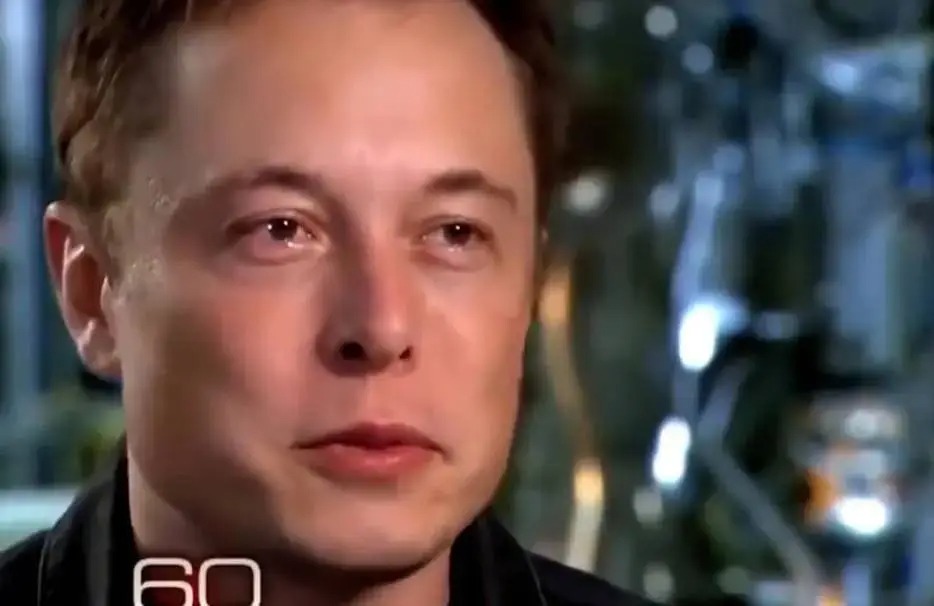
Musk told the host: "These people are heroes to me. It was really tough. I really wish they could come and see how hard my work is."

At that moment, a subtitle appeared on screen: Sometimes, the very people you look up to let you down.

Fight for Survival

Before the fourth launch, no one talked about the Mars plan anymore.

The entire company was shrouded in a solemn silence. Everyone knew this Falcon 1 was assembled with the last remaining funds. If it failed, the company was doomed to解散.

On launch day, there were no grand declarations, no passionate speeches. Just a group of people standing in the control room, silently staring at the screens.

September 28, 2008, the rocket ascended, a fire dragon lighting up the night sky.

This time, the rocket didn't explode, but the control room remained dead silent until 9 minutes later, when the engine shut down as planned, and its payload entered the预定轨道.

"Success!"

Thunderous applause and cheers erupted in the control center. Musk raised his arms high, his brother Kimball beside him began to cry.

Falcon 1 made history. SpaceX became the world's first privately-funded commercial company to successfully launch a rocket into orbit.

This success not only saved SpaceX but also won the company a long-term "lifeline."

On December 22, Musk's phone rang, drawing a close to his disastrous 2008.

NASA's space operations chief, William Gerstenmaier, brought good news: SpaceX had won a $1.6 billion contract for 12 round-trip transport missions between the space station and Earth.

"I love NASA," Musk blurted out, later changing his computer login password to "ilovenasa".

Having walked the edge of death, SpaceX had survived.

Jim Cantrell, an early participant in SpaceX's rocket development and the friend who had lent Musk his university rocket textbooks, recalled the successful launch of Falcon 1 with deep emotion:

"Elon Musk's success isn't because he has great vision, isn't because he's incredibly smart, and isn't because he works tirelessly—though all those things are true. The most important element of his success is that the word 'failure' is not in his dictionary. Failure is simply never part of his calculus."

Making Rockets Fly Back

If the story ended here, it would just be an inspirational legend.

But the truly formidable part of SpaceX was just beginning.

Musk insisted on a goal that seemed irrational: rockets must be reusable.

Almost all internal experts opposed it. Not because it was technically impossible, but because it was commercially too radical, akin to "no one recycles disposable paper cups."

But Musk persisted.

He reasoned that if airplanes were thrown away after one flight, no one could afford to fly. If rockets couldn't be reused, spaceflight would forever remain a game for the few.

This was Musk's underlying logic, first principles thinking.

Back to the beginning of the story: why did Musk, with a background in programming, dare to venture into building rockets himself?

In 2001, after翻阅无数专业书籍, Musk used an Excel spreadsheet to详细拆解 the various costs of building a rocket. The analysis showed that rocket manufacturing costs were artificially inflated dozens of times by traditional aerospace giants.

These cash-flush giants were comfortable in their "cost-plus" comfort zone—a single screw cost hundreds of dollars—while Musk would ask, "How much does the raw material, aluminum and titanium, sell for on the London Metal Exchange? Why does it cost a thousand times more as a finished part?"

If costs were artificially inflated, they could definitely be artificially reduced.

Guided by first principles, SpaceX embarked on a path with almost no retreat.

Launch repeatedly, analyze after explosions, keep trying after analysis,反复尝试回收.

All skepticism ceased abruptly on that winter night.

December 21, 2015, a day destined to be recorded in the annals of human spaceflight.

The Falcon 9 rocket, carrying 11 satellites, launched from Cape Canaveral Air Force Station. Ten minutes later, a miracle occurred: the first-stage booster successfully returned to the launch site, landing vertically on the Florida landing pad like something out of a sci-fi movie.

At that moment, the old rules of the aerospace industry were彻底粉碎.

The era of cheap spaceflight was ushered in by this former "underdog" company.

Building Starship with Stainless Steel

If recovering rockets was SpaceX's challenge to physics, then building Starship with stainless steel was Musk's "dimensional reduction strike" on engineering.

In the early development of "Starship," aimed at colonizing Mars, SpaceX also fell into the trap of "high-tech material"迷思. The industry consensus was that to fly to Mars, the rocket had to be light enough, thus requiring expensive, complex carbon fiber composites.

To this end, SpaceX invested heavily, creating huge carbon fiber winding molds. However, slow progress and high costs alerted Musk. He returned to first principles and did the math:

Carbon fiber cost $135 per kilogram and was extremely difficult to process; whereas 304 stainless steel, the material used for kitchen pots and pans, cost only $3 per kilogram.

"But stainless steel is too heavy!"

Facing engineers'质疑, Musk pointed out an overlooked physical truth: melting point.

Carbon fiber had poor heat resistance and required heavy, expensive heat shields. Stainless steel had a melting point高达 1400 degrees Celsius, and its strength actually increased under the super-cold temperatures of liquid oxygen. Factoring in the weight of the thermal protection system, a rocket made from "clumsy" stainless steel had a total system weight comparable to carbon fiber, but the cost was reduced by 40 times!

This decision彻底解放 SpaceX from the shackles of precision manufacturing and aerospace materials. They didn't need clean rooms; they could weld rockets under a tent in the Texas wilderness like building water towers. If it blew up, no big deal—sweep up the碎片 and start welding again tomorrow.

This first-principles thinking permeated SpaceX's entire development history. From questioning "Why can't rockets be reused?" to "Why must space materials be expensive?", Musk always started from the most basic physical laws, challenging the industry's existing assumptions.

"Using cabbage-price materials for top-tier engineering" is SpaceX's core competency.

Starlink Is the Real Game-Changer

Technological breakthroughs brought a狂飙 in valuation.

From $1.3 billion in 2012, to $400 billion in July 2024, to the current $800 billion, SpaceX's valuation truly "rode a rocket."

But what truly supports this sky-high valuation is not the rockets, but Starlink.

Before Starlink, SpaceX, for ordinary people, was just the spectacular sight in the news that occasionally exploded or landed.

Starlink changed everything.

This low-earth orbit constellation of thousands of satellites is becoming the world's largest internet service provider, turning "spaceflight" from a spectator spectacle into infrastructure like water and electricity.

Whether on a cruise ship in the middle of the Pacific or in war-torn ruins, with a pizza-box-sized receiver,信号就会 pour down from hundreds of kilometers away in近地轨道.

It has not only changed the global communications landscape but also become a super money-printing machine, providing SpaceX with a continuous stream of cash flow.

As of November 2025, Starlink's global active subscribers have reached 7.65 million, with actual coverage users exceeding 24.5 million. North America contributes 43% of subscriptions, while emerging markets like Korea and Southeast Asia contribute 40% of new users.

This is also why Wall Street dares to assign SpaceX an astronomical valuation—not because of how frequently rockets launch, but because of the recurring revenue from Starlink.

Financial data shows SpaceX's projected revenue for 2025 is $15 billion,预计 to surge to $22-24 billion in 2026, with over 80% of revenue coming from the Starlink business.

This means SpaceX has completed a华丽转身. It is no longer just a航天 contractor dependent on contracts but has evolved into a global telecom giant with a monopolistic moat.

The Eve of IPO

If SpaceX successfully上市募资 $30 billion as wished, this would surpass Saudi Aramco's record $29 billion raised in 2019, becoming the largest IPO in history.

According to some investment bank predictions, SpaceX's final IPO valuation could even冲击 $1.5 trillion, potentially challenging Saudi Aramco's record $1.7 trillion上市 valuation set in 2019, directly跻身 the ranks of the world's top 20 listed companies by market cap.

Behind this string of astronomical numbers, the first to沸腾 are the employees in Boca Chica and the Hawthorne factory.

In the recent internal stock sale, the price of $420 per share意味着 that the engineers who once slept on the factory floor with Musk and endured countless "production hells" will涌现出一大批 millionaires and even billionaires.

But for Musk, the IPO is绝非 traditional意义上的 "cashing out." It is an expensive "refueling."

Previously, Musk had always opposed going public.

At a SpaceX all-hands meeting in 2022, Musk poured cold water on employees' hopes for an IPO: "Going public is absolutely an invitation to pain, and stock prices only serve as a distraction."

Three years later, what changed Musk's mind?

No matter how grand the ambition, it requires capital support.

According to Musk's timeline, within two years, the first Starship will conduct an unmanned Mars landing test; within four years, human footprints will be imprinted on the red soil of Mars. His ultimate vision—establishing a self-sustaining city on Mars within 20 years through the shuttling of 1000 Starships—will still require consuming a sum of money that is天文数字.

He has stated in multiple interviews that the sole purpose of accumulating wealth is to make humanity a "multi-planetary species." From this perspective, the tens of billions raised from the IPO could be considered the "interstellar toll" Musk collects from Earthlings.

We eagerly anticipate that the largest IPO in human history will not ultimately turn into yachts or mansions. They will all be transformed into fuel, steel, and oxygen, paving that long road to Mars.


Twitter:https://twitter.com/BitpushNewsCN

Bitpush TG Discussion Group:https://t.me/BitPushCommunity

Bitpush TG Subscription: https://t.me/bitpush

Original Link:https://www.bitpush.news/articles/7597065

Domande pertinenti

QWhat was the critical moment that saved SpaceX from bankruptcy in 2008?

AThe successful fourth flight of Falcon 1 on September 28, 2008, which achieved orbit, followed by a $1.6 billion NASA contract for 12 resupply missions to the space station.

QWhat is the primary business and source of revenue that is driving SpaceX's massive valuation towards its IPO?

AStarlink, the satellite internet constellation, which is expected to contribute over 80% of the company's projected $220-24 billion revenue in 2026.

QHow did Elon Musk's application of 'first principles thinking' lead to a major innovation in rocket design for the Starship?

AHe challenged the industry standard of using expensive carbon fiber, instead opting for stainless steel which is 40 times cheaper, has a higher melting point, and resulted in a system of comparable weight when factoring in necessary heat shielding.

QWhat was the significant engineering milestone achieved by SpaceX in December 2015 that revolutionized the space industry?

AThe first successful landing and recovery of a Falcon 9 rocket's first-stage booster, proving that rocket reusability was achievable and paving the way for drastically reduced launch costs.

QWhy has Elon Musk historically been opposed to taking SpaceX public, and what changed his mind according to the article?

AHe believed being a public company is 'a recipe for agony' and that stock prices would be a distraction. He changed his mind because the immense capital required to fund his ultimate vision of establishing a city on Mars necessitates the massive funding a record-breaking IPO would provide.

Letture associate

Trading

Spot
Futures

Articoli Popolari

Cosa è $S$

Comprendere SPERO: Una Panoramica Completa Introduzione a SPERO Mentre il panorama dell'innovazione continua a evolversi, l'emergere delle tecnologie web3 e dei progetti di criptovaluta gioca un ruolo fondamentale nel plasmare il futuro digitale. Un progetto che ha attirato l'attenzione in questo campo dinamico è SPERO, denotato come SPERO,$$s$. Questo articolo mira a raccogliere e presentare informazioni dettagliate su SPERO, per aiutare gli appassionati e gli investitori a comprendere le sue basi, obiettivi e innovazioni nei domini web3 e crypto. Che cos'è SPERO,$$s$? SPERO,$$s$ è un progetto unico all'interno dello spazio crypto che cerca di sfruttare i principi della decentralizzazione e della tecnologia blockchain per creare un ecosistema che promuove l'impegno, l'utilità e l'inclusione finanziaria. Il progetto è progettato per facilitare interazioni peer-to-peer in modi nuovi, fornendo agli utenti soluzioni e servizi finanziari innovativi. Al suo interno, SPERO,$$s$ mira a responsabilizzare gli individui fornendo strumenti e piattaforme che migliorano l'esperienza dell'utente nello spazio delle criptovalute. Questo include la possibilità di metodi di transazione più flessibili, la promozione di iniziative guidate dalla comunità e la creazione di percorsi per opportunità finanziarie attraverso applicazioni decentralizzate (dApps). La visione sottostante di SPERO,$$s$ ruota attorno all'inclusività, cercando di colmare le lacune all'interno della finanza tradizionale mentre sfrutta i vantaggi della tecnologia blockchain. Chi è il Creatore di SPERO,$$s$? L'identità del creatore di SPERO,$$s$ rimane piuttosto oscura, poiché ci sono risorse pubblicamente disponibili limitate che forniscono informazioni dettagliate sul suo fondatore o fondatori. Questa mancanza di trasparenza può derivare dall'impegno del progetto per la decentralizzazione—un ethos che molti progetti web3 condividono, dando priorità ai contributi collettivi rispetto al riconoscimento individuale. Centrando le discussioni attorno alla comunità e ai suoi obiettivi collettivi, SPERO,$$s$ incarna l'essenza dell'empowerment senza mettere in evidenza individui specifici. Pertanto, comprendere l'etica e la missione di SPERO rimane più importante che identificare un creatore singolo. Chi sono gli Investitori di SPERO,$$s$? SPERO,$$s$ è supportato da una varietà di investitori che vanno dai capitalisti di rischio agli investitori angelici dedicati a promuovere l'innovazione nel settore crypto. Il focus di questi investitori generalmente si allinea con la missione di SPERO—dando priorità a progetti che promettono avanzamenti tecnologici sociali, inclusività finanziaria e governance decentralizzata. Queste fondazioni di investitori sono tipicamente interessate a progetti che non solo offrono prodotti innovativi, ma contribuiscono anche positivamente alla comunità blockchain e ai suoi ecosistemi. Il supporto di questi investitori rafforza SPERO,$$s$ come un concorrente degno di nota nel dominio in rapida evoluzione dei progetti crypto. Come Funziona SPERO,$$s$? SPERO,$$s$ impiega un framework multifunzionale che lo distingue dai progetti di criptovaluta convenzionali. Ecco alcune delle caratteristiche chiave che sottolineano la sua unicità e innovazione: Governance Decentralizzata: SPERO,$$s$ integra modelli di governance decentralizzati, responsabilizzando gli utenti a partecipare attivamente ai processi decisionali riguardanti il futuro del progetto. Questo approccio favorisce un senso di proprietà e responsabilità tra i membri della comunità. Utilità del Token: SPERO,$$s$ utilizza il proprio token di criptovaluta, progettato per servire varie funzioni all'interno dell'ecosistema. Questi token abilitano transazioni, premi e la facilitazione dei servizi offerti sulla piattaforma, migliorando l'impegno e l'utilità complessivi. Architettura Stratificata: L'architettura tecnica di SPERO,$$s$ supporta la modularità e la scalabilità, consentendo un'integrazione fluida di funzionalità e applicazioni aggiuntive man mano che il progetto evolve. Questa adattabilità è fondamentale per mantenere la rilevanza nel panorama crypto in continua evoluzione. Coinvolgimento della Comunità: Il progetto enfatizza iniziative guidate dalla comunità, impiegando meccanismi che incentivano la collaborazione e il feedback. Nutrendo una comunità forte, SPERO,$$s$ può affrontare meglio le esigenze degli utenti e adattarsi alle tendenze di mercato. Focus sull'Inclusione: Offrendo basse commissioni di transazione e interfacce user-friendly, SPERO,$$s$ mira ad attrarre una base utenti diversificata, inclusi individui che potrebbero non aver precedentemente interagito nello spazio crypto. Questo impegno per l'inclusione si allinea con la sua missione generale di empowerment attraverso l'accessibilità. Cronologia di SPERO,$$s$ Comprendere la storia di un progetto fornisce preziose intuizioni sulla sua traiettoria di sviluppo e sui traguardi. Di seguito è riportata una cronologia suggerita che mappa eventi significativi nell'evoluzione di SPERO,$$s$: Fase di Concettualizzazione e Ideazione: Le idee iniziali che formano la base di SPERO,$$s$ sono state concepite, allineandosi strettamente con i principi di decentralizzazione e focus sulla comunità all'interno dell'industria blockchain. Lancio del Whitepaper del Progetto: Dopo la fase concettuale, è stato rilasciato un whitepaper completo che dettaglia la visione, gli obiettivi e l'infrastruttura tecnologica di SPERO,$$s$ per suscitare interesse e feedback dalla comunità. Costruzione della Comunità e Prime Interazioni: Sono stati effettuati sforzi attivi di outreach per costruire una comunità di early adopters e potenziali investitori, facilitando discussioni attorno agli obiettivi del progetto e ottenendo supporto. Evento di Generazione del Token: SPERO,$$s$ ha condotto un evento di generazione del token (TGE) per distribuire i propri token nativi ai primi sostenitori e stabilire una liquidità iniziale all'interno dell'ecosistema. Lancio della Prima dApp: La prima applicazione decentralizzata (dApp) associata a SPERO,$$s$ è stata attivata, consentendo agli utenti di interagire con le funzionalità principali della piattaforma. Sviluppo Continuo e Partnership: Aggiornamenti e miglioramenti continui alle offerte del progetto, inclusi partnership strategiche con altri attori nello spazio blockchain, hanno plasmato SPERO,$$s$ in un concorrente competitivo e in evoluzione nel mercato crypto. Conclusione SPERO,$$s$ rappresenta una testimonianza del potenziale del web3 e delle criptovalute di rivoluzionare i sistemi finanziari e responsabilizzare gli individui. Con un impegno per la governance decentralizzata, il coinvolgimento della comunità e funzionalità progettate in modo innovativo, apre la strada verso un panorama finanziario più inclusivo. Come per qualsiasi investimento nello spazio crypto in rapida evoluzione, si incoraggiano potenziali investitori e utenti a ricercare approfonditamente e a impegnarsi in modo riflessivo con gli sviluppi in corso all'interno di SPERO,$$s$. Il progetto mostra lo spirito innovativo dell'industria crypto, invitando a ulteriori esplorazioni delle sue innumerevoli possibilità. Mentre il percorso di SPERO,$$s$ è ancora in fase di sviluppo, i suoi principi fondamentali potrebbero effettivamente influenzare il futuro di come interagiamo con la tecnologia, la finanza e tra di noi in ecosistemi digitali interconnessi.

75 Totale visualizzazioniPubblicato il 2024.12.17Aggiornato il 2024.12.17

Cosa è $S$

Cosa è AGENT S

Agent S: Il Futuro dell'Interazione Autonoma in Web3 Introduzione Nel panorama in continua evoluzione di Web3 e criptovalute, le innovazioni stanno costantemente ridefinendo il modo in cui gli individui interagiscono con le piattaforme digitali. Uno di questi progetti pionieristici, Agent S, promette di rivoluzionare l'interazione uomo-computer attraverso il suo framework agentico aperto. Aprendo la strada a interazioni autonome, Agent S mira a semplificare compiti complessi, offrendo applicazioni trasformative nell'intelligenza artificiale (AI). Questa esplorazione dettagliata approfondirà le complessità del progetto, le sue caratteristiche uniche e le implicazioni per il dominio delle criptovalute. Cos'è Agent S? Agent S si presenta come un innovativo framework agentico aperto, progettato specificamente per affrontare tre sfide fondamentali nell'automazione dei compiti informatici: Acquisizione di Conoscenze Specifiche del Dominio: Il framework apprende in modo intelligente da varie fonti di conoscenza esterne ed esperienze interne. Questo approccio duale gli consente di costruire un ricco repository di conoscenze specifiche del dominio, migliorando le sue prestazioni nell'esecuzione dei compiti. Pianificazione su Lungo Orizzonte di Compiti: Agent S impiega una pianificazione gerarchica potenziata dall'esperienza, un approccio strategico che facilita la suddivisione e l'esecuzione efficiente di compiti complessi. Questa caratteristica migliora significativamente la sua capacità di gestire più sottocompiti in modo efficiente ed efficace. Gestione di Interfacce Dinamiche e Non Uniformi: Il progetto introduce l'Interfaccia Agente-Computer (ACI), una soluzione innovativa che migliora l'interazione tra agenti e utenti. Utilizzando Modelli Linguistici Multimodali di Grandi Dimensioni (MLLM), Agent S può navigare e manipolare senza sforzo diverse interfacce grafiche utente. Attraverso queste caratteristiche pionieristiche, Agent S fornisce un framework robusto che affronta le complessità coinvolte nell'automazione dell'interazione umana con le macchine, preparando il terreno per innumerevoli applicazioni nell'AI e oltre. Chi è il Creatore di Agent S? Sebbene il concetto di Agent S sia fondamentalmente innovativo, informazioni specifiche sul suo creatore rimangono elusive. Il creatore è attualmente sconosciuto, il che evidenzia sia la fase embrionale del progetto sia la scelta strategica di mantenere i membri fondatori sotto anonimato. Indipendentemente dall'anonimato, l'attenzione rimane sulle capacità e sul potenziale del framework. Chi sono gli Investitori di Agent S? Poiché Agent S è relativamente nuovo nell'ecosistema crittografico, informazioni dettagliate riguardanti i suoi investitori e sostenitori finanziari non sono documentate esplicitamente. La mancanza di approfondimenti pubblicamente disponibili sulle fondazioni di investimento o sulle organizzazioni che supportano il progetto solleva interrogativi sulla sua struttura di finanziamento e sulla roadmap di sviluppo. Comprendere il supporto è cruciale per valutare la sostenibilità del progetto e il suo potenziale impatto sul mercato. Come Funziona Agent S? Al centro di Agent S si trova una tecnologia all'avanguardia che gli consente di funzionare efficacemente in contesti diversi. Il suo modello operativo è costruito attorno a diverse caratteristiche chiave: Interazione Uomo-Computer Simile a Quella Umana: Il framework offre una pianificazione AI avanzata, cercando di rendere le interazioni con i computer più intuitive. Mimando il comportamento umano nell'esecuzione dei compiti, promette di elevare le esperienze degli utenti. Memoria Narrativa: Utilizzata per sfruttare esperienze di alto livello, Agent S utilizza la memoria narrativa per tenere traccia delle storie dei compiti, migliorando così i suoi processi decisionali. Memoria Episodica: Questa caratteristica fornisce agli utenti una guida passo-passo, consentendo al framework di offrire supporto contestuale mentre i compiti si sviluppano. Supporto per OpenACI: Con la capacità di funzionare localmente, Agent S consente agli utenti di mantenere il controllo sulle proprie interazioni e flussi di lavoro, allineandosi con l'etica decentralizzata di Web3. Facile Integrazione con API Esterne: La sua versatilità e compatibilità con varie piattaforme AI garantiscono che Agent S possa adattarsi senza problemi agli ecosistemi tecnologici esistenti, rendendolo una scelta attraente per sviluppatori e organizzazioni. Queste funzionalità contribuiscono collettivamente alla posizione unica di Agent S all'interno dello spazio crittografico, poiché automatizza compiti complessi e multi-fase con un intervento umano minimo. Man mano che il progetto evolve, le sue potenziali applicazioni in Web3 potrebbero ridefinire il modo in cui si svolgono le interazioni digitali. Cronologia di Agent S Lo sviluppo e le tappe di Agent S possono essere riassunti in una cronologia che evidenzia i suoi eventi significativi: 27 Settembre 2024: Il concetto di Agent S è stato lanciato in un documento di ricerca completo intitolato “Un Framework Agentico Aperto che Usa i Computer Come un Umano”, mostrando le basi per il progetto. 10 Ottobre 2024: Il documento di ricerca è stato reso pubblicamente disponibile su arXiv, offrendo un'esplorazione approfondita del framework e della sua valutazione delle prestazioni basata sul benchmark OSWorld. 12 Ottobre 2024: È stata rilasciata una presentazione video, fornendo un'idea visiva delle capacità e delle caratteristiche di Agent S, coinvolgendo ulteriormente potenziali utenti e investitori. Questi indicatori nella cronologia non solo illustrano i progressi di Agent S, ma indicano anche il suo impegno per la trasparenza e il coinvolgimento della comunità. Punti Chiave su Agent S Man mano che il framework Agent S continua a evolversi, diversi attributi chiave si distinguono, sottolineando la sua natura innovativa e il potenziale: Framework Innovativo: Progettato per fornire un uso intuitivo dei computer simile all'interazione umana, Agent S porta un approccio nuovo all'automazione dei compiti. Interazione Autonoma: La capacità di interagire autonomamente con i computer attraverso GUI segna un passo avanti verso soluzioni informatiche più intelligenti ed efficienti. Automazione di Compiti Complessi: Con la sua metodologia robusta, può automatizzare compiti complessi e multi-fase, rendendo i processi più veloci e meno soggetti a errori. Miglioramento Continuo: I meccanismi di apprendimento consentono ad Agent S di migliorare dalle esperienze passate, migliorando continuamente le sue prestazioni e la sua efficacia. Versatilità: La sua adattabilità attraverso diversi ambienti operativi come OSWorld e WindowsAgentArena garantisce che possa servire un'ampia gamma di applicazioni. Man mano che Agent S si posiziona nel panorama di Web3 e delle criptovalute, il suo potenziale per migliorare le capacità di interazione e automatizzare i processi segna un significativo avanzamento nelle tecnologie AI. Attraverso il suo framework innovativo, Agent S esemplifica il futuro delle interazioni digitali, promettendo un'esperienza più fluida ed efficiente per gli utenti in vari settori. Conclusione Agent S rappresenta un audace passo avanti nell'unione tra AI e Web3, con la capacità di ridefinire il modo in cui interagiamo con la tecnologia. Sebbene sia ancora nelle sue fasi iniziali, le possibilità per la sua applicazione sono vaste e coinvolgenti. Attraverso il suo framework completo che affronta sfide critiche, Agent S mira a portare le interazioni autonome al centro dell'esperienza digitale. Man mano che ci addentriamo nei regni delle criptovalute e della decentralizzazione, progetti come Agent S giocheranno senza dubbio un ruolo cruciale nel plasmare il futuro della tecnologia e della collaborazione uomo-computer.

435 Totale visualizzazioniPubblicato il 2025.01.14Aggiornato il 2025.01.14

Cosa è AGENT S

Come comprare S

Benvenuto in HTX.com! Abbiamo reso l'acquisto di Sonic (S) semplice e conveniente. Segui la nostra guida passo passo per intraprendere il tuo viaggio nel mondo delle criptovalute.Step 1: Crea il tuo Account HTXUsa la tua email o numero di telefono per registrarti il tuo account gratuito su HTX. Vivi un'esperienza facile e sblocca tutte le funzionalità,Crea il mio accountStep 2: Vai in Acquista crypto e seleziona il tuo metodo di pagamentoCarta di credito/debito: utilizza la tua Visa o Mastercard per acquistare immediatamente SonicS.Bilancio: Usa i fondi dal bilancio del tuo account HTX per fare trading senza problemi.Terze parti: abbiamo aggiunto metodi di pagamento molto utilizzati come Google Pay e Apple Pay per maggiore comodità.P2P: Fai trading direttamente con altri utenti HTX.Over-the-Counter (OTC): Offriamo servizi su misura e tassi di cambio competitivi per i trader.Step 3: Conserva Sonic (S)Dopo aver acquistato Sonic (S), conserva nel tuo account HTX. In alternativa, puoi inviare tramite trasferimento blockchain o scambiare per altre criptovalute.Step 4: Scambia Sonic (S)Scambia facilmente Sonic (S) nel mercato spot di HTX. Accedi al tuo account, seleziona la tua coppia di trading, esegui le tue operazioni e monitora in tempo reale. Offriamo un'esperienza user-friendly sia per chi ha appena iniziato che per i trader più esperti.

849 Totale visualizzazioniPubblicato il 2025.01.15Aggiornato il 2025.03.21

Come comprare S

Discussioni

Benvenuto nella Community HTX. Qui puoi rimanere informato sugli ultimi sviluppi della piattaforma e accedere ad approfondimenti esperti sul mercato. Le opinioni degli utenti sul prezzo di S S sono presentate come di seguito.

活动图片














