Ethereum's 2026 '5x Opportunity Window': Institutional Giants Densely Deploy, ETH Value Revaluation Imminent

marsbitPubblicato 2026-01-06Pubblicato ultima volta 2026-01-06

Introduzione

Etherean has established itself as the leading global, secure, and reliable blockchain platform for institutional adoption over the past decade. By 2026, it is poised to become the premier platform for business, driven by technological scalability, established institutional use cases, a favorable regulatory environment, and the transformative growth of stablecoins and asset tokenization. Key developments include major institutions like JPMorgan, BlackRock, and Fidelity tokenizing high-value assets such as money market funds and private credit on Ethereum. The passage of the U.S. GENIUS Act provided a clear regulatory framework for stablecoins, with 60% of them already deployed on Ethereum and its Layer 2 networks. Institutions are also building custom Layer 2 blockchains on Ethereum for tailored solutions, exemplified by Coinbase's Base and Robinhood's upcoming chain. The regulatory landscape has shifted from a barrier to an enabler, with U.S. leadership paving the way for broad adoption. ETH is being revalued as a institutional store-of-value asset, akin to "digital oil," with several public companies accumulating significant portions of its supply. Predictions for 2026 include a 5x growth in tokenized assets to $100 billion, a 5x increase in stablecoin market cap to $1.5 trillion, and a 5x surge in ETH's price to $15,000, reflecting its role as a bet on the growth of the new financial internet. Ethereum's proven security, liquidity, and extensive institutional adoption m...

Author: Vivek Raman, Etherealize

Compiled by: Saoirse, Foresight News

Over the past decade, Ethereum has established itself as the world's most secure and reliable blockchain platform for institutional adoption.

Ethereum's technology has achieved scalability, institutional application precedents have been set, the global regulatory environment is open and welcoming to blockchain infrastructure, and the development of stablecoins alongside the process of asset tokenization is bringing about fundamental changes.

Therefore, starting from 2026, Ethereum will be the best platform for conducting business.

After a decade of application promotion, stable operation, global adoption, and high availability assurance, Ethereum has become the preferred choice for institutions deploying blockchain. Next, let's review the key steps over the past two years of how Ethereum gradually became the default platform for tokenized assets.

Finally, we will provide a prediction for Ethereum in 2026: tokenization scale, stablecoin scale, and ETH price are all expected to achieve 5x growth. The stage for Ethereum's revival is set, and the time is ripe for various enterprises to adopt Ethereum infrastructure.

Ethereum: The Core Platform for Tokenized Assets

Blockchain's transformation of the asset sector is akin to the internet's reshaping of the information sector — enabling assets to become digital, programmable, and globally interoperable.

Asset tokenization achieves digitization by integrating assets, data, and payments onto the same infrastructure, thereby comprehensively upgrading business processes. Assets like stocks, bonds, real estate, and funds will be able to flow at internet speed. This is a major upgrade the financial system should have achieved long ago, and now, global public blockchains like Ethereum are finally making this vision a reality.

Asset tokenization is rapidly evolving from a hot concept to a fundamental upgrade of business models. Just as no enterprise would abandon the internet to revert to the fax machine era, once financial institutions experience the efficiency, automation, and speed brought by globally shared blockchain infrastructure, they will not return to traditional models; the tokenization process is irreversible.

Currently, the vast majority of high-value asset tokenization is completed on the Ethereum platform — because Ethereum is the most neutral and secure global infrastructure, similar to the internet, it is not controlled by any single entity and is open to all users.

By 2026, the "experimental phase" of asset tokenization has officially ended, and the industry has entered the deployment phase. Major institutions are directly launching flagship products on the Ethereum platform to access global liquidity.

Here are some examples of institutions conducting asset tokenization on Ethereum:

  • JPMorgan Chase (JPMorgan) directly deployed a money market fund on Ethereum, becoming one of the first banks to directly adopt a public blockchain;
  • Fidelity launched a money market fund on Ethereum Layer1, integrating asset management and operational processes into the blockchain system;
  • Apollo launched the private credit fund ACRED on a public blockchain, with Ethereum and its Layer2 networks offering the highest liquidity;
  • BlackRock, as one of the most active advocates of the "tokenization of everything" concept, led the wave of institutional asset tokenization by launching the tokenized money market fund BUIDL on Ethereum;
  • Amundi (Europe's largest asset management company) tokenized its Euro-denominated money market fund on the Ethereum platform;
  • BNY Mellon (the oldest bank in the US) tokenized a AAA-rated Collateralized Loan Obligation (CLO) fund on the Ethereum platform;
  • Baillie Gifford (one of the UK's largest asset management firms) will launch the first-of-its-kind tokenized bond fund on Ethereum and its Layer2 networks.

Ethereum: The Core Blockchain for Stablecoins

Stablecoins are the first clear case of achieving "product-market fit" in the asset tokenization space — stablecoin transfer volume surpassed $10 trillion in 2025. Stablecoins are essentially tokenized US dollars, equivalent to a "software upgrade for money," enabling dollars to flow at internet speed and possess programmable characteristics.

2025 was a pivotal year for stablecoins and public blockchains: the US "GENIUS Act" (also known as the Stablecoin Act) was formally passed. This act established a regulatory framework for stablecoins in one fell swoop, while also giving the "green light" to the underlying public blockchain infrastructure.

Even before the passage of the GENIUS Act, Ethereum's stablecoin adoption rate was already far ahead. Now, 60% of stablecoins are deployed on Ethereum and its Layer2 networks (if Ethereum Virtual Machine compatible chains that may become Ethereum Layer2s in the future are included, this proportion reaches 90%). The introduction of the GENIUS Act marked Ethereum's official "opening for business applications" — institutions received regulatory permission to deploy their own stablecoins on public blockchains.

The key reason email and websites achieved mass adoption was their connection to a unified global internet (rather than fragmented internal networks). Similarly, stablecoins and all tokenized assets can only fully realize their utility and network effects within a unified global public blockchain ecosystem.

Therefore, the explosive growth of stablecoins has only just begun. A typical case is: US national bank SoFi became the first bank to issue a stablecoin (SoFiUSD) on a permissionless public blockchain, ultimately choosing the Ethereum platform.

This is just the "tip of the iceberg" for stablecoin development. Investment banks and neobanks are exploring issuing their own stablecoins individually or in consortiums, and fintech companies are advancing the deployment and integration of stablecoins. The digitization of the US dollar on public blockchains is fully underway, and Ethereum is the default platform for this process.

Ethereum: Building Dedicated Blockchains

Blockchain is not a "one-size-fits-all" tool. Global financial markets require customization based on differences in region, regulatory systems, and customer groups. Precisely for this reason, Ethereum was designed from its inception with high security as a core goal, and through the highly customizable "Layer2 blockchains" that can be flexibly deployed on top of it, it has achieved a high degree of customization.

Just as every enterprise has its own dedicated website, application, and customized environment on the internet, many enterprises in the future will also have their own dedicated Layer2 blockchain within the Ethereum ecosystem.

This is not a theoretical architecture but a practical application already in place. Ethereum Layer2 has established institutional application precedents, achieved scalable deployment, and become the core support for Ethereum's "business-friendly" characteristics. Here are some examples:

  • Coinbase built the Base blockchain based on Ethereum Layer2, leveraging Ethereum's security and liquidity while opening up new revenue streams for itself;
  • Robinhood is building its own dedicated blockchain, which will integrate tokenized stocks, prediction markets, and various assets, and is built using Ethereum Layer2 technology;
  • SWIFT (Society for Worldwide Interbank Financial Telecommunication) (the global bank messaging network) adopted the Ethereum Layer2 network Linea to conduct blockchain-based settlement business;
  • JPMorgan Chase deployed tokenized deposit services on the Ethereum Layer2 network Base;
  • Deutsche Bank is building a public permissioned blockchain network based on Ethereum Layer2, laying the foundation for more banks to build Layer2 networks...

The value of Layer2 lies not only in customization; it is also the best business model in the blockchain field. Layer2 integrates the global security of Ethereum while enabling ultra-high profit margins of over 90% through operations, opening up new revenue sources for enterprises.

For institutions adopting blockchain technology, this is the best way to "have your cake and eat it too" — they can leverage Ethereum's security and liquidity while maintaining their own profit margins and operating a dedicated environment within the Ethereum ecosystem. Robinhood's choice to build its own blockchain based on Ethereum Layer2 was precisely due to this consideration: "Building a truly decentralized secure chain is extremely difficult... By leveraging Ethereum, we get security by default."

The global financial market will not concentrate on a single blockchain, but the global financial system can achieve synergy by relying on an interconnected network — this network is Ethereum and its Layer2 ecosystem.

Changes in the Regulatory Environment

Without regulatory support, a fundamental upgrade of the global financial system would be impossible. Financial institutions are not tech companies; they cannot innovate through a "fast trial and error" approach. The flow of high-value assets and funds requires a sound regulatory framework, and the United States is taking a leading role in this area:

  • Under the leadership of US SEC Chairman Paul Atkins, the first pro-innovation regulatory system since Ethereum's birth in 2015 has been formally established. Institutions have actively embraced asset tokenization, the financial system is preparing for migration to digital infrastructure, and Atkins himself stated that "within the next two years, all US markets will operate on-chain."
  • The US Congress also supports the responsible adoption of blockchain technology. The GENIUS Act passed in 2025 (mentioned earlier in the "Stablecoins" section) and the upcoming CLARITY Act (which will establish a comprehensive framework for asset tokenization and public blockchain infrastructure) have incorporated blockchain into the legal system, providing clear guidance for financial institutions to apply this technology.
  • The DTCC (Depository Trust & Clearing Corporation), although not a government agency, is the core infrastructure operator of the US securities market. It has fully embraced asset tokenization, allowing assets deposited with the DTC (Depository Trust Company) to circulate on public blockchains.

For over a decade, the blockchain ecosystem has long been in a "regulatory gray area," suppressing its potential for institutional-grade application. Now, led by the US, the regulatory environment has shifted from a "resistance" to a "catalyst." The stage for Ethereum to become the "best business platform" and achieve vigorous development is fully set.

ETH: An Institutional-Grade Treasury Asset

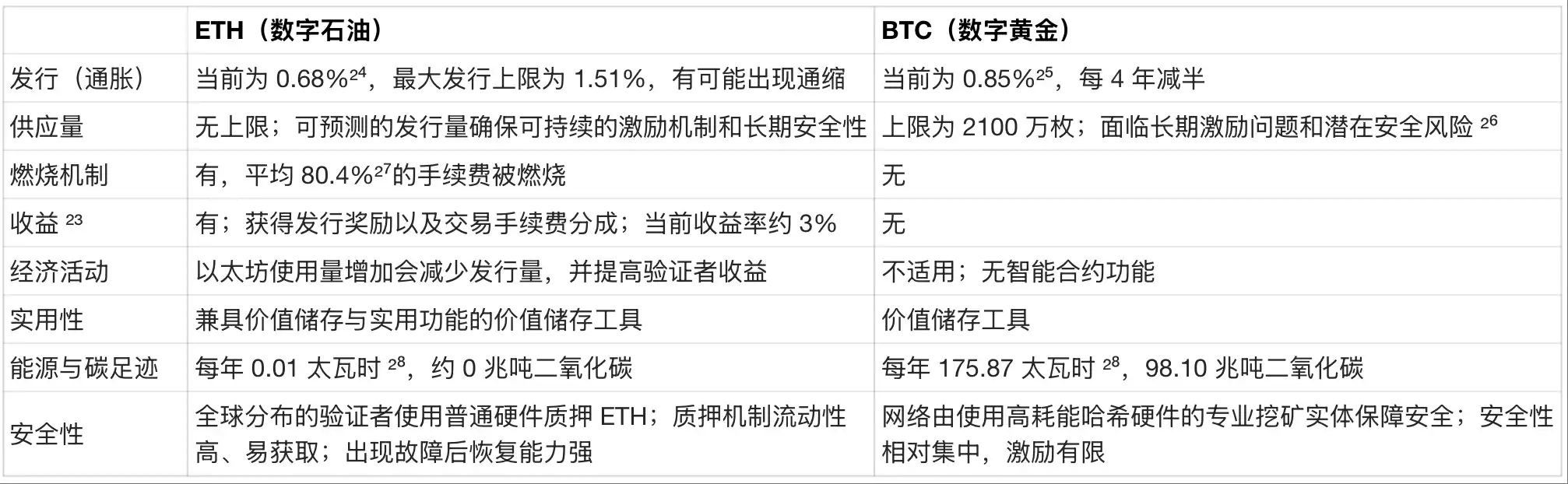
Ethereum has established its position as the "most secure blockchain," making it the default choice for institutional adoption. Based on this, ETH will be repriced in 2026, standing alongside BTC as an "institutional-grade store of value asset."

The blockchain ecosystem will have more than one store of value asset: BTC has established itself as "digital gold," while ETH becomes "digital oil" — a yield-bearing, utility-driven store of value asset with an underlying ecosystem powering economic activity.
MicroStrategy, as the company holding the most Bitcoin, led the process of BTC becoming a store of value asset. Over the past four years, MicroStrategy has continuously incorporated BTC into its treasury assets, advocating for BTC's value proposition, making it a core category for institutional digital asset holdings.

Now, the Ethereum ecosystem has seen the emergence of 4 "MicroStrategy-like" companies, driving a similar breakthrough for ETH:

  • BitMine Immersion (Ticker: BMNR), operated by Tom Lee;
  • Sharplink Gaming (Ticker: SBET), operated by Joe Lubin and Joseph Chalom;
  • The Ether Machine (Ticker: ETHM), operated by Andrew Keys;
  • Bit Digital (Ticker: BTBT), operated by Sam Tabar.

MicroStrategy holds 3.2% of BTC's circulating supply. The aforementioned four companies holding ETH have collectively purchased approximately 4.5% of ETH's circulating supply in the past 6 months — and this process has only just begun.

As these four companies continue to incorporate ETH into their balance sheets, institutional ownership stakes in these ETH-holding companies is rapidly increasing, and ETH is expected to be repriced, standing alongside BTC as an institutional-grade store of value asset.

Ethereum 2026 Prediction: 5x Growth

Tokenized Assets: 5x Growth to $100 Billion

In 2025, the total value of tokenized assets on blockchain grew from approximately $6 billion to over $18 billion, with 66% deployed on Ethereum and its Layer2 networks.

The global financial system has only just begun the process of asset tokenization, with institutions like JPMorgan, BlackRock, and Fidelity already using Ethereum as the default platform for high-value tokenized assets.

We predict that the total scale of tokenized assets will achieve 5x growth in 2026, reaching nearly $100 billion, with the vast majority deployed on the Ethereum network.

Stablecoins: 5x Growth to $1.5 Trillion

Currently, the total scale of stablecoins on public blockchains is $308 billion, with about 60% deployed on Ethereum and its Layer2 networks (if Ethereum Virtual Machine compatible chains that may become Ethereum Layer2s in the future are included, this proportion reaches 90%).

Stablecoins have become a strategic asset for the US government. The US Treasury has repeatedly stated that stablecoins are a core measure to consolidate the dollar's dominance in the 21st century. Currently, the total US dollar circulation is $22.3 trillion. With the landing of the GENIUS Act and the large-scale application of stablecoins, it is expected that 20%-30% of US dollars will migrate to public blockchains.

We predict that the total market capitalization of stablecoins will achieve 5x growth in 2026, reaching $1.5 trillion, and Ethereum will play a leading role in this process.

ETH: 5x Growth to $15,000

ETH is rapidly developing into an institutional-grade store of value asset alongside BTC. ETH is a "call option" on the growth of blockchain technology, and its value appreciation will benefit from the following trends:

  • The scaling expansion of asset tokenization
  • The widespread application of stablecoins
  • The process of institutional adoption of blockchain
  • The "ChatGPT moment" for the financial system's upgrade to the internet era (referring to the inflection point of industry change brought by technological breakthrough)

Holding ETH is equivalent to holding a share of the "new financial internet." The logic for its value growth is clear: increases in user base, asset scale, number of applications, Layer2 networks, and transaction frequency will all drive the value of ETH higher.

We predict that ETH will achieve at least a 5x value increase in 2026 (market capitalization reaching $2 trillion, equivalent to BTC's current market cap), ushering in ETH's "NVIDIA moment" (referring to a key phase of explosive growth similar to NVIDIA's due to the AI wave).

Ethereum: The Best Platform for Business

By 2026, the discussion of "why adopt blockchain" is a thing of the past. Now, institutions are fully competing in asset tokenization, stablecoin application, and customized blockchain deployment; the structural upgrade of the global financial system has already begun.

When choosing blockchain infrastructure, institutions prioritize factors including: long-term operational history, application precedents, security, liquidity, availability, and risk level — and Ethereum performs optimally in all dimensions. Ethereum is the ideal choice if an enterprise has the following needs:

  • Increase profit margins? Achievable through asset tokenization to reduce costs, using stablecoins to reduce fees, and building a dedicated blockchain based on Ethereum.
  • Open up new revenue streams? Possible by building structured products on the Ethereum platform, launching new types of assets, issuing own stablecoins.
  • Achieve business digital upgrade? Can leverage Ethereum to optimize operational processes, automate accounting and payments, and reduce manual reconciliation work.

2025 was an inflection point for Ethereum's development: infrastructure upgrades were finalized, institutional pilot projects were scaled, and the regulatory environment turned favorable.

In 2026, the global financial system will experience its "internet moment" — and this transformation will occur on Ethereum, the best platform for conducting business.


Domande pertinenti

QWhat are the key factors that position Ethereum as the premier platform for institutional business by 2026?

AEthereum's established security, proven reliability, successful scaling, clear regulatory framework (like the GENIUS Act), and widespread institutional adoption for asset tokenization and stablecoins make it the premier platform.

QWhich major financial institutions are cited as examples of deploying tokenized assets directly on the Ethereum blockchain?

AThe article cites JPMorgan, Fidelity, Apollo, BlackRock, Amundi, BNY Mellon, and Baillie Gifford as examples of institutions deploying tokenized assets on Ethereum.

QWhat is the significance of the 'GENIUS Act' for stablecoins and public blockchain infrastructure?

AThe GENIUS Act, or Stablecoin Act, provides a regulatory framework for stablecoins and gives official approval for the use of public blockchain infrastructure, effectively opening the door for widespread institutional adoption on platforms like Ethereum.

QHow do Layer 2 blockchains on Ethereum benefit institutions, according to the article?

ALayer 2 blockchains allow institutions to build customized, dedicated environments that inherit Ethereum's global security and liquidity while enabling high-profit margins and serving as a new revenue stream.

QWhat is the predicted 5x growth for Ethereum's price by 2026, and what is the primary driver behind this valuation?

AThe predicted 5x growth would bring the ETH price to $15,000, driven by its role as an institutional store-of-value asset and its fundamental utility in the growth of tokenized assets, stablecoins, and the overall adoption of blockchain technology by the financial system.

Letture associate

iQiyi Is Too Impatient

The article "iQiyi Is Too Impatient" discusses the controversy surrounding the Chinese streaming platform IQiyi's recent announcement of an "AI Actor Library" during its 2026 World Conference. IQiyi claimed over 100 actors, including well-known names like Zhang Ruoyun and Yu Hewei, had joined the initiative. CEO Gong Yu suggested AI could enable actors to "star in 14 dramas a year instead of 4" and that "live-action filming might become a world cultural heritage." The announcement quickly sparked backlash. Multiple actors named in the list issued urgent statements denying they had signed any AI-related authorization agreements. This forced IQiyi to clarify that inclusion in the library only indicated a willingness to *consider* AI projects, with separate negotiations required for any specific role. The incident, which trended on social media with hashtags like "IQiyi is crazy," is presented as a sign of the company's growing desperation. Facing intense competition from short-video platforms like Douyin and Kuaishou, as well as Bilibili and Xiaohongshu, IQiyi's financial performance has weakened, with revenues declining for two consecutive years. The author argues that IQiyi is "too impatient" to tell a compelling AI story to reassure the market, especially as it pursues a listing on the Hong Kong stock exchange. The piece concludes by outlining three key "AI questions" IQiyi must answer: defining its role as a tool provider versus a content creator, balancing the "coldness" of AI with the human element audiences desire, and properly managing the interests of platforms, actors, and viewers. The core dilemma is that while AI can reduce costs and increase efficiency, it risks creating homogenized, formulaic content and devaluing human performers.

marsbit39 min fa

iQiyi Is Too Impatient

marsbit39 min fa

Trading

Spot
Futures

Articoli Popolari

Cosa è $S$

Comprendere SPERO: Una Panoramica Completa Introduzione a SPERO Mentre il panorama dell'innovazione continua a evolversi, l'emergere delle tecnologie web3 e dei progetti di criptovaluta gioca un ruolo fondamentale nel plasmare il futuro digitale. Un progetto che ha attirato l'attenzione in questo campo dinamico è SPERO, denotato come SPERO,$$s$. Questo articolo mira a raccogliere e presentare informazioni dettagliate su SPERO, per aiutare gli appassionati e gli investitori a comprendere le sue basi, obiettivi e innovazioni nei domini web3 e crypto. Che cos'è SPERO,$$s$? SPERO,$$s$ è un progetto unico all'interno dello spazio crypto che cerca di sfruttare i principi della decentralizzazione e della tecnologia blockchain per creare un ecosistema che promuove l'impegno, l'utilità e l'inclusione finanziaria. Il progetto è progettato per facilitare interazioni peer-to-peer in modi nuovi, fornendo agli utenti soluzioni e servizi finanziari innovativi. Al suo interno, SPERO,$$s$ mira a responsabilizzare gli individui fornendo strumenti e piattaforme che migliorano l'esperienza dell'utente nello spazio delle criptovalute. Questo include la possibilità di metodi di transazione più flessibili, la promozione di iniziative guidate dalla comunità e la creazione di percorsi per opportunità finanziarie attraverso applicazioni decentralizzate (dApps). La visione sottostante di SPERO,$$s$ ruota attorno all'inclusività, cercando di colmare le lacune all'interno della finanza tradizionale mentre sfrutta i vantaggi della tecnologia blockchain. Chi è il Creatore di SPERO,$$s$? L'identità del creatore di SPERO,$$s$ rimane piuttosto oscura, poiché ci sono risorse pubblicamente disponibili limitate che forniscono informazioni dettagliate sul suo fondatore o fondatori. Questa mancanza di trasparenza può derivare dall'impegno del progetto per la decentralizzazione—un ethos che molti progetti web3 condividono, dando priorità ai contributi collettivi rispetto al riconoscimento individuale. Centrando le discussioni attorno alla comunità e ai suoi obiettivi collettivi, SPERO,$$s$ incarna l'essenza dell'empowerment senza mettere in evidenza individui specifici. Pertanto, comprendere l'etica e la missione di SPERO rimane più importante che identificare un creatore singolo. Chi sono gli Investitori di SPERO,$$s$? SPERO,$$s$ è supportato da una varietà di investitori che vanno dai capitalisti di rischio agli investitori angelici dedicati a promuovere l'innovazione nel settore crypto. Il focus di questi investitori generalmente si allinea con la missione di SPERO—dando priorità a progetti che promettono avanzamenti tecnologici sociali, inclusività finanziaria e governance decentralizzata. Queste fondazioni di investitori sono tipicamente interessate a progetti che non solo offrono prodotti innovativi, ma contribuiscono anche positivamente alla comunità blockchain e ai suoi ecosistemi. Il supporto di questi investitori rafforza SPERO,$$s$ come un concorrente degno di nota nel dominio in rapida evoluzione dei progetti crypto. Come Funziona SPERO,$$s$? SPERO,$$s$ impiega un framework multifunzionale che lo distingue dai progetti di criptovaluta convenzionali. Ecco alcune delle caratteristiche chiave che sottolineano la sua unicità e innovazione: Governance Decentralizzata: SPERO,$$s$ integra modelli di governance decentralizzati, responsabilizzando gli utenti a partecipare attivamente ai processi decisionali riguardanti il futuro del progetto. Questo approccio favorisce un senso di proprietà e responsabilità tra i membri della comunità. Utilità del Token: SPERO,$$s$ utilizza il proprio token di criptovaluta, progettato per servire varie funzioni all'interno dell'ecosistema. Questi token abilitano transazioni, premi e la facilitazione dei servizi offerti sulla piattaforma, migliorando l'impegno e l'utilità complessivi. Architettura Stratificata: L'architettura tecnica di SPERO,$$s$ supporta la modularità e la scalabilità, consentendo un'integrazione fluida di funzionalità e applicazioni aggiuntive man mano che il progetto evolve. Questa adattabilità è fondamentale per mantenere la rilevanza nel panorama crypto in continua evoluzione. Coinvolgimento della Comunità: Il progetto enfatizza iniziative guidate dalla comunità, impiegando meccanismi che incentivano la collaborazione e il feedback. Nutrendo una comunità forte, SPERO,$$s$ può affrontare meglio le esigenze degli utenti e adattarsi alle tendenze di mercato. Focus sull'Inclusione: Offrendo basse commissioni di transazione e interfacce user-friendly, SPERO,$$s$ mira ad attrarre una base utenti diversificata, inclusi individui che potrebbero non aver precedentemente interagito nello spazio crypto. Questo impegno per l'inclusione si allinea con la sua missione generale di empowerment attraverso l'accessibilità. Cronologia di SPERO,$$s$ Comprendere la storia di un progetto fornisce preziose intuizioni sulla sua traiettoria di sviluppo e sui traguardi. Di seguito è riportata una cronologia suggerita che mappa eventi significativi nell'evoluzione di SPERO,$$s$: Fase di Concettualizzazione e Ideazione: Le idee iniziali che formano la base di SPERO,$$s$ sono state concepite, allineandosi strettamente con i principi di decentralizzazione e focus sulla comunità all'interno dell'industria blockchain. Lancio del Whitepaper del Progetto: Dopo la fase concettuale, è stato rilasciato un whitepaper completo che dettaglia la visione, gli obiettivi e l'infrastruttura tecnologica di SPERO,$$s$ per suscitare interesse e feedback dalla comunità. Costruzione della Comunità e Prime Interazioni: Sono stati effettuati sforzi attivi di outreach per costruire una comunità di early adopters e potenziali investitori, facilitando discussioni attorno agli obiettivi del progetto e ottenendo supporto. Evento di Generazione del Token: SPERO,$$s$ ha condotto un evento di generazione del token (TGE) per distribuire i propri token nativi ai primi sostenitori e stabilire una liquidità iniziale all'interno dell'ecosistema. Lancio della Prima dApp: La prima applicazione decentralizzata (dApp) associata a SPERO,$$s$ è stata attivata, consentendo agli utenti di interagire con le funzionalità principali della piattaforma. Sviluppo Continuo e Partnership: Aggiornamenti e miglioramenti continui alle offerte del progetto, inclusi partnership strategiche con altri attori nello spazio blockchain, hanno plasmato SPERO,$$s$ in un concorrente competitivo e in evoluzione nel mercato crypto. Conclusione SPERO,$$s$ rappresenta una testimonianza del potenziale del web3 e delle criptovalute di rivoluzionare i sistemi finanziari e responsabilizzare gli individui. Con un impegno per la governance decentralizzata, il coinvolgimento della comunità e funzionalità progettate in modo innovativo, apre la strada verso un panorama finanziario più inclusivo. Come per qualsiasi investimento nello spazio crypto in rapida evoluzione, si incoraggiano potenziali investitori e utenti a ricercare approfonditamente e a impegnarsi in modo riflessivo con gli sviluppi in corso all'interno di SPERO,$$s$. Il progetto mostra lo spirito innovativo dell'industria crypto, invitando a ulteriori esplorazioni delle sue innumerevoli possibilità. Mentre il percorso di SPERO,$$s$ è ancora in fase di sviluppo, i suoi principi fondamentali potrebbero effettivamente influenzare il futuro di come interagiamo con la tecnologia, la finanza e tra di noi in ecosistemi digitali interconnessi.

75 Totale visualizzazioniPubblicato il 2024.12.17Aggiornato il 2024.12.17

Cosa è $S$

Cosa è AGENT S

Agent S: Il Futuro dell'Interazione Autonoma in Web3 Introduzione Nel panorama in continua evoluzione di Web3 e criptovalute, le innovazioni stanno costantemente ridefinendo il modo in cui gli individui interagiscono con le piattaforme digitali. Uno di questi progetti pionieristici, Agent S, promette di rivoluzionare l'interazione uomo-computer attraverso il suo framework agentico aperto. Aprendo la strada a interazioni autonome, Agent S mira a semplificare compiti complessi, offrendo applicazioni trasformative nell'intelligenza artificiale (AI). Questa esplorazione dettagliata approfondirà le complessità del progetto, le sue caratteristiche uniche e le implicazioni per il dominio delle criptovalute. Cos'è Agent S? Agent S si presenta come un innovativo framework agentico aperto, progettato specificamente per affrontare tre sfide fondamentali nell'automazione dei compiti informatici: Acquisizione di Conoscenze Specifiche del Dominio: Il framework apprende in modo intelligente da varie fonti di conoscenza esterne ed esperienze interne. Questo approccio duale gli consente di costruire un ricco repository di conoscenze specifiche del dominio, migliorando le sue prestazioni nell'esecuzione dei compiti. Pianificazione su Lungo Orizzonte di Compiti: Agent S impiega una pianificazione gerarchica potenziata dall'esperienza, un approccio strategico che facilita la suddivisione e l'esecuzione efficiente di compiti complessi. Questa caratteristica migliora significativamente la sua capacità di gestire più sottocompiti in modo efficiente ed efficace. Gestione di Interfacce Dinamiche e Non Uniformi: Il progetto introduce l'Interfaccia Agente-Computer (ACI), una soluzione innovativa che migliora l'interazione tra agenti e utenti. Utilizzando Modelli Linguistici Multimodali di Grandi Dimensioni (MLLM), Agent S può navigare e manipolare senza sforzo diverse interfacce grafiche utente. Attraverso queste caratteristiche pionieristiche, Agent S fornisce un framework robusto che affronta le complessità coinvolte nell'automazione dell'interazione umana con le macchine, preparando il terreno per innumerevoli applicazioni nell'AI e oltre. Chi è il Creatore di Agent S? Sebbene il concetto di Agent S sia fondamentalmente innovativo, informazioni specifiche sul suo creatore rimangono elusive. Il creatore è attualmente sconosciuto, il che evidenzia sia la fase embrionale del progetto sia la scelta strategica di mantenere i membri fondatori sotto anonimato. Indipendentemente dall'anonimato, l'attenzione rimane sulle capacità e sul potenziale del framework. Chi sono gli Investitori di Agent S? Poiché Agent S è relativamente nuovo nell'ecosistema crittografico, informazioni dettagliate riguardanti i suoi investitori e sostenitori finanziari non sono documentate esplicitamente. La mancanza di approfondimenti pubblicamente disponibili sulle fondazioni di investimento o sulle organizzazioni che supportano il progetto solleva interrogativi sulla sua struttura di finanziamento e sulla roadmap di sviluppo. Comprendere il supporto è cruciale per valutare la sostenibilità del progetto e il suo potenziale impatto sul mercato. Come Funziona Agent S? Al centro di Agent S si trova una tecnologia all'avanguardia che gli consente di funzionare efficacemente in contesti diversi. Il suo modello operativo è costruito attorno a diverse caratteristiche chiave: Interazione Uomo-Computer Simile a Quella Umana: Il framework offre una pianificazione AI avanzata, cercando di rendere le interazioni con i computer più intuitive. Mimando il comportamento umano nell'esecuzione dei compiti, promette di elevare le esperienze degli utenti. Memoria Narrativa: Utilizzata per sfruttare esperienze di alto livello, Agent S utilizza la memoria narrativa per tenere traccia delle storie dei compiti, migliorando così i suoi processi decisionali. Memoria Episodica: Questa caratteristica fornisce agli utenti una guida passo-passo, consentendo al framework di offrire supporto contestuale mentre i compiti si sviluppano. Supporto per OpenACI: Con la capacità di funzionare localmente, Agent S consente agli utenti di mantenere il controllo sulle proprie interazioni e flussi di lavoro, allineandosi con l'etica decentralizzata di Web3. Facile Integrazione con API Esterne: La sua versatilità e compatibilità con varie piattaforme AI garantiscono che Agent S possa adattarsi senza problemi agli ecosistemi tecnologici esistenti, rendendolo una scelta attraente per sviluppatori e organizzazioni. Queste funzionalità contribuiscono collettivamente alla posizione unica di Agent S all'interno dello spazio crittografico, poiché automatizza compiti complessi e multi-fase con un intervento umano minimo. Man mano che il progetto evolve, le sue potenziali applicazioni in Web3 potrebbero ridefinire il modo in cui si svolgono le interazioni digitali. Cronologia di Agent S Lo sviluppo e le tappe di Agent S possono essere riassunti in una cronologia che evidenzia i suoi eventi significativi: 27 Settembre 2024: Il concetto di Agent S è stato lanciato in un documento di ricerca completo intitolato “Un Framework Agentico Aperto che Usa i Computer Come un Umano”, mostrando le basi per il progetto. 10 Ottobre 2024: Il documento di ricerca è stato reso pubblicamente disponibile su arXiv, offrendo un'esplorazione approfondita del framework e della sua valutazione delle prestazioni basata sul benchmark OSWorld. 12 Ottobre 2024: È stata rilasciata una presentazione video, fornendo un'idea visiva delle capacità e delle caratteristiche di Agent S, coinvolgendo ulteriormente potenziali utenti e investitori. Questi indicatori nella cronologia non solo illustrano i progressi di Agent S, ma indicano anche il suo impegno per la trasparenza e il coinvolgimento della comunità. Punti Chiave su Agent S Man mano che il framework Agent S continua a evolversi, diversi attributi chiave si distinguono, sottolineando la sua natura innovativa e il potenziale: Framework Innovativo: Progettato per fornire un uso intuitivo dei computer simile all'interazione umana, Agent S porta un approccio nuovo all'automazione dei compiti. Interazione Autonoma: La capacità di interagire autonomamente con i computer attraverso GUI segna un passo avanti verso soluzioni informatiche più intelligenti ed efficienti. Automazione di Compiti Complessi: Con la sua metodologia robusta, può automatizzare compiti complessi e multi-fase, rendendo i processi più veloci e meno soggetti a errori. Miglioramento Continuo: I meccanismi di apprendimento consentono ad Agent S di migliorare dalle esperienze passate, migliorando continuamente le sue prestazioni e la sua efficacia. Versatilità: La sua adattabilità attraverso diversi ambienti operativi come OSWorld e WindowsAgentArena garantisce che possa servire un'ampia gamma di applicazioni. Man mano che Agent S si posiziona nel panorama di Web3 e delle criptovalute, il suo potenziale per migliorare le capacità di interazione e automatizzare i processi segna un significativo avanzamento nelle tecnologie AI. Attraverso il suo framework innovativo, Agent S esemplifica il futuro delle interazioni digitali, promettendo un'esperienza più fluida ed efficiente per gli utenti in vari settori. Conclusione Agent S rappresenta un audace passo avanti nell'unione tra AI e Web3, con la capacità di ridefinire il modo in cui interagiamo con la tecnologia. Sebbene sia ancora nelle sue fasi iniziali, le possibilità per la sua applicazione sono vaste e coinvolgenti. Attraverso il suo framework completo che affronta sfide critiche, Agent S mira a portare le interazioni autonome al centro dell'esperienza digitale. Man mano che ci addentriamo nei regni delle criptovalute e della decentralizzazione, progetti come Agent S giocheranno senza dubbio un ruolo cruciale nel plasmare il futuro della tecnologia e della collaborazione uomo-computer.

399 Totale visualizzazioniPubblicato il 2025.01.14Aggiornato il 2025.01.14

Cosa è AGENT S

Come comprare S

Benvenuto in HTX.com! Abbiamo reso l'acquisto di Sonic (S) semplice e conveniente. Segui la nostra guida passo passo per intraprendere il tuo viaggio nel mondo delle criptovalute.Step 1: Crea il tuo Account HTXUsa la tua email o numero di telefono per registrarti il tuo account gratuito su HTX. Vivi un'esperienza facile e sblocca tutte le funzionalità,Crea il mio accountStep 2: Vai in Acquista crypto e seleziona il tuo metodo di pagamentoCarta di credito/debito: utilizza la tua Visa o Mastercard per acquistare immediatamente SonicS.Bilancio: Usa i fondi dal bilancio del tuo account HTX per fare trading senza problemi.Terze parti: abbiamo aggiunto metodi di pagamento molto utilizzati come Google Pay e Apple Pay per maggiore comodità.P2P: Fai trading direttamente con altri utenti HTX.Over-the-Counter (OTC): Offriamo servizi su misura e tassi di cambio competitivi per i trader.Step 3: Conserva Sonic (S)Dopo aver acquistato Sonic (S), conserva nel tuo account HTX. In alternativa, puoi inviare tramite trasferimento blockchain o scambiare per altre criptovalute.Step 4: Scambia Sonic (S)Scambia facilmente Sonic (S) nel mercato spot di HTX. Accedi al tuo account, seleziona la tua coppia di trading, esegui le tue operazioni e monitora in tempo reale. Offriamo un'esperienza user-friendly sia per chi ha appena iniziato che per i trader più esperti.

786 Totale visualizzazioniPubblicato il 2025.01.15Aggiornato il 2025.03.21

Come comprare S

Discussioni

Benvenuto nella Community HTX. Qui puoi rimanere informato sugli ultimi sviluppi della piattaforma e accedere ad approfondimenti esperti sul mercato. Le opinioni degli utenti sul prezzo di S S sono presentate come di seguito.

活动图片













