Espresso Co-founder's Decade in Crypto: I Wanted to Disrupt Wall Street's Ills, But Witnessed a Casino-Fication Transformation

深潮Pubblicato 2025-12-08Pubblicato ultima volta 2025-12-08

Introduzione

Jill Gunter, co-founder of Espresso, reflects on her decade-long journey in crypto, which began with the aim of addressing systemic flaws she witnessed on Wall Street. She identified three core issues: monetary mismanagement (e.g., hyperinflation in Venezuela), financial exclusivity perpetuated by Wall Street’s privileged access to high-risk opportunities, and outdated, opaque financial infrastructure. She saw Bitcoin and blockchain as solutions: a decentralized alternative to state-controlled money, a tool for democratizing finance, and a transparent, efficient system to replace legacy databases. However, the industry evolved unpredictably, cycling through hype cycles, regulatory shifts, and catastrophic failures like FTX. While crypto did democratize speculation—making finance more accessible—it also amplified "casino-like" risk-taking. Despite disillusionment among some pioneers, Gunter argues meaningful progress has been made: Bitcoin offers a censorship-resistant store of value, retail investors gained access to early-stage assets, and traditional finance is adopting blockchain for settlements and payments. The revolution arrived, albeit in a form different from what many envisioned.

Written by: Jill Gunter, Co-founder of Espresso

Compiled by: Luffy, Foresight News

Ten years ago, I embarked on my career in the crypto industry because, in my view, it was the most suitable and fastest-acting tool to address the various problems I witnessed during my brief career on Wall Street.

I found that the current state of the financial system has given rise to three major social ills, and I firmly believed that crypto technology could overcome these challenges.

1) Mismanagement of Currency
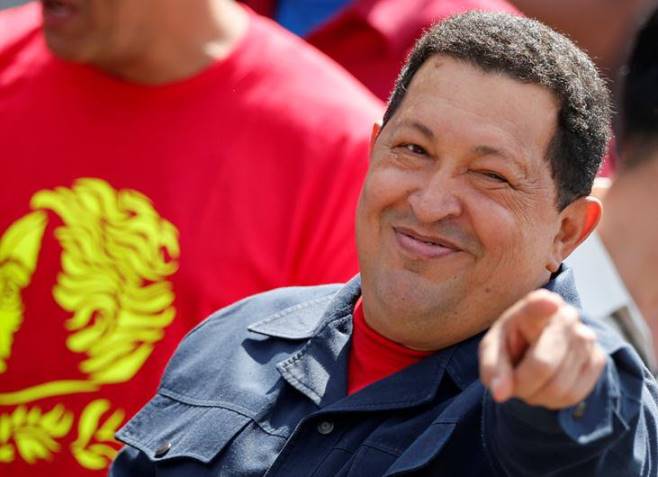
Hugo Chávez single-handedly caused Venezuela's inflation rate to soar to over 20,000%

My career began as a bond trader, handling Latin American sovereign debt, so I personally experienced hyperinflation and capital controls in countries like Venezuela and Argentina. The willful actions of heads of state deprived entire generations of their livelihoods and savings, causing sovereign bond spreads to widen dramatically and shutting the countries out of capital markets. The injustice this situation inflicted on individuals was, and still is, a tragedy.

Of course, Hugo Chávez and Cristina Fernández de Kirchner (former presidents of Venezuela and Argentina, respectively) were not the only "villains" in this tragedy.

2) Wall Street's Financial Barriers
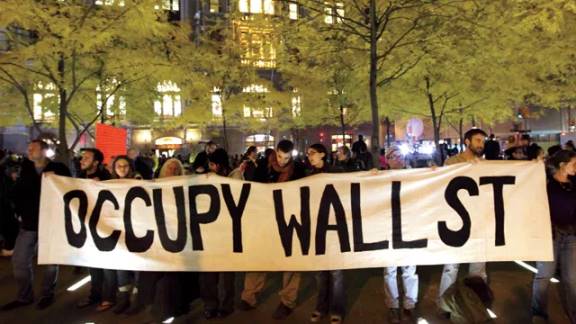
Remember the 2011 Occupy Wall Street protests at Zuccotti Park in Manhattan?

A few years after the 2008 financial crisis, I joined Wall Street. Before starting, I had read Michael Lewis's "Liar's Poker," and I believed the portrayal of the疯狂投机 culture of 80s Wall Street was an outdated stereotype. I also knew that the Dodd-Frank Act had been passed the year before I joined, and this congressional-level cleanup was supposed to彻底肃清 the speculative atmosphere at the trading desks in Lower Manhattan.

From an institutional perspective, rampant risk-taking speculation did indeed subside, and trading departments focused on directional bets were largely eliminated. But if you knew where to look, you'd find that speculation never really disappeared. Many of the leaders left after the 2008 industry purge were young traders who had taken over their superiors' risk positions at the market bottom and then made a fortune thanks to Ben Bernanke's quantitative easing policy. What kind of incentive orientation would this experience埋下 for these new trading "big shots"? Even after witnessing the severity of the crisis, this new generation was still灌输 with the notion that betting big with the company's balance sheet could still make a career.

During my first year on Wall Street, I passed by the "Occupy Wall Street" protesters every day on my way to and from work. The longer I stayed on Wall Street, the more I agreed with this street movement. They wanted to break Wall Street's privileges and end the现状 where it could gamble recklessly while ordinary people were left to foot the bill.

I agreed with the movement, but not its methods. The process of passing through the protesters was actually毫无戏剧性; their actions were not proactive. They held signs claiming to be the "99%," but in my view, they had no clear demands for what they wanted from the "1%."

In my eyes, the answer was obvious: the problem wasn't just that Wall Street was addicted to gambling, but that Wall Street had access to "casinos," investment opportunities, and industry information that ordinary people could never reach; and when Wall Street lost its bets, it was the common people who paid the bill.

This could never be solved by just adding a few more rules for Wall Street. The core was to create a level playing field for ordinary people.

3) Obscure and Outdated Financial Systems
As early as 2012, I realized that to push the financial system towards a more open, fair, transparent, and inclusive direction, its underlying systems needed to be upgraded.

As a junior trader in the trading room, I spent hours on the phone with the back office after the market closed every day, tracking down bonds that should have arrived weeks ago, and confirming that all derivative positions had no "wrong-way risk."

How had these processes not been fully digitized yet!

Of course, on the surface, many steps were already digitized; we used computers and electronic databases. But all these databases required manual intervention to update. Keeping information consistent across parties was a massive, costly, and often opaque task.

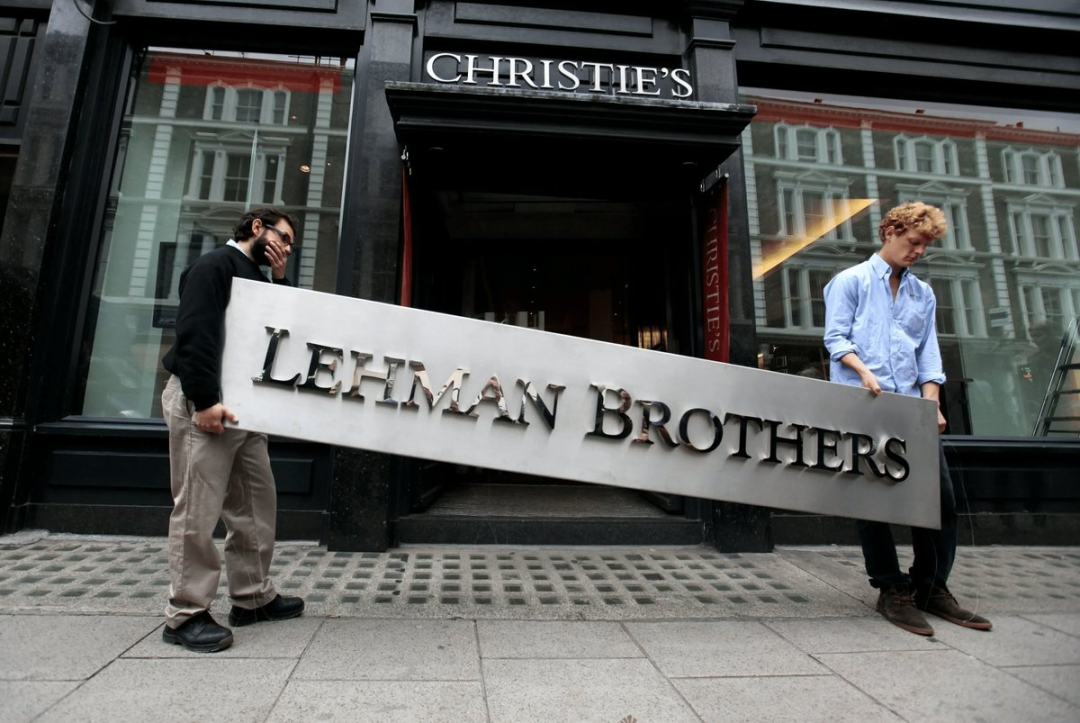
I still remember one thing: even four years after Lehman Brothers' bankruptcy, Barclays Bank, which acquired its assets, still couldn't clarify Lehman Brothers' exact assets and liabilities. It sounds outrageous, but it makes sense when you think about those conflicting or incomplete database records.
Bitcoin: A Peer-to-Peer Electronic Cash System

Bitcoin is just so cool.

Like gold, it is an asset不受操控, independent of monetary policy; its issuance and circulation model gave ordinary people around the world a full decade to use it as an investment tool before institutions could介入 on a large scale; it also introduced a new type of database called blockchain, eliminating the need for clearing, settlement, or reconciliation processes, allowing anyone to run and update it directly.

Bitcoin was (and still is) an antidote to my disillusionment with Wall Street. Some use it to avoid inflation and capital controls; it allowed the "99%" to get ahead of Wall Street in investments; its underlying technology has the potential to completely replace the obscure and inefficient systems relied upon by banks, building a new digital, transparent system.

I had to drop everything and devote myself to this cause. But at the time, external skepticism was overwhelming, with the most common argument being "Isn't this just something drug dealers use?" In 2014, besides darknet markets like "Silk Road," Bitcoin had almost no other application scenarios. Refuting this skepticism was not easy; you had to use a lot of "脑补" to see its potential.

During those agonizing years, I once felt this technology might never truly take off... Then suddenly, the whole world started paying attention to it and projecting their own fantasies onto this technology.

The Peak of Fantasy

For years I had hoped people would see the potential of blockchain technology, but in 2017, I suddenly became a skeptic within the industry. It was a complex feeling.

On one hand, it was because I was in the Silicon Valley industry environment; on the other hand, it was the zeitgeist—everyone wanted to do a blockchain project. People pitched me创业点子 like "blockchain + journalism," and there were headlines like "Blockchain Enters the Dental Field." At times like these, I couldn't help but say, "No, that's not how it's used at all!"

However, most of these people weren't trying to run scams; they weren't creating vaporware projects, issuing tokens to rip off retail investors, or launching meme coins. They genuinely believed in the diverse potential of the technology, but this enthusiasm was both misleading and irrational.

2017 to 2018 was the phase where industry fantasy peaked.
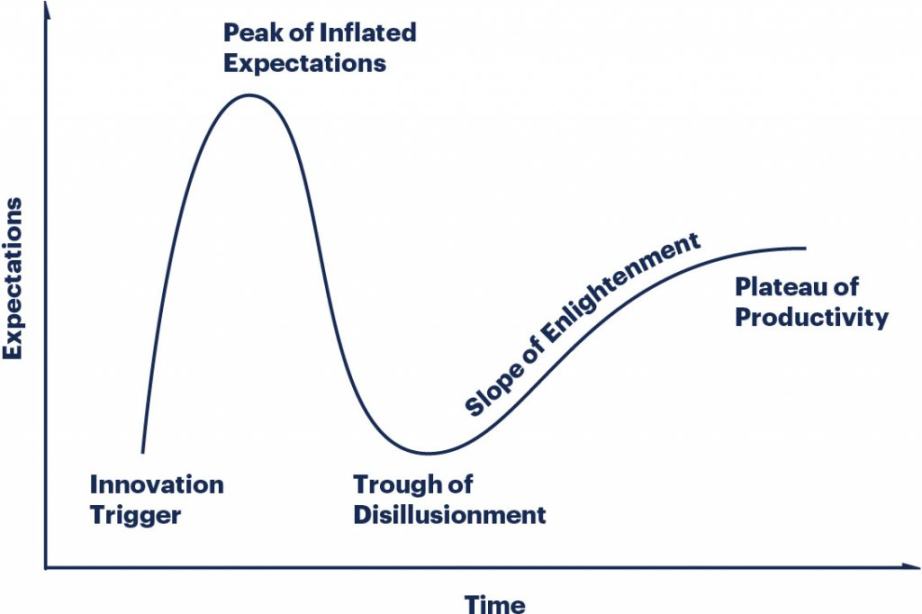
Gartner Hype Cycle

The cryptocurrency and blockchain industry did not follow the path promised by Gartner's classic "hype cycle" chart, climbing the slope of enlightenment. Instead, it oscillated between狂热 and幻灭 every 3 to 4 years.

To understand the reason behind this, one must recognize a fact: although blockchain is a technology, it is deeply tied to the asset class of crypto assets, and these crypto assets have an extremely high beta coefficient and are very risky, making them highly susceptible to macro market fluctuations. The past decade has seen剧烈起伏: during the zero-interest-rate era, risk appetite rose, and crypto assets experienced a boom; when trade wars hit, risk appetite fell, and crypto assets were pronounced "dead."

Making matters worse, the regulatory environment in this emerging field has also been extremely volatile. Coupled with catastrophic events that destroyed huge amounts of capital, like Terra/Luna and FTX, the industry's high volatility is not surprising.

Remember, We All Want to Change the World

Persisting in deep cultivation within the industry (whether building projects, investing, commenting, or other work) is an extremely difficult task in itself.

Everyone knows entrepreneurship is hard, but entrepreneurship in the crypto industry is even harder. Industry sentiment and funding environments are unpredictable, product-market fit is hard to define, legitimate entrepreneurs can be subpoenaed or even jailed, and you have to watch a president issue tokens for a scam, destroying the industry's remaining mainstream credibility... It's insane.

So I completely understand that someone, after深耕 the industry for 8 years, might feel their life has been wasted.
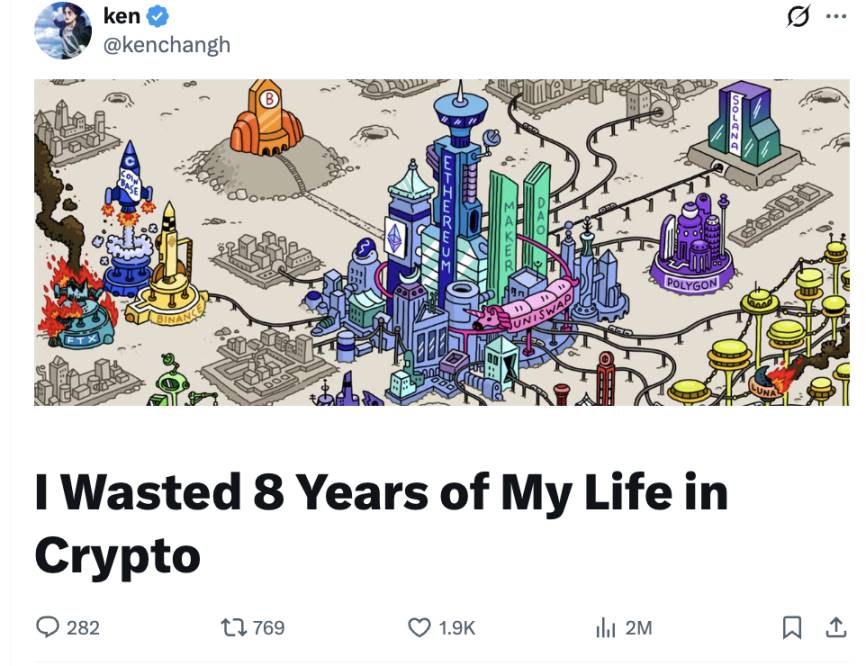
https://x.com/kenchangh/status/1994854381267947640

The author of this tweet坦言 that he thought he was joining a revolution, but in the end found he was just helping to build a giant casino. He expressed remorse for助推了 the "casino-fication" of the economy.

But it's important to know that no counter-traditional movement can be perfect; every revolution has its costs, and any transformation must go through growing pains.

Elizabeth Warren and the "Occupy Wall Street" movement tried to shut down the Wall Street casino, but phenomena like the meme stock frenzy, the crypto altcoin bull market, prediction markets, and decentralized exchanges for perpetual contracts have brought Wall Street's casino to the masses.

Is this a good thing? To be honest, I'm not sure. For most of my time in the crypto industry, I felt we were just rebuilding the consumer protection system from scratch. But many of the so-called consumer protection rules are either outdated or misleading, so I think pushing boundaries again might be a good thing. If my initial goal was to create a level playing field, then it must be said that we have indeed made progress.

This step is necessary to彻底改革 the financial system. If you want to fundamentally change who gets financial returns and how, it will inevitably make the economy more "casino-fied."

Report Card

It's easy to become disillusioned; it's hard to stay optimistic.

But if I review the current state of the industry against my goals when I entered, I'd say overall it's not bad.

Regarding currency mismanagement: We have Bitcoin, and other sufficiently decentralized cryptocurrencies that serve as practical alternatives to fiat, neither subject to seizure nor devaluation; enhanced by privacy coins, assets can even be untraceable. This is tangible progress in human freedom.

Regarding Wall Street's monopoly: Admittedly, the casino has been "democratized"—now it's not just Wall Street that can gamble recklessly on junk assets with high leverage and blow itself up! But seriously, I believe society is progressing towards less over-intervention in how and what risks ordinary people can take. After all, we've always allowed people to buy lottery tickets freely, while shutting them out of some of the best-performing stock investment opportunities of the past decade. The early retail investors in quality assets like Bitcoin and Ethereum have given us a glimpse of what a more balanced world should look like.

As for the problem of obscure and outdated database systems: The financial industry is finally正视更优的技术方案. Robinhood is already using blockchain as the underlying technology for stock trading products in the EU; Stripe is building a new global payment system based on crypto rails; stablecoins have become mainstream products.

If you joined for the revolution, take a closer look: everything you hoped for might already be here, it just doesn't look exactly how you imagined.


Domande pertinenti

QWhat were the three major societal ills in the traditional financial system that the author believed crypto could solve?

AThe three societal ills were: 1) Monetary mismanagement (e.g., hyperinflation and capital controls in countries like Venezuela and Argentina), 2) Wall Street's financial barriers and privilege (where they could gamble with impunity while the public bore the cost), and 3) An opaque and antiquated financial system with inefficient, non-digital settlement processes.

QWhy did the author initially become disillusioned with the crypto space around 2017?

AThe author became a skeptic because the industry reached a 'peak of delusion' where blockchain was being proposed as a solution for everything, including news and dentistry, in a way that was misapplied and irrational, though often well-intentioned and not necessarily fraudulent.

QAccording to the author, what is the relationship between blockchain technology and the crypto asset class that causes such high volatility?

ABlockchain is deeply tied to the crypto asset class, which has an extremely high beta and is highly speculative. This makes it extremely susceptible to macro market swings in risk appetite, fluctuating regulatory environments, and catastrophic events like the collapses of Terra/Luna and FTX.

QHow does the author respond to the criticism that crypto has merely created a 'giant casino' and contributed to the 'gamification of the economy'?

AThe author acknowledges the sentiment but argues that this 'gamification' is a necessary step in fundamentally reforming the financial system. The goal was to create a level playing field and democratize access to financial opportunities, which inherently involves greater risk-taking by the public, moving beyond the old model where only Wall Street could gamble.

QWhat progress does the author cite as evidence that the original goals of the crypto revolution are being met?

AThe author points to: 1) Bitcoin and other decentralized cryptocurrencies as real alternatives to state-controlled fiat, 2) The democratization of financial access, allowing the public early access to assets like Bitcoin and Ethereum, and 3) The financial industry finally adopting better tech, with examples like Robinhood using blockchain for stock trading in the EU, Stripe building new payment systems on crypto rails, and the mainstream adoption of stablecoins.

Letture associate

Trading

Spot
Futures

Articoli Popolari

Cosa è $S$

Comprendere SPERO: Una Panoramica Completa Introduzione a SPERO Mentre il panorama dell'innovazione continua a evolversi, l'emergere delle tecnologie web3 e dei progetti di criptovaluta gioca un ruolo fondamentale nel plasmare il futuro digitale. Un progetto che ha attirato l'attenzione in questo campo dinamico è SPERO, denotato come SPERO,$$s$. Questo articolo mira a raccogliere e presentare informazioni dettagliate su SPERO, per aiutare gli appassionati e gli investitori a comprendere le sue basi, obiettivi e innovazioni nei domini web3 e crypto. Che cos'è SPERO,$$s$? SPERO,$$s$ è un progetto unico all'interno dello spazio crypto che cerca di sfruttare i principi della decentralizzazione e della tecnologia blockchain per creare un ecosistema che promuove l'impegno, l'utilità e l'inclusione finanziaria. Il progetto è progettato per facilitare interazioni peer-to-peer in modi nuovi, fornendo agli utenti soluzioni e servizi finanziari innovativi. Al suo interno, SPERO,$$s$ mira a responsabilizzare gli individui fornendo strumenti e piattaforme che migliorano l'esperienza dell'utente nello spazio delle criptovalute. Questo include la possibilità di metodi di transazione più flessibili, la promozione di iniziative guidate dalla comunità e la creazione di percorsi per opportunità finanziarie attraverso applicazioni decentralizzate (dApps). La visione sottostante di SPERO,$$s$ ruota attorno all'inclusività, cercando di colmare le lacune all'interno della finanza tradizionale mentre sfrutta i vantaggi della tecnologia blockchain. Chi è il Creatore di SPERO,$$s$? L'identità del creatore di SPERO,$$s$ rimane piuttosto oscura, poiché ci sono risorse pubblicamente disponibili limitate che forniscono informazioni dettagliate sul suo fondatore o fondatori. Questa mancanza di trasparenza può derivare dall'impegno del progetto per la decentralizzazione—un ethos che molti progetti web3 condividono, dando priorità ai contributi collettivi rispetto al riconoscimento individuale. Centrando le discussioni attorno alla comunità e ai suoi obiettivi collettivi, SPERO,$$s$ incarna l'essenza dell'empowerment senza mettere in evidenza individui specifici. Pertanto, comprendere l'etica e la missione di SPERO rimane più importante che identificare un creatore singolo. Chi sono gli Investitori di SPERO,$$s$? SPERO,$$s$ è supportato da una varietà di investitori che vanno dai capitalisti di rischio agli investitori angelici dedicati a promuovere l'innovazione nel settore crypto. Il focus di questi investitori generalmente si allinea con la missione di SPERO—dando priorità a progetti che promettono avanzamenti tecnologici sociali, inclusività finanziaria e governance decentralizzata. Queste fondazioni di investitori sono tipicamente interessate a progetti che non solo offrono prodotti innovativi, ma contribuiscono anche positivamente alla comunità blockchain e ai suoi ecosistemi. Il supporto di questi investitori rafforza SPERO,$$s$ come un concorrente degno di nota nel dominio in rapida evoluzione dei progetti crypto. Come Funziona SPERO,$$s$? SPERO,$$s$ impiega un framework multifunzionale che lo distingue dai progetti di criptovaluta convenzionali. Ecco alcune delle caratteristiche chiave che sottolineano la sua unicità e innovazione: Governance Decentralizzata: SPERO,$$s$ integra modelli di governance decentralizzati, responsabilizzando gli utenti a partecipare attivamente ai processi decisionali riguardanti il futuro del progetto. Questo approccio favorisce un senso di proprietà e responsabilità tra i membri della comunità. Utilità del Token: SPERO,$$s$ utilizza il proprio token di criptovaluta, progettato per servire varie funzioni all'interno dell'ecosistema. Questi token abilitano transazioni, premi e la facilitazione dei servizi offerti sulla piattaforma, migliorando l'impegno e l'utilità complessivi. Architettura Stratificata: L'architettura tecnica di SPERO,$$s$ supporta la modularità e la scalabilità, consentendo un'integrazione fluida di funzionalità e applicazioni aggiuntive man mano che il progetto evolve. Questa adattabilità è fondamentale per mantenere la rilevanza nel panorama crypto in continua evoluzione. Coinvolgimento della Comunità: Il progetto enfatizza iniziative guidate dalla comunità, impiegando meccanismi che incentivano la collaborazione e il feedback. Nutrendo una comunità forte, SPERO,$$s$ può affrontare meglio le esigenze degli utenti e adattarsi alle tendenze di mercato. Focus sull'Inclusione: Offrendo basse commissioni di transazione e interfacce user-friendly, SPERO,$$s$ mira ad attrarre una base utenti diversificata, inclusi individui che potrebbero non aver precedentemente interagito nello spazio crypto. Questo impegno per l'inclusione si allinea con la sua missione generale di empowerment attraverso l'accessibilità. Cronologia di SPERO,$$s$ Comprendere la storia di un progetto fornisce preziose intuizioni sulla sua traiettoria di sviluppo e sui traguardi. Di seguito è riportata una cronologia suggerita che mappa eventi significativi nell'evoluzione di SPERO,$$s$: Fase di Concettualizzazione e Ideazione: Le idee iniziali che formano la base di SPERO,$$s$ sono state concepite, allineandosi strettamente con i principi di decentralizzazione e focus sulla comunità all'interno dell'industria blockchain. Lancio del Whitepaper del Progetto: Dopo la fase concettuale, è stato rilasciato un whitepaper completo che dettaglia la visione, gli obiettivi e l'infrastruttura tecnologica di SPERO,$$s$ per suscitare interesse e feedback dalla comunità. Costruzione della Comunità e Prime Interazioni: Sono stati effettuati sforzi attivi di outreach per costruire una comunità di early adopters e potenziali investitori, facilitando discussioni attorno agli obiettivi del progetto e ottenendo supporto. Evento di Generazione del Token: SPERO,$$s$ ha condotto un evento di generazione del token (TGE) per distribuire i propri token nativi ai primi sostenitori e stabilire una liquidità iniziale all'interno dell'ecosistema. Lancio della Prima dApp: La prima applicazione decentralizzata (dApp) associata a SPERO,$$s$ è stata attivata, consentendo agli utenti di interagire con le funzionalità principali della piattaforma. Sviluppo Continuo e Partnership: Aggiornamenti e miglioramenti continui alle offerte del progetto, inclusi partnership strategiche con altri attori nello spazio blockchain, hanno plasmato SPERO,$$s$ in un concorrente competitivo e in evoluzione nel mercato crypto. Conclusione SPERO,$$s$ rappresenta una testimonianza del potenziale del web3 e delle criptovalute di rivoluzionare i sistemi finanziari e responsabilizzare gli individui. Con un impegno per la governance decentralizzata, il coinvolgimento della comunità e funzionalità progettate in modo innovativo, apre la strada verso un panorama finanziario più inclusivo. Come per qualsiasi investimento nello spazio crypto in rapida evoluzione, si incoraggiano potenziali investitori e utenti a ricercare approfonditamente e a impegnarsi in modo riflessivo con gli sviluppi in corso all'interno di SPERO,$$s$. Il progetto mostra lo spirito innovativo dell'industria crypto, invitando a ulteriori esplorazioni delle sue innumerevoli possibilità. Mentre il percorso di SPERO,$$s$ è ancora in fase di sviluppo, i suoi principi fondamentali potrebbero effettivamente influenzare il futuro di come interagiamo con la tecnologia, la finanza e tra di noi in ecosistemi digitali interconnessi.

75 Totale visualizzazioniPubblicato il 2024.12.17Aggiornato il 2024.12.17

Cosa è $S$

Cosa è AGENT S

Agent S: Il Futuro dell'Interazione Autonoma in Web3 Introduzione Nel panorama in continua evoluzione di Web3 e criptovalute, le innovazioni stanno costantemente ridefinendo il modo in cui gli individui interagiscono con le piattaforme digitali. Uno di questi progetti pionieristici, Agent S, promette di rivoluzionare l'interazione uomo-computer attraverso il suo framework agentico aperto. Aprendo la strada a interazioni autonome, Agent S mira a semplificare compiti complessi, offrendo applicazioni trasformative nell'intelligenza artificiale (AI). Questa esplorazione dettagliata approfondirà le complessità del progetto, le sue caratteristiche uniche e le implicazioni per il dominio delle criptovalute. Cos'è Agent S? Agent S si presenta come un innovativo framework agentico aperto, progettato specificamente per affrontare tre sfide fondamentali nell'automazione dei compiti informatici: Acquisizione di Conoscenze Specifiche del Dominio: Il framework apprende in modo intelligente da varie fonti di conoscenza esterne ed esperienze interne. Questo approccio duale gli consente di costruire un ricco repository di conoscenze specifiche del dominio, migliorando le sue prestazioni nell'esecuzione dei compiti. Pianificazione su Lungo Orizzonte di Compiti: Agent S impiega una pianificazione gerarchica potenziata dall'esperienza, un approccio strategico che facilita la suddivisione e l'esecuzione efficiente di compiti complessi. Questa caratteristica migliora significativamente la sua capacità di gestire più sottocompiti in modo efficiente ed efficace. Gestione di Interfacce Dinamiche e Non Uniformi: Il progetto introduce l'Interfaccia Agente-Computer (ACI), una soluzione innovativa che migliora l'interazione tra agenti e utenti. Utilizzando Modelli Linguistici Multimodali di Grandi Dimensioni (MLLM), Agent S può navigare e manipolare senza sforzo diverse interfacce grafiche utente. Attraverso queste caratteristiche pionieristiche, Agent S fornisce un framework robusto che affronta le complessità coinvolte nell'automazione dell'interazione umana con le macchine, preparando il terreno per innumerevoli applicazioni nell'AI e oltre. Chi è il Creatore di Agent S? Sebbene il concetto di Agent S sia fondamentalmente innovativo, informazioni specifiche sul suo creatore rimangono elusive. Il creatore è attualmente sconosciuto, il che evidenzia sia la fase embrionale del progetto sia la scelta strategica di mantenere i membri fondatori sotto anonimato. Indipendentemente dall'anonimato, l'attenzione rimane sulle capacità e sul potenziale del framework. Chi sono gli Investitori di Agent S? Poiché Agent S è relativamente nuovo nell'ecosistema crittografico, informazioni dettagliate riguardanti i suoi investitori e sostenitori finanziari non sono documentate esplicitamente. La mancanza di approfondimenti pubblicamente disponibili sulle fondazioni di investimento o sulle organizzazioni che supportano il progetto solleva interrogativi sulla sua struttura di finanziamento e sulla roadmap di sviluppo. Comprendere il supporto è cruciale per valutare la sostenibilità del progetto e il suo potenziale impatto sul mercato. Come Funziona Agent S? Al centro di Agent S si trova una tecnologia all'avanguardia che gli consente di funzionare efficacemente in contesti diversi. Il suo modello operativo è costruito attorno a diverse caratteristiche chiave: Interazione Uomo-Computer Simile a Quella Umana: Il framework offre una pianificazione AI avanzata, cercando di rendere le interazioni con i computer più intuitive. Mimando il comportamento umano nell'esecuzione dei compiti, promette di elevare le esperienze degli utenti. Memoria Narrativa: Utilizzata per sfruttare esperienze di alto livello, Agent S utilizza la memoria narrativa per tenere traccia delle storie dei compiti, migliorando così i suoi processi decisionali. Memoria Episodica: Questa caratteristica fornisce agli utenti una guida passo-passo, consentendo al framework di offrire supporto contestuale mentre i compiti si sviluppano. Supporto per OpenACI: Con la capacità di funzionare localmente, Agent S consente agli utenti di mantenere il controllo sulle proprie interazioni e flussi di lavoro, allineandosi con l'etica decentralizzata di Web3. Facile Integrazione con API Esterne: La sua versatilità e compatibilità con varie piattaforme AI garantiscono che Agent S possa adattarsi senza problemi agli ecosistemi tecnologici esistenti, rendendolo una scelta attraente per sviluppatori e organizzazioni. Queste funzionalità contribuiscono collettivamente alla posizione unica di Agent S all'interno dello spazio crittografico, poiché automatizza compiti complessi e multi-fase con un intervento umano minimo. Man mano che il progetto evolve, le sue potenziali applicazioni in Web3 potrebbero ridefinire il modo in cui si svolgono le interazioni digitali. Cronologia di Agent S Lo sviluppo e le tappe di Agent S possono essere riassunti in una cronologia che evidenzia i suoi eventi significativi: 27 Settembre 2024: Il concetto di Agent S è stato lanciato in un documento di ricerca completo intitolato “Un Framework Agentico Aperto che Usa i Computer Come un Umano”, mostrando le basi per il progetto. 10 Ottobre 2024: Il documento di ricerca è stato reso pubblicamente disponibile su arXiv, offrendo un'esplorazione approfondita del framework e della sua valutazione delle prestazioni basata sul benchmark OSWorld. 12 Ottobre 2024: È stata rilasciata una presentazione video, fornendo un'idea visiva delle capacità e delle caratteristiche di Agent S, coinvolgendo ulteriormente potenziali utenti e investitori. Questi indicatori nella cronologia non solo illustrano i progressi di Agent S, ma indicano anche il suo impegno per la trasparenza e il coinvolgimento della comunità. Punti Chiave su Agent S Man mano che il framework Agent S continua a evolversi, diversi attributi chiave si distinguono, sottolineando la sua natura innovativa e il potenziale: Framework Innovativo: Progettato per fornire un uso intuitivo dei computer simile all'interazione umana, Agent S porta un approccio nuovo all'automazione dei compiti. Interazione Autonoma: La capacità di interagire autonomamente con i computer attraverso GUI segna un passo avanti verso soluzioni informatiche più intelligenti ed efficienti. Automazione di Compiti Complessi: Con la sua metodologia robusta, può automatizzare compiti complessi e multi-fase, rendendo i processi più veloci e meno soggetti a errori. Miglioramento Continuo: I meccanismi di apprendimento consentono ad Agent S di migliorare dalle esperienze passate, migliorando continuamente le sue prestazioni e la sua efficacia. Versatilità: La sua adattabilità attraverso diversi ambienti operativi come OSWorld e WindowsAgentArena garantisce che possa servire un'ampia gamma di applicazioni. Man mano che Agent S si posiziona nel panorama di Web3 e delle criptovalute, il suo potenziale per migliorare le capacità di interazione e automatizzare i processi segna un significativo avanzamento nelle tecnologie AI. Attraverso il suo framework innovativo, Agent S esemplifica il futuro delle interazioni digitali, promettendo un'esperienza più fluida ed efficiente per gli utenti in vari settori. Conclusione Agent S rappresenta un audace passo avanti nell'unione tra AI e Web3, con la capacità di ridefinire il modo in cui interagiamo con la tecnologia. Sebbene sia ancora nelle sue fasi iniziali, le possibilità per la sua applicazione sono vaste e coinvolgenti. Attraverso il suo framework completo che affronta sfide critiche, Agent S mira a portare le interazioni autonome al centro dell'esperienza digitale. Man mano che ci addentriamo nei regni delle criptovalute e della decentralizzazione, progetti come Agent S giocheranno senza dubbio un ruolo cruciale nel plasmare il futuro della tecnologia e della collaborazione uomo-computer.

435 Totale visualizzazioniPubblicato il 2025.01.14Aggiornato il 2025.01.14

Cosa è AGENT S

Come comprare S

Benvenuto in HTX.com! Abbiamo reso l'acquisto di Sonic (S) semplice e conveniente. Segui la nostra guida passo passo per intraprendere il tuo viaggio nel mondo delle criptovalute.Step 1: Crea il tuo Account HTXUsa la tua email o numero di telefono per registrarti il tuo account gratuito su HTX. Vivi un'esperienza facile e sblocca tutte le funzionalità,Crea il mio accountStep 2: Vai in Acquista crypto e seleziona il tuo metodo di pagamentoCarta di credito/debito: utilizza la tua Visa o Mastercard per acquistare immediatamente SonicS.Bilancio: Usa i fondi dal bilancio del tuo account HTX per fare trading senza problemi.Terze parti: abbiamo aggiunto metodi di pagamento molto utilizzati come Google Pay e Apple Pay per maggiore comodità.P2P: Fai trading direttamente con altri utenti HTX.Over-the-Counter (OTC): Offriamo servizi su misura e tassi di cambio competitivi per i trader.Step 3: Conserva Sonic (S)Dopo aver acquistato Sonic (S), conserva nel tuo account HTX. In alternativa, puoi inviare tramite trasferimento blockchain o scambiare per altre criptovalute.Step 4: Scambia Sonic (S)Scambia facilmente Sonic (S) nel mercato spot di HTX. Accedi al tuo account, seleziona la tua coppia di trading, esegui le tue operazioni e monitora in tempo reale. Offriamo un'esperienza user-friendly sia per chi ha appena iniziato che per i trader più esperti.

849 Totale visualizzazioniPubblicato il 2025.01.15Aggiornato il 2025.03.21

Come comprare S

Discussioni

Benvenuto nella Community HTX. Qui puoi rimanere informato sugli ultimi sviluppi della piattaforma e accedere ad approfondimenti esperti sul mercato. Le opinioni degli utenti sul prezzo di S S sono presentate come di seguito.

活动图片













