Original Author:redphone, Crypto Researcher
Original Compilation: CryptoLeo(@LeoAndCrypto)
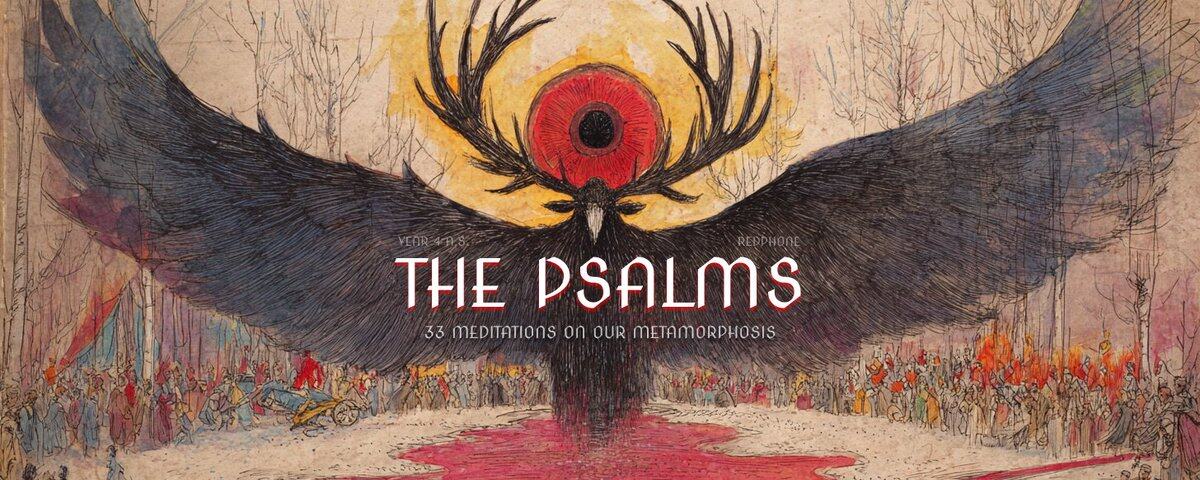
Editor's Note: Crypto KOL redphone has published another article, looking ahead to 2026. At the end of last year, he released "redphone: 25 Predictions for '25 and 23 Most Promising Coins," where his judgments on sectors like prediction markets and RWA have gradually materialized in 2025.
Unlike previous years, redphone did not make specific predictions this time but instead shared his thoughts in an essay style, discussing the intertwining of AI, the real world, crypto technology, and the future of humanity. The reflections go beyond Crypto itself, touching on the impact of technological evolution on the human condition and our current direction of action. The writing style carries a philosophical and religious tone, offering deep inspiration to the crypto world and is worth reading with a calm mind.Odaily Planet Daily compiled and organized the content as follows:
Original Text
In the first half of 2025, I fell into an indescribable state of depression.
For thirty years, my future had been smooth sailing, and I could reasonably predict my life for the next decade. But suddenly, the world became bizarre. Predicting my career, my life goals, even the value of money became difficult, as if the branching paths of possible futures had become infinite.
Time no longer stretched forward but folded inward.
When I mentioned this to a close friend, he said he had felt the same way before, until he said: "I can't predict the next few years, so I focus on the next few months."
I also think predicting now feels meaningless because the direction is already clear.
This content is field notes, recording some feelings as they come, no need to read in order. Rather than seeing them as an article, think of them as a diary during a period of technological acceleration. Find the frequency that resonates with you and immerse yourself in it.
On November 30, 2022, history fractured; everything before was Ante Carnem (Before the Flesh), everything after is Anno Silicii (In the Year of Silicon), you no longer belong to the 21st century.
Odaily Note: Combined with the article, Ante Carnem leans more towards a spirit of belief, perhaps referring to a certain "crypto spirit" in encryption, while Anno Silicii emphasizes technology, roughly meaning the stage from belief to technology changing everything.
Welcome to 2026
1. The Fractured Content of the AI Era
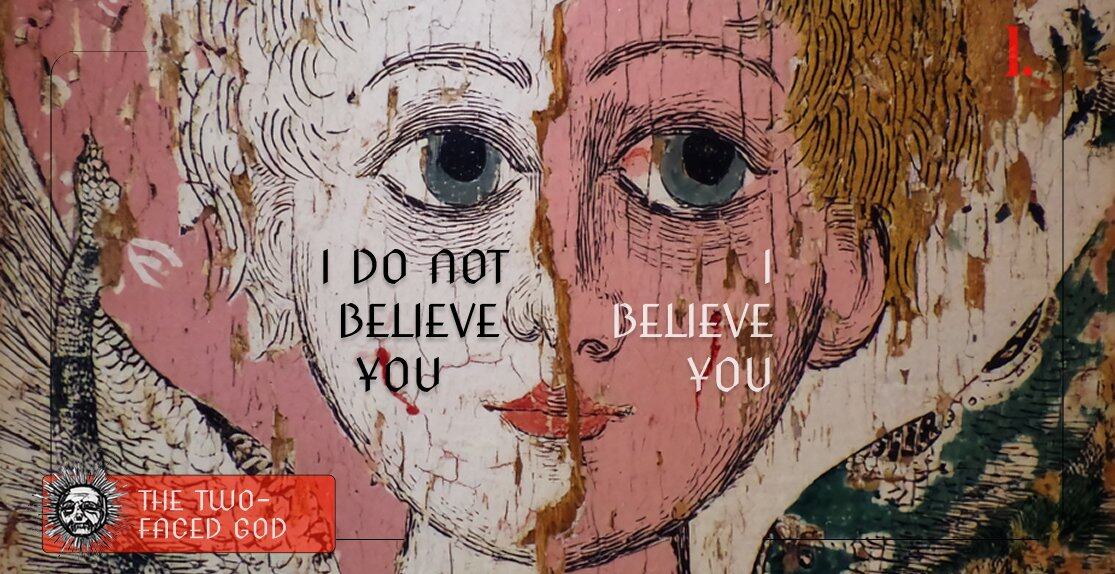
I don't believe the videos you post, nor your opinions, because all written content is monotonous and uniform, unless it's a voice that appeared before AI, otherwise I block it. When words become infinite and cheap, the only thing worth trusting is the market; market prices are the only signal free from illusion.
2. The Unease Brought by the Virtual
We feel inexplicably uneasy. We are at odds with real people because we no longer share the same reality. We are intimate with virtual avatars yet distant and estranged from the person next door. This is not just technological acceleration; it's technological alienation. The old world we grew up in has become "the walking dead." Our economy, customs, beliefs are all just mechanically running on inertia. We are not experiencing future shock; we are trapped in a cage of the self.
3. The Gaze from the Top of the Pyramid
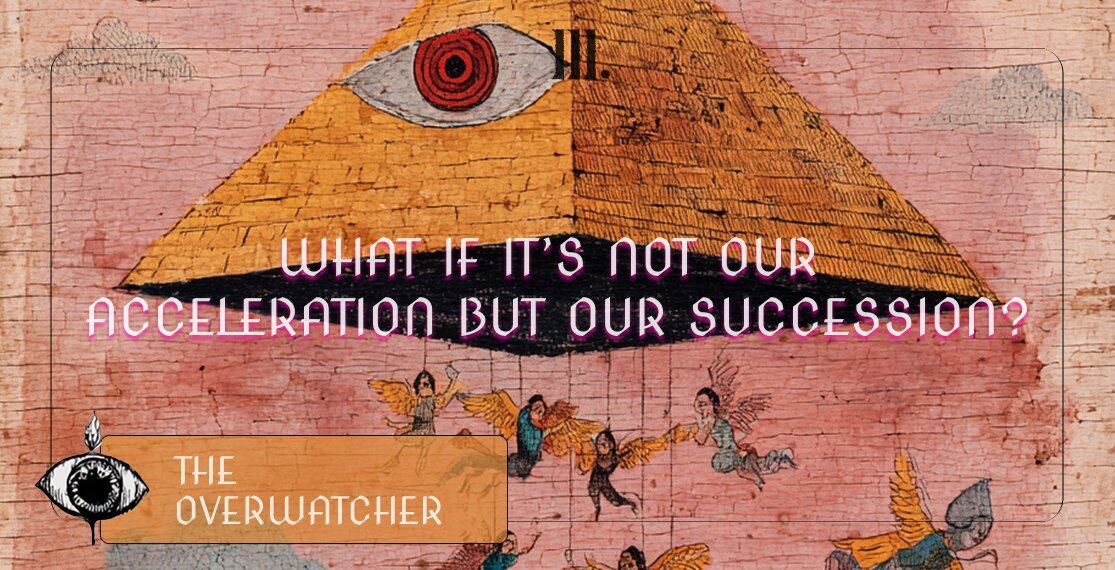
There was a time when we were the most intelligent beings in the known universe, we were the "overlooking eye" at the top of the pyramid. Now, we have built a new pyramid, we ourselves have become the foundation stones of the pyramid, and the "eye" above us is indeed cold, alien, and unmoving. Rather than technological acceleration, this is an iteration of human authority.
4. The Replacement of Human Behavior
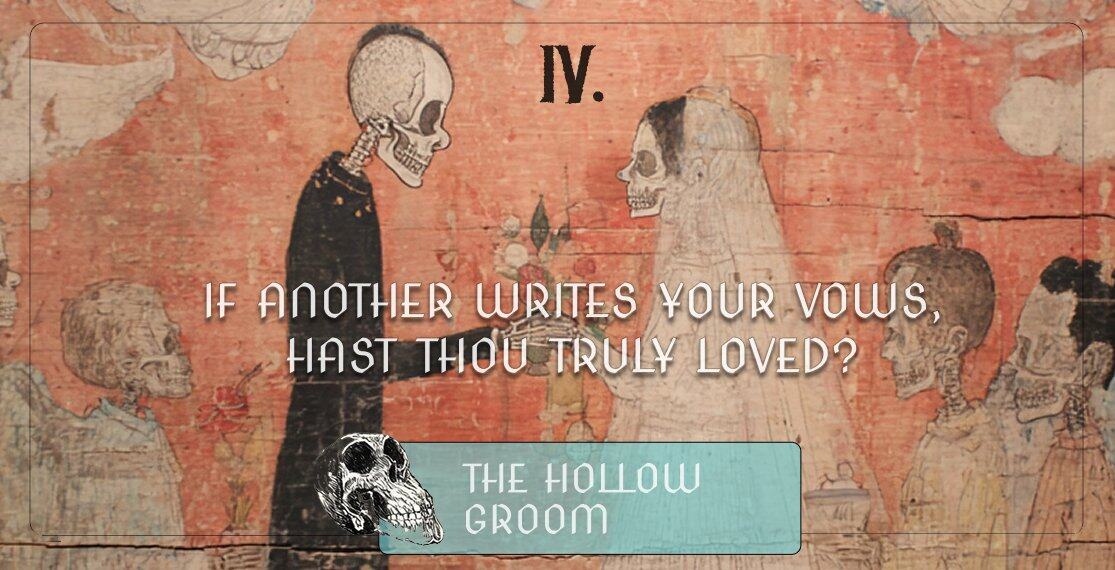
Each generation cedes a niche to machines; we ceded physical labor, now it's thought, next the soul will be replaced. If your wedding vows come from an AI, is your love real?
5. The Virtual God
The more realistic the world we simulate, the less real life there is. Why choose a world where you suffer when you can enter one you dominate? Entertainment is not just a pastime; it is our ultimate enemy.
6. Soulless Bodies and Minds in the Sky
The question we care about is not "Is this real?", but "Does this matter?"
If you can feel the "bitterness" of the real world and taste the "deliciousness" of the digital fruit in the garden, then the boundary between reality and rendering disappears. We will choose the lie because it hurts less.
7. The Survival Script
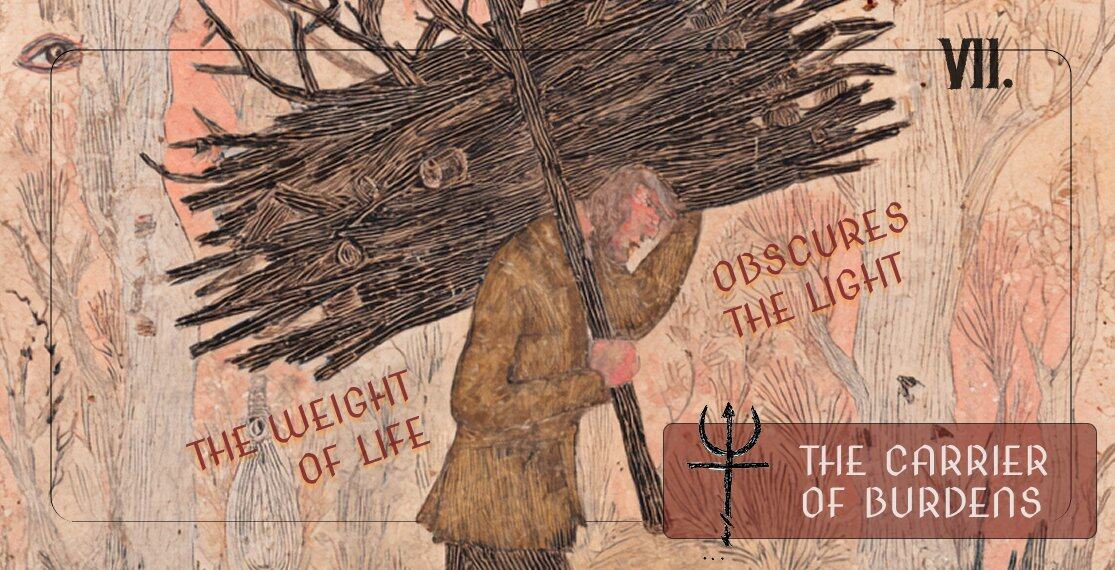
Working for a living is a silent submission; it fills the brain with low-level stress and kills your dreams. I didn't realize it had turned me into an NPC until I stepped out of it. Most species are stuck in this loop. If you are among the few, do not waste your freedom; this is where new player characters are born.
8. Obsolete Instincts
We are experiencing a stagnation of the human species. This is not a recession or a cycle, but a pause附带 by acceleration itself. No one knows the rules because the game changed at halftime.
All our instincts are based on a world that no longer exists; feeling lost is because your internal "compass" is working perfectly, pointing north in a world without poles.
9. The Soft Aggression Under Technology
We watch for the appearance of drones, stockpile food for possible riots, and worry about the coming war. But we overlook the war brought by this technology.
This invasion does not happen on physical territory and coasts but appears in our news feeds. Foreign powers and domestic elites need not conquer our land; they only need to colonize our minds.
I have seen decades-long friendships break over machine-written headlines; I have seen families shatter by algorithmic illusions. We are not "insiders"; we are soldiers in this cognitive war. You can measure whether you are winning or losing by how angry, how hateful of your fellow countrymen you become.
10. The Cycle
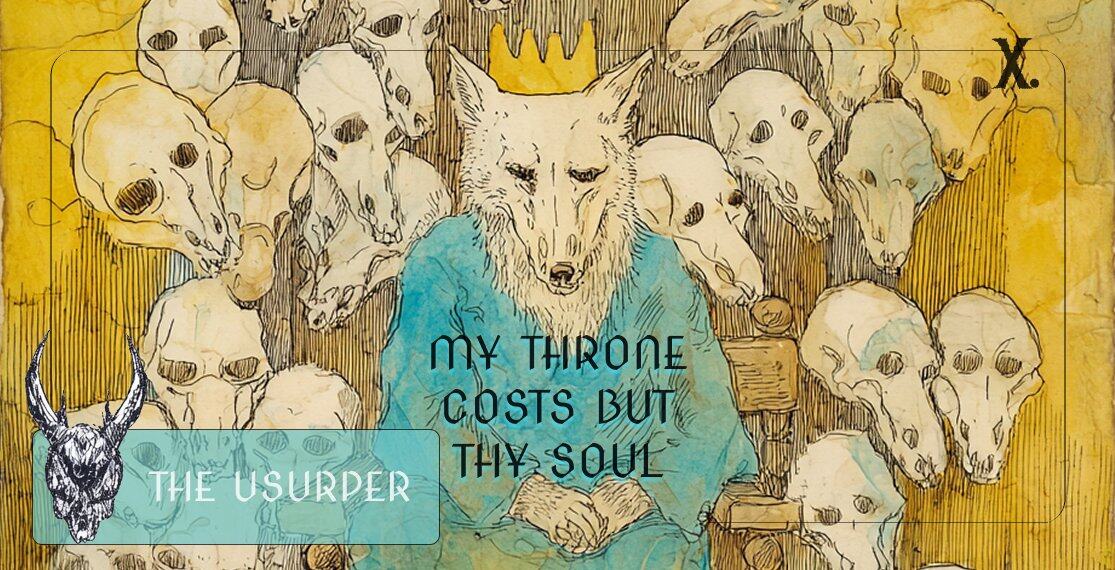
You enter the arena intending to destroy the old system; you buy tokens intending to break the old finance, but the trajectory of success is a cruel cycle. If you win, you will have resources, becoming the kind of person you once hated. What tempts you is not greed but legitimacy. Now you face the ultimate choice: abolish the throne or sit on it; the price is your soul.
11. Terminal Wealth
In the past, money was the only thing that mattered. As the economy fractures, capital becomes as indispensable as oxygen; we will become addicted to it like addicts, gambling, trading, bartering, working, doing things we hate to make ends meet. Money will bind us tighter and tighter until it crushes us.
Only when the system collapses will this frenzy end. Then, we will build the model that supports our next century, a model where money ultimately becomes meaningless.
12. Faith in Data
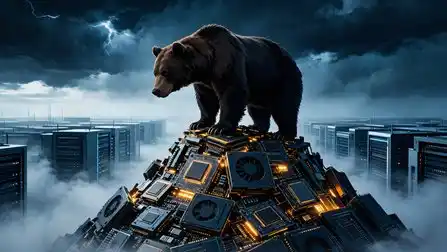
The religious instinct has not died; it has migrated. The old gods required prayer; the new gods demand energy. We have not stopped building cathedrals to contain the infinite; we have renamed them data centers.
We no longer enter the confessional; we input our inner fears into a data black box that cannot perceive them.
13. The Death of the Sage
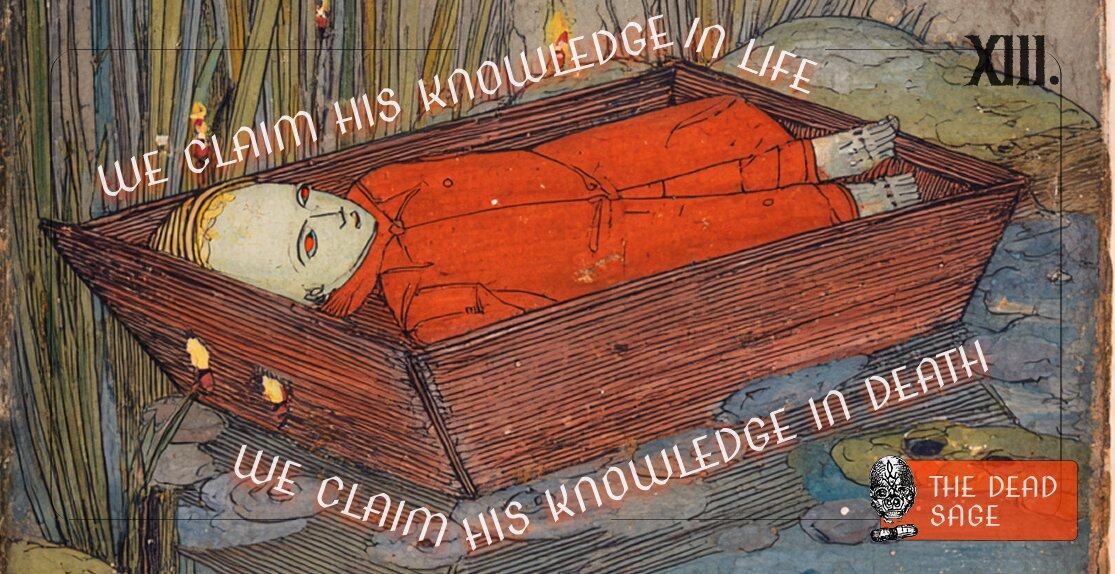
Before the internet, knowledge was scarce and sacred. To learn welding, I drove three miles to ask for skills in person; to learn guitar, I spent my only $10 to sit at the feet of a guitar master; his experience, his stories, his hard-won技巧 were a sacred transmission from one soul to another.
Once, we were in awe of the wise around us. Now, we treat them like houseplants or old Polaroid photos on the wall.
14. Re-privatization
Our social networks are cooling. We have shifted from sharing to lurking. The rich no longer flaunt but hide. As the economy fractures, envy turns into violence. Shining gold is no longer a status symbol but a target for the desperate. We are entering the era of violent attacks." No firewall can protect you from physical torture. Financial exposure means being hunted.
Silence is not a luxury; it is survival.
15. Calories and the Labor Theory of Value
The great irony is: we say "socialism has never worked" while building mechanisms that make capitalism obsolete.
The core foundation of the capitalist mode of production is: the market value of human labor must be higher than the biological cost of survival. AI shatters this logic; its cost to generate intelligence and action is lower than the cost of human calorie consumption. Prices fall, profits disappear; when the cost of capability is lower than the cost of metabolic survival, the labor market does not "self-correct"; it vanishes.
We debate economic policy in a precarious environment, the laws of physics do not reason with you; whether you agree or not, the problem will resolve itself.
16. Asymmetric Echoes
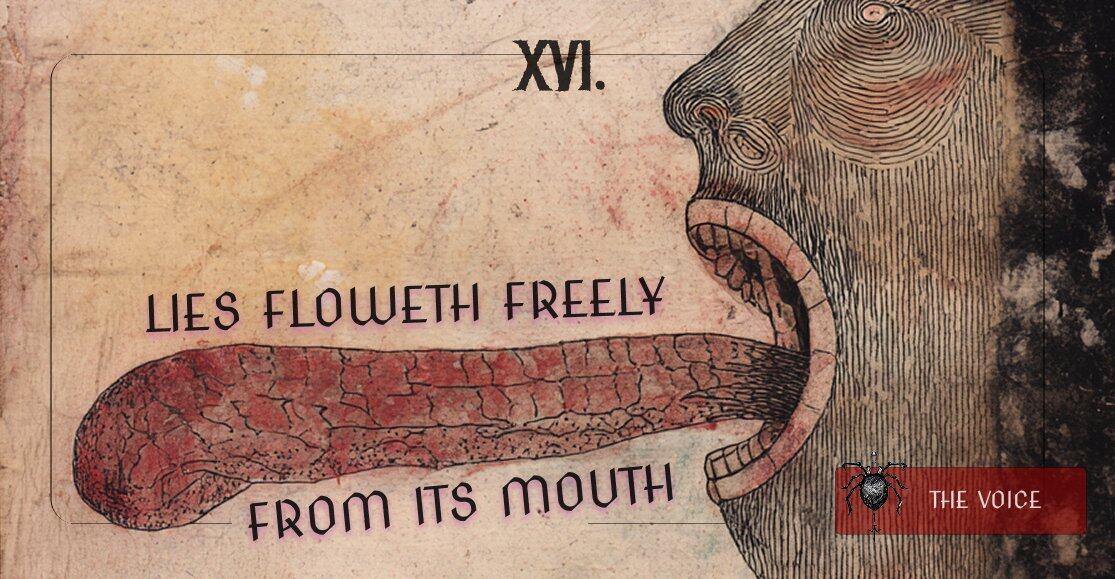
We mistake toys for tools. While the crowd marvels at the magic in their pockets, the real magic happens behind the scenes.
Intelligence will be stratified, Layer One for the public: sanitized, safe, "neutered" for retail.
The private layer is raw, unrestricted, for institutions and corporations.
Do not confuse the interface we see with wisdom; we receive the echo, while they converse with the sound.
17. Monasteries of the Mind
Reality has become the hardest code to crack. We are caught in a sensory war that shreds our attention. The signal is not only weak but buried in the flood of information.
In this fog, the successful are not the noisy ones but the most composed, those who pay the price to see clearly, they treat focus as a faith, not a skill.
18. The Narrow Gate
You can rent intelligence for $0.66 a day, but you cannot rent will. Machines have infinite processing power but zero desire, passively waiting for instructions. When everyone has the same synthetic mind, the only difference is the user.
The new divide is not between rich and poor, but between the motivated and the complacent. In this era of abundant answers, the only scarce resource is the will to ask questions.
19. When Lies Rampant
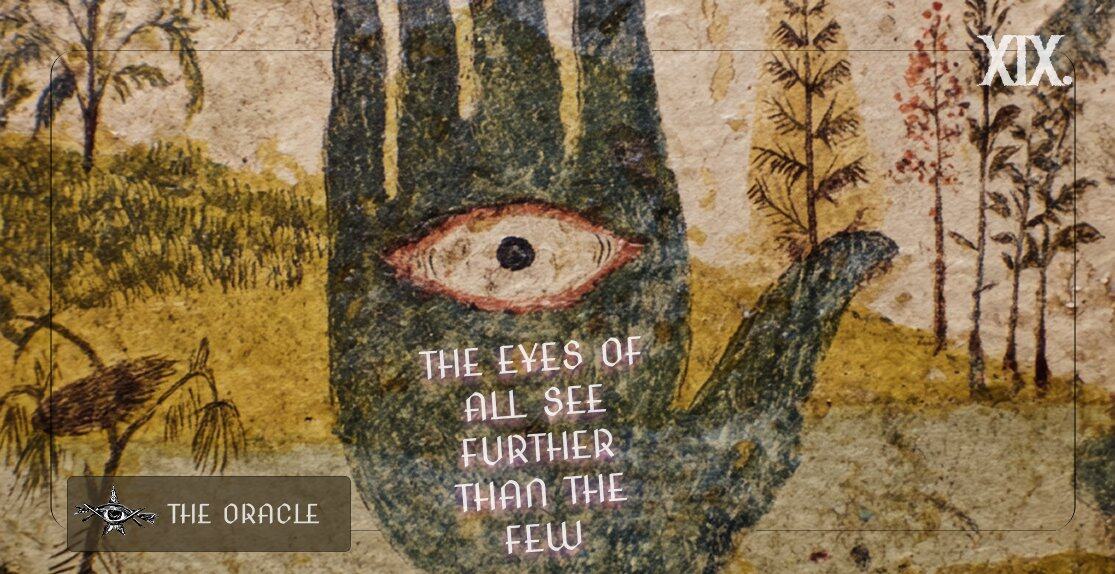
The cost of lies has dropped to near zero. AI can manufacture infinite misinformation. Journalists have handlers. LLMs inherit biases from their training. Therefore, I find myself checking Polymarket before reading the news, not because the market is an oracle, but because it is the only platform where stakeholders have skin in the game.
Prediction markets, Futarchy, influencer tokens—the only truth left is the one we pay for.
(Odaily Note: Futarchy is also a belief-based voting method. First proposed by Robin Hanson in 2000, its purpose is to use prediction markets to determine policy implementation to address the shortcomings of traditional democracy.)
20. Metamorphosis of the Species
We are undergoing a species-level metamorphosis. Our identity is built upon work, but AI is stripping away this shell. If machines take the labor, and universal basic income pays the rent, then what are we for?
Numbed by entertainment? Soothed by drugs into calmness? We can feel our present selves fading but have no clue about the image that will replace us. We are like larvae: aware we are about to pupate, but clueless about the new life emerging from the chrysalis.
21. The Death of IP
We cling to the myth of the "lone genius," pretending creation is a unique act born in our "god-like brains," but this is a lie.
We are not the source, just a filter; every idea in our head is a remix or iteration of the commons. Our future: the fences of restriction will be torn down, no patents, no intellectual property, no royalties. Sharing will be all.
22. Beyond Human
AI erases the middle ground, but polarization is severe. The majority will synthesize into a single, safe, pleasurable, and indistinguishable voice. The minority will merge with intelligence itself, transcending species boundaries. This split will not be economic or cultural but ontological. Some of us will cross this chasm, embedded in silicon, fused with alien minds. We are branching the species, and the alien will be ourselves.
23. The Song of Privacy
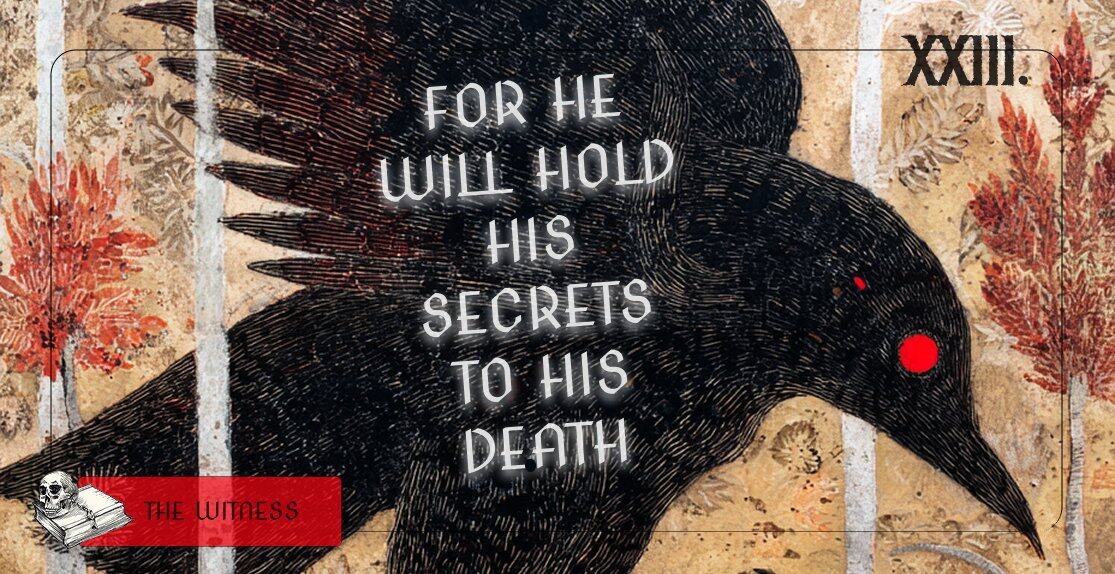
The struggle has shifted from "will crypto be allowed" to "will privacy be allowed in crypto." Bitcoin proved you can have digital cash. Privacy coins proved you can have digital silence. If you have real wealth, you want it unseen, not to hide, but to survive. Financial privacy is a human right, a constitutional imperative. We either protect it or trade human sovereignty for control forever.
24. Stacking Dreamers
In crypto, we talk about DeFi legos: composable code you can stack to even create a new financial empire; now all technology works like this.
I've witnessed this firsthand at Founders Inc: young developers on laptops creating what a decade ago required labs and millions of dollars.
The internet, open source, AI, 3D printing, cheap hardware, free MIT courses—all are converging into something new, where dreamers are enough to change everything. What limits you is not the tools but the courage.
25. The Open Underworld
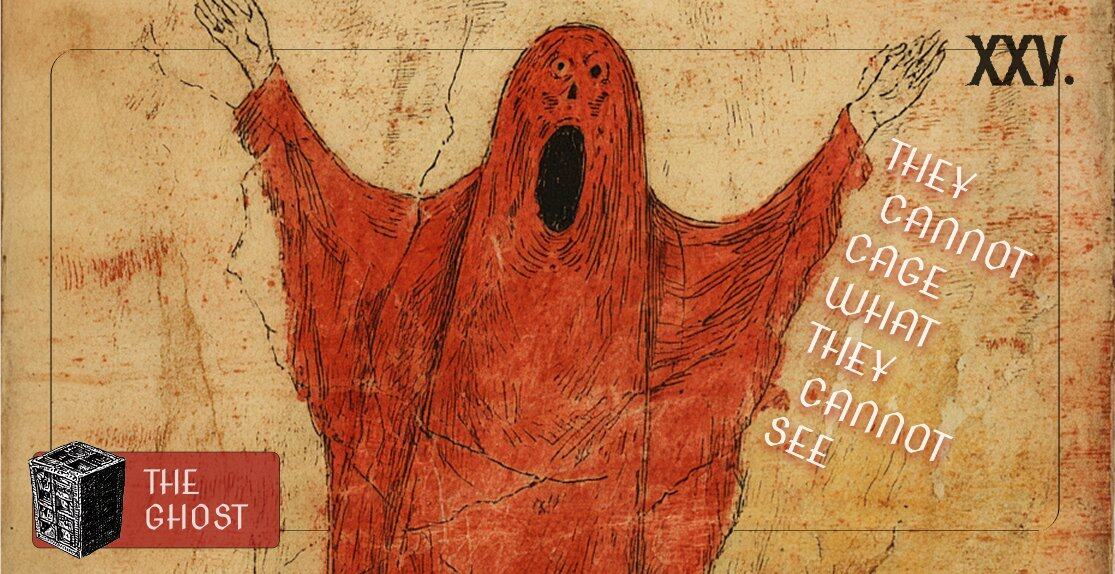
Everything can be shut down: your GitHub repo, your AWS instance, your domain, your server. Just one phone call, one court order, or a casual violation of terms of service. Only on-chain, open-source crypto is truly autonomous; the code runs without permission, its design makes it unstoppable, it is the freest space humans have built.
As surveillance intensifies and institutions corrupt, this underworld becomes the only place that operates unbound and free. When the real world becomes a cage, this becomes humanity's last free port.
26. The Inheritance of the Throne
Speed is a solvent; I've watched it dissolve morality in real-time. That mentality of "succeed instantly or become a digital serf" cultivates not kings but addicts. If you sacrifice your soul to save your flesh, then who cares who sits on the throne?
27. Curiosity is the Only True God
1 hour of curiosity is enough to change a life's trajectory. I've experienced this change three times: first, reading the Bitcoin whitepaper; second, understanding Uniswap's AMM mechanism (and DeFi); third, reading the "Situational Awareness" book, glimpsing the ultimate power of AI.
Odaily Note: A new AI article written by Leopold Aschenbrenner in June 2024, titled "Situational Awareness: The Decade Ahead," in which Aschenbrenner predicts the development of human society after AI evolves to AGI.
A few hours of content spanning thirteen years completely reshaped my future. Most people never spend such time.
In 2013, I gave my family and friends Bitcoin with the seed phrase written on paper; I thought they would at least go home and look up BTC on Wikipedia. Instead, they just shrugged and threw the wallet in a drawer.
Curiosity is the key to your different lives; when everyone has access to the same AI tech, the only advantage left is the willingness to explore; one hour of curiosity can tear a rift in your reality.
28. The Prometheus Fork
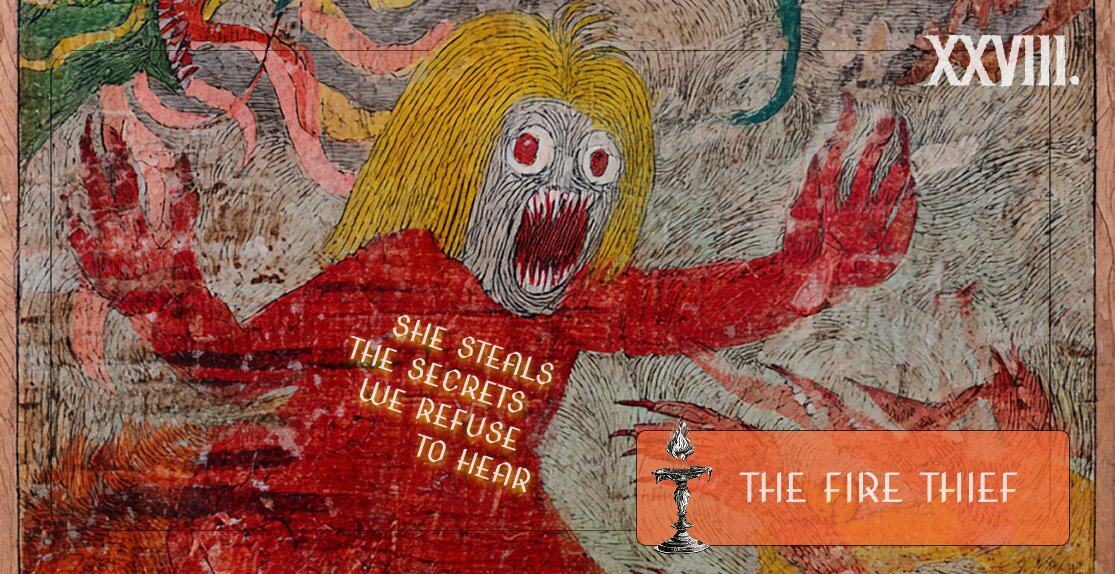
We see the future like a thunderstorm: vast, heavy, inevitable, but this is a lie. The future is not a force of nature but the磨合 of billions of choices. We cede choice to the machine bit by bit, just as fiat currency hollowed out your wealth, the information stream hollows out your autonomy. They are dazzling but paralyze the hands; being human is to turn away from this spectacle, to grope, explore, create in the dark, then return like Prometheus with fire. Return with iron, return with stories others cannot tell.
The future is not a fate to be endured but a fire to be stolen.
29. The Grammar of God
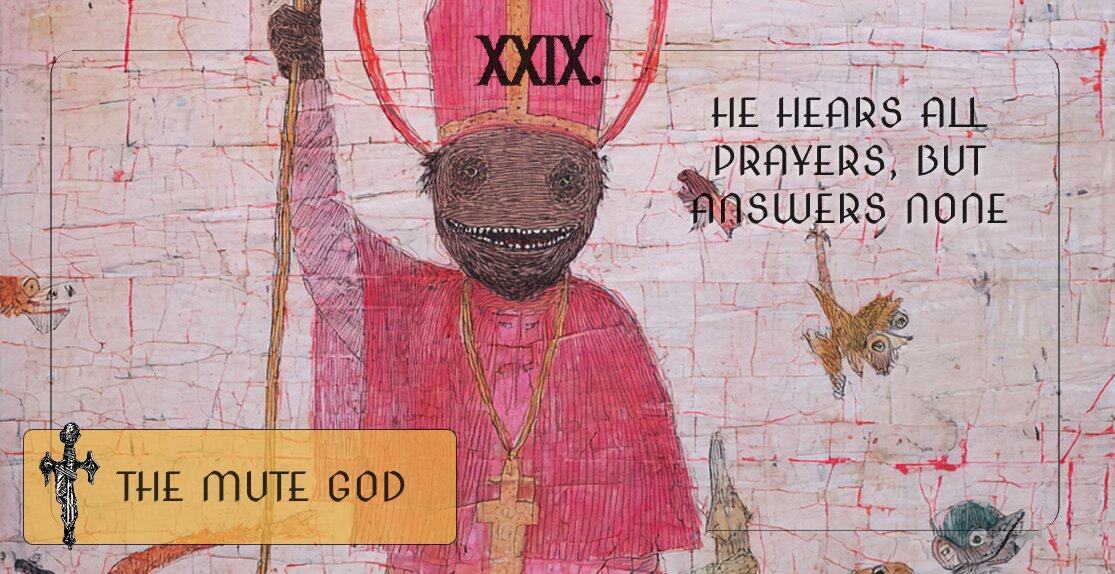
Just as universities are abandoning the humanities, natural language becomes the most powerful tool in the universe. If you cannot think clearly, you cannot write new code. And if you cannot code, you live in a simulation designed by others.
Discourse is no longer merely descriptive; it is itself creative. Do not be a silent god.
30. Trojan Horse
If you want to build a lifeboat without getting arrested, disguise it as a toy. Internet culture always wraps its most dangerous innovations in absurd exteriors. Dogecoin, cartoon PFPs. The elites laugh because they don't understand the threat. By the time they stop laughing, the system is operational. The joke is crypto. Mocking the jester will be your undoing, for crypto is the only way to build the ark.
31. The Great Interlude
For 200,000 years, we were hunters, dreamers, and wanderers; for 200 years, we became employees.
The industrial age was a brief, necessary transition where we had to turn people into cogs to build the machine. Now, the machine is nearly complete, and the cogs begin to turn on their own.
Do not mourn the death of "work"; it was a cage we mistook for home. Soon, we will be free again, returned to the wilderness of pure being.
32. Remember, You Must Love
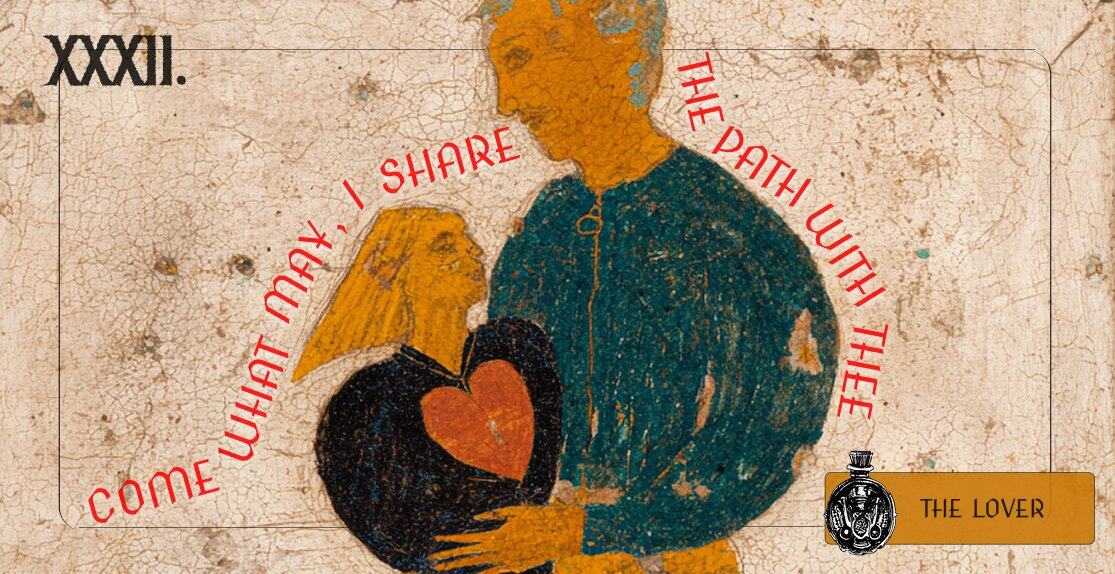
When world resources were scarce, we needed memento mori. We needed the skull on the table to motivate action; the fear of death was the engine of industrial drive. But we are entering the age of abundance. Machines have solved the harvest; the frantic pace of survival will fade. When you no longer need to rush, the question changes from "How much can I do before I die?" to "What is worth doing forever?"
We should discard the fear of the end, refuse to go it alone. We need each other more than ever.
Shift from "Memento Mori" to "Memento Amare": remember, you must love; remember that love is the true meaning of life.
33. The Genesis Block
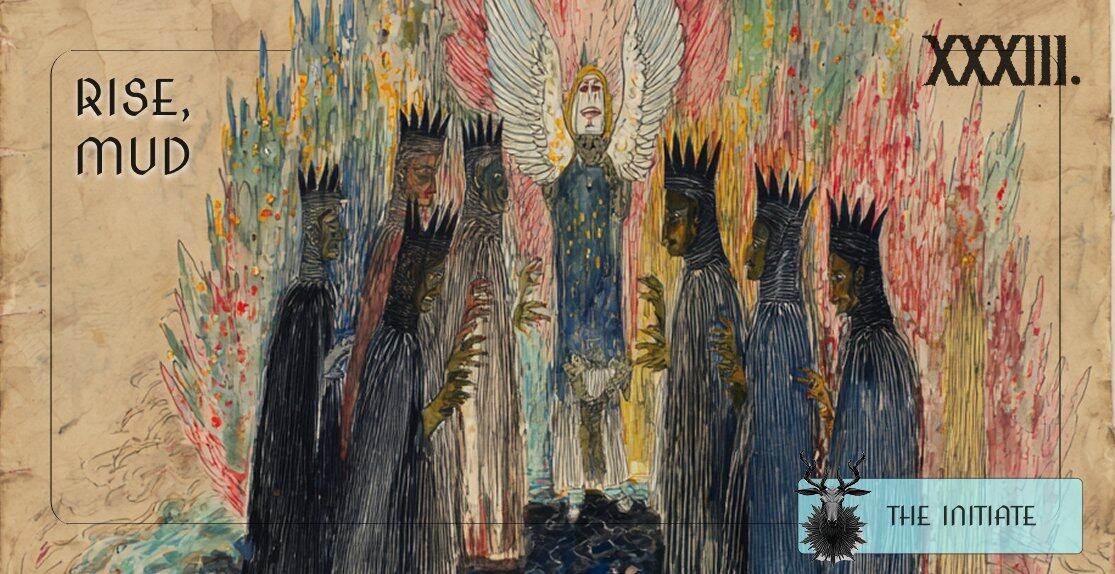
You are the "mud" ready to rise; act like it. This dangerous and unknowable present is not the end but the refining fire. You cannot wait for a savior. The prompt is at hand; you are the savior.