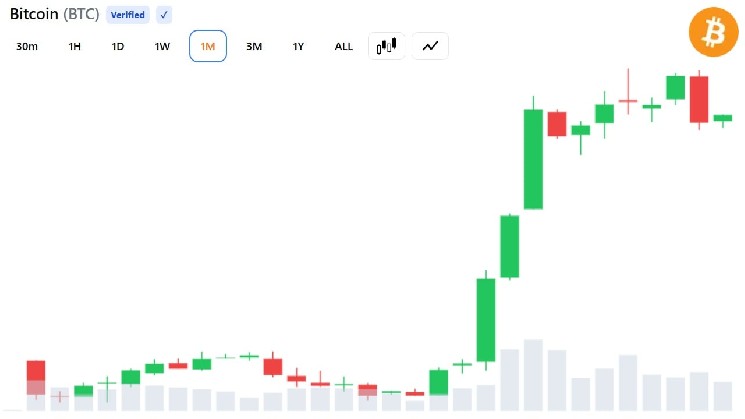
ECB's Schnabel says central bank money 'should move to blockchain'

cryptonews.ruPubblicato 2026-08-30Pubblicato ultima volta 2026-08-30

Introduzione

ECB Executive Board member Isabel Schnabel stated that central bank money "must move onto the blockchain." She argued that stablecoins lack the independent ability to scale liquidity during financial stress—a gap only a central bank can fill. Her proposed solution involves tokenization, which she says can make transactions faster, safer, and more programmable, but only if the safest asset (central bank money) is on the same "rails" as other tokenized assets. This marks a notable shift for the Eurosystem, which had previously viewed Distributed Ledger Technology (DLT) mainly as a tool for regulating stablecoins and crypto, not as infrastructure to adopt directly. The first step is Project Pontes, launching in September. It will initially synchronize the ECB’s existing TARGET services with private DLT platforms. Eventually, it aims to enable settlement finality on a Eurosystem-managed DLT platform with smart contract functionality and 24/7 operation. The long-term strategy is Project Appia, tasked with developing the architecture, standards, and legal framework for a genuine European tokenized asset market by 2028. Trials have already processed around €1.6 billion, and since March 2026, the ECB accepts DLT-based assets as collateral. While not directly impacting Bitcoin's price, these developments signal that a major G7 central bank is preparing to settle transactions on-chain, lending legitimacy to the underlying infrastructure of crypto markets. The ECB's move to avoid "d...

Isabel Schnabel did not mince her words, clearly stating that stablecoins lack the "independent ability to rapidly increase liquidity in times of financial stress" — a gap that only a central bank can fill.

Her solution appears to be based on tokenization; she added that this technology could make financial transactions faster, safer, and more programmable, but only if the safest asset in the system (e.g., central bank money) is actually on the same "rails" as everything else that is to be tokenized.

This is a notable admission from a Eurosystem official, as for many years, European Central Bank officials have viewed distributed ledger technology (DLT) as a tool for regulating the stablecoin and cryptocurrency market, not as infrastructure to be adopted directly.

Project Pontes — the first step

The most immediate part of this plan is Project Pontes, which the ECB plans to launch in September. Initially, Pontes will synchronize the ECB's existing TARGET services (the payment infrastructure that eurozone banks already use to settle euro transactions) with DLT platforms managed by market participants.
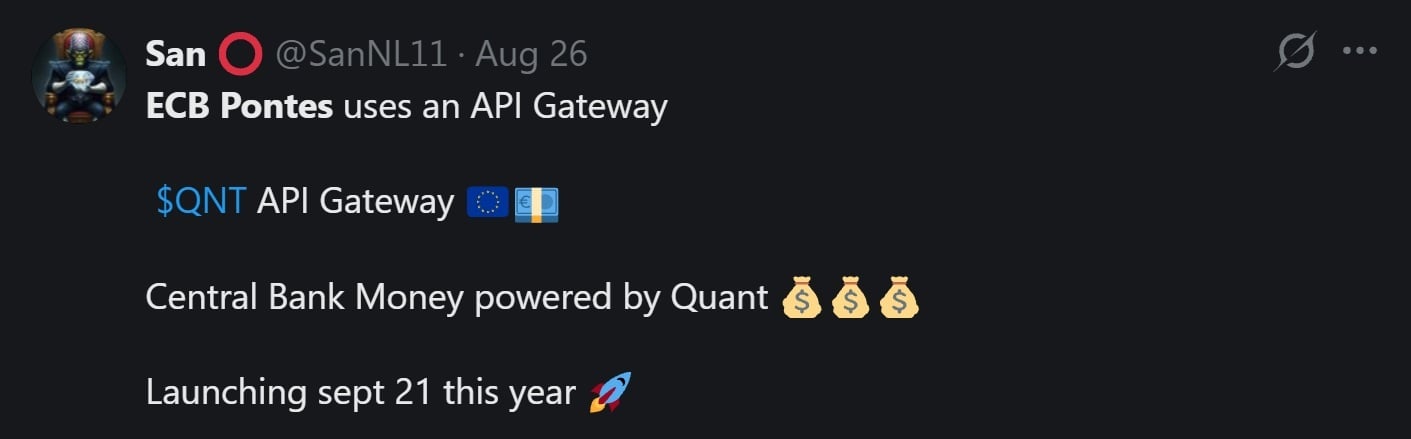
According to Schnabel, over time, "Pontes" will support settlement finality directly on a DLT platform managed by the Eurosystem, with smart contract functionality and, ultimately, round-the-clock operation.

In March, News.bitcoin.com reported that the European Central Bank had already outlined an extensive roadmap, and Pontes executive board member Piero Cipollone articulated the goal as creating a "single digital financial market that would exist alongside" the euro itself.

Appia is the long-term strategy

If Pontes is the bridge, then Project Appia is the final destination. Appia is tasked with developing the long-term architecture, technical standards, and legal framework needed for a genuine European market for tokenized assets; the full plan is expected by 2028. The two-year timeline reflects how many underlying questions remain unresolved.

Nevertheless, trials aimed at testing interoperability between DLT platforms and existing settlement systems processed approximately 1.6 billion euros with 64 participants across nine jurisdictions, and European issuers have placed nearly 4 billion euros worth of DLT-based instruments since 2021. Since March 2026, the ECB has also been accepting DLT-based assets as eligible collateral for its lending operations.

Why this extends beyond Europe

None of this directly dictates the price of Bitcoin, but it is all happening in a market where institutional investors are already using blockchain mechanisms to move trillions in tokenized value, and where every signal that a G7 country's central bank is willing to settle with its own money on-chain lends legitimacy to the infrastructure that cryptocurrency markets have operated on for over a decade.

If the ECB (an institution built on the principles of a conservative approach to monetary infrastructure) is rushing to avoid "disintermediation" by private tokenization, it serves as a reminder that the debate, which crypto traders follow through the price of Bitcoin and stablecoin volumes, is the same one now unfolding in central bank boardrooms.


Crypto di tendenza

Domande pertinenti

QWhat is the main criticism that Isabel Schnabel of the ECB makes about stablecoins, and what does she propose as the solution?

AIsabel Schnabel criticizes stablecoins for lacking an 'independent capacity to rapidly scale up liquidity in periods of financial stress.' She argues that only a central bank can fill this gap. Her proposed solution is based on tokenization, stating that money itself must be placed on the blockchain rails to make transactions faster, safer, and more programmable.

QWhat is the purpose of the ECB's Project Pontes, and what is its initial phase?

AProject Pontes is designed to be a bridge. Its initial phase, launching in September, will synchronize the ECB's existing TARGET payment infrastructure with market participants' DLT platforms, connecting traditional bank settlement systems with blockchain-based systems.

QWhat is the long-term goal of the ECB's Project Appia, and what is its expected timeline?

AProject Appia is the ECB's long-term strategy to develop the full architecture, technical standards, and legal framework for a genuine European market for tokenized assets. The full plan is expected by 2028.

QAccording to the article, how has the ECB's view on Distributed Ledger Technology (DLT) shifted?

AThe ECB's view has shifted from seeing DLT primarily as a tool for regulating stablecoins and cryptocurrency markets to now considering it as a core infrastructure that should be adopted directly by central banks for their own monetary operations.

QWhy does the article suggest the ECB's initiatives have significance beyond Europe, even though they don't directly set Bitcoin's price?

AThe ECB's moves lend legitimacy to the blockchain infrastructure that has underpinned crypto markets for over a decade. By signaling a major G7 central bank's willingness to conduct settlements with its own money on-chain, it validates the technology in the institutional financial world where trillions in tokenized value already move.

Letture associate

Ripple Labs Warns of a New Challenge for Blockchains

Ripple Labs is preparing the XRP Ledger for quantum threats but now emphasizes a broader challenge: ensuring financial infrastructure can adapt simultaneously to quantum computing and artificial intelligence. Senior Director of Engineering Ayo Akinyele states the goal is not merely anticipating a "Q-Day" but building infrastructure capable of preemptively adopting new security mechanisms without network disruption. The shift to post-quantum cryptography involves more than swapping algorithms; it requires flexible infrastructure, improved key management, and clear upgrade paths. Financial systems were not designed with quantum computers in mind, necessitating a rethink of transaction, identity, asset, and data protection. This is underscored by significant investments, such as the $2 billion U.S.-IBM quantum factory initiative and a 2030 U.S. government mandate for post-quantum cryptography adoption. AI introduces distinct risks by driving automation and autonomous economic activity, increasing demand for an always-on, internet-oriented payment infrastructure. AI agents could soon conduct transactions independently, creating new security requirements. Ripple Labs advocates for proactive, orderly preparation rather than a crisis-driven transition, having outlined a four-phase strategy aiming for a full XRP Ledger transition by 2028, now expanded to address both quantum and AI-driven challenges.

cryptonews.ru50 min fa

Ripple Labs Warns of a New Challenge for Blockchains

cryptonews.ru50 min fa

"We're Back": Michael Saylor Hints Company May Resume Bitcoin Purchases

Speculation that MicroStrategy (MSTR) may resume buying Bitcoin surged after executive chairman Michael Saylor posted a cryptic message on X on August 30. The post consisted of the phrase "We're ₿ack" and an accompanying chart showing the company's holdings of 840,447 BTC, valued at approximately $65.72 billion. This came after two consecutive weeks with no Bitcoin transactions reported by the company. MicroStrategy's last SEC filing, dated August 24, confirmed its holdings of 840,447 BTC were acquired for $63.36 billion at an average price of $75,385 per Bitcoin. The company reported no purchases or sales between August 17 and 23. Instead, it raised capital by selling MSTR shares for about $2.01 billion, boosting its total US dollar liquidity to $6.69 billion. This capital reorganization had paused Bitcoin acquisitions. Saylor's post followed a significant Bitcoin price recovery from around $65,000 on August 19 to over $79,000 by August 30. As the largest publicly traded corporate Bitcoin holder, controlling roughly 4% of the total 21 million supply, MicroStrategy's potential return to the buyer's market is closely watched. The company has $1.59 billion in flexible cash reserves that the board could allocate for further Bitcoin purchases, dividends, debt repayment, or other treasury purposes. The next corporate report will clarify if the "We're ₿ack" message signaled an actual new acquisition.

cryptonews.ru52 min fa

"We're Back": Michael Saylor Hints Company May Resume Bitcoin Purchases

cryptonews.ru52 min fa

Trading

Spot

Articoli Popolari

Cosa è $BANK

Banca AI: Un Passo Rivoluzionario nel Futuro della Banca Introduzione In un'era caratterizzata da rapidi progressi tecnologici, Banca AI si trova all'incrocio tra intelligenza artificiale (AI) e servizi bancari. Questo progetto innovativo mira a ridefinire il panorama finanziario, migliorando l'efficienza operativa, le misure di sicurezza e le esperienze dei clienti attraverso il potere dell'AI. Mentre ci impegniamo in questa esplorazione di Banca AI, esamineremo cosa comporta il progetto, le sue dinamiche operative, il suo contesto storico e i traguardi significativi. Cos'è Banca AI? Alla sua essenza, Banca AI rappresenta un'iniziativa trasformativa volta a integrare l'intelligenza artificiale in varie operazioni bancarie. Questo progetto sfrutta le capacità dell'AI per automatizzare processi, migliorare i protocolli di gestione del rischio e potenziare l'interazione con i clienti attraverso servizi personalizzati. Gli obiettivi principali di Banca AI includono: Automazione delle Funzioni Bancarie: Sfruttando le tecnologie AI, Banca AI mira ad automatizzare compiti di routine, riducendo il carico sulle risorse umane e aumentando l'efficienza. Miglioramento della Gestione del Rischio: Il progetto utilizza algoritmi AI per prevedere e identificare i rischi, rafforzando così le misure di sicurezza contro le frodi e altre minacce. Personalizzazione dei Servizi Bancari: Banca AI si concentra sull'offrire prodotti e servizi finanziari su misura analizzando i dati e i comportamenti dei clienti. Miglioramento dell'Esperienza del Cliente: L'implementazione di soluzioni guidate dall'AI, come chatbot e assistenti virtuali, mira a fornire agli utenti interazioni più umane, rivoluzionando il modo in cui i clienti si relazionano con le banche. Con questi obiettivi, Banca AI si posiziona come un attore cruciale nel rendere la banca più efficiente, sicura e centrata sull'utente. Chi è il Creatore di Banca AI? I dettagli riguardanti il creatore di Banca AI rimangono sconosciuti. Pertanto, non è stata identificata alcuna persona o organizzazione specifica nelle informazioni disponibili. L'anonimato che circonda la nascita del progetto solleva domande, ma non sminuisce la sua ambiziosa visione e obiettivi. Chi sono gli Investitori di Banca AI? Simile al creatore del progetto, informazioni specifiche riguardo gli investitori o le organizzazioni di supporto di Banca AI non sono state divulgate. Senza queste informazioni, è difficile delineare il sostegno finanziario e istituzionale che potrebbe spingere il progetto in avanti. Tuttavia, l'importanza di avere una solida base di investimento è fondamentale per sostenere lo sviluppo in un campo così innovativo. Come Funziona Banca AI? Banca AI opera su più fronti innovativi, concentrandosi su fattori unici che la differenziano dai framework bancari tradizionali. Di seguito sono riportate le caratteristiche operative chiave: Automazione: Applicando algoritmi di machine learning, Banca AI automatizza vari processi manuali all'interno delle banche. Ciò si traduce in una riduzione dei costi operativi e consente ai lavoratori umani di reindirizzare i propri sforzi verso attività più strategiche. Gestione Avanzata del Rischio: L'integrazione dell'AI nelle pratiche di gestione del rischio fornisce alle banche strumenti per prevedere con precisione potenziali minacce come le frodi, garantendo che le informazioni e i beni dei clienti rimangano al sicuro. Raccomandazioni Finanziarie Personalizzate: Attraverso l'apprendimento continuo dalle interazioni con i clienti, i sistemi AI sviluppano una comprensione sfumata delle esigenze degli utenti, consentendo loro di offrire consigli su misura per le decisioni finanziarie. Interazioni Migliorate con i Clienti: Utilizzando chatbot e assistenti virtuali alimentati dall'AI, Banca AI consente un'esperienza cliente più coinvolgente, permettendo agli utenti di risolvere rapidamente le loro richieste, riducendo così i tempi di attesa e migliorando i livelli di soddisfazione. Tutte queste caratteristiche operative posizionano Banca AI come un pioniere nel settore bancario, stabilendo nuovi standard per la fornitura di servizi e l'eccellenza operativa. Timeline di Banca AI Comprendere la traiettoria di Banca AI richiede uno sguardo al suo contesto storico. Di seguito è riportata una timeline che evidenzia traguardi e sviluppi importanti: Inizio 2010: La concettualizzazione dell'integrazione dell'AI nei servizi bancari ha cominciato a guadagnare attenzione mentre le istituzioni bancarie riconoscevano i potenziali benefici. 2018: Si è verificato un aumento significativo nell'implementazione delle tecnologie AI quando le banche hanno iniziato a utilizzare strumenti AI come i chatbot per servizi clienti di base e sistemi di gestione del rischio per migliorare la sicurezza. 2023: La sofisticazione dell'AI ha continuato ad avanzare, con l'introduzione dell'AI generativa per compiti più complessi come l'elaborazione di documenti e l'analisi degli investimenti in tempo reale. Quest'anno ha segnato un significativo salto nelle capacità offerte alle banche dalla tecnologia AI. 2024-Stato Attuale: A partire da quest'anno, Banca AI è su una traiettoria ascendente, con ricerche e sviluppi in corso pronti a migliorare ulteriormente le capacità nelle operazioni bancarie. L'esplorazione continua delle applicazioni AI suggerisce sviluppi entusiasmanti in arrivo. Punti Chiave su Banca AI Integrazione dell'AI nella Banca: Banca AI si concentra sull'adozione dell'intelligenza artificiale per snellire i processi bancari e migliorare le esperienze degli utenti. Focus su Automazione e Gestione del Rischio: Il progetto enfatizza fortemente queste aree, mirando a spostare il carico di compiti di routine mentre migliora le strutture di sicurezza attraverso analisi predittive. Soluzioni Bancarie Personalizzate: Sfruttando i dati dei clienti, Banca AI consente servizi bancari su misura che si adattano alle esigenze individuali degli utenti. Impegno per lo Sviluppo: Banca AI rimane impegnata in sforzi di ricerca e sviluppo continuativi, garantendo la sua adattabilità e rilevanza continua man mano che la tecnologia continua a evolversi. Conclusione In sintesi, Banca AI rappresenta un passo cruciale in avanti nell'industria bancaria, sfruttando l'intelligenza artificiale per rimodellare i paradigmi operativi, migliorare la sicurezza e promuovere la soddisfazione del cliente. Nonostante le lacune nelle informazioni riguardo il creatore e gli investitori, gli obiettivi chiari e i meccanismi funzionali di Banca AI forniscono una solida base per la sua continua evoluzione. Mentre la tecnologia AI continua ad avanzare e fondersi con il settore bancario, Banca AI è ben posizionata per avere un impatto significativo sul futuro dei servizi finanziari, migliorando il modo in cui comprendiamo e interagiamo con la banca.

346 Totale visualizzazioniPubblicato il 2024.04.06Aggiornato il 2024.12.03

Cosa è $BANK

Come comprare BANK

Benvenuto in HTX.com! Abbiamo reso l'acquisto di Lorenzo Protocol (BANK) semplice e conveniente. Segui la nostra guida passo passo per intraprendere il tuo viaggio nel mondo delle criptovalute.Step 1: Crea il tuo Account HTXUsa la tua email o numero di telefono per registrarti il tuo account gratuito su HTX. Vivi un'esperienza facile e sblocca tutte le funzionalità,Crea il mio accountStep 2: Vai in Acquista crypto e seleziona il tuo metodo di pagamentoCarta di credito/debito: utilizza la tua Visa o Mastercard per acquistare immediatamente Lorenzo ProtocolBANK.Bilancio: Usa i fondi dal bilancio del tuo account HTX per fare trading senza problemi.Terze parti: abbiamo aggiunto metodi di pagamento molto utilizzati come Google Pay e Apple Pay per maggiore comodità.P2P: Fai trading direttamente con altri utenti HTX.Over-the-Counter (OTC): Offriamo servizi su misura e tassi di cambio competitivi per i trader.Step 3: Conserva Lorenzo Protocol (BANK)Dopo aver acquistato Lorenzo Protocol (BANK), conserva nel tuo account HTX. In alternativa, puoi inviare tramite trasferimento blockchain o scambiare per altre criptovalute.Step 4: Scambia Lorenzo Protocol (BANK)Scambia facilmente Lorenzo Protocol (BANK) nel mercato spot di HTX. Accedi al tuo account, seleziona la tua coppia di trading, esegui le tue operazioni e monitora in tempo reale. Offriamo un'esperienza user-friendly sia per chi ha appena iniziato che per i trader più esperti.

1.0k Totale visualizzazioniPubblicato il 2025.05.09Aggiornato il 2026.06.02

Come comprare BANK

Discussioni

Benvenuto nella Community HTX. Qui puoi rimanere informato sugli ultimi sviluppi della piattaforma e accedere ad approfondimenti esperti sul mercato. Le opinioni degli utenti sul prezzo di BANK BANK sono presentate come di seguito.

活动图片