Does The Digital Euro Use XRP? Here’s What We Know

bitcoinistPubblicato 2026-01-05Pubblicato ultima volta 2026-01-05

Introduzione

Crypto pundit SMQKE has suggested a potential connection between the proposed digital euro and XRP Ledger (XRPL), noting that the DLT pilot program for the CBDC may use XRPL-based technology from Axiology. However, the European Central Bank has not confirmed if the digital euro will launch on any public blockchain, including XRPL. The XRP Ledger already hosts several stablecoins, including Ripple's RLUSD and EURØP, which could boost XRP adoption. Meanwhile, conflicting views exist on whether banks are accumulating XRP or simply using Ripple's payment solutions for cross-border transactions. XRP's price was up 3% to $2.13 at the time of writing.

Crypto pundit SMQKE has drawn the community’s attention to the possibility that the proposed digital euro is using XRP. This comes as the XRP Ledger continues to gain more utility, which is a positive for the altcoin.

How The Digital Euro Has Ties To XRP

In an X post, SMQKE highlighted the ties between the proposed digital euro, which is expected to launch by 2029, and XRP. The DLT pilot program will allegedly be used to issue this Central Bank Digital Currency (CBDC). Meanwhile, Axiology is the XRPL-based technological layer for the DLT Transactional Settlement System (DLT TSS), which indicates a potential connection between the digital euro and the token.

Furthermore, SMQKE noted that the DLT is working on a secondary market for tokenized securities, which is also a positive for the crypto and the Ledger. Despite the ties between the digital euro and XRP, the European Central Bank (ECB) has yet to say whether it will launch the CBDC on any public blockchain, including the Ledger.

The Ledger is already home to several stablecoins, including Ripple’s RLUSD and Circle’s USDC, which are natively issued on the network. Meanwhile, Schuman’s EURØP, a MiCA-compliant and euro-backed stablecoin, is also issued on the Ledger. The issuance of these stablecoins on the network is bullish for the token because it could boost the altcoin’s adoption as the native token of the Ledger.

Notably, the Ledger developers are also working on several updates to help onboard institutions onto the network. This includes privacy tools to ensure that these institutions can move their funds on-chain without being monitored. These developers are also working to eliminate the risk posed by quantum computing by introducing quantum-resistant code on the Ledger.

“The Global Financial System Is Running On XRP”

In an X post, crypto pundit Jake Claver declared that the global financial system runs on XRP and that big banks are quietly accumulating the altcoin because they know what is coming. He further noted that one the altcoin can power multiple cross-border transactions daily and that several companies will soon need it to survive in global trade. “The writing is on the wall. Get ready or get left behind,” Claver added.

However, popular community member Crypto Eri countered Claver’s statement, suggesting that banks do not need to hold the token for these transactions. She stated that Ripple facilitates ODL for payment providers using XRP in liquidity corridors. Crypto Eri further remarked that this includes an optional Ripple-managed wallet that the user dips into on demand without exposure to the altcoin. In line with this, she said that banks don’t quietly accumulate for payments but instead use the Ripple payments solution.

At the time of writing, the altcoin’s price is trading at around $2.13, up over 3% in the last 24 hours, according to data from CoinMarketCap.

XRP trading at $2.1 on the 1D chart | Source: XRPUSDT on Tradingview.com

Crypto di tendenza

Domande pertinenti

QDoes the article confirm that the digital euro will use XRP?

ANo, the article does not confirm this. It states that while there are potential connections and a DLT pilot program is involved, the European Central Bank (ECB) has not yet announced if the digital euro will be launched on any public blockchain, including the XRP Ledger.

QWhat is the name of the XRPL-based technological layer mentioned for the DLT Transactional Settlement System?

AThe XRPL-based technological layer is called Axiology.

QAccording to the article, what are two stablecoins that are natively issued on the XRP Ledger?

ATwo stablecoins natively issued on the XRP Ledger are Ripple's RLUSD and Circle's USDC.

QWhat was the main point of crypto pundit Jake Claver's statement about XRP?

AJake Claver declared that the global financial system runs on XRP and that big banks are quietly accumulating the altcoin because they know it will be essential for powering cross-border transactions and global trade.

QHow did Crypto Eri counter Jake Claver's claim about banks accumulating XRP?

ACrypto Eri countered that banks do not need to hold the XRP token for these transactions. She explained that Ripple facilitates On-Demand Liquidity (ODL) for payment providers using XRP in liquidity corridors, which includes an optional Ripple-managed wallet, meaning banks use the payment solution without needing to hold the asset.

Letture associate

DRAM ETF Issuer: Samsung, SK Hynix, Micron All Surpass $1 Trillion, the AI Era of Memory Chips Has Only Just Begun

Authors: Dave Mazza, Thomas DiFazio | Source: Deep Tide TechFlow The article, written by Roundhill Investments (issuer of the DRAM ETF), responds to Morningstar's caution about investing in memory chip stocks. Morningstar warns of the sector's history of boom-bust cycles, a lack of economic moats, and potential momentum-driven overvaluation. Roundhill argues the current situation is structurally different due to AI. Key points in Roundhill's rebuttal include: * **Changed Demand & Supply Dynamics:** AI infrastructure, not consumer electronics, is now the primary growth driver for memory demand. New, strict long-term supply agreements with hyperscalers reflect the high capital intensity of advanced manufacturing. * **Existence of a Moat:** High-Bandwidth Memory (HBM), essential for AI, has extremely high manufacturing barriers. The market is dominated by Samsung, SK Hynix, and Micron, with new entrants blocked by technological complexity and long lead times for equipment like ASML's EUV machines. * **Strong Fundamental Outlook:** Analyst consensus projects the three companies will rank among the world's most profitable by 2027, with combined profits of $704 billion on over $1 trillion in revenue. Their operating margins have already reached record highs. * **Valuation Re-rating:** Despite significant stock price gains, memory stocks trade at attractive valuations (e.g., a median NTM P/E of 8.37x for the DRAM ETF) relative to projected explosive EPS growth. Roundhill suggests historical valuation frameworks may no longer apply given the new profitability paradigm. Conclusion: Roundhill contends the rally is justified by fundamentals, marking a structural shift for the memory industry into a new era of sustained, AI-driven demand against constrained supply, rather than a repeat of past cycles.

marsbit17 min fa

DRAM ETF Issuer: Samsung, SK Hynix, Micron All Surpass $1 Trillion, the AI Era of Memory Chips Has Only Just Begun

marsbit17 min fa

EF's Epic Reorganization: 20% Layoffs, Budget Halved, Is Ethereum Gearing Up for a Leaner Future?

The Ethereum Foundation (EF) has announced a major organizational restructuring, involving a 20% staff reduction (approx. 54 employees) and a division into functional clusters like Protocol, Access, User, Community, and Institutional layers. Co-founder Vitalik Buterin further revealed plans to cut the EF's budget by around 40% over the coming years, aiming to reduce its annual spending rate from about 15% to roughly 5% by 2030, transitioning to an endowment-driven model. This overhaul is seen as a long-overdue correction to the EF's ambiguous role. As Ethereum grew, the foundation faced persistent criticism over ETH sales, perceived lack of execution, and unclear strategy, often becoming a focal point for community frustration amid ETH's price stagnation. The reform aims to redefine the EF's boundaries, narrowing its focus to core protocol research, public goods funding, and ecosystem coordination, while offloading more applied development work to the broader market. Concurrently, ecosystem forces like the newly formed Ethlabs (founded by ex-EF researchers) and other independent groups are stepping in to fill the space, signaling a shift from a centralized model to a more distributed, collaborative ecosystem structure. The move was notably praised by Solana co-founder toly, who viewed a "leaner" EF as potentially more decisive and agile.

Odaily星球日报57 min fa

EF's Epic Reorganization: 20% Layoffs, Budget Halved, Is Ethereum Gearing Up for a Leaner Future?

Odaily星球日报57 min fa

Dragonfly Partner Haseeb: The Fastest-Growing Companies of the Future May All Get Stuck at 149 Employees

Dragonfly partner Haseeb explores the distorted economics of AI model pricing, drawing parallels to tax policy. He notes that startups and small teams (under 150 users) enjoy heavily subsidized, fixed-price AI subscriptions (like Claude Code), where the marginal cost of an additional token is effectively zero. This creates a powerful incentive for them to maximize token usage ("token-maxxing") and innovate aggressively with AI automation. In contrast, large enterprises (over 150 users) are forced onto "Enterprise" plans, paying per-token API fees with high (~75%) markups. This acts like a steep "tax" on AI-powered labor, disincentivizing marginal automation and experimental use, and encouraging them to retain more human workers. Haseeb argues this pricing creates a "150-person cliff," a regulatory notch similar to labor laws in France that discourage firms from growing past 50 employees. He predicts the fastest-growing future companies may deliberately cap their headcount at 149 to avoid the punitive enterprise pricing. This would foster an "AI-first" management philosophy obsessed with automation and outsourcing to stay lean. While not intentionally designed, this bifurcated pricing could become one of the most influential de facto tax policies, shaping how AI replaces labor—not through mass layoffs at big firms, but through agile, AI-native startups outcompeting them.

marsbit1 h fa

Dragonfly Partner Haseeb: The Fastest-Growing Companies of the Future May All Get Stuck at 149 Employees

marsbit1 h fa

How xBubble Breaks Through in the VC-Heavily-Backed OPC Economy

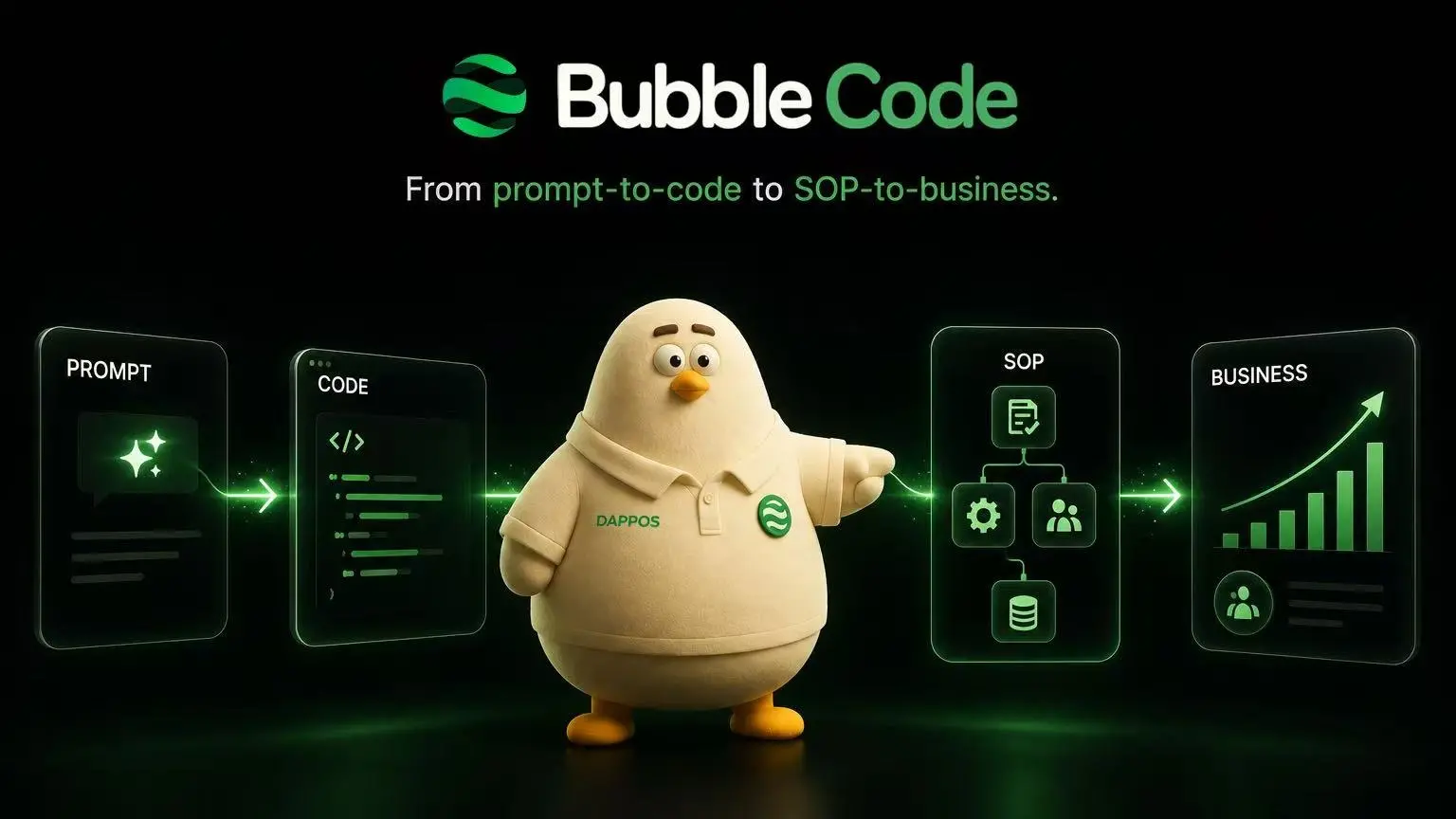
xBubble: Addressing the Structural Gap in the VC-Backed OPC Economy The concept of OPC (One Person Company) is evolving from a buzzword to a significant AI-driven market. While AI coding tools like Replit and Lovable have validated demand from non-technical users wanting to build applications, a key gap remains: the leap from creating a demo to running a stable, evolving business. These tools still require users to manage the development process, including technical judgments for integrations, modifications, and deployments—a major hurdle for OPCs. xBubble, by DAPPOS, tackles this by shifting from "Prompt-to-Code" to "SOP-to-Business." Instead of generating code from instructions, its core is a system of pre-organized SOPs (Standard Operating Procedures) that translate business goals—like "sell World Cup merchandise"—into complete, executable workflows. This includes generating cohesive assets, pages, payment systems, and backend logic. The platform is augmented by a network of third-party service providers who handle infrastructure (hosting, domains, payment setup), acting like "on-site service engineers." Users can pay for these services directly with xBubble credits, simplifying onboarding. This ecosystem aims to deliver not just an app, but a complete, modifiable business launch path. xBubble targets a clear OPC segment: small commercial nodes (e.g., creators, merchants) with existing products, customers, or channels, but for whom a full tech team is unjustifiable. Its potential lies in SOPs accumulating expertise from real cases, improving reliability and reducing delivery costs over time. Additionally, its native support for crypto payments caters to global or digital-native OPCs. In summary, as AI democratizes software creation, xBubble's opportunity is to prove that "SOP-to-Business" provides more immediate value for launching a real, operational business than a powerful but unstructured AI coding tool.

链捕手1 h fa

How xBubble Breaks Through in the VC-Heavily-Backed OPC Economy

链捕手1 h fa

Trading

Spot
Futures

Articoli Popolari

Cosa è XRP 2.0

XRP 2.0: Una Nuova Frontiera nel Paesaggio delle Criptovalute Introduzione a XRP 2.0 Nel mondo in continua evoluzione delle criptovalute, nuovi progetti emergono continuamente, cercando attenzione e adozione. Una tale iniziativa promettente è XRP 2.0, un nuovo progetto di criptovaluta progettato per sfruttare avanzate tecnologie blockchain e metodologie di crittografia robuste. Anche se il nome richiama alla mente l'XRP di Ripple, è fondamentale notare che XRP 2.0 opera in modo indipendente, concentrandosi sul miglioramento della sicurezza delle transazioni, della privacy e della scalabilità. Mentre il panorama finanziario digitale abbraccia sempre di più soluzioni decentralizzate, XRP 2.0 mira a contribuire in modo significativo al web3 e all'espansione generale dei progetti crypto. Cos'è XRP 2.0? Alla sua base, XRP 2.0 è un progetto di criptovaluta che mira a creare un ecosistema di valuta digitale sicuro e decentralizzato. La sua tecnologia fondamentale integra principi di blockchain sofisticati con tecniche di crittografia all'avanguardia. L'obiettivo principale di XRP 2.0 è quello di affermarsi come una piattaforma affidabile ed efficiente in grado di consentire un'esecuzione rapida delle transazioni, dando priorità a migliori protezioni della privacy per i suoi utenti. Il progetto è promosso come una soluzione a molte limitazioni affrontate dalle criptovalute esistenti, proponendo un sistema in grado di gestire un volume maggiore di transazioni con migliorata velocità e privacy. Questa versatilità pone XRP 2.0 come un significativo competitor in un mercato affollato di varie valute digitali. Chi è il Creatore di XRP 2.0? L'identità del creatore dietro XRP 2.0 è stata segnalata come 'Wilbur'. Tuttavia, i dettagli completi riguardanti Wilbur o l'entità associata rimangono sfuggenti. L'anonimato di molti creatori di criptovalute non è un fenomeno raro nel settore, spesso progettato per mantenere un certo grado di privacy e sicurezza. Chi sono gli Investitori di XRP 2.0? Al momento, informazioni specifiche relative alle fondazioni o organizzazioni di investimento a supporto di XRP 2.0 non sono disponibili pubblicamente. Nel settore delle criptovalute, il supporto di investitori rinomati può influenzare significativamente la credibilità e il successo di un progetto, tuttavia la trasparenza riguardo ai sostenitori finanziari di XRP 2.0 non è stata stabilita. Come Funziona XRP 2.0? XRP 2.0 si distingue per l'impiego di una combinazione di tecnologia blockchain e algoritmi di crittografia avanzati che garantiscono transazioni sicure e decentralizzate. La sua struttura innovativa include caratteristiche uniche progettate per promuovere il coinvolgimento degli utenti e ampliare le funzionalità oltre le transazioni convenzionali delle criptovalute. Tra queste caratteristiche, XRP 2.0 incorpora capacità alimentate da intelligenza artificiale, come funzionalità di testo in immagini e testo in voce. Queste aggiunte sono progettate per migliorare l'esperienza interattiva per gli utenti, promuovendo una maggiore applicabilità in vari settori. Unendo progressi tecnologici con design incentrati sugli utenti, XRP 2.0 mira a catturare l'attenzione di una vasta gamma di individui e aziende che cercano di integrare soluzioni di criptovaluta nei loro framework operativi. Cronologia di XRP 2.0 Comprendere XRP 2.0 richiede di esaminare i traguardi che hanno definito il suo percorso fino ad ora: 23 luglio 2023: XRP 2.0 viene introdotto come un nuovo progetto di criptovaluta, mirante a rivoluzionare le capacità di transazione sicura e decentralizzata nel dominio blockchain. 8 settembre 2023: Si verifica il lancio di un altro progetto, XRP20, marcando l'emergere di un token ERC-20 sulla blockchain di Ethereum che resta non correlato a XRP 2.0. 13 novembre 2023: Il ledger XRP subisce un significativo aggiornamento con il rilascio della versione 2.0.0 del software server rippled. È essenziale notare che questo sviluppo è scollegato dal progetto di criptovaluta XRP 2.0. Punti Chiave su XRP 2.0 Per distillare l'essenza di XRP 2.0, emergono diversi fattori critici: Caratteristiche Uniche: L'inclusione di funzionalità come il testo in immagini e testo in voce alimentato da intelligenza artificiale diversifica ulteriormente le potenziali applicazioni di XRP 2.0. Tecnologia Blockchain: Il framework utilizza meccanismi blockchain avanzati e protocolli di crittografia, garantendo un ambiente sicuro e decentralizzato per le transazioni. Scalabilità e Privacy: XRP 2.0 dà priorità a migliori protezioni della privacy nei processi di transazione e alla scalabilità necessaria per accogliere una base di utenti in crescita. Nessuna Affiliazione con Ripple: È importante notare che, nonostante il suo nome, XRP 2.0 non ha alcuna fedeltà o collaborazione con l'XRP di Ripple, distinguendo il proprio framework operativo e obiettivi all'interno dell'ecosistema delle criptovalute. Conclusione XRP 2.0 rappresenta un'ambiziosa venture nell'ambito delle criptovalute, mirante a offrire una combinazione di sicurezza, privacy ed efficienza nelle transazioni digitali. Integrando tecnologie sofisticate e caratteristiche user-friendly, il progetto si propone di ampliare gli orizzonti di ciò che le criptovalute possono realizzare nell'economia digitale odierna. Sebbene l'anonimato del suo creatore e la mancanza di investitori dichiarati possano sollevare domande per alcuni, il focus di XRP 2.0 su funzionalità avanzate e decentralizzazione ne amplifica l'appeal in un mercato crypto sempre più affollato. Man mano che il panorama delle criptovalute continua a evolversi, XRP 2.0 potrebbe emergere come un attore decisivo nell'espansione di soluzioni blockchain sicure e scalabili.

171 Totale visualizzazioniPubblicato il 2024.04.05Aggiornato il 2024.12.03

Cosa è XRP 2.0

Come comprare XRP

Benvenuto in HTX.com! Abbiamo reso l'acquisto di XRP (XRP) semplice e conveniente. Segui la nostra guida passo passo per intraprendere il tuo viaggio nel mondo delle criptovalute.Step 1: Crea il tuo Account HTXUsa la tua email o numero di telefono per registrarti il tuo account gratuito su HTX. Vivi un'esperienza facile e sblocca tutte le funzionalità,Crea il mio accountStep 2: Vai in Acquista crypto e seleziona il tuo metodo di pagamentoCarta di credito/debito: utilizza la tua Visa o Mastercard per acquistare immediatamente XRPXRP.Bilancio: Usa i fondi dal bilancio del tuo account HTX per fare trading senza problemi.Terze parti: abbiamo aggiunto metodi di pagamento molto utilizzati come Google Pay e Apple Pay per maggiore comodità.P2P: Fai trading direttamente con altri utenti HTX.Over-the-Counter (OTC): Offriamo servizi su misura e tassi di cambio competitivi per i trader.Step 3: Conserva XRP (XRP)Dopo aver acquistato XRP (XRP), conserva nel tuo account HTX. In alternativa, puoi inviare tramite trasferimento blockchain o scambiare per altre criptovalute.Step 4: Scambia XRP (XRP)Scambia facilmente XRP (XRP) nel mercato spot di HTX. Accedi al tuo account, seleziona la tua coppia di trading, esegui le tue operazioni e monitora in tempo reale. Offriamo un'esperienza user-friendly sia per chi ha appena iniziato che per i trader più esperti.

1.6k Totale visualizzazioniPubblicato il 2024.12.10Aggiornato il 2026.06.02

Come comprare XRP

Discussioni

Benvenuto nella Community HTX. Qui puoi rimanere informato sugli ultimi sviluppi della piattaforma e accedere ad approfondimenti esperti sul mercato. Le opinioni degli utenti sul prezzo di XRP XRP sono presentate come di seguito.

活动图片