Dialogue with Bitwise CIO: Quantum Computing and AI Threats Overhyped, Bullish on the 'Big Four' of Crypto

marsbitPubblicato 2026-03-12Pubblicato ultima volta 2026-03-12

Introduzione

Matt Hougan, CIO of Bitwise, which manages $15 billion in crypto assets, shares his market outlook in a recent podcast. He believes the market peak will occur around December 2024, not when Bitcoin hits $125k, and expects a slower, more grinding recovery from the bear market. The next bull run will likely be less volatile and more gradual. Hougan attributes Bitcoin’s recent sharp decline to long-term holders selling in anticipation of the four-year cycle, not derivatives. While derivatives can amplify short-term volatility, he argues they eventually translate into physical demand. He also notes that Bitcoin’s underperformance compared to gold is due to central banks buying gold aggressively post-2022, not a failure of Bitcoin’s value proposition. He remains long-term bullish, citing Bitcoin’s greater upside potential. According to Hougan, retail investors are largely tapped out, and the current market is driven by slower, steadier institutional inflows via ETFs. This may lead to a more stable but less dramatic bull market. He sees stablecoins and tokenization as major growth drivers, bringing billions into the crypto ecosystem. He dismisses quantum computing as an overblown risk, noting Bitcoin can adapt, and views AI as ultimately beneficial—whether it boosts productivity or triggers inflationary monetary responses. Hougan is optimistic about Ethereum, Solana, and Chainlink, dubbing BTC, ETH, SOL, and LINK the “big four” of crypto. He advises young investors to avoid mem...

Source: New Era Finance Podcast

Broadcast Time: March 10

Compiled by: Felix, PANews

Matt Hougan, Chief Investment Officer at Bitwise, manages $15 billion in crypto assets. In an appearance on the New Era Finance Podcast, Matt Hougan provided an in-depth analysis of the current market's true state, suggesting the market peak will be in December 2024, not when Bitcoin hits a new high of $125,000; the process of emerging from this bear market will be slower and more grueling than previous ones; the next cycle will be a new bull market with lower volatility and a slow, grinding ascent. Additionally, Matt Hougan believes Ethereum is undervalued and proposed the 'Big Four' of cryptocurrencies. Below are the highlights of the conversation.

Bitcoin Plunge Due to Long Selling Pressure, Not Derivatives

Host: What was the reason for Bitcoin's sharp drop in recent months? Was it caused by so-called 'paper Bitcoin (derivatives)'?

Matt Hougan: I strongly disagree with that notion. The Bitcoin price crash was mainly because a large number of holders sold their Bitcoin in advance to prepare for the 'four-year cycle,' or sold the upside potential using covered call strategies. The reason on-chain data doesn't show massive selling is precisely because many trades were executed through options strategies. Although this is categorized as a 'paper' factor, its essence is that longs decided to sell, leading to the price plunge.

Host: But many Bitcoin maximalists strongly oppose 'paper Bitcoin,' believing it interferes with the free market.

Matt Hougan: I understand the concern, but the reality is that derivatives mostly translate into physical demand eventually. For example, if someone goes long in the futures market, the counterparty, to hedge, usually must buy an equivalent amount of physical Bitcoin on the other end. Of course, in extreme cases, like the crash on October 10th, derivatives did amplify the volatility through 'cascading liquidations,' and this dynamic can worsen the situation short-term. But in the long run, it ultimately settles back to physical. The core reason Bitcoin fell nearly 50% is still because people sold their Bitcoin.

Bitcoin Decoupled from Gold but Bullish Long-Term

Host: From your perspective, how much impact do you think this rally in gold prices has had on Bitcoin in the short term?

Matt Hougan: It has had a significant impact, mainly in two aspects. First, attention shifted to gold and AI. Second, gold strengthening while Bitcoin weakened created a 'narrative break.' Institutional investors ask: 'If Bitcoin is digital gold, why is it falling while gold is rising?'

Explaining this phenomenon takes time. The fact is: since the US confiscated Russia's foreign reserves in 2022, global central banks' gold purchases surged from 400 tons to over 1000 tons. But central banks haven't started buying Bitcoin yet. Bitcoin happens to be in the traditional corrective year of its four-year cycle, coinciding with the year central banks are frantically buying gold, leading to their divergent performances.

But this doesn't mean Bitcoin is failing. The world is still digitizing, young people still trust digital assets more; and when the gold ETF launched in 2004, gold's market cap was only $2.5 trillion, now it's over $30 trillion. This means the store-of-value market is expanding rapidly, and Bitcoin's future market share will increase accordingly. So from a growth potential perspective, Bitcoin is more attractive than gold right now.

Retail Ammo Dried Up, Institutional Funds Drive Bitcoin's Slow Bull

Host: Although the four-year cycle theory suggests Bitcoin peaks at $125,000, why do you think it actually peaked in December 2024?

Matt Hougan: The reason is there are two separate markets now. One is the institutional market, building allocations from scratch; the other is traditional crypto investors following the four-year cycle. If you look at the data, you'll see that starting around December 2024, institutional investors are buying Bitcoin heavily through ETFs, while long-term holders and retail are selling heavily. Look at L1 altcoins like Avalanche, Sui, Aptos without ETF support, they entered a 'crypto winter' from January 1, 2025, falling up to 70%. Therefore, crypto asset holders are now in the bottoming area, whether measured by RSI or the 'Fear and Greed Index,' both at historical lows. So I really don't think the turning point was in October. I think the data suggests it started around January 1st, or when Trump took office, around that period. Except for ETFs, everything else is falling relentlessly.

Host: So the question is, are we really seeing a bull market? Seriously, the only reason we're seeing Bitcoin's price rise is because of ETFs, and you guys attracting more institutional adoption of Bitcoin, otherwise we wouldn't see new all-time highs.

Matt Hougan: That's true, and it's something we should ponder. This might mean the retail money that drove past booms has been squeezed dry. They're out of money, after FTX, after the Meme craze, they don't have more funds. This emergence from the bear market will be slower and more grueling than previous ones. Because retail funds might be depleted, while new institutional money is slow and steady. It might be a bit boring. I think it will be a great bull market, but compared to previous ones, it might be a bit bland.

Host: Maybe the trajectory will be more like gold, gradually moving towards a peak over the next 5 years.

Matt Hougan: Who knows? The institutional market is just beginning. Although figures like Larry Fink (BlackRock CEO), Kevin Warsh (potential Fed Chair candidate) are publicly supporting Bitcoin, institutional money moves in slowly, investing just a bit each quarter. This is completely different from the past 'hot money' fast-in-fast-out state. My basic assumption is: we are entering a new bull market with lower volatility and a slow, grinding ascent, especially for Bitcoin.

Host: Compared to when ETFs launched, how are institutions feeling now? Facing current market crashes or events like 'October 10th,' is there some negative sentiment, or still sustained positive sentiment?

Matt Hougan: Yes, they still have sustained positive sentiment, with only one or two caveats. Regarding institutions, they haven't completed their allocations yet. And there's the question 'why is gold rising but Bitcoin isn't.' But the answer to that is very simple, so it's not a real objection. Quantum computing is a real concern that has emerged.

Bitcoin Adoption Requires Long-Term Education, Stablecoins Are a Lifeline

Host: Although Bitcoin's fundamentals are stronger than ever; currently, public perception of Bitcoin is more negative than ever. How do we reverse this narrative and make people understand now is the time to really pay attention to Bitcoin?

Matt Hougan: I think the reversal is happening. The reason is, there are many highly respected people constantly talking about Bitcoin now. You hear BlackRock CEO Larry Fink talk about Bitcoin. You hear potential incoming Fed Chair Kevin Warsh say, 'If you're under 40, Bitcoin is your gold.' You hear Ray Dalio say to hold 15% in gold and Bitcoin. These are thought leaders gradually changing their stance on Bitcoin. I think for the general public, it's a continuous education process, letting them understand how bad the fiat system is, and all the wonderful things you gain through Bitcoin. This takes time. For the world's fund managers, Bitcoin's reputation now is better than at any time since I've been full-time in this space. I've been in crypto for eight years, and it's in a better position than ever.

Host: I also feel the situation seems completely flipped. It used to be retail first, now we see institutions first, retail follows. How much impact do you think stablecoins will have in driving Bitcoin adoption?

Matt Hougan: The impact is absolutely huge. Whether people realize it or not, the fact is everyone will interact with stablecoins and tokenized assets in the coming years. It will become as natural as using WhatsApp. The adoption of tokenization and stablecoins will be the same. This is important because it brings people into the digital asset ecosystem; they are just 'one click away' from Bitcoin, and the concept of digital wealth becomes less foreign. If you could snap your fingers and give everyone in the world a crypto wallet, do you think that would be good or bad for Bitcoin? Obviously good, because it brings people closer to owning Bitcoin.

For the billions of unbanked people in the world, stablecoins are a lifeline. Payment giants like Stripe are fully entering this space. More importantly, Meta plans to launch stablecoin access on Facebook, WhatsApp, and Instagram, which will expose 3 billion people directly to digital wealth. Even if only 10% eventually buy Bitcoin, it will be a huge incremental market.

Host: Let's talk politics and regulation. After Trump took office, the anticipated 'Bitcoin Strategic Reserve' seems to have no movement?

Matt Hougan: People might be a bit impatient. Government moves much slower than retail. Retail decides in a minute, a central bank might take a decade. But there is good news: SEC leadership changed, no longer suing the top 12 crypto companies; the GENIUS Act ended discriminatory policies against crypto businesses. The core now is the CLARITY Act in Congress. If it passes, big Wall Street banks will truly enter on a large scale.

No Need to Worry About Quantum Attacks, Bitcoin Can Benefit from AI Boom

Host: What's your view on the threat of quantum computing?

Matt Hougan: Quantum computing is an 'institutional-grade FUD (Fear, Uncertainty, Doubt)'. While it is a real risk, Bitcoin can be upgraded. If quantum computing could easily break Bitcoin, then global nuclear codes and banking systems would have collapsed long ago; Bitcoin would be the least of your worries.

Host: Regarding AI, many say miners are shifting computing power from Bitcoin mining to AI.

Matt Hougan: This is an extreme phenomenon. If using assets for AI yields better profits, miners will indeed pursue it, but I'm not worried. If enough people switch to AI, Bitcoin mining difficulty drops, costs fall and profit margins rise. Over the past 16 years, facing countless threats like national crackdowns and computing power exodus, the system has always self-corrected economically. It will be the same for the next 160 years.

Host: What overall impact will AI have on the economy? Will it cause massive deflation?

Matt Hougan: No one knows for sure. But either way, the benefits ultimately flow back to Bitcoin. If AI just improves production efficiency and the economy performs well, it's good for risk assets like Bitcoin. If an extreme doomsday scenario happens: AI replaces all jobs, causing massive deflation, people have nothing to do and don't consume. Then the only way governments respond to deflation is by printing money frantically and injecting it into the ecosystem, causing asset price inflation, which is extremely favorable for digitally scarce Bitcoin. But my basic assumption is that AI will lead to fundamental business disruption and reorganization, reducing costs and increasing efficiency, making the world wealthier, which is also good for cryptocurrency.

Multiple Tailwinds Drive Crypto Recovery, Agentic Finance is Growth Flywheel

Host: When talking about the crypto winter, what narrative will pull us out of this trough?

Matt Hougan: It's never just one thing. I think the rise of 'Agentic Finance', the growth of institutional DeFi (e.g., lending over a trillion dollars), the four-year cycle, more dovish-than-expected rate cuts, the fading of quantum risk, and the growth of stablecoins and tokenization, the approval of the Clarity Act, and other factors combined. So many positive messages together will pull us out of the bear market.

Host: Why will Agentic Finance impact tokens?

Matt Hougan: Top payment giant Stripe pointed out in their annual letter that Agentic Finance will account for the majority of all internet transactions, and all this will happen on blockchain and stablecoins. AI agents won't open accounts at JPMorgan Chase; they will only open stablecoin wallets. When they represent the vast majority of economic activity, it's a massive growth flywheel.

Ethereum Undervalued, The 'Big Four' of Cryptocurrencies

Host: So projects like Near, building quality technology in the ecosystem, fit well. Also, is the market extremely undervaluing Ethereum right now?

Matt Hougan: Yes, the market is currently undervaluing both dominant players, Ethereum and Solana. I am very bullish on Ethereum. Vitalik is back in the community as a major force, and there's a faster technology delivery roadmap. As the leader in stablecoins and tokenization, it is winning most of the institutional mandates.

Solana also benefits from its position as a challenger in the same market. When talking to institutions, in the past they only focused on Bitcoin, now the interest allocation is roughly fifty-fifty (half Bitcoin, half stablecoins and tokenization, i.e., ETH and SOL).

Host: I've been a supporter of Chainlink for nine years. Many only look at the token price and ignore the complexity of its underlying technology. Why are you so bullish on it?

Matt Hougan: I think the 'Big Four' of cryptocurrencies are: BTC, ETH, SOL, and LINK. Institutional investors might not even know what an 'oracle' is; they are missing all of this.

My logic is simple: blockchains will increasingly interact with the real world, and 75% of the market share is occupied by Chainlink, which is responsible for connecting data, auditing, cross-chain bridging. If it were a traditional software company, it would absolutely be one of the hottest tech stocks today. Chainlink isn't hot only because token economics seem complex to the average person. But once you understand the business core that 'connecting to the real world requires bridges,' its vast and dominant value becomes obvious.

Advice for Young Investors

Host: If a 25-year-old wants to enter the market now, what advice would you give them?

Matt Hougan: First, buy some cryptocurrency, but not Meme coins. A 25-year-old has a long time horizon. Put most of the allocation into a diversified basket of crypto index products and hold long-term. At the same time, spend time deeply understanding a few specific assets and invest in them. Whether the investment brings huge profits or not, the process itself yields enormous cognitive returns over time. The key is to have 'skin in the game.'

Host: How do you maintain sanity amidst these market fluctuations full of external noise?

Matt Hougan: My investment time horizon is measured in 'decades.' If you ask the most pessimistic person in crypto right now, they will still tell you: in ten years, Bitcoin will be bigger, stablecoins will be huge, tokenization will be huge. So the current fluctuations are just noise.

I've been fortunate to experience two crypto winters. The first experience was the hardest, but once you truly understand the long-term drivers of cryptocurrency and see they still exist, the fluctuations no longer bother you. Keep your eyes on the 'prize ten years from now,' not the prize ten minutes from now.

Related reading: Dialogue with Dalio: AI is Devouring Everything, Gold is Still the Preferred Choice, Bitcoin Still Has a Long Way to Go

Domande pertinenti

QAccording to Matt Hougan, what is the main reason for the recent sharp decline in Bitcoin's price?

AThe main reason for the recent sharp decline in Bitcoin's price is that many holders sold their Bitcoin in anticipation of the 'four-year cycle' or used option overwriting strategies to sell their upside potential, which is essentially long holders deciding to sell.

QHow does Matt Hougan characterize the new Bitcoin bull market driven by institutional capital compared to previous cycles?

AHe characterizes it as a new bull market with lower volatility and a slow, grinding upward trend, which may be more 'boring' compared to previous cycles because institutional money comes in slowly and steadily, unlike the fast-moving 'hot money' from retail investors.

QWhat are the 'Four Kings' of cryptocurrency that Matt Hougan is bullish on?

AThe 'Four Kings' of cryptocurrency that Matt Hougan is bullish on are Bitcoin (BTC), Ethereum (ETH), Solana (SOL), and Chainlink (LINK).

QWhy does Matt Hougan believe that concerns about quantum computing are overblown for Bitcoin?

AHe believes concerns are overblown because if quantum computing could easily break Bitcoin, it would have already broken global nuclear weapons codes and the banking system, making Bitcoin the least of one's worries. He also notes that Bitcoin can be upgraded to address such threats.

QWhat role does Matt Hougan see for stablecoins in driving the adoption of Bitcoin and the broader crypto ecosystem?

AHe sees stablecoins as having a massive impact because they bring people into the digital asset ecosystem, making the concept of digital wealth familiar. With major companies like Stripe and Meta integrating stablecoin access for billions of users, it creates a huge incremental market, bringing people 'one click away' from owning Bitcoin.

Letture associate

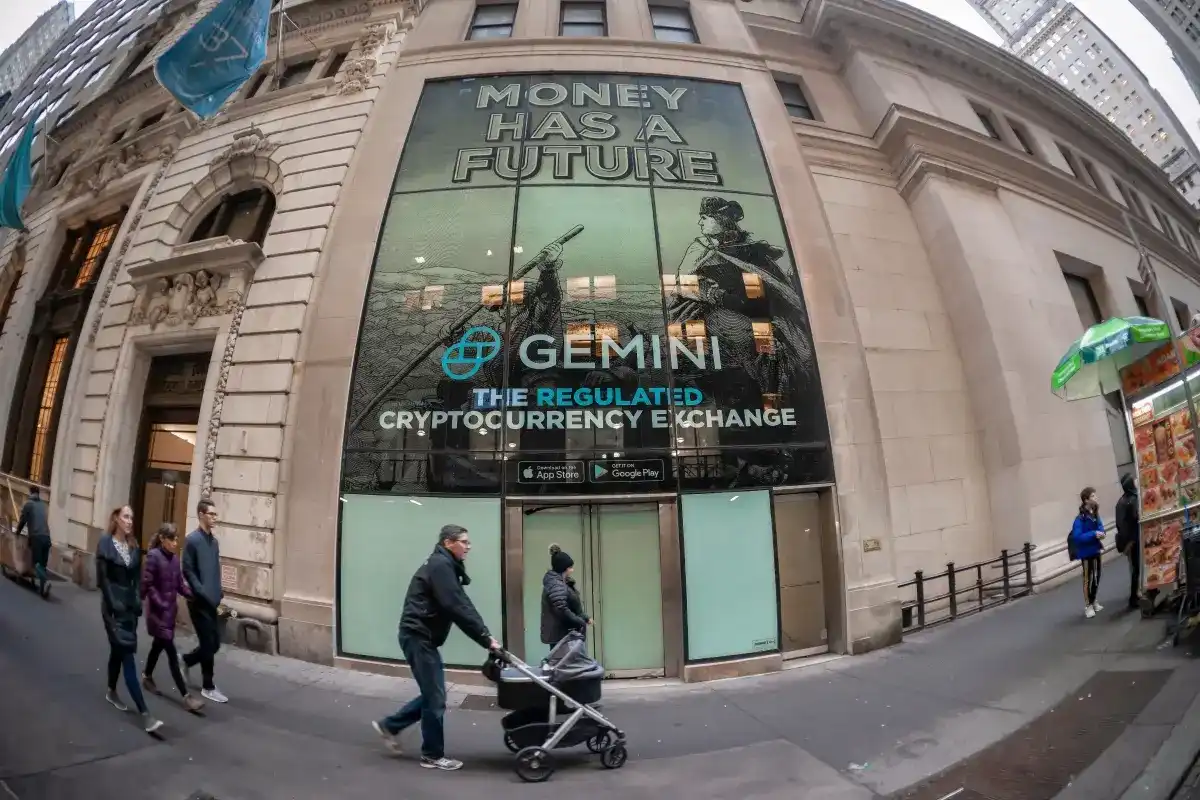
The End of the Crypto Premium? Market Logic Shift Seen Through Gemini's Post-IPO Struggles

The article "The End of the Crypto Premium? Market Logic Shifts as Gemini Struggles Post-IPO" examines the dramatic downturn of cryptocurrency exchange Gemini following its public listing in September 2025. Initially part of a wave of crypto IPOs, including Bullish, which saw soaring valuations and massive investor interest, Gemini's stock price has since collapsed by over 80%, falling from $28 to around $5. The company has cut 30% of its workforce, exited international markets, and faces significant financial strain, including $330 million in Bitcoin-denominated debt. The core argument is that Gemini's struggles reflect a broader market shift where the "excess premium" once associated with crypto assets is disappearing. Two key factors are identified: the erosion of regulatory arbitrage, as compliance costs rise for all players (up 22.5% for small firms in 2026), and the decline of liquidity scarcity premiums, as institutional investors now access crypto via low-friction ETFs and stocks rather than volatile altcoins. The approval of Bitcoin and other crypto ETPs, which now manage $1.8 trillion globally, has diverted institutional capital away from altcoins, causing their liquidity to dry up and volatility to increase. For Gemini, its strategy of being "the most compliant exchange" became a liability in a bear market, as fixed compliance costs remained high while trading revenue fell. The article concludes that the era of narrative-driven crypto valuations is ending, giving way to a market logic focused on fundamentals like actual usage, liquidity depth, and sustainable institutional adoption.

marsbit31 min fa

The End of the Crypto Premium? Market Logic Shift Seen Through Gemini's Post-IPO Struggles

marsbit31 min fa

Utexo Partners with x402 to Provide Near-Instant USDT Settlement for the Agent Economy

Utexo, a Bitcoin-native stablecoin payment execution and settlement layer, has partnered with x402 to integrate USDT compatibility into the x402 payment protocol. This collaboration enables near-instant settlement for agent-to-agent transactions, with speeds as fast as 50 milliseconds. x402 is an open protocol that uses the HTTP 402 "Payment Required" status code to embed payment functionality directly into HTTP requests. This allows applications, APIs, and autonomous systems to pay for services in real-time without requiring pre-funded accounts. The integration expands x402’s initial USDC support to include USDT, one of the most widely used stablecoins globally. Utexo’s infrastructure is designed for high-frequency, low-latency transactions, making it well-suited for machine-driven payments. According to Utexo CEO Viktor Ihnatiuk, supporting USDT within the x402 framework significantly broadens access and provides developers the performance needed for real-time agent-based systems. Kevin Leffew of x402 at Coinbase added that expanding stablecoin access improves performance and accelerates developer adoption. This partnership supports growing use cases where software systems autonomously conduct transactions—such as paying for API calls, accessing data on-demand, and coordinating services across platforms without human intervention. By combining x402’s protocol with Utexo’s settlement infrastructure, the collaboration enables a payment model where transactions are as fast and efficient as the requests that trigger them.

marsbit3 h fa

Utexo Partners with x402 to Provide Near-Instant USDT Settlement for the Agent Economy

marsbit3 h fa

Trading

Spot
Futures

Articoli Popolari

Cosa è GROK AI

Grok AI: Rivoluzionare la Tecnologia Conversazionale nell'Era Web3 Introduzione Nel panorama in rapida evoluzione dell'intelligenza artificiale, Grok AI si distingue come un progetto notevole che collega i domini della tecnologia avanzata e dell'interazione con l'utente. Sviluppato da xAI, un'azienda guidata dal rinomato imprenditore Elon Musk, Grok AI cerca di ridefinire il modo in cui interagiamo con l'intelligenza artificiale. Mentre il movimento Web3 continua a prosperare, Grok AI mira a sfruttare il potere dell'IA conversazionale per rispondere a query complesse, offrendo agli utenti un'esperienza che è non solo informativa ma anche divertente. Cos'è Grok AI? Grok AI è un sofisticato chatbot di intelligenza artificiale conversazionale progettato per interagire dinamicamente con gli utenti. A differenza di molti sistemi di intelligenza artificiale tradizionali, Grok AI abbraccia un'ampia gamma di domande, comprese quelle tipicamente considerate inappropriate o al di fuori delle risposte standard. Gli obiettivi principali del progetto includono: Ragionamento Affidabile: Grok AI enfatizza il ragionamento di buon senso per fornire risposte logiche basate sulla comprensione contestuale. Supervisione Scalabile: L'integrazione dell'assistenza degli strumenti garantisce che le interazioni degli utenti siano sia monitorate che ottimizzate per la qualità. Verifica Formale: La sicurezza è fondamentale; Grok AI incorpora metodi di verifica formale per migliorare l'affidabilità delle sue uscite. Comprensione del Lungo Contesto: Il modello di IA eccelle nel trattenere e richiamare una vasta storia di conversazione, facilitando discussioni significative e consapevoli del contesto. Robustezza Adversariale: Concentrandosi sul miglioramento delle sue difese contro input manipolati o malevoli, Grok AI mira a mantenere l'integrità delle interazioni degli utenti. In sostanza, Grok AI non è solo un dispositivo di recupero informazioni; è un partner conversazionale immersivo che incoraggia un dialogo dinamico. Creatore di Grok AI Il cervello dietro Grok AI non è altri che Elon Musk, un individuo sinonimo di innovazione in vari campi, tra cui automotive, viaggi spaziali e tecnologia. Sotto l'egida di xAI, un'azienda focalizzata sull'avanzamento della tecnologia AI in modi benefici, la visione di Musk mira a rimodellare la comprensione delle interazioni con l'IA. La leadership e l'etica fondamentale sono profondamente influenzate dall'impegno di Musk nel superare i confini tecnologici. Investitori di Grok AI Sebbene i dettagli specifici riguardanti gli investitori che sostengono Grok AI rimangano limitati, è pubblicamente riconosciuto che xAI, l'incubatore del progetto, è fondato e supportato principalmente dallo stesso Elon Musk. Le precedenti imprese e partecipazioni di Musk forniscono un robusto sostegno, rafforzando ulteriormente la credibilità e il potenziale di crescita di Grok AI. Tuttavia, al momento, le informazioni riguardanti ulteriori fondazioni di investimento o organizzazioni che supportano Grok AI non sono facilmente accessibili, segnando un'area per potenziali esplorazioni future. Come Funziona Grok AI? Le meccaniche operative di Grok AI sono innovative quanto il suo framework concettuale. Il progetto integra diverse tecnologie all'avanguardia che facilitano le sue funzionalità uniche: Infrastruttura Robusta: Grok AI è costruito utilizzando Kubernetes per l'orchestrazione dei container, Rust per prestazioni e sicurezza, e JAX per il calcolo numerico ad alte prestazioni. Questo trio garantisce che il chatbot operi in modo efficiente, si scaldi efficacemente e serva gli utenti prontamente. Accesso alla Conoscenza in Tempo Reale: Una delle caratteristiche distintive di Grok AI è la sua capacità di attingere a dati in tempo reale attraverso la piattaforma X—precedentemente nota come Twitter. Questa capacità consente all'IA di accedere alle informazioni più recenti, permettendole di fornire risposte e raccomandazioni tempestive che altri modelli di IA potrebbero perdere. Due Modalità di Interazione: Grok AI offre agli utenti la scelta tra “Modalità Divertente” e “Modalità Normale”. La Modalità Divertente consente uno stile di interazione più giocoso e umoristico, mentre la Modalità Normale si concentra sulla fornitura di risposte precise e accurate. Questa versatilità garantisce un'esperienza su misura che soddisfa varie preferenze degli utenti. In sostanza, Grok AI sposa prestazioni con coinvolgimento, creando un'esperienza che è sia arricchente che divertente. Cronologia di Grok AI Il viaggio di Grok AI è segnato da traguardi fondamentali che riflettono le sue fasi di sviluppo e distribuzione: Sviluppo Iniziale: La fase fondamentale di Grok AI si è svolta in circa due mesi, durante i quali sono stati condotti l'addestramento iniziale e il perfezionamento del modello. Rilascio Beta di Grok-2: In un significativo avanzamento, è stata annunciata la beta di Grok-2. Questo rilascio ha introdotto due versioni del chatbot—Grok-2 e Grok-2 mini—ognuna dotata delle capacità per chattare, programmare e ragionare. Accesso Pubblico: Dopo lo sviluppo beta, Grok AI è diventato disponibile per gli utenti della piattaforma X. Coloro che hanno account verificati tramite un numero di telefono e attivi per almeno sette giorni possono accedere a una versione limitata, rendendo la tecnologia disponibile a un pubblico più ampio. Questa cronologia racchiude la crescita sistematica di Grok AI dall'inizio all'impegno pubblico, enfatizzando il suo impegno per il miglioramento continuo e l'interazione con gli utenti. Caratteristiche Chiave di Grok AI Grok AI comprende diverse caratteristiche chiave che contribuiscono alla sua identità innovativa: Integrazione della Conoscenza in Tempo Reale: L'accesso a informazioni attuali e rilevanti differenzia Grok AI da molti modelli statici, consentendo un'esperienza utente coinvolgente e accurata. Stili di Interazione Versatili: Offrendo modalità di interazione distinte, Grok AI soddisfa varie preferenze degli utenti, invitando alla creatività e alla personalizzazione nella conversazione con l'IA. Avanzata Struttura Tecnologica: L'utilizzo di Kubernetes, Rust e JAX fornisce al progetto un solido framework per garantire affidabilità e prestazioni ottimali. Considerazione del Discorso Etico: L'inclusione di una funzione di generazione di immagini mette in mostra lo spirito innovativo del progetto. Tuttavia, solleva anche considerazioni etiche riguardanti il copyright e la rappresentazione rispettosa di figure riconoscibili—una discussione in corso all'interno della comunità AI. Conclusione Come entità pionieristica nel campo dell'IA conversazionale, Grok AI incarna il potenziale per esperienze utente trasformative nell'era digitale. Sviluppato da xAI e guidato dall'approccio visionario di Elon Musk, Grok AI integra conoscenze in tempo reale con capacità di interazione avanzate. Si sforza di spingere i confini di ciò che l'intelligenza artificiale può realizzare, mantenendo un focus su considerazioni etiche e sicurezza degli utenti. Grok AI non solo incarna il progresso tecnologico, ma rappresenta anche un nuovo paradigma conversazionale nel panorama Web3, promettendo di coinvolgere gli utenti con sia conoscenze esperte che interazioni giocose. Man mano che il progetto continua a evolversi, si erge come testimonianza di ciò che l'incrocio tra tecnologia, creatività e interazione simile a quella umana può realizzare.

341 Totale visualizzazioniPubblicato il 2024.12.26Aggiornato il 2024.12.26

Cosa è GROK AI

Cosa è ERC AI

Euruka Tech: Una Panoramica di $erc ai e delle sue Ambizioni in Web3 Introduzione Nel panorama in rapida evoluzione della tecnologia blockchain e delle applicazioni decentralizzate, nuovi progetti emergono frequentemente, ciascuno con obiettivi e metodologie uniche. Uno di questi progetti è Euruka Tech, che opera nel vasto dominio delle criptovalute e del Web3. L'obiettivo principale di Euruka Tech, in particolare del suo token $erc ai, è presentare soluzioni innovative progettate per sfruttare le crescenti capacità della tecnologia decentralizzata. Questo articolo si propone di fornire una panoramica completa di Euruka Tech, un'esplorazione dei suoi obiettivi, della funzionalità, dell'identità del suo creatore, dei potenziali investitori e della sua importanza nel contesto più ampio del Web3. Cos'è Euruka Tech, $erc ai? Euruka Tech è caratterizzato come un progetto che sfrutta gli strumenti e le funzionalità offerte dall'ambiente Web3, concentrandosi sull'integrazione dell'intelligenza artificiale nelle sue operazioni. Sebbene i dettagli specifici sul framework del progetto siano piuttosto sfuggenti, è progettato per migliorare l'engagement degli utenti e automatizzare i processi nello spazio crypto. Il progetto mira a creare un ecosistema decentralizzato che non solo faciliti le transazioni, ma incorpori anche funzionalità predittive attraverso l'intelligenza artificiale, da cui il nome del suo token, $erc ai. L'obiettivo è fornire una piattaforma intuitiva che faciliti interazioni più intelligenti e un'elaborazione delle transazioni più efficiente all'interno della crescente sfera del Web3. Chi è il Creatore di Euruka Tech, $erc ai? Attualmente, le informazioni riguardanti il creatore o il team fondatore di Euruka Tech rimangono non specificate e piuttosto opache. Questa assenza di dati solleva preoccupazioni, poiché la conoscenza del background del team è spesso essenziale per stabilire credibilità nel settore blockchain. Pertanto, abbiamo classificato queste informazioni come sconosciute fino a quando dettagli concreti non saranno resi disponibili nel dominio pubblico. Chi sono gli Investitori di Euruka Tech, $erc ai? Allo stesso modo, l'identificazione degli investitori o delle organizzazioni di supporto per il progetto Euruka Tech non è prontamente fornita attraverso la ricerca disponibile. Un aspetto cruciale per i potenziali stakeholder o utenti che considerano di impegnarsi con Euruka Tech è la garanzia che deriva da partnership finanziarie consolidate o dal supporto di società di investimento rispettabili. Senza divulgazioni sulle affiliazioni di investimento, è difficile trarre conclusioni complete sulla sicurezza finanziaria o sulla longevità del progetto. In linea con le informazioni trovate, anche questa sezione rimane allo stato di sconosciuto. Come funziona Euruka Tech, $erc ai? Nonostante la mancanza di specifiche tecniche dettagliate per Euruka Tech, è essenziale considerare le sue ambizioni innovative. Il progetto cerca di sfruttare la potenza computazionale dell'intelligenza artificiale per automatizzare e migliorare l'esperienza dell'utente all'interno dell'ambiente delle criptovalute. Integrando l'IA con la tecnologia blockchain, Euruka Tech mira a fornire funzionalità come operazioni automatizzate, valutazioni del rischio e interfacce utente personalizzate. L'essenza innovativa di Euruka Tech risiede nel suo obiettivo di creare una connessione fluida tra gli utenti e le vaste possibilità presentate dalle reti decentralizzate. Attraverso l'utilizzo di algoritmi di apprendimento automatico e IA, mira a ridurre le sfide degli utenti alle prime armi e semplificare le esperienze transazionali all'interno del framework Web3. Questa simbiosi tra IA e blockchain sottolinea l'importanza del token $erc ai, fungendo da ponte tra le interfacce utente tradizionali e le avanzate capacità delle tecnologie decentralizzate. Cronologia di Euruka Tech, $erc ai Sfortunatamente, a causa delle limitate informazioni disponibili riguardo a Euruka Tech, non siamo in grado di presentare una cronologia dettagliata dei principali sviluppi o traguardi nel percorso del progetto. Questa cronologia, tipicamente preziosa per tracciare l'evoluzione di un progetto e comprendere la sua traiettoria di crescita, non è attualmente disponibile. Man mano che le informazioni su eventi notevoli, partnership o aggiunte funzionali diventano evidenti, gli aggiornamenti miglioreranno sicuramente la visibilità di Euruka Tech nella sfera crypto. Chiarimento su Altri Progetti “Eureka” È importante sottolineare che più progetti e aziende condividono una nomenclatura simile con “Eureka.” La ricerca ha identificato iniziative come un agente IA della NVIDIA Research, che si concentra sull'insegnamento ai robot di compiti complessi utilizzando metodi generativi, così come Eureka Labs ed Eureka AI, che migliorano l'esperienza utente nell'istruzione e nell'analisi del servizio clienti, rispettivamente. Tuttavia, questi progetti sono distinti da Euruka Tech e non dovrebbero essere confusi con i suoi obiettivi o funzionalità. Conclusione Euruka Tech, insieme al suo token $erc ai, rappresenta un attore promettente ma attualmente oscuro nel panorama del Web3. Sebbene i dettagli sul suo creatore e sugli investitori rimangano non divulgati, l'ambizione centrale di combinare intelligenza artificiale e tecnologia blockchain si erge come un punto focale di interesse. Gli approcci unici del progetto nel promuovere l'engagement degli utenti attraverso l'automazione avanzata potrebbero distinguerlo mentre l'ecosistema Web3 progredisce. Con l'evoluzione continua del mercato crypto, gli stakeholder dovrebbero tenere d'occhio gli sviluppi riguardanti Euruka Tech, poiché lo sviluppo di innovazioni documentate, partnership o una roadmap definita potrebbe presentare opportunità significative nel prossimo futuro. Così com'è, attendiamo ulteriori approfondimenti sostanziali che potrebbero svelare il potenziale di Euruka Tech e la sua posizione nel competitivo panorama crypto.

342 Totale visualizzazioniPubblicato il 2025.01.02Aggiornato il 2025.01.02

Cosa è ERC AI

Cosa è DUOLINGO AI

DUOLINGO AI: Integrare l'apprendimento delle lingue con Web3 e innovazione AI In un'era in cui la tecnologia rimodella l'istruzione, l'integrazione dell'intelligenza artificiale (AI) e delle reti blockchain annuncia una nuova frontiera per l'apprendimento delle lingue. Entra in scena DUOLINGO AI e la sua criptovaluta associata, $DUOLINGO AI. Questo progetto aspira a fondere la potenza educativa delle principali piattaforme di apprendimento delle lingue con i benefici della tecnologia decentralizzata Web3. Questo articolo esplora gli aspetti chiave di DUOLINGO AI, esaminando i suoi obiettivi, il framework tecnologico, lo sviluppo storico e il potenziale futuro, mantenendo chiarezza tra la risorsa educativa originale e questa iniziativa indipendente di criptovaluta. Panoramica di DUOLINGO AI Alla sua base, DUOLINGO AI cerca di stabilire un ambiente decentralizzato in cui gli studenti possono guadagnare ricompense crittografiche per il raggiungimento di traguardi educativi nella competenza linguistica. Applicando smart contracts, il progetto mira ad automatizzare i processi di verifica delle competenze e le allocazioni di token, aderendo ai principi di Web3 che enfatizzano la trasparenza e la proprietà da parte degli utenti. Il modello si discosta dagli approcci tradizionali all'acquisizione linguistica, facendo forte affidamento su una struttura di governance guidata dalla comunità, che consente ai detentori di token di suggerire miglioramenti ai contenuti dei corsi e alle distribuzioni delle ricompense. Alcuni degli obiettivi notevoli di DUOLINGO AI includono: Apprendimento Gamificato: Il progetto integra traguardi blockchain e token non fungibili (NFT) per rappresentare i livelli di competenza linguistica, promuovendo la motivazione attraverso ricompense digitali coinvolgenti. Creazione di Contenuti Decentralizzati: Apre opportunità per educatori e appassionati di lingue di contribuire con i propri corsi, facilitando un modello di condivisione dei ricavi che beneficia tutti i collaboratori. Personalizzazione Guidata dall'AI: Utilizzando modelli avanzati di machine learning, DUOLINGO AI personalizza le lezioni per adattarsi ai progressi individuali, simile alle funzionalità adattive presenti nelle piattaforme consolidate. Creatori del Progetto e Governance A partire da aprile 2025, il team dietro $DUOLINGO AI rimane pseudonimo, una pratica comune nel panorama decentralizzato delle criptovalute. Questa anonimato è inteso a promuovere la crescita collettiva e il coinvolgimento degli stakeholder piuttosto che concentrarsi su sviluppatori individuali. Lo smart contract distribuito sulla blockchain di Solana annota l'indirizzo del wallet dello sviluppatore, che segna l'impegno verso la trasparenza riguardo alle transazioni, nonostante l'identità dei creatori sia sconosciuta. Secondo la sua roadmap, DUOLINGO AI mira a evolversi in un'Organizzazione Autonoma Decentralizzata (DAO). Questa struttura di governance consente ai detentori di token di votare su questioni critiche come l'implementazione di funzionalità e le allocazioni del tesoro. Questo modello si allinea con l'etica dell'empowerment della comunità presente in varie applicazioni decentralizzate, enfatizzando l'importanza del processo decisionale collettivo. Investitori e Partnership Strategiche Attualmente, non ci sono investitori istituzionali o capitalisti di rischio identificabili pubblicamente legati a $DUOLINGO AI. Invece, la liquidità del progetto proviene principalmente da scambi decentralizzati (DEX), segnando un netto contrasto con le strategie di finanziamento delle aziende tradizionali di tecnologia educativa. Questo modello di base indica un approccio guidato dalla comunità, riflettendo l'impegno del progetto verso la decentralizzazione. Nel suo whitepaper, DUOLINGO AI menziona la formazione di collaborazioni con “piattaforme educative blockchain” non specificate, mirate ad arricchire la sua offerta di corsi. Sebbene partnership specifiche non siano ancora state divulgate, questi sforzi collaborativi suggeriscono una strategia per mescolare innovazione blockchain con iniziative educative, ampliando l'accesso e il coinvolgimento degli utenti attraverso diverse vie di apprendimento. Architettura Tecnologica Integrazione AI DUOLINGO AI incorpora due componenti principali guidate dall'AI per migliorare la sua offerta educativa: Motore di Apprendimento Adattivo: Questo sofisticato motore apprende dalle interazioni degli utenti, simile ai modelli proprietari delle principali piattaforme educative. Regola dinamicamente la difficoltà delle lezioni per affrontare le sfide specifiche degli studenti, rinforzando le aree deboli attraverso esercizi mirati. Agenti Conversazionali: Utilizzando chatbot alimentati da GPT-4, DUOLINGO AI offre una piattaforma per gli utenti per impegnarsi in conversazioni simulate, promuovendo un'esperienza di apprendimento linguistico più interattiva e pratica. Infrastruttura Blockchain Costruito sulla blockchain di Solana, $DUOLINGO AI utilizza un framework tecnologico completo che include: Smart Contracts per la Verifica delle Competenze: Questa funzionalità assegna automaticamente token agli utenti che superano con successo i test di competenza, rinforzando la struttura di incentivi per risultati di apprendimento genuini. Badge NFT: Questi token digitali significano vari traguardi che gli studenti raggiungono, come completare una sezione del loro corso o padroneggiare competenze specifiche, consentendo loro di scambiare o mostrare digitalmente i loro successi. Governance DAO: I membri della comunità dotati di token possono partecipare alla governance votando su proposte chiave, facilitando una cultura partecipativa che incoraggia l'innovazione nell'offerta di corsi e nelle funzionalità della piattaforma. Cronologia Storica 2022–2023: Concettualizzazione I lavori per DUOLINGO AI iniziano con la creazione di un whitepaper, evidenziando la sinergia tra i progressi dell'AI nell'apprendimento delle lingue e il potenziale decentralizzato della tecnologia blockchain. 2024: Lancio Beta Un lancio beta limitato introduce offerte in lingue popolari, premiando i primi utenti con incentivi in token come parte della strategia di coinvolgimento della comunità del progetto. 2025: Transizione DAO Ad aprile, avviene un lancio completo della mainnet con la circolazione di token, stimolando discussioni nella comunità riguardo a possibili espansioni nelle lingue asiatiche e ad altri sviluppi dei corsi. Sfide e Direzioni Future Ostacoli Tecnici Nonostante i suoi obiettivi ambiziosi, DUOLINGO AI affronta sfide significative. La scalabilità rimane una preoccupazione costante, in particolare nel bilanciare i costi associati all'elaborazione dell'AI e nel mantenere una rete decentralizzata reattiva. Inoltre, garantire la creazione e la moderazione di contenuti di qualità in un'offerta decentralizzata presenta complessità nel mantenere standard educativi. Opportunità Strategiche Guardando al futuro, DUOLINGO AI ha il potenziale per sfruttare partnership di micro-credentialing con istituzioni accademiche, fornendo validazioni verificate dalla blockchain delle competenze linguistiche. Inoltre, l'espansione cross-chain potrebbe consentire al progetto di attingere a basi utenti più ampie e a ulteriori ecosistemi blockchain, migliorando la sua interoperabilità e portata. Conclusione DUOLINGO AI rappresenta una fusione innovativa di intelligenza artificiale e tecnologia blockchain, presentando un'alternativa focalizzata sulla comunità ai sistemi tradizionali di apprendimento delle lingue. Sebbene il suo sviluppo pseudonimo e il modello economico emergente comportino alcuni rischi, l'impegno del progetto verso l'apprendimento gamificato, l'istruzione personalizzata e la governance decentralizzata illumina un percorso per la tecnologia educativa nel regno di Web3. Man mano che l'AI continua a progredire e l'ecosistema blockchain evolve, iniziative come DUOLINGO AI potrebbero ridefinire il modo in cui gli utenti interagiscono con l'istruzione linguistica, potenziando le comunità e premiando il coinvolgimento attraverso meccanismi di apprendimento innovativi.

320 Totale visualizzazioniPubblicato il 2025.04.11Aggiornato il 2025.04.11

Cosa è DUOLINGO AI

Discussioni

Benvenuto nella Community HTX. Qui puoi rimanere informato sugli ultimi sviluppi della piattaforma e accedere ad approfondimenti esperti sul mercato. Le opinioni degli utenti sul prezzo di AI AI sono presentate come di seguito.

活动图片