Dalio's Latest Interview: 3 Major Signs of an AI Bubble Bursting, and How to Respond?

marsbitPubblicato 2026-08-03Pubblicato ultima volta 2026-08-03

Introduzione

In a recent interview, Ray Dalio discusses the current AI investment bubble, drawing parallels to past speculative frenzies like the dot-com bubble. He explains that such bubbles form when revolutionary technology, like AI, sparks massive investor excitement and debt-fueled investment, driving prices beyond fundamentals. Dalio outlines three key signs of an impending bubble burst: 1) Rising interest rates forcing asset sales, 2) A significant increase in stock supply from companies issuing shares, and 3) Ownership shifting from strong hands to inexperienced, often leveraged, retail investors. To navigate this uncertainty, he advocates for a diversified portfolio across assets like stocks, bonds, real estate, and notably gold (5-15% allocation), which he views as a true "hard asset." He expresses skepticism towards Bitcoin as "digital gold," citing potential technological and governmental risks. Regarding AI's impact, Dalio believes the primary beneficiaries will be the capitalists who own the automating technology, potentially widening wealth inequality as AI replaces both physical and cognitive labor. However, he contends that humans with exceptional interpersonal skills, emotional intelligence, and collaboration abilities will remain highly valuable. Finally, on his theory of ~80-year major cycles in world order, Dalio notes that while timing isn't precise, current indicators suggest we are in the vicinity of a significant transitional period. His core investment advice...

Original from the podcast The Diary Of A CEO

Compiled / Odaily Planet Daily Golem (@web 3_golem)
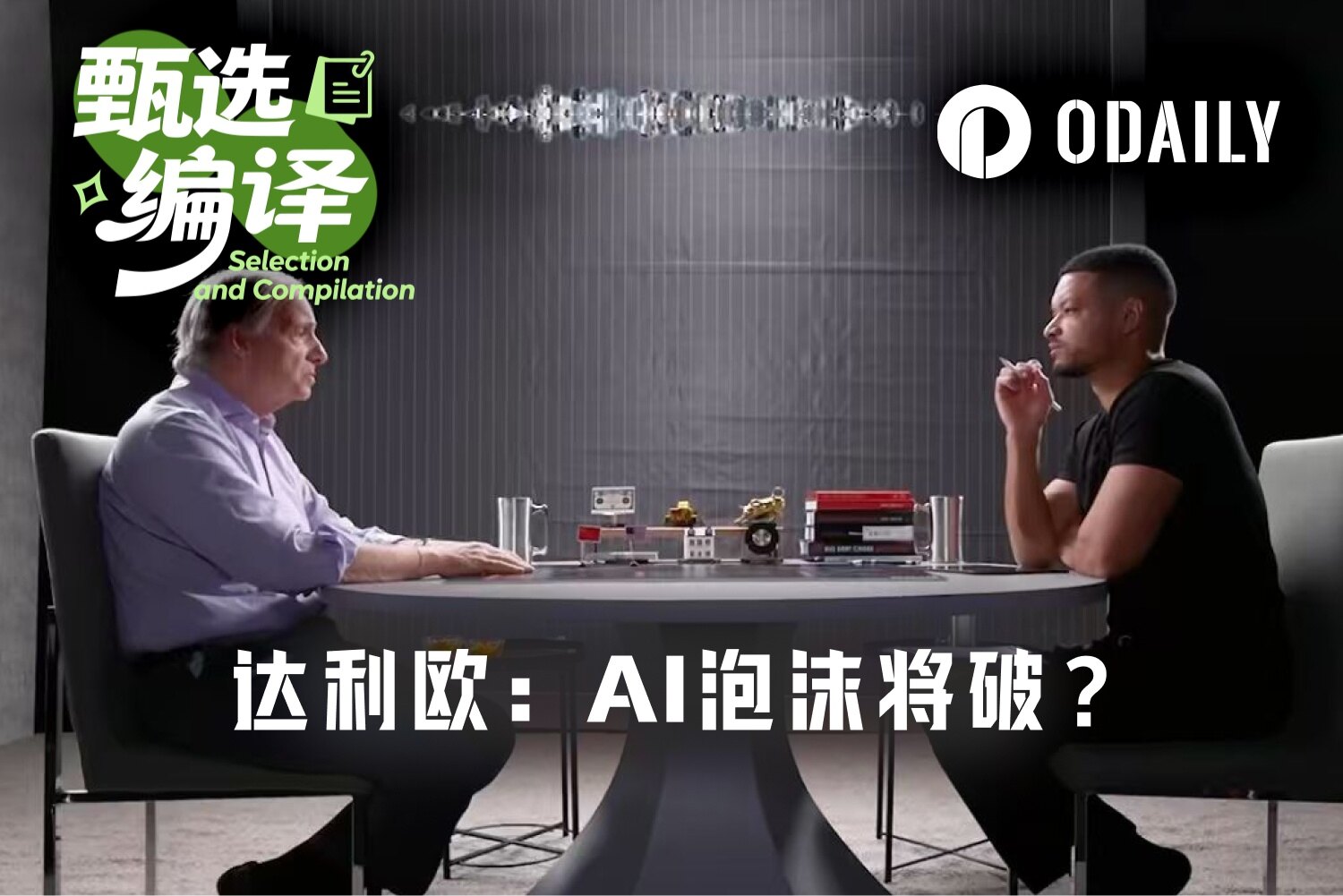
Editor's Note: Ray Dalio, founder of Bridgewater Associates, recently gave an in-depth interview to the renowned business podcast The Diary Of A CEO, sharing his views on the AI bubble, the 80-year major cycle shift, and Bitcoin. In the interview, Dalio explained why we are in an AI bubble, outlined the three major signs that the bubble is about to burst, and expressed his belief that while capitalists will be the biggest beneficiaries of the AI transformation, people with exceptional human intelligence and the ability to collaborate with others will still excel in the future. Odaily Planet Daily has compiled the core content of Dalio's interview below. Enjoy~

Learning from History: How Did the AI Bubble Form?

The commonly referred to bubble is when prices rise sharply, company performances are excellent, then the bubble bursts, which impacts the economy and markets, followed by a great depression, such as the 1929 bubble or the 2000 dot-com bubble.

This happens because when a revolutionary new technology emerges, everyone bets it will surely succeed, rushes to invest, even borrows money to invest, but they overlook the importance of price. Ultimately, prices soar, creating a bubble.

Now we are equally excited about AI, and we should be, as it will bring revolutionary changes, which it indeed has. So, again, everyone wants to invest, but they still ignore the price. This is a certain mechanism hidden within different cycles.

In an economic bubble, people borrow heavily to invest. You see many people becoming wealthy, but wealth is not equivalent to real money because they cannot spend this wealth. When they must sell their wealth to get money, it depreciates. So, when they need cash for reasons like tax changes, rising interest rates, or debt repayment, the bubble starts to burst, and the market declines.

When the bubble bursts, the wealth accumulation process reverses. When they made a lot of money, they had highly valued collateral for loans; this compounding effect continues. But when the bubble bursts, this process also reverses.

Economic recessions typically also follow a bubble burst because when people start repaying debts and selling assets, consumption demand decreases, and spending naturally drops.

For example, during the Great Depression in the US, the late 1920s were a time of great prosperity. Households were electrified for the first time, refrigerators and lighting entered homes, cars, airplanes, and radios became popular. Everyone believed these technologies had a great future. But simultaneously, as people kept buying assets, stock prices kept rising, and people leveraged themselves to buy stocks, corporate profits ultimately couldn't support the corresponding stock prices, triggering a chain reaction that eventually led to the Great Depression.

My point is, in these massive trend shifts, people know very little. Anyone in the AI field cannot plan accurately. They simply don't know what future revenues will be. Ultimately, only two outcomes occur: either underinvestment, falling far behind competitors; or heavy investment, still lacking precise control. When this happens, problems arise.

The 3 Major Signs of a Bubble Bursting

In the initial stage, what punctures the bubble is often situations that force people to sell assets to raise cash, and this is generally rising interest rates. It could also be policies like wealth taxes, but broadly speaking, it's a tightening of monetary conditions. Because at this stage, there is often inflationary pressure, and central banks decide to tighten monetary policy. Thus, when interest rates rise, the returns investors can get from holding bonds can exceed the returns from equity investments.

Additionally, there is a significant increase in stock issuance. We have been discussing how demand pushes up stock prices and how wealth is created, but the market also has a supply side. Companies can issue stock; there is almost nothing easier for creating wealth than issuing stock. Nowadays, people can even announce they are starting a company and taking it public, then say to their audience they will issue shares. It is precisely this large supply of stock, along with increased fundraising needs from other companies, that will ultimately cause the bubble to burst.

Another classic way to gauge the extent of a bubble is to examine the ownership of these companies' shares, to see if the shares are held by steadfast investors or by fickle retail investors. But I must also emphasize that a bubble is not a black-and-white existence; it's a matter of degree.

Classic characteristics of fickle holdings are a massive influx of retail investors lacking expertise, especially through leverage. They either borrow money to buy stocks or purchase leveraged financial products. For example, there are now leveraged ETFs tracking the stock market. Investors participating in such products are essentially no different from rolling dice in gambling.

All of the above are major signs that a bubble will burst. When it bursts, panic sets in, leading to massive asset liquidation. Conversely, at that point, all assets become cheap, and everyone can afford them.

But in investing, people always like to get ahead, buying the bottom too early, and this behavior often further fuels bubbles. So I would like to add that the future is uncertain. Investors should not try to 'time the market.' Even experienced investors find it extremely difficult to precisely time a bubble burst. Therefore, the best investment approach in the face of a bubble is diversification.

Responding to a Bubble Burst Through Diversification

Ordinary people often think cash deposits are the safest asset, but in the long run, it's the worst investment because inflation erodes its value.

Besides the stock market, investors have many assets to choose from, such as gold, bonds, real estate, and Bitcoin. Their respective values fluctuate for various reasons. Typically, when gold rises, bonds often fall, and real estate depreciates; these changes follow certain patterns.

Therefore, the best practice is to build a diversified investment portfolio. This not only doesn't reduce returns but actually lowers risk. Diversification means holding a certain proportion of each asset type. Due to different volatilities, investors must know how to balance them. My suggestion is to start by investing in a real asset: gold.

Gold is very interesting because when all assets perform poorly, gold often performs well. It is a very effective diversification tool. Gold cannot be hacked by technology; you can hold it, own it. It is the only financial asset that is not someone else's liability.

So for most people, if they want to ensure they have some 'hard currency,' gold should make up 5% to 15% of their investment portfolio.

Views on Bitcoin

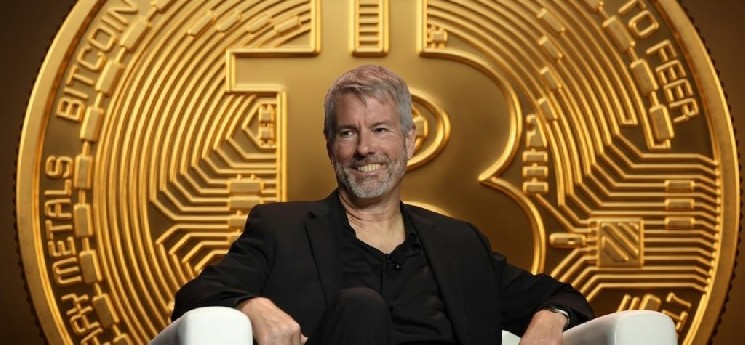
Some investors view Bitcoin as 'digital gold,' but I prefer investing in real gold bars, not Bitcoin.

Bitcoin is just a gold-like asset; it's also a form of currency that cannot be printed. But some technologies could harm it. For example, if quantum computing emerges and governments can monitor it, it could be taxed. Any digital currency is somewhat similar.

Moreover, when a government says 'I don't need Bitcoin,' they have the authority to deal with it as they wish. Also, central banks won't hold large amounts of such assets because central banks need to ensure the privacy of their transactions and keep them firmly under their control. Look at Russia's situation; their other assets were seized/frozen, but their gold, no one could touch.

Who Benefits Most from the AI Transformation?

In this AI transformation, only a very small number of people (less than one percent of the population) master cutting-edge technologies and can apply and accelerate their development. As for others, if your job involves thinking, you are at risk of being replaced.

We are entering a world where everything can be automated. Human evolution began in the agricultural age, where there was almost no real innovation. Later, humans invented machines that replaced human physical labor. People used to work in fields like cattle; later, they were replaced by tractors. Then we entered the industrial age. First, the invention of printing allowed people to learn knowledge, then various inventions emerged, the first industrial revolution arrived, where machines began replacing human physical labor in factories, etc.

So in my view, it's as if machines first replaced human physical functions, then replaced higher and higher levels, and then began replacing parts of human thinking that can be computerized. And this trend continues to develop, gradually replacing higher-order thinking and reasoning abilities. This development trajectory is part of the ongoing evolutionary process.

The ultimate beneficiaries are capitalists who own the ideas that replace workers. For example, when people shop in stores, merchants earn revenue. But if you look at the share allocated to workers, you'll find this share is declining, while the share allocated to merchants is rising. So we are going through a stage where, on one hand, the top tier creates astonishing wealth; on the other hand, the bottom tier faces enormous pressure.

This is the challenge we face. Although the economic situation is relatively good, the difficulty for college graduates finding jobs has increased significantly. For instance, new graduates need training when starting jobs, and now many jobs can be quickly performed by AI and computerization. As robotics advances, this will intensify. The disruptive change we see now is happening so fast precisely because massive funds are pouring into frontier AI models like Anthropic and OpenAI.

Simultaneously, the wealth gap is widening because capitalism, although I love capitalism, the reality is, it creates huge disparities in income and wealth. When a worker's mind and body are both replaced, as a human, what can they sell?

But don't be too pessimistic. What humans still possess are emotions and intuition. Some services AI cannot provide. So, if we explore what these 'services' are, for example, can robots provide a good massage SPA? What remains, people can explore further. In summary, I believe that in the foreseeable future, those with exceptional human intelligence and the ability to collaborate with others will still perform excellently.

Regarding the 80-Year Major Cycle

I previously said that world order shifts occur about every 80 years, but this number is not absolute. The cycle length has an average floating range. It's like human lifespan; each person's life expectancy or lifespan varies individually.

I wouldn't overemphasize the length of time; I would focus more on the current situation. In terms of symptoms or relevant indicators, where are we currently in this process? Where will the next important node appear?

The answer is somewhere near the current time zone we are in.

Crypto di tendenza

Domande pertinenti

QWhat are the three major signs that indicate an AI bubble is about to burst, according to Ray Dalio?

AAccording to Ray Dalio, the three major signs are: 1) Rising interest rates, which force people to sell assets to raise cash. 2) A significant increase in stock issuance, where companies create wealth by issuing shares, increasing supply. 3) A high concentration of holdings in the hands of unsteady, non-professional retail investors, especially those using leverage.

QHow does Ray Dalio suggest ordinary investors should respond to the potential bursting of an AI bubble?

ARay Dalio suggests that the best investment strategy for ordinary investors is diversification. He advises against trying to time the market and recommends building a diversified portfolio including assets like stocks, gold, bonds, real estate, and Bitcoin. He specifically highlights gold as a crucial 'hard asset' that performs well when other assets falter, suggesting it should make up 5% to 15% of a portfolio.

QWhy does Ray Dalio prefer investing in physical gold over Bitcoin?

ARay Dalio prefers physical gold over Bitcoin because gold is a tangible asset that cannot be hacked or compromised by technology like quantum computing. It is also not a liability of anyone else. He notes that governments can choose to reject or regulate digital currencies like Bitcoin and that central banks value the privacy and control they have over their own transactions, which Bitcoin does not provide. He uses the example of Russia, whose gold reserves remained untouched while other assets were frozen.

QWho does Ray Dalio believe will be the biggest beneficiaries of the AI revolution?

ARay Dalio believes that the biggest beneficiaries of the AI revolution will be the capitalists—the less than 1% of the population who own and control the capital and the cutting-edge AI technology. He explains that as machines and AI replace both physical and cognitive human labor, the share of wealth going to capital owners increases, while the share for workers declines, thereby widening the wealth gap.

QWhat unique human qualities does Ray Dalio think will allow people to remain valuable in an AI-dominated future?

ARay Dalio believes that human emotional intelligence, intuition, and the ability to collaborate effectively with others are qualities that AI cannot replicate. He suggests that services requiring these distinctly human traits, such as certain personal care or relational services, will remain valuable. Therefore, individuals with exceptional human intelligence and strong collaborative skills will continue to excel in the foreseeable future.

Letture associate

Trading

Spot

Articoli Popolari

Cosa è $S$

Comprendere SPERO: Una Panoramica Completa Introduzione a SPERO Mentre il panorama dell'innovazione continua a evolversi, l'emergere delle tecnologie web3 e dei progetti di criptovaluta gioca un ruolo fondamentale nel plasmare il futuro digitale. Un progetto che ha attirato l'attenzione in questo campo dinamico è SPERO, denotato come SPERO,$$s$. Questo articolo mira a raccogliere e presentare informazioni dettagliate su SPERO, per aiutare gli appassionati e gli investitori a comprendere le sue basi, obiettivi e innovazioni nei domini web3 e crypto. Che cos'è SPERO,$$s$? SPERO,$$s$ è un progetto unico all'interno dello spazio crypto che cerca di sfruttare i principi della decentralizzazione e della tecnologia blockchain per creare un ecosistema che promuove l'impegno, l'utilità e l'inclusione finanziaria. Il progetto è progettato per facilitare interazioni peer-to-peer in modi nuovi, fornendo agli utenti soluzioni e servizi finanziari innovativi. Al suo interno, SPERO,$$s$ mira a responsabilizzare gli individui fornendo strumenti e piattaforme che migliorano l'esperienza dell'utente nello spazio delle criptovalute. Questo include la possibilità di metodi di transazione più flessibili, la promozione di iniziative guidate dalla comunità e la creazione di percorsi per opportunità finanziarie attraverso applicazioni decentralizzate (dApps). La visione sottostante di SPERO,$$s$ ruota attorno all'inclusività, cercando di colmare le lacune all'interno della finanza tradizionale mentre sfrutta i vantaggi della tecnologia blockchain. Chi è il Creatore di SPERO,$$s$? L'identità del creatore di SPERO,$$s$ rimane piuttosto oscura, poiché ci sono risorse pubblicamente disponibili limitate che forniscono informazioni dettagliate sul suo fondatore o fondatori. Questa mancanza di trasparenza può derivare dall'impegno del progetto per la decentralizzazione—un ethos che molti progetti web3 condividono, dando priorità ai contributi collettivi rispetto al riconoscimento individuale. Centrando le discussioni attorno alla comunità e ai suoi obiettivi collettivi, SPERO,$$s$ incarna l'essenza dell'empowerment senza mettere in evidenza individui specifici. Pertanto, comprendere l'etica e la missione di SPERO rimane più importante che identificare un creatore singolo. Chi sono gli Investitori di SPERO,$$s$? SPERO,$$s$ è supportato da una varietà di investitori che vanno dai capitalisti di rischio agli investitori angelici dedicati a promuovere l'innovazione nel settore crypto. Il focus di questi investitori generalmente si allinea con la missione di SPERO—dando priorità a progetti che promettono avanzamenti tecnologici sociali, inclusività finanziaria e governance decentralizzata. Queste fondazioni di investitori sono tipicamente interessate a progetti che non solo offrono prodotti innovativi, ma contribuiscono anche positivamente alla comunità blockchain e ai suoi ecosistemi. Il supporto di questi investitori rafforza SPERO,$$s$ come un concorrente degno di nota nel dominio in rapida evoluzione dei progetti crypto. Come Funziona SPERO,$$s$? SPERO,$$s$ impiega un framework multifunzionale che lo distingue dai progetti di criptovaluta convenzionali. Ecco alcune delle caratteristiche chiave che sottolineano la sua unicità e innovazione: Governance Decentralizzata: SPERO,$$s$ integra modelli di governance decentralizzati, responsabilizzando gli utenti a partecipare attivamente ai processi decisionali riguardanti il futuro del progetto. Questo approccio favorisce un senso di proprietà e responsabilità tra i membri della comunità. Utilità del Token: SPERO,$$s$ utilizza il proprio token di criptovaluta, progettato per servire varie funzioni all'interno dell'ecosistema. Questi token abilitano transazioni, premi e la facilitazione dei servizi offerti sulla piattaforma, migliorando l'impegno e l'utilità complessivi. Architettura Stratificata: L'architettura tecnica di SPERO,$$s$ supporta la modularità e la scalabilità, consentendo un'integrazione fluida di funzionalità e applicazioni aggiuntive man mano che il progetto evolve. Questa adattabilità è fondamentale per mantenere la rilevanza nel panorama crypto in continua evoluzione. Coinvolgimento della Comunità: Il progetto enfatizza iniziative guidate dalla comunità, impiegando meccanismi che incentivano la collaborazione e il feedback. Nutrendo una comunità forte, SPERO,$$s$ può affrontare meglio le esigenze degli utenti e adattarsi alle tendenze di mercato. Focus sull'Inclusione: Offrendo basse commissioni di transazione e interfacce user-friendly, SPERO,$$s$ mira ad attrarre una base utenti diversificata, inclusi individui che potrebbero non aver precedentemente interagito nello spazio crypto. Questo impegno per l'inclusione si allinea con la sua missione generale di empowerment attraverso l'accessibilità. Cronologia di SPERO,$$s$ Comprendere la storia di un progetto fornisce preziose intuizioni sulla sua traiettoria di sviluppo e sui traguardi. Di seguito è riportata una cronologia suggerita che mappa eventi significativi nell'evoluzione di SPERO,$$s$: Fase di Concettualizzazione e Ideazione: Le idee iniziali che formano la base di SPERO,$$s$ sono state concepite, allineandosi strettamente con i principi di decentralizzazione e focus sulla comunità all'interno dell'industria blockchain. Lancio del Whitepaper del Progetto: Dopo la fase concettuale, è stato rilasciato un whitepaper completo che dettaglia la visione, gli obiettivi e l'infrastruttura tecnologica di SPERO,$$s$ per suscitare interesse e feedback dalla comunità. Costruzione della Comunità e Prime Interazioni: Sono stati effettuati sforzi attivi di outreach per costruire una comunità di early adopters e potenziali investitori, facilitando discussioni attorno agli obiettivi del progetto e ottenendo supporto. Evento di Generazione del Token: SPERO,$$s$ ha condotto un evento di generazione del token (TGE) per distribuire i propri token nativi ai primi sostenitori e stabilire una liquidità iniziale all'interno dell'ecosistema. Lancio della Prima dApp: La prima applicazione decentralizzata (dApp) associata a SPERO,$$s$ è stata attivata, consentendo agli utenti di interagire con le funzionalità principali della piattaforma. Sviluppo Continuo e Partnership: Aggiornamenti e miglioramenti continui alle offerte del progetto, inclusi partnership strategiche con altri attori nello spazio blockchain, hanno plasmato SPERO,$$s$ in un concorrente competitivo e in evoluzione nel mercato crypto. Conclusione SPERO,$$s$ rappresenta una testimonianza del potenziale del web3 e delle criptovalute di rivoluzionare i sistemi finanziari e responsabilizzare gli individui. Con un impegno per la governance decentralizzata, il coinvolgimento della comunità e funzionalità progettate in modo innovativo, apre la strada verso un panorama finanziario più inclusivo. Come per qualsiasi investimento nello spazio crypto in rapida evoluzione, si incoraggiano potenziali investitori e utenti a ricercare approfonditamente e a impegnarsi in modo riflessivo con gli sviluppi in corso all'interno di SPERO,$$s$. Il progetto mostra lo spirito innovativo dell'industria crypto, invitando a ulteriori esplorazioni delle sue innumerevoli possibilità. Mentre il percorso di SPERO,$$s$ è ancora in fase di sviluppo, i suoi principi fondamentali potrebbero effettivamente influenzare il futuro di come interagiamo con la tecnologia, la finanza e tra di noi in ecosistemi digitali interconnessi.

217 Totale visualizzazioniPubblicato il 2024.12.17Aggiornato il 2024.12.17

Cosa è $S$

Cosa è AGENT S

Agent S: Il Futuro dell'Interazione Autonoma in Web3 Introduzione Nel panorama in continua evoluzione di Web3 e criptovalute, le innovazioni stanno costantemente ridefinendo il modo in cui gli individui interagiscono con le piattaforme digitali. Uno di questi progetti pionieristici, Agent S, promette di rivoluzionare l'interazione uomo-computer attraverso il suo framework agentico aperto. Aprendo la strada a interazioni autonome, Agent S mira a semplificare compiti complessi, offrendo applicazioni trasformative nell'intelligenza artificiale (AI). Questa esplorazione dettagliata approfondirà le complessità del progetto, le sue caratteristiche uniche e le implicazioni per il dominio delle criptovalute. Cos'è Agent S? Agent S si presenta come un innovativo framework agentico aperto, progettato specificamente per affrontare tre sfide fondamentali nell'automazione dei compiti informatici: Acquisizione di Conoscenze Specifiche del Dominio: Il framework apprende in modo intelligente da varie fonti di conoscenza esterne ed esperienze interne. Questo approccio duale gli consente di costruire un ricco repository di conoscenze specifiche del dominio, migliorando le sue prestazioni nell'esecuzione dei compiti. Pianificazione su Lungo Orizzonte di Compiti: Agent S impiega una pianificazione gerarchica potenziata dall'esperienza, un approccio strategico che facilita la suddivisione e l'esecuzione efficiente di compiti complessi. Questa caratteristica migliora significativamente la sua capacità di gestire più sottocompiti in modo efficiente ed efficace. Gestione di Interfacce Dinamiche e Non Uniformi: Il progetto introduce l'Interfaccia Agente-Computer (ACI), una soluzione innovativa che migliora l'interazione tra agenti e utenti. Utilizzando Modelli Linguistici Multimodali di Grandi Dimensioni (MLLM), Agent S può navigare e manipolare senza sforzo diverse interfacce grafiche utente. Attraverso queste caratteristiche pionieristiche, Agent S fornisce un framework robusto che affronta le complessità coinvolte nell'automazione dell'interazione umana con le macchine, preparando il terreno per innumerevoli applicazioni nell'AI e oltre. Chi è il Creatore di Agent S? Sebbene il concetto di Agent S sia fondamentalmente innovativo, informazioni specifiche sul suo creatore rimangono elusive. Il creatore è attualmente sconosciuto, il che evidenzia sia la fase embrionale del progetto sia la scelta strategica di mantenere i membri fondatori sotto anonimato. Indipendentemente dall'anonimato, l'attenzione rimane sulle capacità e sul potenziale del framework. Chi sono gli Investitori di Agent S? Poiché Agent S è relativamente nuovo nell'ecosistema crittografico, informazioni dettagliate riguardanti i suoi investitori e sostenitori finanziari non sono documentate esplicitamente. La mancanza di approfondimenti pubblicamente disponibili sulle fondazioni di investimento o sulle organizzazioni che supportano il progetto solleva interrogativi sulla sua struttura di finanziamento e sulla roadmap di sviluppo. Comprendere il supporto è cruciale per valutare la sostenibilità del progetto e il suo potenziale impatto sul mercato. Come Funziona Agent S? Al centro di Agent S si trova una tecnologia all'avanguardia che gli consente di funzionare efficacemente in contesti diversi. Il suo modello operativo è costruito attorno a diverse caratteristiche chiave: Interazione Uomo-Computer Simile a Quella Umana: Il framework offre una pianificazione AI avanzata, cercando di rendere le interazioni con i computer più intuitive. Mimando il comportamento umano nell'esecuzione dei compiti, promette di elevare le esperienze degli utenti. Memoria Narrativa: Utilizzata per sfruttare esperienze di alto livello, Agent S utilizza la memoria narrativa per tenere traccia delle storie dei compiti, migliorando così i suoi processi decisionali. Memoria Episodica: Questa caratteristica fornisce agli utenti una guida passo-passo, consentendo al framework di offrire supporto contestuale mentre i compiti si sviluppano. Supporto per OpenACI: Con la capacità di funzionare localmente, Agent S consente agli utenti di mantenere il controllo sulle proprie interazioni e flussi di lavoro, allineandosi con l'etica decentralizzata di Web3. Facile Integrazione con API Esterne: La sua versatilità e compatibilità con varie piattaforme AI garantiscono che Agent S possa adattarsi senza problemi agli ecosistemi tecnologici esistenti, rendendolo una scelta attraente per sviluppatori e organizzazioni. Queste funzionalità contribuiscono collettivamente alla posizione unica di Agent S all'interno dello spazio crittografico, poiché automatizza compiti complessi e multi-fase con un intervento umano minimo. Man mano che il progetto evolve, le sue potenziali applicazioni in Web3 potrebbero ridefinire il modo in cui si svolgono le interazioni digitali. Cronologia di Agent S Lo sviluppo e le tappe di Agent S possono essere riassunti in una cronologia che evidenzia i suoi eventi significativi: 27 Settembre 2024: Il concetto di Agent S è stato lanciato in un documento di ricerca completo intitolato “Un Framework Agentico Aperto che Usa i Computer Come un Umano”, mostrando le basi per il progetto. 10 Ottobre 2024: Il documento di ricerca è stato reso pubblicamente disponibile su arXiv, offrendo un'esplorazione approfondita del framework e della sua valutazione delle prestazioni basata sul benchmark OSWorld. 12 Ottobre 2024: È stata rilasciata una presentazione video, fornendo un'idea visiva delle capacità e delle caratteristiche di Agent S, coinvolgendo ulteriormente potenziali utenti e investitori. Questi indicatori nella cronologia non solo illustrano i progressi di Agent S, ma indicano anche il suo impegno per la trasparenza e il coinvolgimento della comunità. Punti Chiave su Agent S Man mano che il framework Agent S continua a evolversi, diversi attributi chiave si distinguono, sottolineando la sua natura innovativa e il potenziale: Framework Innovativo: Progettato per fornire un uso intuitivo dei computer simile all'interazione umana, Agent S porta un approccio nuovo all'automazione dei compiti. Interazione Autonoma: La capacità di interagire autonomamente con i computer attraverso GUI segna un passo avanti verso soluzioni informatiche più intelligenti ed efficienti. Automazione di Compiti Complessi: Con la sua metodologia robusta, può automatizzare compiti complessi e multi-fase, rendendo i processi più veloci e meno soggetti a errori. Miglioramento Continuo: I meccanismi di apprendimento consentono ad Agent S di migliorare dalle esperienze passate, migliorando continuamente le sue prestazioni e la sua efficacia. Versatilità: La sua adattabilità attraverso diversi ambienti operativi come OSWorld e WindowsAgentArena garantisce che possa servire un'ampia gamma di applicazioni. Man mano che Agent S si posiziona nel panorama di Web3 e delle criptovalute, il suo potenziale per migliorare le capacità di interazione e automatizzare i processi segna un significativo avanzamento nelle tecnologie AI. Attraverso il suo framework innovativo, Agent S esemplifica il futuro delle interazioni digitali, promettendo un'esperienza più fluida ed efficiente per gli utenti in vari settori. Conclusione Agent S rappresenta un audace passo avanti nell'unione tra AI e Web3, con la capacità di ridefinire il modo in cui interagiamo con la tecnologia. Sebbene sia ancora nelle sue fasi iniziali, le possibilità per la sua applicazione sono vaste e coinvolgenti. Attraverso il suo framework completo che affronta sfide critiche, Agent S mira a portare le interazioni autonome al centro dell'esperienza digitale. Man mano che ci addentriamo nei regni delle criptovalute e della decentralizzazione, progetti come Agent S giocheranno senza dubbio un ruolo cruciale nel plasmare il futuro della tecnologia e della collaborazione uomo-computer.

673 Totale visualizzazioniPubblicato il 2025.01.14Aggiornato il 2025.01.14

Cosa è AGENT S

Come comprare S

Benvenuto in HTX.com! Abbiamo reso l'acquisto di Sonic (S) semplice e conveniente. Segui la nostra guida passo passo per intraprendere il tuo viaggio nel mondo delle criptovalute.Step 1: Crea il tuo Account HTXUsa la tua email o numero di telefono per registrarti il tuo account gratuito su HTX. Vivi un'esperienza facile e sblocca tutte le funzionalità,Crea il mio accountStep 2: Vai in Acquista crypto e seleziona il tuo metodo di pagamentoCarta di credito/debito: utilizza la tua Visa o Mastercard per acquistare immediatamente SonicS.Bilancio: Usa i fondi dal bilancio del tuo account HTX per fare trading senza problemi.Terze parti: abbiamo aggiunto metodi di pagamento molto utilizzati come Google Pay e Apple Pay per maggiore comodità.P2P: Fai trading direttamente con altri utenti HTX.Over-the-Counter (OTC): Offriamo servizi su misura e tassi di cambio competitivi per i trader.Step 3: Conserva Sonic (S)Dopo aver acquistato Sonic (S), conserva nel tuo account HTX. In alternativa, puoi inviare tramite trasferimento blockchain o scambiare per altre criptovalute.Step 4: Scambia Sonic (S)Scambia facilmente Sonic (S) nel mercato spot di HTX. Accedi al tuo account, seleziona la tua coppia di trading, esegui le tue operazioni e monitora in tempo reale. Offriamo un'esperienza user-friendly sia per chi ha appena iniziato che per i trader più esperti.

1.3k Totale visualizzazioniPubblicato il 2025.01.15Aggiornato il 2026.06.02

Come comprare S

Discussioni

Benvenuto nella Community HTX. Qui puoi rimanere informato sugli ultimi sviluppi della piattaforma e accedere ad approfondimenti esperti sul mercato. Le opinioni degli utenti sul prezzo di S S sono presentate come di seguito.

活动图片