Crypto Industry Voices Opposition To Potential Limits On Stablecoin Rewards In Legislation

bitcoinistPubblicato 2025-12-19Pubblicato ultima volta 2025-12-19

Introduzione

A coalition of cryptocurrency firms, led by the Blockchain Association, is urging the Senate Banking Committee to reject provisions in the recently passed GENIUS Act that could restrict stablecoin rewards. The legislation currently prohibits stablecoin issuers from offering interest but allows third-party platforms to provide rewards. The banking industry argues this is a loophole that could lead to deposit outflows, while crypto advocates maintain the law strikes a necessary balance for competition. They challenge the banks' claims, citing a lack of evidence linking stablecoins to reduced bank lending and accusing them of protectionism. Democrats suggest a compromise is possible to protect the banking system while permitting rewards.

A coalition of leading cryptocurrency firms is urging lawmakers on the Senate Banking Committee to reject specific provisions concerning stablecoins outlined in the recently passed GENIUS Act.

This push, coordinated by the Blockchain Association, comes as more than 125 participants from the crypto industry voice their opposition to a proposed reinterpretation of an existing prohibition on stablecoin interest.

Among the organizations backing this letter are the Bitcoin Policy Institute, the Crypto Council for Innovation, the DeFi Education Fund, the Solana Policy Institute, the Digital Chamber, as well as major players like a16z Crypto, Coinbase, Gemini, Kraken, and Ripple.

Stablecoin Law Sparks Conflict

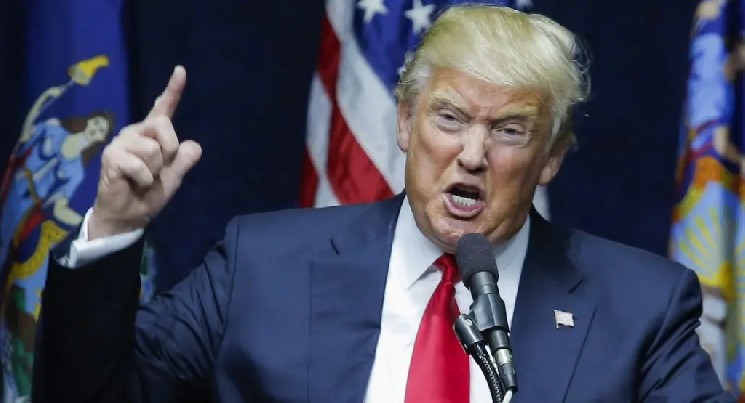
The GENIUS Act, signed into law by President Trump in July, is designed to set a regulatory framework for dollar-backed digital tokens, commonly known as stablecoins. A key element of this legislation is a provision that prevents stablecoin issuers from offering “any form of interest or yield.”

However, this provision has ignited a contentious debate between the crypto and banking sectors regarding its extent and the necessity for any amendments.

Summer Mersinger, CEO of the Blockchain Association, addressed these concerns in comments to The Hill. “Reopening the issue before we have even started rulemaking just doesn’t make sense,” she stated, emphasizing the importance of maintaining legislative certainty.

She argued that if Congress can revisit a bill immediately after it has been enacted, it raises questions about the law’s reliability for the marketplace.

The banking industry contends that the prohibition on interest should also apply to other entities that provide rewards to holders of stablecoins. They describe this stance as a crucial measure to address what they view as a “loophole,” asserting that it undermines the original intent aimed at stabilizing the financial ecosystem.

In contrast, the cryptocurrency sector maintains that the existing law strikes a careful balance that enables stablecoins to remain competitive in the payment services market. The letter from industry leaders outlines this perspective, stating:

Congress prohibited stablecoin issuers from paying interest or yield to those holding stablecoins while intentionally preserving the ability of platforms, intermediaries, and other third parties to offer lawful rewards or incentives to consumers.

Crypto Industry Challenges Banking Sector Claims

At the heart of the debate are concerns from banks about potential deposit outflows. Financial institutions fear that allowing rewards could incentivize individuals to shift funds into stablecoins, thereby reducing the amount of capital available for lending.

In response to these concerns, the crypto industry has cited an analysis from Charles River Associates, which found no significant correlation between the adoption of stablecoins and levels of deposits at community banks.

Furthermore, they pointed out that it seems contradictory to claim that banks are truly constrained by deposits when approximately $2.9 trillion in bank reserves are currently earning interest at the Federal Reserve (Fed) rather than being utilized for loans.

The industry’s letter challenges the banking sector’s position, stating, “Opposition to stablecoin rewards reflects protection of incumbent revenue models, not safety and soundness concerns.”

Democrats believe that it is possible to find a balanced approach, stating, “Congress can find solutions to this issue that protect the banking system while still permitting rewards and incentives.”

The daily chart shows the continuous drop of the total crypto market cap. Source: TOTAL on TradingView.com

Featured image from DALL-E, chart from TradingView.com

Domande pertinenti

QWhat is the main concern of the crypto industry regarding the GENIUS Act?

AThe crypto industry is opposing a specific provision in the GENIUS Act that prevents stablecoin issuers from offering 'any form of interest or yield' and is challenging a proposed reinterpretation that would extend this ban to platforms and third parties offering rewards.

QWhich major organizations are backing the letter of opposition to the Senate Banking Committee?

AThe letter is backed by the Bitcoin Policy Institute, the Crypto Council for Innovation, the DeFi Education Fund, the Solana Policy Institute, the Digital Chamber, as well as major firms like a16z Crypto, Coinbase, Gemini, Kraken, and Ripple.

QWhat argument does the banking industry use to support extending the interest ban to third parties?

AThe banking industry argues that allowing other entities to provide stablecoin rewards creates a 'loophole' that undermines the law's original intent to stabilize the financial ecosystem and could lead to deposit outflows from banks.

QHow does the crypto industry counter the banks' concern about deposit outflows?

AThe crypto industry cites an analysis from Charles River Associates that found no significant correlation between stablecoin adoption and community bank deposit levels, and points out that banks currently have trillions in reserves earning interest at the Fed rather than being loaned out.

QWhat is the stance of Democrats on this issue according to the article?

ADemocrats believe that Congress can find a balanced solution that protects the banking system while still permitting rewards and incentives for stablecoin holders.

Letture associate

Cook's Curtain Call and Ternus Takes the Helm: The Disruption and Reboot of Apple's 4 Trillion Dollar Empire

Tim Cook has officially announced he will step down as CEO of Apple in September, transitioning to executive chairman after a 15-year tenure during which he grew the company’s market value from around $350 billion to nearly $4 trillion. He will be succeeded by John Ternus, a 50-year-old hardware engineering veteran who has been groomed for the role through increasing public visibility and internal responsibility. Ternus’s appointment signals a strategic shift toward hardware and engineering leadership, with Johny Srouji—head of Apple Silicon—taking on an expanded role as Chief Hardware Officer. This consolidation aims to strengthen Apple’s core technological capabilities. However, Cook’s departure highlights a significant unresolved issue: Apple’s delayed and fragmented approach to artificial intelligence. Despite early efforts, such as hiring John Giannandrea from Google in 2018, Apple’s AI initiatives—particularly around Siri—have struggled with internal restructuring and reliance on external partnerships, including with Google. The transition comes at a critical moment as Apple faces paradigm shifts with the rise of artificial general intelligence (ASI). The company’s closed ecosystem of hardware, software, and services—once a major advantage—now presents challenges in adapting to an AI-centric world where intelligence may matter more than the device itself. Ternus must quickly articulate a clear AI strategy, possibly starting at WWDC, to reassure markets and redefine Apple’s role in a new technological era. His task is not only to maintain Apple’s operational excellence but also to reinvigorate its capacity to innovate and lead in the age of AI.

marsbit50 min fa

Cook's Curtain Call and Ternus Takes the Helm: The Disruption and Reboot of Apple's 4 Trillion Dollar Empire

marsbit50 min fa

Trading

Spot
Futures
活动图片