Original | Odaily Planet Daily (@OdailyChina)
Author | Azuma (@azuma_eth)
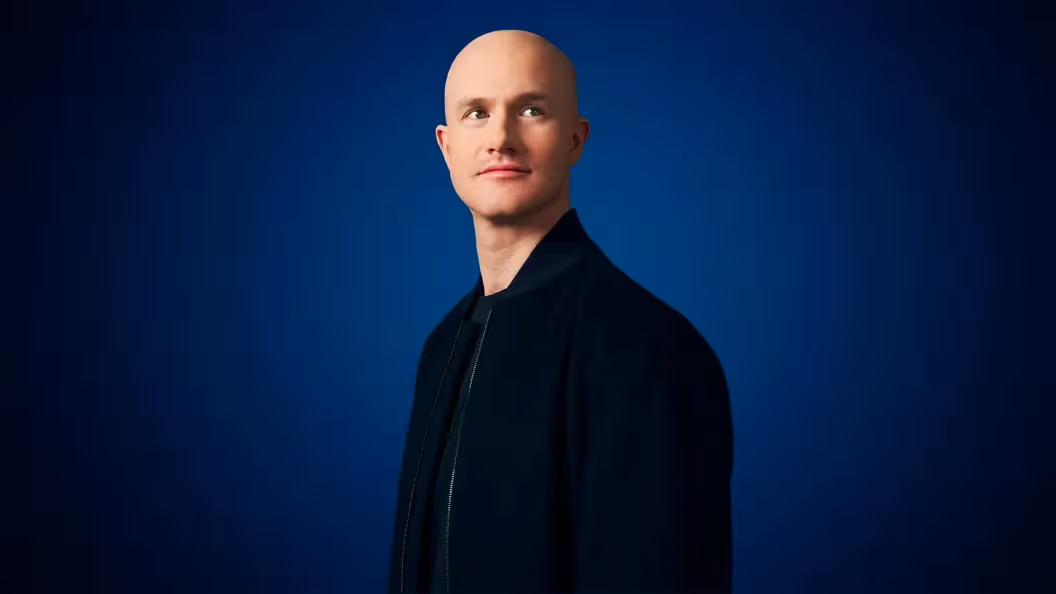
At 3 AM Beijing time on June 3, longevity tech startup NewLimit announced the completion of a $435 million Series C funding round. This round was led by Founders Fund, the fund under Peter Thiel, with continued participation from Abstract Ventures, Kleiner Perkins, NFDG, Eli Lilly Ventures, Valor Equity Partners, among others. New investors including Thrive Capital, Greenoaks, and Quiet Capital also joined this round.
WSJ reported that NewLimit's valuation in this round reached $3.1 billion, more than tripling its valuation from a year ago.
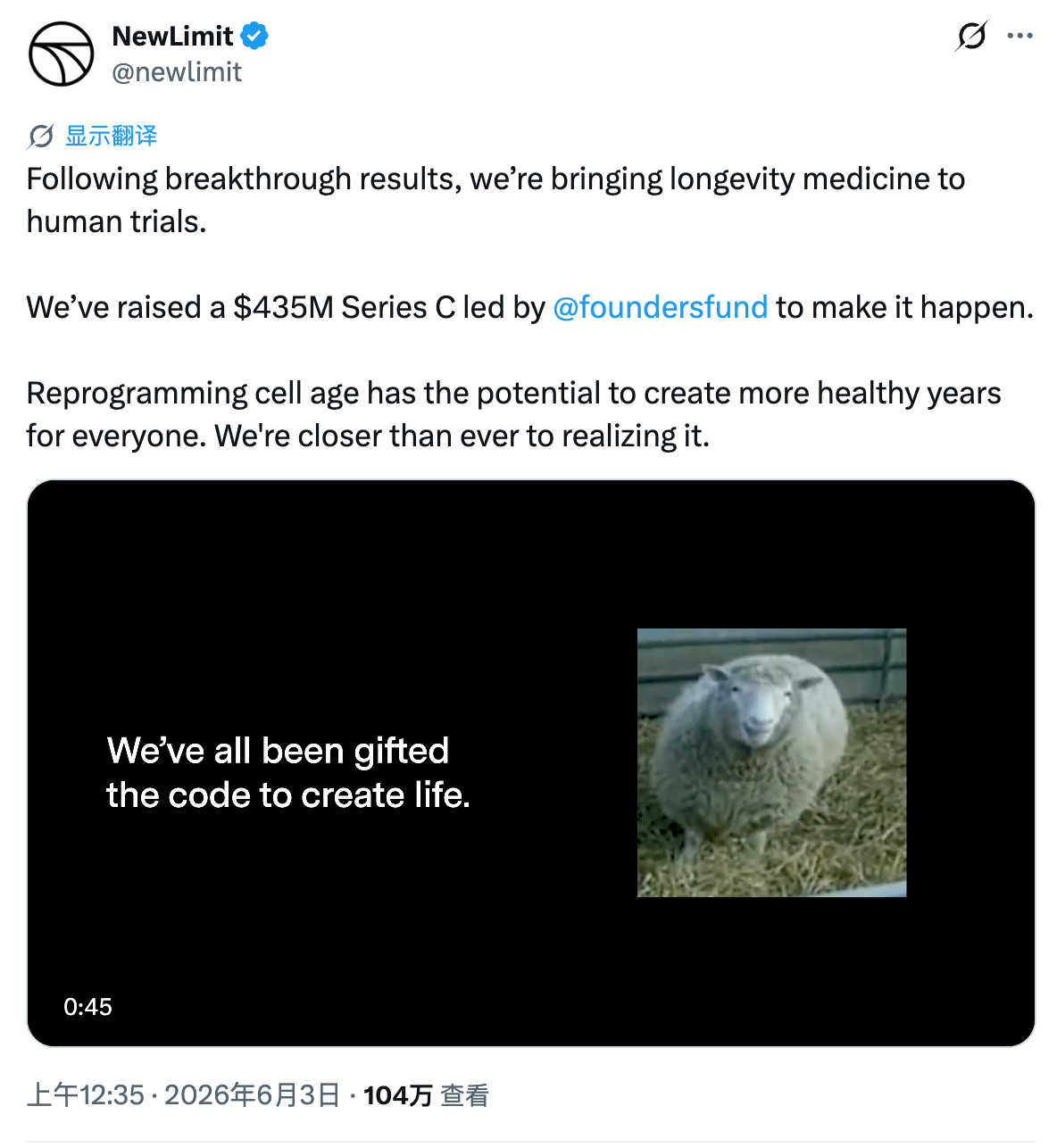
In the funding announcement, NewLimit revealed that following breakthrough research achievements, the company is advancing longevity medicine to the stage of human clinical trials. Its first drug targeting alcohol-associated liver disease is expected to commence clinical trials next year.
NewLimit further emphasized: "By reprogramming cell age, humans have the potential to achieve longer healthspans. Now, humanity is closer than ever to the goal of 'slowing down or even reversing aging.'"
The Founder is an Old Acquaintance
It's worth noting that NewLimit's co-founder is none other than a familiar name – Brian Armstrong, the founder and CEO of Coinbase.
In 2021, Brian Armstrong, alongside former GV partner and bioengineer Blake Byers, and stem cell biologist Jacob Kimmel, jointly invested $110 million to establish NewLimit in the southern part of San Francisco.
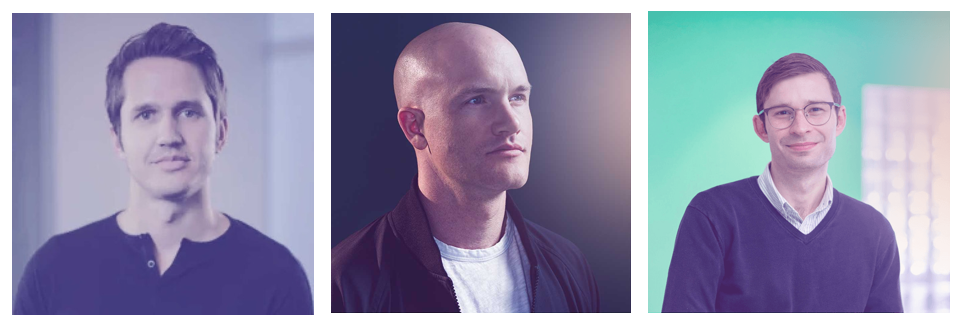
Photo: NewLimit founding team
Prior to this Series C round, NewLimit had completed three rounds of funding, detailed as follows.
- Completed a $40 million Series A round in May 2023, with investors including Dimension, Founders Fund, and Kleiner Perkins;
- Completed a $130 million Series B round in May 2025, valuing the company at $810 million, led by Kleiner Perkins with participation from Founders Fund, Khosla Ventures, and Human Capital, among others;
- Secured an additional $45 million in funding in October 2025, bringing the post-money valuation to $1.62 billion, with investors including Lilly Ventures, Duke University, Section 32, etc.;
According to NewLimit's official introduction, the company is committed to developing drugs that extend people's healthspan – "As we age, our cells' functions gradually decline, making us more susceptible to disease. It was once thought that aging was inevitable, but emerging science suggests the aging process can be reversed at the cellular level. We are developing the first drugs based on these discoveries to restore youthful function to aged cells."
In simpler terms, NewLimit is researching immortality using scientific methods!
Reversing Aging is Not a Fantasy
Over the past few decades, the scientific community has long recognized the connection between aging and cellular functional decline but couldn't find precise methods to make cells 'rejuvenate'. The turning point came in 2006 when Japanese scientist Shinya Yamanaka discovered that activating just a few specific transcription factors could reprogram adult cells into a younger state similar to embryonic stem cells. This discovery was later named "Yamanaka Factors" and earned him the 2012 Nobel Prize in Physiology or Medicine.
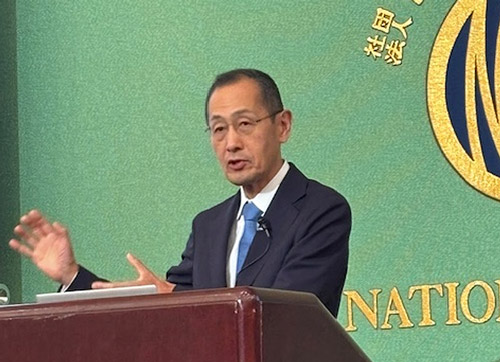
Odaily Note: Photo of Shinya Yamanaka speaking in Tokyo
Yamanaka's research first proved something previously thought impossible – that cellular age is not irreversible. The story NewLimit is telling is built precisely upon this discovery.
NewLimit writes on its website: "Our drugs work by reprogramming a cell's epigenome to a more youthful state by activating specific transcription factor genes. We already know this reversal is possible. But for different types of cells, exactly which combination of transcription factors is needed to restore their youthful function remains unknown. The core challenge of our work is finding and discovering these effective gene payloads."
NewLimit's strategy is to first target a specific disease to secure drug approval, then explore broader applications. As mentioned earlier, NewLimit is advancing a drug for alcohol-associated liver disease into clinical trials.
Jacob Kimmel, co-founder and CEO of NewLimit, further explained this: Liver disease can essentially be viewed as a form of 'accelerated aging,' where the aging process everyone experiences manifests faster and more severely.
The Biggest Investors in This Sector Are All Billionaires
NewLimit is not the only tech company currently targeting "immortality."
In 2022, Sam Altman invested $180 million in Retro Biosciences, which is developing drugs to rejuvenate aging cells and revealed last month its valuation had reached $1.8 billion.
Additionally, Altos Labs, reportedly backed by Jeff Bezos's funding, launched in 2022 with $3 billion and has since raised nearly twice that amount cumulatively.
It's not hard to see that from Peter Thiel to Sam Altman, to Jeff Bezos, the biggest investors in this sector are invariably super-wealthy individuals at the pinnacle of the tech and wealth pyramid. Peter Thiel has publicly expressed extreme aversion to death, stating views like: "Death is humanity's greatest enemy, yet we treat it as a natural law..."
The logic behind these tech tycoons' willingness to invest hundreds of millions of dollars isn't hard to understand – when wealth and power reach their peak, time becomes the only enemy, the one luxury that cannot be directly purchased with money.
Having made enough money, "how to live longer" becomes the ultimate quest.