Coinbase Escalates Regulatory Fight With Lawsuit Against 3 States

bitcoinistPubblicato 2025-12-20Pubblicato ultima volta 2025-12-20

Introduzione

Coinbase has filed lawsuits against Michigan, Illinois, and Connecticut in federal court, seeking to prevent state regulators from treating prediction markets as illegal gambling. The company argues that these markets are derivatives regulated by the CFTC under federal law, not by state gaming authorities. The legal action aims to avoid a patchwork of state rules that could block federally approved products. The move follows state-level actions, including cease-and-desist orders against platforms like Kalshi. Coinbase plans to launch prediction market trading in partnership with Kalshi in January 2026, making a federal ruling urgent. The outcome could determine whether such markets are regulated nationally or on a state-by-state basis, impacting innovation and market access.

Coinbase Global Inc. has sued the states of Michigan, Illinois, and Connecticut in federal court, asking judges to stop state regulators from treating prediction markets as illegal gambling. The exchange says those matters should be regulated by the federal Commodity Futures Trading Commission (CFTC), not by state gaming authorities.

According to Coinbase, prediction market contracts are derivatives that fall under the Commodity Exchange Act, and Congress gave the CFTC the power to police those markets.

The company is seeking declaratory and injunctive relief to prevent what it calls a patchwork of state rules that could bar federally approved products from reaching consumers. Paul Grewal, Coinbase’s chief legal officer, has pushed that argument publicly.

Why States Stepped In

Reports have disclosed that some states have already acted. Connecticut’s regulators issued cease-and-desist orders to platforms such as Kalshi, Robinhood, and Crypto.com, saying certain event contracts look like unlicensed sports betting under state law. Those actions helped trigger the wider legal fight as firms say they operate under federal rules.

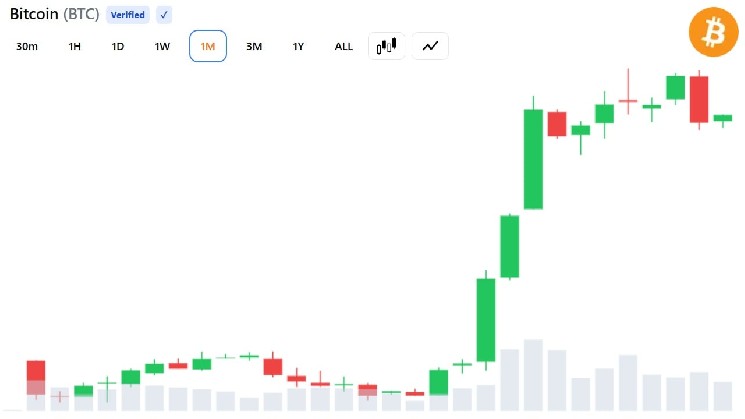
BTCUSD now trading at $87,618. Chart: TradingView

Coinbase is not only arguing in court. The exchange plans to offer event-contract trading to US users through a partnership with Kalshi, a CFTC-regulated platform, with a rollout targeted for January 2026. That timetable is one reason Coinbase says it needs a clear federal ruling now, to avoid being blocked in some states after launching.

Market Reaction And Context

The move comes amid a broader tug-of-war over whether prediction markets are financial products or gambling. Kalshi has faced similar fights in several states, and courts have issued mixed rulings so far. Market watchers say the outcome here could decide whether federally approved event contracts are available nationwide or must be treated state-by-state.

The litigation also landed in investors’ view. Coinbase’s shares fell more than 10% at one point on the same day the suits were filed, though trading moves were also tied to wider swings in crypto prices. Reports link the stock change to both the news and underlying market trends.

If federal judges back Coinbase, the ruling could reinforce CFTC authority and make it easier for platforms regulated at the federal level to operate across state lines. If judges side with the states, companies may face licensing needs in multiple places or be forced to restrict certain contracts in some jurisdictions.

Featured image from Coinbase, chart from TradingView

Domande pertinenti

QWhat is the main legal argument Coinbase is making in its lawsuit against Michigan, Illinois, and Connecticut?

ACoinbase argues that prediction market contracts are derivatives that fall under the Commodity Exchange Act and should be regulated by the federal Commodity Futures Trading Commission (CFTC), not by state gaming authorities.

QWhich specific action by state regulators helped trigger this wider legal fight?

AConnecticut’s regulators issued cease-and-desist orders to platforms such as Kalshi, Robinhood, and Crypto.com, stating that certain event contracts resembled unlicensed sports betting under state law.

QWhat practical step is Coinbase taking to offer prediction market trading to US users, and when is it planned?

ACoinbase plans to offer event-contract trading to US users through a partnership with the CFTC-regulated platform Kalshi, with a rollout targeted for January 2026.

QWhat was the market reaction to the news of Coinbase filing these lawsuits?

ACoinbase’s shares fell more than 10% at one point on the same day the suits were filed, though the trading moves were also tied to wider swings in crypto prices.

QWhat are the two potential outcomes of this legal battle, as described in the article?

AIf federal judges back Coinbase, it could reinforce CFTC authority and allow federally regulated platforms to operate across state lines. If judges side with the states, companies may face licensing needs in multiple jurisdictions or be forced to restrict certain contracts.

Letture associate

Can Iran 'Control' the Strait of Hormuz?

Iran has announced a comprehensive plan to assert control over the strategic Strait of Hormuz, a critical global oil shipping chokepoint. The proposed measures include requiring all vessels to obtain Iranian permission for passage, imposing fees for security, environmental protection, and navigation management—preferably paid in Iranian rials—and absolutely banning Israeli ships. Vessels from countries deemed hostile by Iran’s top security bodies may also be barred. Analysts suggest Iran’s motives are multifaceted: increasing pressure on the U.S. and Israel by leveraging control over oil transit to influence global prices and inflation; creating a new revenue stream, potentially exceeding $7.7 billion annually, to counter Western sanctions and support postwar reconstruction; and using transit permissions as bargaining chips in future negotiations, notably with the U.S. However, the plan faces significant practical and diplomatic challenges. Enforcing comprehensive interception and fee collection in the busy waterway, patrolled by international military forces, would be difficult. The U.S. has already countering with a blockade of Iranian ports and threats to intercept any ship paying fees, potentially strangling Iran’s oil exports and fee revenue. Broad international opposition, led by European and Gulf states, and legal controversies further complicate implementation. The proposal may ultimately serve more as a negotiating tactic than a feasible policy, with its execution remaining highly uncertain.

marsbit2 min fa

Can Iran 'Control' the Strait of Hormuz?

marsbit2 min fa

Trading

Spot
Futures
活动图片