Bitcoin ($BTC), the leading crypto asset by market capitalization, surpassed the $126,000 mark in early October before beginning a prolonged decline. By August, it was primarily trading in the range of $63,000 to $65,400, inflicting significant losses on buyers who entered the market near the peak, yet resulting in a bear market that, by Bitcoin's historical standards, remains unusually shallow.
Previous major declines typically led to losses of more than 75–80% of Bitcoin's value compared to its all-time high (ATH). For many market veterans, this bear market still seems like a lightweight.
War and Oil Could Not Break Bitcoin
In 2026, few assets found themselves in favorable macroeconomic conditions. From late February, tensions escalated between the US and Iran, and attacks on vessels in the Strait of Hormuz repeatedly shook energy markets. Oil price spikes revived inflation fears and increased the likelihood that central banks might maintain tighter monetary policies for longer.
Bitcoin reacted to these events but rarely with the panic characteristic of previous cycles. Geopolitical news triggered sell-offs, yet declines generally stabilized, not escalating into uncontrolled liquidation cascades. This is significant as it indicates the market is becoming increasingly capable of absorbing shocks, and not every negative headline turns into a crisis.
Strategy Shifts: From Buyer to Seller
Another significant psychological blow was delivered by Strategy. Michael Saylor's company had built its reputation over years on relentless Bitcoin accumulation, making its balance sheet one of the most noticeable sources of corporate demand in the market.
The situation changed in 2026. Strategy began selectively selling Bitcoin to strengthen its cash reserves and meet obligations related to preferred shares, as well as to repurchase them. Last week, the company sold an additional 1,690 $BTC at an average price of $64,262, reducing its holdings to approximately 840,447 $BTC.
Institutional demand also weakened. US spot Bitcoin Exchange-Traded Funds (ETFs) experienced a prolonged period of share redemptions, including eight consecutive weeks of outflows exceeding $8 billion. However, by the end of last week's trading session, approximately $853 million returned to these products, marking the first sign of a potential easing in institutional selling pressure.
Bitcoin Faced Internal Shocks As Well
Not all pressure came from Wall Street or geopolitics. For weeks, Bitcoin grappled with BIP-110 — a controversial proposal concerning non-financial blockchain data. When the voting period arrived, the alternative chain, supported by a minority, managed to generate only two blocks before falling significantly behind the dominant Bitcoin network. The alternative chain stalled, and its supporters are now planning an algorithm change. Meanwhile, the Bitcoin community has already moved on from this uneventful occurrence to other matters.
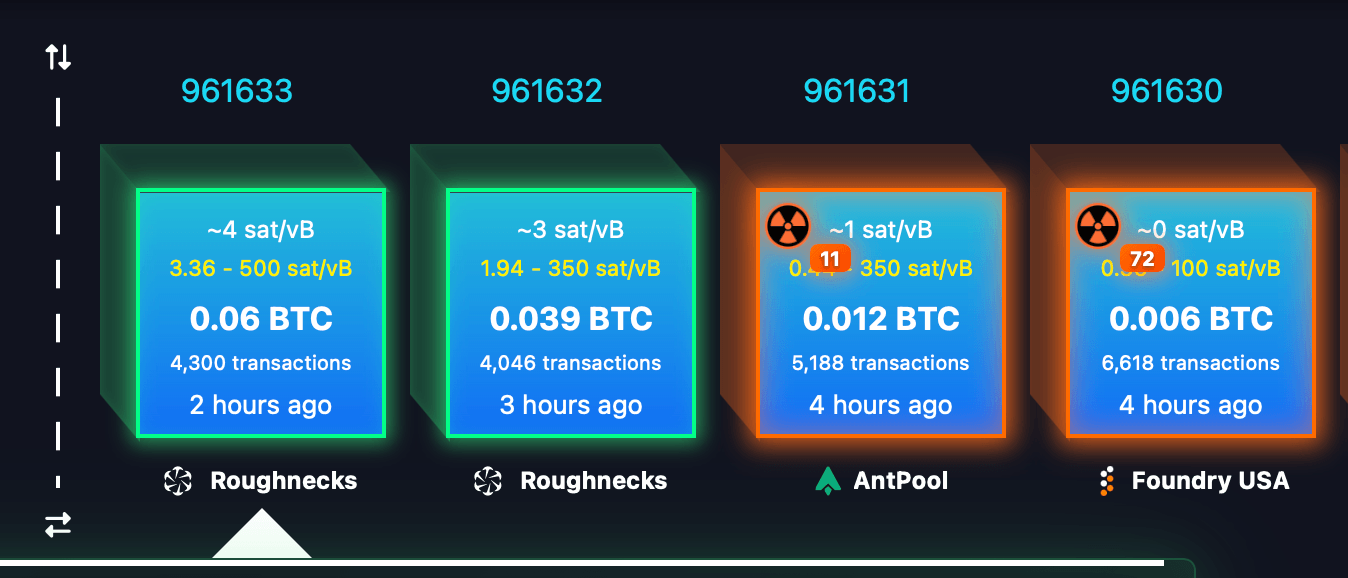
Miners had another reason to sell. Falling Bitcoin prices, deteriorating mining economics, and pressure from the energy sector pushed publicly traded companies to sell part of their holdings while simultaneously refocusing infrastructure on artificial intelligence (AI) and high-performance computing (HPC). This shift weakened one of the traditional sources of Bitcoin accumulation while providing miners with another way to monetize expensive electricity and data center infrastructure.
Security issues delivered perhaps the heaviest blow. According to a source report, a hack of the Coldcard hardware wallet led to the theft of an estimated over 2,000 $BTC from thousands of addresses after attackers exploited a firmware vulnerability dating back to 2021. This incident undermined confidence in self-custody, while the crypto industry as a whole continued to battle hundreds of hacks and vulnerabilities.
Even longer-term threats entered the discussion. Advances in quantum computing revived questions about whether future machines could eventually threaten the cryptography protecting some Bitcoins. Such computers are currently incapable of breaking Bitcoin, but shortened timelines regarding when this risk might materialize intensified pressure for long-term technical preparation.
The $60,000 "Wall" Refuses to Fall
Considered individually, none of these events constitutes a substantial threat. However, together they represent a harsh stress test for a market that had already lost nearly 50%. And this is perhaps the more important news. Bitcoin continues to trade above the $60,000 mark despite corporate selling, ETF outflows, mining company liquidations, geopolitical shocks, internal community conflicts, and security breaches.

Deeper liquidity, regulated investment products, long-term holders, and a more developed market structure seem to be helping absorb supply that once might have triggered a much sharper crash. This resilience does not mean a bottom is in. Another oil shock, deteriorating economic conditions, a resumption of institutional outflows, or the emergence of new major sellers could send Bitcoin into the $50,000 range.
For now, however, a 49% decline, which on most markets would be considered sharp, looks relatively restrained against Bitcoin's own market history. The remaining months of 2026 will show whether the $60,000 mark is a durable bottom or just the market's next important line of defense.
end-content