Artemis Crypto Payment Card Report: $18 Billion Market Size, The Silent Explosion of Crypto Payments

marsbitPubblicato 2026-01-21Pubblicato ultima volta 2026-01-21

Introduzione

Artemis Research reveals that the crypto payments card market has grown into a $18 billion industry, with monthly transaction volumes increasing 15-fold since early 2023. The report breaks down the crypto card stack into three layers: Networks (Visa and Mastercard), Issuers & Program Managers (e.g., Baanx, Bridge), and Consumer Apps (wallets and exchanges like MetaMask and Phantom). Visa dominates with over 90% of on-chain card transaction volume, largely due to early infrastructure partnerships. A key structural shift is the rise of full-stack issuers like Rain and Reap, which now issue cards and settle directly as Visa Principal Members—bypassing sponsor banks for greater control and better economics. Geographic usage varies: In India, crypto cards serve as collateralized credit solutions, while in Argentina, they function as inflation-hedged stablecoin debit cards. In developed markets, crypto cards target high-value users who hold significant stablecoin balances and seek to spend them. The report concludes that as stablecoin adoption grows, crypto cards will scale accordingly, acting as essential infrastructure for bringing digital dollars into the real economy.

Author: Artemis

Compiled by: Deep Tide TechFlow

Deep Tide Guide:

Crypto payments are undergoing a silent "great power shift." The latest research from Artemis shows that the crypto card market has surged from the fringes in early 2023 to a massive $18 billion annualized size, with monthly transaction volume increasing 15-fold in just two years.

This article deconstructs the three layers of the crypto payment stack and reveals a surprising figure: Visa accounts for over 90% of on-chain card transaction volume. More importantly, the industry is experiencing a structural shift towards "full-stack issuance." Companies like Rain and Reap are bypassing traditional banks by connecting directly to Visa, completely rewriting the economic model. From crypto-collateralized credit in India to daily stablecoin payments in Argentina, crypto cards are becoming key infrastructure for bringing digital dollars into the real world.

Full text as follows:

Big news: We just released the industry's most detailed research report on Crypto Cards.

Not because it's a niche market, but because it has quietly grown into an $18 billion market. In early 2023, monthly transaction volume for crypto cards was only around $100 million. Today, that number has exceeded $1.5 billion.

To do this, we spent weeks digging deep into the data, the infrastructure, and the companies actually building this stack. Here are our key findings:
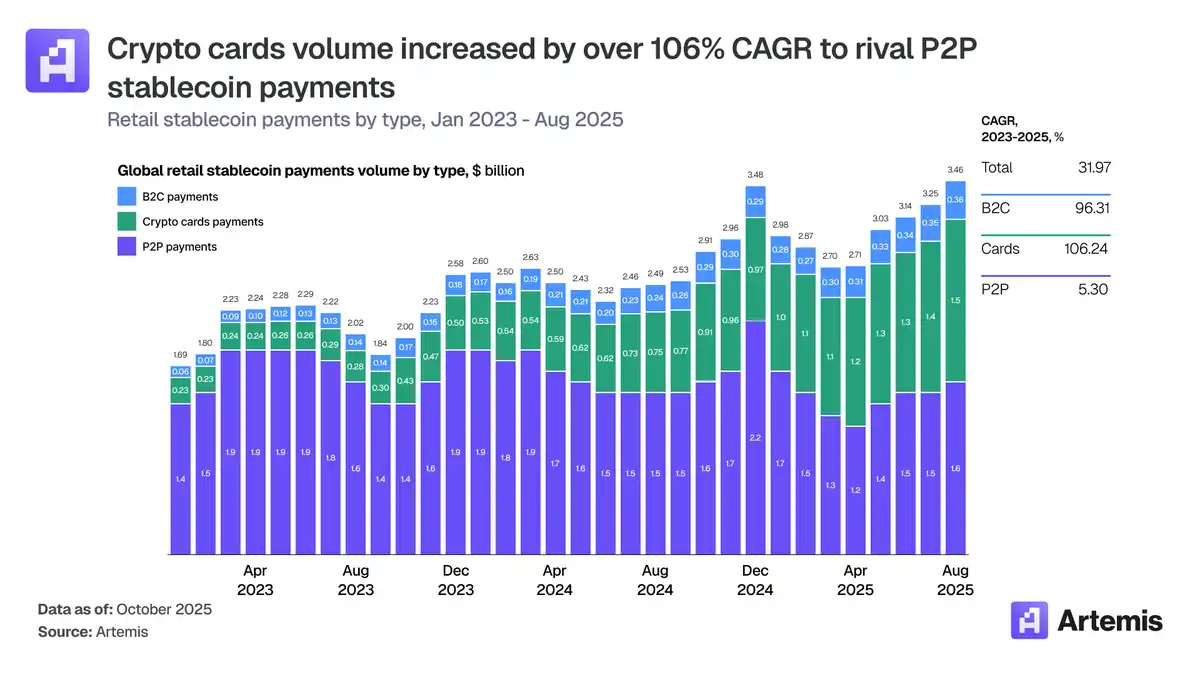
First, let's look at what's actually happening. Crypto cards aren't about replacing Visa or Mastercard; they're about leveraging them.

Stablecoins fund the transactions, and Cards provide the merchant acceptance environment.
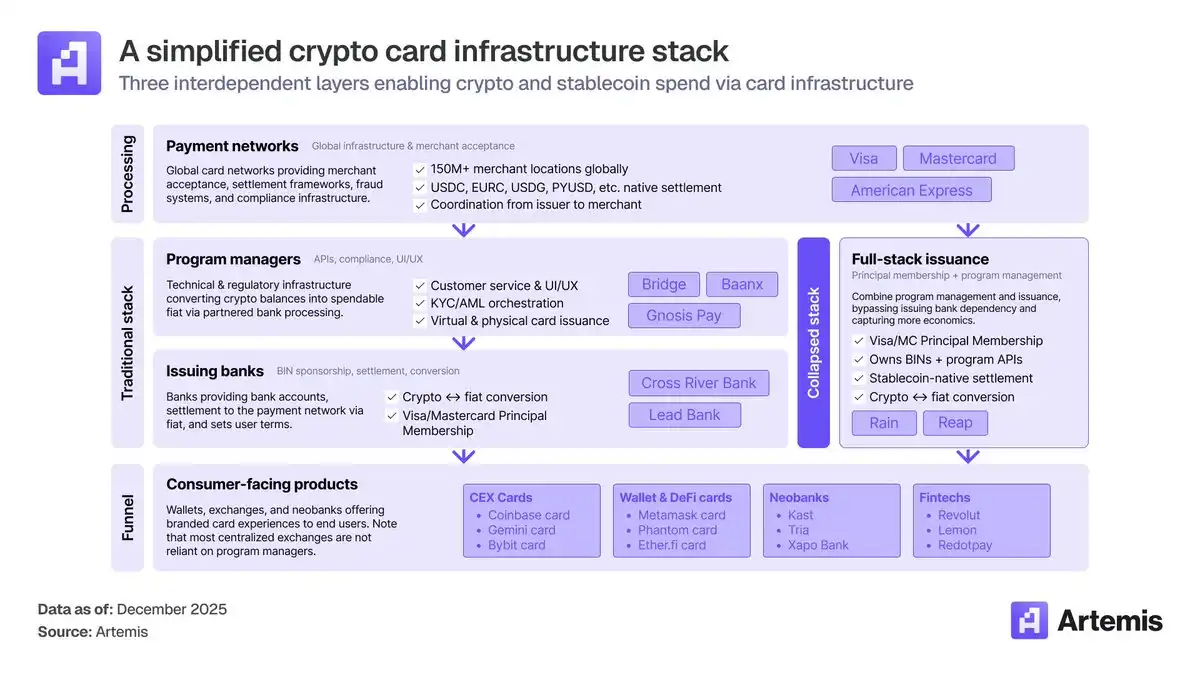
The stack is divided into 3 layers:

  • Network Layer: Visa, Mastercard
  • Issuers & Program Managers Layer: Baanx, Bridge, etc.
  • Consumer Apps Layer: Wallets, Exchanges (e.g., MetaMask, Phantom)

This is precisely where the power struggle is most intense.
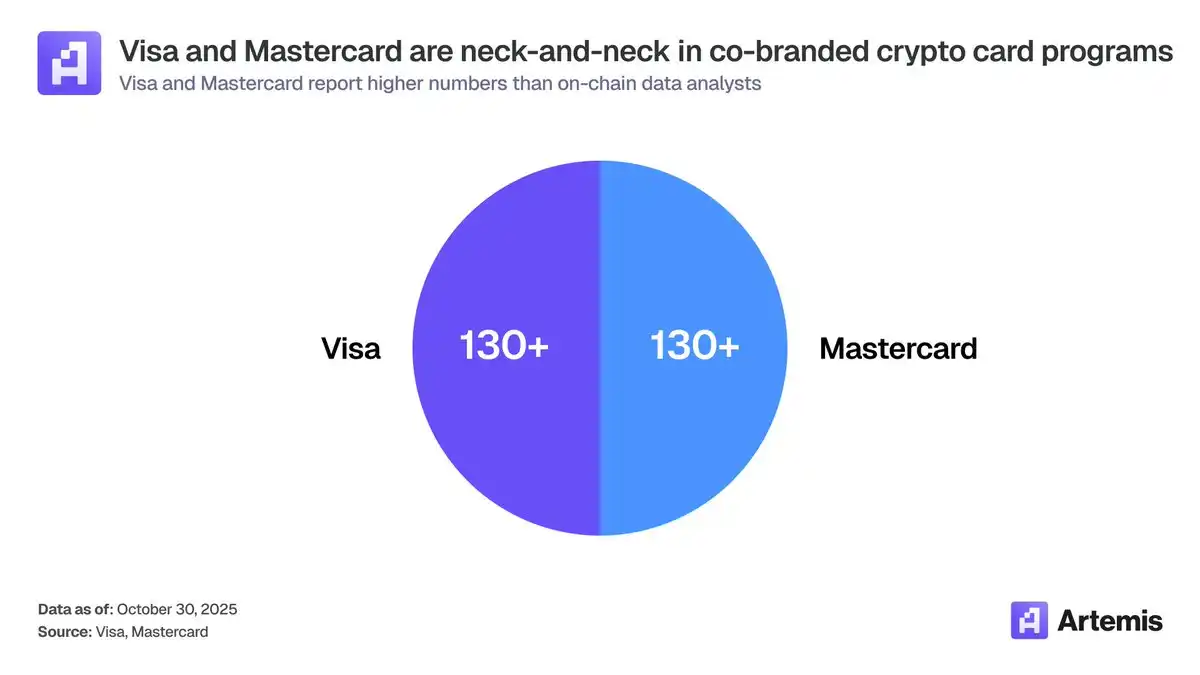
Although both Visa and Mastercard each have over 130 crypto partnerships...

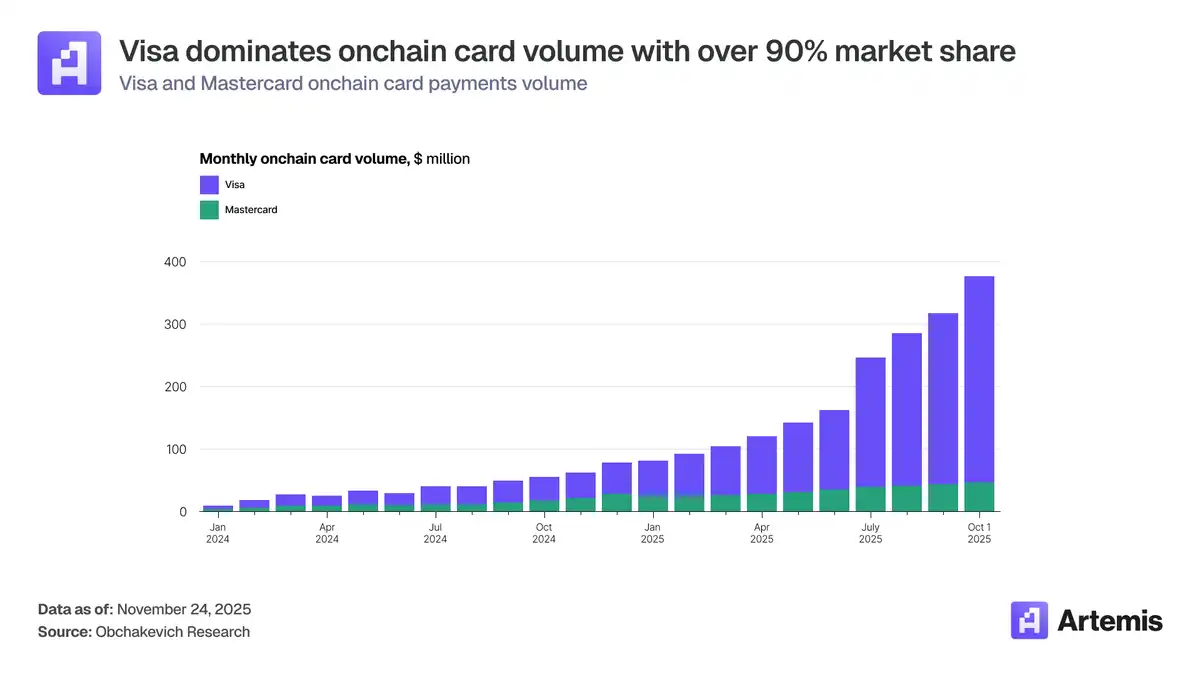
Visa accounts for over 90% of on-chain card transaction volume. The reason lies in its early and deep partnerships with the Infrastructure Layer.
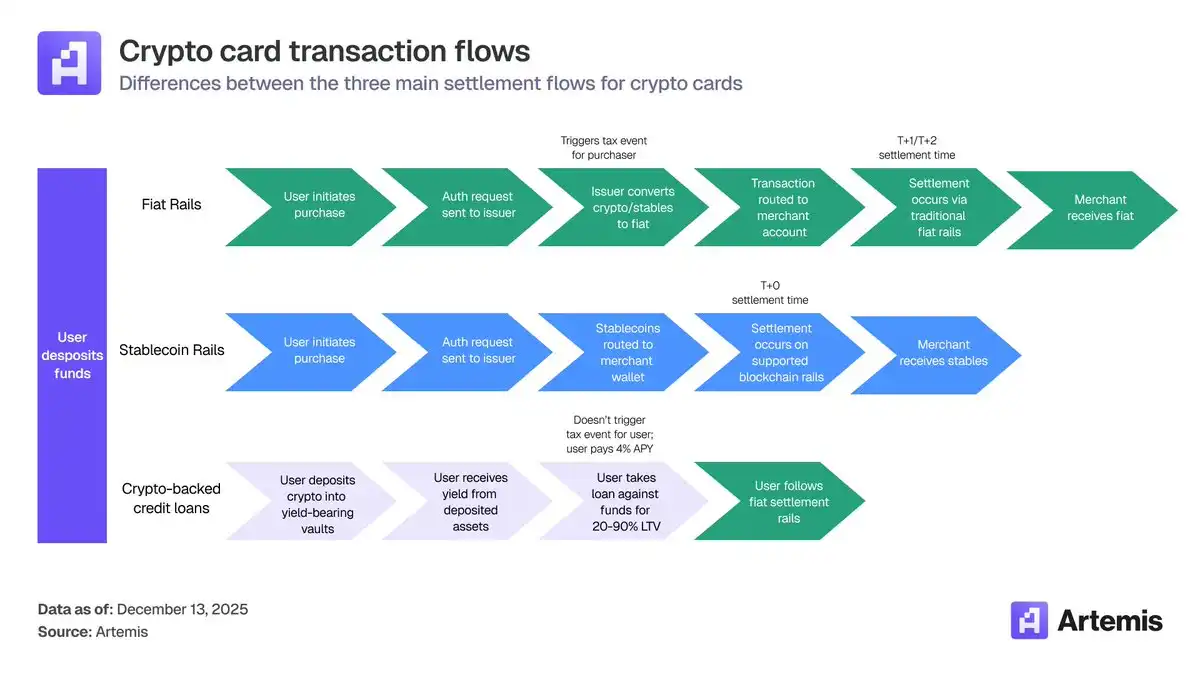
The biggest structural shift: Full-stack issuers.

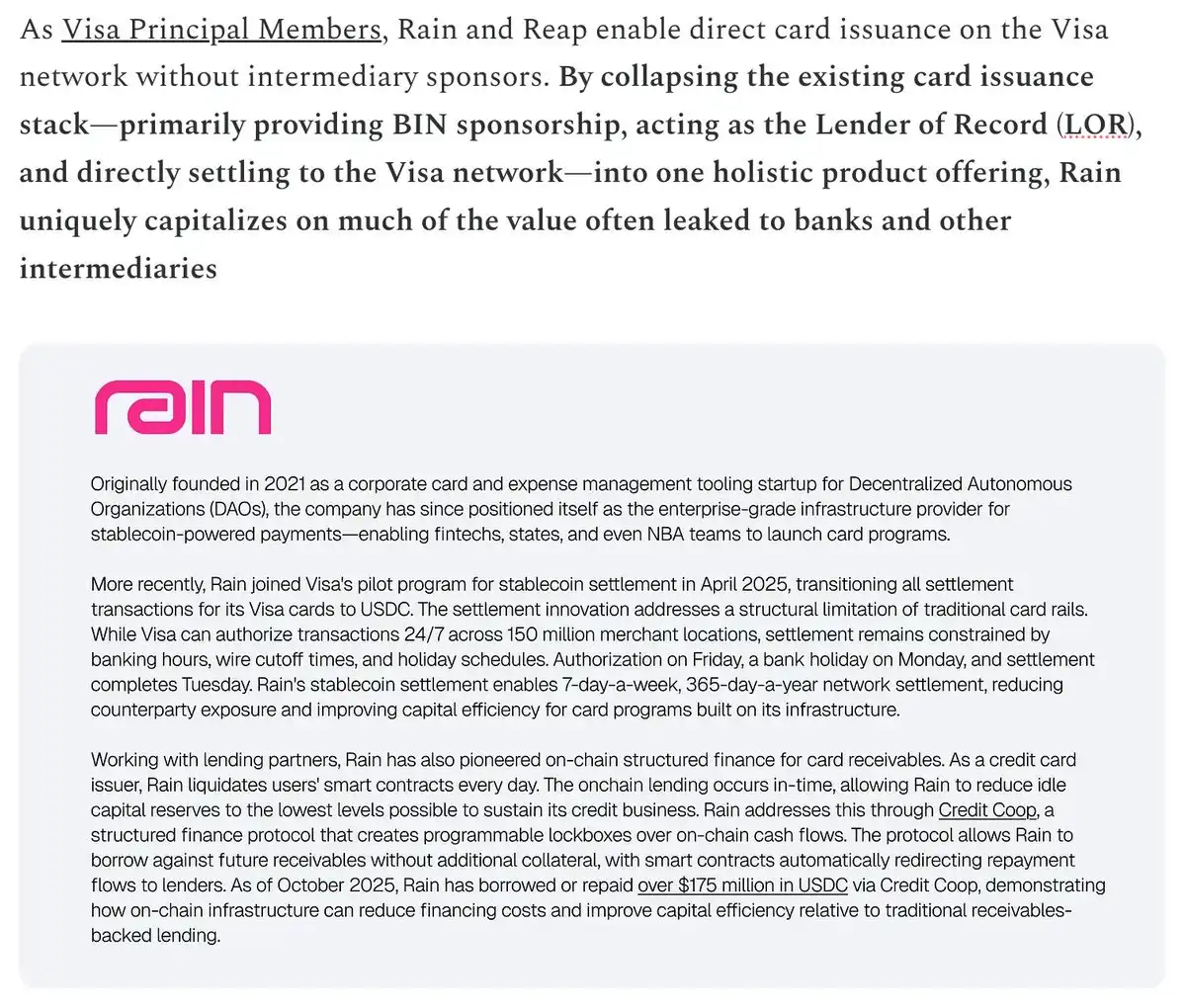
Companies like Rain and Reap can now issue cards and settle directly as Visa Principal Members.

No sponsor bank needed. More control. Better economics.
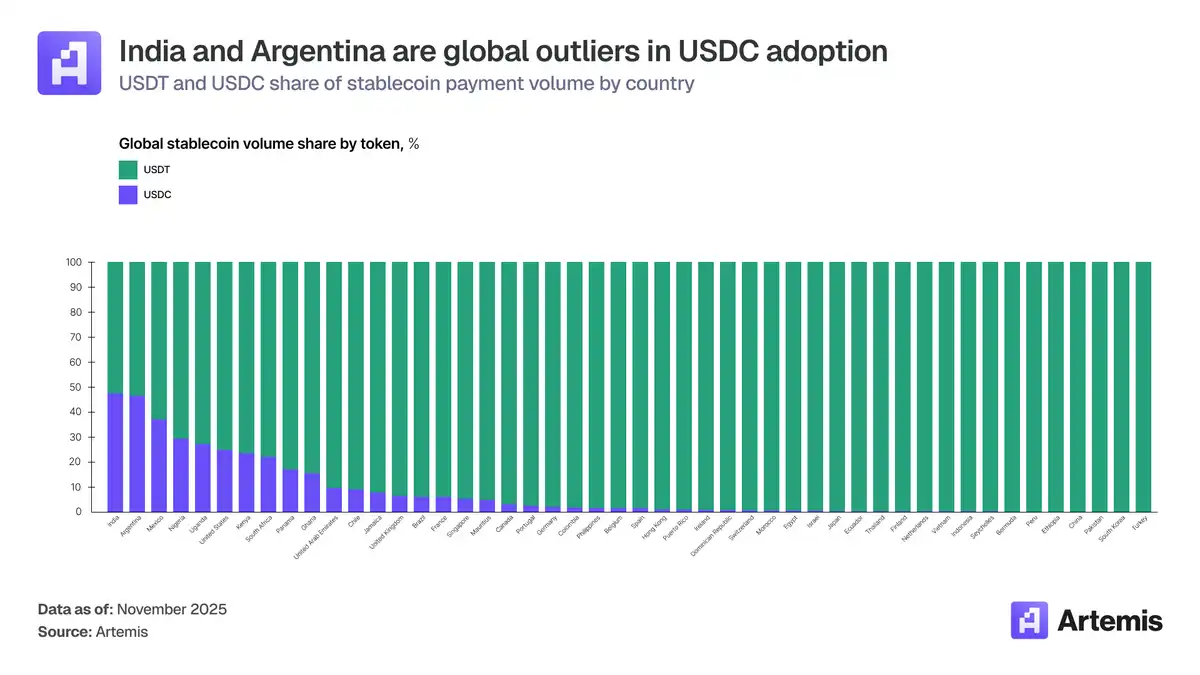
Geographic distribution reveals the real use cases. India: With $338 billion in cryptocurrency inflows. The opportunity here is crypto-collateralized credit (because UPI has already won in debit payments). Argentina: The practical application is stablecoin debit cards as an inflation hedge.
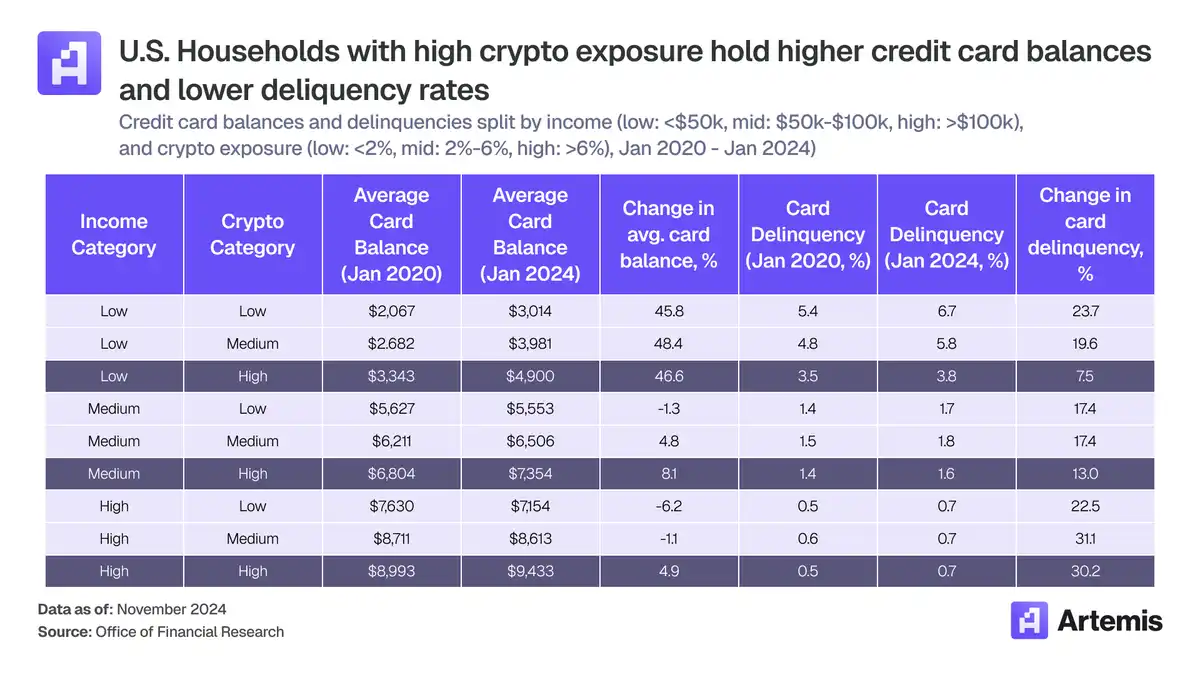
In developed markets, crypto cards don't solve a "critical need."

They target a new, high-value user base: those who already hold significant stablecoin balances and want to spend them.
Our view is simple: Stablecoins will continue to grow, and crypto cards will scale accordingly.

They are the infrastructure for bringing digital dollars into the real world.

This post is just the key highlights. Read the full report for the complete deep dive.
Letture associate

Three Consecutive Quarters of Decline: The Crypto Market is Experiencing Its Longest Ebb Since 2022

The cryptocurrency market experienced its third consecutive quarterly decline in Q2 2026, marking its longest downturn since 2022, according to a CoinGecko report. The total market capitalization fell 12.6% to $2.1 trillion, a retreat of roughly 52% from its October 2025 peak. Multiple indicators signal an orderly capital exit from the sector. For the first time since Q3 2023, the total stablecoin market cap shrank (-1.6% to $305.1B), indicating funds are leaving the ecosystem entirely, not just rotating to safer crypto assets. Trading volumes on centralized exchanges dropped 27.9%, while DeFi's Total Value Locked (TVL) plummeted 23.4%. Both Bitcoin (-14.2%) and Ethereum (-25.4%) underperformed traditional risk assets like equities in Q2, breaking from previous correlative narratives. Ethereum saw its first-ever three-quarter losing streak, with its market share falling to around 10%. A few areas saw growth. Prediction market volumes surged 48.7%, largely driven by sports betting. Hyperliquid's HYPE token entered the top 10 by market cap, and tokenized collectibles platforms grew, though primarily via gamified mechanics. Despite a ~9.8% Bitcoin rebound in July, historical trends suggest caution for August. The market, now ~49% below its 2025 high, is undergoing a measured retreat. Its recovery hinges on future Federal Reserve policy and the industry's ability to develop sustainable revenue streams beyond speculation.

marsbit6 min fa

Three Consecutive Quarters of Decline: The Crypto Market is Experiencing Its Longest Ebb Since 2022

marsbit6 min fa

Insurance Agent in Hong Kong Loses Over $3.3 Million Due to 'Romantic' Crypto Scam

An experienced Hong Kong insurance agent fell victim to a "romance scam" involving fake crypto investments, losing over HK$26 million (approximately US$3.3 million), according to local police. Authorities reported 25 similar cases of online romance-linked investment fraud in just one week in late July, with total losses nearing HK$70 million. The scam began when an acquaintance introduced the victim to a woman seeking insurance advice. The woman later connected him via WhatsApp to a man nicknamed "Uncle," who claimed to sell cars. Over time, "Uncle" built trust and an online romantic relationship with the victim. He then claimed to have successful investment experience and persuaded the victim to invest in cryptocurrencies, directing him to install a fake crypto investment platform app and introducing a person posing as the platform's owner to "help" manage a crypto wallet. Over roughly six months, the victim personally handed over more than HK$4 million in cash across various Hong Kong locations and transferred nearly HK$22 million to bank accounts provided by the scammers. Suspicion only arose when the fake app showed returns exceeding 800% and withdrawal attempts were blocked. Subsequently, both the "romantic partner" and the supposed expert cut off all contact. Police emphasized that even financially experienced individuals can be defrauded when scammers use emotional pressure and gradually build trust.

cryptonews.ru39 min fa

Insurance Agent in Hong Kong Loses Over $3.3 Million Due to 'Romantic' Crypto Scam

cryptonews.ru39 min fa

Trading

Spot
活动图片