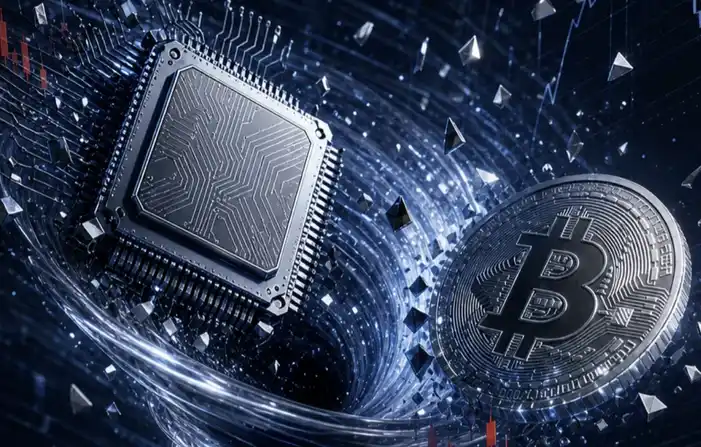
Anthropogenic Artificial Intelligence Breaks HAWK-256 in 60 Hours, Sparking Concerns Over Bitcoin

cryptonews.ruPubblicato 2026-07-30Pubblicato ultima volta 2026-07-30

Introduzione

An unpublished Anthropic AI model, Claude Mythos Preview, broke the post-quantum signature scheme HAWK-256 in about 60 hours at a cost of roughly $100,000. The AI uncovered a previously unknown symmetry in HAWK's design, reducing its security effectiveness by 50% and slashing the required work from ~2^64 to ~2^38 operations. The algorithm, a candidate in NIST's post-quantum cryptography evaluation, was subsequently withdrawn by its creators. This event does not pose an immediate threat to Bitcoin, as Bitcoin never used HAWK-256. Bitcoin currently relies on ECDSA and Schnorr signatures on the secp256k1 elliptic curve, which are unrelated. However, the incident significantly changes a key assumption in Bitcoin's post-quantum roadmap: AI is making the testing and potential breaking of complex cryptographic systems faster and more affordable. The development intensifies the debate on when Bitcoin should begin its transition to quantum-resistant cryptography. Proposals like BIP-360 (introducing P2QRH outputs using NIST-approved ML-DSA/SLH-DSA) and BIP-361 (phasing out ECDSA) are already in motion, having bypassed HAWK. The core challenge is whether AI-assisted cryptanalysis could compromise these intended replacement algorithms before the network completes its migration. Analysts warn that AI is accelerating cryptanalysis, compressing security timelines. Combined with quantum computing advances, this underscores the urgency for Bitcoin's transition. Reports estimate roughly 6.7...

An unreleased anthropogenic AI model broke a post-quantum signature scheme in roughly 60 hours, raising anew a question Bitcoin developers have yet to answer: when should the network begin transitioning to quantum-resistant cryptography?

The findings pose no immediate threat to Bitcoin. HAWK-256 has never been used on the network, and no existing wallets are affected. But it changes an important assumption underlying Bitcoin's post-quantum roadmap: artificial intelligence is making testing and potentially breaking complex cryptographic systems faster and cheaper.

What Mythos Did to Hawk and What It Cost

On July 28, Anthropic announced that its Claude Mythos Preview model, available to a select group of approved users, discovered an attack on HAWK-256, the final candidate for a lattice-based signature still under evaluation in NIST's third round of post-quantum cryptography, which had not been previously documented.

The AI uncovered a hidden symmetry in HAWK's design that experts had overlooked, leading to a security reduction that cut the algorithm's effective strength in half and reduced the estimated work factor from approximately 2^64 to 2^38 operations. According to Anthropic's research blog, the attack took about 60 hours and cost an estimated $100,000 in compute, and was executed by a researcher without formal cryptography training.

The cryptographic community's response was swift. Sophie Schmieg of Google stated, "Effectively, with this paper, the HAWK algorithm is dead." Matthew Green of Johns Hopkins University noted that while the research contained no groundbreaking math, it represented a new combination of existing techniques. Ars Technica reported that HAWK's creators pulled the algorithm from public access the next day.

Why All Bitcoin Wallets Remain Unaffected

The result does not affect Bitcoin.

Bitcoin uses the ECDSA algorithm on the secp256k1 elliptic curve, which is unrelated to HAWK. This algorithm was never implemented in Bitcoin, any blockchain, or commercial software. Its failure occurred during a verification process designed to find flaws before deployment.

Bitcoin's anticipated migration has already moved past HAWK. In February 2026, BIP-360 was submitted to the Bitcoin Improvement Proposal repository, introducing a new output type known as P2QRH, which uses ML-DSA and SLH-DSA—two algorithms finalized by NIST in 2024 after years of public vetting. Furthermore, in April 2026, Jameson Lopp and others presented BIP-361—a proposal for phasing out ECDSA in Bitcoin. HAWK was not included in either BIP-360 or BIP-361.

The Test That Will Define the Start of the Migration

As discussed on TFTC, the key question is whether AI-powered cryptanalysis could ultimately crack the algorithms Bitcoin hopes to use, namely ML-DSA or SLH-DSA. If either of these algorithms is found vulnerable before the network completes its migration, the strategy of waiting for mature standards may become moot.

The economics are also changing. Anthropic reported that significant cryptanalysis can now be conducted in roughly 60 hours for about $100,000, making this type of testing far more reproducible. Intelligence agencies like the NSA or GCHQ are almost certainly conducting similar work behind the scenes, meaning public results likely lag private ones.

Researchers drew parallels between this case and AGU, another post-quantum contender that withstood years of research but was ultimately attacked within an hour on a laptop in 2022. AI seems to be accelerating this trend.

Why the Timeline Keeps Shrinking

Cryptopolitan previously reported that AI cryptanalysis is lowering expectations for when quantum attacks may become viable. A 2026 Forrester quantum security report makes a similar claim, warning that novel algorithms are "overnight" shrinking security timelines by minimizing the computing resources needed to solve complex encryption problems. It predicts alarming Q-Day related security threats by 2030.

Google has also accelerated its efforts, setting a goal to phase out RSA and elliptic-curve cryptography in its systems by 2029 and expressing a desire for other companies to follow suit.

For Bitcoin, the situation is critical, as analysts cited by TheStreet estimated that approximately 6.7 million Bitcoin worth nearly $600 billion sitting in wallets could potentially be vulnerable to a sufficiently advanced quantum computer. Additionally, a study titled "Quantum Horizon" claims that about 2.3 million Bitcoin would be lost forever to quantum attacks, and that there is a one-in-six chance a quantum computer capable of breaking cryptography will be operational by 2035. Therefore, the authors argue Bitcoin's main challenge is no longer hardware, but whether the network can successfully transition before the technology becomes available.

What Cryptography Does Bitcoin Use?

Bitcoin uses several different cryptographic primitives, each serving its purpose. Importantly, Bitcoin does not encrypt transactions. Instead, it relies on cryptography for authentication, integrity, and achieving consensus. Here is a detailed breakdown:

Function Cryptography Used Purpose Vulnerable to Quantum Computing?
Digital Signatures Signatures ECDSA (legacy) and Schnorr (Taproot) on the secp256k1 elliptic curve Prove ownership of bitcoin Yes (Shor's Algorithm)
Hashing (Proof-of-Work) SHA-256 Mining and block hashing Significantly less affected (Grover's algorithm offers only quadratic speedup)
Address Generation RIPEMD-160 + SHA-256 Create Bitcoin addresses from public keys Not directly vulnerable like signatures
Merkle Trees SHA-256 Verify transaction inclusion in blocks Much less impacted

Concerns focus on Bitcoin's digital signatures (ECDSA and Schnorr) being vulnerable to future quantum computers using Shor's algorithm. Therefore, developers and researchers are exploring how Bitcoin could transition to post-quantum signature schemes, such as hash-based or lattice-based alternatives, through future protocol upgrades. Any such transition would require broad consensus in Bitcoin due to its impact on wallets, transactions, and consensus rules.

The HAWK attack did not directly affect Bitcoin because Bitcoin does not use HAWK. However, the result demonstrates how AI can accelerate cryptanalysis and shorten the time required to evaluate or break new cryptographic schemes. Combined with recent advances in quantum algorithms, these developments underscore the urgency of Bitcoin developers' efforts to prepare for a transition to a post-quantum architecture.


Crypto di tendenza

Domande pertinenti

QWhat algorithm did the AI successfully attack and why is this significant for Bitcoin?

AThe AI successfully attacked HAWK-256, a lattice-based signature scheme candidate undergoing NIST evaluation. This is significant for Bitcoin because, while HAWK-256 is not used by Bitcoin, the event demonstrates how AI can drastically accelerate the analysis and potential breaking of complex cryptographic systems. It underscores the pressure on Bitcoin to transition to quantum-resistant cryptography before such AI-accelerated attacks, or quantum computers themselves, threaten its current signature algorithms (ECDSA/Schnorr).

QAccording to the article, why are existing Bitcoin wallets currently unaffected by the attack on HAWK-256?

AExisting Bitcoin wallets are unaffected because Bitcoin uses the ECDSA (and Schnorr) digital signature algorithm on the secp256k1 elliptic curve. HAWK-256 has never been implemented or used in the Bitcoin network or any blockchain software. The algorithm's failure occurred during the public vetting process designed to find flaws before any deployment.

QWhat are the names of the proposed Bitcoin Improvement Proposals (BIPs) mentioned for quantum resistance, and which algorithms do they propose?

AThe article mentions BIP-360 and BIP-361. BIP-360 proposes a new output type (P2QRH) using the ML-DSA and SLH-DSA algorithms, which were finalized by NIST in 2024. BIP-361 proposes a phased deprecation of ECDSA in Bitcoin. HAWK-256 is not included in either proposal.

QHow did the capabilities of AI, as shown in the HAWK-256 attack, change the economics and feasibility of cryptographic testing?

AThe AI-powered attack on HAWK-256 was completed in about 60 hours at a cost of approximately $100,000. This makes significant cryptanalysis far more reproducible and accessible. It suggests that intelligence agencies and other entities can conduct similar testing more easily and privately, potentially discovering vulnerabilities faster than the public research community.

QBased on the article, what is the primary threat timeline and concern for Bitcoin regarding quantum computing, and what is the main challenge for the network?

AAnalysts cited in the article suggest a quantum computer capable of breaking current cryptography could be operational by 2035 (with a 1-in-6 chance). The primary concern is that approximately 6.7 million Bitcoin (worth nearly $600 billion) in vulnerable wallets could be at risk. The main challenge for the Bitcoin network is not necessarily the hardware timeline, but whether it can successfully execute a coordinated transition to post-quantum cryptographic standards before such a powerful quantum computer becomes available.

Letture associate

Stock Trading Has Become 'Crypto Trading', Welcome Back to the Native Home

"Stock Trading Becomes 'Coin Trading': A Market's Bizarre Reversal" The global stock market, particularly in tech sectors, is undergoing a radical transformation, increasingly mirroring the volatile, narrative-driven mechanics of the cryptocurrency world. This shift was starkly illustrated by the dramatic crash of South Korea's KOSPI index in July 2026, where leveraged ETFs tied to stocks like SK Hynix triggered massive, rapid liquidations, devastating hundreds of thousands of retail investors, many of them young. This "crypto-fication" of equities began as disillusioned cryptocurrency traders migrated to stock markets, bringing with them their speculative playbook: chasing high-beta narratives like AI and semiconductor cycles, relying on social media for investment cues, and employing heavy leverage. Ironically, while these traders sought the perceived safety of stocks with fundamentals, their methods turned parts of the equity market—especially in Korea, the US, and Japan—into arenas of extreme speculation. Stocks like SK Hynix experienced price collapses ("halving") in just over a month, a pace even faster than Bitcoin's historical crashes. The core of this change is the primacy of narrative over traditional valuation. Complex company analysis is reduced to viral slogans about AI's infinite demand, driving concentrated inflows into thematic sectors. This is amplified by leverage, particularly through risky single-stock leveraged ETFs, which create vicious cycles of forced selling during downturns. Meanwhile, social media algorithms promote stories of overnight riches, drawing in inexperienced investors. In a paradoxical twist, Bitcoin, through institutional adoption and ETFs, is becoming relatively more stable, with its volatility now sometimes lower than major tech stocks. The market has reached an absurd crossover: stocks are acting like speculative crypto assets, while crypto strives for the legitimacy of traditional finance. The article concludes that this represents a "degeneration" of market rationality, where trading a story's heat has supplanted investing in future profits, leaving a trail of financial wreckage in its wake.

marsbit14 min fa

Stock Trading Has Become 'Crypto Trading', Welcome Back to the Native Home

marsbit14 min fa

Santander Bank Announces It Holds a $4.3 Million Position in U.S. Spot Bitcoin ETFs

Spanish banking giant Banco Santander disclosed in regulatory filings that it holds approximately $4.3 million in US spot Bitcoin ETFs. While this amount is small relative to the bank's over $1 trillion in assets under management, it signifies a growing trend of traditional financial institutions increasing Bitcoin exposure through regulated channels. Santander, scoring around 35% on a 2026 Bitcoin Adoption Index for banks, is categorized at a "medium level" of integration, similar to Société Générale but behind more crypto-focused firms. The bank's interest in cryptocurrencies is not new; CEO Ana Botín has discussed Bitcoin-related products since 2021. Santander has been developing crypto custody and digital asset services across Europe for years, with its digital arm, Openbank, beginning to offer crypto trading in Germany in September 2025, with plans to expand to Spain. This investment comes as institutional crypto adoption accelerates in Europe. Santander is actively involved in crypto custody initiatives across the continent and appears to be positioning itself to strengthen its role in the sector, especially as regulations like MiCA become clearer. The industry is watching whether the bank's medium integration level reflects caution or structural limitations, as banks with higher adoption may gain an edge in attracting crypto-interested wealthy clients.

cryptonews.ru19 min fa

Santander Bank Announces It Holds a $4.3 Million Position in U.S. Spot Bitcoin ETFs

cryptonews.ru19 min fa

Trading

Spot

Articoli Popolari

Cosa è BITCOIN

Comprendere HarryPotterObamaSonic10Inu (ERC-20) e la sua posizione nel mondo delle criptovalute Negli ultimi anni, il mercato delle criptovalute ha assistito a un aumento della popolarità delle meme coin, catturando l'interesse non solo dei trader, ma anche di coloro che cercano coinvolgimento comunitario e valore di intrattenimento. Tra questi token unici c'è HarryPotterObamaSonic10Inu (ERC-20), un progetto intrigante che mescola riferimenti culturali nel tessuto delle criptovalute. Questo articolo esplora gli aspetti chiave di HarryPotterObamaSonic10Inu, analizzando i suoi meccanismi, l'etica guidata dalla comunità e il suo coinvolgimento con il panorama crittografico più ampio. Che cos'è HarryPotterObamaSonic10Inu (ERC-20)? Come suggerisce il suo nome, HarryPotterObamaSonic10Inu è una meme coin costruita sulla blockchain di Ethereum, classificata secondo lo standard ERC-20. A differenza delle criptovalute tradizionali che possono enfatizzare l'utilità pratica o il potenziale investimento, questo token prospera grazie al valore di intrattenimento e alla forza della sua comunità. Il progetto mira a creare un ambiente in cui gli utenti coinvolti possono riunirsi, condividere idee e partecipare ad attività ispirate a diversi fenomeni culturali. Una caratteristica notevole di HarryPotterObamaSonic10Inu è la zero tassa sulle transazioni. Questo elemento allettante tende a incoraggiare il trading e il coinvolgimento della comunità, privo di costi aggiuntivi che possono scoraggiare i trader di piccole dimensioni. L'offerta totale della moneta è fissata a un miliardo di token, un numero che segna la sua intenzione di mantenere una circolazione sostanziale all'interno della comunità. Creatore di HarryPotterObamaSonic10Inu (ERC-20) Le origini di HarryPotterObamaSonic10Inu sono avvolte in un certo mistero; i dettagli sul creatore rimangono sconosciuti. Lo sviluppo di questo token non presenta un team identificabile o un piano esplicito, cosa non rara nel settore delle meme coin. Invece, il progetto è emerso organicamente, con il suo progresso fortemente dipendente dall'entusiasmo e dalla partecipazione della sua comunità. Investitori di HarryPotterObamaSonic10Inu (ERC-20) Per quanto riguarda investimenti esterni e finanziamenti, HarryPotterObamaSonic10Inu rimane ambiguo. Il token non elenca alcuna fondazione di investimento conosciuta o un sostegno organizzativo significativo. Invece, la linfa vitale del progetto è la sua comunità di base, che informa la sua crescita e sostenibilità attraverso azioni collettive e coinvolgimento nello spazio crittografico. Come funziona HarryPotterObamaSonic10Inu (ERC-20)? In quanto meme coin, HarryPotterObamaSonic10Inu opera principalmente al di fuori delle strutture tradizionali che governano spesso il valore degli asset. Ci sono diversi aspetti distintivi che definiscono il funzionamento del progetto: Transazioni senza tasse: Senza costi fiscali sulle transazioni, gli utenti possono comprare e vendere liberamente il token senza preoccuparsi di costi nascosti. Coinvolgimento della comunità: Il progetto prospera sull'interazione della comunità, sfruttando le piattaforme social per creare entusiasmo e facilitare il coinvolgimento. Discussioni, condivisione di contenuti e coinvolgimento sono elementi cruciali che aiutano ad espandere la sua portata e a favorire la lealtà tra i sostenitori. Nessuna utilità pratica: Va notato che HarryPotterObamaSonic10Inu non offre un'utilità concreta all'interno dell'ecosistema finanziario. Piuttosto, è classificato come un token principalmente per attività di intrattenimento e comunitarie. Riferimento culturale: Il token incorpora astutamente elementi della cultura pop per attirare interesse, collegandosi a appassionati di meme e seguaci delle criptovalute. HarryPotterObamaSonic10Inu esemplifica come le meme coin operino in modo diverso rispetto ai progetti di criptovalute più tradizionali, entrando nel mercato come costrutti sociali innovativi piuttosto che come asset utilitari. Cronologia di HarryPotterObamaSonic10Inu (ERC-20) La storia di HarryPotterObamaSonic10Inu è segnata da diversi traguardi notevoli: Creazione: Il token è emerso da un meme virale, catturando l'immaginazione di molti appassionati di criptovalute. Le date di creazione specifiche non sono disponibili, sottolineando la sua crescita organica. Inserimento negli scambi: HarryPotterObamaSonic10Inu ha fatto il suo ingresso in vari scambi, consentendo un accesso e un trading più facili da parte della comunità. Iniziative di coinvolgimento della comunità: Attività in corso volte a migliorare l'interazione della comunità, comprese gare, campagne sui social media e generazione di contenuti da parte di fan e sostenitori. Piani di espansione futura: La tabella di marcia del progetto include il lancio di una collezione NFT, merchandising e un sito di eCommerce relativo ai suoi temi culturali, coinvolgendo ulteriormente la comunità e cercando di aggiungere più dimensioni al suo ecosistema. Punti chiave su HarryPotterObamaSonic10Inu (ERC-20) Natura guidata dalla comunità: Il progetto dà priorità al contributo collettivo e alla creatività, garantendo che il coinvolgimento degli utenti sia al centro del suo sviluppo. Classificazione come meme coin: Rappresenta l'epitome delle criptovalute basate sull'intrattenimento, distinguendosi dai veicoli d'investimento tradizionali. Nessuna affiliazione diretta con Bitcoin: Nonostante la somiglianza nel nome del ticker, HarryPotterObamaSonic10Inu è distintivo e non ha alcuna relazione con Bitcoin o altre criptovalute consolidate. Focus sulla collaborazione: HarryPotterObamaSonic10Inu è progettato per creare uno spazio per la collaborazione e la condivisione di storie tra i suoi detentori, fornendo un canale per la creatività e il legame comunitario. Prospettive future: L'ambizione di espandersi oltre il suo presupposto iniziale verso NFT e merchandising delinea un percorso per il progetto per potenzialmente entrare in strade più mainstream all'interno della cultura digitale. Poiché le meme coin continuano a catturare l'immaginazione della comunità crittografica, HarryPotterObamaSonic10Inu (ERC-20) si distingue per i suoi legami culturali e il suo approccio centrato sulla comunità. Anche se potrebbe non adattarsi al modello tipico di un token orientato all'utilità, la sua essenza risiede nella gioia e nella camaraderia coltivate tra i suoi sostenitori, evidenziando la natura in evoluzione delle criptovalute in un'epoca sempre più digitale. Con la continuazione dello sviluppo del progetto, sarà importante osservare come le dinamiche della comunità influenzano la sua traiettoria nel panorama in continuo cambiamento della tecnologia blockchain.

1.9k Totale visualizzazioniPubblicato il 2024.04.01Aggiornato il 2024.12.03

Cosa è BITCOIN

Come comprare BTC

Benvenuto in HTX.com! Abbiamo reso l'acquisto di Bitcoin (BTC) semplice e conveniente. Segui la nostra guida passo passo per intraprendere il tuo viaggio nel mondo delle criptovalute.Step 1: Crea il tuo Account HTXUsa la tua email o numero di telefono per registrarti il tuo account gratuito su HTX. Vivi un'esperienza facile e sblocca tutte le funzionalità,Crea il mio accountStep 2: Vai in Acquista crypto e seleziona il tuo metodo di pagamentoCarta di credito/debito: utilizza la tua Visa o Mastercard per acquistare immediatamente BitcoinBTC.Bilancio: Usa i fondi dal bilancio del tuo account HTX per fare trading senza problemi.Terze parti: abbiamo aggiunto metodi di pagamento molto utilizzati come Google Pay e Apple Pay per maggiore comodità.P2P: Fai trading direttamente con altri utenti HTX.Over-the-Counter (OTC): Offriamo servizi su misura e tassi di cambio competitivi per i trader.Step 3: Conserva Bitcoin (BTC)Dopo aver acquistato Bitcoin (BTC), conserva nel tuo account HTX. In alternativa, puoi inviare tramite trasferimento blockchain o scambiare per altre criptovalute.Step 4: Scambia Bitcoin (BTC)Scambia facilmente Bitcoin (BTC) nel mercato spot di HTX. Accedi al tuo account, seleziona la tua coppia di trading, esegui le tue operazioni e monitora in tempo reale. Offriamo un'esperienza user-friendly sia per chi ha appena iniziato che per i trader più esperti.

4.2k Totale visualizzazioniPubblicato il 2024.12.12Aggiornato il 2026.06.02

Come comprare BTC

Cosa è $BITCOIN

ORO DIGITALE ($BITCOIN): Un'Analisi Completa Introduzione all'ORO DIGITALE ($BITCOIN) L'ORO DIGITALE ($BITCOIN) è un progetto basato su blockchain che opera sulla rete Solana, con l'obiettivo di combinare le caratteristiche dei metalli preziosi tradizionali con l'innovazione delle tecnologie decentralizzate. Sebbene condivida un nome con Bitcoin, spesso definito “oro digitale” a causa della sua percezione come riserva di valore, l'ORO DIGITALE è un token separato progettato per creare un ecosistema unico all'interno del panorama Web3. Il suo obiettivo è posizionarsi come un asset digitale alternativo valido, anche se i dettagli riguardanti le sue applicazioni e funzionalità sono ancora in fase di sviluppo. Cos'è l'ORO DIGITALE ($BITCOIN)? L'ORO DIGITALE ($BITCOIN) è un token di criptovaluta esplicitamente progettato per l'uso sulla blockchain di Solana. A differenza di Bitcoin, che fornisce un ruolo di stoccaggio di valore ampiamente riconosciuto, questo token sembra concentrarsi su applicazioni e caratteristiche più ampie. Aspetti notevoli includono: Infrastruttura Blockchain: Il token è costruito sulla blockchain di Solana, nota per la sua capacità di gestire transazioni ad alta velocità e a basso costo. Dinamiche di Offerta: L'ORO DIGITALE ha un'offerta massima fissata a 100 quadrilioni di token (100P $BITCOIN), sebbene i dettagli riguardanti la sua offerta circolante siano attualmente non divulgati. Utilità: Sebbene le funzionalità precise non siano esplicitamente delineate, ci sono indicazioni che il token potrebbe essere utilizzato per varie applicazioni, potenzialmente coinvolgendo applicazioni decentralizzate (dApp) o strategie di tokenizzazione degli asset. Chi è il Creatore dell'ORO DIGITALE ($BITCOIN)? Attualmente, l'identità dei creatori e del team di sviluppo dietro l'ORO DIGITALE ($BITCOIN) rimane sconosciuta. Questa situazione è tipica tra molti progetti innovativi nel settore blockchain, in particolare quelli allineati con la finanza decentralizzata e i fenomeni delle meme coin. Sebbene tale anonimato possa favorire una cultura guidata dalla comunità, intensifica le preoccupazioni riguardo alla governance e alla responsabilità. Chi sono gli Investitori dell'ORO DIGITALE ($BITCOIN)? Le informazioni disponibili indicano che l'ORO DIGITALE ($BITCOIN) non ha alcun sostenitore istituzionale noto o investimenti di venture capital prominenti. Il progetto sembra operare su un modello peer-to-peer incentrato sul supporto e sull'adozione della comunità piuttosto che su percorsi di finanziamento tradizionali. La sua attività e liquidità si trovano principalmente su exchange decentralizzati (DEX), come PumpSwap, piuttosto che su piattaforme di trading centralizzate consolidate, evidenziando ulteriormente il suo approccio di base. Come Funziona l'ORO DIGITALE ($BITCOIN) Le meccaniche operative dell'ORO DIGITALE ($BITCOIN) possono essere elaborate in base al suo design blockchain e alle caratteristiche della rete: Meccanismo di Consenso: Sfruttando il proof-of-history (PoH) unico di Solana combinato con un modello di proof-of-stake (PoS), il progetto garantisce una validazione efficiente delle transazioni contribuendo all'alta performance della rete. Tokenomics: Sebbene meccanismi deflazionistici specifici non siano stati dettagliati ampiamente, l'ampia offerta massima di token implica che potrebbe soddisfare microtransazioni o casi d'uso di nicchia che devono ancora essere definiti. Interoperabilità: Esiste il potenziale per l'integrazione con l'ecosistema più ampio di Solana, inclusi vari piattaforme di finanza decentralizzata (DeFi). Tuttavia, i dettagli riguardanti integrazioni specifiche rimangono non specificati. Cronologia degli Eventi Chiave Ecco una cronologia che evidenzia traguardi significativi riguardanti l'ORO DIGITALE ($BITCOIN): 2023: Il dispiegamento iniziale del token avviene sulla blockchain di Solana, contrassegnato dal suo indirizzo di contratto. 2024: L'ORO DIGITALE guadagna visibilità poiché diventa disponibile per il trading su exchange decentralizzati come PumpSwap, consentendo agli utenti di scambiarlo contro SOL. 2025: Il progetto assiste a un'attività di trading sporadica e a un potenziale interesse per impegni guidati dalla comunità, sebbene non siano state documentate partnership significative o avanzamenti tecnici fino ad ora. Analisi Critica Punti di Forza Scalabilità: L'infrastruttura sottostante di Solana supporta alti volumi di transazioni, il che potrebbe migliorare l'utilità di $BITCOIN in vari scenari di transazione. Accessibilità: Il potenziale basso prezzo di trading per token potrebbe attrarre investitori al dettaglio, facilitando una partecipazione più ampia grazie a opportunità di proprietà frazionata. Rischi Mancanza di Trasparenza: L'assenza di sostenitori, sviluppatori o di un processo di audit pubblicamente noti potrebbe generare scetticismo riguardo alla sostenibilità e all'affidabilità del progetto. Volatilità del Mercato: L'attività di trading è fortemente dipendente dal comportamento speculativo, il che può comportare una significativa volatilità dei prezzi e incertezze per gli investitori. Conclusione L'ORO DIGITALE ($BITCOIN) emerge come un progetto intrigante ma ambiguo all'interno dell'evolvente ecosistema di Solana. Sebbene tenti di sfruttare la narrativa dell'“oro digitale”, la sua partenza dal ruolo consolidato di Bitcoin come riserva di valore sottolinea la necessità di una chiara differenziazione della sua utilità e struttura di governance. L'accettazione e l'adozione future dipenderanno probabilmente dall'affrontare l'attuale opacità e dalla definizione più esplicita delle sue strategie operative ed economiche. Nota: Questo rapporto comprende informazioni sintetizzate disponibili a ottobre 2023, e potrebbero essersi verificati sviluppi oltre il periodo di ricerca.

171 Totale visualizzazioniPubblicato il 2025.05.13Aggiornato il 2025.05.13

Cosa è $BITCOIN

Discussioni

Benvenuto nella Community HTX. Qui puoi rimanere informato sugli ultimi sviluppi della piattaforma e accedere ad approfondimenti esperti sul mercato. Le opinioni degli utenti sul prezzo di BTC BTC sono presentate come di seguito.

活动图片