Altman's Bold Statement: In Six Months, GPT's Context Will Cover Everything About You

marsbitPubblicato 2026-08-17Pubblicato ultima volta 2026-08-17

Introduzione

OpenAI CEO Sam Altman, in a recent interview, stated that the next generation of ChatGPT, expected within six months, will evolve into an active workplace collaborator. The envisioned model will be able to monitor your screen, record meetings and calls, and integrate with emails, messages, and documents—essentially gaining a complete understanding of your work and life context. The core goal is to combat information overload by proactively identifying missed details, summarizing key points from feedback, and highlighting critical information from vast data streams, rather than merely responding to queries. Altman specifically targets startup CEOs as the primary users, acknowledging their struggle with overwhelming, never-ending tasks. The AI would act as a 24/7 assistant that understands context, helps draft documents, reminds users of client concerns, and fills gaps in strategic plans—all while leaving final decision-making to humans. The announcement sparked a polarized public reaction. Supporters welcome the potential relief from administrative burdens, while critics express significant privacy concerns, fearing extensive data collection. Skeptics also question whether such deep integration into personal and professional life is necessary or safe. Altman emphasizes that user permission and control over data access are fundamental, but the central challenge remains: balancing vastly improved AI utility with the privacy trade-offs required for such deep contextual awarenes...

It is expected that within six months, ChatGPT's next-generation model will be able to monitor your screen, record every meeting and call, and fully grasp the complete context of your life.

Altman told Cory Levy, founder of Z Fellows, in a recent interview:

While it won't directly make decisions for you, it can be the best partner for CEOs to cope with information overload; because it can collaborate on work, provide new ideas, proactively identify gaps, and share the burden of tedious tasks.

Netizens immediately fell into a "three-way split."

Some thought Great! Their days of being overwhelmed by massive amounts of information were finally going to get easier!

Some complained that Altman is surely once again stealing personal information under the guise of upgrading technology, just to sell it to product vendors for profit;
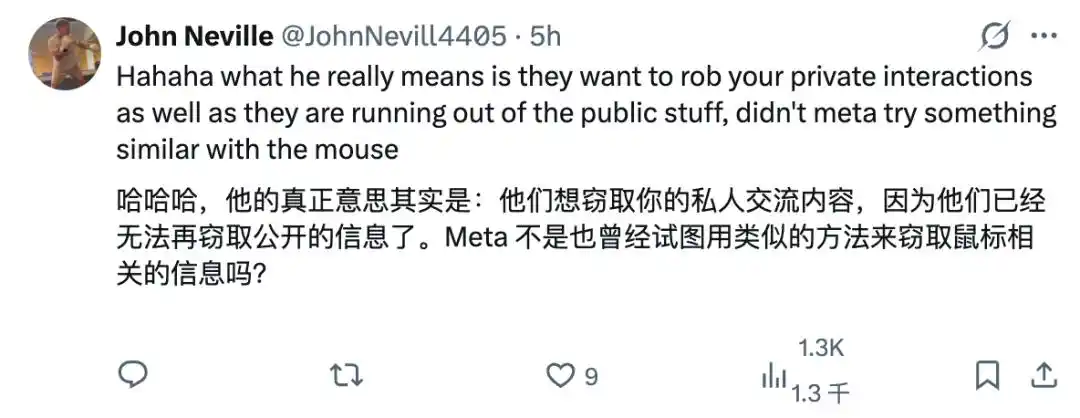
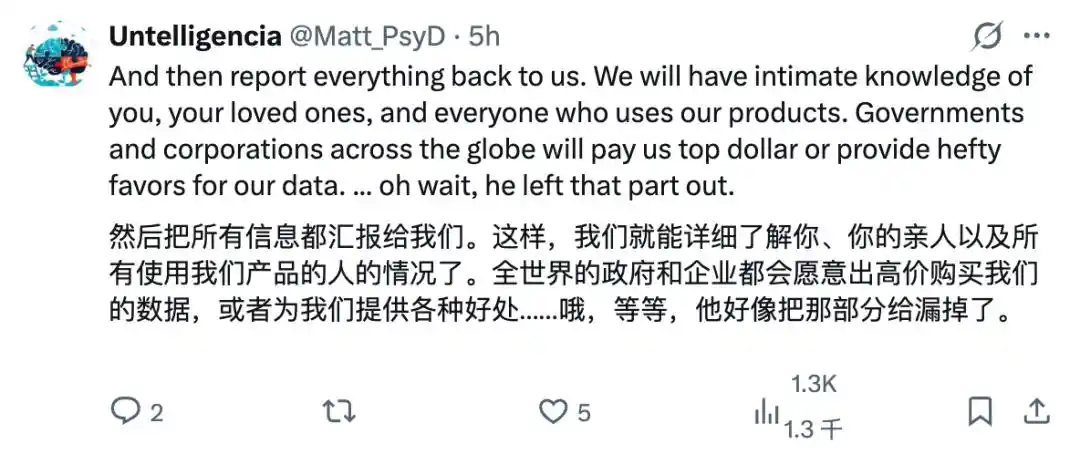
Others were worried that this sounds extremely dangerous, because AI shouldn't take over our memories, and we absolutely don't need OpenAI to be responsible for managing our work and lives. 🙅
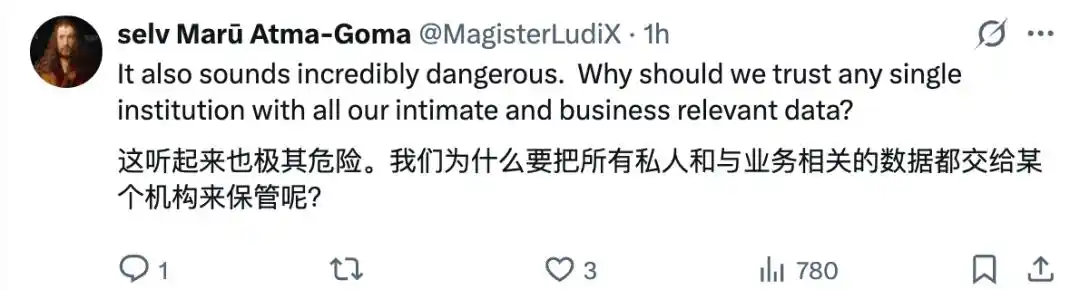
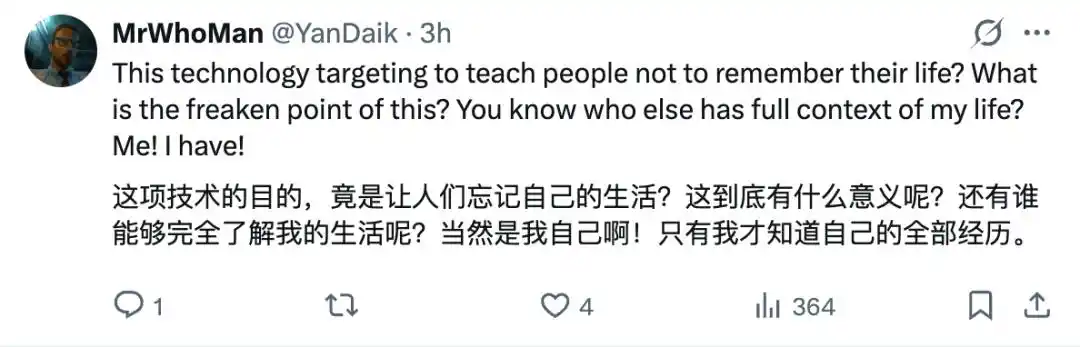
So what exactly does Altman want to do? What problems can the next-generation GPT help us solve? Which user groups is it targeting?

Read on to find out.

The Next-Generation GPT Wants to Actively Take Over Our Unmanageable Work

It sounds somewhat like an AI version of "The Truman Show."

A ChatGPT that is omnipresent, continuously observing your computer screen, recording every meeting you attend, every call you take.

Once authorized, it can also access text messages, emails, documents, and collaborative office software, gradually mastering the complete context of your work and life.

But Altman does not want GPT to become the indifferent spectators in "The Truman Show," watching our lives like they watched Truman Burbank.

What he really wants to solve is a problem almost every office worker faces: the daily influx of various information and feedback is likely more than we can possibly process.

Dozens of emails waiting for replies, scattered work arrangements across various group chats, discussions missed during meetings, and constantly updated documents and user feedback...

Even if you're busy from morning till night, important information can still slip through.

The next-generation GPT Altman envisions is precisely aimed at actively taking over this part of the work.

When talking about his envisioned way of using it, Altman candidly said:

I want to talk about a more interesting vision and the way I hope to use it. We are actually standing at the threshold of a new era, where AI is no longer just a tool, but begins to work side-by-side with people and co-evolve. ChatGPT's next-generation model can continuously observe your computer screen, record every meeting and every call you take, and grasp the complete context of your life. Of course, during this time, you will have full autonomy to decide what information you grant access to, and you can freely choose which work aspects to connect it to, such as sending/receiving text messages and emails, editing documents, collaborative office software, etc.

Altman believes that the next-generation GPT can't just be a digital shadow waiting for your questions; it first needs to understand what the user is doing, know what happened before, and then proactively offer help based on the complete context.

For example, when you're writing a document, it can combine content from previous meetings to remind you of an important issue you missed;

When a large amount of user feedback comes in, it can proactively sort out the common requests;

When you're overwhelmed by emails, chat records, and work documents, it can also identify the information that truly needs attention.

This means ChatGPT is trying to transform from an on-call Q&A tool into a collaborator capable of long-term observation, continuous understanding, and proactive participation in work.

And Altman is first targeting the group of people in the world whose work is most unmanageable—startup CEOs.

First Targeting the Needs of Startup CEOs

In Altman's view, startup CEOs are the ideal target users for the next-generation GPT model.

Because startup CEOs often need to handle massive volumes of diverse and complex tasks, like product progress, customer demands, team management, fundraising communication, and strategic judgment.

Almost everything requires the CEO's personal involvement, but people aren't gods, people's time and attention are ultimately limited, making it truly impossible to properly handle every single thing...

Altman deeply empathizes with this:

For CEOs working hard to build their startups, work is never "finished." The constant influx of massive information is destined to be impossible to manage comprehensively, because you basically can't read every single piece of user feedback. At this point, AI can collaborate with the CEO, proactively taking on those tasks that are numerous yet cannot be completely ignored.

It won't bypass people to make decisions directly, but before decisions are made, it can help people organize information, identify problems, and fill in details that are easily overlooked.

The example Altman gives is:

When you're writing a client sales pitch or a strategic document, it can remind you of user needs, provide new ideas, point out potential oversights, and proactively help you with part of the work. For instance, when a CEO is drafting a client sales pitch, GPT can combine previous communication records to remind them what the client truly cares about, and also check the pitch for any missing key needs. When a CEO is preparing a strategic document, GPT can also pull meeting discussions, user feedback, and internal materials to help supplement ideas and point out potential flaws in the argumentation.

It doesn't make the final call, but it can try to ensure decision-makers miss less information and repeat less work.

From this perspective, the next-generation GPT Altman describes is more like a full-time assistant who understands all the work context;

It can not only answer questions but also knows why you're asking them and what past events might influence the answer.

More importantly, such a product doesn't seem far off.

When the host pressed for an estimated timeline, Altman's answer was:

Roughly within the next six months.

In his view, with just one more model iteration, this experience will achieve a qualitative leap, potentially even reshaping our work patterns entirely.

So it seems Altman has indeed targeted a very practical direction for iteration. If it can actively help office workers and CEOs handle complex documents, reduce work pressure, and improve efficiency, that would be fantastic.

But netizens' concerns are not without merit. For AI to actively take over our work, it must know what we've experienced before, what we're experiencing now, and what we will experience.

This also means the next-generation GPT, while showing immense potential, touches upon an extremely sensitive issue—privacy.

The more it understands you, the better it can help you; but the more it knows, the more privacy you have to give up.

Although it won't directly make decisions for you, if the AI can remember every word you've said, know every meeting you've attended, even see and remember what you've browsed late at night...

Would you still dare let it "see" your life?

Therefore, for AI companies, how to balance protecting privacy and enhancing AI capabilities is also a compulsory, must-be-answered question that cannot be avoided and must be approached with caution.

Reference Links:[1]https://x.com/haider1/status/2087219995466224120[2]https://x.com/cory/status/2087060650870907170?s=20

This article is from WeChat public account "QbitAI", author: Focus on Frontier Technology

Crypto di tendenza

Domande pertinenti

QWhat is the main vision for the next generation of ChatGPT according to Sam Altman?

ASam Altman envisions the next-generation ChatGPT as an AI that can monitor your screen, record meetings and calls, and fully understand the context of your life and work. It aims to actively help manage information overload by becoming a collaborative partner that can suggest ideas, fill in gaps, and handle repetitive tasks, especially for users like startup CEOs.

QWho are the primary target users for the next-generation GPT model mentioned in the article?

AThe primary target users are startup CEOs, as they often face an overwhelming amount of diverse tasks and information. The AI is designed to assist them by managing communications, documents, and feedback, helping to reduce their workload and prevent important details from being missed.

QWhat are the key concerns raised by people regarding the next-generation ChatGPT?

AThe key concerns include privacy risks, fear of personal data being harvested and sold, and the danger of allowing an AI to have such deep access to one's personal and professional life. Some worry that it could become a tool for surveillance rather than assistance.

QAccording to Sam Altman, when is this next-generation GPT expected to be available?

ASam Altman stated that this next-generation GPT model is expected to be available within the next six months, suggesting that significant advancements are just one model iteration away.

QHow does the article describe the potential role shift for ChatGPT in the future?

AThe article describes ChatGPT shifting from a reactive question-and-answer tool to an active, long-term collaborator. It would continuously observe, understand context, and proactively participate in work by reminding users of missed points, summarizing feedback, and highlighting critical information.

Letture associate

Report on the State of the Crypto Industry by 2026, Featuring Sumsub Vice President for North America, Danielle LaBarbera

The cryptocurrency industry is entering an era of regulated maturity, driven by frameworks like the CLARITY Act and the $GENIUS Act in the US. These provide clearer rules but also raise operational standards, requiring platforms to effectively demonstrate compliance. Simultaneously, fraud is evolving into sophisticated, AI-powered, lifecycle-based attacks, moving beyond simple onboarding scams. According to Daniel LaBarbera, VP of Sumsub for North America, companies must shift from one-time KYC checks to continuous, risk-based verification. This involves integrating identity, behavioral, device, and transaction data into a unified risk view. The 2026 State of Crypto Industry report highlights that while 55% of crypto firms faced fraud last year, effective strategies now combine AI-driven detection, continuous monitoring, and behavioral analytics. Key compliance challenges persist, particularly with the Travel Rule. Only 23% of companies are fully compliant, with high implementation costs, data security concerns, and regulatory fragmentation being major hurdles. Meanwhile, stablecoins are gaining traction, accounting for 36% of all crypto transactions in 2025, and evolving from trading tools into financial infrastructure for payments and settlements. The path forward lies in risk-based approaches that balance security, speed, and user experience. This includes adopting documentless verification, reusable KYC, and breaking down silos between compliance functions to create a holistic, lifecycle view of customer risk and trust.

cryptonews.ru3 min fa

Report on the State of the Crypto Industry by 2026, Featuring Sumsub Vice President for North America, Danielle LaBarbera

cryptonews.ru3 min fa

U.S. National Debt Approaches $40 Trillion in 5 Months, Bitcoin Debate Gains Momentum

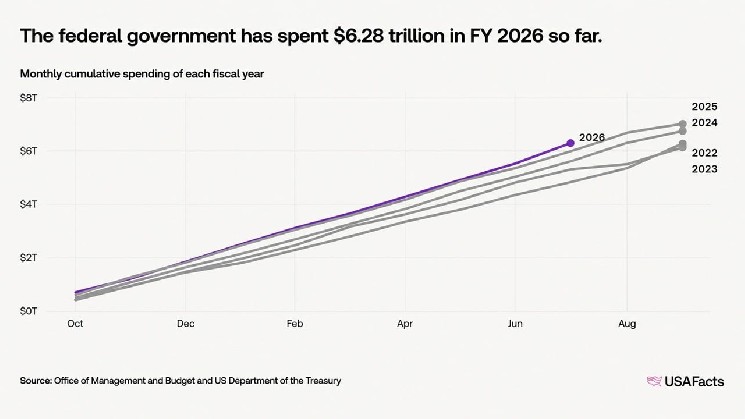
The US national debt has surged to nearly $40 trillion in just five months, the fastest trillion-dollar increase on record. The debt's growth has accelerated dramatically over time, from taking 192 years to reach the first $1 trillion in 1981 to adding the latest $1 trillion in only five months. The federal budget deficit for the fiscal year is already over $1.8 trillion, exceeding last year's total, and net interest payments on the debt have surpassed $1 trillion, now exceeding defense or Medicare spending. This rapid debt accumulation is fueling arguments within the cryptocurrency industry that Bitcoin serves as a hedge against government-backed currencies and fiscal irresponsibility. Proponents, including some lawmakers and industry leaders, argue Bitcoin could act as a "hard currency" fiscal control mechanism. Legislation has even been proposed for the Treasury to acquire Bitcoin to help reduce the national debt. The International Monetary Fund has warned that global public debt could hit 100% of world GDP by 2029 if current trends continue, with the US and China as primary drivers. Some analyses suggest a sovereign debt crisis could drive capital into alternative assets like Bitcoin, similar to past regional banking crises. However, skeptics point out that both Bitcoin and gold have fallen in price at times during 2026 despite record debt, indicating the depreciation hedge theory may operate over a much longer timeframe than short-term price action.

cryptonews.ru13 min fa

U.S. National Debt Approaches $40 Trillion in 5 Months, Bitcoin Debate Gains Momentum

cryptonews.ru13 min fa

Technological Self-Reliance in China: A War from Lithography Machines to ABF Films

"China's Tech Independence: A Battle from Lithography Machines to ABF Film" In August 2026, Japan's Ajinomoto announced a 30% supply cut of ABF film to Chinese mainland clients, causing industry-wide shock and fears of price hikes and shortages in the semiconductor supply chain. That same year, Chinese company Lotus Holdings, known for its MSG business, acquired a small domestic ABF film startup for 103 million yuan, aiming to change this passive situation. ABF film is a core insulating material for advanced CPU, GPU, and AI chip packages. Ajinomoto, originally a food flavoring company, has monopolized over 95% of the global ABF film market for nearly 30 years, deriving its technology from byproducts of monosodium glutamate production. With AI chips consuming 5-10 times more ABF film than traditional chips, the supply-demand gap is widening. Ajinomoto's supply cut to China, where domestic ABF film production accounts for less than 5%, directly threatens the production of domestic high-end AI chips and their substrates. This incident highlights a crucial but often overlooked truth: the vulnerabilities in China's quest for technological self-reliance extend beyond headline areas like lithography machines to critical but seemingly minor components—insulating films, photoresists, electronic specialty gases, etc. The article frames China's tech independence as a multi-front war. While major breakthroughs have been achieved in chip design (e.g., Huawei's HiSilicon), foundry (e.g., SMIC), and memory chips (e.g., YMTC), countless smaller "Ajinomoto-style" chokepoints remain. Lotus Holdings' acquisition represents a significant shift: the battle is no longer fought only by tech giants but has become a collective, industry-wide effort involving companies from diverse backgrounds. Historically, external blockades have often spurred China's technological breakthroughs, as seen with Huawei's Kirin chips and YMTC's 3D NAND flash memory. Ajinomoto's supply cut, while a short-term challenge, may similarly catalyze domestic innovation in ABF film and other critical materials. The path to technological sovereignty is long and arduous, requiring sustained patience and investment to fill every gap in the complex supply chain. Lotus's move is not an immediate solution but a step towards that future, symbolizing a broader, relentless march toward independence.

marsbit32 min fa

Technological Self-Reliance in China: A War from Lithography Machines to ABF Films

marsbit32 min fa

The Great Ethereum "Rate Cut" Debate: Is Now the Golden Window for Staking with the Unconventional EIP-8363?

Ethereon's economic policy is under review as a new proposal, EIP-8363, sparks debate over potential "interest rate cuts" for staking. The unconventional proposal suggests gradually increasing the proportion of newly issued ETH rewards that are burned as the total staked ETH ratio rises, with issuance fully offset by burns once the ratio nears 50%. This would drive the protocol-level staking APR towards 0%, though validators would still earn transaction fees and MEV. This discussion emerges as staked ETH approaches 35% of supply, with the current protocol APR at ~2.6%. The core question is whether Ethereum needs to continue paying high issuance costs for marginal gains in security once sufficient participation is achieved. EIP-8363 aims to optimize security spending, but critics warn it could disproportionately impact solo stakers and potentially increase centralization among large, resilient operators. Paradoxically, this debate coincides with the Pectra upgrade (EIP-7251), which introduces native compounding for staking rewards, significantly improving capital efficiency for long-term holders. This creates a dual narrative: the protocol is making staking more efficient while reconsidering the economic incentive to stake. For long-term ETH holders, this environment may present a "time window" rather than a fixed-rate opportunity. While future APRs are expected to trend downward, starting staking earlier maximizes the compounding effect over time. The decision to stake depends on individual factors like investment horizon, liquidity needs, and risk tolerance regarding options like native validation, staking services, or liquid staking tokens (LSTs). The evolution from encouraging staking to managing its economic cost marks a new, mature phase for Ethereum's tokenomics, where the true value of staking may increasingly lie in the long-term power of compounding time.

marsbit41 min fa

The Great Ethereum "Rate Cut" Debate: Is Now the Golden Window for Staking with the Unconventional EIP-8363?

marsbit41 min fa

Trading

Spot

Articoli Popolari

Cosa è $S$

Comprendere SPERO: Una Panoramica Completa Introduzione a SPERO Mentre il panorama dell'innovazione continua a evolversi, l'emergere delle tecnologie web3 e dei progetti di criptovaluta gioca un ruolo fondamentale nel plasmare il futuro digitale. Un progetto che ha attirato l'attenzione in questo campo dinamico è SPERO, denotato come SPERO,$$s$. Questo articolo mira a raccogliere e presentare informazioni dettagliate su SPERO, per aiutare gli appassionati e gli investitori a comprendere le sue basi, obiettivi e innovazioni nei domini web3 e crypto. Che cos'è SPERO,$$s$? SPERO,$$s$ è un progetto unico all'interno dello spazio crypto che cerca di sfruttare i principi della decentralizzazione e della tecnologia blockchain per creare un ecosistema che promuove l'impegno, l'utilità e l'inclusione finanziaria. Il progetto è progettato per facilitare interazioni peer-to-peer in modi nuovi, fornendo agli utenti soluzioni e servizi finanziari innovativi. Al suo interno, SPERO,$$s$ mira a responsabilizzare gli individui fornendo strumenti e piattaforme che migliorano l'esperienza dell'utente nello spazio delle criptovalute. Questo include la possibilità di metodi di transazione più flessibili, la promozione di iniziative guidate dalla comunità e la creazione di percorsi per opportunità finanziarie attraverso applicazioni decentralizzate (dApps). La visione sottostante di SPERO,$$s$ ruota attorno all'inclusività, cercando di colmare le lacune all'interno della finanza tradizionale mentre sfrutta i vantaggi della tecnologia blockchain. Chi è il Creatore di SPERO,$$s$? L'identità del creatore di SPERO,$$s$ rimane piuttosto oscura, poiché ci sono risorse pubblicamente disponibili limitate che forniscono informazioni dettagliate sul suo fondatore o fondatori. Questa mancanza di trasparenza può derivare dall'impegno del progetto per la decentralizzazione—un ethos che molti progetti web3 condividono, dando priorità ai contributi collettivi rispetto al riconoscimento individuale. Centrando le discussioni attorno alla comunità e ai suoi obiettivi collettivi, SPERO,$$s$ incarna l'essenza dell'empowerment senza mettere in evidenza individui specifici. Pertanto, comprendere l'etica e la missione di SPERO rimane più importante che identificare un creatore singolo. Chi sono gli Investitori di SPERO,$$s$? SPERO,$$s$ è supportato da una varietà di investitori che vanno dai capitalisti di rischio agli investitori angelici dedicati a promuovere l'innovazione nel settore crypto. Il focus di questi investitori generalmente si allinea con la missione di SPERO—dando priorità a progetti che promettono avanzamenti tecnologici sociali, inclusività finanziaria e governance decentralizzata. Queste fondazioni di investitori sono tipicamente interessate a progetti che non solo offrono prodotti innovativi, ma contribuiscono anche positivamente alla comunità blockchain e ai suoi ecosistemi. Il supporto di questi investitori rafforza SPERO,$$s$ come un concorrente degno di nota nel dominio in rapida evoluzione dei progetti crypto. Come Funziona SPERO,$$s$? SPERO,$$s$ impiega un framework multifunzionale che lo distingue dai progetti di criptovaluta convenzionali. Ecco alcune delle caratteristiche chiave che sottolineano la sua unicità e innovazione: Governance Decentralizzata: SPERO,$$s$ integra modelli di governance decentralizzati, responsabilizzando gli utenti a partecipare attivamente ai processi decisionali riguardanti il futuro del progetto. Questo approccio favorisce un senso di proprietà e responsabilità tra i membri della comunità. Utilità del Token: SPERO,$$s$ utilizza il proprio token di criptovaluta, progettato per servire varie funzioni all'interno dell'ecosistema. Questi token abilitano transazioni, premi e la facilitazione dei servizi offerti sulla piattaforma, migliorando l'impegno e l'utilità complessivi. Architettura Stratificata: L'architettura tecnica di SPERO,$$s$ supporta la modularità e la scalabilità, consentendo un'integrazione fluida di funzionalità e applicazioni aggiuntive man mano che il progetto evolve. Questa adattabilità è fondamentale per mantenere la rilevanza nel panorama crypto in continua evoluzione. Coinvolgimento della Comunità: Il progetto enfatizza iniziative guidate dalla comunità, impiegando meccanismi che incentivano la collaborazione e il feedback. Nutrendo una comunità forte, SPERO,$$s$ può affrontare meglio le esigenze degli utenti e adattarsi alle tendenze di mercato. Focus sull'Inclusione: Offrendo basse commissioni di transazione e interfacce user-friendly, SPERO,$$s$ mira ad attrarre una base utenti diversificata, inclusi individui che potrebbero non aver precedentemente interagito nello spazio crypto. Questo impegno per l'inclusione si allinea con la sua missione generale di empowerment attraverso l'accessibilità. Cronologia di SPERO,$$s$ Comprendere la storia di un progetto fornisce preziose intuizioni sulla sua traiettoria di sviluppo e sui traguardi. Di seguito è riportata una cronologia suggerita che mappa eventi significativi nell'evoluzione di SPERO,$$s$: Fase di Concettualizzazione e Ideazione: Le idee iniziali che formano la base di SPERO,$$s$ sono state concepite, allineandosi strettamente con i principi di decentralizzazione e focus sulla comunità all'interno dell'industria blockchain. Lancio del Whitepaper del Progetto: Dopo la fase concettuale, è stato rilasciato un whitepaper completo che dettaglia la visione, gli obiettivi e l'infrastruttura tecnologica di SPERO,$$s$ per suscitare interesse e feedback dalla comunità. Costruzione della Comunità e Prime Interazioni: Sono stati effettuati sforzi attivi di outreach per costruire una comunità di early adopters e potenziali investitori, facilitando discussioni attorno agli obiettivi del progetto e ottenendo supporto. Evento di Generazione del Token: SPERO,$$s$ ha condotto un evento di generazione del token (TGE) per distribuire i propri token nativi ai primi sostenitori e stabilire una liquidità iniziale all'interno dell'ecosistema. Lancio della Prima dApp: La prima applicazione decentralizzata (dApp) associata a SPERO,$$s$ è stata attivata, consentendo agli utenti di interagire con le funzionalità principali della piattaforma. Sviluppo Continuo e Partnership: Aggiornamenti e miglioramenti continui alle offerte del progetto, inclusi partnership strategiche con altri attori nello spazio blockchain, hanno plasmato SPERO,$$s$ in un concorrente competitivo e in evoluzione nel mercato crypto. Conclusione SPERO,$$s$ rappresenta una testimonianza del potenziale del web3 e delle criptovalute di rivoluzionare i sistemi finanziari e responsabilizzare gli individui. Con un impegno per la governance decentralizzata, il coinvolgimento della comunità e funzionalità progettate in modo innovativo, apre la strada verso un panorama finanziario più inclusivo. Come per qualsiasi investimento nello spazio crypto in rapida evoluzione, si incoraggiano potenziali investitori e utenti a ricercare approfonditamente e a impegnarsi in modo riflessivo con gli sviluppi in corso all'interno di SPERO,$$s$. Il progetto mostra lo spirito innovativo dell'industria crypto, invitando a ulteriori esplorazioni delle sue innumerevoli possibilità. Mentre il percorso di SPERO,$$s$ è ancora in fase di sviluppo, i suoi principi fondamentali potrebbero effettivamente influenzare il futuro di come interagiamo con la tecnologia, la finanza e tra di noi in ecosistemi digitali interconnessi.

400 Totale visualizzazioniPubblicato il 2024.12.17Aggiornato il 2024.12.17

Cosa è $S$

Cosa è AGENT S

Agent S: Il Futuro dell'Interazione Autonoma in Web3 Introduzione Nel panorama in continua evoluzione di Web3 e criptovalute, le innovazioni stanno costantemente ridefinendo il modo in cui gli individui interagiscono con le piattaforme digitali. Uno di questi progetti pionieristici, Agent S, promette di rivoluzionare l'interazione uomo-computer attraverso il suo framework agentico aperto. Aprendo la strada a interazioni autonome, Agent S mira a semplificare compiti complessi, offrendo applicazioni trasformative nell'intelligenza artificiale (AI). Questa esplorazione dettagliata approfondirà le complessità del progetto, le sue caratteristiche uniche e le implicazioni per il dominio delle criptovalute. Cos'è Agent S? Agent S si presenta come un innovativo framework agentico aperto, progettato specificamente per affrontare tre sfide fondamentali nell'automazione dei compiti informatici: Acquisizione di Conoscenze Specifiche del Dominio: Il framework apprende in modo intelligente da varie fonti di conoscenza esterne ed esperienze interne. Questo approccio duale gli consente di costruire un ricco repository di conoscenze specifiche del dominio, migliorando le sue prestazioni nell'esecuzione dei compiti. Pianificazione su Lungo Orizzonte di Compiti: Agent S impiega una pianificazione gerarchica potenziata dall'esperienza, un approccio strategico che facilita la suddivisione e l'esecuzione efficiente di compiti complessi. Questa caratteristica migliora significativamente la sua capacità di gestire più sottocompiti in modo efficiente ed efficace. Gestione di Interfacce Dinamiche e Non Uniformi: Il progetto introduce l'Interfaccia Agente-Computer (ACI), una soluzione innovativa che migliora l'interazione tra agenti e utenti. Utilizzando Modelli Linguistici Multimodali di Grandi Dimensioni (MLLM), Agent S può navigare e manipolare senza sforzo diverse interfacce grafiche utente. Attraverso queste caratteristiche pionieristiche, Agent S fornisce un framework robusto che affronta le complessità coinvolte nell'automazione dell'interazione umana con le macchine, preparando il terreno per innumerevoli applicazioni nell'AI e oltre. Chi è il Creatore di Agent S? Sebbene il concetto di Agent S sia fondamentalmente innovativo, informazioni specifiche sul suo creatore rimangono elusive. Il creatore è attualmente sconosciuto, il che evidenzia sia la fase embrionale del progetto sia la scelta strategica di mantenere i membri fondatori sotto anonimato. Indipendentemente dall'anonimato, l'attenzione rimane sulle capacità e sul potenziale del framework. Chi sono gli Investitori di Agent S? Poiché Agent S è relativamente nuovo nell'ecosistema crittografico, informazioni dettagliate riguardanti i suoi investitori e sostenitori finanziari non sono documentate esplicitamente. La mancanza di approfondimenti pubblicamente disponibili sulle fondazioni di investimento o sulle organizzazioni che supportano il progetto solleva interrogativi sulla sua struttura di finanziamento e sulla roadmap di sviluppo. Comprendere il supporto è cruciale per valutare la sostenibilità del progetto e il suo potenziale impatto sul mercato. Come Funziona Agent S? Al centro di Agent S si trova una tecnologia all'avanguardia che gli consente di funzionare efficacemente in contesti diversi. Il suo modello operativo è costruito attorno a diverse caratteristiche chiave: Interazione Uomo-Computer Simile a Quella Umana: Il framework offre una pianificazione AI avanzata, cercando di rendere le interazioni con i computer più intuitive. Mimando il comportamento umano nell'esecuzione dei compiti, promette di elevare le esperienze degli utenti. Memoria Narrativa: Utilizzata per sfruttare esperienze di alto livello, Agent S utilizza la memoria narrativa per tenere traccia delle storie dei compiti, migliorando così i suoi processi decisionali. Memoria Episodica: Questa caratteristica fornisce agli utenti una guida passo-passo, consentendo al framework di offrire supporto contestuale mentre i compiti si sviluppano. Supporto per OpenACI: Con la capacità di funzionare localmente, Agent S consente agli utenti di mantenere il controllo sulle proprie interazioni e flussi di lavoro, allineandosi con l'etica decentralizzata di Web3. Facile Integrazione con API Esterne: La sua versatilità e compatibilità con varie piattaforme AI garantiscono che Agent S possa adattarsi senza problemi agli ecosistemi tecnologici esistenti, rendendolo una scelta attraente per sviluppatori e organizzazioni. Queste funzionalità contribuiscono collettivamente alla posizione unica di Agent S all'interno dello spazio crittografico, poiché automatizza compiti complessi e multi-fase con un intervento umano minimo. Man mano che il progetto evolve, le sue potenziali applicazioni in Web3 potrebbero ridefinire il modo in cui si svolgono le interazioni digitali. Cronologia di Agent S Lo sviluppo e le tappe di Agent S possono essere riassunti in una cronologia che evidenzia i suoi eventi significativi: 27 Settembre 2024: Il concetto di Agent S è stato lanciato in un documento di ricerca completo intitolato “Un Framework Agentico Aperto che Usa i Computer Come un Umano”, mostrando le basi per il progetto. 10 Ottobre 2024: Il documento di ricerca è stato reso pubblicamente disponibile su arXiv, offrendo un'esplorazione approfondita del framework e della sua valutazione delle prestazioni basata sul benchmark OSWorld. 12 Ottobre 2024: È stata rilasciata una presentazione video, fornendo un'idea visiva delle capacità e delle caratteristiche di Agent S, coinvolgendo ulteriormente potenziali utenti e investitori. Questi indicatori nella cronologia non solo illustrano i progressi di Agent S, ma indicano anche il suo impegno per la trasparenza e il coinvolgimento della comunità. Punti Chiave su Agent S Man mano che il framework Agent S continua a evolversi, diversi attributi chiave si distinguono, sottolineando la sua natura innovativa e il potenziale: Framework Innovativo: Progettato per fornire un uso intuitivo dei computer simile all'interazione umana, Agent S porta un approccio nuovo all'automazione dei compiti. Interazione Autonoma: La capacità di interagire autonomamente con i computer attraverso GUI segna un passo avanti verso soluzioni informatiche più intelligenti ed efficienti. Automazione di Compiti Complessi: Con la sua metodologia robusta, può automatizzare compiti complessi e multi-fase, rendendo i processi più veloci e meno soggetti a errori. Miglioramento Continuo: I meccanismi di apprendimento consentono ad Agent S di migliorare dalle esperienze passate, migliorando continuamente le sue prestazioni e la sua efficacia. Versatilità: La sua adattabilità attraverso diversi ambienti operativi come OSWorld e WindowsAgentArena garantisce che possa servire un'ampia gamma di applicazioni. Man mano che Agent S si posiziona nel panorama di Web3 e delle criptovalute, il suo potenziale per migliorare le capacità di interazione e automatizzare i processi segna un significativo avanzamento nelle tecnologie AI. Attraverso il suo framework innovativo, Agent S esemplifica il futuro delle interazioni digitali, promettendo un'esperienza più fluida ed efficiente per gli utenti in vari settori. Conclusione Agent S rappresenta un audace passo avanti nell'unione tra AI e Web3, con la capacità di ridefinire il modo in cui interagiamo con la tecnologia. Sebbene sia ancora nelle sue fasi iniziali, le possibilità per la sua applicazione sono vaste e coinvolgenti. Attraverso il suo framework completo che affronta sfide critiche, Agent S mira a portare le interazioni autonome al centro dell'esperienza digitale. Man mano che ci addentriamo nei regni delle criptovalute e della decentralizzazione, progetti come Agent S giocheranno senza dubbio un ruolo cruciale nel plasmare il futuro della tecnologia e della collaborazione uomo-computer.

832 Totale visualizzazioniPubblicato il 2025.01.14Aggiornato il 2025.01.14

Cosa è AGENT S

Come comprare S

Benvenuto in HTX.com! Abbiamo reso l'acquisto di Sonic (S) semplice e conveniente. Segui la nostra guida passo passo per intraprendere il tuo viaggio nel mondo delle criptovalute.Step 1: Crea il tuo Account HTXUsa la tua email o numero di telefono per registrarti il tuo account gratuito su HTX. Vivi un'esperienza facile e sblocca tutte le funzionalità,Crea il mio accountStep 2: Vai in Acquista crypto e seleziona il tuo metodo di pagamentoCarta di credito/debito: utilizza la tua Visa o Mastercard per acquistare immediatamente SonicS.Bilancio: Usa i fondi dal bilancio del tuo account HTX per fare trading senza problemi.Terze parti: abbiamo aggiunto metodi di pagamento molto utilizzati come Google Pay e Apple Pay per maggiore comodità.P2P: Fai trading direttamente con altri utenti HTX.Over-the-Counter (OTC): Offriamo servizi su misura e tassi di cambio competitivi per i trader.Step 3: Conserva Sonic (S)Dopo aver acquistato Sonic (S), conserva nel tuo account HTX. In alternativa, puoi inviare tramite trasferimento blockchain o scambiare per altre criptovalute.Step 4: Scambia Sonic (S)Scambia facilmente Sonic (S) nel mercato spot di HTX. Accedi al tuo account, seleziona la tua coppia di trading, esegui le tue operazioni e monitora in tempo reale. Offriamo un'esperienza user-friendly sia per chi ha appena iniziato che per i trader più esperti.

1.6k Totale visualizzazioniPubblicato il 2025.01.15Aggiornato il 2026.06.02

Come comprare S

Discussioni

Benvenuto nella Community HTX. Qui puoi rimanere informato sugli ultimi sviluppi della piattaforma e accedere ad approfondimenti esperti sul mercato. Le opinioni degli utenti sul prezzo di S S sono presentate come di seguito.

活动图片