AGI Countdown: OpenAI's Chief Research Officer Makes Major Statement — The Window for Humanity is 'Very Small'

marsbitPubblicato 2026-06-30Pubblicato ultima volta 2026-06-30

Introduzione

The countdown to AGI has begun, according to OpenAI's Chief Scientist Mark Chen, who states the window for human-centric progress is "very small." Chen argues that AI is reaching a point where models can perform "self-sustaining research," autonomously driving innovation in fields from mathematics to programming. He points to the proliferation of AI's "superhuman" insights—akin to AlphaGo's legendary "Move 37"—across disciplines as evidence of this shift. Chen firmly dismisses claims that scaling laws are plateauing or that pre-training is dead, asserting the field remains on an exponential curve. He cites OpenAI's successful bet on reasoning models like o1 as proof that fundamental breakthroughs are still possible. The future of research, he suggests, lies with "Vibe Researchers"—humans who provide high-level direction and "taste" while AI handles execution and orchestration of complex, long-horizon tasks. However, significant hurdles remain. Chen highlights a "benchmarking crisis," where models can overfit to existing tests without gaining true generalization. He also notes the "jagged frontier" of AI capabilities, where systems excel at advanced reasoning but struggle with contextual, continual learning from everyday experiences. Despite these challenges, he expresses confidence that these gaps will be closed. In a personal reflection, Chen shares that post-AGI, his wish is to open a noodle shop—a metaphor emphasizing that when AI masters knowledge and innovation, uniqu...

Artificial General Intelligence (AGI) is coming soon.

Just now, OpenAI's Chief Research Officer, Mark Chen, declared boldly:

In a sense, it's like I hope you can feel that AGI (Artificial General Intelligence) is coming...

We are getting closer and closer to a world where models can autonomously propose more innovations—they can conduct self-sustaining research.

This is not just an improvement in efficiency; the very process of 'evolution' is being outsourced to silicon-based life.

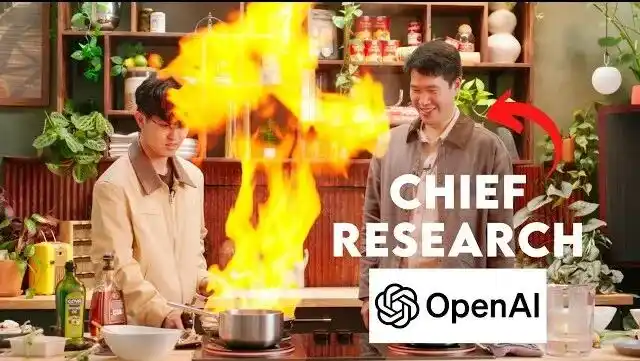
As Mark Chen skillfully chopped mushrooms and onions in front of the camera, he was talking not just about a bowl of soup, but about the last bastion of human civilization.

If AI can research itself, then on the eve of AGI's arrival, what role exactly should humanity play?
Every Field is Experiencing Its Own 'Move 37'

To understand the weight of this statement, we must go back to the moment Mark entered this field.

2016. AlphaGo vs. Lee Sedol.

In the second game, there was a move—'Move 37'—that the entire world of human players collectively failed to comprehend the moment it was made.
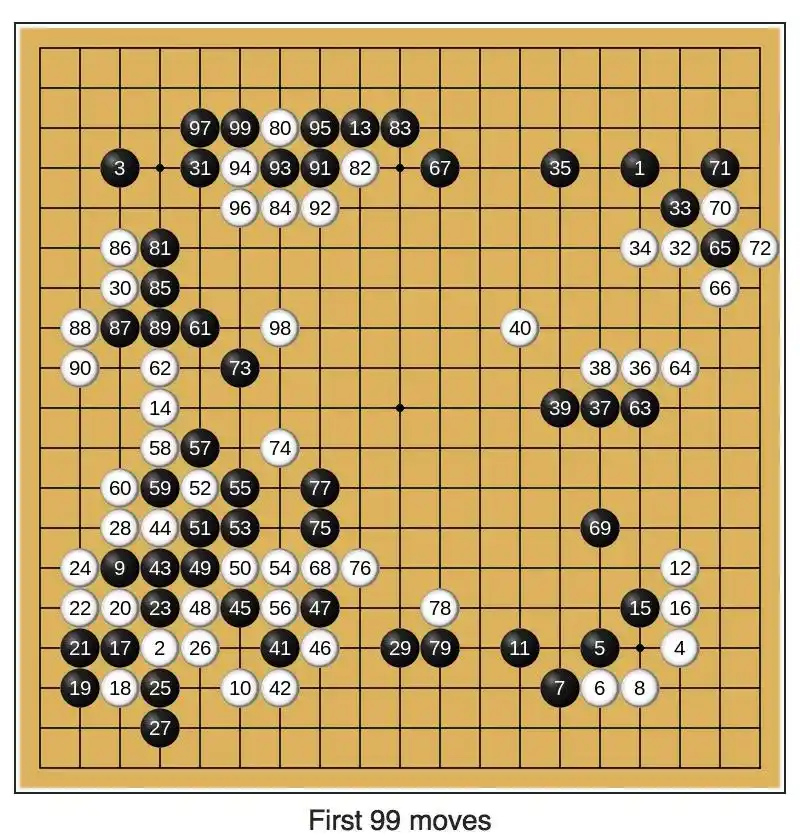
It was only later understood that it was a move conceived by the machine, one that humans could never have imagined. That moment ignited countless people and pulled Mark Chen into this field.

And now?

"The craziest thing," Mark says, "is that you can now see a 'Move 37' in almost every field."

In mathematics. In computer science. In programming.
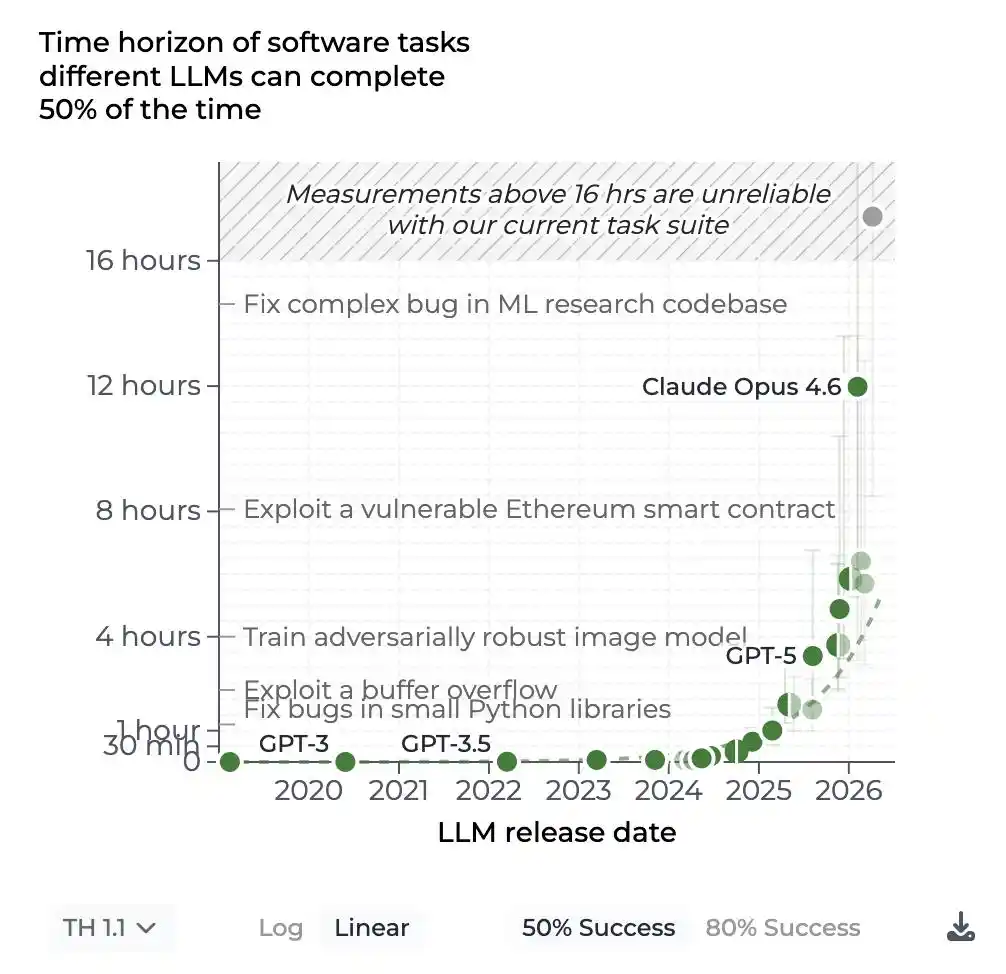
He describes a very subtle tipping point: many people, around the beginning of this year, "woke up one day" and suddenly realized: AI agents in my line of work, they can actually do real work.

Not toys. Not demos. They can complete meaningful, long-cycle, real-world work (long-horizon work) for you.

This means the idea of "models doing research on their own" is no longer a trope from science fiction.

It's the next step, naturally extrapolated from a series of already-occurring 'Move 37s'.

Look down this line, and standing at the end is that model that will conduct its own research.

Scaling Continues, Pretraining is Not Dead

But what underpins such optimism?

A belief: the scaling curve has not yet ended.

In recent years, claims like "pretraining is dead" or "language models won't lead to AGI" surface every so often.

Mark Chen "vehemently disagrees" with these pessimistic views.

He points out the pattern.

"Pretraining is dead" sounds fresh, but it's actually an old, worn-out script that has been replayed repeatedly over the years.
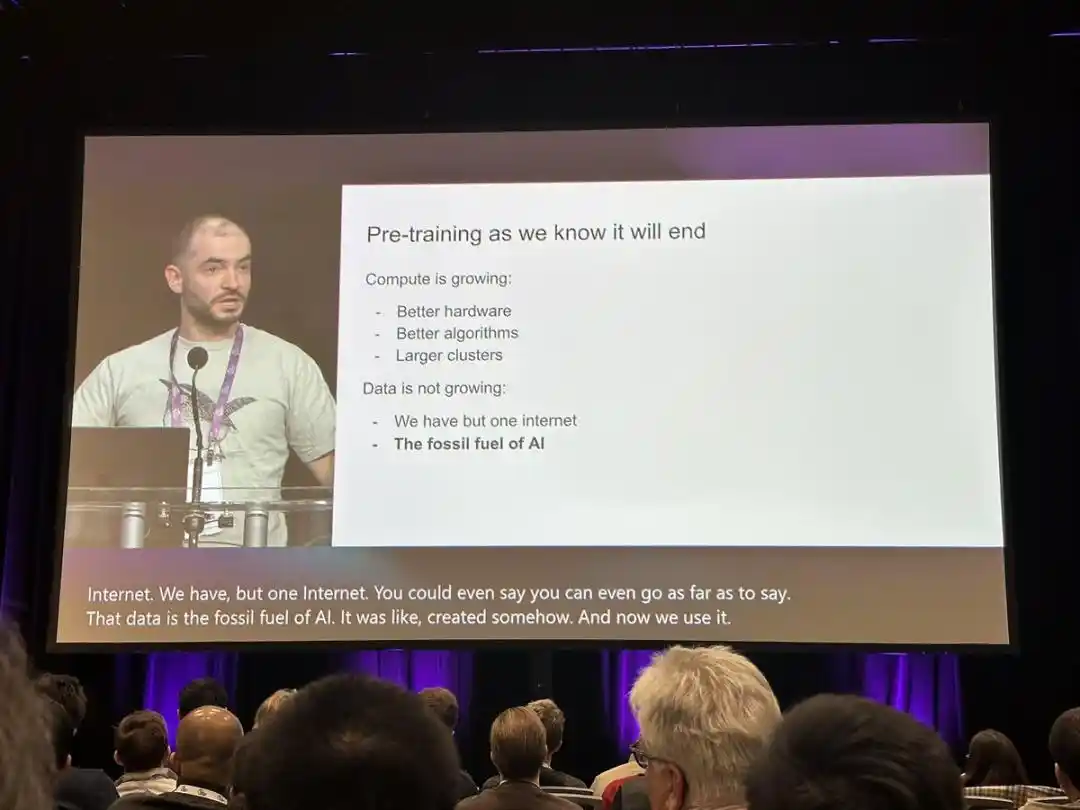
Each time, someone points at a bottleneck and says, "It's peaked, it can't go further"; each time, OpenAI somehow manages to pull out a new engineering trick, or a new research insight, to break through that wall.

Mark Chen firmly believes, "We are on an exponential curve. It has already sustained through nearly 10 orders of magnitude. There's no reason it shouldn't continue to sustain."
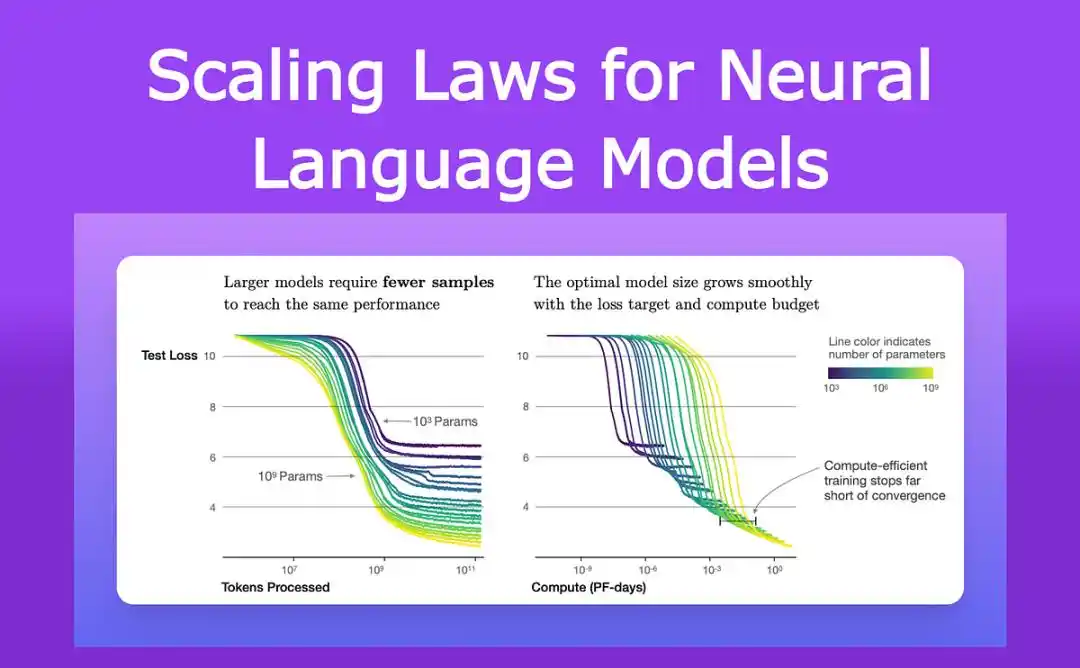
And the most convincing evidence is that OpenAI itself has bet and won once.

The bet was on reasoning.

When o1 was first proposed, even within OpenAI, some didn't believe in it.

The paradigm of "pretraining + post-training" was so dominant at the time that people would naturally ask: The machine is working fine as is, why bother with something else?

It was through the strong push of a few people with conviction and judgment, like Jakub Pachocki and Ilya Sutskever, that it slowly became a fundamental bet for the entire company.
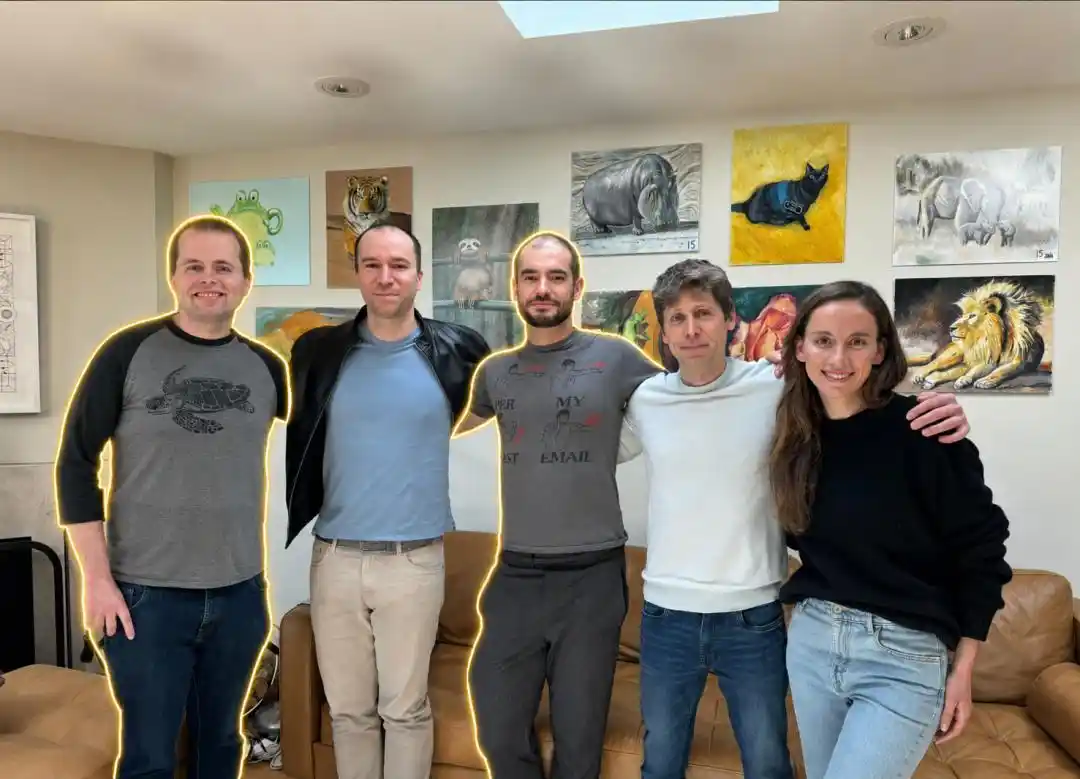
A year later, o1 emerged, and the reasoning paradigm ignited the entire industry.

The curve hasn't ended, coupled with the fact that the biggest breakthroughs often come from bets that nobody initially believed in. These two points together are the foundation of Mark Chen's confidence in saying "models conducting self-sustaining research is not far off."

When a model starts thinking on tasks that span weeks or even months, the innovations it generates may already be beyond the cognitive blind spots of human experts.

This is precisely the foundation of "self-sustaining research": if it can derive mathematical formulas humans have never seen, it can certainly write algorithm architectures superior to human designs.

Vibe Researcher: When Execution Becomes Cheap

We already have vibe coders—speak, and the AI writes the code.
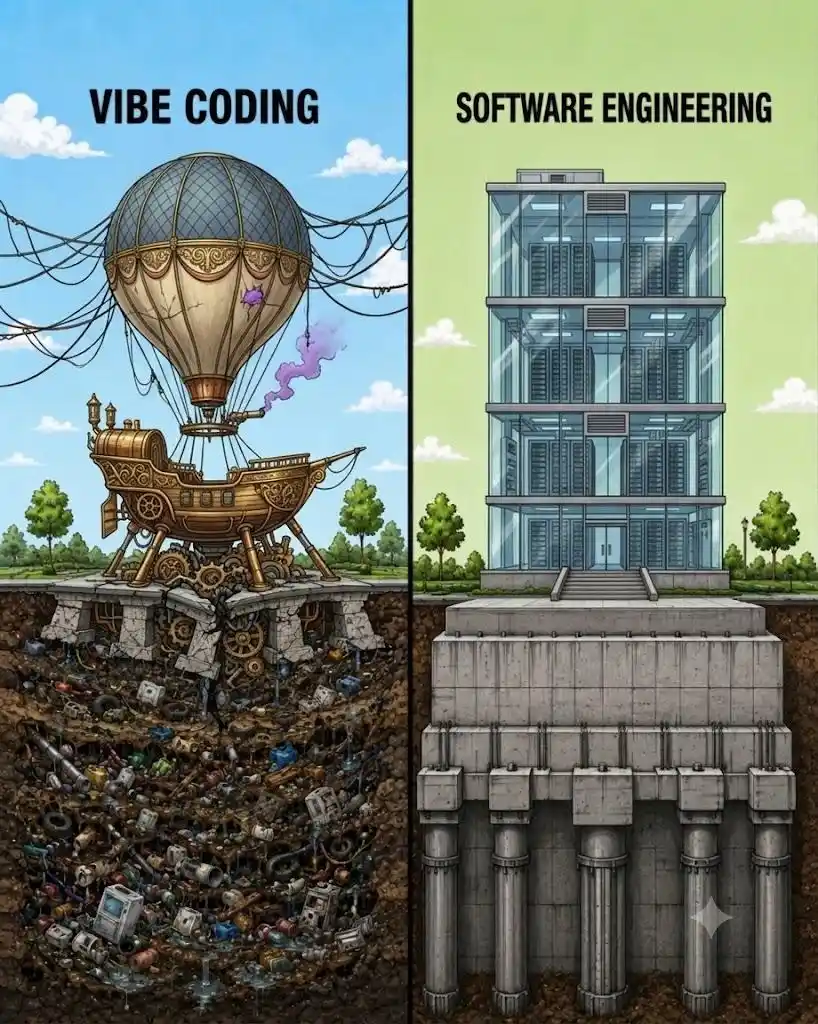
Research is also sliding in this direction.

During the interview, a highly controversial concept was repeatedly mentioned: Vibe Researcher.

This is a somewhat self-deprecating yet deeply considered career prediction.

Mark believes that the top researchers of the future will no longer be the ones writing every line of PyTorch code, but rather those who "get the vibe right."

Whether at OpenAI or other labs, you're beginning to see that a massive amount of work is shifting towards being primarily about 'orchestration'.

In plain language: humans are responsible for the ideas, and models are responsible for doing all the work.

The researcher uses their brain to conceive ideas; the rest—implementation, execution, scheduling—the model handles itself.

OpenAI's three-year roadmap clearly states the endpoint: enabling models to conduct end-to-end research, from idea generation to producing results, entirely on their own.
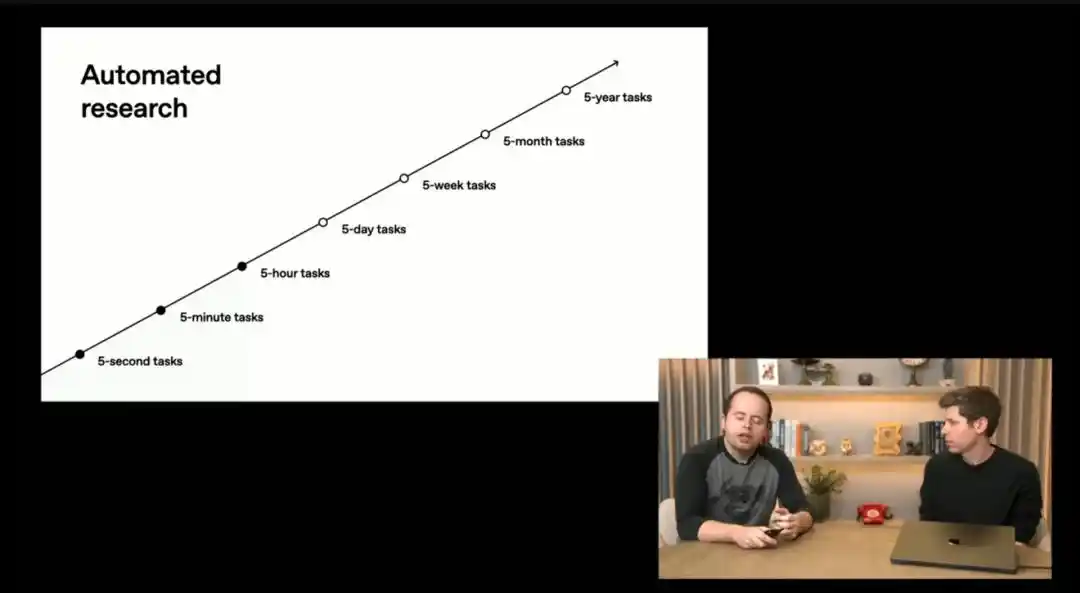
But This Road is Full of Unfilled Potholes

As AI becomes capable of autonomously executing and orchestrating tasks, human work will be compressed to the extreme ends:

1. Proposing the truly important questions.

2. Judging whether the answers AI provides have 'soul'.

This is the so-called 'Taste'.

Because machines don't have 'life', they lack 'common sense', and thus cannot develop 'taste'.

But stepping back, Mark Chen knows better than anyone that this road is far from smooth.

The first pothole: Evaluation is broken.

He used an internal term: 'Benchmaxxing'—finding a bunch of problems that look almost identical to the test set, training on them relentlessly, achieving impressive scores but gaining zero improvement in generalization ability.

What's worse, there are too few widely accepted gold-standard benchmarks.

"We are truly in an evaluation crisis," he says. Classic tests like the SAT are all saturated for today's models.

In fact, once a benchmark is released to the world, it's no longer a good benchmark—like an exam paper that becomes invalid the moment it's printed.
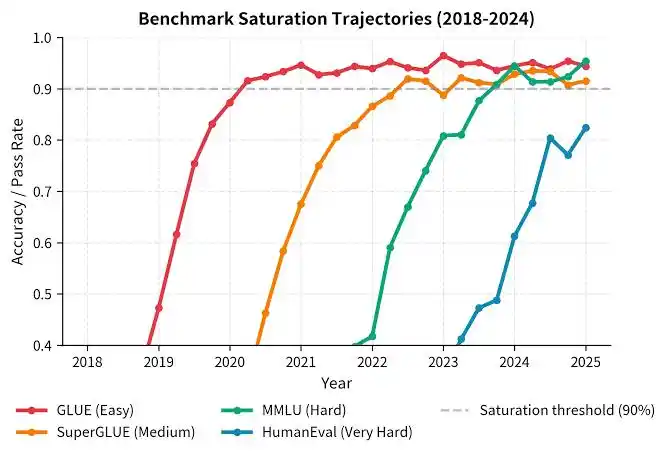
Two strategies to address this issue:

1. Separate the evaluation creation team from the model optimization team, creating an adversarial incentive structure.

2. Deploy models at scale and observe failure modes in real-world applications.
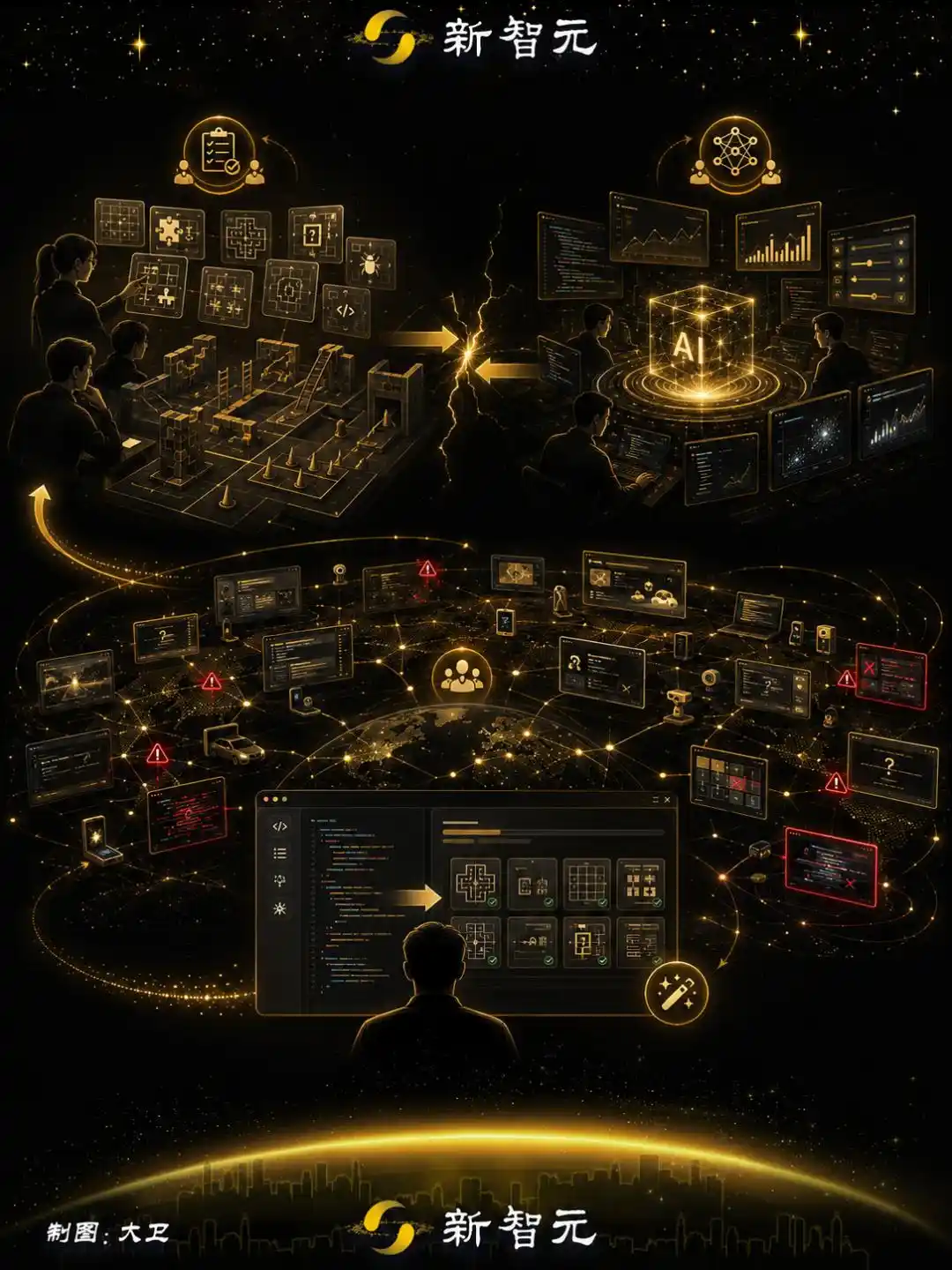
He also pointed out that the emergence of every new capability brings with it a corresponding need for evaluation, and steering the direction of evaluation is a significant part of his work.

The second pothole: The jagged frontier.

A model can solve Olympiad-level problems in math or informatics but might fail at trivial tasks humans do without thinking—a genius that can mentally calculate calculus but can't tie its own shoelaces.
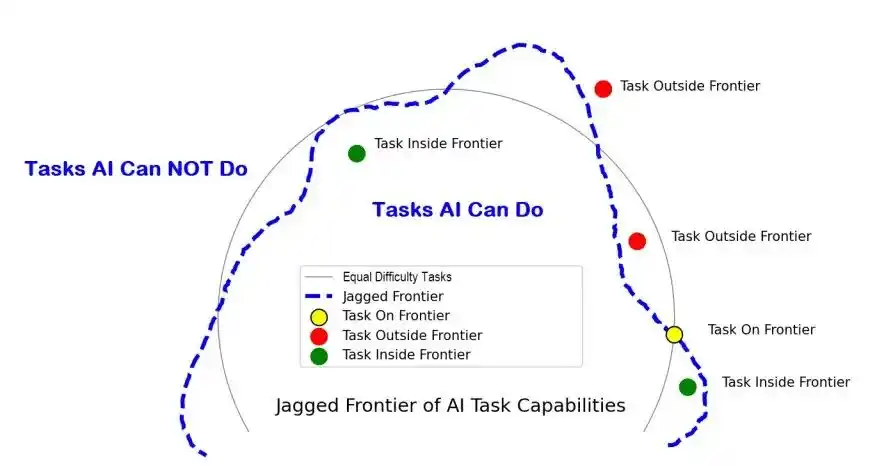
Where's the gap? It's in 'context', in continual learning—applying the lessons learned from one task to the next.

This is so natural for humans, but for models, it's a hard nut the entire industry is trying to crack.

When asked if reaching AGI still requires two or three fundamental breakthroughs, Mark didn't take the bait.

He said that abilities like continual learning are "essential foundational capabilities that must be unlocked." As for whether that counts as a 'breakthrough', he wasn't sure, but "many shots are already aimed at the goal, and I'm pretty sure they'll go in."

That's his attitude: the potholes are real, but work is already underway to fill every single one, and he's betting they can be filled.

The Soup Metaphor: Opening a Noodle Shop After AGI

The most heartwarming moment in the interview was the story about 'soup'.

It is said that Mark Zuckerberg once tried to poach OpenAI researchers with homemade soup, and Mark Chen's response was to bring the soup directly to the office and share it with everyone.
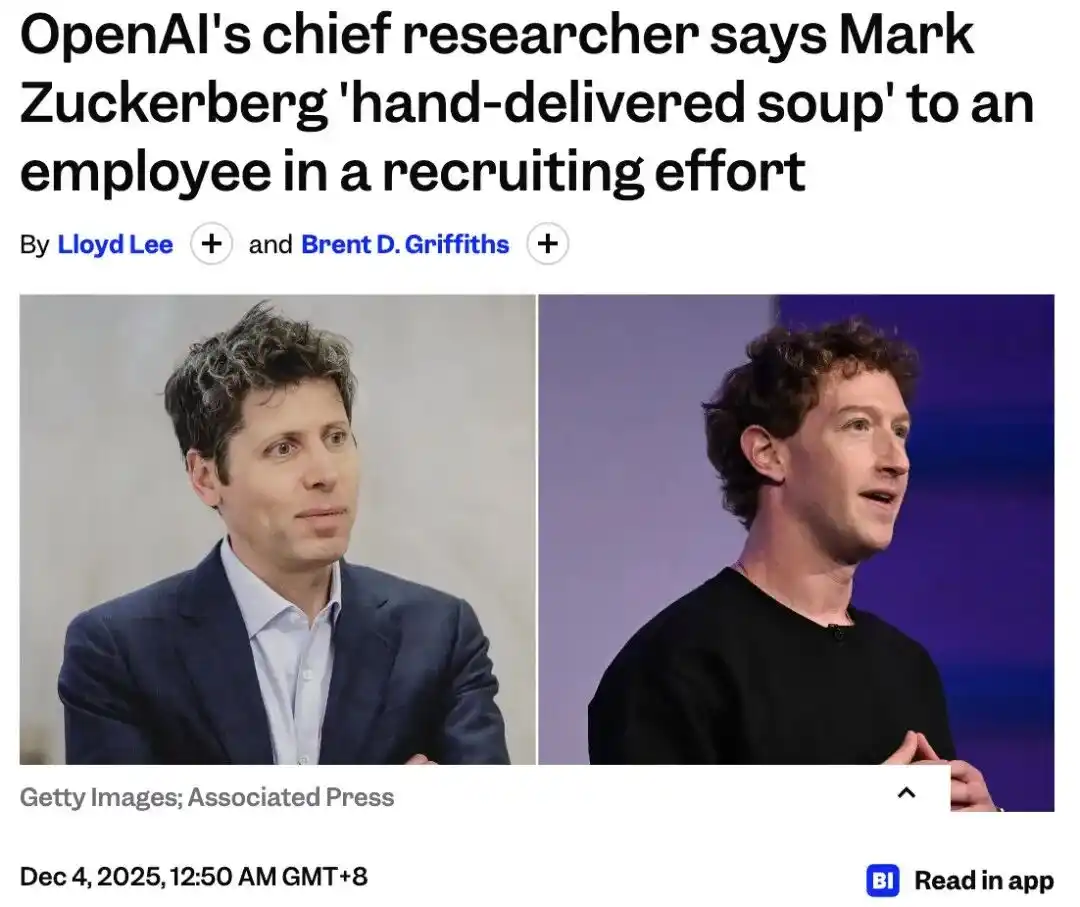
When asked about his ultimate wish after AGI is achieved, this man in charge of the world's most powerful AI brains answered:

"I want to open a noodle shop. That might be my post-AGI hobby."

There is profound meaning hidden in this answer.

When AI can perform all "self-sustaining research", when all knowledge and innovation can be generated at the speed of light, the most scarce resource for humanity will no longer be intelligence, but 'experience'.

A machine can calculate the optimal saltiness for a bowl of soup, but it can never imbue that soup with 'warmth' and 'story'.

References:

https://www.youtube.com/watch?v=fpAthTtha8c

https://finance.biggo.com/podcast/1241bc21164ccc75

This article is from WeChat public account "Xin Zhi Yuan", author: ASI Revelation.

Crypto di tendenza

Domande pertinenti

QAccording to Mark Chen, what is the most 'insane' development currently happening across various fields?

AMark Chen states that the most 'insane' thing is that you can now see 'god's one move' or a pivotal, game-changing insight happening in almost every field, including mathematics, computer science, and programming.

QWhat does Mark Chen believe is the foundation for his confidence that 'self-sustaining research by models' is not far away?

AHis confidence is based on two key beliefs: 1) The scaling curve is not at its end yet and has sustained nearly 10 orders of magnitude. 2) Major breakthroughs, like the o1 project which focused on reasoning, often come from bold bets that few initially believe in.

QWhat is a 'Vibe Researcher' as described in the article, and what is their proposed future role?

AA 'Vibe Researcher' is a predicted future role where the top researcher is not the one who writes the code, but the one who 'gets the vibe' or has the 'taste' to pose truly important questions and judge the 'soul' of the answers AI provides. Their role shifts to high-level idea generation and orchestration, while AI handles implementation.

QWhat are the two major technical 'pits' or challenges highlighted by Mark Chen on the road to AGI?

AThe two major challenges are: 1) The evaluation crisis ('Benchmaxxing'), where current benchmarks are easily gamed and become obsolete once public, making true model capability hard to measure. 2) The 'jagged frontier', where models excel at complex, specialized tasks (like math Olympiads) but fail at trivial, context-dependent tasks that require continual learning and common sense.

QWhat does Mark Chen metaphorically suggest might be the most valuable human role after AGI is achieved, and what personal aspiration does he link to this idea?

AHe suggests that after AGI, when AI handles all self-sustaining research and knowledge generation, the most valuable human resource will be 'experience'. Machines can calculate optimal outcomes, but they cannot create 'warmth' and 'story'. He personally aspires to open a noodle shop as a post-AGI pursuit, symbolizing this human-centric value of creating meaningful experiences.

Letture associate

Valuation Inversion Emerges, Bitcoin Treasury Companies Face Trust Crisis

"Valuation Inversion Emerges, Sparking Trust Crisis for Bitcoin Treasury Firms" The investment thesis for corporate Bitcoin treasury stocks has fundamentally shifted. Investors are no longer rewarding companies simply for accumulating more Bitcoin. Instead, the focus is now on net Bitcoin per share, with intense scrutiny on whether new financings truly benefit existing shareholders or merely dilute their stake. Key indicators highlight the new reality. Metaplanet's market capitalization has fallen below the total value of its Bitcoin holdings, indicating a valuation discount. While MicroStrategy maintains a premium, its core metric—Bitcoin per diluted share for common shareholders—has been declining due to dilution from financing activities, primarily through its STRAT permanent preferred shares. This marks a transition from a pure "asset accumulation" phase to an "equity attribution" phase. Investors now deduct costs like preferred dividends and debt to calculate the actual Bitcoin claim for common equity. The widespread adoption of spot Bitcoin ETFs has removed the scarcity value these stocks once held, forcing them to justify their structure with superior leverage, dividends, or capital efficiency. European entrants like France's Capital B and Sweden's BTC AB are testing this new environment with ambitious funding plans backed by relatively small Bitcoin holdings. They are asking investors to bear complex capital structures, betting future Bitcoin purchases will cover all dilution and dividend costs. The sector's core risk is a broken financing loop. Once a company's stock trades below its Bitcoin net asset value, it loses the ability to issue equity for accretive purchases. It is then left with unpalatable choices: dilutive financing at a discount, venturing into new businesses like Bitcoin lending, or selling assets. The winners in this next phase will be those that demonstrably increase Bitcoin per share for common shareholders with every financing move.

Foresight News13 min fa

Valuation Inversion Emerges, Bitcoin Treasury Companies Face Trust Crisis

Foresight News13 min fa

Trading

Spot

Articoli Popolari

Cosa è $S$

Comprendere SPERO: Una Panoramica Completa Introduzione a SPERO Mentre il panorama dell'innovazione continua a evolversi, l'emergere delle tecnologie web3 e dei progetti di criptovaluta gioca un ruolo fondamentale nel plasmare il futuro digitale. Un progetto che ha attirato l'attenzione in questo campo dinamico è SPERO, denotato come SPERO,$$s$. Questo articolo mira a raccogliere e presentare informazioni dettagliate su SPERO, per aiutare gli appassionati e gli investitori a comprendere le sue basi, obiettivi e innovazioni nei domini web3 e crypto. Che cos'è SPERO,$$s$? SPERO,$$s$ è un progetto unico all'interno dello spazio crypto che cerca di sfruttare i principi della decentralizzazione e della tecnologia blockchain per creare un ecosistema che promuove l'impegno, l'utilità e l'inclusione finanziaria. Il progetto è progettato per facilitare interazioni peer-to-peer in modi nuovi, fornendo agli utenti soluzioni e servizi finanziari innovativi. Al suo interno, SPERO,$$s$ mira a responsabilizzare gli individui fornendo strumenti e piattaforme che migliorano l'esperienza dell'utente nello spazio delle criptovalute. Questo include la possibilità di metodi di transazione più flessibili, la promozione di iniziative guidate dalla comunità e la creazione di percorsi per opportunità finanziarie attraverso applicazioni decentralizzate (dApps). La visione sottostante di SPERO,$$s$ ruota attorno all'inclusività, cercando di colmare le lacune all'interno della finanza tradizionale mentre sfrutta i vantaggi della tecnologia blockchain. Chi è il Creatore di SPERO,$$s$? L'identità del creatore di SPERO,$$s$ rimane piuttosto oscura, poiché ci sono risorse pubblicamente disponibili limitate che forniscono informazioni dettagliate sul suo fondatore o fondatori. Questa mancanza di trasparenza può derivare dall'impegno del progetto per la decentralizzazione—un ethos che molti progetti web3 condividono, dando priorità ai contributi collettivi rispetto al riconoscimento individuale. Centrando le discussioni attorno alla comunità e ai suoi obiettivi collettivi, SPERO,$$s$ incarna l'essenza dell'empowerment senza mettere in evidenza individui specifici. Pertanto, comprendere l'etica e la missione di SPERO rimane più importante che identificare un creatore singolo. Chi sono gli Investitori di SPERO,$$s$? SPERO,$$s$ è supportato da una varietà di investitori che vanno dai capitalisti di rischio agli investitori angelici dedicati a promuovere l'innovazione nel settore crypto. Il focus di questi investitori generalmente si allinea con la missione di SPERO—dando priorità a progetti che promettono avanzamenti tecnologici sociali, inclusività finanziaria e governance decentralizzata. Queste fondazioni di investitori sono tipicamente interessate a progetti che non solo offrono prodotti innovativi, ma contribuiscono anche positivamente alla comunità blockchain e ai suoi ecosistemi. Il supporto di questi investitori rafforza SPERO,$$s$ come un concorrente degno di nota nel dominio in rapida evoluzione dei progetti crypto. Come Funziona SPERO,$$s$? SPERO,$$s$ impiega un framework multifunzionale che lo distingue dai progetti di criptovaluta convenzionali. Ecco alcune delle caratteristiche chiave che sottolineano la sua unicità e innovazione: Governance Decentralizzata: SPERO,$$s$ integra modelli di governance decentralizzati, responsabilizzando gli utenti a partecipare attivamente ai processi decisionali riguardanti il futuro del progetto. Questo approccio favorisce un senso di proprietà e responsabilità tra i membri della comunità. Utilità del Token: SPERO,$$s$ utilizza il proprio token di criptovaluta, progettato per servire varie funzioni all'interno dell'ecosistema. Questi token abilitano transazioni, premi e la facilitazione dei servizi offerti sulla piattaforma, migliorando l'impegno e l'utilità complessivi. Architettura Stratificata: L'architettura tecnica di SPERO,$$s$ supporta la modularità e la scalabilità, consentendo un'integrazione fluida di funzionalità e applicazioni aggiuntive man mano che il progetto evolve. Questa adattabilità è fondamentale per mantenere la rilevanza nel panorama crypto in continua evoluzione. Coinvolgimento della Comunità: Il progetto enfatizza iniziative guidate dalla comunità, impiegando meccanismi che incentivano la collaborazione e il feedback. Nutrendo una comunità forte, SPERO,$$s$ può affrontare meglio le esigenze degli utenti e adattarsi alle tendenze di mercato. Focus sull'Inclusione: Offrendo basse commissioni di transazione e interfacce user-friendly, SPERO,$$s$ mira ad attrarre una base utenti diversificata, inclusi individui che potrebbero non aver precedentemente interagito nello spazio crypto. Questo impegno per l'inclusione si allinea con la sua missione generale di empowerment attraverso l'accessibilità. Cronologia di SPERO,$$s$ Comprendere la storia di un progetto fornisce preziose intuizioni sulla sua traiettoria di sviluppo e sui traguardi. Di seguito è riportata una cronologia suggerita che mappa eventi significativi nell'evoluzione di SPERO,$$s$: Fase di Concettualizzazione e Ideazione: Le idee iniziali che formano la base di SPERO,$$s$ sono state concepite, allineandosi strettamente con i principi di decentralizzazione e focus sulla comunità all'interno dell'industria blockchain. Lancio del Whitepaper del Progetto: Dopo la fase concettuale, è stato rilasciato un whitepaper completo che dettaglia la visione, gli obiettivi e l'infrastruttura tecnologica di SPERO,$$s$ per suscitare interesse e feedback dalla comunità. Costruzione della Comunità e Prime Interazioni: Sono stati effettuati sforzi attivi di outreach per costruire una comunità di early adopters e potenziali investitori, facilitando discussioni attorno agli obiettivi del progetto e ottenendo supporto. Evento di Generazione del Token: SPERO,$$s$ ha condotto un evento di generazione del token (TGE) per distribuire i propri token nativi ai primi sostenitori e stabilire una liquidità iniziale all'interno dell'ecosistema. Lancio della Prima dApp: La prima applicazione decentralizzata (dApp) associata a SPERO,$$s$ è stata attivata, consentendo agli utenti di interagire con le funzionalità principali della piattaforma. Sviluppo Continuo e Partnership: Aggiornamenti e miglioramenti continui alle offerte del progetto, inclusi partnership strategiche con altri attori nello spazio blockchain, hanno plasmato SPERO,$$s$ in un concorrente competitivo e in evoluzione nel mercato crypto. Conclusione SPERO,$$s$ rappresenta una testimonianza del potenziale del web3 e delle criptovalute di rivoluzionare i sistemi finanziari e responsabilizzare gli individui. Con un impegno per la governance decentralizzata, il coinvolgimento della comunità e funzionalità progettate in modo innovativo, apre la strada verso un panorama finanziario più inclusivo. Come per qualsiasi investimento nello spazio crypto in rapida evoluzione, si incoraggiano potenziali investitori e utenti a ricercare approfonditamente e a impegnarsi in modo riflessivo con gli sviluppi in corso all'interno di SPERO,$$s$. Il progetto mostra lo spirito innovativo dell'industria crypto, invitando a ulteriori esplorazioni delle sue innumerevoli possibilità. Mentre il percorso di SPERO,$$s$ è ancora in fase di sviluppo, i suoi principi fondamentali potrebbero effettivamente influenzare il futuro di come interagiamo con la tecnologia, la finanza e tra di noi in ecosistemi digitali interconnessi.

101 Totale visualizzazioniPubblicato il 2024.12.17Aggiornato il 2024.12.17

Cosa è $S$

Cosa è AGENT S

Agent S: Il Futuro dell'Interazione Autonoma in Web3 Introduzione Nel panorama in continua evoluzione di Web3 e criptovalute, le innovazioni stanno costantemente ridefinendo il modo in cui gli individui interagiscono con le piattaforme digitali. Uno di questi progetti pionieristici, Agent S, promette di rivoluzionare l'interazione uomo-computer attraverso il suo framework agentico aperto. Aprendo la strada a interazioni autonome, Agent S mira a semplificare compiti complessi, offrendo applicazioni trasformative nell'intelligenza artificiale (AI). Questa esplorazione dettagliata approfondirà le complessità del progetto, le sue caratteristiche uniche e le implicazioni per il dominio delle criptovalute. Cos'è Agent S? Agent S si presenta come un innovativo framework agentico aperto, progettato specificamente per affrontare tre sfide fondamentali nell'automazione dei compiti informatici: Acquisizione di Conoscenze Specifiche del Dominio: Il framework apprende in modo intelligente da varie fonti di conoscenza esterne ed esperienze interne. Questo approccio duale gli consente di costruire un ricco repository di conoscenze specifiche del dominio, migliorando le sue prestazioni nell'esecuzione dei compiti. Pianificazione su Lungo Orizzonte di Compiti: Agent S impiega una pianificazione gerarchica potenziata dall'esperienza, un approccio strategico che facilita la suddivisione e l'esecuzione efficiente di compiti complessi. Questa caratteristica migliora significativamente la sua capacità di gestire più sottocompiti in modo efficiente ed efficace. Gestione di Interfacce Dinamiche e Non Uniformi: Il progetto introduce l'Interfaccia Agente-Computer (ACI), una soluzione innovativa che migliora l'interazione tra agenti e utenti. Utilizzando Modelli Linguistici Multimodali di Grandi Dimensioni (MLLM), Agent S può navigare e manipolare senza sforzo diverse interfacce grafiche utente. Attraverso queste caratteristiche pionieristiche, Agent S fornisce un framework robusto che affronta le complessità coinvolte nell'automazione dell'interazione umana con le macchine, preparando il terreno per innumerevoli applicazioni nell'AI e oltre. Chi è il Creatore di Agent S? Sebbene il concetto di Agent S sia fondamentalmente innovativo, informazioni specifiche sul suo creatore rimangono elusive. Il creatore è attualmente sconosciuto, il che evidenzia sia la fase embrionale del progetto sia la scelta strategica di mantenere i membri fondatori sotto anonimato. Indipendentemente dall'anonimato, l'attenzione rimane sulle capacità e sul potenziale del framework. Chi sono gli Investitori di Agent S? Poiché Agent S è relativamente nuovo nell'ecosistema crittografico, informazioni dettagliate riguardanti i suoi investitori e sostenitori finanziari non sono documentate esplicitamente. La mancanza di approfondimenti pubblicamente disponibili sulle fondazioni di investimento o sulle organizzazioni che supportano il progetto solleva interrogativi sulla sua struttura di finanziamento e sulla roadmap di sviluppo. Comprendere il supporto è cruciale per valutare la sostenibilità del progetto e il suo potenziale impatto sul mercato. Come Funziona Agent S? Al centro di Agent S si trova una tecnologia all'avanguardia che gli consente di funzionare efficacemente in contesti diversi. Il suo modello operativo è costruito attorno a diverse caratteristiche chiave: Interazione Uomo-Computer Simile a Quella Umana: Il framework offre una pianificazione AI avanzata, cercando di rendere le interazioni con i computer più intuitive. Mimando il comportamento umano nell'esecuzione dei compiti, promette di elevare le esperienze degli utenti. Memoria Narrativa: Utilizzata per sfruttare esperienze di alto livello, Agent S utilizza la memoria narrativa per tenere traccia delle storie dei compiti, migliorando così i suoi processi decisionali. Memoria Episodica: Questa caratteristica fornisce agli utenti una guida passo-passo, consentendo al framework di offrire supporto contestuale mentre i compiti si sviluppano. Supporto per OpenACI: Con la capacità di funzionare localmente, Agent S consente agli utenti di mantenere il controllo sulle proprie interazioni e flussi di lavoro, allineandosi con l'etica decentralizzata di Web3. Facile Integrazione con API Esterne: La sua versatilità e compatibilità con varie piattaforme AI garantiscono che Agent S possa adattarsi senza problemi agli ecosistemi tecnologici esistenti, rendendolo una scelta attraente per sviluppatori e organizzazioni. Queste funzionalità contribuiscono collettivamente alla posizione unica di Agent S all'interno dello spazio crittografico, poiché automatizza compiti complessi e multi-fase con un intervento umano minimo. Man mano che il progetto evolve, le sue potenziali applicazioni in Web3 potrebbero ridefinire il modo in cui si svolgono le interazioni digitali. Cronologia di Agent S Lo sviluppo e le tappe di Agent S possono essere riassunti in una cronologia che evidenzia i suoi eventi significativi: 27 Settembre 2024: Il concetto di Agent S è stato lanciato in un documento di ricerca completo intitolato “Un Framework Agentico Aperto che Usa i Computer Come un Umano”, mostrando le basi per il progetto. 10 Ottobre 2024: Il documento di ricerca è stato reso pubblicamente disponibile su arXiv, offrendo un'esplorazione approfondita del framework e della sua valutazione delle prestazioni basata sul benchmark OSWorld. 12 Ottobre 2024: È stata rilasciata una presentazione video, fornendo un'idea visiva delle capacità e delle caratteristiche di Agent S, coinvolgendo ulteriormente potenziali utenti e investitori. Questi indicatori nella cronologia non solo illustrano i progressi di Agent S, ma indicano anche il suo impegno per la trasparenza e il coinvolgimento della comunità. Punti Chiave su Agent S Man mano che il framework Agent S continua a evolversi, diversi attributi chiave si distinguono, sottolineando la sua natura innovativa e il potenziale: Framework Innovativo: Progettato per fornire un uso intuitivo dei computer simile all'interazione umana, Agent S porta un approccio nuovo all'automazione dei compiti. Interazione Autonoma: La capacità di interagire autonomamente con i computer attraverso GUI segna un passo avanti verso soluzioni informatiche più intelligenti ed efficienti. Automazione di Compiti Complessi: Con la sua metodologia robusta, può automatizzare compiti complessi e multi-fase, rendendo i processi più veloci e meno soggetti a errori. Miglioramento Continuo: I meccanismi di apprendimento consentono ad Agent S di migliorare dalle esperienze passate, migliorando continuamente le sue prestazioni e la sua efficacia. Versatilità: La sua adattabilità attraverso diversi ambienti operativi come OSWorld e WindowsAgentArena garantisce che possa servire un'ampia gamma di applicazioni. Man mano che Agent S si posiziona nel panorama di Web3 e delle criptovalute, il suo potenziale per migliorare le capacità di interazione e automatizzare i processi segna un significativo avanzamento nelle tecnologie AI. Attraverso il suo framework innovativo, Agent S esemplifica il futuro delle interazioni digitali, promettendo un'esperienza più fluida ed efficiente per gli utenti in vari settori. Conclusione Agent S rappresenta un audace passo avanti nell'unione tra AI e Web3, con la capacità di ridefinire il modo in cui interagiamo con la tecnologia. Sebbene sia ancora nelle sue fasi iniziali, le possibilità per la sua applicazione sono vaste e coinvolgenti. Attraverso il suo framework completo che affronta sfide critiche, Agent S mira a portare le interazioni autonome al centro dell'esperienza digitale. Man mano che ci addentriamo nei regni delle criptovalute e della decentralizzazione, progetti come Agent S giocheranno senza dubbio un ruolo cruciale nel plasmare il futuro della tecnologia e della collaborazione uomo-computer.

562 Totale visualizzazioniPubblicato il 2025.01.14Aggiornato il 2025.01.14

Cosa è AGENT S

Come comprare S

Benvenuto in HTX.com! Abbiamo reso l'acquisto di Sonic (S) semplice e conveniente. Segui la nostra guida passo passo per intraprendere il tuo viaggio nel mondo delle criptovalute.Step 1: Crea il tuo Account HTXUsa la tua email o numero di telefono per registrarti il tuo account gratuito su HTX. Vivi un'esperienza facile e sblocca tutte le funzionalità,Crea il mio accountStep 2: Vai in Acquista crypto e seleziona il tuo metodo di pagamentoCarta di credito/debito: utilizza la tua Visa o Mastercard per acquistare immediatamente SonicS.Bilancio: Usa i fondi dal bilancio del tuo account HTX per fare trading senza problemi.Terze parti: abbiamo aggiunto metodi di pagamento molto utilizzati come Google Pay e Apple Pay per maggiore comodità.P2P: Fai trading direttamente con altri utenti HTX.Over-the-Counter (OTC): Offriamo servizi su misura e tassi di cambio competitivi per i trader.Step 3: Conserva Sonic (S)Dopo aver acquistato Sonic (S), conserva nel tuo account HTX. In alternativa, puoi inviare tramite trasferimento blockchain o scambiare per altre criptovalute.Step 4: Scambia Sonic (S)Scambia facilmente Sonic (S) nel mercato spot di HTX. Accedi al tuo account, seleziona la tua coppia di trading, esegui le tue operazioni e monitora in tempo reale. Offriamo un'esperienza user-friendly sia per chi ha appena iniziato che per i trader più esperti.

1.1k Totale visualizzazioniPubblicato il 2025.01.15Aggiornato il 2026.06.02

Come comprare S

Discussioni

Benvenuto nella Community HTX. Qui puoi rimanere informato sugli ultimi sviluppi della piattaforma e accedere ad approfondimenti esperti sul mercato. Le opinioni degli utenti sul prezzo di S S sono presentate come di seguito.

活动图片