After Three Years at Multicoin, My Thoughts on Kyle the 'Shill King' Announcing His Exit

marsbitPubblicato 2026-02-06Pubblicato ultima volta 2026-02-06

Introduzione

Kyle Samani, co-founder of Multicoin Capital, is stepping back from the firm, a move that reflects his strategic focus on pursuing asymmetric, non-consensual bets rather than managing a conventional fund. According to the author, a former Multicoin partner, Samani excelled at identifying and investing in high-conviction, contrarian theses—such as Solana’s potential as a "Nasdaq on-chain"—long before they gained mainstream acceptance. While some have questioned why Multicoin missed certain trends in the current cycle, like leading perpetual DEXs, the author explains that these areas had already become consensus plays, which did not align with Samani’s investment philosophy. His strength lay in early, non-consensus conviction. The author expresses confidence in Multicoin’s remaining team, noting their expertise in on-chain trading, AI, and regulatory strategy. Meanwhile, Samani is expected to explore new ventures, possibly in data-centric businesses. The piece concludes with a personal reflection: everyone has a unique “game” they are meant to play. For Samani, it was asymmetric investing; for the author, it’s building value-transfer protocols. The key is to focus on what one does best and play to win.

Author: mable.sol(Former Multicoin Capital Partner Mable Jiang)

Compiled by: Ken, Chaincatcher

Everyone can only excel at one type of game. You should spend half your time figuring out what game you're good at, and the other half fully focused on playing it well.

Kyle Samani knew exactly what his was.

His strategy was to first develop a theory, then find the right projects—and persistently wait for the theory to be validated (while occasionally assessing if the theory still held). In building a "Nasdaq on-chain" with Solana, he saw this thesis from the very beginning (even though Solana is still some distance from this vision today, that's not the point), and executed this strategy by leading multiple rounds of financing—even participating in discounted OTC rounds long after SOL's mainnet beta launch. He did everything he could to facilitate Solana's development.

His core gamble was in finding asymmetric opportunities, i.e., non-consensus bets. Haseeb was right: probably no one is better at this than Kyle.

People question why Multicoin didn't capture any of the leading perpetual DEXs or related infrastructure this cycle. No one knows better than I do that Multicoin was a firm believer in perpetual DEXs long before anything existed this cycle. Even before many in the industry understood how central limit order books worked—you'd be surprised, but it's true, after all many of us were originally cypherpunks who later adapted to become trading experts (laughs). Multicoin studied basically every perpetual DEX and analyzed the trade-offs. There were many blog posts about the design space and why certain designs were better—you can find them on multicoin.capital.

So why did they "miss" it? Because perpetual DEXs and on-chain liquidity—these are no longer non-consensus bets. Of course, they still have huge growth potential. But consensus bets hold no appeal for Kyle. That was never his game.

And for a fund, the goal is to make money for LPs. So, managing a fund by the book is no longer the game Kyle wants to focus on playing. Running a data company might be something he's interested in—this has never been successfully done before (if you're interested, you can probably listen to the podcast I did with him on FWRD). There are still many asymmetric opportunities in the world waiting to be discovered. Kyle knows his game, so he decided to focus on playing the game he's good at and interested in.

No one needs to worry about who is moving on to other fields. When you know what your game is, you should focus on playing it well and aim to win. Winning isn't the entire purpose, but devising a winning strategy is part of the game experience.

Many worry about what Multicoin will be like without Kyle. But I'm not worried, because I know the opportunities ahead for all of us align with the strengths of Tushar, Brian, Spencer, Shayon, Vishal, Matt, Greg, and the rest of the team: on-chain trading, AI, and compliance. As long as the team focuses on playing this game correctly, it will remain top-tier in the industry.

For me, I've been a builder for almost four years now. Looking back, my time at Multicoin was unique—intense debates with Kyle in investment committee meetings, strategic exchanges with Tushar, and exploring the design space of many things with every IC member. I know I can't be as good as any of them, but I've also found my passion and the field of play that belongs to me.

For Kyle, the Web3 dream has turned into nothing but cold ledgers. For me, in this highly commoditized world, these ledgers condense real value transfer. When all other filtering mechanisms completely fail, money becomes the world's only relatively scarce resource to express opinions—and in the near future,恐怕连金钱本身也算不上了恐怕连金钱本身也算不上了恐怕连金钱本身也算不上了恐怕连金钱本身也算不上了恐怕连金钱本身也算不上了恐怕连金钱本身也算不上了恐怕连金钱本身也算不上了恐怕连金钱本身也算不上了恐怕连金钱本身也算不上了恐怕连金钱本身也算不上了恐怕连金钱本身也算不上了恐怕连金钱本身也算不上了恐怕连金钱本身也算不上了恐怕连金钱本身也算不上了恐怕连金钱本身也算不上了恐怕连金钱本身也算不上了恐怕连金钱本身也算不上了恐怕连金钱本身也算不上了恐怕连金钱本身也算不上了恐怕连金钱本身也算不上了恐怕连金钱本身也算不上了恐怕连金钱本身也算不上了恐怕连金钱本身也算不上了恐怕连金钱本身也算不上了恐怕连金钱本身也算不上了恐怕连金钱本身也算不上了恐怕连金钱本身也算不上了恐怕连金钱本身也算不上了恐怕连金钱本身也算不上了恐怕连金钱本身也算不上了恐怕连金钱本身也算不上了恐怕连金钱本身也算不上了恐怕连金钱本身也算不上了恐怕连金钱本身也算不上了恐怕连金钱本身也算不上了恐怕连金钱本身也算不上了恐怕连金钱本身也算不上了恐怕连金钱本身也算不上了恐怕连金钱本身也算不上了恐怕连金钱本身也算不上了恐怕连金钱本身也算不上了恐怕连金钱本身也算不上了恐怕连金钱本身也算不上了恐怕连金钱本身也算不上了恐怕连金钱本身也算不上了恐怕连金钱本身也算不上了恐怕连金钱本身也算不上了恐怕连金钱本身也算不上了恐怕连金钱本身也算不上了恐怕连金钱本身也算不上了恐怕连金钱本身也算不上了恐怕连金钱本身也算不上了恐怕连金钱本身也算不上了恐怕连金钱本身也算不上了恐怕连金钱本身也算不上了恐怕连金钱本身也算不上了恐怕连金钱本身也算不上了恐怕连金钱本身也算不上了恐怕连金钱本身也算不上了恐怕连金钱本身也算不上了恐怕连金钱本身也算不上了恐怕连金钱本身也算不上了恐怕连金钱本身也算不上了恐怕连金钱本身也算不上了恐怕连金钱本身也算不上了恐怕连金钱本身也算不上了恐怕连金钱本身也算不上了恐怕连金钱本身也算不上了恐怕连金钱本身也算不上了恐怕连金钱本身也算不上了恐怕连金钱本身也算不上了恐怕连金钱本身也算不上了恐怕连金钱本身也算不上了恐怕连金钱本身也算不上了恐怕连金钱本身也算不上了恐怕连金钱本身也算不上了恐怕连金钱本身也算不上了恐怕连金钱本身也算不上了恐怕连金钱本身也算不上了恐怕连金钱本身也算不上了恐怕连金钱本身也算不上了恐怕连金钱本身也算不上了恐怕连金钱本身也算不上了恐怕连金钱本身也算不上了恐怕连金钱本身也算不上了恐怕连金钱本身也算不上了恐怕连金钱本身也算不上了恐怕连金钱本身也算不上了恐怕连金钱本身也算不上了恐怕连金钱本身也算不上了恐怕连金钱本身也算不上了恐怕连金钱本身也算不上了恐怕连金钱本身也算不上了恐怕连金钱本身也算不上了恐怕连金钱本身也算不上了恐怕连金钱本身也算不上了恐怕连金钱本身也算不上了恐怕连金钱本身也算不上了恐怕连金钱本身也算不上了恐怕连金钱本身也算不上了恐怕连金钱本身也算不上了恐怕连金钱本身也算不上了恐怕连金钱本身也算不上了恐怕连金钱本身也算不上了恐怕连金钱本身也算不上了恐怕连金钱本身也算不上了恐怕连金钱本身也算不上了恐怕连金钱本身也算不上了恐怕连金钱本身也算不上了恐怕连金钱本身也算不上了恐怕连金钱本身也算不上了恐怕连金钱本身也算不上了恐怕连金钱本身也算不上了恐怕连金钱本身也算不上了恐怕连金钱本身也算不上了恐怕连金钱本身也算不上了恐怕连金钱本身也算不上了恐怕连金钱本身也算不上了恐怕连金钱本身也算不上了恐怕连金钱本身也算不上了恐怕连金钱本身也算不上了恐怕连金钱本身也算不上了恐怕连金钱本身也算不上了恐怕连金钱本身也算不上了恐怕连金钱本身也算不上了恐怕连金钱本身也算不上了恐怕连金钱本身也算不上了恐怕连金钱本身也算不上了恐怕连金钱本身也算不上了恐怕连金钱本身也算不上了恐怕连金钱本身也算不上了恐怕连金钱本身也算不上了恐怕连金钱本身也算不上了恐怕连金钱本身也算不上了恐怕连金钱本身也算不上了恐怕连金钱本身也算不上了恐怕连金钱本身也算不上了恐怕连金钱本身也算不上了恐怕连金钱本身也算不上了恐怕连金钱本身也算不上了恐怕连金钱本身也算不上了恐怕连金钱本身也算不上了恐怕连金钱本身也算不上了恐怕连金钱本身也算不上了恐怕连金钱本身也算不上了恐怕连金钱本身也算不上了恐怕连金钱本身也算不上了恐怕连金钱本身也算不上了恐怕连金钱本身也算不上了恐怕连金钱本身也算不上了恐怕连金钱本身也算不上了恐怕连金钱本身也算不上了恐怕连金钱本身也算不上了恐怕连金钱本身也算不上了恐怕连金钱本身也算不上了恐怕连金钱本身也算不上了恐怕连金钱本身也算不上了恐怕连金钱本身也算不上了恐怕连金钱本身也算不上了恐怕连金钱本身也算不上了恐怕连金钱本身也算不上了恐怕连金钱本身也算不上了恐怕连金钱本身也算不上了恐怕连金钱本身也算不上了恐怕连金钱本身也算不上了恐怕连金钱本身也算不上了恐怕连金钱本身也算不上了恐怕连金钱本身也算不上了恐怕连金钱本身也算不上了恐怕连金钱本身也算不上了恐怕连金钱本身也算不上了恐怕连金钱本身也算不上了恐怕连金钱本身也算不上了恐怕连金钱本身也算不上了恐怕连金钱本身也算不上了恐怕连金钱本身也算不上了恐怕连金钱本身也算不上了恐怕连金钱本身也算不上了恐怕连金钱本身也算不上了恐怕连金钱本身也算不上了恐怕连金钱本身也算不上了恐怕连金钱本身也算不上了恐怕连金钱本身也算不上了恐怕连金钱本身也算不上了恐怕连金钱本身也算不上了恐怕连金钱本身也算不上了恐怕连金钱本身也算不上了恐怕连金钱本身也算不上了恐怕连金钱本身也算不上了恐怕连金钱本身也算不上了恐怕连金钱本身也算不上了恐怕连金钱本身也算不上了恐怕连金钱本身也算不上了恐怕连金钱本身也算不上了恐怕极有可能连金钱本身也算不上了。This is why I am building an asset generation protocol (@trendsdotfun).

He and I never needed to agree on what game to play. But we sincerely wish each other well and will cheer for each other from the sidelines.

You only live once, focus on the game you are best at.

I'm just playing games, but I play to win.

Take it easy, but don't slack off.

Domande pertinenti

QWhat was Kyle Samani's core investment strategy at Multicoin Capital according to the author?

AKyle Samani's core strategy was to first develop a theory, then find projects that fit that theory, while persistently waiting for the theory to be validated. He focused on finding asymmetric opportunities and non-consensus bets, such as his early and continued investment in Solana to build a 'Nasdaq on-chain'.

QWhy did Multicoin Capital 'miss' investing in leading perpetual decentralized exchanges (DEXs) this cycle?

AMulticoin missed investing in leading perpetual DEXs because these opportunities were no longer non-consensus bets. While they had significant growth potential, Kyle was not attracted to consensus bets, as that was never his game. The fund had extensively researched perpetual DEXs but chose to focus on asymmetric, non-consensus opportunities instead.

QWhat are the new focus areas for Multicoin Capital after Kyle's departure, as mentioned by the author?

AThe new focus areas for Multicoin Capital are on-chain trading, artificial intelligence, and compliance. The author expresses confidence in the remaining team members, including Tushar, Brian, Spencer, Shayon, Vishal, Matt, and Greg, to excel in these areas.

QWhat personal project is the author, Mable Jiang, building and why?

AMable Jiang is building an asset generation protocol called @trendsdotfun. She believes that in a highly commoditized world, ledgers凝结了真实的价值传输 (condense real value transfer), and money is becoming the only relatively scarce resource to express opinions. Her project aims to address this.

QWhat is the overarching life and career advice the author gives based on her experience with Kyle?

AThe overarching advice is that everyone should spend half their time figuring out what game they are good at and the other half fully focused on playing that game well. The goal is not just to win, but formulating a winning strategy is part of the experience. One should focus on the game they are best at and play to win.

Letture associate

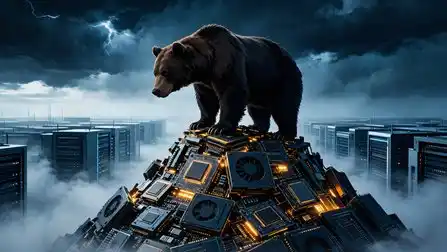
Wall Street's Most Famous 'Cassandra' Now Has His Sights Set on Nvidia

Michael Burry, the famed "Big Short" investor, has once again captured Wall Street's attention with a series of short positions against major tech and semiconductor stocks, most notably Nvidia. In late June and July, through his "Cassandra Unchained" newsletter, Burry disclosed short bets against Nvidia, Tesla, Applied Materials, Caterpillar, the SOXX semiconductor ETF, and later, Micron Technology. His core thesis revolves around potential distortions in the AI infrastructure boom, specifically questioning whether extended depreciation schedules (e.g., 6 years vs. a realistic 2-3 years for AI chips) by cloud giants like Microsoft and Google artificially inflate profits. He also raises concerns about possible "off-balance-sheet circular financing," where chip demand might be propped up by vendor-backed funding to clients. Nvidia's stock experienced volatility following these disclosures, briefly dipping but largely holding near Burry's reported entry points, leaving his positions roughly flat or slightly underwater as of late July. This move is part of a pattern for Burry, whose track record since his legendary 2008 bet is mixed. He has faced notable losses, such as on Tesla in 2021, while scoring on broader market turns like the 2020 pandemic crash. His methodology focuses intensely on free cash flow and scrutinizing original financial documents to spot overvaluation and structural risks, but it often struggles with timing the market. The article contrasts Burry's stance with other prominent investors. Steve Eisman, another "Big Short" figure, is not shorting Nvidia, citing strong fundamentals but expressing nervousness about sustainability. Jim Chanos agrees with the broad "accounting mismatch" concern—comparing it to the dot-com bubble—but targets financial leverage in private equity firms rather than the chip stocks themselves. While Nvidia's short interest remains relatively low at 1.3-1.4% of float, the massive stock size means absolute short losses have been significant, exceeding $5 billion earlier this year. The piece concludes that for ordinary investors, the key takeaway is not replicating specific short bets but learning from the critical frameworks these investors use: questioning rosy accounting, identifying structural vulnerabilities, and maintaining skepticism during market euphoria, even if pinpointing the exact catalyst for a downturn remains elusive.

marsbit8 min fa

Wall Street's Most Famous 'Cassandra' Now Has His Sights Set on Nvidia

marsbit8 min fa

Weekly Selection丨Epic Stock Market Volatility, Changxin Tech's IPO Reshapes Storage Landscape, Saylor Aims to Re-Anchor STRC Around September 8th

PANews Weekly Digest: Market Turmoil, Tech Breakthroughs, and Crypto Developments. The week saw significant volatility across global markets. South Korea's KOSPI index experienced extreme turbulence, including multiple trading halts, largely driven by sharp declines in AI hardware stocks like SK Hynix. In contrast, China's Changxin Xinqiao (CXC) achieved a landmark IPO with a market cap surpassing 4 trillion yuan, marking a major success for the domestic DRAM industry after a decade of losses. In the crypto and Web3 space, several key narratives emerged. AI is driving demand for new infrastructure, with projects like AI agent wallets and programmable payments gaining traction, attracting interest from firms like Coinbase. The Bitcoin mining sector is pivoting, with companies like MARA focusing on energy management as electricity becomes a core AI-era asset. Meanwhile, the RWA (Real World Assets) sector faces a "utilization puzzle," with hundreds of billions in on-chain assets remaining dormant. Notable market movements included a historic single-day surge of over 17% for the KOSPI index and a significant migration of $16.5 billion in staked ETH within the Lido ecosystem. Michael Saylor announced a target to re-peg the STRC stablecoin around September 8th. Other highlights include discussions on Ethereum's ambitious 2030 roadmap for scaling and privacy, analysis showing high protocol revenues not always translating to token price gains, and warnings from Citi about potential extreme commodity price shocks by late 2026.

marsbit13 min fa

Weekly Selection丨Epic Stock Market Volatility, Changxin Tech's IPO Reshapes Storage Landscape, Saylor Aims to Re-Anchor STRC Around September 8th

marsbit13 min fa

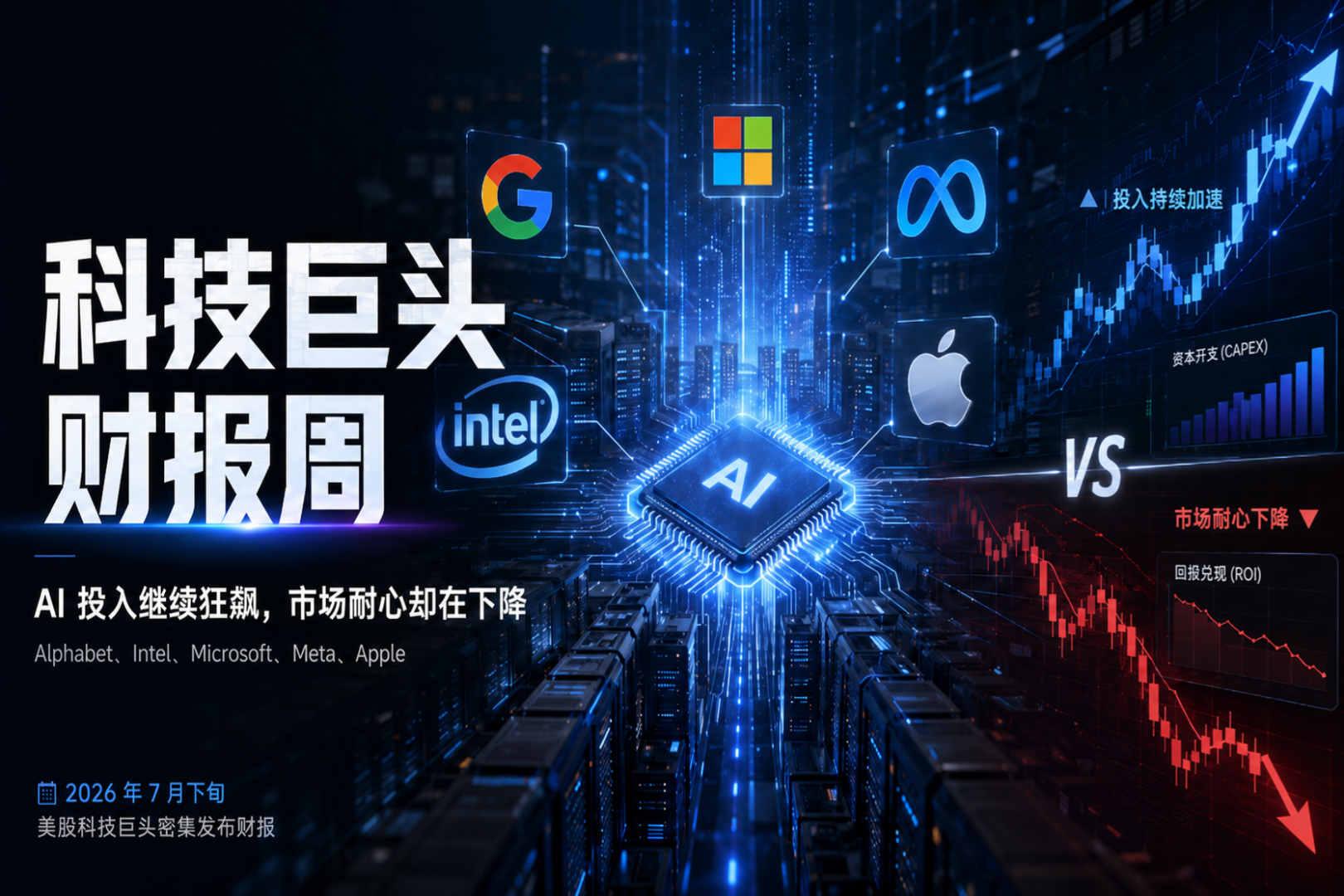
When the Market Begins to Question AI Capex: A Full Analysis of Q2 Earnings Reports from Five Tech Giants

In late July 2026, five major US tech giants—Alphabet, Intel, Microsoft, Meta, and Apple—released their Q2 earnings reports. While all companies exceeded revenue and profit expectations, driven by strong AI-related business growth, investor reactions diverged sharply due to concerns over escalating AI capital expenditures (capex) and their impact on free cash flow. Alphabet reported strong revenue growth and a surging cloud business, but its stock fell after announcing a doubled year-on-year capex and negative quarterly free cash flow for the first time. Intel posted its strongest revenue growth in over 15 years, but its stock experienced volatile trading after significantly raising its full-year capex guidance. Microsoft saw its stock surge after beating estimates and, crucially, lowering its capex forecast while projecting positive free cash flow. Meta faced the most severe sell-off as its profits declined despite revenue beats, with free cash flow plunging over 90% and its capex guidance raised. Apple reported record June-quarter results, but its stock plummeted after providing Q4 revenue guidance that fell short of expectations, citing supply chain constraints and forex headwinds. The overall takeaway is that the market's focus has shifted from validating AI demand to scrutinizing the timeline for returns on massive AI investments. Companies demonstrating a clearer path to managing capex and preserving free cash flow, like Microsoft, were rewarded, while those signaling continued aggressive spending faced investor skepticism.

Odaily星球日报22 min fa

When the Market Begins to Question AI Capex: A Full Analysis of Q2 Earnings Reports from Five Tech Giants

Odaily星球日报22 min fa

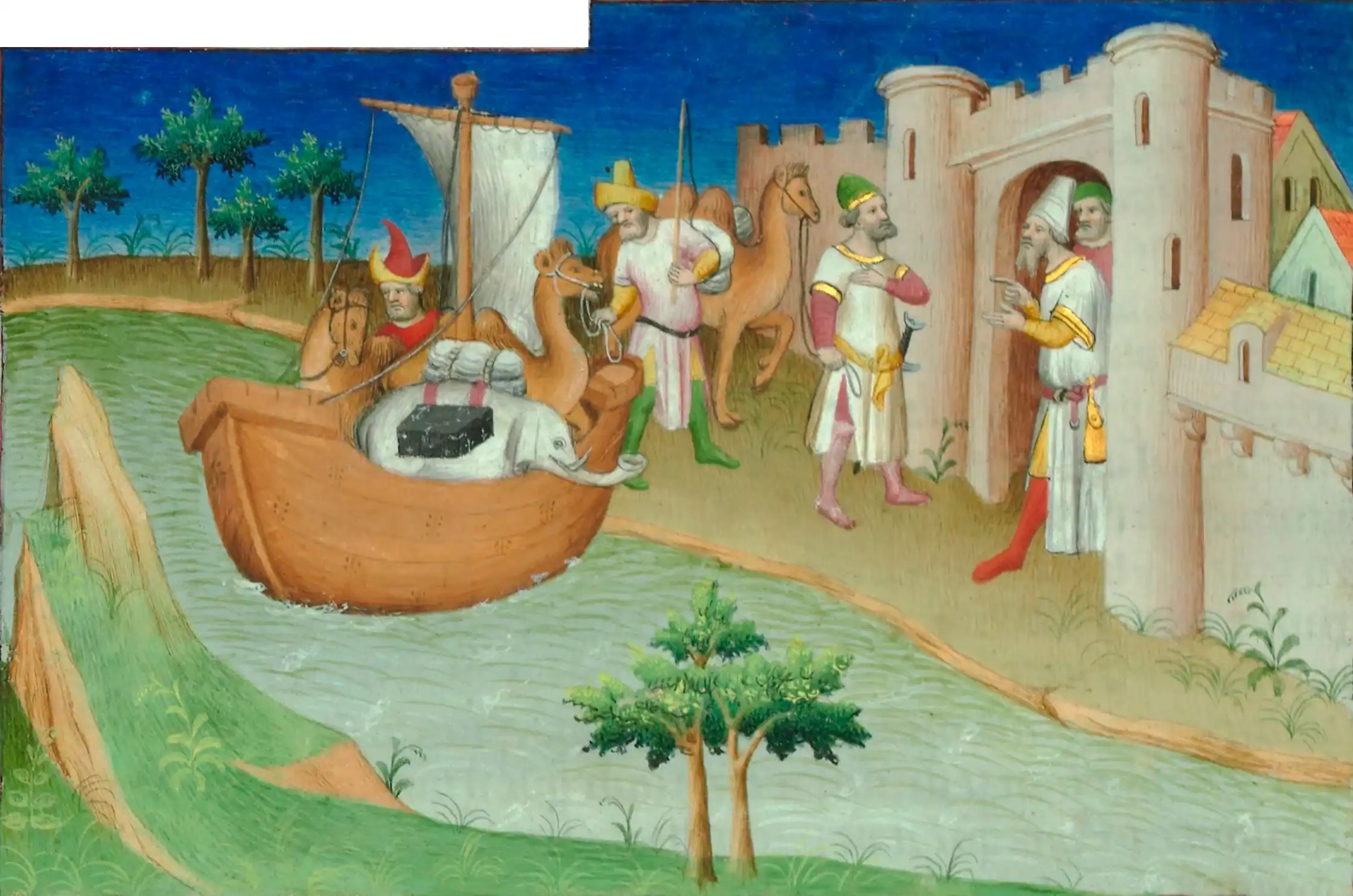
a16z: From Companies to DAOs, DUNA May Become the Next Generation Organizational Form

This article, "From Companies to DAOs: How DUNA Could Become the Next Organizational Form," traces the 500-year evolution of business collaboration. It begins with medieval structures like the *commenda* and Florentine *compagnia*, which exposed partners to personal risk. The modern corporation, exemplified by the Dutch East India Company (VOC), was a revolutionary leap, enabling large-scale, capital-intensive ventures by offering limited liability and reducing coordination costs. However, corporations introduced new challenges like principal-agent problems and bureaucratic overhead. The piece argues that software and internet-native protocols are now reducing these traditional overheads. Decentralized Autonomous Organizations (DAOs) emerged as a new model for coordination without centralized management. Yet, DAOs face a significant legal vacuum: they lack legal recognition, leaving members exposed to unlimited personal liability, and their tokens are vulnerable to being classified as securities under unclear regulations (e.g., the Howey Test). This has forced projects into suboptimal workarounds like offshore foundations. The article identifies the Decentralized Unincorporated Nonprofit Association (DUNA) as a potential solution. Recently legalized in states like Wyoming, the DUNA provides a legal wrapper for decentralized networks. It grants key protections—legal personality, limited liability, and perpetual existence—to a group without imposing a traditional hierarchical management structure. This allows token-holder communities to govern, hold assets, and contract as a single legal entity, aligning with their decentralized nature. While DUNA doesn't solve all governance challenges or magically resolve securities law questions, it represents a crucial step. It fills the legal recognition gap, offering a native legal form for internet-scale, decentralized collaboration and extending the separation of personal risk from organizational venture into a new domain.

marsbit1 h fa

a16z: From Companies to DAOs, DUNA May Become the Next Generation Organizational Form

marsbit1 h fa

2026 Mid-Year Report On-Chain RWA: Tokenized Stock Market Cap Doubles in a Year, But 90% of Rights Are Hollow Shells

The 2026 Mid-Year Report on On-Chain RWA highlights a significant growth in tokenized stock market capitalization, which nearly doubled from $951 million in March to $1.89 billion by July. However, the report reveals a fundamental contradiction in this "layer 2.5" ecosystem: products with the strongest legal foundation (like regulated U.S. infrastructure) lack liquidity and distribution, while freely tradable offshored wrapper products often lack substantive ownership rights. The increase is driven largely by a few products (SECZ, FGRS, STRCx) and platforms (Ondo, xStocks, Securitize collectively hold over 85% share). While distributed value across networks like Ethereum, Solana, and BNB Chain has grown, the market remains fragmented. Products referencing the same underlying asset (e.g., Apple stock) are distinct legal liabilities with different intermediaries and jurisdictional rules, offering varying degrees of legal claim. The report cautions that headline numbers are misleading, as they reflect changes in distributed token value—driven by issuance, conversions, and price movements—not pure investor inflows. True "canonical shares" with legal ownership, wide wallet distribution, institutional liquidity, and independent on-chain price discovery do not yet exist at scale. Tokenized treasuries show stronger product-market fit, and ETFs may be easier to scale than single stocks. The core takeaway is a trade-off: legal certainty versus liquidity and composability.

marsbit1 h fa

2026 Mid-Year Report On-Chain RWA: Tokenized Stock Market Cap Doubles in a Year, But 90% of Rights Are Hollow Shells

marsbit1 h fa

Trading

Spot
活动图片