Aave's Stable Vault

marsbitPubblicato 2026-07-28Pubblicato ultima volta 2026-07-28

Introduzione

This article explores Aave's recently launched "Stable Vaults," a product designed to bridge the gap between traditional finance users and DeFi yield. It argues that while DeFi offers transparency and potentially higher returns, its complexity and volatility are major barriers for mainstream adoption. The core problem is that users pay for convenience and simplicity, often accepting lower returns to avoid decision-making and technical hurdles. Stable Vaults allow fintech apps, neobanks, or payment platforms (operators) to integrate with Aave's lending markets once and offer their users a "savings account" with a fixed, predictable yield (e.g., 4%). The operator absorbs the underlying market volatility; if Aave's pool pays 6%, the operator pockets the 2% difference, but if it pays only 2%, the operator covers the shortfall to maintain the promised 4% for users. The piece analyzes this model from three perspectives: 1. **The User:** Gains simplicity, a fixed rate, and familiar app features (customer support, account recovery). However, they lose potential upside, accept a lower fixed yield, and take on new counterparty risks from the operator and its proprietary backend systems. 2. **The Operator (e.g., a neobank):** Can monetize idle user balances easily, generating significant fee income (the spread between the fixed rate and the actual yield) with minimal integration effort, turning a cost center into revenue. 3. **Aave:** Gains "sticky," loyalty-based deposits that are...

Written by: Thejaswini M A

Compiled by: Block unicorn

The most expensive thing placed before people is a decision. In comparison, various fees are trivial. People pay merely for convenience and ease, nothing more.

This is how platforms exploit users—they strip them of their choices. 'Couch Lock'—this is my favorite term mentioned by Tim Wu in his book "The Age of Extortion."

Can't choose stocks? Of course you can, index funds, S&P 500 index funds...

Not quite sure if you should lend. Let's just call it a savings account, and you'll be proud.

They just charge a removal fee. It removes not just the decision-making power, sometimes the best benefits too. People simply don't care.

The role of DeFi is to add value. But which chain, which liquidity pool, what fee rate, when to migrate, where's the bridge? Is it really Aave? Or something Claude Fable cooked up before July 12th? Aave has 2.5 million users and has been operating for six years. Revolut has 65 million users. Is it fair to say Aave must be smarter?

From January to July, the interest rate for Aave's USDC pool fluctuated between 2% and 9%.

In the DeFi space, price volatility is the norm. You watch prices rise and fall, and move your funds at the right moment.

But this structure simply doesn't work elsewhere. Neobanks can't explain to users that interest rates are determined by borrowing demand, and that rates might plummet to 2% while advertising a savings account. People won't put money into chaotic environments. That's why people never use crypto apps daily, let alone crypto savings apps.

On July 9th, Aave Labs discovered a workaround called Stable Vault. Today, I want to show you how it works, who profits from it, and why I think ordinary users will ultimately use it.

Stable Vaults allow any business to start offering savings account services with just one integration. It could be a neobank, an e-wallet, or a payroll processing platform. Deposits go directly into Aave's lending market. Users can view the interest rate in the app they use daily; if the rate is good, they'll open an account.

The interest rate is fixed. I know in the crypto world, that's hard to say out loud.

Aave's market pays the borrower's repayment amount for the week. Stable Vaults sit on top of it and provide operators with a dial. The app inputs a number, say 4%. From that moment, the vault pays a 4% yield per second, regardless of what Aave does underneath. That's the app's problem, not yours. Any excess yield generated by the strategy beyond that number goes to the operator.

Perspective: The Person Putting in Money

They all come with rate insurance. This spring, Aave's USDC pool paid a 2% premium, while a vault promising 4% still paid 4%, with the operator covering the difference.

Anywhere else, transferring risk comes at a cost, and here is no exception. Take fixed-rate mortgages, for example—they cost 50 to 100 basis points more than variable-rate mortgages, and that premium is essentially the fee the borrower pays for the fixed rate.

Users don't need to create a wallet, save a seed phrase, build a bridge, or choose a blockchain. They get a support hotline, account recovery, Face ID, and an address provided by the company (in case something goes wrong). Aave's app is SOC 2 certified and supports two-factor authentication (2FA), and promotes both because that's exactly the product or service customers are buying.

Users lose out on the upper side. When the pool pays 9%, they only get 4%; when it pays 6%, they still only get 4%. It's a fixed rate set by the app based on user tier. A dynamic rate is the live data you can actively monitor; a fixed rate completely hides the intermediary's cut.

Users also choose a second counterparty. With this setup, two new risk models are added to their balance sheet: the financial health of the fintech company operating the app, and the code quality of the private script hidden in the background responsible for moving their funds. In pure decentralized finance (DeFi), your only risk lies in the core protocol code. Here, if the intermediary company goes bankrupt, or their private backend script crashes causing fund loss, your money is gone even if Aave itself runs perfectly.

In a true swap market, where both sides can shop around, fixed rates get pulled down close to fair value. Here, the operator unilaterally sets the rate, and the customer has no frame of reference. Users won't compare a 4% rate to Aave's 6%; they'll compare it to their own bank's rate. Aave's app page lists its own rate next to the FDIC's national savings average of 0.40%, making any rate look enticing by comparison.

Perspective: The Operator

Suppose a neobank has $200 million worth of idle user stablecoins. It already has the funds and the users, and those users were acquired at a cost. It only needs to complete one integration, advertise a 4% yield, and if the strategy returns 6%, it merely books $4 million in annual revenue on its balance sheet—revenue that was originally a cost. Low input, but a 2% gain is pretty good.

Rise is a payroll service company paying contractors in 190 countries, having processed over $1.5 billion in payroll. In the past, if companies prepaid salaries a week early, that USDC sat idle, so Rise built Rise Earn, depositing it into Aave's USDC pool on Arbitrum until payday.

Rise takes 1% of the interest, nothing else. Assuming a 6% yield, Rise takes 6 basis points. Employees actually get 5.94%, and they just see Aave's live rate.

Using the same funds, a Stable Vault operator takes a 200 basis point cut. The intermediary's share increases 33-fold.

Perspective: Aave and Stable Vault

Aave's selling point is that its vaults can set different rates based on user loyalty, activity, or tier. For example, premium members could get 5%, while others get 3.5% from the same loan interest pool. Fintech companies issuing their own stablecoins can register them as deposit assets, creating a closed loop. And, yielding balances don't churn, meaning the yield itself is a retention tool.

Do operators get these yields for free? Of course not. It's shorting a two-way spread. This spring, when Aave paid a 2% yield, all vaults promising more than that had to pay out the difference.

This brings us to April 18th. A vulnerability in the Kelp DAO bridge triggered a massive run on Aave on April 18th. Pool utilization hit 100%, completely freezing all withdrawals and trapping both the operator's paper profits and users' funds in the same lock queue.

When utilization caps out, no one, including vaults, can profit from it. Surplus funds pile up on the books, alongside user principal.

If liquidity returns, the operator empties the surplus accumulated during the period users couldn't exit. That surplus is the fee the market pays for illiquidity. It's the users who provide the illiquidity. If liquidity doesn't return, bad debt enters the pool, and the vault becomes undercollateralized. Aave's documentation shows an authorized party can top up the system. There's no reserve behind the word 'can' here.

Aave will claim their contracts were never exploited, it was Kelp's bridge that had the issue not Aave's code, and rsETH was frozen within hours. All true. Previously, just before their risk manager resigned, they voted to accept extremely high-risk collateral with a loan-to-value ratio of 93%, leaving ordinary users to bear the brunt of this crashed app's drawbacks.

Does it seem like Stable Vaults are the final puzzle piece now?

Rise runs salary float through Aave. Kraken white-labeled an integration of Aave v3 into the Tydro protocol on its L2, then pointed its retail product Earn at it, so Kraken users using Earn are also Aave users. Cap Finance holds stablecoin reserves in Tydro.

Horizon partners with institutions like Circle and Franklin Templeton to lend against tokenized treasury bonds. Aave App goes direct to consumers. Stable Vaults open up to everyone else and call it diversification.

Aave doesn't need more deposits. Kulechov told The Block in March that DeFi is awash with liquidity, and the focus must shift to borrowing. He's right, which is why USDC yields dropped from 8% to 2-3%. Aave's perennial problem is that DeFi funds are hyper-liquid, fleeing at a 50 basis point yield drop. An app that controls fund flows like payroll does can turn the most volatile funds in finance into assets as sticky as deposits.

Aavenomics 3.0 went live on June 27th, now automatically buying back AAVE from revenue. Revenue needs to flow regardless of market conditions. In a bear market, sticky deposits are key to keeping the buyback running. How to get those deposits? Answer: Stable Vaults.

Coinbase offers around 4% yield on USDC balances. Robinhood launched Earn on July 1st, offering about 7%, with 28 million accounts already funded. Both call it a savings feature.

Coinbase runs on Morpho and Ethena. Robinhood runs on Morpho and Maple, with risk parameters set by a firm called Steakhouse.

They both had to build this system themselves: custody protocol, custodian, risk team, and months of lawyer work. Aave's contribution is making all that unnecessary. With one integration, any app on Earth can display a number on the screen and track the gap between that number and what borrowers actually repay in real-time.

Banks can use this system because it's backed by a century of law. Reserve requirements, audits, deposit insurance, and regulators who can drop in unannounced—all built on a consensus reached long ago: banks lend out your money, so when loans go bad, someone must stand accountable.

All the functionalities of Stable Vaults can be achieved in just 20-30 minutes. But you need to create a wallet, bridge some USDC, and then supply it to Aave. This way, you avoid KYC, dealing with operators, or waiting for fund rebalancing. And you don't suffer any loss from the spread. You get 6%, not 4%, and can monitor the pool throughout.

I understand the system considers things on a longer timeframe than my logic does. And I don't think people are stupid when they don't do this.

Research by Iyengar and Huberman on retirement plans found that as the number of fund choices increased, participation rates actually fell. Faced with more options, people ended up not joining any plan. All consumer finance products since have been built on this finding.

For fifteen years, self-custody has been the right choice, widely known. Even so, most on-chain card spending still goes through custodial platforms. It's a repeatedly stated, large-scale preference. And their security algorithms are better than ours. For someone with $2,000 and no crypto background, the most likely way to lose funds is losing a seed phrase or sending to the wrong address. An app with Face ID and account recovery eliminates that failure mode that could cause them loss. They pay 200 basis points for insurance against their own risk—a reasonable expense.

So Aave is doing the right thing. This is exactly what a firm with liquidity and no user loyalty should do, and all crypto consumer apps are racing in the same direction because, wherever we go, the same logic exists.

Ultimately, it's an acceptance of human nature. People crave safety, predictability, and most importantly—ease. Life is hard enough, why also manage a private bank account? They just want to close the app and watch that still number.

Crypto di tendenza

Domande pertinenti

QWhat is the primary purpose of Aave's Stable Vaults as described in the article?

AThe primary purpose of Aave's Stable Vaults is to enable businesses like neobanks, e-wallets, or payroll processors to easily offer savings account services by integrating once with Aave's lending markets. They provide a fixed, predictable interest rate to end-users, abstracting away the underlying volatility of DeFi yields and simplifying the user experience.

QFrom a user's perspective, what are the trade-offs when using a Stable Vault compared to directly interacting with Aave?

AUsers trade potential higher yield and full transparency for convenience and predictability. They receive a fixed rate (e.g., 4%) set by the operator, potentially missing out when Aave's underlying pool pays more (e.g., 6% or 9%). They also introduce new counterparty risks: the financial health of the operator and the quality of its private backend scripts. However, they gain features like customer support, account recovery, biometric login, and a simpler interface without needing to manage wallets, bridges, or blockchain choices.

QHow do Stable Vault operators generate revenue, and what risks do they take on?

AOperators generate revenue by pocketing the spread between the fixed rate they promise to users and the actual variable yield generated by the underlying Aave strategy. For example, if they promise 4% but the pool earns 6%, they keep the 2% difference. However, they take on the risk of the spread turning negative. If the pool yield falls below their promised rate (e.g., to 2%), they must cover the shortfall to pay users the fixed 4%. They also face liquidity risks, as seen during the Kelp DAO incident where frozen withdrawals trapped both user funds and operator profits.

QWhy does the article suggest that Aave, despite having excess liquidity, would pursue the Stable Vault model?

AAave pursues the Stable Vault model to convert highly volatile, yield-chasing DeFi capital into sticky, deposit-like assets. This stable deposit base is crucial for Aavenomics 3.0, which uses protocol revenue for automatic AAVE token buybacks. Stable deposits ensure a consistent revenue stream to sustain these buybacks, especially during bear markets. It also allows Aave to expand its user base through business integrations without requiring end-users to be DeFi-savvy.

QAccording to the article, what fundamental human preference do products like Stable Vaults ultimately cater to?

AProducts like Stable Vaults ultimately cater to the human preference for security, predictability, and above all, convenience. The article cites research showing that too many choices can lead to decision paralysis (people opting out entirely). Most users, especially those new to crypto, prioritize ease of use, account safety features (like recovery), and a predictable return over maximizing yield or maintaining full self-custody. They are willing to pay a premium (in the form of a lower fixed rate) for insurance against their own potential errors and for a simpler experience.

Letture associate

465% Growth in One Day: How a Memory Shortage Made CXMT China's Most Valuable Company

Chinese memory chip maker CXMT (ChangXin Memory Technologies) saw its shares surge 465.82% on its debut on the Shanghai STAR Market on July 27, 2026, closing at 49 yuan. Its market capitalization reached over 3.2 trillion yuan (~$473-488B), making it mainland China's most valuable listed company. This explosive debut coincided with staggering industry-wide profit growth. China's major integrated circuit manufacturers saw profits soar 2579.5% year-on-year in H1 2026. Specific companies like Shenzhen Longsys Electronics and GigaDevice Semiconductor reported profit growth exceeding 62,000% and 1000%, respectively. The primary driver is the AI boom, which has triggered massive global data center construction. Major memory giants like Samsung, SK Hynix, and Micron shifted capacity to high-margin AI accelerator memory (HBM), creating a severe shortage of standard DRAM used in servers, PCs, and smartphones. Contract DRAM prices spiked 90-95% QoQ in Q1 2026 and another 50-60% in Q2. CXMT, as China's largest domestic DRAM producer, capitalized on this deficit. It ramped up standard DRAM supply, secured long-term contracts with clients like ByteDance and Tencent, and expanded capacity. It forecasts H1 2026 revenue of 110-120B yuan and net profit of 50-57B yuan. A low comparative base from 2025's industry downturn and domestic policy support further fueled growth. However, analysts note a significant constraint: U.S. export controls on advanced lithography and manufacturing equipment limit CXMT's access to tools needed for cutting-edge HBM production. Its future trajectory will depend not just on global DRAM demand but also on China's ability to develop domestic semiconductor manufacturing equipment.

cryptonews.ru4 min fa

465% Growth in One Day: How a Memory Shortage Made CXMT China's Most Valuable Company

cryptonews.ru4 min fa

SkyCapital Expands Cooperation with Crypto Services Amid Regulatory Changes

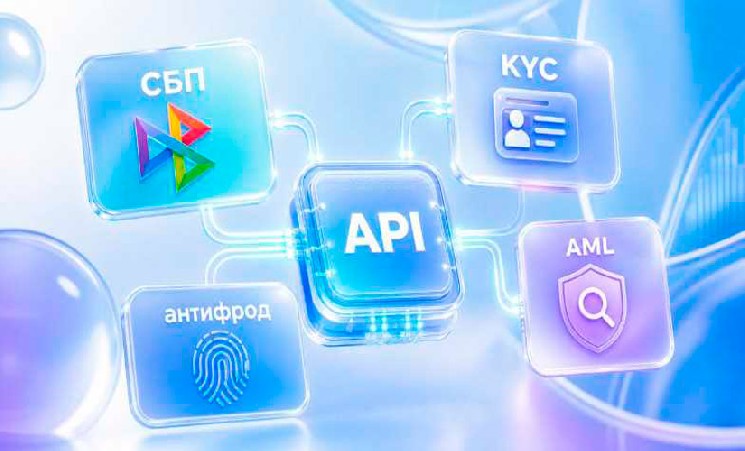
SkyCapital, a financial technology company, has announced an expansion of its partnership program for crypto services in response to new, stricter regulations coming into force in Russia in September 2026. The company will offer its infrastructure to other market participants to help them transition from anonymous P2P transfers to a more transparent, legally compliant business model. According to SkyCapital's managing director, Dmitry Galkin, the move addresses a growing industry demand. He explained that after the new law takes effect, services lacking proper KYC/AML checks, anti-fraud protection, and SBP (Russia's Fast Payments System) acquiring will only be able to operate under a transitional period. Ultimately, they will face a clear choice: adapt with compliant infrastructure or shut down. The partnership model allows other crypto services to maintain their own brand and customer interface while utilizing SkyCapital's backend infrastructure. This includes SBP-acquiring, transaction execution, KYC/AML verification, anti-fraud systems, and regulatory reporting. This approach enables faster, more cost-effective compliance for partners without needing to build such systems from scratch. Galkin warned that non-compliant operators risk not just payment blocks and business limitations, but also potential criminal and administrative prosecution. SkyCapital believes the crypto market is entering a phase where competition is increasingly supplemented by partnerships focused on shared, reliable infrastructure to mitigate operational, regulatory, and reputational risks. This strategic shift signifies SkyCapital's broader role in the market, moving beyond its own platform to provide technological and compliance solutions for the wider industry. It reflects a broader trend in the Russian crypto sector away from fragmented, informal models towards collaboration around secure and formalized solutions.

cryptonews.ru12 min fa

SkyCapital Expands Cooperation with Crypto Services Amid Regulatory Changes

cryptonews.ru12 min fa

South Korean Giants LG CNS and POSCO International Implement Real-Time Trade Transaction Data on Injective Blockchain

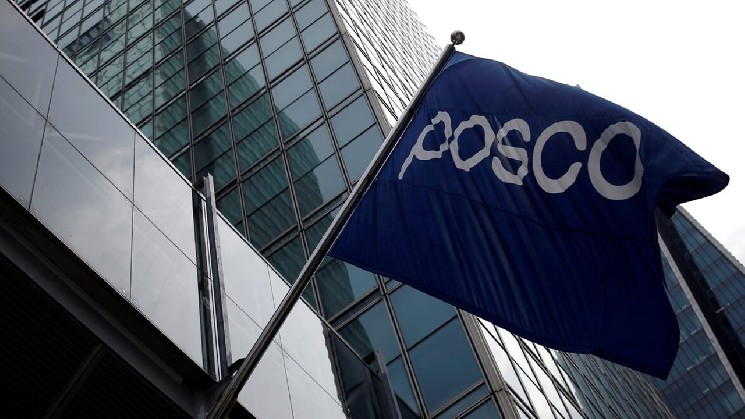
South Korean conglomerates POSCO International and LG CNS have launched a pilot project to tokenize real trade accounts receivable on the Injective blockchain, using actual commercial data from POSCO's overseas subsidiaries. POSCO International, a major trading firm with over $22 billion in revenue, and LG CNS, a leading IT services provider, are testing this as an advanced real-world asset (RWA) initiative in Korea. The pilot issues POSCO's receivables as permissioned tokens on Injective. Authorized parties can hold and transfer these assets, with settlements executed on-chain. This moves away from the current fragmented tracking by subsidiaries, banks, and counterparties—which slows reconciliation and delays cash access—to a single shared ledger. Compliance rules are embedded with the tokens, enabling uniform checks across jurisdictions. Injective was chosen for its native real-world asset module, which enforces regulatory compliance at the protocol level. Its fast transaction finality (under one second per block) and built-in order book designed to prevent front-running were cited as essential for tokenizing real monetary claims. The companies aim to build a unified infrastructure for inter-subsidiary trade, enabling faster settlements than the current multi-day cycle and border-agnostic compliance. POSCO plans to refine the pilot structure in the second half of the year for real business application. This project is part of a global acceleration in enterprise tokenization, with Korea being a particularly active market.

cryptonews.ru14 min fa

South Korean Giants LG CNS and POSCO International Implement Real-Time Trade Transaction Data on Injective Blockchain

cryptonews.ru14 min fa

Trading

Spot

Articoli Popolari

Cosa è $S$

Comprendere SPERO: Una Panoramica Completa Introduzione a SPERO Mentre il panorama dell'innovazione continua a evolversi, l'emergere delle tecnologie web3 e dei progetti di criptovaluta gioca un ruolo fondamentale nel plasmare il futuro digitale. Un progetto che ha attirato l'attenzione in questo campo dinamico è SPERO, denotato come SPERO,$$s$. Questo articolo mira a raccogliere e presentare informazioni dettagliate su SPERO, per aiutare gli appassionati e gli investitori a comprendere le sue basi, obiettivi e innovazioni nei domini web3 e crypto. Che cos'è SPERO,$$s$? SPERO,$$s$ è un progetto unico all'interno dello spazio crypto che cerca di sfruttare i principi della decentralizzazione e della tecnologia blockchain per creare un ecosistema che promuove l'impegno, l'utilità e l'inclusione finanziaria. Il progetto è progettato per facilitare interazioni peer-to-peer in modi nuovi, fornendo agli utenti soluzioni e servizi finanziari innovativi. Al suo interno, SPERO,$$s$ mira a responsabilizzare gli individui fornendo strumenti e piattaforme che migliorano l'esperienza dell'utente nello spazio delle criptovalute. Questo include la possibilità di metodi di transazione più flessibili, la promozione di iniziative guidate dalla comunità e la creazione di percorsi per opportunità finanziarie attraverso applicazioni decentralizzate (dApps). La visione sottostante di SPERO,$$s$ ruota attorno all'inclusività, cercando di colmare le lacune all'interno della finanza tradizionale mentre sfrutta i vantaggi della tecnologia blockchain. Chi è il Creatore di SPERO,$$s$? L'identità del creatore di SPERO,$$s$ rimane piuttosto oscura, poiché ci sono risorse pubblicamente disponibili limitate che forniscono informazioni dettagliate sul suo fondatore o fondatori. Questa mancanza di trasparenza può derivare dall'impegno del progetto per la decentralizzazione—un ethos che molti progetti web3 condividono, dando priorità ai contributi collettivi rispetto al riconoscimento individuale. Centrando le discussioni attorno alla comunità e ai suoi obiettivi collettivi, SPERO,$$s$ incarna l'essenza dell'empowerment senza mettere in evidenza individui specifici. Pertanto, comprendere l'etica e la missione di SPERO rimane più importante che identificare un creatore singolo. Chi sono gli Investitori di SPERO,$$s$? SPERO,$$s$ è supportato da una varietà di investitori che vanno dai capitalisti di rischio agli investitori angelici dedicati a promuovere l'innovazione nel settore crypto. Il focus di questi investitori generalmente si allinea con la missione di SPERO—dando priorità a progetti che promettono avanzamenti tecnologici sociali, inclusività finanziaria e governance decentralizzata. Queste fondazioni di investitori sono tipicamente interessate a progetti che non solo offrono prodotti innovativi, ma contribuiscono anche positivamente alla comunità blockchain e ai suoi ecosistemi. Il supporto di questi investitori rafforza SPERO,$$s$ come un concorrente degno di nota nel dominio in rapida evoluzione dei progetti crypto. Come Funziona SPERO,$$s$? SPERO,$$s$ impiega un framework multifunzionale che lo distingue dai progetti di criptovaluta convenzionali. Ecco alcune delle caratteristiche chiave che sottolineano la sua unicità e innovazione: Governance Decentralizzata: SPERO,$$s$ integra modelli di governance decentralizzati, responsabilizzando gli utenti a partecipare attivamente ai processi decisionali riguardanti il futuro del progetto. Questo approccio favorisce un senso di proprietà e responsabilità tra i membri della comunità. Utilità del Token: SPERO,$$s$ utilizza il proprio token di criptovaluta, progettato per servire varie funzioni all'interno dell'ecosistema. Questi token abilitano transazioni, premi e la facilitazione dei servizi offerti sulla piattaforma, migliorando l'impegno e l'utilità complessivi. Architettura Stratificata: L'architettura tecnica di SPERO,$$s$ supporta la modularità e la scalabilità, consentendo un'integrazione fluida di funzionalità e applicazioni aggiuntive man mano che il progetto evolve. Questa adattabilità è fondamentale per mantenere la rilevanza nel panorama crypto in continua evoluzione. Coinvolgimento della Comunità: Il progetto enfatizza iniziative guidate dalla comunità, impiegando meccanismi che incentivano la collaborazione e il feedback. Nutrendo una comunità forte, SPERO,$$s$ può affrontare meglio le esigenze degli utenti e adattarsi alle tendenze di mercato. Focus sull'Inclusione: Offrendo basse commissioni di transazione e interfacce user-friendly, SPERO,$$s$ mira ad attrarre una base utenti diversificata, inclusi individui che potrebbero non aver precedentemente interagito nello spazio crypto. Questo impegno per l'inclusione si allinea con la sua missione generale di empowerment attraverso l'accessibilità. Cronologia di SPERO,$$s$ Comprendere la storia di un progetto fornisce preziose intuizioni sulla sua traiettoria di sviluppo e sui traguardi. Di seguito è riportata una cronologia suggerita che mappa eventi significativi nell'evoluzione di SPERO,$$s$: Fase di Concettualizzazione e Ideazione: Le idee iniziali che formano la base di SPERO,$$s$ sono state concepite, allineandosi strettamente con i principi di decentralizzazione e focus sulla comunità all'interno dell'industria blockchain. Lancio del Whitepaper del Progetto: Dopo la fase concettuale, è stato rilasciato un whitepaper completo che dettaglia la visione, gli obiettivi e l'infrastruttura tecnologica di SPERO,$$s$ per suscitare interesse e feedback dalla comunità. Costruzione della Comunità e Prime Interazioni: Sono stati effettuati sforzi attivi di outreach per costruire una comunità di early adopters e potenziali investitori, facilitando discussioni attorno agli obiettivi del progetto e ottenendo supporto. Evento di Generazione del Token: SPERO,$$s$ ha condotto un evento di generazione del token (TGE) per distribuire i propri token nativi ai primi sostenitori e stabilire una liquidità iniziale all'interno dell'ecosistema. Lancio della Prima dApp: La prima applicazione decentralizzata (dApp) associata a SPERO,$$s$ è stata attivata, consentendo agli utenti di interagire con le funzionalità principali della piattaforma. Sviluppo Continuo e Partnership: Aggiornamenti e miglioramenti continui alle offerte del progetto, inclusi partnership strategiche con altri attori nello spazio blockchain, hanno plasmato SPERO,$$s$ in un concorrente competitivo e in evoluzione nel mercato crypto. Conclusione SPERO,$$s$ rappresenta una testimonianza del potenziale del web3 e delle criptovalute di rivoluzionare i sistemi finanziari e responsabilizzare gli individui. Con un impegno per la governance decentralizzata, il coinvolgimento della comunità e funzionalità progettate in modo innovativo, apre la strada verso un panorama finanziario più inclusivo. Come per qualsiasi investimento nello spazio crypto in rapida evoluzione, si incoraggiano potenziali investitori e utenti a ricercare approfonditamente e a impegnarsi in modo riflessivo con gli sviluppi in corso all'interno di SPERO,$$s$. Il progetto mostra lo spirito innovativo dell'industria crypto, invitando a ulteriori esplorazioni delle sue innumerevoli possibilità. Mentre il percorso di SPERO,$$s$ è ancora in fase di sviluppo, i suoi principi fondamentali potrebbero effettivamente influenzare il futuro di come interagiamo con la tecnologia, la finanza e tra di noi in ecosistemi digitali interconnessi.

159 Totale visualizzazioniPubblicato il 2024.12.17Aggiornato il 2024.12.17

Cosa è $S$

Cosa è AGENT S

Agent S: Il Futuro dell'Interazione Autonoma in Web3 Introduzione Nel panorama in continua evoluzione di Web3 e criptovalute, le innovazioni stanno costantemente ridefinendo il modo in cui gli individui interagiscono con le piattaforme digitali. Uno di questi progetti pionieristici, Agent S, promette di rivoluzionare l'interazione uomo-computer attraverso il suo framework agentico aperto. Aprendo la strada a interazioni autonome, Agent S mira a semplificare compiti complessi, offrendo applicazioni trasformative nell'intelligenza artificiale (AI). Questa esplorazione dettagliata approfondirà le complessità del progetto, le sue caratteristiche uniche e le implicazioni per il dominio delle criptovalute. Cos'è Agent S? Agent S si presenta come un innovativo framework agentico aperto, progettato specificamente per affrontare tre sfide fondamentali nell'automazione dei compiti informatici: Acquisizione di Conoscenze Specifiche del Dominio: Il framework apprende in modo intelligente da varie fonti di conoscenza esterne ed esperienze interne. Questo approccio duale gli consente di costruire un ricco repository di conoscenze specifiche del dominio, migliorando le sue prestazioni nell'esecuzione dei compiti. Pianificazione su Lungo Orizzonte di Compiti: Agent S impiega una pianificazione gerarchica potenziata dall'esperienza, un approccio strategico che facilita la suddivisione e l'esecuzione efficiente di compiti complessi. Questa caratteristica migliora significativamente la sua capacità di gestire più sottocompiti in modo efficiente ed efficace. Gestione di Interfacce Dinamiche e Non Uniformi: Il progetto introduce l'Interfaccia Agente-Computer (ACI), una soluzione innovativa che migliora l'interazione tra agenti e utenti. Utilizzando Modelli Linguistici Multimodali di Grandi Dimensioni (MLLM), Agent S può navigare e manipolare senza sforzo diverse interfacce grafiche utente. Attraverso queste caratteristiche pionieristiche, Agent S fornisce un framework robusto che affronta le complessità coinvolte nell'automazione dell'interazione umana con le macchine, preparando il terreno per innumerevoli applicazioni nell'AI e oltre. Chi è il Creatore di Agent S? Sebbene il concetto di Agent S sia fondamentalmente innovativo, informazioni specifiche sul suo creatore rimangono elusive. Il creatore è attualmente sconosciuto, il che evidenzia sia la fase embrionale del progetto sia la scelta strategica di mantenere i membri fondatori sotto anonimato. Indipendentemente dall'anonimato, l'attenzione rimane sulle capacità e sul potenziale del framework. Chi sono gli Investitori di Agent S? Poiché Agent S è relativamente nuovo nell'ecosistema crittografico, informazioni dettagliate riguardanti i suoi investitori e sostenitori finanziari non sono documentate esplicitamente. La mancanza di approfondimenti pubblicamente disponibili sulle fondazioni di investimento o sulle organizzazioni che supportano il progetto solleva interrogativi sulla sua struttura di finanziamento e sulla roadmap di sviluppo. Comprendere il supporto è cruciale per valutare la sostenibilità del progetto e il suo potenziale impatto sul mercato. Come Funziona Agent S? Al centro di Agent S si trova una tecnologia all'avanguardia che gli consente di funzionare efficacemente in contesti diversi. Il suo modello operativo è costruito attorno a diverse caratteristiche chiave: Interazione Uomo-Computer Simile a Quella Umana: Il framework offre una pianificazione AI avanzata, cercando di rendere le interazioni con i computer più intuitive. Mimando il comportamento umano nell'esecuzione dei compiti, promette di elevare le esperienze degli utenti. Memoria Narrativa: Utilizzata per sfruttare esperienze di alto livello, Agent S utilizza la memoria narrativa per tenere traccia delle storie dei compiti, migliorando così i suoi processi decisionali. Memoria Episodica: Questa caratteristica fornisce agli utenti una guida passo-passo, consentendo al framework di offrire supporto contestuale mentre i compiti si sviluppano. Supporto per OpenACI: Con la capacità di funzionare localmente, Agent S consente agli utenti di mantenere il controllo sulle proprie interazioni e flussi di lavoro, allineandosi con l'etica decentralizzata di Web3. Facile Integrazione con API Esterne: La sua versatilità e compatibilità con varie piattaforme AI garantiscono che Agent S possa adattarsi senza problemi agli ecosistemi tecnologici esistenti, rendendolo una scelta attraente per sviluppatori e organizzazioni. Queste funzionalità contribuiscono collettivamente alla posizione unica di Agent S all'interno dello spazio crittografico, poiché automatizza compiti complessi e multi-fase con un intervento umano minimo. Man mano che il progetto evolve, le sue potenziali applicazioni in Web3 potrebbero ridefinire il modo in cui si svolgono le interazioni digitali. Cronologia di Agent S Lo sviluppo e le tappe di Agent S possono essere riassunti in una cronologia che evidenzia i suoi eventi significativi: 27 Settembre 2024: Il concetto di Agent S è stato lanciato in un documento di ricerca completo intitolato “Un Framework Agentico Aperto che Usa i Computer Come un Umano”, mostrando le basi per il progetto. 10 Ottobre 2024: Il documento di ricerca è stato reso pubblicamente disponibile su arXiv, offrendo un'esplorazione approfondita del framework e della sua valutazione delle prestazioni basata sul benchmark OSWorld. 12 Ottobre 2024: È stata rilasciata una presentazione video, fornendo un'idea visiva delle capacità e delle caratteristiche di Agent S, coinvolgendo ulteriormente potenziali utenti e investitori. Questi indicatori nella cronologia non solo illustrano i progressi di Agent S, ma indicano anche il suo impegno per la trasparenza e il coinvolgimento della comunità. Punti Chiave su Agent S Man mano che il framework Agent S continua a evolversi, diversi attributi chiave si distinguono, sottolineando la sua natura innovativa e il potenziale: Framework Innovativo: Progettato per fornire un uso intuitivo dei computer simile all'interazione umana, Agent S porta un approccio nuovo all'automazione dei compiti. Interazione Autonoma: La capacità di interagire autonomamente con i computer attraverso GUI segna un passo avanti verso soluzioni informatiche più intelligenti ed efficienti. Automazione di Compiti Complessi: Con la sua metodologia robusta, può automatizzare compiti complessi e multi-fase, rendendo i processi più veloci e meno soggetti a errori. Miglioramento Continuo: I meccanismi di apprendimento consentono ad Agent S di migliorare dalle esperienze passate, migliorando continuamente le sue prestazioni e la sua efficacia. Versatilità: La sua adattabilità attraverso diversi ambienti operativi come OSWorld e WindowsAgentArena garantisce che possa servire un'ampia gamma di applicazioni. Man mano che Agent S si posiziona nel panorama di Web3 e delle criptovalute, il suo potenziale per migliorare le capacità di interazione e automatizzare i processi segna un significativo avanzamento nelle tecnologie AI. Attraverso il suo framework innovativo, Agent S esemplifica il futuro delle interazioni digitali, promettendo un'esperienza più fluida ed efficiente per gli utenti in vari settori. Conclusione Agent S rappresenta un audace passo avanti nell'unione tra AI e Web3, con la capacità di ridefinire il modo in cui interagiamo con la tecnologia. Sebbene sia ancora nelle sue fasi iniziali, le possibilità per la sua applicazione sono vaste e coinvolgenti. Attraverso il suo framework completo che affronta sfide critiche, Agent S mira a portare le interazioni autonome al centro dell'esperienza digitale. Man mano che ci addentriamo nei regni delle criptovalute e della decentralizzazione, progetti come Agent S giocheranno senza dubbio un ruolo cruciale nel plasmare il futuro della tecnologia e della collaborazione uomo-computer.

615 Totale visualizzazioniPubblicato il 2025.01.14Aggiornato il 2025.01.14

Cosa è AGENT S

Come comprare S

Benvenuto in HTX.com! Abbiamo reso l'acquisto di Sonic (S) semplice e conveniente. Segui la nostra guida passo passo per intraprendere il tuo viaggio nel mondo delle criptovalute.Step 1: Crea il tuo Account HTXUsa la tua email o numero di telefono per registrarti il tuo account gratuito su HTX. Vivi un'esperienza facile e sblocca tutte le funzionalità,Crea il mio accountStep 2: Vai in Acquista crypto e seleziona il tuo metodo di pagamentoCarta di credito/debito: utilizza la tua Visa o Mastercard per acquistare immediatamente SonicS.Bilancio: Usa i fondi dal bilancio del tuo account HTX per fare trading senza problemi.Terze parti: abbiamo aggiunto metodi di pagamento molto utilizzati come Google Pay e Apple Pay per maggiore comodità.P2P: Fai trading direttamente con altri utenti HTX.Over-the-Counter (OTC): Offriamo servizi su misura e tassi di cambio competitivi per i trader.Step 3: Conserva Sonic (S)Dopo aver acquistato Sonic (S), conserva nel tuo account HTX. In alternativa, puoi inviare tramite trasferimento blockchain o scambiare per altre criptovalute.Step 4: Scambia Sonic (S)Scambia facilmente Sonic (S) nel mercato spot di HTX. Accedi al tuo account, seleziona la tua coppia di trading, esegui le tue operazioni e monitora in tempo reale. Offriamo un'esperienza user-friendly sia per chi ha appena iniziato che per i trader più esperti.

1.2k Totale visualizzazioniPubblicato il 2025.01.15Aggiornato il 2026.06.02

Come comprare S

Discussioni

Benvenuto nella Community HTX. Qui puoi rimanere informato sugli ultimi sviluppi della piattaforma e accedere ad approfondimenti esperti sul mercato. Le opinioni degli utenti sul prezzo di S S sono presentate come di seguito.

活动图片