Original Title: 7 Insights from Hosting 50 Creators at a16z
Original Author: Ish Verduzco
Original Compilation: Deep Tide TechFlow
Last night, I hosted a gathering with the Tech Week team at a16z, inviting about 50 creators to participate.
Participants included meme lords, TikTok creators, lifestyle bloggers, cinematic video creators, Substack authors, email newsletter operators, podcast producers, YouTube bloggers, social media managers, and more.
Almost covering the entire spectrum of internet content creators.
In this article, I will share 7 key insights summarized from multiple conversations.
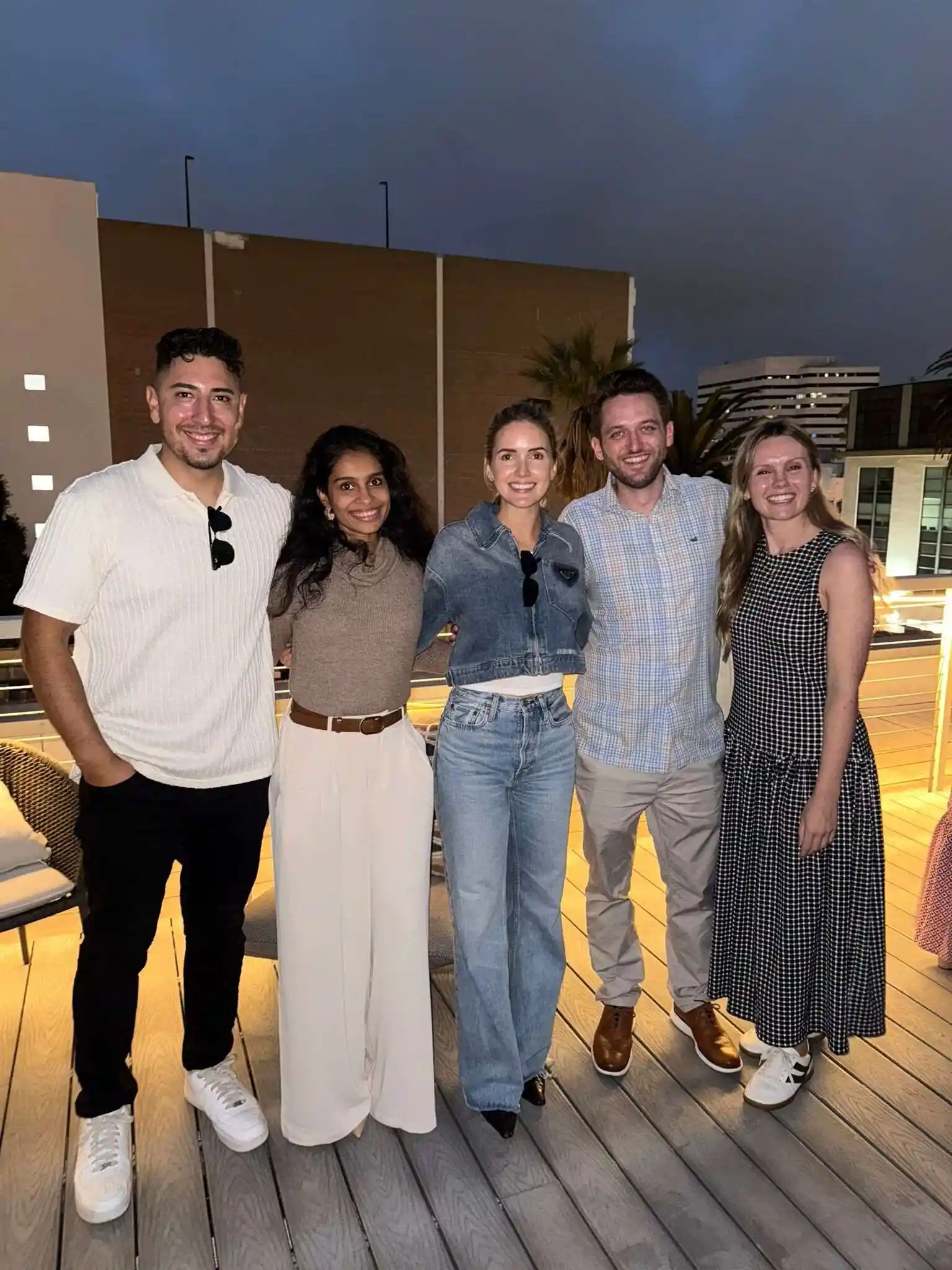
a16z and Tech Week team
1. Own Your Audience
Everyone is building an email list.
Even creators focused on short-form videos like TikTok or Instagram see email as the core foundation of their business.
Some attract new subscribers through events, some through paid ads, creating lead magnets, or using ManyChat to turn Instagram DMs into a growth engine.
Frequency doesn't matter; some publish weekly, some monthly, some quarterly, or even occasionally.
What matters is ownership.
Every creator seems to desire a direct, lasting way to connect with their audience, rather than relying on algorithm changes.
2. Build Offline Touchpoints
Offline interactions are heating up.
Many creators have spent years building their audience, community, and fan base online.
Now, they are looking for ways to turn these connections into offline interactions.
Podcast producers are starting to host live recording events; social media creators organize private dinners, local meetups, and even retreats.
These are not just "fan events" but channels to deepen relationships, build trust, and explore higher-value collaborations.
The flywheel effect of online-to-offline interaction is showing its powerful force.
3. Package Sponsorship Deals
The advertising sponsorship model is being packaged.
Creators are gradually moving away from single-ad deals.
They choose to integrate their newsletters, podcasts, social media content, and offline events into a packaged sponsorship deal.
This model is more beneficial for creators: more predictable income, less negotiation, building long-term relationships, and better multi-platform integration with the audience.
It's also better for brands: one partnership can cover multiple channels, generate a large amount of reusable content, and provide more creative collaboration methods than traditional ad placements.
This shift marks the maturity of the industry, and I really appreciate it.
4. Deep Dive into Niche Markets
Wealth lies in niche markets.
The more precise the niche, the stronger the business.
Just like the Car Dealership Guy, whom I recently invited on my podcast and met for the first time yesterday.
His total target audience is 155,000 car dealerships and their employees, but he has built a huge business because his content and products are completely focused on his ideal customer profile (ICP).
Many people think their niche is too small, but in reality, as long as the positioning is precise, its value is often beyond imagination.
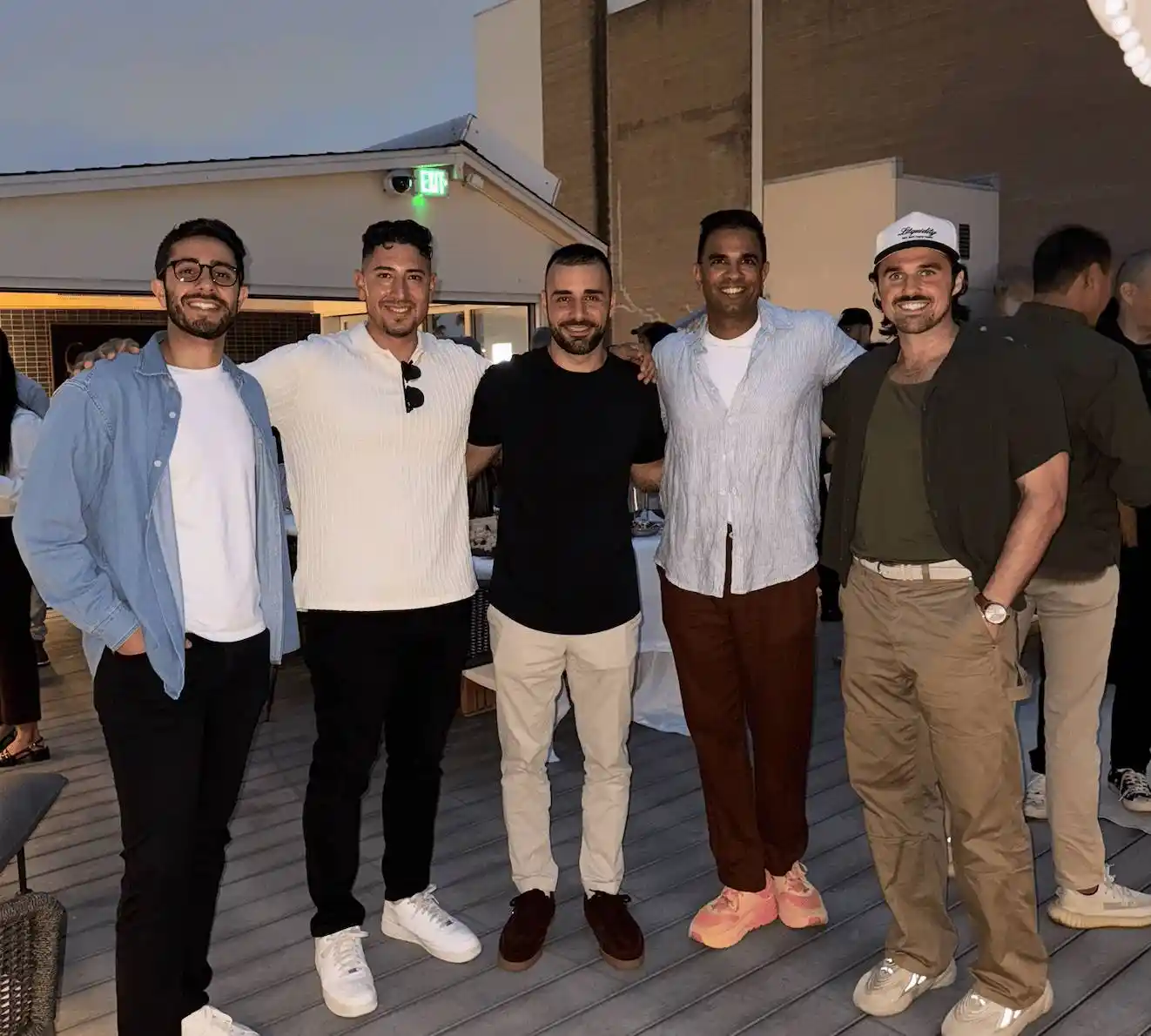
Adam (Blueprint), Yossi (Car Dealership), Avi (Creator Logic), Litquidity
5. Collaboration Leads to Win-Win
Collaboration accelerates growth.
1 + 1 = 3.
Creators are actively seeking collaboration.
Newsletter swaps, podcast guest exchanges, joint events, and cross-promotion of products.
If you can find partners with similar target audiences, growth speed increases exponentially. This is not only faster but also more fun than going it alone.
Although this strategy is not new, it is still reassuring to see it happening in reality.
More and more people are choosing the "make the cake bigger" mindset.
6. Dominate One Platform
Platform dominance still matters.
Almost every creator has a "home base."
Although they may have expanded across platforms, the platform that initially brought them traffic remains their core—whether it's YouTube, Substack, Instagram, or TikTok.
This is where their community has the strongest connection with them.
Expansion is important, but dominance is key.
Some creators even hire teams to fill gaps on other platforms while still firmly controlling the platform that initially made them successful.
First build your empire on one platform.
7. Distribution is the Ultimate Moat
This is something almost everyone agrees on.
In an era where anyone can launch a product, tool, or service, what distinguishes creators is not what they create, but how they distribute it.
Brand + Distribution = Moat.
This is a point I have been emphasizing and will continue to insist on until more people realize its importance.
Honestly, it's refreshing to see such a strong consensus—especially considering that many industries outside the creator economy are still lagging behind this idea.
Summary
The creator economy is maturing.
Strategies are becoming more sophisticated, business models are more complex, and opportunities are greater than ever.
If you are building content online, please pay attention to the following points:
-
Own your audience (email)
-
Build offline touchpoints
-
Package sponsorship deals
-
Deep dive into niche markets
-
Collaborate for win-win outcomes
-
Dominate one platform
-
View distribution as a moat
This is the successful playbook I've seen in practice.
Looking forward to the next wave of innovation and breakthroughs from creators!
Recommended reading:
RootData 2025 Web3 Industry Annual Report
Xiao Hong: From Small-Town Youth to Manus CEO, a Bitcoin Believer's Long-Termism
Binance Power Shift: The Dilemma of a 300 Million User Empire
Has the Project Buyback红利 Really Come to an End?