A Crypto Gamble That Split a Century-Old Swiss Private Bank?

marsbitPubblicato 2026-03-23Pubblicato ultima volta 2026-03-23

Introduzione

An internal conflict over cryptocurrency strategy has led to a generational split within the Swiss private banking family behind Banque Syz. Marc Syz left the bank, led by his father Eric Syz, after the board rejected his proposal to integrate Future Holdings AG—a crypto treasury firm—into the bank’s alternative asset division, Syz Capital. Marc, who previously headed Syz Capital, is now pursuing a dual IPO for Future Holdings in Sweden and Switzerland, aiming to build one of Europe’s largest corporate Bitcoin treasuries. The dispute reflects broader tensions within Switzerland’s wealth management sector, where traditional private banks face intense competition and divergent views on innovation. Marc advocated for greater focus on digital assets and AI, warning that some banks rely too heavily on Switzerland’s reputation as a financial safe haven without adapting to new trends. Following the rejection of the merger, Marc and his business partner Richard Byworth resigned from Syz Capital and are launching a new asset management firm focused on alternative investments. Meanwhile, Banque Syz reaffirmed its commitment to alternative investments as a core business pillar and recently appointed Eric’s other son, Nicolas Syz, as CEO. The split underscores both the difficulties of family business governance and the high-stakes divergence in strategy between traditional finance and emerging digital asset models in Switzerland.

Written by: Allegra Catelli

Compiled by: Luffy, Foresight News

A Swiss private banking dynasty is embroiled in a generational conflict over differing visions for the company's future.

Marc Syz has left Banque Syz SA, based in Geneva and led by his father Eric Syz, to start a new venture with business partner Richard Byworth. The core of their disagreement lies in Marc's plan to incorporate the crypto treasury company Future Holdings AG into the bank's alternative assets division, Syz Capital, which Marc previously managed. He has now shifted focus to pursuing a dual listing for Future Holdings, aiming to build Europe's leading Bitcoin treasury institution.
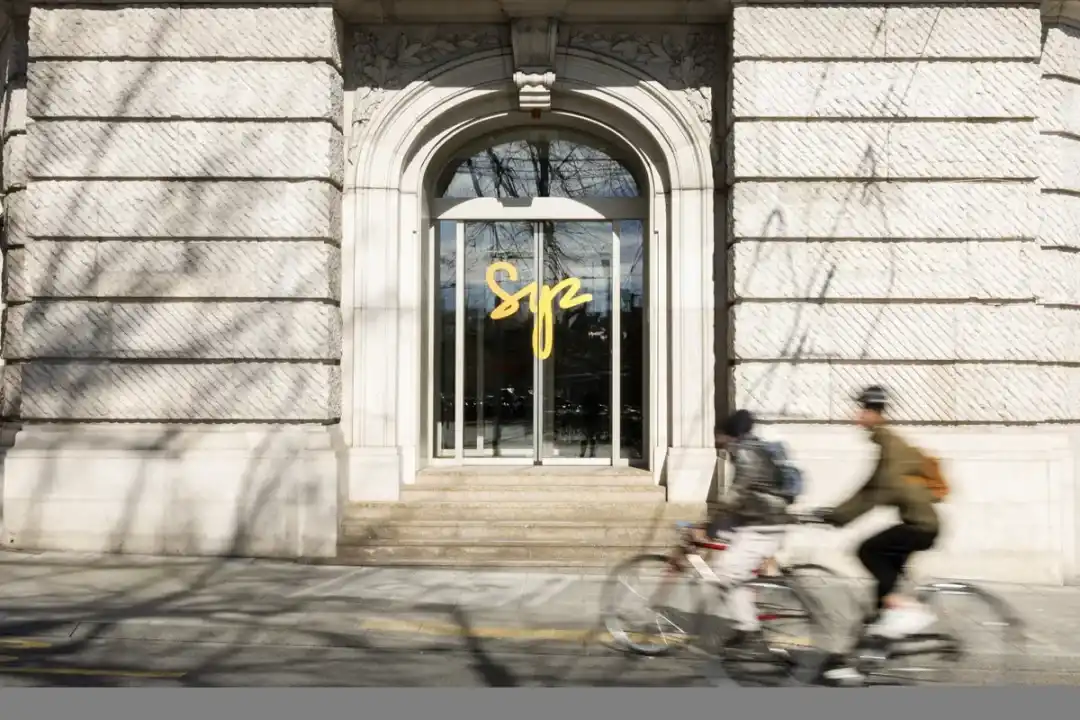
The logo of Banque Syz SA in Geneva

This family split highlights both the challenges of managing a family business and the ideological struggles within Switzerland's wealth management industry. Local boutique private banks not only face fierce competition from numerous domestic peers but also often hold divergent views on the industry's future. Marc stated that he had advocated for increased investment in alternative assets, artificial intelligence, and digital assets, expressing concern that some competitors rely too heavily on Switzerland's safe-haven reputation and lack innovative breakthroughs.

The bank and Eric Syz responded through a spokesperson, confirming only that Marc and Byworth had left and stating that "alternative investments have always been a core business of Banque Syz," without commenting on the specific reasons for their departure. Marc detailed the sequence of events in a phone interview.

Syz Capital was established in 2018 under Marc's leadership and managed assets of around 20 billion Swiss francs (equivalent to $25 billion) at the time of his departure, with some outflows occurring subsequently. The original Syz Capital team remains, now managed by Syz Group's Chief Financial Officer, Christoph Raninger. The bank has seen other recent executive departures, including Chief Operating Officer Boris Chave.

The catalyst for the worsening rift in the father-son relationship was the bank's board's rejection of the application to merge Future Holdings into Syz Capital on grounds of excessive risk. Marc said that subsequently, he and Byworth were asked to resign from their positions as directors of Syz Capital, ultimately leading to their complete departure from the wealth management firm.

It is currently unclear whether Marc, who holds about a 20% stake in Syz Capital, and Byworth, who holds about 5%, will retain their shareholder status.

Preparing for a Dual Listing

According to informed sources, the two are working with Stifel Financial Corp to advance a dual IPO for Future Holdings in Sweden and Switzerland, with plans later for an independent listing on the main board of the Swiss Exchange. The company is considering further Bitcoin acquisitions before this, aiming to hold over 3,500 bitcoins and striving to become one of Europe's largest corporate holders of cryptocurrency.

Marc Syz

The reporter has not yet received a response to calls or emails from Stifel.

Earlier this year, Future Holdings merged with the Swedish-listed Bitcoin treasury company H100 Group AB, expanding its crypto asset reserves to pave the way for a potential listing.

The crypto treasury model was pioneered by Michael Saylor's MicroStrategy Inc during the pandemic bull market. Companies raise funds by issuing additional shares to accumulate large amounts of Bitcoin, providing investors with equity exposure to Bitcoin without directly holding the tokens. US spot Bitcoin ETFs were not approved and launched until early 2024.

The crypto treasury sector exploded last year, with Trump's election win reigniting the bull market, pushing the valuations of several institutions far above the net value of their crypto holdings at their peak. Now, as the market has corrected and token prices have fallen from their highs, the market capitalizations of many listed Bitcoin treasury companies have dropped to at or below their net asset value.

However, Marc Syz and Byworth believe that Switzerland's overall crypto-friendly regulatory environment, combined with structural advantages like low interest rates and Europe's third-most liquid stock market, will provide favorable support for Future Holdings' listing.

The 2020 Restructuring

Prior to these personnel changes, Banque Syz had undergone several rounds of reform in recent years. In 2020, Eric led a restructuring that spun off the retail asset management business, Oyster. This was followed by a prolonged power transition, culminating in Eric appointing his other son, Nicolas Syz, as CEO in February of this year.

Eric Syz comes from a textile industry family whose business dates back to the 1850s. He co-founded Banque Syz in 1996 with Alfredo Piacentini and Paolo Luban, who have since left. The bank is controlled by Eric and high-end jewelry designer Suzanne Syz, who also serves as a director.

The bank's total assets under management have remained largely stable over the past five years, increasing by nearly 12% in 2024 from 23.1 billion Swiss francs the previous year to 25.8 billion Swiss francs, roughly level with the total assets at the end of 2020. The bank has continued to grow its presence in Zurich in recent years, adding office space and recruiting new teams, stating last year its intention to "expand asset size across all business lines and firmly advance growth plans."

As for Marc and Byworth, besides operating Future Holdings, the two plan to establish an independent asset management firm to compete with Syz Capital. The new firm will focus on alternative investment strategies, emphasizing capital preservation and appreciation.

Whether investors will embrace listed Bitcoin treasury vehicles after market volatility remains uncertain. But for Marc Syz, this is both a bet on the digital asset sector and a complete break with a venerable Swiss private banking dynasty.


Crypto di tendenza

Domande pertinenti

QWhat was the core disagreement that led to Marc Syz leaving Banque Syz SA?

AThe core disagreement was over the future direction of the bank, specifically Marc Syz's plan to integrate the crypto treasury company Future Holdings AG into the bank's alternative asset division, Syz Capital, which the bank's board rejected due to high risk.

QWhat is the new venture that Marc Syz and Richard Byworth are pursuing after leaving Banque Syz?

AThey are pursuing a dual IPO for Future Holdings AG in Sweden and Switzerland, aiming to make it one of Europe's largest corporate holders of Bitcoin, and plan to establish a new independent asset management firm focused on alternative investment strategies.

QHow did the bank's board react to Marc Syz's proposal for Future Holdings AG?

AThe bank's board rejected the proposal to integrate Future Holdings AG into Syz Capital, citing that the venture was too risky.

QWhat is a Bitcoin treasury company, as mentioned in the article?

AA Bitcoin treasury company is a model, pioneered by Michael Saylor's MicroStrategy, where a company raises capital by issuing shares to accumulate large amounts of Bitcoin, providing investors with equity exposure to Bitcoin without directly holding the cryptocurrency.

QWhat broader industry conflict in Swiss private banking does this family dispute reflect?

AIt reflects a conflict of ideas within the Swiss wealth management industry, where some practitioners advocate for innovation and increased investment in areas like digital assets and AI, while others prefer to rely on Switzerland's traditional reputation as a safe haven and are resistant to such changes.

Letture associate

Breaking: GPT-5.6 Prices Slashed Effective Today

OpenAI has announced significant price cuts for its GPT-5.6 model API, effective immediately. The entry-level **GPT-5.6 Luna** sees the most drastic reduction, with input prices dropping 80% to $0.20 per million tokens and output prices falling to $1.20 per million tokens. The mid-tier **GPT-5.6 Terra** is reduced by 20%, now costing $2.00 (input) and $12.00 (output) per million tokens. The flagship **GPT-5.6 Sol** maintains its original price but introduces a new **Fast mode**, offering speeds up to 2.5 times faster for double the cost. The company attributes these price reductions to efficiency gains achieved through **GPT-5.6 Sol's own involvement in optimizing its production systems**. The model assisted in rewriting GPU kernels and improving speculative decoding, leading to a 20% reduction in end-to-end service costs and over 15% improvement in token generation efficiency. OpenAI emphasizes this process remained human-led. A key focus of the降价 is to lower the barrier for running **AI agent workflows**. By making the capable, tool-calling Luna model significantly cheaper, OpenAI aims to enable more frequent use in cost-sensitive, high-volume tasks like code review and monitoring. This creates a potential feedback loop: model-assisted efficiency gains lead to lower costs, which enables broader agent deployment, which in turn drives further optimization. The new pricing and features will also apply to Codex and ChatGPT Work subscriptions. The changes intensify competition in the large language model market, with OpenAI directly challenging rivals like Anthropic to respond.

marsbit17 min fa

Breaking: GPT-5.6 Prices Slashed Effective Today

marsbit17 min fa

South Koreans' 'Gambling Nature' is Actually Forced by Life

This article explores how systemic pressures in South Korea, rather than inherent "gambling" tendencies, drive widespread speculative financial behavior. It begins by noting the high frequency of flights from South Korea to Macau, symbolizing the search for outlets beyond domestic restrictions. The core argument is that ordinary life goals—stable employment, home ownership, and financial security—have become increasingly tied to asset markets due to structural economic factors. South Korea's development model, historically reliant on corporate leverage (chaebols), has evolved into a society where household debt and personal leverage are normalized as pathways to social mobility. Key mechanisms discussed include: * **Housing Policy:** Government measures to improve affordability, like extending mortgage terms to 50 years and the unique *jeonse* (key money) rental system, embed high leverage into the housing market. * **Financial Products:** The recent approval and explosive popularity of single-stock 2x leveraged ETFs (e.g., on Samsung and SK Hynix), easily accessed via mobile apps, lowered barriers to high-risk trading. * **Social Pressure:** Media narratives around soaring corporate profits (e.g., SK Hynix) and employee bonuses create a fear of missing out, pushing individuals to use leverage to "catch up." The article concludes that this "leveraged life" is a product of institutional history and policy choices. When traditional paths to success feel constrained, and policy facilitates debt-based solutions for housing and investment, speculative behavior becomes a rational, if risky, strategy for many. The rapid cycle of regulatory approval for leveraged ETFs followed by a market crash and official apology in mid-2026 exemplifies the system's inherent contradictions. Ultimately, the "bet" is not just on assets, but on using future earnings to secure a place in the present society.

marsbit18 min fa

South Koreans' 'Gambling Nature' is Actually Forced by Life

marsbit18 min fa

Trading

Spot

Articoli Popolari

Cosa è $BANK

Banca AI: Un Passo Rivoluzionario nel Futuro della Banca Introduzione In un'era caratterizzata da rapidi progressi tecnologici, Banca AI si trova all'incrocio tra intelligenza artificiale (AI) e servizi bancari. Questo progetto innovativo mira a ridefinire il panorama finanziario, migliorando l'efficienza operativa, le misure di sicurezza e le esperienze dei clienti attraverso il potere dell'AI. Mentre ci impegniamo in questa esplorazione di Banca AI, esamineremo cosa comporta il progetto, le sue dinamiche operative, il suo contesto storico e i traguardi significativi. Cos'è Banca AI? Alla sua essenza, Banca AI rappresenta un'iniziativa trasformativa volta a integrare l'intelligenza artificiale in varie operazioni bancarie. Questo progetto sfrutta le capacità dell'AI per automatizzare processi, migliorare i protocolli di gestione del rischio e potenziare l'interazione con i clienti attraverso servizi personalizzati. Gli obiettivi principali di Banca AI includono: Automazione delle Funzioni Bancarie: Sfruttando le tecnologie AI, Banca AI mira ad automatizzare compiti di routine, riducendo il carico sulle risorse umane e aumentando l'efficienza. Miglioramento della Gestione del Rischio: Il progetto utilizza algoritmi AI per prevedere e identificare i rischi, rafforzando così le misure di sicurezza contro le frodi e altre minacce. Personalizzazione dei Servizi Bancari: Banca AI si concentra sull'offrire prodotti e servizi finanziari su misura analizzando i dati e i comportamenti dei clienti. Miglioramento dell'Esperienza del Cliente: L'implementazione di soluzioni guidate dall'AI, come chatbot e assistenti virtuali, mira a fornire agli utenti interazioni più umane, rivoluzionando il modo in cui i clienti si relazionano con le banche. Con questi obiettivi, Banca AI si posiziona come un attore cruciale nel rendere la banca più efficiente, sicura e centrata sull'utente. Chi è il Creatore di Banca AI? I dettagli riguardanti il creatore di Banca AI rimangono sconosciuti. Pertanto, non è stata identificata alcuna persona o organizzazione specifica nelle informazioni disponibili. L'anonimato che circonda la nascita del progetto solleva domande, ma non sminuisce la sua ambiziosa visione e obiettivi. Chi sono gli Investitori di Banca AI? Simile al creatore del progetto, informazioni specifiche riguardo gli investitori o le organizzazioni di supporto di Banca AI non sono state divulgate. Senza queste informazioni, è difficile delineare il sostegno finanziario e istituzionale che potrebbe spingere il progetto in avanti. Tuttavia, l'importanza di avere una solida base di investimento è fondamentale per sostenere lo sviluppo in un campo così innovativo. Come Funziona Banca AI? Banca AI opera su più fronti innovativi, concentrandosi su fattori unici che la differenziano dai framework bancari tradizionali. Di seguito sono riportate le caratteristiche operative chiave: Automazione: Applicando algoritmi di machine learning, Banca AI automatizza vari processi manuali all'interno delle banche. Ciò si traduce in una riduzione dei costi operativi e consente ai lavoratori umani di reindirizzare i propri sforzi verso attività più strategiche. Gestione Avanzata del Rischio: L'integrazione dell'AI nelle pratiche di gestione del rischio fornisce alle banche strumenti per prevedere con precisione potenziali minacce come le frodi, garantendo che le informazioni e i beni dei clienti rimangano al sicuro. Raccomandazioni Finanziarie Personalizzate: Attraverso l'apprendimento continuo dalle interazioni con i clienti, i sistemi AI sviluppano una comprensione sfumata delle esigenze degli utenti, consentendo loro di offrire consigli su misura per le decisioni finanziarie. Interazioni Migliorate con i Clienti: Utilizzando chatbot e assistenti virtuali alimentati dall'AI, Banca AI consente un'esperienza cliente più coinvolgente, permettendo agli utenti di risolvere rapidamente le loro richieste, riducendo così i tempi di attesa e migliorando i livelli di soddisfazione. Tutte queste caratteristiche operative posizionano Banca AI come un pioniere nel settore bancario, stabilendo nuovi standard per la fornitura di servizi e l'eccellenza operativa. Timeline di Banca AI Comprendere la traiettoria di Banca AI richiede uno sguardo al suo contesto storico. Di seguito è riportata una timeline che evidenzia traguardi e sviluppi importanti: Inizio 2010: La concettualizzazione dell'integrazione dell'AI nei servizi bancari ha cominciato a guadagnare attenzione mentre le istituzioni bancarie riconoscevano i potenziali benefici. 2018: Si è verificato un aumento significativo nell'implementazione delle tecnologie AI quando le banche hanno iniziato a utilizzare strumenti AI come i chatbot per servizi clienti di base e sistemi di gestione del rischio per migliorare la sicurezza. 2023: La sofisticazione dell'AI ha continuato ad avanzare, con l'introduzione dell'AI generativa per compiti più complessi come l'elaborazione di documenti e l'analisi degli investimenti in tempo reale. Quest'anno ha segnato un significativo salto nelle capacità offerte alle banche dalla tecnologia AI. 2024-Stato Attuale: A partire da quest'anno, Banca AI è su una traiettoria ascendente, con ricerche e sviluppi in corso pronti a migliorare ulteriormente le capacità nelle operazioni bancarie. L'esplorazione continua delle applicazioni AI suggerisce sviluppi entusiasmanti in arrivo. Punti Chiave su Banca AI Integrazione dell'AI nella Banca: Banca AI si concentra sull'adozione dell'intelligenza artificiale per snellire i processi bancari e migliorare le esperienze degli utenti. Focus su Automazione e Gestione del Rischio: Il progetto enfatizza fortemente queste aree, mirando a spostare il carico di compiti di routine mentre migliora le strutture di sicurezza attraverso analisi predittive. Soluzioni Bancarie Personalizzate: Sfruttando i dati dei clienti, Banca AI consente servizi bancari su misura che si adattano alle esigenze individuali degli utenti. Impegno per lo Sviluppo: Banca AI rimane impegnata in sforzi di ricerca e sviluppo continuativi, garantendo la sua adattabilità e rilevanza continua man mano che la tecnologia continua a evolversi. Conclusione In sintesi, Banca AI rappresenta un passo cruciale in avanti nell'industria bancaria, sfruttando l'intelligenza artificiale per rimodellare i paradigmi operativi, migliorare la sicurezza e promuovere la soddisfazione del cliente. Nonostante le lacune nelle informazioni riguardo il creatore e gli investitori, gli obiettivi chiari e i meccanismi funzionali di Banca AI forniscono una solida base per la sua continua evoluzione. Mentre la tecnologia AI continua ad avanzare e fondersi con il settore bancario, Banca AI è ben posizionata per avere un impatto significativo sul futuro dei servizi finanziari, migliorando il modo in cui comprendiamo e interagiamo con la banca.

147 Totale visualizzazioniPubblicato il 2024.04.06Aggiornato il 2024.12.03

Cosa è $BANK

Come comprare BANK

Benvenuto in HTX.com! Abbiamo reso l'acquisto di Lorenzo Protocol (BANK) semplice e conveniente. Segui la nostra guida passo passo per intraprendere il tuo viaggio nel mondo delle criptovalute.Step 1: Crea il tuo Account HTXUsa la tua email o numero di telefono per registrarti il tuo account gratuito su HTX. Vivi un'esperienza facile e sblocca tutte le funzionalità,Crea il mio accountStep 2: Vai in Acquista crypto e seleziona il tuo metodo di pagamentoCarta di credito/debito: utilizza la tua Visa o Mastercard per acquistare immediatamente Lorenzo ProtocolBANK.Bilancio: Usa i fondi dal bilancio del tuo account HTX per fare trading senza problemi.Terze parti: abbiamo aggiunto metodi di pagamento molto utilizzati come Google Pay e Apple Pay per maggiore comodità.P2P: Fai trading direttamente con altri utenti HTX.Over-the-Counter (OTC): Offriamo servizi su misura e tassi di cambio competitivi per i trader.Step 3: Conserva Lorenzo Protocol (BANK)Dopo aver acquistato Lorenzo Protocol (BANK), conserva nel tuo account HTX. In alternativa, puoi inviare tramite trasferimento blockchain o scambiare per altre criptovalute.Step 4: Scambia Lorenzo Protocol (BANK)Scambia facilmente Lorenzo Protocol (BANK) nel mercato spot di HTX. Accedi al tuo account, seleziona la tua coppia di trading, esegui le tue operazioni e monitora in tempo reale. Offriamo un'esperienza user-friendly sia per chi ha appena iniziato che per i trader più esperti.

745 Totale visualizzazioniPubblicato il 2025.05.09Aggiornato il 2026.06.02

Come comprare BANK

Discussioni

Benvenuto nella Community HTX. Qui puoi rimanere informato sugli ultimi sviluppi della piattaforma e accedere ad approfondimenti esperti sul mercato. Le opinioni degli utenti sul prezzo di BANK BANK sono presentate come di seguito.

活动图片