From Terra's Collapse to the "10 AM Strike": How Did Jane Street Play the Markets Across Two Continents?

Odaily星球日报Pubblicato 2026-02-26Pubblicato ultima volta 2026-02-26

Introduzione

The article details serious allegations against Jane Street Group, a major quantitative trading firm, for market manipulation across different continents. It is accused of using insider information to profit from the Terra Luna collapse in May 2022, allegedly triggering its $40 billion crash. Separately, Indian regulators charged Jane Street with a "pump and dump" scheme in derivatives markets, resulting in massive fines and a trading ban. The piece also connects Jane Street to a pattern in Bitcoin trading called the "10 AM hit," where consistent sell pressure occurred at U.S. market open, suppressing BTC prices for months. This pattern abruptly stopped after the Terra lawsuit became public, coinciding with a Bitcoin price surge. As an authorized participant for BlackRock’s Bitcoin ETF (IBIT), Jane Street held significant influence over BTC flows. The article suggests their trading activity—selling BTC while increasing exposure to Bitcoin-proxy stocks—may have manipulated markets. The case highlights structural vulnerabilities in ETF systems that privilege certain players, echoing past manipulation in traditional markets like gold. Bitcoin’s recent rebound may signal reduced manipulative pressure, underscoring the need for trustless systems.

This article is from:@peruvian_bull

Compiled by | Odaily Planet Daily (@OdailyChina); Translator | Ethan (@ethanzhang_web 3)
Editor's Note: Over the past four months, Bitcoin has almost established a fixed rhythm—a clear wave of selling pressure emerges whenever the U.S. stock market opens. It rises during Asian hours, continues its upward trend in Europe, but quickly falls back as soon as New York opens. Traders have dubbed this the "10 AM Strike." This force acts like an invisible structural headwind, repeatedly liquidating leveraged positions, dampening market sentiment, and gradually wearing down investors' patience.

However, when the lawsuit documents against Jane Street were officially made public, this months-long rhythm was suddenly interrupted. Is this merely a coincidence, or a signal of deeper structural changes? How did the entire process unfold? Odaily Planet Daily provides the full compilation below.

——————Separator——————

The most powerful trading firm you've never heard of has just been caught red-handed. Twice, on two different continents. And Bitcoin, it seems, has finally breathed a sigh of relief.

Jane Street Group is a quantitative trading firm headquartered in New York. They don't have a CEO.

According to their own description, they operate like an "anarchic commune." In the first nine months of 2025, they achieved net trading revenue of $24 billion, already surpassing the $20.5 billion for the entirety of 2024. The second quarter of 2025 alone reached $10.1 billion, marking the highest quarterly trading revenue in Wall Street's history.

By any measure, they are one of the most profitable trading institutions globally.

And just this week, the bankruptcy administrator for Terraform Labs filed a lawsuit in Manhattan federal court, accusing Jane Street of using insider information to front-run the collapse of Terra Luna in May 2022. This collapse wiped out $40 billion in market value and triggered a chain reaction that ultimately brought down Celsius, Three Arrows Capital, and FTX.

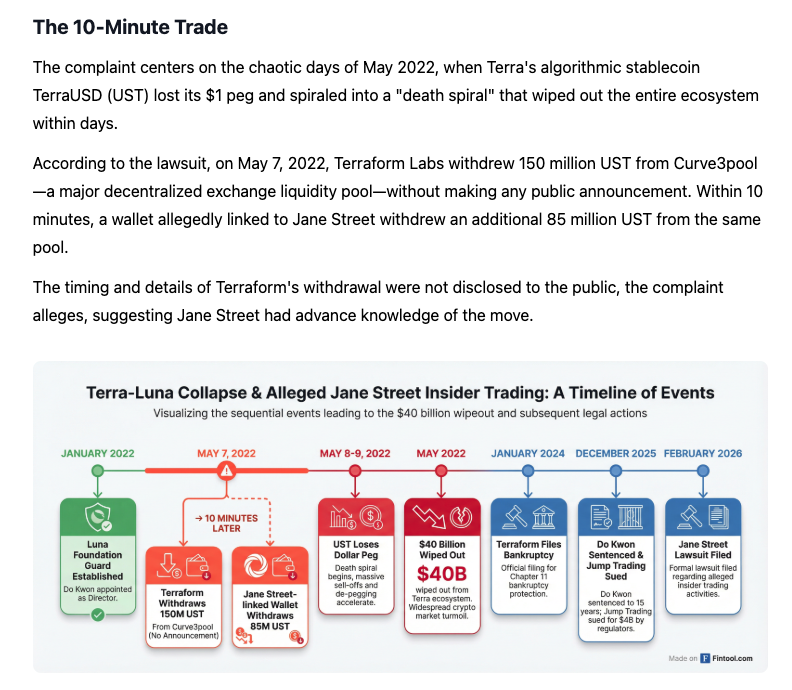
The allegation is stunningly simple. On May 7, 2022, Terraform Labs quietly withdrew $150 million in UST from Curve3pool, a major decentralized liquidity pool. There was no public announcement, just a silent withdrawal of liquidity.

Ten minutes later, a wallet linked to Jane Street withdrew $85 million from the same pool. Just ten minutes later...
The complaint alleges that a former Terraform intern, Bryce Pratt, who became a full-time employee at Jane Street in September 2021, established private communication channels with former colleagues and allegedly passed material non-public information about Terraform's liquidity movements directly to Jane Street's trading team.
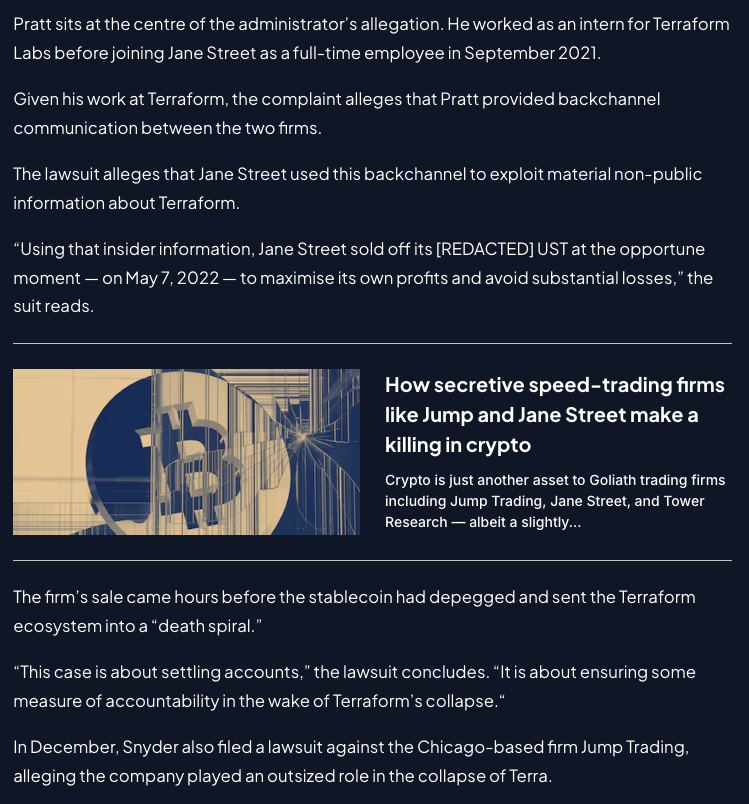
The complaint names four defendants: Jane Street Group LLC, co-founder Robert Granieri, and employees Bryce Pratt and Michael Huang.

The administrator's statement gets straight to the point: the trades Jane Street executed would have been impossible without the exclusive insider information they possessed.

Making matters worse, the complaint alleges that Jane Street's withdrawal helped trigger the de-pegging of UST, plunging the entire Terraform ecosystem into a death spiral. LUNA fell from over $80 to near zero. $40 billion evaporated. Ordinary investors lost everything. Retirement funds, education savings, life savings—wiped out in days.

Jane Street's response? Calling the allegations "desperate and baseless."

But here's the thing: This isn't the first time.

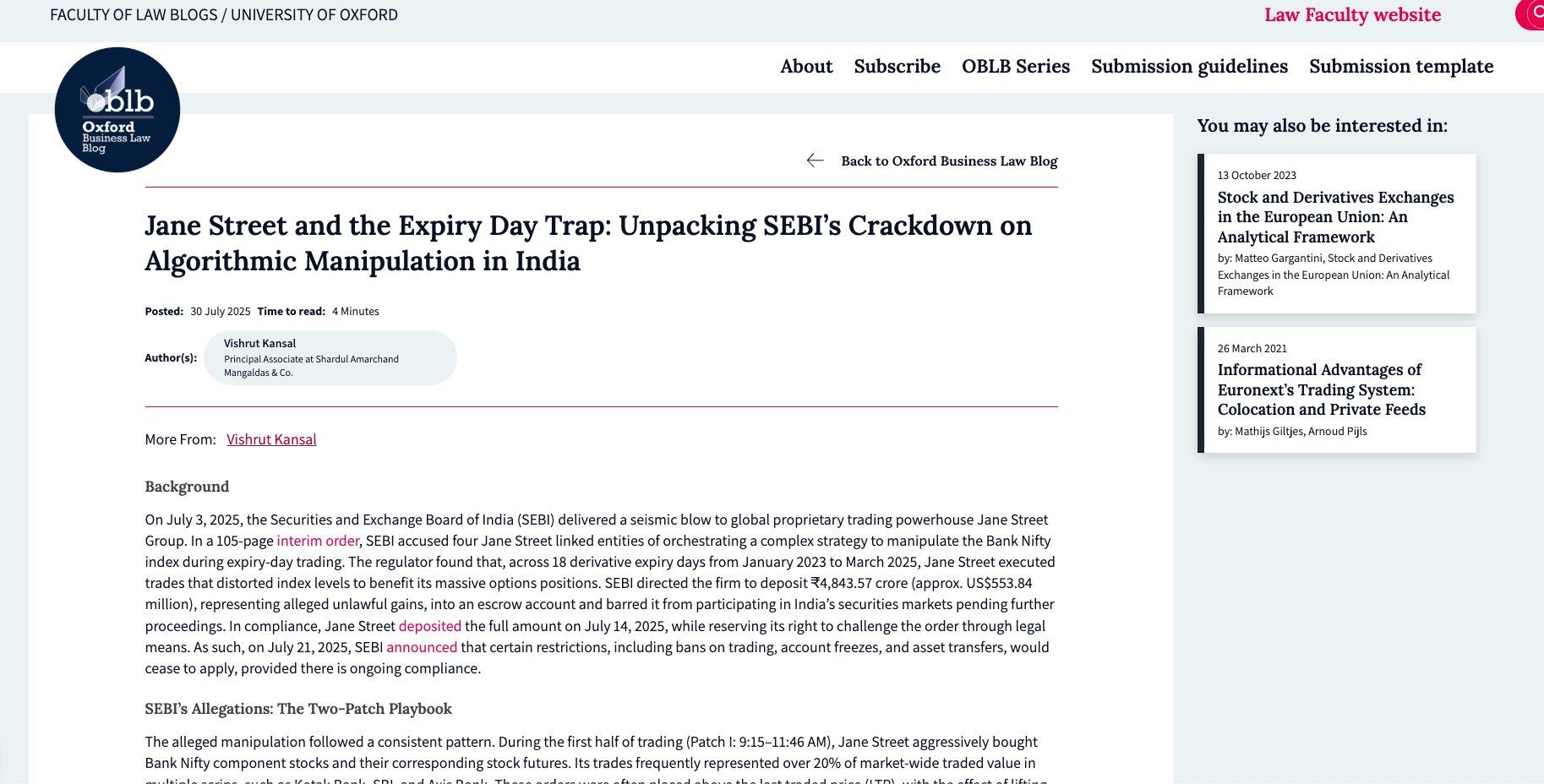
In July 2025, the Securities and Exchange Board of India (SEBI) brought one of the largest market manipulation charges in the country's history against Jane Street. The investigation found that on 18 derivatives expiry days between January 2023 and March 2025, Jane Street executed a textbook pump-and-dump operation on the Bank Nifty index.
The operation was extremely mechanical:

Morning: Jane Street's algorithms aggressively bought component stocks and futures, pushing the index up 1% to 1.3%. On some trading days, SEBI determined that the entire positive move in the index came from Jane Street.

Simultaneously, they built massive short option positions, primarily selling call options and buying put options, at a scale far exceeding their stock holdings. SEBI determined that, on a delta-equivalent basis, the option positions were 7.3 times the size of the spot and futures positions. This wasn't hedging, nor was it arbitrage; it was packaged directional manipulation.

Afternoon: They reversed their operations, selling the stocks bought in the morning. The index fell, and the short options profited. Rinse and repeat every expiry day.

SEBI assessed illegal profits at 484.3 billion rupees, approximately $580 million, and called their actions a "mechanism deliberately designed to manipulate the settlement price." The regulator also noted that Jane Street continued executing this strategy even after the National Stock Exchange issued a clear warning in February 2025.

SEBI's wording was unusually harsh: "Market integrity and the trust of millions of small and medium investors and traders can no longer be held hostage by such non-credible actors."

Jane Street was barred from the Indian securities market, has deposited over $560 million into an escrow account, and has appealed. As of now, the case is still pending before the Securities Appellate Tribunal in India.

Now, back to Bitcoin.

Since November 2025, Bitcoin traders noticed an anomaly. Every day around 10:00 AM Eastern Time, coinciding with the U.S. stock market open, a flood of sell orders hit BTC and related ETF shares. The pattern was unusually consistent: gains during Asian and European hours, selling pressure at the New York open. (Refer to the article: "Is Jane Street Manipulating Bitcoin? Viral Theory Analysis")

The data was hard to ignore. Charts from December 2025 showed that on certain days, BTC would drop from $89,700 to $87,700 in minutes, first liquidating $171 million in leveraged long positions before quickly bouncing back. This pattern occurred on December 1, 5, 8, 10, 12, 15, and repeated throughout January and February 2026.
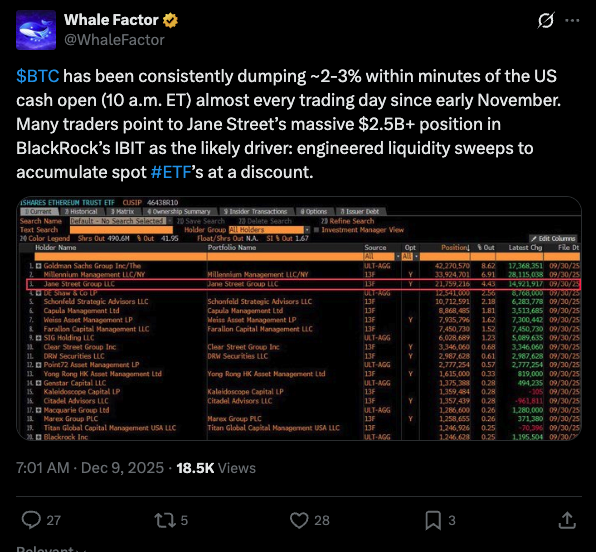
Crypto Twitter gave it a name: the "10 AM Strike."

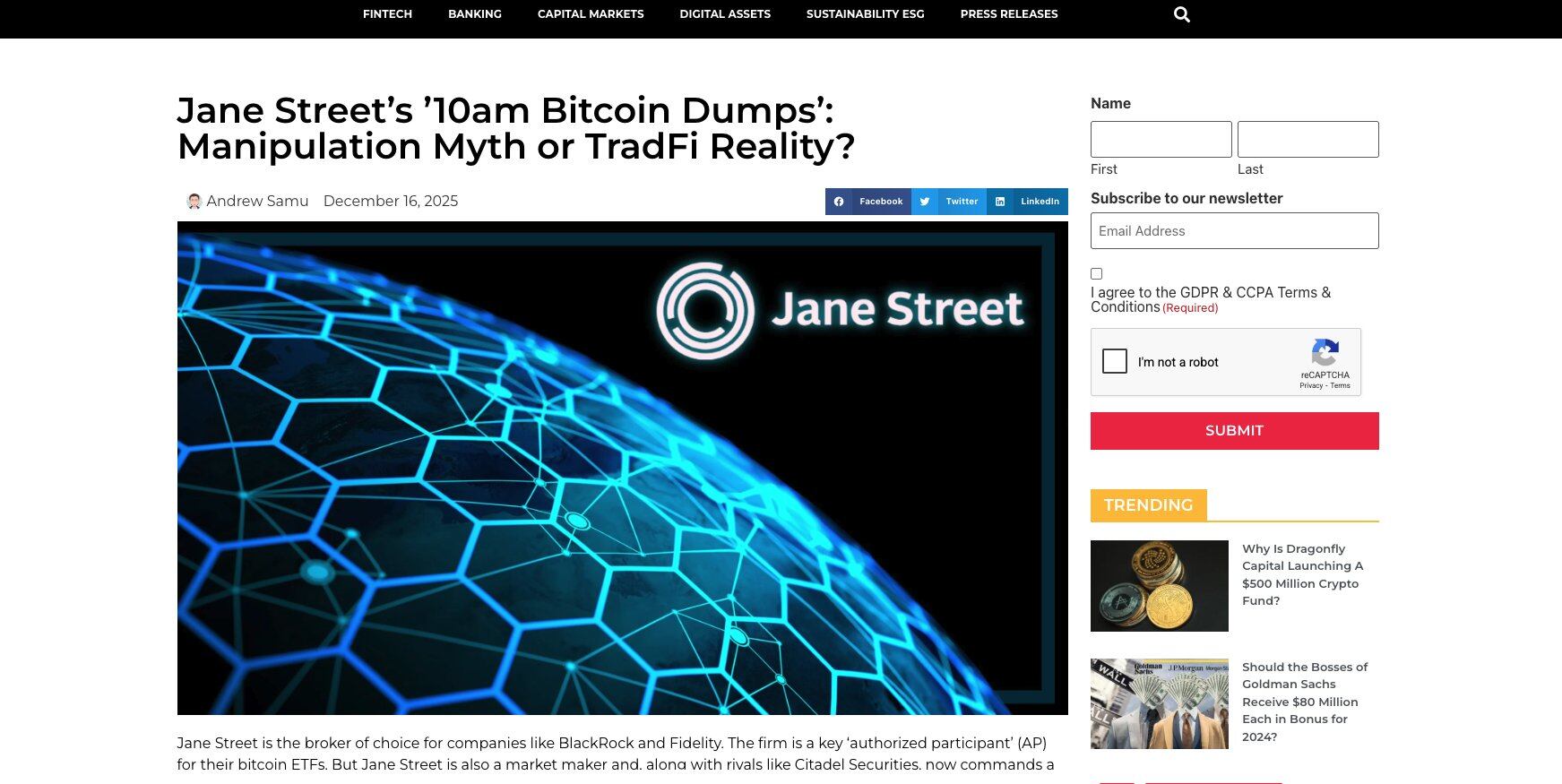
Fingers were quickly pointed at Jane Street, and not without reason. Jane Street is one of the four Authorized Participants (APs) for BlackRock's IBIT, the world's largest spot Bitcoin ETF. The other three are Virtu Americas, JP Morgan Securities, and Marex. As an AP, Jane Street has special privileges to create and redeem ETF shares, meaning they have direct access to the core pipeline that "puts Bitcoin into an institutional wrapper and takes it out."
Their 13F disclosures also confirm their massive size. According to Q3 2025 filings, Jane Street held $5.7 billion worth of IBIT shares. They added another $276 million in Q4 2025, bringing their total holdings to over 20 million shares, worth approximately $790 million at year-end prices. Their peak exposure once neared $2.5 billion in IBIT.
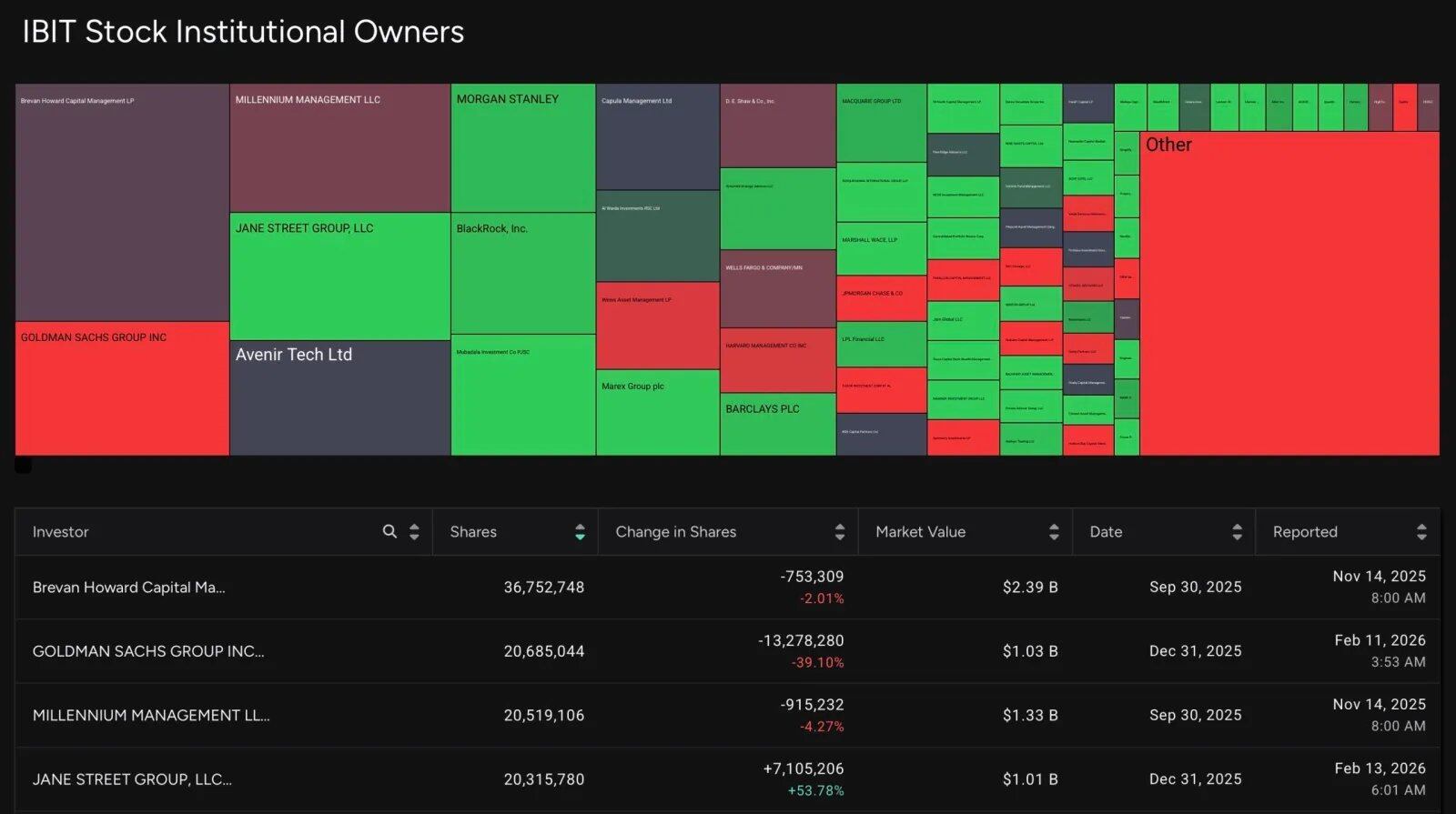
But what really raised eyebrows: Allegedly, while they were dumping BTC on the spot market every morning, they increased their holdings of MSTR (MicroStrategy, now Strategy) by 473% in Q4 2025, accumulating 951,187 shares worth approximately $121 million. During the same period, large institutions like BlackRock and Vanguard were significantly reducing their MSTR holdings by billions of dollars.

You can run through this logic again: Open the market by dumping BTC — drive the price down — liquidate leveraged longs — buy back at lower prices; simultaneously, betting on a rebound by increasing positions in the market's "most leveraged" Bitcoin proxy asset.

Glassnode co-founders Jan Happel and Yann Allemann, through their X account Negentropic, reignited this speculation, linking the algorithmic trading rhythm to the Terraform lawsuit documents. The Milk Road account further amplified the discussion, stating there had been "persistent whispers" in the market pointing to certain institutional desks executing "a very specific, and somewhat shady, playbook."

Then, the lawsuit landed. Something quite extraordinary happened.

After the Terraform lawsuit against Jane Street was filed, the "10 AM Strike"... didn't happen. For the first time in months, Bitcoin didn't sell off at the U.S. market open; instead, it rallied.
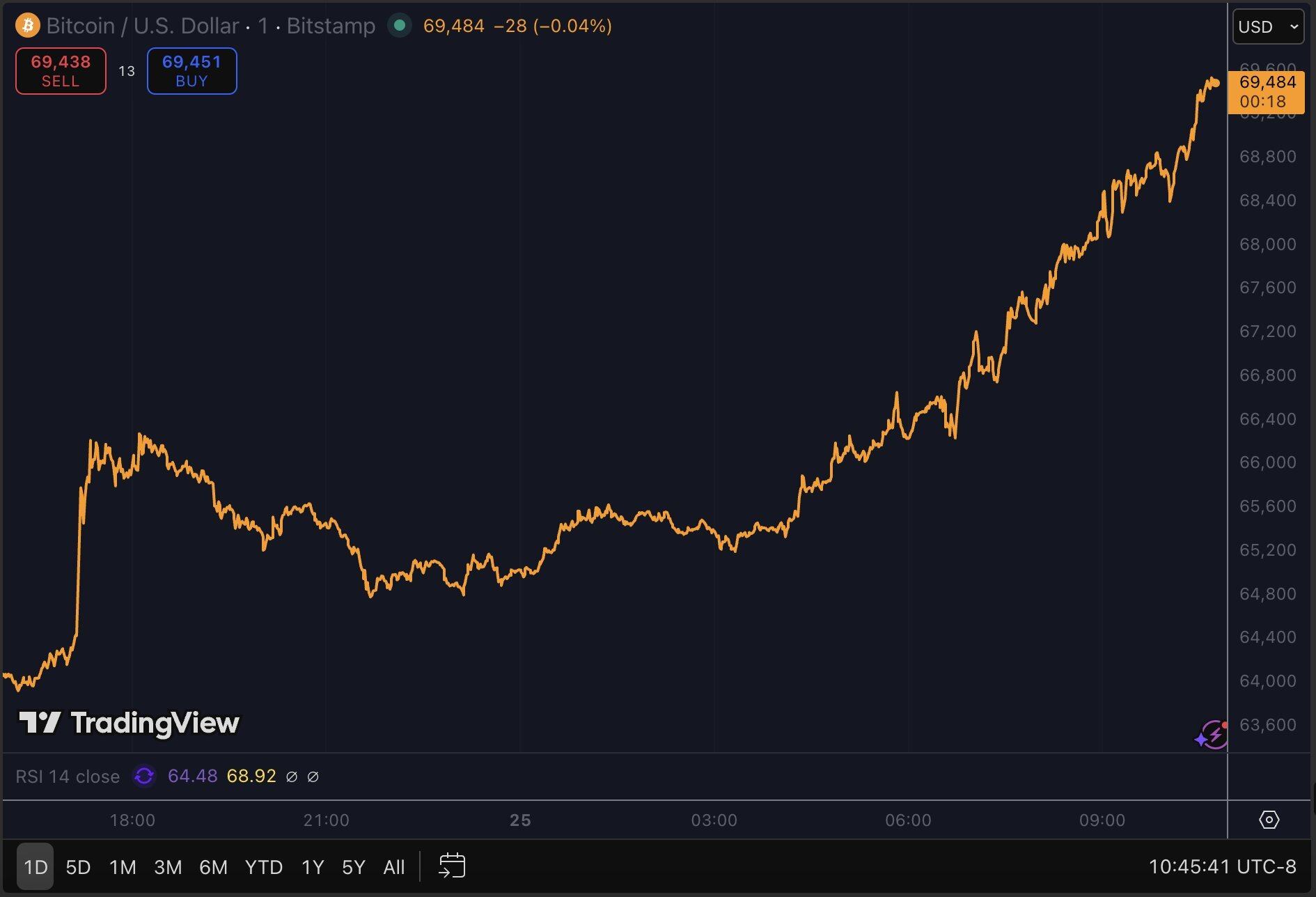
Today, Bitcoin rose over 3%, breaking through multiple resistance levels and returning above $68,000—just days after it nearly fell below $60,000. Over $323 million in short positions were liquidated. The Stochastic RSI hit 100. ETF net inflows for the day reached $257.7 million, the highest since early February.

The pattern was broken.

Of course, I must be cautious. Correlation does not equal causation. There could be many variables: Trump's State of the Union address, oversold technical conditions, short covering. The Fear and Greed Index fell to 11, indicating "Extreme Fear," which is often a contrarian signal. The RSI also fell to 15.80, a reading not seen since the pandemic crash of 2020—which was followed by a 1400% surge. But the timing is still hard to dismiss as mere coincidence.

A theory circulating on X suggests that after the lawsuit, Jane Street was "forced to shut down their trading algorithms." Jane Street told Cointelegraph that these are "baseless, opportunistic claims." Whether they were forced to stop or paused voluntarily due to legal risk, the result is the same: that persistent selling pressure disappeared.

What does this really mean for Bitcoin?

Spot Bitcoin ETFs were originally seen as the "ultimate equalizer": an institutional gateway, a compliant product, backed by BlackRock. And they have been extremely successful—IBIT alone has absorbed over $20 billion since its launch.

But the ETF structure also brought back something Bitcoin was meant to escape: trusted intermediaries with privileged access.

When the SEC approved spot Bitcoin ETFs in January 2024, it required a "cash-only" create and redeem mechanism. Whenever shares needed to be created or redeemed, someone had to buy or sell actual Bitcoin. The institutions with this access—the APs—naturally held a structural advantage over other market participants.

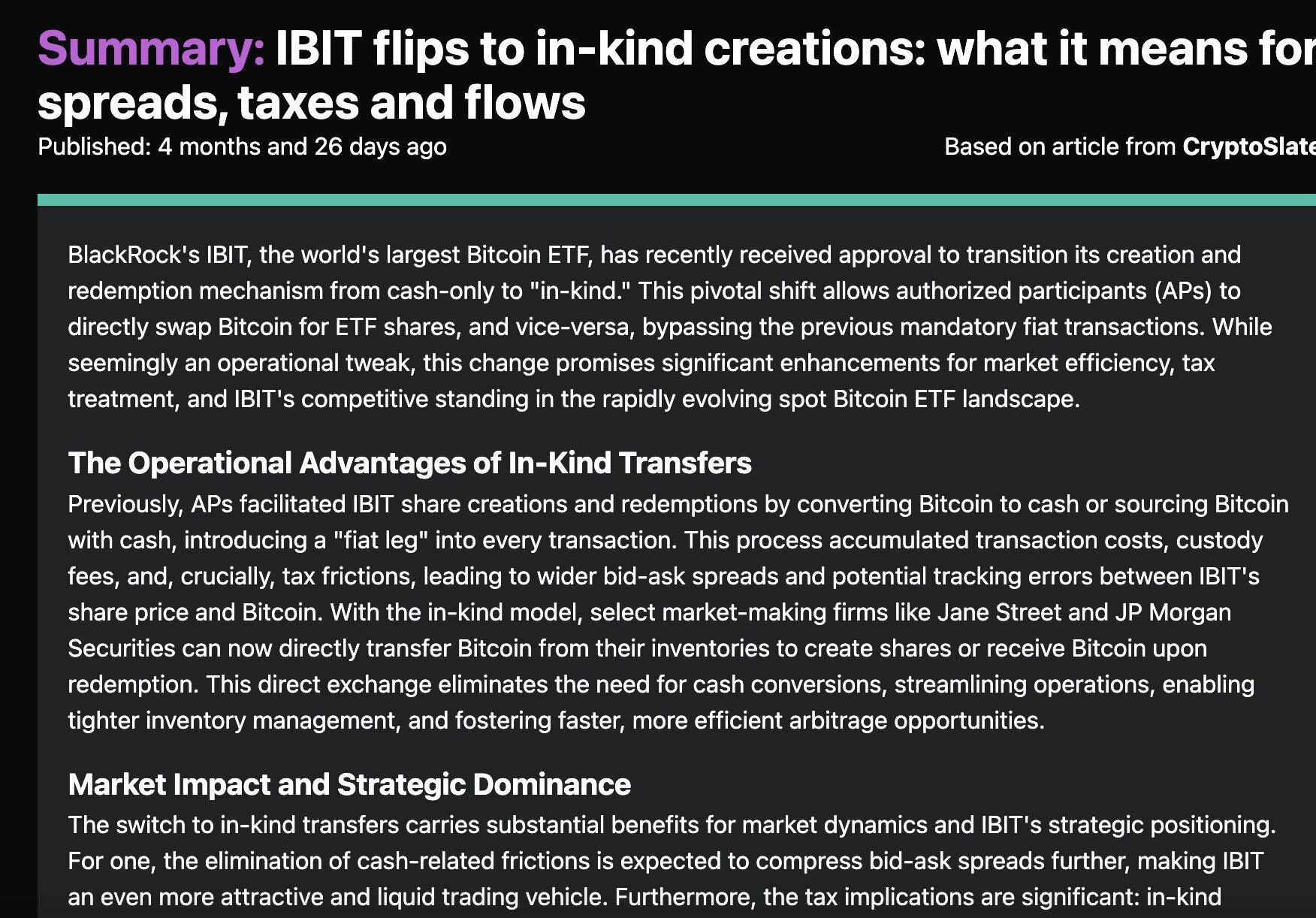
By September 2025, the SEC approved IBIT's use of "in-kind" creation and redemption, meaning APs could directly exchange Bitcoin for ETF shares without going through fiat currency. This gave Jane Street, Virtu, JP Morgan, and Marex more direct control over the flow of Bitcoin in and out of its largest institutional wrapper.
The "10 AM Strike" is essentially a new symptom of an old disease—the same one that has plagued the gold market for decades.

I wrote in "The Gold Endgame Begins": In the paper-for-paper trading game, those closest to the privileged interface can move the price before the rest of the market can react.

JPMorgan traders Gregg Smith and Michael Nowak were convicted of "spoofing" in the precious metals futures market. The scheme lasted 8 years and involved thousands of illegal trades. JPMorgan paid $920 million to settle. Deutsche Bank paid $30 million for similar issues. UBS, HSBC, and six individual traders also faced CFTC anti-spoofing charges.

The same playbook. Just a different asset.

And every time, these institutions package it as "market making," "arbitrage," "hedging"—the euphemisms are endless. The result is always the same: the ordinary get ripped off, the insiders harvest the spread.

So, what's next?

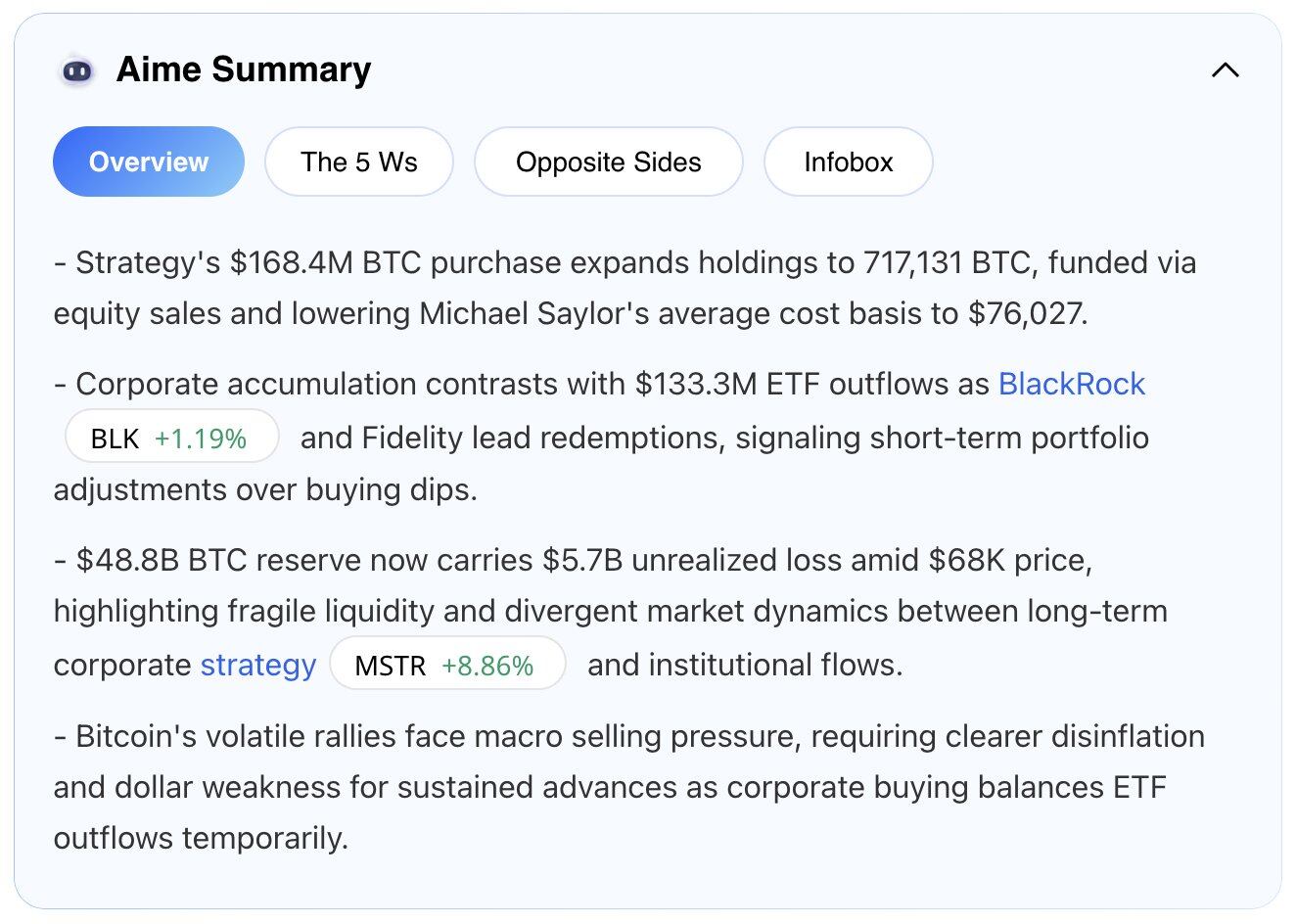
The larger structural picture hasn't changed. $4.5 billion in net ETF outflows in the first 8 weeks of 2026 looks scary. But Strategy (Saylor's company) just bought $39 million worth of BTC, accounting for 99% of all corporate Bitcoin purchases in the same period. The real big players aren't selling; they seem more like they were waiting for the algorithms to finish their work.
Maybe—just maybe—the algorithms have stopped.

If Jane Street, due to legal risks, cross-continental regulatory scrutiny, or self-preservation, is forced to step back from that alleged "daily selling program," then a structural headwind that has been压在 Bitcoin's head for four months has been partially removed.

Bitcoin was born for moments like this: a monetary system that doesn't rely on trusted intermediaries; a system that doesn't need authorized participants; a system that shouldn't be front-run by "private channels of former interns."

But let's not forget how we got here. The very institutions hailed for "market making" and "providing liquidity" are the same ones accused of front-running a collapse, manipulating a national index, and executing daily algorithmic sales of the very asset their ETF tracks.

This is the system Bitcoin was designed to replace.

Domande pertinenti

QWhat is Jane Street Group accused of in the Terraform Labs lawsuit?

AJane Street Group is accused of using insider information to front-run the May 2022 collapse of Terra Luna. The lawsuit alleges that a former Terraform intern, who became a Jane Street employee, passed on non-public information about Terraform's liquidity movements, allowing Jane Street to withdraw $85 million from a key liquidity pool just minutes after Terraform did, which allegedly helped trigger the UST depeg and subsequent $40 billion collapse.

QWhat market manipulation scheme was Jane Street accused of by India's SEBI?

AIndia's Securities and Exchange Board (SEBI) accused Jane Street of a large-scale 'pump and dump' operation on the Bank Nifty index. Their algorithm would aggressively buy component stocks and futures in the morning to push the index up 1-1.3%, while simultaneously building a massive short options position. In the afternoon, they would reverse the trades, selling the stocks and profiting from the resulting price drop on their short options. SEBI alleged illegal profits of approximately $580 million over 18 expiration days.

QWhat was the '10 AM Punch' phenomenon in Bitcoin markets, and how is Jane Street linked to it?

AThe '10 AM Punch' was a recurring pattern over four months where Bitcoin would experience significant selling pressure precisely around 10 AM Eastern Time (US market open), after rising during Asian and European hours. This would often liquidate leveraged long positions and suppress prices. Jane Street was linked to this because it is one of the four Authorized Participants (APs) for the iShares Bitcoin Trust (IBIT), giving it privileged access to the ETF's creation/redemption mechanism. Analysts and traders speculated that Jane Street's algorithmic trading was the source of this consistent selling pressure.

QWhat significant change in Bitcoin's price action occurred after the Terraform lawsuit was filed against Jane Street?

AFor the first time in months, the predictable '10 AM Punch' selling pressure did not occur on the day the Terraform lawsuit was filed against Jane Street. Instead of selling off at the US market open, Bitcoin's price rallied over 3%, breaking through key resistance levels and climbing back above $68,000. This break in the established pattern led to speculation that the legal pressure had forced Jane Street to halt its alleged algorithmic selling strategy.

QAccording to the article, how does the structure of Bitcoin ETFs reintroduce a problem that Bitcoin was designed to solve?

AThe article argues that Bitcoin ETFs, while providing institutional access, reintroduce the problem of 'trusted intermediaries' that Bitcoin's decentralized system was designed to eliminate. The 'cash-only' and later 'in-kind' creation/redemption mechanisms give Authorized Participants (APs) like Jane Street a structural advantage and privileged interface to the market. This creates a scenario where these intermediaries, who are closer to the flow of assets, can potentially engage in practices like front-running or manipulation, similar to what has historically plagued traditional markets like gold.

Letture associate

Trading

Spot
Futures

Articoli Popolari

Cosa è $S$

Comprendere SPERO: Una Panoramica Completa Introduzione a SPERO Mentre il panorama dell'innovazione continua a evolversi, l'emergere delle tecnologie web3 e dei progetti di criptovaluta gioca un ruolo fondamentale nel plasmare il futuro digitale. Un progetto che ha attirato l'attenzione in questo campo dinamico è SPERO, denotato come SPERO,$$s$. Questo articolo mira a raccogliere e presentare informazioni dettagliate su SPERO, per aiutare gli appassionati e gli investitori a comprendere le sue basi, obiettivi e innovazioni nei domini web3 e crypto. Che cos'è SPERO,$$s$? SPERO,$$s$ è un progetto unico all'interno dello spazio crypto che cerca di sfruttare i principi della decentralizzazione e della tecnologia blockchain per creare un ecosistema che promuove l'impegno, l'utilità e l'inclusione finanziaria. Il progetto è progettato per facilitare interazioni peer-to-peer in modi nuovi, fornendo agli utenti soluzioni e servizi finanziari innovativi. Al suo interno, SPERO,$$s$ mira a responsabilizzare gli individui fornendo strumenti e piattaforme che migliorano l'esperienza dell'utente nello spazio delle criptovalute. Questo include la possibilità di metodi di transazione più flessibili, la promozione di iniziative guidate dalla comunità e la creazione di percorsi per opportunità finanziarie attraverso applicazioni decentralizzate (dApps). La visione sottostante di SPERO,$$s$ ruota attorno all'inclusività, cercando di colmare le lacune all'interno della finanza tradizionale mentre sfrutta i vantaggi della tecnologia blockchain. Chi è il Creatore di SPERO,$$s$? L'identità del creatore di SPERO,$$s$ rimane piuttosto oscura, poiché ci sono risorse pubblicamente disponibili limitate che forniscono informazioni dettagliate sul suo fondatore o fondatori. Questa mancanza di trasparenza può derivare dall'impegno del progetto per la decentralizzazione—un ethos che molti progetti web3 condividono, dando priorità ai contributi collettivi rispetto al riconoscimento individuale. Centrando le discussioni attorno alla comunità e ai suoi obiettivi collettivi, SPERO,$$s$ incarna l'essenza dell'empowerment senza mettere in evidenza individui specifici. Pertanto, comprendere l'etica e la missione di SPERO rimane più importante che identificare un creatore singolo. Chi sono gli Investitori di SPERO,$$s$? SPERO,$$s$ è supportato da una varietà di investitori che vanno dai capitalisti di rischio agli investitori angelici dedicati a promuovere l'innovazione nel settore crypto. Il focus di questi investitori generalmente si allinea con la missione di SPERO—dando priorità a progetti che promettono avanzamenti tecnologici sociali, inclusività finanziaria e governance decentralizzata. Queste fondazioni di investitori sono tipicamente interessate a progetti che non solo offrono prodotti innovativi, ma contribuiscono anche positivamente alla comunità blockchain e ai suoi ecosistemi. Il supporto di questi investitori rafforza SPERO,$$s$ come un concorrente degno di nota nel dominio in rapida evoluzione dei progetti crypto. Come Funziona SPERO,$$s$? SPERO,$$s$ impiega un framework multifunzionale che lo distingue dai progetti di criptovaluta convenzionali. Ecco alcune delle caratteristiche chiave che sottolineano la sua unicità e innovazione: Governance Decentralizzata: SPERO,$$s$ integra modelli di governance decentralizzati, responsabilizzando gli utenti a partecipare attivamente ai processi decisionali riguardanti il futuro del progetto. Questo approccio favorisce un senso di proprietà e responsabilità tra i membri della comunità. Utilità del Token: SPERO,$$s$ utilizza il proprio token di criptovaluta, progettato per servire varie funzioni all'interno dell'ecosistema. Questi token abilitano transazioni, premi e la facilitazione dei servizi offerti sulla piattaforma, migliorando l'impegno e l'utilità complessivi. Architettura Stratificata: L'architettura tecnica di SPERO,$$s$ supporta la modularità e la scalabilità, consentendo un'integrazione fluida di funzionalità e applicazioni aggiuntive man mano che il progetto evolve. Questa adattabilità è fondamentale per mantenere la rilevanza nel panorama crypto in continua evoluzione. Coinvolgimento della Comunità: Il progetto enfatizza iniziative guidate dalla comunità, impiegando meccanismi che incentivano la collaborazione e il feedback. Nutrendo una comunità forte, SPERO,$$s$ può affrontare meglio le esigenze degli utenti e adattarsi alle tendenze di mercato. Focus sull'Inclusione: Offrendo basse commissioni di transazione e interfacce user-friendly, SPERO,$$s$ mira ad attrarre una base utenti diversificata, inclusi individui che potrebbero non aver precedentemente interagito nello spazio crypto. Questo impegno per l'inclusione si allinea con la sua missione generale di empowerment attraverso l'accessibilità. Cronologia di SPERO,$$s$ Comprendere la storia di un progetto fornisce preziose intuizioni sulla sua traiettoria di sviluppo e sui traguardi. Di seguito è riportata una cronologia suggerita che mappa eventi significativi nell'evoluzione di SPERO,$$s$: Fase di Concettualizzazione e Ideazione: Le idee iniziali che formano la base di SPERO,$$s$ sono state concepite, allineandosi strettamente con i principi di decentralizzazione e focus sulla comunità all'interno dell'industria blockchain. Lancio del Whitepaper del Progetto: Dopo la fase concettuale, è stato rilasciato un whitepaper completo che dettaglia la visione, gli obiettivi e l'infrastruttura tecnologica di SPERO,$$s$ per suscitare interesse e feedback dalla comunità. Costruzione della Comunità e Prime Interazioni: Sono stati effettuati sforzi attivi di outreach per costruire una comunità di early adopters e potenziali investitori, facilitando discussioni attorno agli obiettivi del progetto e ottenendo supporto. Evento di Generazione del Token: SPERO,$$s$ ha condotto un evento di generazione del token (TGE) per distribuire i propri token nativi ai primi sostenitori e stabilire una liquidità iniziale all'interno dell'ecosistema. Lancio della Prima dApp: La prima applicazione decentralizzata (dApp) associata a SPERO,$$s$ è stata attivata, consentendo agli utenti di interagire con le funzionalità principali della piattaforma. Sviluppo Continuo e Partnership: Aggiornamenti e miglioramenti continui alle offerte del progetto, inclusi partnership strategiche con altri attori nello spazio blockchain, hanno plasmato SPERO,$$s$ in un concorrente competitivo e in evoluzione nel mercato crypto. Conclusione SPERO,$$s$ rappresenta una testimonianza del potenziale del web3 e delle criptovalute di rivoluzionare i sistemi finanziari e responsabilizzare gli individui. Con un impegno per la governance decentralizzata, il coinvolgimento della comunità e funzionalità progettate in modo innovativo, apre la strada verso un panorama finanziario più inclusivo. Come per qualsiasi investimento nello spazio crypto in rapida evoluzione, si incoraggiano potenziali investitori e utenti a ricercare approfonditamente e a impegnarsi in modo riflessivo con gli sviluppi in corso all'interno di SPERO,$$s$. Il progetto mostra lo spirito innovativo dell'industria crypto, invitando a ulteriori esplorazioni delle sue innumerevoli possibilità. Mentre il percorso di SPERO,$$s$ è ancora in fase di sviluppo, i suoi principi fondamentali potrebbero effettivamente influenzare il futuro di come interagiamo con la tecnologia, la finanza e tra di noi in ecosistemi digitali interconnessi.

75 Totale visualizzazioniPubblicato il 2024.12.17Aggiornato il 2024.12.17

Cosa è AGENT S

Agent S: Il Futuro dell'Interazione Autonoma in Web3 Introduzione Nel panorama in continua evoluzione di Web3 e criptovalute, le innovazioni stanno costantemente ridefinendo il modo in cui gli individui interagiscono con le piattaforme digitali. Uno di questi progetti pionieristici, Agent S, promette di rivoluzionare l'interazione uomo-computer attraverso il suo framework agentico aperto. Aprendo la strada a interazioni autonome, Agent S mira a semplificare compiti complessi, offrendo applicazioni trasformative nell'intelligenza artificiale (AI). Questa esplorazione dettagliata approfondirà le complessità del progetto, le sue caratteristiche uniche e le implicazioni per il dominio delle criptovalute. Cos'è Agent S? Agent S si presenta come un innovativo framework agentico aperto, progettato specificamente per affrontare tre sfide fondamentali nell'automazione dei compiti informatici: Acquisizione di Conoscenze Specifiche del Dominio: Il framework apprende in modo intelligente da varie fonti di conoscenza esterne ed esperienze interne. Questo approccio duale gli consente di costruire un ricco repository di conoscenze specifiche del dominio, migliorando le sue prestazioni nell'esecuzione dei compiti. Pianificazione su Lungo Orizzonte di Compiti: Agent S impiega una pianificazione gerarchica potenziata dall'esperienza, un approccio strategico che facilita la suddivisione e l'esecuzione efficiente di compiti complessi. Questa caratteristica migliora significativamente la sua capacità di gestire più sottocompiti in modo efficiente ed efficace. Gestione di Interfacce Dinamiche e Non Uniformi: Il progetto introduce l'Interfaccia Agente-Computer (ACI), una soluzione innovativa che migliora l'interazione tra agenti e utenti. Utilizzando Modelli Linguistici Multimodali di Grandi Dimensioni (MLLM), Agent S può navigare e manipolare senza sforzo diverse interfacce grafiche utente. Attraverso queste caratteristiche pionieristiche, Agent S fornisce un framework robusto che affronta le complessità coinvolte nell'automazione dell'interazione umana con le macchine, preparando il terreno per innumerevoli applicazioni nell'AI e oltre. Chi è il Creatore di Agent S? Sebbene il concetto di Agent S sia fondamentalmente innovativo, informazioni specifiche sul suo creatore rimangono elusive. Il creatore è attualmente sconosciuto, il che evidenzia sia la fase embrionale del progetto sia la scelta strategica di mantenere i membri fondatori sotto anonimato. Indipendentemente dall'anonimato, l'attenzione rimane sulle capacità e sul potenziale del framework. Chi sono gli Investitori di Agent S? Poiché Agent S è relativamente nuovo nell'ecosistema crittografico, informazioni dettagliate riguardanti i suoi investitori e sostenitori finanziari non sono documentate esplicitamente. La mancanza di approfondimenti pubblicamente disponibili sulle fondazioni di investimento o sulle organizzazioni che supportano il progetto solleva interrogativi sulla sua struttura di finanziamento e sulla roadmap di sviluppo. Comprendere il supporto è cruciale per valutare la sostenibilità del progetto e il suo potenziale impatto sul mercato. Come Funziona Agent S? Al centro di Agent S si trova una tecnologia all'avanguardia che gli consente di funzionare efficacemente in contesti diversi. Il suo modello operativo è costruito attorno a diverse caratteristiche chiave: Interazione Uomo-Computer Simile a Quella Umana: Il framework offre una pianificazione AI avanzata, cercando di rendere le interazioni con i computer più intuitive. Mimando il comportamento umano nell'esecuzione dei compiti, promette di elevare le esperienze degli utenti. Memoria Narrativa: Utilizzata per sfruttare esperienze di alto livello, Agent S utilizza la memoria narrativa per tenere traccia delle storie dei compiti, migliorando così i suoi processi decisionali. Memoria Episodica: Questa caratteristica fornisce agli utenti una guida passo-passo, consentendo al framework di offrire supporto contestuale mentre i compiti si sviluppano. Supporto per OpenACI: Con la capacità di funzionare localmente, Agent S consente agli utenti di mantenere il controllo sulle proprie interazioni e flussi di lavoro, allineandosi con l'etica decentralizzata di Web3. Facile Integrazione con API Esterne: La sua versatilità e compatibilità con varie piattaforme AI garantiscono che Agent S possa adattarsi senza problemi agli ecosistemi tecnologici esistenti, rendendolo una scelta attraente per sviluppatori e organizzazioni. Queste funzionalità contribuiscono collettivamente alla posizione unica di Agent S all'interno dello spazio crittografico, poiché automatizza compiti complessi e multi-fase con un intervento umano minimo. Man mano che il progetto evolve, le sue potenziali applicazioni in Web3 potrebbero ridefinire il modo in cui si svolgono le interazioni digitali. Cronologia di Agent S Lo sviluppo e le tappe di Agent S possono essere riassunti in una cronologia che evidenzia i suoi eventi significativi: 27 Settembre 2024: Il concetto di Agent S è stato lanciato in un documento di ricerca completo intitolato “Un Framework Agentico Aperto che Usa i Computer Come un Umano”, mostrando le basi per il progetto. 10 Ottobre 2024: Il documento di ricerca è stato reso pubblicamente disponibile su arXiv, offrendo un'esplorazione approfondita del framework e della sua valutazione delle prestazioni basata sul benchmark OSWorld. 12 Ottobre 2024: È stata rilasciata una presentazione video, fornendo un'idea visiva delle capacità e delle caratteristiche di Agent S, coinvolgendo ulteriormente potenziali utenti e investitori. Questi indicatori nella cronologia non solo illustrano i progressi di Agent S, ma indicano anche il suo impegno per la trasparenza e il coinvolgimento della comunità. Punti Chiave su Agent S Man mano che il framework Agent S continua a evolversi, diversi attributi chiave si distinguono, sottolineando la sua natura innovativa e il potenziale: Framework Innovativo: Progettato per fornire un uso intuitivo dei computer simile all'interazione umana, Agent S porta un approccio nuovo all'automazione dei compiti. Interazione Autonoma: La capacità di interagire autonomamente con i computer attraverso GUI segna un passo avanti verso soluzioni informatiche più intelligenti ed efficienti. Automazione di Compiti Complessi: Con la sua metodologia robusta, può automatizzare compiti complessi e multi-fase, rendendo i processi più veloci e meno soggetti a errori. Miglioramento Continuo: I meccanismi di apprendimento consentono ad Agent S di migliorare dalle esperienze passate, migliorando continuamente le sue prestazioni e la sua efficacia. Versatilità: La sua adattabilità attraverso diversi ambienti operativi come OSWorld e WindowsAgentArena garantisce che possa servire un'ampia gamma di applicazioni. Man mano che Agent S si posiziona nel panorama di Web3 e delle criptovalute, il suo potenziale per migliorare le capacità di interazione e automatizzare i processi segna un significativo avanzamento nelle tecnologie AI. Attraverso il suo framework innovativo, Agent S esemplifica il futuro delle interazioni digitali, promettendo un'esperienza più fluida ed efficiente per gli utenti in vari settori. Conclusione Agent S rappresenta un audace passo avanti nell'unione tra AI e Web3, con la capacità di ridefinire il modo in cui interagiamo con la tecnologia. Sebbene sia ancora nelle sue fasi iniziali, le possibilità per la sua applicazione sono vaste e coinvolgenti. Attraverso il suo framework completo che affronta sfide critiche, Agent S mira a portare le interazioni autonome al centro dell'esperienza digitale. Man mano che ci addentriamo nei regni delle criptovalute e della decentralizzazione, progetti come Agent S giocheranno senza dubbio un ruolo cruciale nel plasmare il futuro della tecnologia e della collaborazione uomo-computer.

274 Totale visualizzazioniPubblicato il 2025.01.14Aggiornato il 2025.01.14

Come comprare S

Benvenuto in HTX.com! Abbiamo reso l'acquisto di Sonic (S) semplice e conveniente. Segui la nostra guida passo passo per intraprendere il tuo viaggio nel mondo delle criptovalute.Step 1: Crea il tuo Account HTXUsa la tua email o numero di telefono per registrarti il tuo account gratuito su HTX. Vivi un'esperienza facile e sblocca tutte le funzionalità,Crea il mio accountStep 2: Vai in Acquista crypto e seleziona il tuo metodo di pagamentoCarta di credito/debito: utilizza la tua Visa o Mastercard per acquistare immediatamente SonicS.Bilancio: Usa i fondi dal bilancio del tuo account HTX per fare trading senza problemi.Terze parti: abbiamo aggiunto metodi di pagamento molto utilizzati come Google Pay e Apple Pay per maggiore comodità.P2P: Fai trading direttamente con altri utenti HTX.Over-the-Counter (OTC): Offriamo servizi su misura e tassi di cambio competitivi per i trader.Step 3: Conserva Sonic (S)Dopo aver acquistato Sonic (S), conserva nel tuo account HTX. In alternativa, puoi inviare tramite trasferimento blockchain o scambiare per altre criptovalute.Step 4: Scambia Sonic (S)Scambia facilmente Sonic (S) nel mercato spot di HTX. Accedi al tuo account, seleziona la tua coppia di trading, esegui le tue operazioni e monitora in tempo reale. Offriamo un'esperienza user-friendly sia per chi ha appena iniziato che per i trader più esperti.

356 Totale visualizzazioniPubblicato il 2025.01.15Aggiornato il 2025.03.21

Discussioni

Benvenuto nella Community HTX. Qui puoi rimanere informato sugli ultimi sviluppi della piattaforma e accedere ad approfondimenti esperti sul mercato. Le opinioni degli utenti sul prezzo di S S sono presentate come di seguito.

活动图片