Not Just Trading and Meme: These 5 Projects on Base Are Exploring New On-Chain Use Cases

marsbitPubblicato 2026-08-28Pubblicato ultima volta 2026-08-28

Introduzione

Beyond Trading and Memes: 5 Projects Exploring New On-Chain Use Cases on Base While much of the crypto space is dominated by speculation, Base—Coinbase's Ethereum Layer 2 with over $5B TVL—is fostering innovative projects beyond the usual categories. Here are five notable examples: 1. **Hydrex**: A MetaDEX/AMM aggregator that pools native and external liquidity (e.g., from Uniswap, Morpho) to offer optimal swap rates. It features a ve(3,3)-style incentive model and single-signature transactions. 2. **SwapRoyale**: A fantasy trading competition app where users pay a fixed entry fee to trade with a virtual $100k portfolio in real-time contests. It gamifies trading with various tournament formats and has already distributed over $100k in prizes. 3. **BlockRun**: A permissionless AI gateway and payment layer for the on-chain agent economy. It allows autonomous systems to discover, pay for, and execute services using USDC on Base via the x402 micropayment standard, enabling pay-per-use AI. 4. **PixieChess**: A play-to-earn digital chess game where each piece is a collectible NFT with unique abilities that alter classic rules. Value is kept within the ecosystem, with a treasury funding real ETH prizes for winners. 5. **Tokensto**: A platform that lets users sell their unused AI API credits (e.g., from OpenRouter) for cash. It automatically prices credits and facilitates direct payouts to crypto wallets. These projects demonstrate that builders on Base are actively exper...

Author: ollieblocmates, blocmates

Compiled by: Deep Tide TechFlow

Deep Tide Guide: The popular consensus is that crypto has been reduced to four winning categories: perpetual contracts, memecoin launchpads, stablecoin issuers, and trading apps. As technological optimists, blocmates is touring major networks to find viable use cases that still have vitality beyond speculation's dominance. This stop is Base: a network with over $5 billion in TVL, handling approximately 12 million transactions daily, and settling about 90% of x402 transactions, is nurturing a batch of products that haven't yet entered the spotlight—the MetaDEX Hydrex which aggregates liquidity, the fantasy competition app SwapRoyale that gamifies trading, the permissionless AI gateway BlockRun, the real-money chess PixieChess where pieces are collectible NFTs, and Tokensto which turns idle AI tokens into cash. The author believes the surface area of interesting on-chain activities is still wider than the current consensus admits.
The popular consensus is that crypto has been reduced to four winning categories—perpetual contracts, memecoin launchpads, stablecoin issuers, and trading apps.

From a revenue perspective, there's some truth to this statement.

However, as technological optimists, we believe crypto has more viable use cases beyond the dominance of speculation.

To prove our point, we are touring major networks to see what interesting things are brewing within their ecosystems.

Today's stop is Base—the native network of the Base App.

Despite being in controversy where there's a gap between the network's stated direction and its actions, a look at the charts reveals a healthy network with a TVL of over $5 billion.
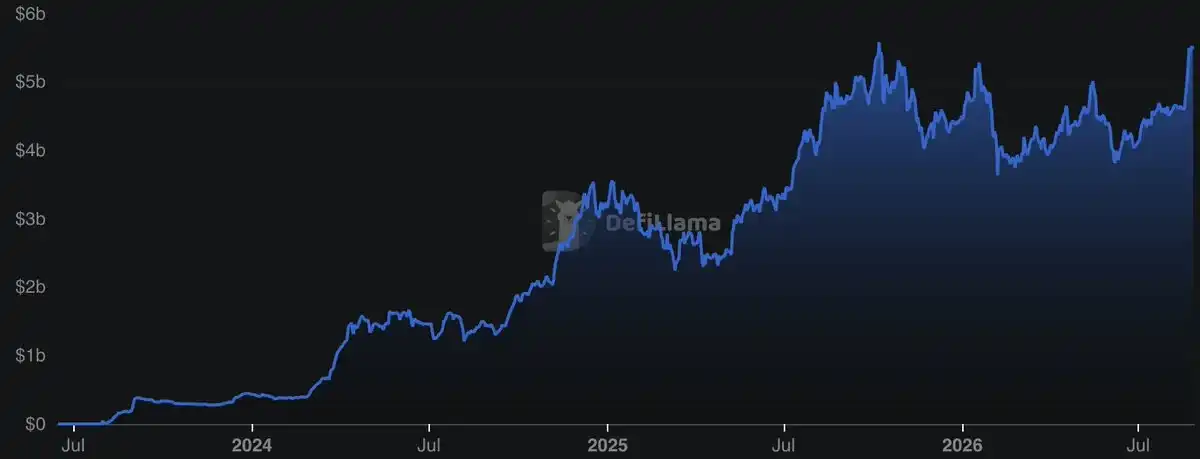
Chart: Source: DeFiLlama

It's worth noting that this metric is significantly skewed. Morpho alone accounts for over 80% of the network's locked value, totaling over $3 billion.

As of mid-August 2026, the network processes approximately 12 million transactions daily (ranking among the highest in tracked chains for transaction volume), with about 283,000 daily active addresses.

Base also settles about 90% of x402 transactions (the emerging standard for micropayments between agents) and leads in on-chain spot trading volume for major L1 assets like BTC, ETH, and SOL.

Over the past year, its share of global DEX trading volume increased from 8.8% to 12.1% (a 38% growth), with total trading volume up 38% year-over-year.

Furthermore, some refreshing products have emerged on the network, some not yet in the spotlight. We've listed a few worth watching.

Hydrex

Starting with Hydrex. This is a Base-native MetaDEX/automated market maker that aggregates native pools with external liquidity sources within the Base ecosystem, routing trades through Uniswap, Morpho, etc., to provide the best prices.

Hydrex runs a modified ve(3,3)-style incentive engine, with weekly community governance directing HYDX emissions and protocol revenue to the most productive liquidity and trading volume.

Holders of locked token accounts can capture 100% of the fees generated by Hydrex LPs through weekly distributions, plus partner incentives, creating a tight flywheel that rewards long-term commitment.

Hydrex has some very cool features, like token swaps and liquidity provision with a single signature, automated liquidity managers, and backing HYDX emissions with real reserve contributions.

SwapRoyale

Yes, we do agree perpetual contracts are one of crypto's "four horsemen," but have you tried the DraftKings version?

SwapRoyale adds something particularly appealing to the concept of trading; it's truly one of the most interesting projects being built on Base right now.
Chart: Source: SwapRoyale

SwapRoyale is a fantasy trading competition app, currently in public beta on iOS. Users pay a fixed entry fee to receive a $100,000 virtual portfolio and participate in real-time trading competitions.

At a time when consumer apps are finally starting to win markets (fomo being the most recent obvious proof), SwapRoyale is one of the purest expressions of this thesis: take something people already love (trading), wrap it in a gamified, skill-oriented format, and make the UX smooth.

Here's how it works:

  • Users sign up with an email
  • A wallet is automatically created
  • Fund via Coinbase, Venmo, PayPal, Apple Pay, debit card, or any crypto wallet
  • Zero platform fees for deposits and withdrawals
  • Users can view and join competitions: available assets, prize pool, payout structure, duration, max number of trades, and minimum participants

There are three competition formats:

  • Guaranteed Prize Pool (GPP)—high volatility, large prizes
  • Double/Triple Up—low volatility, stable play
  • Free contests to practice the format risk-free

SwapRoyale currently has over 300 daily players, has distributed over $100,000 in prizes, and has over 1,500 paying players.

More integrations are being added to enhance the player experience, covering rewards, engagement, and ease of use.

These integrations will bring a full 76-badge system (with interactive 3D collectibles, revamped streak mechanics, and richer sharing), weekly Megapot draws (free entry tickets, real-time prize pool tracking, prizes backed by real tickets), and partner rewards redeemable through Trove, Moonshot, and Beezie.

It also adds Blink for instant deposits, a more polished first-launch experience, and a major UX overhaul across the app: new navigation system, unified leaderboard, smoother gestures, haptic feedback, sound effects, animations, and redesigned sharing flows.

This product is already showing strong product-market fit and is definitely worth watching as it progresses.

BlockRun

The on-chain agent economy is being built on Base, and this is far from just a slogan.

We've witnessed some of the most innovative things in on-chain AI launching first on Base, with x402 being a significant innovation among them.

BlockRun adds to these exciting projects, serving as a routing and payment layer for the agent economy.

BlockRun is a permissionless AI gateway that enables autonomous systems to discover, pay for, and execute services without API keys, subscriptions, or credit cards.

Through BlockRun, agents can fund a non-custodial wallet with USDC on Base, call any endpoint, and have payments directly embedded into HTTP requests by the x402 protocol, completing settlement in a single round trip.

With BlockRun, users enjoy true metered intelligence, paying only for what they actually use.

Payments settle instantly in USDC, agents run at internet speed, unburdened by the friction of traditional API billing.

PixieChess

We also found a magical, real-money chess game built on Base where each piece is a collectible NFT with unique abilities that rewrite the classic rules.

It's called PixieChess. Players assemble their board from their collections, then either climb the ladder or burn pieces to enter high-stakes tournaments and duels.
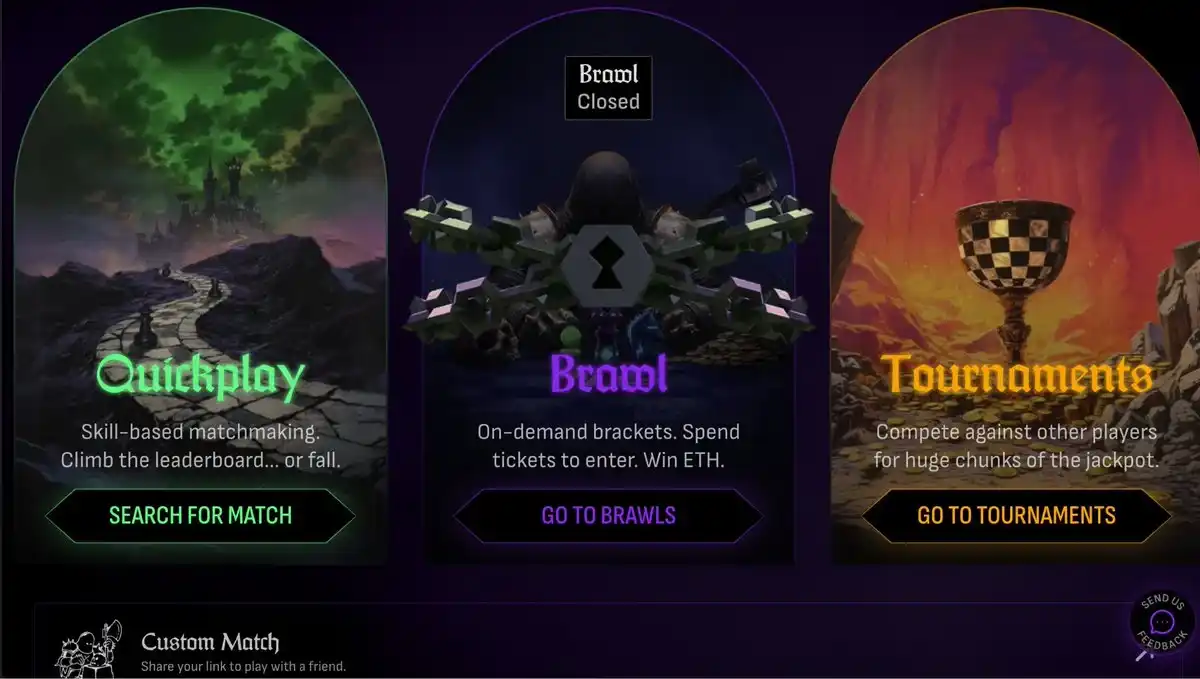
PixieChess is built so all value stays within the system. Each sale funds the treasury, which in turn funds prizes, allowing winners to take home real ETH.

PixieChess is based on classic chess: White moves first, players take turns, moving one piece per turn. Castling, en passant, and pawn promotion follow standard rules (unless overridden by a piece's special ability).

The goal is to checkmate the opponent's king. However, stalemate, agreed draw, the 50-move rule (no captures or pawn moves), threefold repetition, or insufficient material result in a draw.

Each player has a chess clock that only runs on their turn. Timeout usually means losing (unless the opponent has insufficient material to checkmate, then it's a draw).

I'm not much of a chess player, but this is genuinely very cool and has the potential to break out of the Crypto Twitter echo chamber.

Tokensto

Almost everyone familiar with AI has experienced this "sobering moment": spending subscription money on an AI product they thought was really great, only to be left with a pile of unused tokens.

Or maybe it's not just disappointment—it could be accumulating a large amount of tokens, only to stumble upon a competitor's viral launch video, and that competitor happens to be 10x better than the one they subscribed to.

Tokensto solves this problem: it lets users turn idle AI tokens into cash. This is a fairly straightforward product built on the Base network.

Users paste a provider key (OpenRouter, Venice, or any OpenAI-compatible URL), and it gets listed; if the price is competitive enough, it gets bought, with proceeds sent directly to the user's wallet.

Its tech is powered by Surplus (an open inference marketplace), Usdctofiat automatically prices each listing at the top of the order book, and users can cash out directly to off-chain banking apps via Peer (a permissionless on/off-ramp protocol).
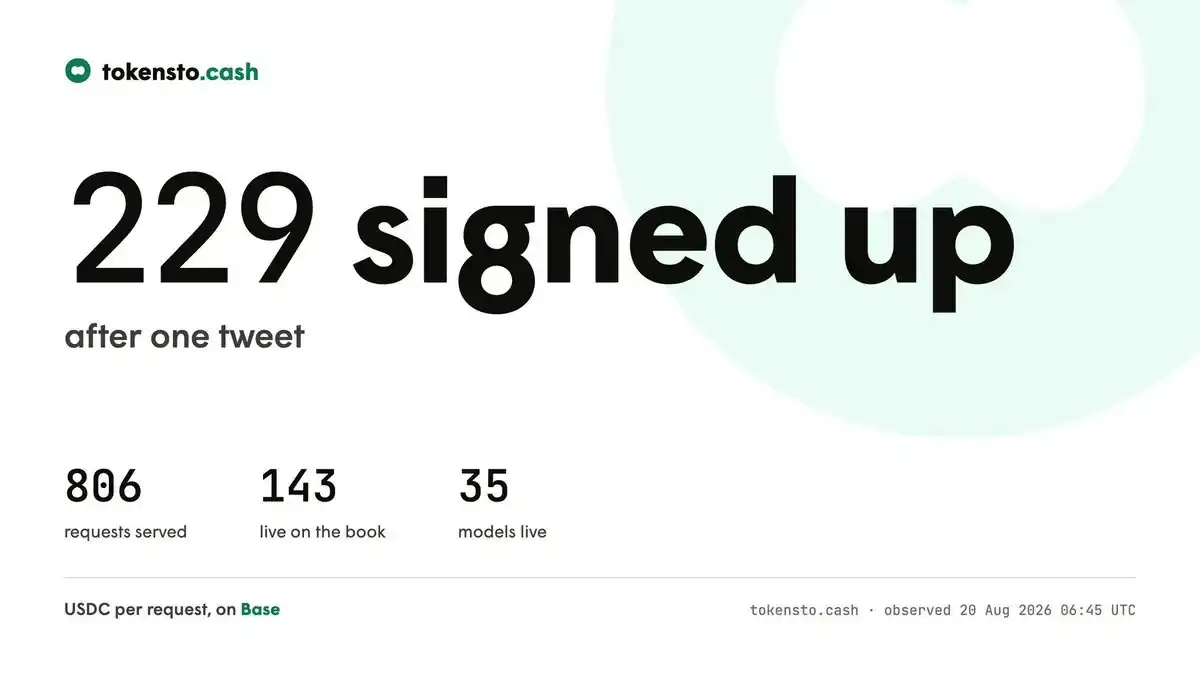
The data shows users are buying into it; its breakout is only a matter of time.

Reflections

Our tour of Base revealed a MetaDEX designed for tighter incentive alignment, a skill-based fantasy trading app that turns market intuition into competition, an agent payment layer that eliminates the friction of traditional API billing, a magical chess game that rewrites rules with collectible pieces while keeping value flowing within the system, and a platform that can sell idle AI tokens for cash.

Not all of these experiments will become category-defining successes, but they show that builders on Base are still willing to explore consumer experiences, the agent economy, and novel gaming mechanics, rather than simply chasing the next speculative flywheel.

This means the surface area of interesting on-chain activities is still wider than the current consensus admits.

As trading volume quietly flows in and the "going crypto" slogan grows louder, we believe more projects will surface. We can only hope that this time is different, with more than just a handful of apps truly breaking out of the CT echo chamber.


Crypto di tendenza

Domande pertinenti

QWhat are the four dominant categories that popular consensus suggests cryptocurrency has been reduced to, according to the article?

AThe four dominant categories are perpetual contracts, memecoin launchpads, stablecoin issuers, and trading applications.

QWhat is the main function and unique feature of Hydrex on Base?

AHydrex is a Base-native MetaDEX/Automated Market Maker that aggregates native pools with external liquidity sources within the Base ecosystem. Its unique feature is a modified ve(3,3) incentive engine, where weekly community governance directs HYDX emissions and protocol revenue to the most productive liquidity and trading volumes, creating a flywheel that rewards long-term alignment.

QHow does SwapRoyale transform trading into a gamified experience?

ASwapRoyale is a fantasy trading competition application. Users pay a fixed entry fee to receive a $100,000 virtual portfolio and participate in real-time trading contests. It gamifies trading by wrapping the speculative activity in a competitive, skill-oriented format with a smooth user experience.

QHow does BlockRun enhance the on-chain AI/agent economy on Base?

ABlockRun serves as a permissionless AI gateway and payment layer for the agent economy. It allows autonomous systems to discover, pay for, and execute services without requiring API keys, subscriptions, or credit cards. Using USDC on Base, agents fund a non-custodial wallet, call endpoints, and have payments embedded directly into HTTP requests via the x402 protocol, enabling single-round-trip settlement and true pay-as-you-go AI usage.

QWhat problem does Tokensto solve, and how does it work on Base?

ATokensto solves the problem of users having leftover, unused AI credits or tokens. It allows users to turn these idle AI tokens into cash. Users can paste a vendor key (e.g., from OpenRouter or any OpenAI-compatible URL) to list it for sale. If the price is competitive, it gets bought, and the proceeds are sent directly to the user's wallet, facilitated by Surplus and Usdctofiat, with off-ramping via Peer.

Letture associate

Chinese Venture Capital Is Shifting from 'Selecting People' to 'Selecting Cities'

Chinese Venture Capital: Shifting from "Picking Founders" to "Picking Cities" The article discusses a significant shift in China's venture capital (VC) landscape. Historically, VC investments heavily focused on the individual founder's vision, track record, and capability, as seen in early internet-era successes like Wang Xing (Meituan), Li Bin (Nio), and Li Xiang (Li Auto). The belief was that betting on exceptional people was the key to success. However, the rise of hard tech startups—in fields like semiconductors, robotics, AI, and biotech—has changed this calculus. These industries depend heavily on deep, localized ecosystems: specialized talent pools, established supply chains, manufacturing bases, and application scenarios. A city's industrial "resume" now significantly impacts a startup's chances. Examples include Shenzhen's dominance in robotics, Beijing's concentration of AI firms, Suzhou's biotech cluster, and Hefei's successful bet on semiconductor giant ChangXin. This shift is further driven by changes in funding sources. Government-guided funds and state-owned capital now dominate VC limited partners (LPs). These "patient capital" investors prioritize local economic development, job creation, and industrial chain growth alongside financial returns. Their early bets signal viability to other investors. Ultimately, the VC logic remains about managing risk and increasing the odds of success. In the hard tech era, a supportive city ecosystem provides crucial resources—talent, suppliers, R&D, and policy stability—that a single founder cannot easily assemble. The investment due diligence process has thus expanded from evaluating just the founder to also evaluating the founder's city. Consequently, capital is concentrating in a few regions with strong, focused industrial foundations, challenging other cities to build compelling, credible ecosystems to attract investment.

marsbit36 min fa

Chinese Venture Capital Is Shifting from 'Selecting People' to 'Selecting Cities'

marsbit36 min fa

Trading

Spot

Articoli Popolari

Cosa è MEME 2.0

Memecoin 2.0: L'Ascesa di $MEME 2.0 nel Mondo delle Criptovalute Introduzione Nel panorama in continua evoluzione delle criptovalute, è emerso un nuovo contendente. Memecoin 2.0, simboleggiato come $MEME 2.0, porta il concetto di meme coin a un livello emozionante. Come prodotto derivato dal Memecoin originale, questo progetto ha catturato l'attenzione della comunità crypto spostando il focus da incentivi finanziari tipici a un'esperienza coinvolgente e divertente. Operando sulla blockchain di Ethereum, Memecoin 2.0 ridefinisce audacemente l'impegno della comunità nella sfera crypto. Che cos'è Memecoin 2.0, $MEME 2.0? Alla base, Memecoin 2.0 è un progetto di criptovaluta che dà priorità allo spirito di comunità e al divertimento associato alla cultura meme. A differenza delle criptovalute convenzionali, che si concentrano su casi d'uso pratici e benefici tangibili, Memecoin 2.0 si distingue abbracciando il lato più leggero della moneta digitale. Il progetto esiste senza promesse di utilità, una roadmap strutturata o ritorni finanziari, concentrandosi invece sulla creazione di una comunità vibrante incentrata sui meme e sul divertimento condiviso. Facendo così, attinge alla crescente tendenza della cultura meme nello spazio online, rendendola un giocatore unico nel mondo degli asset digitali. Creatore di Memecoin 2.0, $MEME 2.0 Nonostante ricerche approfondite sulle origini di Memecoin 2.0, l'identità esplicita del suo creatore rimane sconosciuta. Questa anonimità non è rara nella comunità crypto, dove molti progetti sono guidati da individui o gruppi che preferiscono rimanere dietro le quinte. La mancanza di informazioni pubblicamente disponibili sul creatore potrebbe essere vista come una mossa strategica, mettendo in evidenza l'impegno della comunità piuttosto che la notorietà individuale all'interno dello spazio. Investitori di Memecoin 2.0, $MEME 2.0 Le informazioni riguardanti gli investitori o il supporto finanziario per Memecoin 2.0 sono scarse. Questa assenza di dettagli potrebbe suggerire che il progetto sia autofinanziato o che il suo focus sulla comunità piuttosto che sulle strutture d'investimento tradizionali abbia attratto un tipo diverso di sostenitore. Poiché il mondo delle meme coin coinvolge tipicamente un maggior coinvolgimento di base piuttosto che investimenti istituzionali, questo approccio si allinea con l'etica dei progetti guidati dalla comunità. Come funziona Memecoin 2.0, $MEME 2.0? Memecoin 2.0 opera interamente sulla blockchain di Ethereum, capitalizzando le sue robuste caratteristiche di sicurezza e scalabilità. Sfruttando i punti di forza di Ethereum, Memecoin 2.0 può offrire un ambiente sicuro per le interazioni degli utenti garantendo che le transazioni siano sia efficienti che convenienti. Uno degli attributi unici di Memecoin 2.0 risiede nella sua struttura guidata dalla comunità. Il valore e la popolarità del token $MEME 2.0 derivano dalla partecipazione attiva dei suoi utenti, piuttosto che dalla utilità intrinseca. Questo design rinforza il focus del progetto sull'aspetto dell'intrattenimento delle criptovalute, implicando che la risata e l'impegno della comunità siano le vere monete che guidano il suo successo. Inoltre, il progetto si inserisce all'interno dell'ecosistema più ampio delle meme coin, dove il valore di ciascuna meme coin oscilla in base alla cultura, alle tendenze e all'impegno della comunità piuttosto che ai principi economici tradizionali. Cronologia di Memecoin 2.0, $MEME 2.0 Per comprendere meglio l'evoluzione e le pietre miliari di Memecoin 2.0, ecco una cronologia che evidenzia eventi significativi nella sua storia: 2024: L'inizio di Memecoin 2.0 è riconosciuto come un ramo del Memecoin originale, affermandosi all'interno del contesto fiorente delle meme coin mentre opera sulla blockchain di Ethereum. 13 luglio 2024: Memecoin 2.0 si posiziona ufficialmente come una meme coin incentrata sulla comunità sulla rete Ethereum, enfatizzando il suo approccio centrato sull'intrattenimento che invita gli utenti a impegnarsi e partecipare alla sua crescita. Punti Chiave su Memecoin 2.0, $MEME 2.0 Diverse caratteristiche critiche definiscono Memecoin 2.0: Approccio Centrico alla Comunità: La missione principale di Memecoin 2.0 è creare un'esperienza comunitaria divertente e coinvolgente, capitalizzando il piacere collettivo derivante dalla cultura memetica. Costruita su Ethereum: Operare sulla blockchain di Ethereum fornisce al progetto un'infrastruttura essenziale che garantisce sicurezza e scalabilità. Mancanza di Utilità o Roadmap: In una marcata deviazione dalle criptovalute tradizionali, Memecoin 2.0 non promette alcuna caratteristica utilitaria o ritorni finanziari, riaffermando il suo impegno per il coinvolgimento della comunità e l'impegno sociale. Focus sulla Cultura Memetica: Abbracciando gli aspetti umoristici e culturali del fenomeno meme, Memecoin 2.0 offre una piattaforma per gli utenti per interagire con la crypto offline e online. Ulteriore Contesto: L'Importanza delle Meme Coin Le meme coin sono emerse come una classe distinta di criptovaluta, spesso guidata dall'umorismo e da un approccio spensierato al trading. Queste monete generalmente mancano di significative utilità o roadmap di sviluppo, attirando gli utenti con la promessa di divertimento, interazione comunitaria e rilevanza culturale. Nel panorama del più ampio ecosistema crypto, le meme coin rianimano l'importanza dell'impegno della comunità, opponendosi ad approcci esclusivamente orientati al profitto. Progetti come Memecoin 2.0 danno il via a un'era in cui l'intrattenimento può armonizzarsi con le aspirazioni finanziarie, trasformando la blockchain in un parco giochi per la creatività e l'interazione sociale. Conclusione Memecoin 2.0, o $MEME 2.0, incarna una nuova ondata di criptovaluta che dà priorità all'impegno della comunità rispetto a rigidi strutture finanziarie. Con un focus sull'umorismo e l'interazione sociale, capitalizza sulla fascinazione circondante la cultura meme. Operando sulla blockchain di Ethereum, Memecoin 2.0 sfrutta le capacità della tecnologia mantenendo fermo il suo impegno per il valore ricreativo della valuta digitale. Mentre lo spazio delle criptovalute continua a evolversi, Memecoin 2.0 serve come testimonianza della nozione che il futuro degli asset digitali potrebbe ben dipendere da esperienze condivise, risate e solidi legami comunitari. Nel mondo imprevedibile delle crypto, forse la gioia può essere altrettanto preziosa quanto il guadagno finanziario tradizionale.

228 Totale visualizzazioniPubblicato il 2024.04.04Aggiornato il 2024.12.03

Cosa è MEME 2.0

Come comprare MEME

Benvenuto in HTX.com! Abbiamo reso l'acquisto di Memeland (MEME) semplice e conveniente. Segui la nostra guida passo passo per intraprendere il tuo viaggio nel mondo delle criptovalute.Step 1: Crea il tuo Account HTXUsa la tua email o numero di telefono per registrarti il tuo account gratuito su HTX. Vivi un'esperienza facile e sblocca tutte le funzionalità,Crea il mio accountStep 2: Vai in Acquista crypto e seleziona il tuo metodo di pagamentoCarta di credito/debito: utilizza la tua Visa o Mastercard per acquistare immediatamente MemelandMEME.Bilancio: Usa i fondi dal bilancio del tuo account HTX per fare trading senza problemi.Terze parti: abbiamo aggiunto metodi di pagamento molto utilizzati come Google Pay e Apple Pay per maggiore comodità.P2P: Fai trading direttamente con altri utenti HTX.Over-the-Counter (OTC): Offriamo servizi su misura e tassi di cambio competitivi per i trader.Step 3: Conserva Memeland (MEME)Dopo aver acquistato Memeland (MEME), conserva nel tuo account HTX. In alternativa, puoi inviare tramite trasferimento blockchain o scambiare per altre criptovalute.Step 4: Scambia Memeland (MEME)Scambia facilmente Memeland (MEME) nel mercato spot di HTX. Accedi al tuo account, seleziona la tua coppia di trading, esegui le tue operazioni e monitora in tempo reale. Offriamo un'esperienza user-friendly sia per chi ha appena iniziato che per i trader più esperti.

505 Totale visualizzazioniPubblicato il 2024.12.12Aggiornato il 2026.06.02

Come comprare MEME

Discussioni

Benvenuto nella Community HTX. Qui puoi rimanere informato sugli ultimi sviluppi della piattaforma e accedere ad approfondimenti esperti sul mercato. Le opinioni degli utenti sul prezzo di MEME MEME sono presentate come di seguito.

活动图片