Cursor, Why Boarded Musk's Starship?

链捕手Pubblicato 2026-06-17Pubblicato ultima volta 2026-06-17

Introduzione

SpaceX announced its acquisition of AI programming startup Cursor's parent company, Anysphere, for $60 billion in an all-stock deal, just days after its record-breaking IPO. The move sent SpaceX's stock soaring, briefly making it the most valuable U.S. company. Cursor, founded in 2022 by MIT graduate Michael Truell and his classmates, is a popular AI coding assistant that allows developers to switch between models from OpenAI, Anthropic, and others. It saw explosive revenue growth, reaching a $4 billion annualized run rate in early 2026. However, its market share was eroded by the launch of competitor Claude Code from its key AI supplier, Anthropic. This dependence prompted Cursor to develop its own AI model, Composer, in early 2026. To scale Composer, Cursor needed immense computing power. In April 2026, it struck a deal with SpaceX, granting the latter an option to acquire it post-IPO. SpaceX exercised this option, offering Cursor access to its Colossus supercomputer, powered by hundreds of thousands of top-tier Nvidia AI chips. For SpaceX, the acquisition is a strategic move to bolster its AI capabilities, particularly for its xAI division, and advance its broader ambition of building orbital, solar-powered data centers. While the deal surprised some employees and investors given Truell's earlier stance on independence, it represents a high-stakes partnership. SpaceX CEO Elon Musk has projected the company could reach $1 trillion in revenue by 2030. For Truell, joining ...

Original Text丨Boyang, Tencent Technology

On June 16th, US local time, just four days after completing the largest IPO in history, SpaceX announced its first major acquisition following the listing.

According to documents filed with the US Securities and Exchange Commission (SEC), SpaceX will acquire AI programming startup Cursor's parent company Anysphere in an all-stock transaction valued at $60 billion. The deal is expected to close in the third quarter of 2026, subject to regulatory approvals.

Following the announcement, SpaceX's stock price surged by over 16% intraday, with its market cap once exceeding $2.94 trillion, briefly surpassing Microsoft. By the close, SpaceX had overtaken Amazon to become the fourth most valuable company in the US. From its IPO price of $135 per share, SpaceX's stock has accumulated gains of nearly 50%.

CNBC host Jim Cramer commented on this: "Buying SpaceX is essentially buying Musk's brain." He believes traditional valuation models struggle to measure Musk's ability to translate grand visions into commercial reality.

01 What is Cursor, and Why is it Worth $60 Billion?

Cursor is one of the hottest AI programming tools globally, co-founded in 2022 by Michael Truell and his MIT classmates Sualeh Asif, Arvid Lunnemark, and Aman Sanger. Headquartered in San Francisco, the company has about 700 employees and serves 60% of Fortune 500 companies.

Cursor's core product is an AI coding assistant that allows developers to flexibly switch between mainstream AI models from OpenAI, Anthropic, xAI, Google, etc. It can automatically generate, edit, and review code, directly competing with Anthropic's Claude Code and OpenAI's Codex.

In terms of revenue, Cursor's growth has been staggering. In November 2025, its annualized revenue surpassed $1 billion, roughly tenfold growth from a year earlier. It's reported that within the following three months, Cursor's annualized revenue doubled again to $4 billion. Currently, Cursor ranks 37th on the 2026 CNBC Disruptor 50 list.

However, according to Ramp spending data, Cursor's market share has dropped from 41% in June 2025 to around 26% in May 2026, while Anthropic's Claude Code now occupies about half of the market in this segment.

02 The Entrepreneurial Journey of a Prodigy
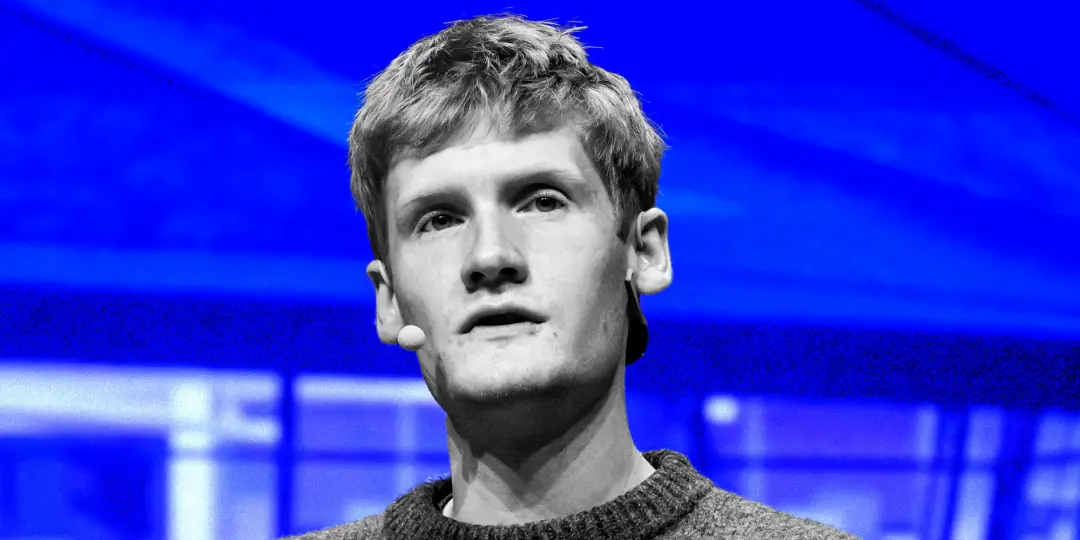
Cursor CEO Michael Truell

The story of Cursor begins with a quiet, red-haired teenager.

In 2019, as an 18-year-old MIT freshman, Truell faced a coding test expected to take an hour. He submitted his answers in under ten minutes. Tech investor Ali Partovi was the examiner that day, leading a program scouting top student coding talent. Partovi later had Truell test him, finding the teenager's code neat and concise, while his own answer sheet was a mess.

Growing up in New York with parents who were both journalists, Truell displayed exceptional programming talent from a young age. At 15, attending the prestigious private school Horace Mann School, he co-developed a programming game called Halite with classmates. The game taught coding basics by having players conquer grid territories, attracting thousands of middle and college students with no prior coding experience and earning him a $10,000 prize from a top math association.

At MIT, Truell majored in both Computer Science and Mathematics while incubating startup ideas. Claire Shorall, who mentored him in a startup bootcamp, recalls being impressed by his curiosity and humility. "I gave him some advice, but he clearly already knew his mind."

After graduating in 2022, Truell co-founded Anysphere with three MIT classmates, initially positioning it as a code editing platform. By building an enhanced version of Microsoft's open-source editor VS Code, they achieved monthly recurring revenue of $1 million within a year. Cursor officially launched in March 2023 and was quickly embraced by developers and enterprise users.

03 The "Strange" Relationship with Anthropic

Cursor's rise wasn't smooth sailing, with the biggest variable coming from its core AI supplier—Anthropic.

The two companies were highly interdependent: Cursor's product heavily relied on Anthropic's AI models, while Cursor's explosive growth once contributed about 40% to 50% of Anthropic's revenue. Both sides were aware of each other's importance.

However, before launching its own code editor Claude Code, Anthropic privately told Cursor's management that the product was more research-oriented and not a major commercial deployment. Yet Claude Code quickly swept through the developer community.

By February 2026, Claude Code's annualized revenue had grown to $2.5 billion, about $500 million higher than Cursor's revenue at the time. Many developers began posting on social media announcing they were abandoning Cursor for Claude Code. Meanwhile, Anthropic's previous severing of model access to Windsurf during its acquisition talks with OpenAI further heightened Cursor management's concerns about over-reliance on a single supplier.

On January 5, 2026, Truell held an all-hands meeting described by internal employees as "urgent," announcing that Cursor must develop its own AI model. His message was concise and powerful: We cannot fall behind. Cancel all unnecessary meetings, be ready for cross-team collaboration at any time. We must stay agile and adapt quickly.

Subsequently, Cursor launched its self-developed programming model suite, Composer, initially based on an open-source model from Chinese AI lab Moonshot. However, according to Cursor, in the Composer 2.5 version released in May, over 85% of the work was Cursor's own R&D (based on the Kimi K2.5 model). Cursor engineer Lucas Garza stated that with its low price and extremely fast response speed, Composer received an "extremely enthusiastic" response from developers.

04 Moving Closer to Musk: A Win-Win Gamble

Developing its own model required massive computing power, a weakness for Cursor. This spring, Truell found another founder with grand ambitions to fill this gap.

On April 21st, Truell posted on X in his typically concise style: "Excited to partner with the SpaceX team to scale Composer. A significant step on our journey to building the best AI platform for programming."

On the same day, SpaceX also publicly announced on X that it had secured an acquisition option from Cursor. SpaceX could choose to acquire Cursor for $60 billion in an all-stock transaction after completing its IPO. If SpaceX declined the acquisition, it would have to pay a $1 billion breakup fee and provide $8.5 billion worth of free computing resources.

Days after SpaceX successfully completed the largest IPO in history, SpaceX formally exercised the acquisition option, announcing the $60 billion acquisition of Cursor, fulfilling the "foreshadowing" planted in April.

The deal serves different purposes for both parties. Cursor gains access to SpaceX's Colossus supercomputer. This system is composed of hundreds of thousands of top-tier Nvidia AI chips. SpaceX, on the other hand, hopes to leverage Cursor's deep penetration among top software engineers to achieve a leapfrog advantage in the AI programming race. Musk's AI chatbot Grok currently lags behind mainstream models in programming; an xAI contractor once admitted Grok "is not good at programming."

After the announcement, many Cursor employees were caught off guard. After all, Truell had repeatedly expressed his intention to build Cursor into an "enduring company" and viewed selling as "a significant risk and a major gamble." Early investor Partovi, who wrote Cursor's first check, said he considered Truell the type of founder inclined to remain independent, "He has the ambition, confidence, and drive to go much further."

SpaceX stated that the Colossus supercomputer was its core bargaining chip to attract Cursor. "Cursor's leading product and distribution among top software engineers, combined with SpaceX's Colossus supercomputer with a million H100 compute equivalents, will enable us to build the world's most useful AI models."

05 A Larger Ambition: Satellite Data Centers and Trillion-Dollar Revenue

This acquisition also serves SpaceX's broader AI strategy. The company is seeking regulatory approval to deploy up to 1 million AI satellites, exploring solar-powered orbital data centers to handle ground computing tasks. Meanwhile, SpaceX has announced multi-billion-dollar cloud computing agreements with Anthropic and Google, significantly bolstering its pre-IPO revenue base.

However, Musk also stated on X that SpaceX reserves the right to cancel these agreements if Colossus computing power becomes constrained.

On June 14th, Musk posted that SpaceX "might achieve around $1 trillion in revenue by 2030." Compared to the company's $18.7 billion revenue in 2025, this would be a qualitative leap. In 2025, SpaceX reported a net loss of $4.9 billion, and the loss widened to $4.28 billion in the first quarter of this year.

For Musk, the goal is always clear. He wrote on X: "Whether it will become the best remains to be seen, but I will never give up. Never."

For Truell, this is perhaps the biggest test of his life: Can he deliver on the bet with Musk? "It's all a bit crazy," he said, "But we know how special this is—how unprecedented it is in history."

Domande pertinenti

QWhat is Cursor, and why did SpaceX acquire its parent company Anysphere for $60 billion?

ACursor is a popular AI-powered programming tool that allows developers to switch between major AI models (like OpenAI, Anthropic, xAI) for code generation, editing, and review. SpaceX acquired its parent company, Anysphere, primarily to gain access to Cursor's leading product and its strong penetration within the elite software engineering community. In return, Cursor gains access to SpaceX's immense computing power (the Colossus supercomputer), which it needs to scale its self-developed AI models and compete more effectively.

QWho founded Cursor, and what was the key event that led to its accelerated growth in 2026?

ACursor was founded in 2022 by Michael Truell and his MIT classmates Sualeh Asif, Arvid Lunnemark, and Aman Sanger. A key event in 2026 was the competitive threat from Anthropic's Claude Code, which surpassed Cursor in revenue and market share. This prompted CEO Michael Truell to declare an urgent internal shift, leading Cursor to rapidly develop and launch its own AI model suite, Composer, to reduce dependency on external AI providers like Anthropic.

QWhat was the nature of the relationship between Cursor and Anthropic, and why did it become a problem?

AThe relationship was highly interdependent. Cursor relied heavily on Anthropic's AI models to power its product, and at one point, Cursor contributed about 40-50% of Anthropic's revenue. The problem arose when Anthropic launched its own code editor, Claude Code, which quickly became a major competitor, capturing about half the market. This, coupled with fears of being cut off from AI models (as happened to another company), forced Cursor to develop its own AI models to ensure business stability and independence.

QWhat specific strategic assets does SpaceX's Colossus supercomputer bring to the partnership with Cursor?

ASpaceX's Colossus supercomputer provides Cursor with access to a massive computing infrastructure comprising hundreds of thousands of top-tier Nvidia AI chips (H100 equivalents). This immense computational power is critical for Cursor to train, scale, and improve its self-developed Composer AI models efficiently, allowing it to compete in the high-stakes AI programming tool market.

QAccording to the article, what is Elon Musk's broader AI vision for SpaceX beyond the Cursor acquisition?

AElon Musk's broader AI vision for SpaceX involves deploying up to 1 million AI satellites to create solar-powered orbital data centers that can handle computing tasks traditionally done on Earth. This aligns with SpaceX's goal of becoming a major AI infrastructure player. The company has also signed multi-billion dollar cloud computing deals with Anthropic and Google. Musk has expressed an ambitious target for SpaceX to achieve roughly $1 trillion in revenue by 2030.

Letture associate

Focus: Five Leading AI Stocks on Nasdaq

The report analyzes five Nasdaq-listed AI infrastructure stocks—Micron (MU), MaxLinear (MXL), AMD, Lumentum (LITE), and Vicor (VICR)—as distinct plays within the AI capital expenditure chain, rather than a single "AI trade." While all benefit from AI data center spending, they differ in their specific roles (e.g., memory, computing, optics, power, connectivity), financial resilience, and risk profiles. The author argues that the key question is not whether the AI narrative remains intact, but whether capital expenditure translates into real orders, earnings justify valuations, and portfolios can withstand high volatility. Historical data shows these stocks have significantly outperformed benchmarks but also experienced deeper drawdowns (~28% to -32%), highlighting their high-beta, high-volatility nature. An investment framework is proposed: core positions (e.g., MU, AMD) for stocks with stronger fundamental evidence; satellite positions (e.g., LITE, VICR) for high-potential, high-volatility names; and cautious observation (e.g., MXL) for smaller-cap ideas with unproven financials. The emphasis is on disciplined, phased buying during pullbacks—only when price corrections align with intact fundamentals and available risk budget—rather than emotional "buy-the-dip" strategies. Overall, AI infrastructure offers long-term potential, but success requires strict position sizing, role definition for each holding, and preparedness for significant volatility.

marsbit13 min fa

Focus: Five Leading AI Stocks on Nasdaq

marsbit13 min fa

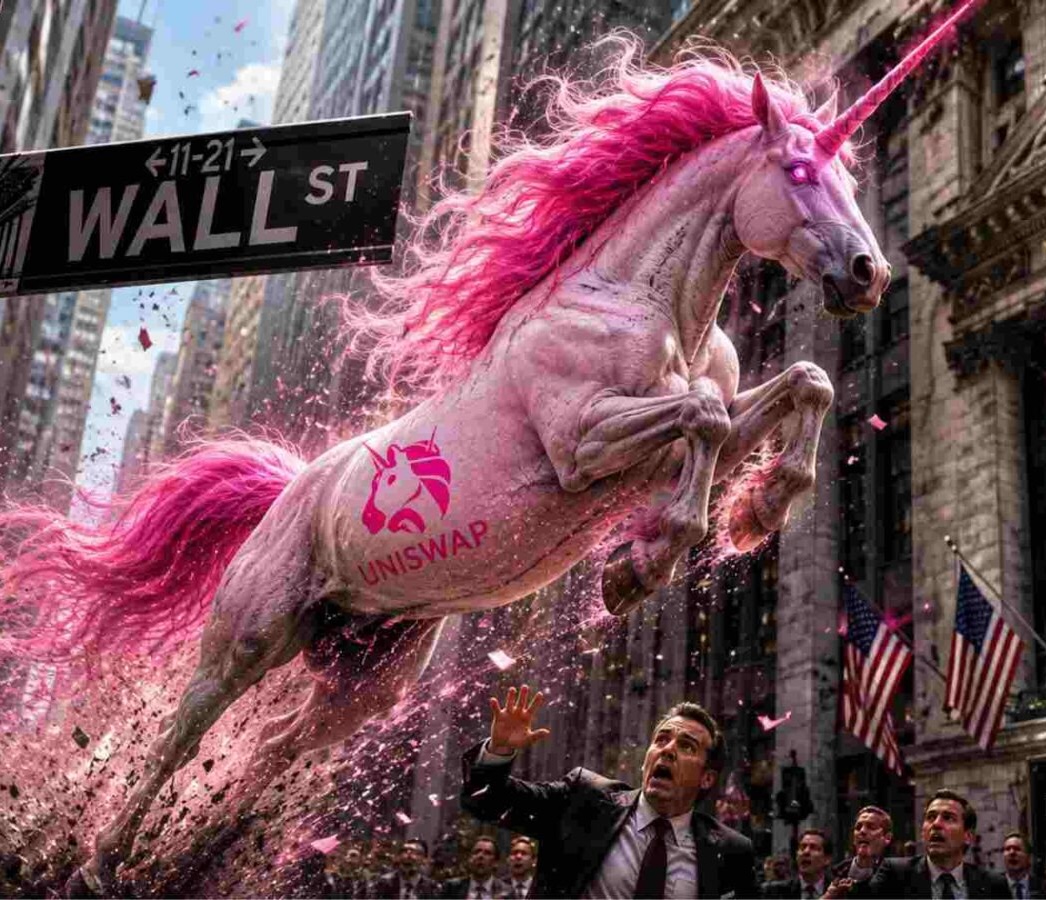
Will UNI Reach $100 in Four Years? Will Standard Chartered's Prediction Come True?

TL;DR: - According to reports, Standard Chartered Bank has published a research report on Uniswap, setting a 2030 price target of $100 for the UNI token. - The bank's core logic is that the tokenization of assets will drive demand for open DeFi liquidity, and Uniswap could capture significant trading volume and fee revenue. - However, most institutional-grade tokenized products are permissioned, and the example of BlackRock's BUIDL shows that DeFi still faces significant access barriers. Standard Chartered's $100 target for UNI by 2030 is based on the hypothesis that tokenized assets will grow massively and a significant portion will flow into open DeFi markets, requiring decentralized exchange platforms like Uniswap for liquidity. The bank forecasts tokenized assets could reach $4 trillion by 2028, with up to 30% in DeFi by 2030. The key question is whether tokenized assets like treasuries and funds will trade in open, decentralized markets or remain within closed, permissioned institutional systems. This directly impacts Uniswap's potential growth. A real-world example is BlackRock's BUIDL fund, which, while using UniswapX for trading, is strictly limited to pre-approved, whitelisted institutional participants. This highlights the current trend: institutions may leverage DeFi infrastructure but maintain strict control over access and transfers. Furthermore, for UNI's value to rise significantly, Uniswap must establish a clear value-capture mechanism, such as the approved fee switch and token burn proposal. Regulatory and interoperability hurdles also persist, as noted by bodies like the Financial Stability Board. In summary, Standard Chartered's bold prediction hinges on the future flow of tokenized asset liquidity. While it signals institutional recognition of DeFi's potential, the path to $100 depends on overcoming current permissioned models and enabling truly open, cross-asset liquidity pools on platforms like Uniswap.

Foresight News16 min fa

Will UNI Reach $100 in Four Years? Will Standard Chartered's Prediction Come True?

Foresight News16 min fa

Odaily Editorial Team Tea Talk (June 17)

Odaily Editorial Team Casual Chat (June 17) This is an informal column sharing real-time thoughts from Odaily's editorial team on industry news, data, and events. The content is based on actual investment and observations, does not constitute investment advice, and aims to expand perspectives. Azuma shared recent operations: small-scale buys in crypto (mainly BTC) at relatively high levels, a small addition to HOOD stock, and participation in World Cup prediction markets. He also discussed Hyperliquid, noting that while its token HYPE has performed well, its high price may hinder the expansion of its HIP-3 ecosystem by making market creation cost-prohibitive, potentially limiting the platform to just one major market (trade.xyz). Suzz emphasized the importance of a calm mindset in investing, stating that markets offer perpetual opportunities. He warned against "hindsight bias," where past opportunities seem obvious, and stressed that the present always holds new chances for those with the right knowledge and temperament. Golem analyzed SpaceX's acquisition of AI tool Cursor's parent company, Anysphere, for $60 billion paid entirely in SpaceX stock. He speculated whether Musk's interests might work to keep SpaceX's trading volume and market cap high in the short term to reduce the actual equity cost of the deal, noting current high retail investor enthusiasm. Wenser shared a market outlook: cautiously bullish on BTC, monitoring SpaceX stock post-IPO for a potential rise, observing World Cup trends favoring strong teams, and noting the continued strength of Japanese and Korean stocks. He highlighted Anthropic's potential for a massive future IPO and the defensive investment logic in "picks and shovels" AI infrastructure. Qin Xiaofeng discussed trading HYPE around $56-$70, viewing the $50-$60 range as long-term support due to Hyperliquid's dominance in on-chain traditional asset trading and its substantial fee revenue used to buy back HYPE. On ETH, he noted a divide between disappointed crypto natives and bullish traditional investors like Tom Lee, personally viewing current ETH prices as undervalued.

Odaily星球日报28 min fa

Odaily Editorial Team Tea Talk (June 17)

Odaily星球日报28 min fa

Under the Shock of Oil Prices and Inflation, Which Country Will Be the First to Sell Off Its Gold Reserves?

The article draws a parallel between the 2003 North American blackout and the potential collapse of the global financial system, framing the US dollar and Treasury market as the world's economic "power grid." It argues that the closure of the Strait of Hormuz is creating a shockwave, starting with oil-importing emerging markets like Turkey, India, and Indonesia. As oil prices rise, these nations are forced to sell dollar-denominated assets—first US Treasuries, then potentially their gold reserves—to afford fuel. Turkey is highlighted as a key case, having sold nearly 90% of its Treasuries and begun tapping gold reserves when oil was between $70-$105/barrel. The article warns that if prices spike to $150-$160/barrel, global buffers like oil inventories and strategic reserves will be depleted. This could trigger a cascade: vulnerable nations, having exhausted assets, could face economic and political collapse (like Sri Lanka in 2022). Their forced asset sales would drive US Treasury yields higher, potentially past a critical threshold (around 5%), forcing the US to choose between a bond market crash or hyperinflation through massive money printing. Ultimately, the piece posits that the dollar's long-term decline is inevitable. The first domino to fall will likely be a fragile emerging market, signaling the start of a chain reaction that eventually threatens the core of the dollar system. The conclusion advises holding tangible assets like gold and energy, which cannot be printed, as a hedge against currency devaluation.

marsbit52 min fa

Under the Shock of Oil Prices and Inflation, Which Country Will Be the First to Sell Off Its Gold Reserves?

marsbit52 min fa

Trading

Spot
Futures

Articoli Popolari

Cosa è $S$

Comprendere SPERO: Una Panoramica Completa Introduzione a SPERO Mentre il panorama dell'innovazione continua a evolversi, l'emergere delle tecnologie web3 e dei progetti di criptovaluta gioca un ruolo fondamentale nel plasmare il futuro digitale. Un progetto che ha attirato l'attenzione in questo campo dinamico è SPERO, denotato come SPERO,$$s$. Questo articolo mira a raccogliere e presentare informazioni dettagliate su SPERO, per aiutare gli appassionati e gli investitori a comprendere le sue basi, obiettivi e innovazioni nei domini web3 e crypto. Che cos'è SPERO,$$s$? SPERO,$$s$ è un progetto unico all'interno dello spazio crypto che cerca di sfruttare i principi della decentralizzazione e della tecnologia blockchain per creare un ecosistema che promuove l'impegno, l'utilità e l'inclusione finanziaria. Il progetto è progettato per facilitare interazioni peer-to-peer in modi nuovi, fornendo agli utenti soluzioni e servizi finanziari innovativi. Al suo interno, SPERO,$$s$ mira a responsabilizzare gli individui fornendo strumenti e piattaforme che migliorano l'esperienza dell'utente nello spazio delle criptovalute. Questo include la possibilità di metodi di transazione più flessibili, la promozione di iniziative guidate dalla comunità e la creazione di percorsi per opportunità finanziarie attraverso applicazioni decentralizzate (dApps). La visione sottostante di SPERO,$$s$ ruota attorno all'inclusività, cercando di colmare le lacune all'interno della finanza tradizionale mentre sfrutta i vantaggi della tecnologia blockchain. Chi è il Creatore di SPERO,$$s$? L'identità del creatore di SPERO,$$s$ rimane piuttosto oscura, poiché ci sono risorse pubblicamente disponibili limitate che forniscono informazioni dettagliate sul suo fondatore o fondatori. Questa mancanza di trasparenza può derivare dall'impegno del progetto per la decentralizzazione—un ethos che molti progetti web3 condividono, dando priorità ai contributi collettivi rispetto al riconoscimento individuale. Centrando le discussioni attorno alla comunità e ai suoi obiettivi collettivi, SPERO,$$s$ incarna l'essenza dell'empowerment senza mettere in evidenza individui specifici. Pertanto, comprendere l'etica e la missione di SPERO rimane più importante che identificare un creatore singolo. Chi sono gli Investitori di SPERO,$$s$? SPERO,$$s$ è supportato da una varietà di investitori che vanno dai capitalisti di rischio agli investitori angelici dedicati a promuovere l'innovazione nel settore crypto. Il focus di questi investitori generalmente si allinea con la missione di SPERO—dando priorità a progetti che promettono avanzamenti tecnologici sociali, inclusività finanziaria e governance decentralizzata. Queste fondazioni di investitori sono tipicamente interessate a progetti che non solo offrono prodotti innovativi, ma contribuiscono anche positivamente alla comunità blockchain e ai suoi ecosistemi. Il supporto di questi investitori rafforza SPERO,$$s$ come un concorrente degno di nota nel dominio in rapida evoluzione dei progetti crypto. Come Funziona SPERO,$$s$? SPERO,$$s$ impiega un framework multifunzionale che lo distingue dai progetti di criptovaluta convenzionali. Ecco alcune delle caratteristiche chiave che sottolineano la sua unicità e innovazione: Governance Decentralizzata: SPERO,$$s$ integra modelli di governance decentralizzati, responsabilizzando gli utenti a partecipare attivamente ai processi decisionali riguardanti il futuro del progetto. Questo approccio favorisce un senso di proprietà e responsabilità tra i membri della comunità. Utilità del Token: SPERO,$$s$ utilizza il proprio token di criptovaluta, progettato per servire varie funzioni all'interno dell'ecosistema. Questi token abilitano transazioni, premi e la facilitazione dei servizi offerti sulla piattaforma, migliorando l'impegno e l'utilità complessivi. Architettura Stratificata: L'architettura tecnica di SPERO,$$s$ supporta la modularità e la scalabilità, consentendo un'integrazione fluida di funzionalità e applicazioni aggiuntive man mano che il progetto evolve. Questa adattabilità è fondamentale per mantenere la rilevanza nel panorama crypto in continua evoluzione. Coinvolgimento della Comunità: Il progetto enfatizza iniziative guidate dalla comunità, impiegando meccanismi che incentivano la collaborazione e il feedback. Nutrendo una comunità forte, SPERO,$$s$ può affrontare meglio le esigenze degli utenti e adattarsi alle tendenze di mercato. Focus sull'Inclusione: Offrendo basse commissioni di transazione e interfacce user-friendly, SPERO,$$s$ mira ad attrarre una base utenti diversificata, inclusi individui che potrebbero non aver precedentemente interagito nello spazio crypto. Questo impegno per l'inclusione si allinea con la sua missione generale di empowerment attraverso l'accessibilità. Cronologia di SPERO,$$s$ Comprendere la storia di un progetto fornisce preziose intuizioni sulla sua traiettoria di sviluppo e sui traguardi. Di seguito è riportata una cronologia suggerita che mappa eventi significativi nell'evoluzione di SPERO,$$s$: Fase di Concettualizzazione e Ideazione: Le idee iniziali che formano la base di SPERO,$$s$ sono state concepite, allineandosi strettamente con i principi di decentralizzazione e focus sulla comunità all'interno dell'industria blockchain. Lancio del Whitepaper del Progetto: Dopo la fase concettuale, è stato rilasciato un whitepaper completo che dettaglia la visione, gli obiettivi e l'infrastruttura tecnologica di SPERO,$$s$ per suscitare interesse e feedback dalla comunità. Costruzione della Comunità e Prime Interazioni: Sono stati effettuati sforzi attivi di outreach per costruire una comunità di early adopters e potenziali investitori, facilitando discussioni attorno agli obiettivi del progetto e ottenendo supporto. Evento di Generazione del Token: SPERO,$$s$ ha condotto un evento di generazione del token (TGE) per distribuire i propri token nativi ai primi sostenitori e stabilire una liquidità iniziale all'interno dell'ecosistema. Lancio della Prima dApp: La prima applicazione decentralizzata (dApp) associata a SPERO,$$s$ è stata attivata, consentendo agli utenti di interagire con le funzionalità principali della piattaforma. Sviluppo Continuo e Partnership: Aggiornamenti e miglioramenti continui alle offerte del progetto, inclusi partnership strategiche con altri attori nello spazio blockchain, hanno plasmato SPERO,$$s$ in un concorrente competitivo e in evoluzione nel mercato crypto. Conclusione SPERO,$$s$ rappresenta una testimonianza del potenziale del web3 e delle criptovalute di rivoluzionare i sistemi finanziari e responsabilizzare gli individui. Con un impegno per la governance decentralizzata, il coinvolgimento della comunità e funzionalità progettate in modo innovativo, apre la strada verso un panorama finanziario più inclusivo. Come per qualsiasi investimento nello spazio crypto in rapida evoluzione, si incoraggiano potenziali investitori e utenti a ricercare approfonditamente e a impegnarsi in modo riflessivo con gli sviluppi in corso all'interno di SPERO,$$s$. Il progetto mostra lo spirito innovativo dell'industria crypto, invitando a ulteriori esplorazioni delle sue innumerevoli possibilità. Mentre il percorso di SPERO,$$s$ è ancora in fase di sviluppo, i suoi principi fondamentali potrebbero effettivamente influenzare il futuro di come interagiamo con la tecnologia, la finanza e tra di noi in ecosistemi digitali interconnessi.

75 Totale visualizzazioniPubblicato il 2024.12.17Aggiornato il 2024.12.17

Cosa è $S$

Cosa è AGENT S

Agent S: Il Futuro dell'Interazione Autonoma in Web3 Introduzione Nel panorama in continua evoluzione di Web3 e criptovalute, le innovazioni stanno costantemente ridefinendo il modo in cui gli individui interagiscono con le piattaforme digitali. Uno di questi progetti pionieristici, Agent S, promette di rivoluzionare l'interazione uomo-computer attraverso il suo framework agentico aperto. Aprendo la strada a interazioni autonome, Agent S mira a semplificare compiti complessi, offrendo applicazioni trasformative nell'intelligenza artificiale (AI). Questa esplorazione dettagliata approfondirà le complessità del progetto, le sue caratteristiche uniche e le implicazioni per il dominio delle criptovalute. Cos'è Agent S? Agent S si presenta come un innovativo framework agentico aperto, progettato specificamente per affrontare tre sfide fondamentali nell'automazione dei compiti informatici: Acquisizione di Conoscenze Specifiche del Dominio: Il framework apprende in modo intelligente da varie fonti di conoscenza esterne ed esperienze interne. Questo approccio duale gli consente di costruire un ricco repository di conoscenze specifiche del dominio, migliorando le sue prestazioni nell'esecuzione dei compiti. Pianificazione su Lungo Orizzonte di Compiti: Agent S impiega una pianificazione gerarchica potenziata dall'esperienza, un approccio strategico che facilita la suddivisione e l'esecuzione efficiente di compiti complessi. Questa caratteristica migliora significativamente la sua capacità di gestire più sottocompiti in modo efficiente ed efficace. Gestione di Interfacce Dinamiche e Non Uniformi: Il progetto introduce l'Interfaccia Agente-Computer (ACI), una soluzione innovativa che migliora l'interazione tra agenti e utenti. Utilizzando Modelli Linguistici Multimodali di Grandi Dimensioni (MLLM), Agent S può navigare e manipolare senza sforzo diverse interfacce grafiche utente. Attraverso queste caratteristiche pionieristiche, Agent S fornisce un framework robusto che affronta le complessità coinvolte nell'automazione dell'interazione umana con le macchine, preparando il terreno per innumerevoli applicazioni nell'AI e oltre. Chi è il Creatore di Agent S? Sebbene il concetto di Agent S sia fondamentalmente innovativo, informazioni specifiche sul suo creatore rimangono elusive. Il creatore è attualmente sconosciuto, il che evidenzia sia la fase embrionale del progetto sia la scelta strategica di mantenere i membri fondatori sotto anonimato. Indipendentemente dall'anonimato, l'attenzione rimane sulle capacità e sul potenziale del framework. Chi sono gli Investitori di Agent S? Poiché Agent S è relativamente nuovo nell'ecosistema crittografico, informazioni dettagliate riguardanti i suoi investitori e sostenitori finanziari non sono documentate esplicitamente. La mancanza di approfondimenti pubblicamente disponibili sulle fondazioni di investimento o sulle organizzazioni che supportano il progetto solleva interrogativi sulla sua struttura di finanziamento e sulla roadmap di sviluppo. Comprendere il supporto è cruciale per valutare la sostenibilità del progetto e il suo potenziale impatto sul mercato. Come Funziona Agent S? Al centro di Agent S si trova una tecnologia all'avanguardia che gli consente di funzionare efficacemente in contesti diversi. Il suo modello operativo è costruito attorno a diverse caratteristiche chiave: Interazione Uomo-Computer Simile a Quella Umana: Il framework offre una pianificazione AI avanzata, cercando di rendere le interazioni con i computer più intuitive. Mimando il comportamento umano nell'esecuzione dei compiti, promette di elevare le esperienze degli utenti. Memoria Narrativa: Utilizzata per sfruttare esperienze di alto livello, Agent S utilizza la memoria narrativa per tenere traccia delle storie dei compiti, migliorando così i suoi processi decisionali. Memoria Episodica: Questa caratteristica fornisce agli utenti una guida passo-passo, consentendo al framework di offrire supporto contestuale mentre i compiti si sviluppano. Supporto per OpenACI: Con la capacità di funzionare localmente, Agent S consente agli utenti di mantenere il controllo sulle proprie interazioni e flussi di lavoro, allineandosi con l'etica decentralizzata di Web3. Facile Integrazione con API Esterne: La sua versatilità e compatibilità con varie piattaforme AI garantiscono che Agent S possa adattarsi senza problemi agli ecosistemi tecnologici esistenti, rendendolo una scelta attraente per sviluppatori e organizzazioni. Queste funzionalità contribuiscono collettivamente alla posizione unica di Agent S all'interno dello spazio crittografico, poiché automatizza compiti complessi e multi-fase con un intervento umano minimo. Man mano che il progetto evolve, le sue potenziali applicazioni in Web3 potrebbero ridefinire il modo in cui si svolgono le interazioni digitali. Cronologia di Agent S Lo sviluppo e le tappe di Agent S possono essere riassunti in una cronologia che evidenzia i suoi eventi significativi: 27 Settembre 2024: Il concetto di Agent S è stato lanciato in un documento di ricerca completo intitolato “Un Framework Agentico Aperto che Usa i Computer Come un Umano”, mostrando le basi per il progetto. 10 Ottobre 2024: Il documento di ricerca è stato reso pubblicamente disponibile su arXiv, offrendo un'esplorazione approfondita del framework e della sua valutazione delle prestazioni basata sul benchmark OSWorld. 12 Ottobre 2024: È stata rilasciata una presentazione video, fornendo un'idea visiva delle capacità e delle caratteristiche di Agent S, coinvolgendo ulteriormente potenziali utenti e investitori. Questi indicatori nella cronologia non solo illustrano i progressi di Agent S, ma indicano anche il suo impegno per la trasparenza e il coinvolgimento della comunità. Punti Chiave su Agent S Man mano che il framework Agent S continua a evolversi, diversi attributi chiave si distinguono, sottolineando la sua natura innovativa e il potenziale: Framework Innovativo: Progettato per fornire un uso intuitivo dei computer simile all'interazione umana, Agent S porta un approccio nuovo all'automazione dei compiti. Interazione Autonoma: La capacità di interagire autonomamente con i computer attraverso GUI segna un passo avanti verso soluzioni informatiche più intelligenti ed efficienti. Automazione di Compiti Complessi: Con la sua metodologia robusta, può automatizzare compiti complessi e multi-fase, rendendo i processi più veloci e meno soggetti a errori. Miglioramento Continuo: I meccanismi di apprendimento consentono ad Agent S di migliorare dalle esperienze passate, migliorando continuamente le sue prestazioni e la sua efficacia. Versatilità: La sua adattabilità attraverso diversi ambienti operativi come OSWorld e WindowsAgentArena garantisce che possa servire un'ampia gamma di applicazioni. Man mano che Agent S si posiziona nel panorama di Web3 e delle criptovalute, il suo potenziale per migliorare le capacità di interazione e automatizzare i processi segna un significativo avanzamento nelle tecnologie AI. Attraverso il suo framework innovativo, Agent S esemplifica il futuro delle interazioni digitali, promettendo un'esperienza più fluida ed efficiente per gli utenti in vari settori. Conclusione Agent S rappresenta un audace passo avanti nell'unione tra AI e Web3, con la capacità di ridefinire il modo in cui interagiamo con la tecnologia. Sebbene sia ancora nelle sue fasi iniziali, le possibilità per la sua applicazione sono vaste e coinvolgenti. Attraverso il suo framework completo che affronta sfide critiche, Agent S mira a portare le interazioni autonome al centro dell'esperienza digitale. Man mano che ci addentriamo nei regni delle criptovalute e della decentralizzazione, progetti come Agent S giocheranno senza dubbio un ruolo cruciale nel plasmare il futuro della tecnologia e della collaborazione uomo-computer.

547 Totale visualizzazioniPubblicato il 2025.01.14Aggiornato il 2025.01.14

Cosa è AGENT S

Come comprare S

Benvenuto in HTX.com! Abbiamo reso l'acquisto di Sonic (S) semplice e conveniente. Segui la nostra guida passo passo per intraprendere il tuo viaggio nel mondo delle criptovalute.Step 1: Crea il tuo Account HTXUsa la tua email o numero di telefono per registrarti il tuo account gratuito su HTX. Vivi un'esperienza facile e sblocca tutte le funzionalità,Crea il mio accountStep 2: Vai in Acquista crypto e seleziona il tuo metodo di pagamentoCarta di credito/debito: utilizza la tua Visa o Mastercard per acquistare immediatamente SonicS.Bilancio: Usa i fondi dal bilancio del tuo account HTX per fare trading senza problemi.Terze parti: abbiamo aggiunto metodi di pagamento molto utilizzati come Google Pay e Apple Pay per maggiore comodità.P2P: Fai trading direttamente con altri utenti HTX.Over-the-Counter (OTC): Offriamo servizi su misura e tassi di cambio competitivi per i trader.Step 3: Conserva Sonic (S)Dopo aver acquistato Sonic (S), conserva nel tuo account HTX. In alternativa, puoi inviare tramite trasferimento blockchain o scambiare per altre criptovalute.Step 4: Scambia Sonic (S)Scambia facilmente Sonic (S) nel mercato spot di HTX. Accedi al tuo account, seleziona la tua coppia di trading, esegui le tue operazioni e monitora in tempo reale. Offriamo un'esperienza user-friendly sia per chi ha appena iniziato che per i trader più esperti.

1.1k Totale visualizzazioniPubblicato il 2025.01.15Aggiornato il 2026.06.02

Come comprare S

Discussioni

Benvenuto nella Community HTX. Qui puoi rimanere informato sugli ultimi sviluppi della piattaforma e accedere ad approfondimenti esperti sul mercato. Le opinioni degli utenti sul prezzo di S S sono presentate come di seguito.

活动图片