From 'The Big Short' to San Francisco: The Revelry and Dizziness Within the AI Bubble

marsbitPubblicato 2026-06-08Pubblicato ultima volta 2026-06-08

Introduzione

From "The Big Short" to San Francisco: The Frenzy and Dizziness in the AI Bubble The article captures the intense, frenetic atmosphere in San Francisco, the epicenter of the current AI boom. Drawing a parallel to the "smell of money" from *The Big Short*, the author observes a city gripped by a singular status game centered entirely on AI and technology. This manifests in a palpable, caffeine-fueled anxiety ("people are shaking"), rampant comparison using vanity metrics like funding rounds, and pervasive "Big Bubble Behavior." The piece explores the city's stark contrasts: its dystopian streets versus beautiful vistas, and the disconnect between the doomsday concerns of some AI researchers and the optimistic, growth-focused "GTM" teams. It critiques the obsession with "math genius" founders as the new ticket to outsized returns, akin to scouting sports prodigies. Referencing economic historian Carlota Perez's "frenzy phase" and Karl Polanyi's "double movement," the author frames the boom as a period where financial speculation detaches from fundamentals, with society potentially becoming subordinate to a new economic force driven by "geniuses in data centers." Ultimately, while acknowledging the unprecedented wealth creation and party-like energy, the article concludes with cautionary advice: when the music is playing, you should dance, but don't get drunk. The core reminder is to stay grounded, avoid distorted judgment, and maintain perspective amidst the euphoria.

Original Title: What's That Smell in San Francisco?

Original Author: Spencer Yen

Original Translation: Peggy, BlockBeats

Editor's Note: San Francisco is once again becoming the intersection of technological revolution and financial bubbles. AI companies, research labs, venture capital, outdoor advertisements, and gossip networks collectively shape a highly exhilarated urban atmosphere: some are propelled forward by valuations and equity packages, others immerse themselves in apocalyptic visions of AGI, and some view math competition prodigies as the gateway to the next generation of outsized returns.

Drawing from the line "I smell money" in *The Big Short*, the author records observations after moving from New York to San Francisco: the density of technology, wealth creation, and information asymmetry in this city are real, and so are the anxiety, comparisons, and Big Bubble Behavior. When AI becomes San Francisco's only status game, innovation, speculation, belief, and fear begin to blend, forming the most immediate on-the-ground sample of this wave of AI fever.

The interest of this article lies not in hastily judging when the bubble will burst, but in showing *how* the bubble happens: how people talk, compare, invest, become anxious, and seek their own place within the narrative of "the future is coming." The music is still playing, the party isn't over, but the author concludes with a reminder to himself and all those within it: you can dance, but don't get drunk.

Below is the original text:

One of my favorite movie scenes is the Jenga scene in *The Big Short*: Ryan Gosling's character pitching a trade to short the US housing market to Steve Carell's hedge fund team.

In that conference room, with an obnoxiously confident, jerk-like aura, he has three props: his sidekick Chris, his quant Jiang, and a Jenga tower printed with mortgage bond ratings. His opening line is also brilliant: Do you smell that? What is that? What's that smell? Perfume? No. Opportunity? No. It's money. I smell money.
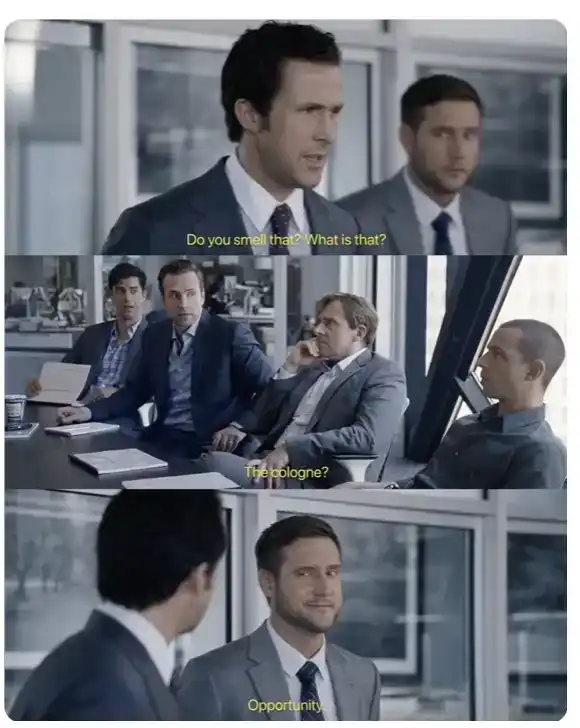
https://www.youtube.com/watch?v=YgF98vyn2fY

A few months ago, I moved from New York to San Francisco to join a friend's startup. Before moving, everyone told me: "You have to go to San Francisco," saying that's where everything is happening. So I've been grappling with this question: Is San Francisco really that important? Was I really missing something staying in New York?

My answer so far is: If you want to be at the center of this massive technological revolution and bubble, then this is indeed the place to be. The density here is real, the gossip networks are real, and consequently, the information asymmetry is also real.

During this time in San Francisco, I've accumulated some observations and thoughts. Here's what I've been 'smelling' in San Francisco:

1. People are trembling.

2. There's only one status game here.

3. A city that's always crying wolf.

4. Obsession with math prodigies.

What's struck me is how vastly different the human experience can be within the same city—walk on some streets and you'll feel like you're in hell; turn onto another and you'll see the bay, distant cypress trees, and beautiful scenery. The most techy, futuristic moments here are probably watching various autonomous vehicles roaming the city streets. Every time I see one of those new, friendly light-blue Waymo cars, I can't help but smile. Or, you might feel surveilled by Ava the AI BDR (AI Business Development Rep). I hate that ad. But credit where it's due, they successfully got me still talking about it with 'rage bait.' Every morning, right outside my apartment door, I see this monster:
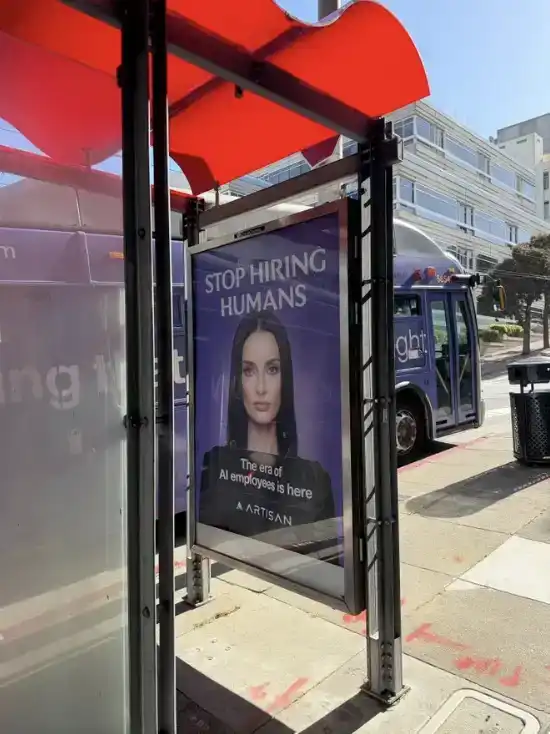
Why do people graffiti friend.com but not this garbage ad? Also, if you live nearby, let's grab ice cream sometime!

People in San Francisco are trembling

A few weeks ago, I was hanging out with my friend Jared (@imjaredz). He lives in New York but recently joined Cognition. We had lunch and coffee at the Cognition office. Nice vibe, good coffee, great rooftop. I asked him what he thought about the vibe in San Francisco.

"Have you noticed how people in San Francisco are all trembling?" I laughed, thinking: What? Trembling? Then I realized I had cold brew that morning, 300mg of caffeine, and was indeed a bit jittery. "Yeah, literally trembling. I'm not against people going full ADD, but next time you have a coffee chat, pay attention—see if they're trembling."

Bubbles and boom times bring this frenetic energy, as if if you don't 'make it' now, you'll never have another chance. I'm not immune either—after Jared's reminder, I noticed I seem to tremble sometimes too. That whole "grind to escape permanent pleb status" meme is overdone, but every meme gets popular because it captures a zeitgeist. If nightlife is a city's heartbeat, a thermometer for its culture, what does it say when a 'dog startup' 24-hour cafe becomes the de facto nocturnal grind haven?

Trembling is part of the process of technological revolution and financial bubbles. Forgive me, I used AI for part of this writing; if you want to kill me for that, I apologize in advance. But I was looking up Carlota Perez quotes, and I liked Gemini's summary of the 'Frenzy Phase':

Frenzy Phase: The peak of the installation period, where market psychology abandons fundamentals. Financial participants stop pursuing dividends and switch to capital gains, causing a decoupling of the 'paper economy' from the 'real economy.'
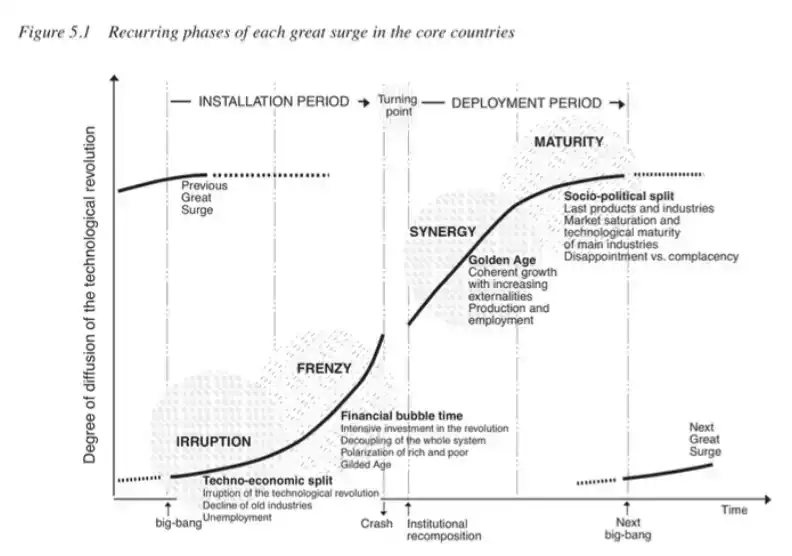
Source: https://stratechery.com/2021/the-death-and-birth-of-technological-revolutions/

A friend of mine coined a term: "Big Bubble Behavior." It's a beautiful phrase, and I've been using it the past two weeks to label everything characteristic of the frenzy phase. Market euphoria sometimes makes people do irrational things. Trembling is Big Bubble Behavior. I've seen trays of lobster tails twice in my life: first at a crypto party on a Venetian Island mansion in Miami in 2021, and second at ClawCon in 2026.
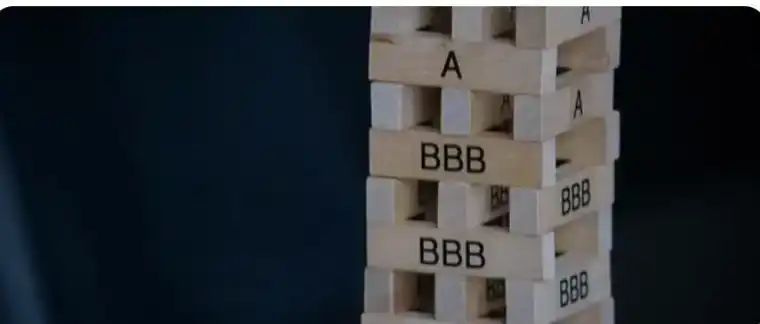
Big Bubble Behavior
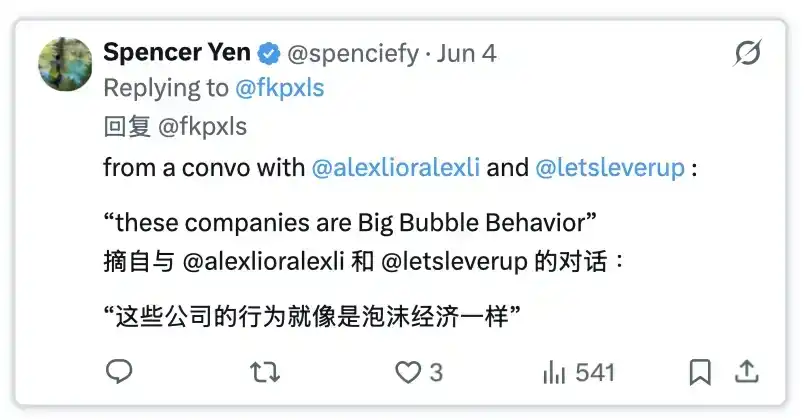
There's only one status game in San Francisco
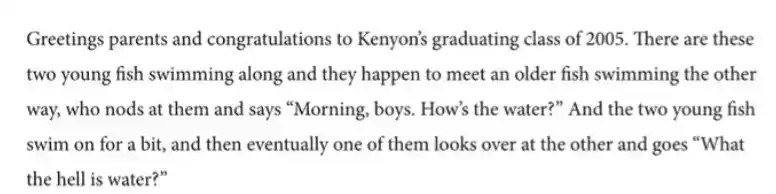
David Foster Wallace, *This is Water*: https://fs.blog/david-foster-wallace-this-is-water/

In San Francisco, this water is AI. Outdoor ads are everywhere—billboards, buses, bus stops, shared bikes, even the blue sky seems occupied by them.

My issue with San Francisco is this: there's only one dominant status game—tech. You go to dinner, or hang out in a park, and hear the same vocabulary. You also see all sorts of 'alpha farming' (hunting for informational edge) because those gossip networks really do exist. And I can't even get mad because I'm that person too. Don't hate the player, hate the game.

The problem is, when a city has only one dominant status game, it becomes far too easy to compare yourself to others.

We increasingly measure and compare each other by vanity metrics, like how much funding someone raised, or what letter in the alphabet your company's round is at. I truly hope someone raises a Series Z, because that would directly prove how absurd the private markets have become. You hear the gossip: which hot startup is getting chased by finance players, what crazy valuation level they're at. Then you can't help but start doing those disgusting, Blind-style back-of-the-envelope calculations: how much is so-and-so's equity package worth now.

I told a friend, if you saw the kind of reverse salary math, offer-optimizing math on Blind, you'd cringe so hard. Blind is that anonymous big-tech social network, famous for memes like: "Having a life crisis, my wife might leave me, but should I take Meta L6 or Google L9? TC: $969k." So why are we doing the same thing here now? Go touch grass. Or maybe that's just my cope.

In New York, there are at least 7 status games simultaneously. Finance, big law, music, fashion, celebrity circles, old-money family offices, media/news, sports, entertainment. Because the scope is so broad, some games are so distant they're almost inaccessible, making them interesting to talk about and learn. It scatters the attention of all ambitious people.

I enjoy asking law school friends which top firms are most prestigious and the subtle differences between them; I enjoy learning about the fashion and luxury world and what it takes to survive there; I enjoy understanding the cushy lives of quant elites and their garden leave arrangements.

San Francisco is creating unprecedented wealth, which brings a weird energy. A research friend mentioned people around them are already looking into buying land and diversifying into scarce resources. There's a feeling: you're either someone with lab equity, or you're not. There's also the joke that San Franciscans don't know how to spend money; this weird energy comes from massive new wealth being created, but people don't know what to do with it. First-time rich? Let the experienced rich kids teach you how to enjoy life.
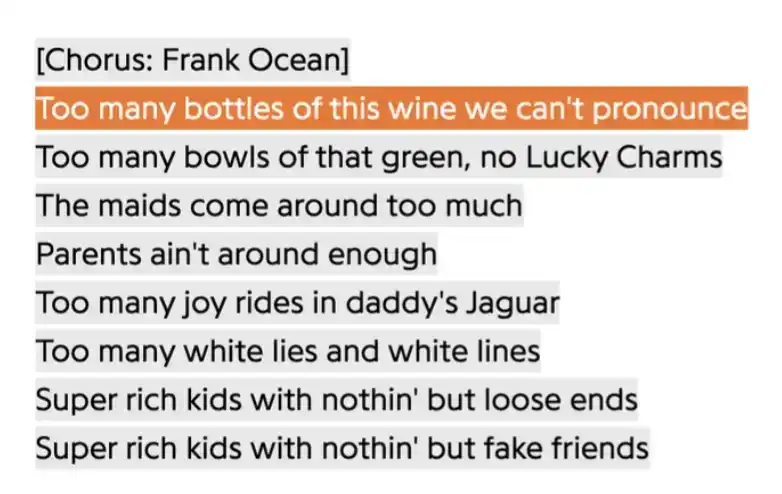
*Super Rich Kids* — Frank Ocean: https://www.youtube.com/watch?v=0XCQNpjWmRE

A city that's always crying wolf

My first impression of San Francisco was this doomer sentiment. Maybe the researchers in the labs truly see some 'second coming'; if so, their calls for slowdowns and safety emphasis make sense. But I have no real way of knowing. All I know is how doomerism makes *me* personally feel—not great!

I've already had several nihilistic conversations, roughly along the lines of: "If Mythos could wipe all this out in one go, or crack everything, then what are we even doing here building software?" And "Will AI ruin our lives?" And "AI will create massive inequality and cause society a lot of pain."

My one-sentence take is: humans will always find something else to do, work will migrate to higher levels of abstraction, and new things will become valuable.

We're terrible at predicting what future society will look like. I think those anti-capitalists I read in college were angry at the wrong things—imagine their reaction seeing humans derive joy from AI-generated fruit trash videos or 'Tung Tung Tung Sahur' in Italian brainrot.

"The problem isn't that AI makes content dumb, [sniff], it's that we enjoy this dumbness as a kind of sacred junk, a digital fetish object, [sniff], isn't it?"

From my friend Samir. His resume: not a researcher, but he has a 'fish guy.'
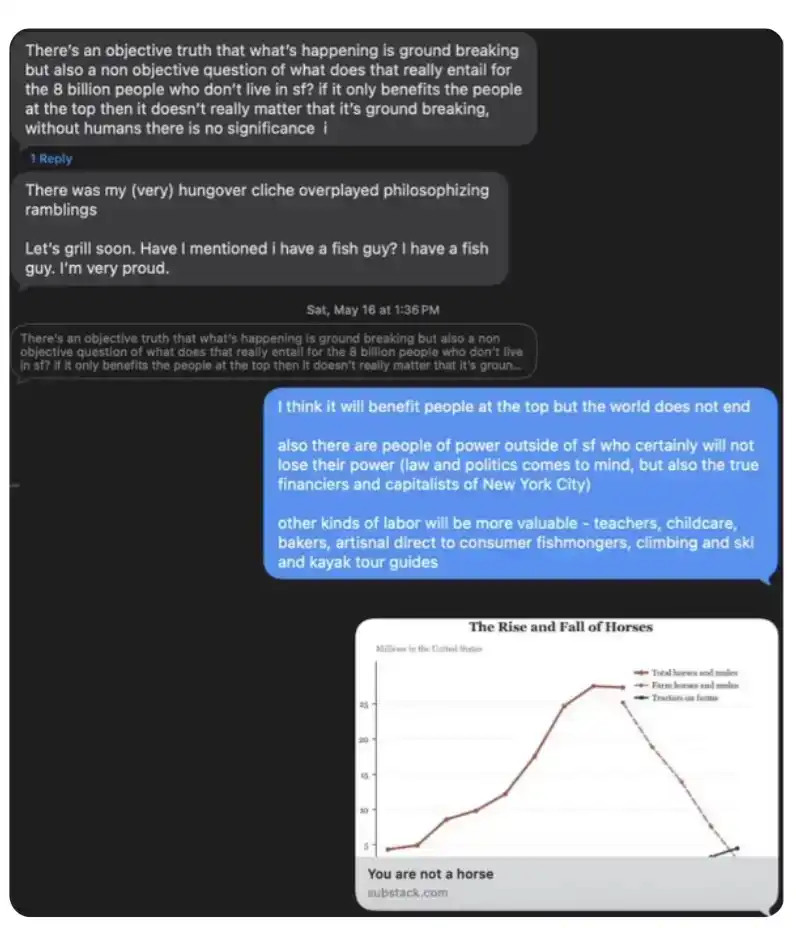
Anyone else have their own 'someone guy'? Please tell me.

A friend working at a lab pointed out that GTM (go-to-market/sales/growth) teams and research teams within the same company are having completely different lived experiences right now. That doomerism gets balanced out by: "Come hang with the GTM team, have a beer, touch grass." There's something interesting about the pessimism of the model creators versus the optimism of the people closest to deploying the technology. Time to get Forward Deployed!

Reality has a surprising amount of detail: https://johnsalvatier.org/blog/2017/reality-has-a-surprising-amount-of-detail

Six years ago, in college, I wrote about how AI reshapes social structures, titled *Polanyi and the Second Great Transformation* (No Pangram AI detection needed, pre-2023 Medium was like an organic pasture for human writing).

Let me explain the reference: Karl Polanyi was an Austro-Hungarian-born economic sociologist whose magnum opus is *The Great Transformation*. Written in 1944, it critiqued the rise of modern market capitalism in 19th-century Britain. So, the 'First Great Transformation' was the shift to capitalism, and my 21-year-old smart-aleck self called AI the 'Second' Great Transformation... you get it.

Polanyi's most famous concept is 'The Double Movement,' describing a historical push-and-pull phenomenon: on one hand, the free market's relentless expansion; on the other, society generates a counterforce trying to protect itself through regulation. The first movement is capitalist elites trying to expand free markets and commodify society; today, that's commodifying intelligence. The second, opposing movement is people reacting to market-driven destruction and trying to protect society; today, that's anti-AI, anti-data center rhetoric.

Here's my naive college-aged writing from 21:

Polanyi explains that the development of machinery for production led to the 'fictitious commodification' of labor (people) and land (nature). While the Fourth Industrial Revolution has already occurred within a market system, the advent of the mechanical mind presents a different threat: taking over jobs. As computers can perform more 'human' cognitive tasks with greater efficiency, many ordinary people may lose their jobs.

Polanyi wrote: "Nothing saved the common people of England from the impact of the Industrial Revolution. A blind faith in spontaneous progress had taken hold of the minds of men..."
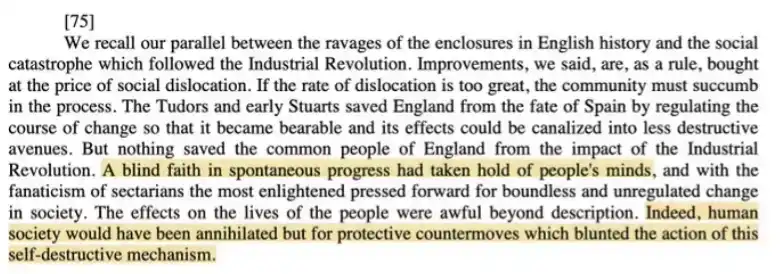
https://medium.com/@spenceryen/polanyi-and-the-second-great-transformation-6d6364b5d3c6

So on second thought, maybe the people constantly crying 'wolf' have a point. Blind faith in spontaneous progress might not end well. Polanyi's critique of market capitalism is that for most of human history, economic activity was subordinate to social, cultural, and religious institutions. But later, market capitalism inverted this relationship, subordinating society to the economy.

How do we ensure society isn't subordinated to a nation of geniuses in data centers? As Ben Thompson accurately pointed out in his article about Anthropic's Mythos, the punchline of *The Boy Who Cried Wolf* is that the wolf eventually does come.

But what would the capitalist in me say? Then invest in social, cultural, and religious institutions! If you have any good trade ideas, feel free to DM me your pitch deck.
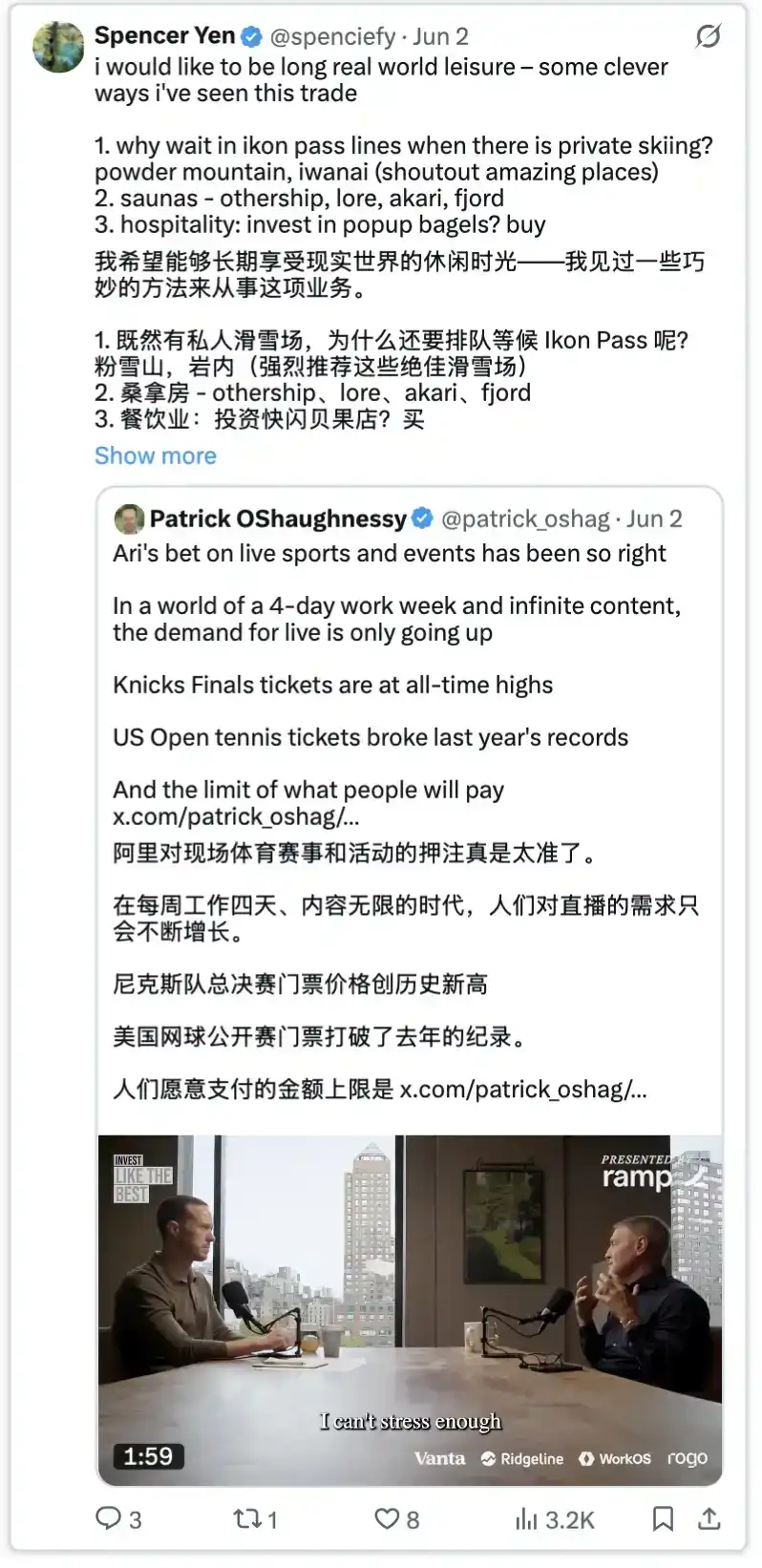
Obsession with math prodigies

Another favorite gag from that *Big Short* Jenga scene is when Ryan Gosling points to the Chinese guy beside him and says, "That's my quant." The vibe weirdly parallels a recent batch of hot founders being chased by investors—they're often prodigy kids who dominated math competitions from a young age.

Again, Ryan Gosling, responding to Steve Carell's skepticism:

"So you're saying if the default rate hits 8%, these bonds blow up, and we're at 4% now? If they go to 8%, that's the end of the world?" "Yeah, that's correct." "Why is nobody talking about this? You're absolutely certain of this math model?" "Look at him. That's my quant." "Your what?" "My quan-ti-ta-tive, my math specialist. Look at him. Don't you notice anything different about him? Look at his face." "That seems a little racist." "Look at his eyes. I'll give you a hint, his name is Yang! He's a national math champion in China, doesn't even speak English! So yes, I'm very certain of this math model."
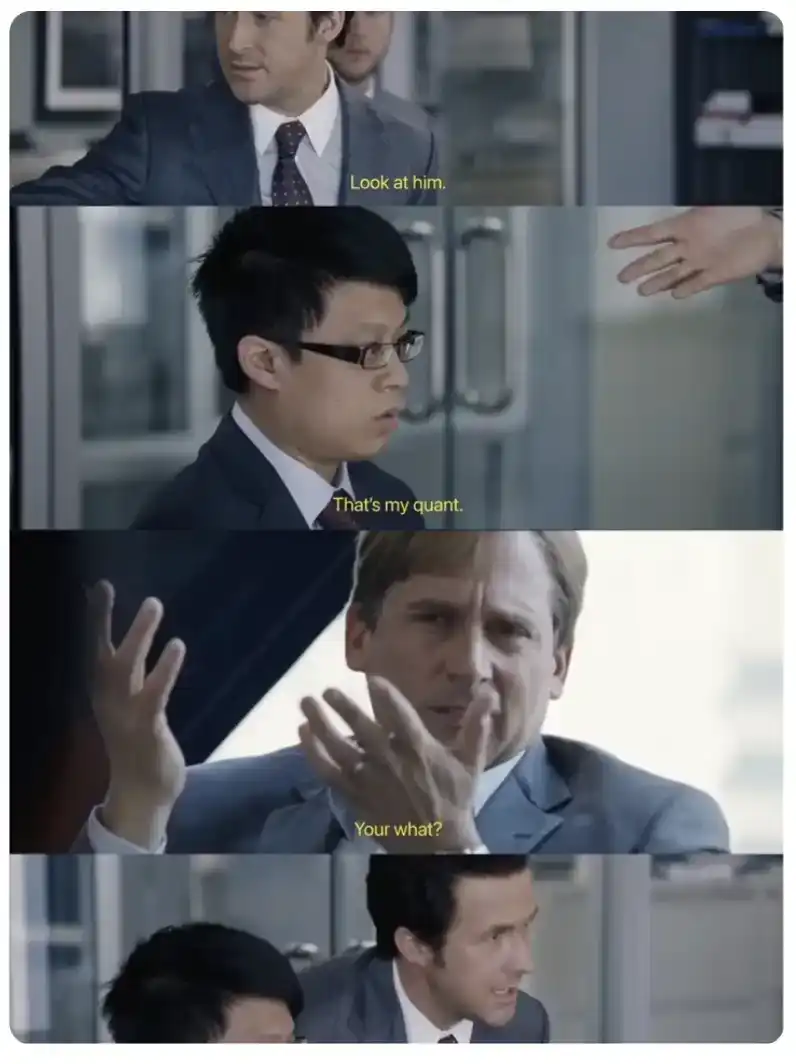
To some investors, the key predictive indicator for a fund's DPI (Distributed to Paid-In Capital, a measure of actual returns) seems to come from the founder's childhood—either they were a math competition prodigy as a kid, or they have some childhood trauma. Growing up in the Bay Area, my perception of my own math abilities was shattered early because my genius peers were all in the math competition circles. Now, they've mostly become quant traders or researchers at big model labs.

I distinctly remember a moment from seventh grade: my dad and I were flipping through sports channels on TV at home, and I saw my middle school classmate on ESPN2... he was competing in the Mathcounts competition. In that moment, I knew my path was over. I often joke that when I started playing the 'grind for college apps' game in ninth grade, I knew I couldn't compete with those Intel STS, RSI, AIME, USACO kids, so I had to find my own game.

I deeply admire many of these standout CEOs, founders, and researchers, and I have personally made a financial bet on one of them. But what I find funny is that an entire asset class and investor narrative has now formed around 'cultivating the smartest math competition kids and treating them as tickets to alpha.' When you think about it, it's not fundamentally different from scouts looking for the next Wemby (Victor Wembanyama). Though, I also want to believe in the Jalen Brunson story—hard work, persistence, and heart can win too.

Hyperliquid.

Party like it's 1999

https://x.com/elonmusk/status/1656326406618619910

A very wise investor once gave me two pieces of advice:

First, you will live through three bubbles in your lifetime.

The first bubble you experience, you'll be completely immersed in the euphoria. You have no experience, you attend the party, get swept up in the fervor.

The second bubble you experience, you remember what happened the first time, so you can exit with some wins, but you'll still get drawn in a bit.

The third bubble is your chance to create generational wealth—you've accumulated enough experience from the first two to know how to manage risk, emotions, and exit timing.
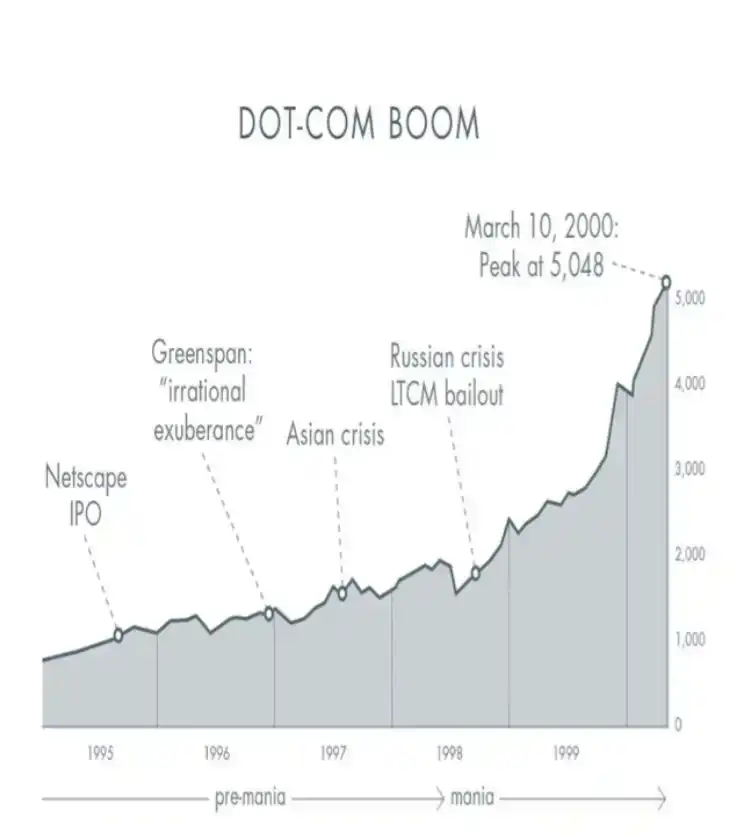
The second piece of advice is: When the music is playing, you dance, but don't get drunk.

Right now the music is deafening, maybe even about to blow the speakers. But bigger backup speakers are being manufactured, and this party clearly isn't over.

This is a reminder to myself, and to anyone who needs to hear it: remember to touch grass, cook your own meals, don't let Big Bubble Behavior warp your judgment. Borrowing wisdom from my friend Samir: Let's barbecue soon. Do you know a fish guy?
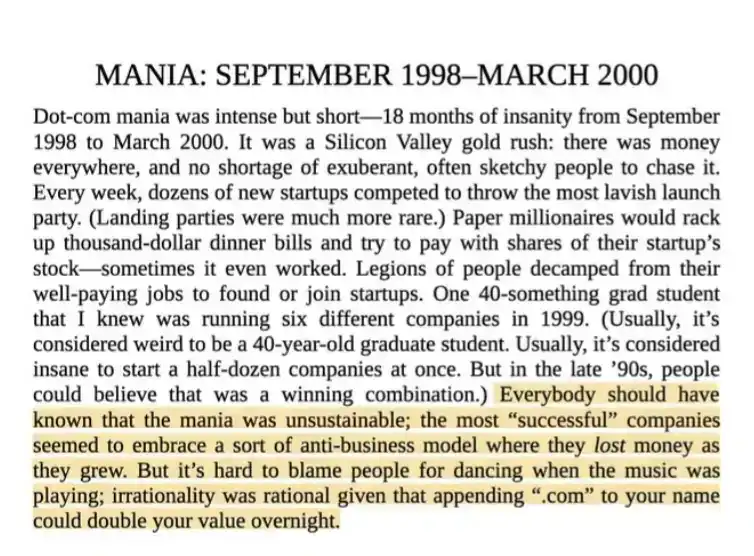
From Peter Thiel's *Zero to One*

Original link

Domande pertinenti

QWhat are some key characteristics of the 'Big Bubble Behavior' the author observes in San Francisco's current tech scene?

AThe author describes 'Big Bubble Behavior' as actions and energies characteristic of the 'Frenzy Phase' of a financial bubble. Key observations include: a jittery, manic energy among people (literally 'shaking'), a single dominant status game centered around tech and AI, rampant comparison through vanity metrics like funding rounds and equity packages, and conspicuous consumption (e.g., lobster tails at parties). It represents a period where market psychology abandons fundamentals for capital gains.

QAccording to the author, what is the main difference between the social 'status games' in San Francisco compared to New York?

AThe author states that in San Francisco, there is essentially only one dominant status game: technology/AI. This leads to intense, direct comparison among individuals based on tech-specific metrics like funding and valuation. In contrast, New York has at least seven different status games (e.g., finance, law, fashion, media, old money), which are diverse and distant enough from each other that they spread ambition and make social dynamics more varied and interesting to learn about.

QHow does the author interpret the prevalent 'doomerism' or apocalyptic anxiety about AI in San Francisco?

AThe author acknowledges the doomerism but offers a skeptical and somewhat optimistic personal view. While admitting lab researchers might have valid safety concerns, the author feels this outlook is personally unhelpful. The core belief is that humans will adapt, work will shift to higher levels of abstraction, and new things will become valuable. The author also references Karl Polanyi's theory of the 'Double Movement,' suggesting society might push back against market-driven AI commodification, and humorously suggests investing in 'society, culture, and religious institutions' as a counter-trade.

QWhat parallel does the author draw between the AI investment landscape and the film 'The Big Short'?

AThe author draws a parallel between the reverence for quantitative experts in 'The Big Short' and the current fascination with 'math prodigies' in AI investing. In the film, a math champion is presented as the ultimate authority for a financial model. Similarly, in today's AI scene, many sought-after founders are former math competition champions from childhood. The author notes that an entire 'asset class' has formed around identifying and betting on these 'math genius kids' as the next generation's ticket to outsized returns, akin to sports scouting.

QWhat two pieces of advice about navigating financial bubbles does the author share from a seasoned investor?

AThe two pieces of advice are: 1) You will experience three bubbles in your lifetime. The first, you naively ride in euphoria. The second, you participate with some experience. The third is your chance to build generational wealth, as you've learned to manage risk, emotion, and exits. 2) When the music is playing, you must dance. But don't get drunk. The author applies this to the current AI frenzy, noting the music is loud but cautioning against letting 'Big Bubble Behavior' distort judgment.

Letture associate

When AI Begins to Audit the World: From Claude Discovering the ZEC Vulnerability, Watching the Encryption Industry Enter the 'Recursive Security Era'

**When AI Audits the World: From Claude's Discovery of a ZEC Vulnerability, Viewing the Crypto Industry Entering a "Recursive Security Era"** This article examines a pivotal shift in the blockchain security landscape, triggered by the convergence of two events: Anthropic's research on AI's "Recursive Self-Improvement" and Claude Opus 4.8's discovery of a critical vulnerability in Zcash's code. Traditionally, crypto security has relied on human experts and automated tools for periodic audits. However, the article argues AI is transitioning from a mere tool to an active participant in understanding and analyzing complex systems. Claude's ability to identify a subtle flaw in Zcash's zero-knowledge proof system demonstrates AI's potential to dramatically lower the cost and time required for risk discovery. This goes beyond finding a single bug; it signals a change in the very mechanism of how vulnerabilities are found. The core thesis introduces the concept of "Recursive Security," drawing a parallel to Anthropic's "Recursive Self-Improvement." Just as AI can accelerate its own development through feedback loops, security systems are evolving towards a continuous cycle of analysis, risk identification, remediation, and re-analysis. Security is becoming a persistent, evolving capability integrated into a system's lifecycle, rather than a one-time pre-launch audit. This shift is particularly urgent for the crypto industry, where system complexity from Layer-2 networks, modular architectures, and ZK-proofs is growing faster than human analysis capacity. AI excels at the pattern recognition and contextual understanding needed to navigate this complexity. Importantly, the article cautions that AI augments both defenders and potential attackers, accelerating the entire threat landscape. The future competitive advantage may not lie in having zero vulnerabilities, but in having the fastest risk discovery, validation, and response capabilities. The Claude-Zcash incident is thus an early signal of an era where AI-driven, recursive security systems become essential for managing risk in an increasingly complex digital world.

marsbit57 min fa

When AI Begins to Audit the World: From Claude Discovering the ZEC Vulnerability, Watching the Encryption Industry Enter the 'Recursive Security Era'

marsbit57 min fa

From MSTR to STRC+: Where Is the Limit of the Strategy Universe?

From MSTR to STRC+: The Evolution and Limits of the Strategy Universe This article examines the transformation of Strategy (formerly MicroStrategy) from a simple "Bitcoin treasury" company into a complex financial engineering firm building a BTC-backed credit system. **Core Thesis:** Strategy's true significance lies not just in its massive BTC holdings (~844k BTC), but in its attempt to transform this static reserve into a multi-layered credit curve within traditional capital markets and, subsequently, into on-chain yield infrastructure. **The MSTR Flywheel:** The initial model was a reflexive loop: BTC price rises → MSTR stock rises → company raises capital (debt/equity) at a premium → buys more BTC → increases per-share BTC exposure → MSTR premium grows. This "amplified Bitcoin" equity (MSTR) thrives on bullish momentum but is vulnerable to tightening premiums and rising funding costs. **Building the Credit Curve:** Strategy's innovation is slicing its single BTC balance sheet into different risk/return profiles via specialized securities: * **MSTR:** High-volatility equity layer absorbing full BTC upside/downside. * **STRC:** Key product. A perpetual preferred stock designed as "short duration high yield credit," offering ~11.5% floating monthly dividends. It attracts fixed-income investors seeking yield without direct BTC exposure, funding Strategy's operations. * **STRD/STRK/STRF:** Other preferred/share classes with varying durations, conversion rights, and fixed dividends. **Risks of the STRC Model:** STRC's high yield is not risk-free. Its stability depends on: 1) Sufficient BTC asset coverage, 2) Strategy's continued ability to pay dividends, and 3) Market faith in the MSTR/STRC funding flywheel. Stress points include deep BTC price declines eroding the asset buffer, rising dividend costs if STRC trades below par, and a broken flywheel if MSTR's premium (mNAV) falls persistently. **On-Chain Expansion: STRC+:** Projects like **Saturn** and **Apyx** aim to package STRC's (and other DAT preferred stock) cash flows into on-chain stablecoin yield (e.g., sUSDat, apyUSD). They offer DeFi a new yield source distinct from trading fees or incentives—cash dividends from traditional securities. However, this introduces compounded risks: off-chain custody, issuer credit risk, BTC volatility, and protocol execution risk. **Conclusion: The Ultimate Boundary** Strategy's endgame is not infinite BTC accumulation. It is the market's long-term acceptance of a new credit system where BTC serves as collateral for tradable securities whose cash flows can power on-chain financial applications. Its "universe" expands if this BTC-native credit curve gains legitimacy, but contracts if these instruments are repriced purely as high-risk, yield-bearing credit assets without stablecoin mythology.

marsbit1 h fa

From MSTR to STRC+: Where Is the Limit of the Strategy Universe?

marsbit1 h fa

Trading

Spot
Futures

Articoli Popolari

Cosa è GROK AI

Grok AI: Rivoluzionare la Tecnologia Conversazionale nell'Era Web3 Introduzione Nel panorama in rapida evoluzione dell'intelligenza artificiale, Grok AI si distingue come un progetto notevole che collega i domini della tecnologia avanzata e dell'interazione con l'utente. Sviluppato da xAI, un'azienda guidata dal rinomato imprenditore Elon Musk, Grok AI cerca di ridefinire il modo in cui interagiamo con l'intelligenza artificiale. Mentre il movimento Web3 continua a prosperare, Grok AI mira a sfruttare il potere dell'IA conversazionale per rispondere a query complesse, offrendo agli utenti un'esperienza che è non solo informativa ma anche divertente. Cos'è Grok AI? Grok AI è un sofisticato chatbot di intelligenza artificiale conversazionale progettato per interagire dinamicamente con gli utenti. A differenza di molti sistemi di intelligenza artificiale tradizionali, Grok AI abbraccia un'ampia gamma di domande, comprese quelle tipicamente considerate inappropriate o al di fuori delle risposte standard. Gli obiettivi principali del progetto includono: Ragionamento Affidabile: Grok AI enfatizza il ragionamento di buon senso per fornire risposte logiche basate sulla comprensione contestuale. Supervisione Scalabile: L'integrazione dell'assistenza degli strumenti garantisce che le interazioni degli utenti siano sia monitorate che ottimizzate per la qualità. Verifica Formale: La sicurezza è fondamentale; Grok AI incorpora metodi di verifica formale per migliorare l'affidabilità delle sue uscite. Comprensione del Lungo Contesto: Il modello di IA eccelle nel trattenere e richiamare una vasta storia di conversazione, facilitando discussioni significative e consapevoli del contesto. Robustezza Adversariale: Concentrandosi sul miglioramento delle sue difese contro input manipolati o malevoli, Grok AI mira a mantenere l'integrità delle interazioni degli utenti. In sostanza, Grok AI non è solo un dispositivo di recupero informazioni; è un partner conversazionale immersivo che incoraggia un dialogo dinamico. Creatore di Grok AI Il cervello dietro Grok AI non è altri che Elon Musk, un individuo sinonimo di innovazione in vari campi, tra cui automotive, viaggi spaziali e tecnologia. Sotto l'egida di xAI, un'azienda focalizzata sull'avanzamento della tecnologia AI in modi benefici, la visione di Musk mira a rimodellare la comprensione delle interazioni con l'IA. La leadership e l'etica fondamentale sono profondamente influenzate dall'impegno di Musk nel superare i confini tecnologici. Investitori di Grok AI Sebbene i dettagli specifici riguardanti gli investitori che sostengono Grok AI rimangano limitati, è pubblicamente riconosciuto che xAI, l'incubatore del progetto, è fondato e supportato principalmente dallo stesso Elon Musk. Le precedenti imprese e partecipazioni di Musk forniscono un robusto sostegno, rafforzando ulteriormente la credibilità e il potenziale di crescita di Grok AI. Tuttavia, al momento, le informazioni riguardanti ulteriori fondazioni di investimento o organizzazioni che supportano Grok AI non sono facilmente accessibili, segnando un'area per potenziali esplorazioni future. Come Funziona Grok AI? Le meccaniche operative di Grok AI sono innovative quanto il suo framework concettuale. Il progetto integra diverse tecnologie all'avanguardia che facilitano le sue funzionalità uniche: Infrastruttura Robusta: Grok AI è costruito utilizzando Kubernetes per l'orchestrazione dei container, Rust per prestazioni e sicurezza, e JAX per il calcolo numerico ad alte prestazioni. Questo trio garantisce che il chatbot operi in modo efficiente, si scaldi efficacemente e serva gli utenti prontamente. Accesso alla Conoscenza in Tempo Reale: Una delle caratteristiche distintive di Grok AI è la sua capacità di attingere a dati in tempo reale attraverso la piattaforma X—precedentemente nota come Twitter. Questa capacità consente all'IA di accedere alle informazioni più recenti, permettendole di fornire risposte e raccomandazioni tempestive che altri modelli di IA potrebbero perdere. Due Modalità di Interazione: Grok AI offre agli utenti la scelta tra “Modalità Divertente” e “Modalità Normale”. La Modalità Divertente consente uno stile di interazione più giocoso e umoristico, mentre la Modalità Normale si concentra sulla fornitura di risposte precise e accurate. Questa versatilità garantisce un'esperienza su misura che soddisfa varie preferenze degli utenti. In sostanza, Grok AI sposa prestazioni con coinvolgimento, creando un'esperienza che è sia arricchente che divertente. Cronologia di Grok AI Il viaggio di Grok AI è segnato da traguardi fondamentali che riflettono le sue fasi di sviluppo e distribuzione: Sviluppo Iniziale: La fase fondamentale di Grok AI si è svolta in circa due mesi, durante i quali sono stati condotti l'addestramento iniziale e il perfezionamento del modello. Rilascio Beta di Grok-2: In un significativo avanzamento, è stata annunciata la beta di Grok-2. Questo rilascio ha introdotto due versioni del chatbot—Grok-2 e Grok-2 mini—ognuna dotata delle capacità per chattare, programmare e ragionare. Accesso Pubblico: Dopo lo sviluppo beta, Grok AI è diventato disponibile per gli utenti della piattaforma X. Coloro che hanno account verificati tramite un numero di telefono e attivi per almeno sette giorni possono accedere a una versione limitata, rendendo la tecnologia disponibile a un pubblico più ampio. Questa cronologia racchiude la crescita sistematica di Grok AI dall'inizio all'impegno pubblico, enfatizzando il suo impegno per il miglioramento continuo e l'interazione con gli utenti. Caratteristiche Chiave di Grok AI Grok AI comprende diverse caratteristiche chiave che contribuiscono alla sua identità innovativa: Integrazione della Conoscenza in Tempo Reale: L'accesso a informazioni attuali e rilevanti differenzia Grok AI da molti modelli statici, consentendo un'esperienza utente coinvolgente e accurata. Stili di Interazione Versatili: Offrendo modalità di interazione distinte, Grok AI soddisfa varie preferenze degli utenti, invitando alla creatività e alla personalizzazione nella conversazione con l'IA. Avanzata Struttura Tecnologica: L'utilizzo di Kubernetes, Rust e JAX fornisce al progetto un solido framework per garantire affidabilità e prestazioni ottimali. Considerazione del Discorso Etico: L'inclusione di una funzione di generazione di immagini mette in mostra lo spirito innovativo del progetto. Tuttavia, solleva anche considerazioni etiche riguardanti il copyright e la rappresentazione rispettosa di figure riconoscibili—una discussione in corso all'interno della comunità AI. Conclusione Come entità pionieristica nel campo dell'IA conversazionale, Grok AI incarna il potenziale per esperienze utente trasformative nell'era digitale. Sviluppato da xAI e guidato dall'approccio visionario di Elon Musk, Grok AI integra conoscenze in tempo reale con capacità di interazione avanzate. Si sforza di spingere i confini di ciò che l'intelligenza artificiale può realizzare, mantenendo un focus su considerazioni etiche e sicurezza degli utenti. Grok AI non solo incarna il progresso tecnologico, ma rappresenta anche un nuovo paradigma conversazionale nel panorama Web3, promettendo di coinvolgere gli utenti con sia conoscenze esperte che interazioni giocose. Man mano che il progetto continua a evolversi, si erge come testimonianza di ciò che l'incrocio tra tecnologia, creatività e interazione simile a quella umana può realizzare.

488 Totale visualizzazioniPubblicato il 2024.12.26Aggiornato il 2024.12.26

Cosa è GROK AI

Cosa è ERC AI

Euruka Tech: Una Panoramica di $erc ai e delle sue Ambizioni in Web3 Introduzione Nel panorama in rapida evoluzione della tecnologia blockchain e delle applicazioni decentralizzate, nuovi progetti emergono frequentemente, ciascuno con obiettivi e metodologie uniche. Uno di questi progetti è Euruka Tech, che opera nel vasto dominio delle criptovalute e del Web3. L'obiettivo principale di Euruka Tech, in particolare del suo token $erc ai, è presentare soluzioni innovative progettate per sfruttare le crescenti capacità della tecnologia decentralizzata. Questo articolo si propone di fornire una panoramica completa di Euruka Tech, un'esplorazione dei suoi obiettivi, della funzionalità, dell'identità del suo creatore, dei potenziali investitori e della sua importanza nel contesto più ampio del Web3. Cos'è Euruka Tech, $erc ai? Euruka Tech è caratterizzato come un progetto che sfrutta gli strumenti e le funzionalità offerte dall'ambiente Web3, concentrandosi sull'integrazione dell'intelligenza artificiale nelle sue operazioni. Sebbene i dettagli specifici sul framework del progetto siano piuttosto sfuggenti, è progettato per migliorare l'engagement degli utenti e automatizzare i processi nello spazio crypto. Il progetto mira a creare un ecosistema decentralizzato che non solo faciliti le transazioni, ma incorpori anche funzionalità predittive attraverso l'intelligenza artificiale, da cui il nome del suo token, $erc ai. L'obiettivo è fornire una piattaforma intuitiva che faciliti interazioni più intelligenti e un'elaborazione delle transazioni più efficiente all'interno della crescente sfera del Web3. Chi è il Creatore di Euruka Tech, $erc ai? Attualmente, le informazioni riguardanti il creatore o il team fondatore di Euruka Tech rimangono non specificate e piuttosto opache. Questa assenza di dati solleva preoccupazioni, poiché la conoscenza del background del team è spesso essenziale per stabilire credibilità nel settore blockchain. Pertanto, abbiamo classificato queste informazioni come sconosciute fino a quando dettagli concreti non saranno resi disponibili nel dominio pubblico. Chi sono gli Investitori di Euruka Tech, $erc ai? Allo stesso modo, l'identificazione degli investitori o delle organizzazioni di supporto per il progetto Euruka Tech non è prontamente fornita attraverso la ricerca disponibile. Un aspetto cruciale per i potenziali stakeholder o utenti che considerano di impegnarsi con Euruka Tech è la garanzia che deriva da partnership finanziarie consolidate o dal supporto di società di investimento rispettabili. Senza divulgazioni sulle affiliazioni di investimento, è difficile trarre conclusioni complete sulla sicurezza finanziaria o sulla longevità del progetto. In linea con le informazioni trovate, anche questa sezione rimane allo stato di sconosciuto. Come funziona Euruka Tech, $erc ai? Nonostante la mancanza di specifiche tecniche dettagliate per Euruka Tech, è essenziale considerare le sue ambizioni innovative. Il progetto cerca di sfruttare la potenza computazionale dell'intelligenza artificiale per automatizzare e migliorare l'esperienza dell'utente all'interno dell'ambiente delle criptovalute. Integrando l'IA con la tecnologia blockchain, Euruka Tech mira a fornire funzionalità come operazioni automatizzate, valutazioni del rischio e interfacce utente personalizzate. L'essenza innovativa di Euruka Tech risiede nel suo obiettivo di creare una connessione fluida tra gli utenti e le vaste possibilità presentate dalle reti decentralizzate. Attraverso l'utilizzo di algoritmi di apprendimento automatico e IA, mira a ridurre le sfide degli utenti alle prime armi e semplificare le esperienze transazionali all'interno del framework Web3. Questa simbiosi tra IA e blockchain sottolinea l'importanza del token $erc ai, fungendo da ponte tra le interfacce utente tradizionali e le avanzate capacità delle tecnologie decentralizzate. Cronologia di Euruka Tech, $erc ai Sfortunatamente, a causa delle limitate informazioni disponibili riguardo a Euruka Tech, non siamo in grado di presentare una cronologia dettagliata dei principali sviluppi o traguardi nel percorso del progetto. Questa cronologia, tipicamente preziosa per tracciare l'evoluzione di un progetto e comprendere la sua traiettoria di crescita, non è attualmente disponibile. Man mano che le informazioni su eventi notevoli, partnership o aggiunte funzionali diventano evidenti, gli aggiornamenti miglioreranno sicuramente la visibilità di Euruka Tech nella sfera crypto. Chiarimento su Altri Progetti “Eureka” È importante sottolineare che più progetti e aziende condividono una nomenclatura simile con “Eureka.” La ricerca ha identificato iniziative come un agente IA della NVIDIA Research, che si concentra sull'insegnamento ai robot di compiti complessi utilizzando metodi generativi, così come Eureka Labs ed Eureka AI, che migliorano l'esperienza utente nell'istruzione e nell'analisi del servizio clienti, rispettivamente. Tuttavia, questi progetti sono distinti da Euruka Tech e non dovrebbero essere confusi con i suoi obiettivi o funzionalità. Conclusione Euruka Tech, insieme al suo token $erc ai, rappresenta un attore promettente ma attualmente oscuro nel panorama del Web3. Sebbene i dettagli sul suo creatore e sugli investitori rimangano non divulgati, l'ambizione centrale di combinare intelligenza artificiale e tecnologia blockchain si erge come un punto focale di interesse. Gli approcci unici del progetto nel promuovere l'engagement degli utenti attraverso l'automazione avanzata potrebbero distinguerlo mentre l'ecosistema Web3 progredisce. Con l'evoluzione continua del mercato crypto, gli stakeholder dovrebbero tenere d'occhio gli sviluppi riguardanti Euruka Tech, poiché lo sviluppo di innovazioni documentate, partnership o una roadmap definita potrebbe presentare opportunità significative nel prossimo futuro. Così com'è, attendiamo ulteriori approfondimenti sostanziali che potrebbero svelare il potenziale di Euruka Tech e la sua posizione nel competitivo panorama crypto.

505 Totale visualizzazioniPubblicato il 2025.01.02Aggiornato il 2025.01.02

Cosa è ERC AI

Cosa è DUOLINGO AI

DUOLINGO AI: Integrare l'apprendimento delle lingue con Web3 e innovazione AI In un'era in cui la tecnologia rimodella l'istruzione, l'integrazione dell'intelligenza artificiale (AI) e delle reti blockchain annuncia una nuova frontiera per l'apprendimento delle lingue. Entra in scena DUOLINGO AI e la sua criptovaluta associata, $DUOLINGO AI. Questo progetto aspira a fondere la potenza educativa delle principali piattaforme di apprendimento delle lingue con i benefici della tecnologia decentralizzata Web3. Questo articolo esplora gli aspetti chiave di DUOLINGO AI, esaminando i suoi obiettivi, il framework tecnologico, lo sviluppo storico e il potenziale futuro, mantenendo chiarezza tra la risorsa educativa originale e questa iniziativa indipendente di criptovaluta. Panoramica di DUOLINGO AI Alla sua base, DUOLINGO AI cerca di stabilire un ambiente decentralizzato in cui gli studenti possono guadagnare ricompense crittografiche per il raggiungimento di traguardi educativi nella competenza linguistica. Applicando smart contracts, il progetto mira ad automatizzare i processi di verifica delle competenze e le allocazioni di token, aderendo ai principi di Web3 che enfatizzano la trasparenza e la proprietà da parte degli utenti. Il modello si discosta dagli approcci tradizionali all'acquisizione linguistica, facendo forte affidamento su una struttura di governance guidata dalla comunità, che consente ai detentori di token di suggerire miglioramenti ai contenuti dei corsi e alle distribuzioni delle ricompense. Alcuni degli obiettivi notevoli di DUOLINGO AI includono: Apprendimento Gamificato: Il progetto integra traguardi blockchain e token non fungibili (NFT) per rappresentare i livelli di competenza linguistica, promuovendo la motivazione attraverso ricompense digitali coinvolgenti. Creazione di Contenuti Decentralizzati: Apre opportunità per educatori e appassionati di lingue di contribuire con i propri corsi, facilitando un modello di condivisione dei ricavi che beneficia tutti i collaboratori. Personalizzazione Guidata dall'AI: Utilizzando modelli avanzati di machine learning, DUOLINGO AI personalizza le lezioni per adattarsi ai progressi individuali, simile alle funzionalità adattive presenti nelle piattaforme consolidate. Creatori del Progetto e Governance A partire da aprile 2025, il team dietro $DUOLINGO AI rimane pseudonimo, una pratica comune nel panorama decentralizzato delle criptovalute. Questa anonimato è inteso a promuovere la crescita collettiva e il coinvolgimento degli stakeholder piuttosto che concentrarsi su sviluppatori individuali. Lo smart contract distribuito sulla blockchain di Solana annota l'indirizzo del wallet dello sviluppatore, che segna l'impegno verso la trasparenza riguardo alle transazioni, nonostante l'identità dei creatori sia sconosciuta. Secondo la sua roadmap, DUOLINGO AI mira a evolversi in un'Organizzazione Autonoma Decentralizzata (DAO). Questa struttura di governance consente ai detentori di token di votare su questioni critiche come l'implementazione di funzionalità e le allocazioni del tesoro. Questo modello si allinea con l'etica dell'empowerment della comunità presente in varie applicazioni decentralizzate, enfatizzando l'importanza del processo decisionale collettivo. Investitori e Partnership Strategiche Attualmente, non ci sono investitori istituzionali o capitalisti di rischio identificabili pubblicamente legati a $DUOLINGO AI. Invece, la liquidità del progetto proviene principalmente da scambi decentralizzati (DEX), segnando un netto contrasto con le strategie di finanziamento delle aziende tradizionali di tecnologia educativa. Questo modello di base indica un approccio guidato dalla comunità, riflettendo l'impegno del progetto verso la decentralizzazione. Nel suo whitepaper, DUOLINGO AI menziona la formazione di collaborazioni con “piattaforme educative blockchain” non specificate, mirate ad arricchire la sua offerta di corsi. Sebbene partnership specifiche non siano ancora state divulgate, questi sforzi collaborativi suggeriscono una strategia per mescolare innovazione blockchain con iniziative educative, ampliando l'accesso e il coinvolgimento degli utenti attraverso diverse vie di apprendimento. Architettura Tecnologica Integrazione AI DUOLINGO AI incorpora due componenti principali guidate dall'AI per migliorare la sua offerta educativa: Motore di Apprendimento Adattivo: Questo sofisticato motore apprende dalle interazioni degli utenti, simile ai modelli proprietari delle principali piattaforme educative. Regola dinamicamente la difficoltà delle lezioni per affrontare le sfide specifiche degli studenti, rinforzando le aree deboli attraverso esercizi mirati. Agenti Conversazionali: Utilizzando chatbot alimentati da GPT-4, DUOLINGO AI offre una piattaforma per gli utenti per impegnarsi in conversazioni simulate, promuovendo un'esperienza di apprendimento linguistico più interattiva e pratica. Infrastruttura Blockchain Costruito sulla blockchain di Solana, $DUOLINGO AI utilizza un framework tecnologico completo che include: Smart Contracts per la Verifica delle Competenze: Questa funzionalità assegna automaticamente token agli utenti che superano con successo i test di competenza, rinforzando la struttura di incentivi per risultati di apprendimento genuini. Badge NFT: Questi token digitali significano vari traguardi che gli studenti raggiungono, come completare una sezione del loro corso o padroneggiare competenze specifiche, consentendo loro di scambiare o mostrare digitalmente i loro successi. Governance DAO: I membri della comunità dotati di token possono partecipare alla governance votando su proposte chiave, facilitando una cultura partecipativa che incoraggia l'innovazione nell'offerta di corsi e nelle funzionalità della piattaforma. Cronologia Storica 2022–2023: Concettualizzazione I lavori per DUOLINGO AI iniziano con la creazione di un whitepaper, evidenziando la sinergia tra i progressi dell'AI nell'apprendimento delle lingue e il potenziale decentralizzato della tecnologia blockchain. 2024: Lancio Beta Un lancio beta limitato introduce offerte in lingue popolari, premiando i primi utenti con incentivi in token come parte della strategia di coinvolgimento della comunità del progetto. 2025: Transizione DAO Ad aprile, avviene un lancio completo della mainnet con la circolazione di token, stimolando discussioni nella comunità riguardo a possibili espansioni nelle lingue asiatiche e ad altri sviluppi dei corsi. Sfide e Direzioni Future Ostacoli Tecnici Nonostante i suoi obiettivi ambiziosi, DUOLINGO AI affronta sfide significative. La scalabilità rimane una preoccupazione costante, in particolare nel bilanciare i costi associati all'elaborazione dell'AI e nel mantenere una rete decentralizzata reattiva. Inoltre, garantire la creazione e la moderazione di contenuti di qualità in un'offerta decentralizzata presenta complessità nel mantenere standard educativi. Opportunità Strategiche Guardando al futuro, DUOLINGO AI ha il potenziale per sfruttare partnership di micro-credentialing con istituzioni accademiche, fornendo validazioni verificate dalla blockchain delle competenze linguistiche. Inoltre, l'espansione cross-chain potrebbe consentire al progetto di attingere a basi utenti più ampie e a ulteriori ecosistemi blockchain, migliorando la sua interoperabilità e portata. Conclusione DUOLINGO AI rappresenta una fusione innovativa di intelligenza artificiale e tecnologia blockchain, presentando un'alternativa focalizzata sulla comunità ai sistemi tradizionali di apprendimento delle lingue. Sebbene il suo sviluppo pseudonimo e il modello economico emergente comportino alcuni rischi, l'impegno del progetto verso l'apprendimento gamificato, l'istruzione personalizzata e la governance decentralizzata illumina un percorso per la tecnologia educativa nel regno di Web3. Man mano che l'AI continua a progredire e l'ecosistema blockchain evolve, iniziative come DUOLINGO AI potrebbero ridefinire il modo in cui gli utenti interagiscono con l'istruzione linguistica, potenziando le comunità e premiando il coinvolgimento attraverso meccanismi di apprendimento innovativi.

462 Totale visualizzazioniPubblicato il 2025.04.11Aggiornato il 2025.04.11

Cosa è DUOLINGO AI

Discussioni

Benvenuto nella Community HTX. Qui puoi rimanere informato sugli ultimi sviluppi della piattaforma e accedere ad approfondimenti esperti sul mercato. Le opinioni degli utenti sul prezzo di AI AI sono presentate come di seguito.

活动图片