Ilya Takes the Stand for Revenge, Confirming Altman Lied, Holding $70 Billion and Saying 'I Don't Want OpenAI to Be Destroyed'

marsbitPubblicato 2026-05-13Pubblicato ultima volta 2026-05-13

Introduzione

Ilya Sutskever, former chief scientist of OpenAI, testified in Elon Musk's lawsuit against the company, alleging that CEO Sam Altman is a habitual liar who sowed discord among executives and created an environment that hindered serious AI safety discussions. Sutskever revealed he compiled a 52-page dossier on Altman's conduct over a year before the November 2023 boardroom attempt to oust him. He confirmed his OpenAI stake is worth $7 billion. During his testimony, Sutskever expressed regret over his role in the board's actions, citing a lack of experience and poor legal advice. He stated his reversal—signing a letter to reinstate Altman—was a desperate move to prevent OpenAI's collapse and a potential Microsoft takeover, saying, "I didn't want it to be destroyed." The trial also uncovered details about a potential OpenAI-Anthropic merger post-ouster and internal Microsoft communications pressuring for faster ChatGPT monetization. While Sutskever's testimony damaged Altman's credibility, it also countered part of Musk's case, as he stated he never promised Musk that OpenAI would remain non-profit. The trial's outcome could impact the future structure of the $850 billion-valued company.

Elon Musk's landmark lawsuit against OpenAI finally saw Ilya take the stand!

May 11, 2026, Oakland Federal Court, California.

When that curly-haired, slightly melancholic genius scientist Ilya Sutskever slowly walked up to the witness stand, everyone in the courtroom held their breath.
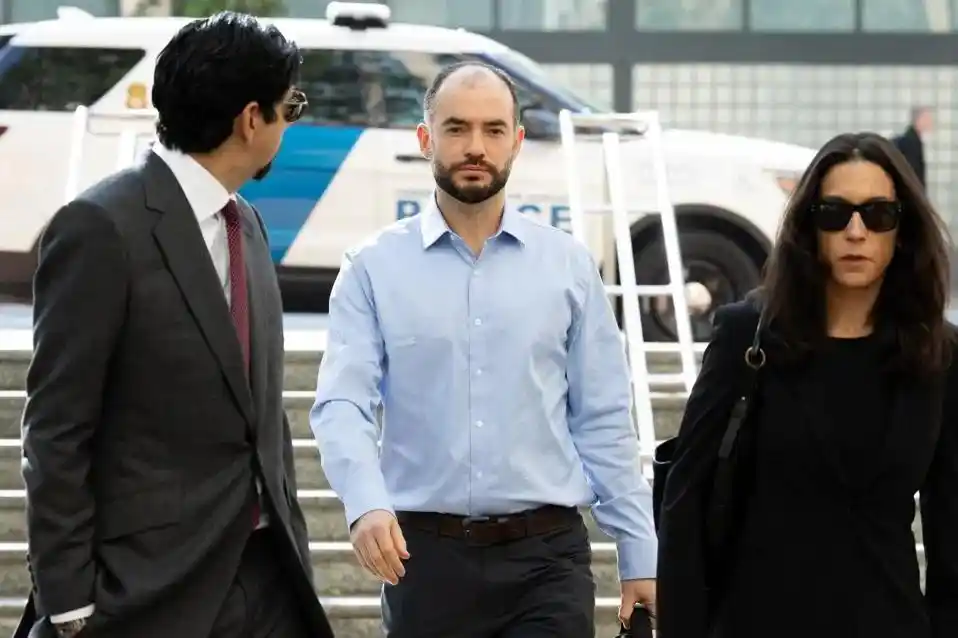
Wherever he appears, Ilya commands attention, especially here, at the trial of Elon Musk vs. OpenAI.

This time, Ilya was no longer the apologizer posting "I deeply regret" on social media, but an avenger returning with a 'bombshell'.

He not only personally confirmed Altman's habitual lying but also revealed to the world the power vacuum beneath OpenAI's glamorous facade.

This is destined to be the final chapter in the historic 'AI Palace Drama'.

This trial may decide the future of OpenAI—a company preparing for a trillion-dollar IPO, valued at $850 billion.

Altman is expected to take the stand himself as early as Tuesday to respond.

52 Pages of 'Lying Evidence': Altman Through That Man's Eyes

"He habitually lied, sowed discord among executives, and undermined corporate governance."

When Ilya said these words under oath, the current OpenAI management sitting in the defendant's seats turned pale.

This was no longer rumor, but courtroom testimony from OpenAI's former Chief Scientist.
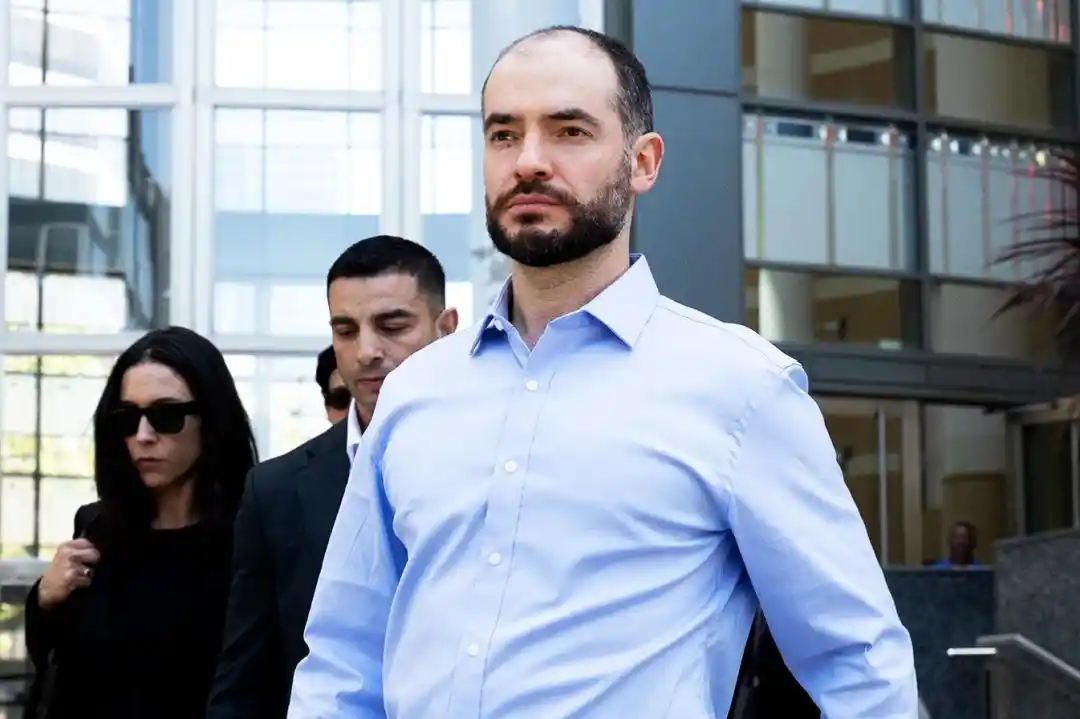
This time, Ilya revealed a previously unknown shocking detail: before the global-shocking 'November Coup' in 2023, he had been secretly gathering evidence for an entire year.

This evidence file was 52 pages long.
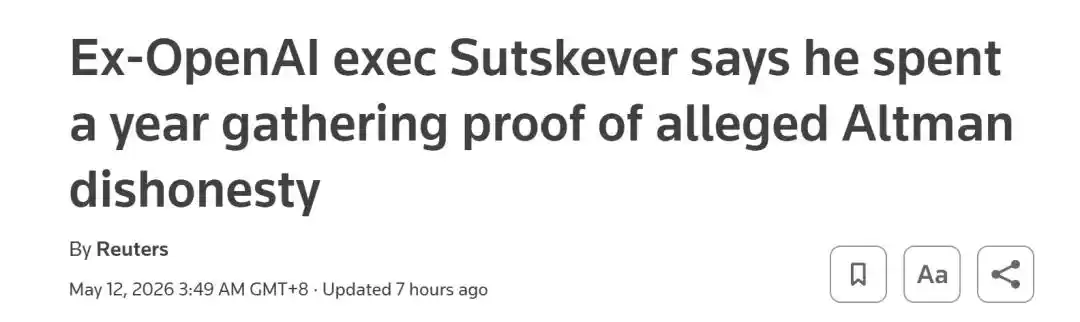
This 'Complete Collection of Altman's Dirty Laundry' detailed Altman's day-to-day political maneuvering.

For example, his specialty was sowing discord.

He frequently created conflicts between CTO Mira Murati and other executives, making them suspicious of each other to establish his own absolute authority.

Additionally, he was very skilled at manipulating information.

Ilya testified that Altman created an environment where "executives could not access correct information." In such an environment, any serious discussion about AI safety would be diluted by Altman with false market visions.

This time, Ilya bluntly stated that Altman's behavior was "detrimental to achieving any grand goal," especially the development of safe AGI.

"I spent a year observing and thinking, and ultimately I believed firing him was appropriate."

Ilya's tone was calm, yet every word was cutting. He admitted he had spoken with Murati in detail many times, both feeling profound unease about Altman's behavior.

The $70 Billion 'Traitor': The Expensive Price Tag of an Idealist

Next came another climax of the trial.

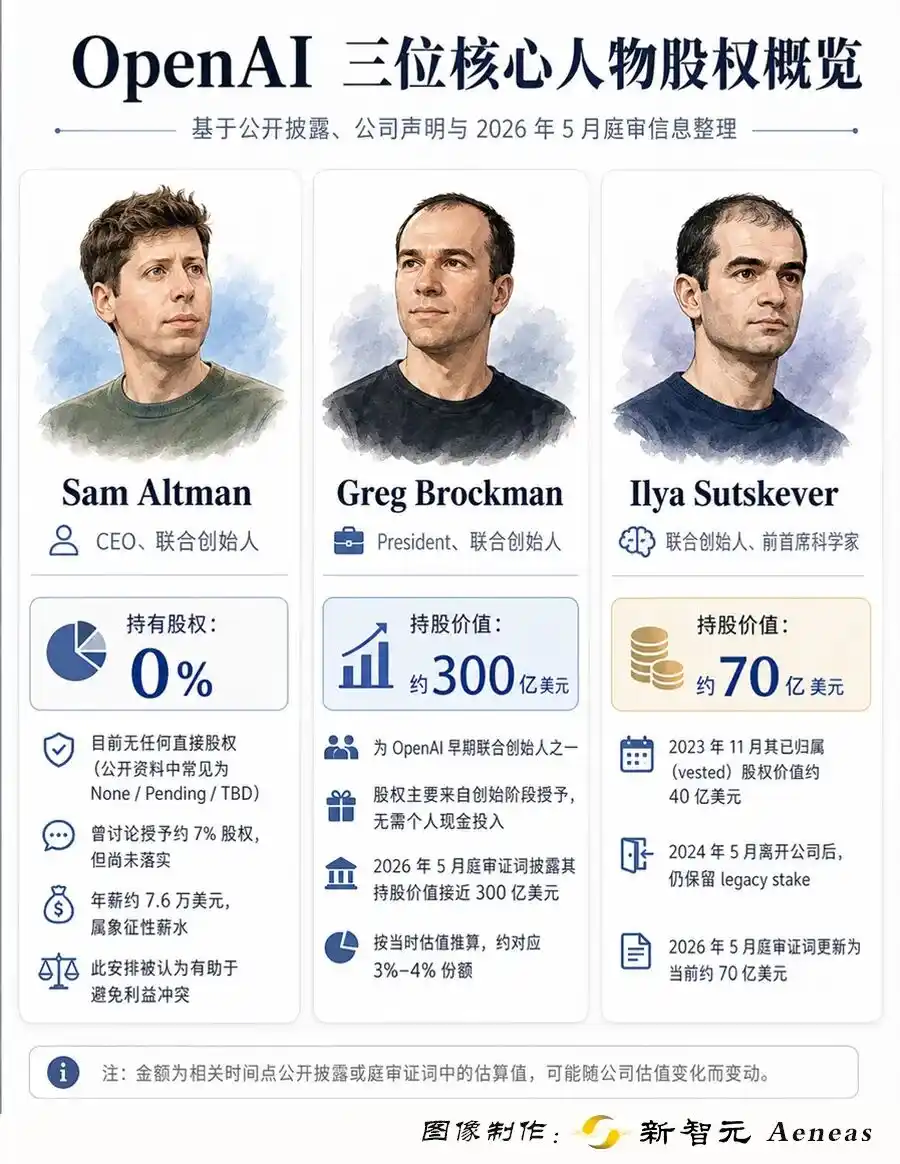
As a co-founder of OpenAI, Ilya had always been seen as a "pure scientist." But when the judge asked about the value of his shares, the number shocked the courtroom: $70 billion.
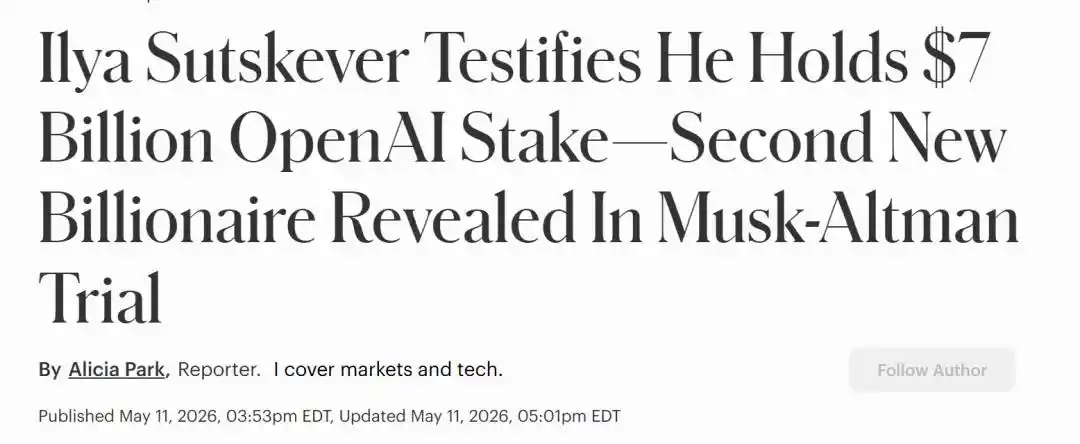
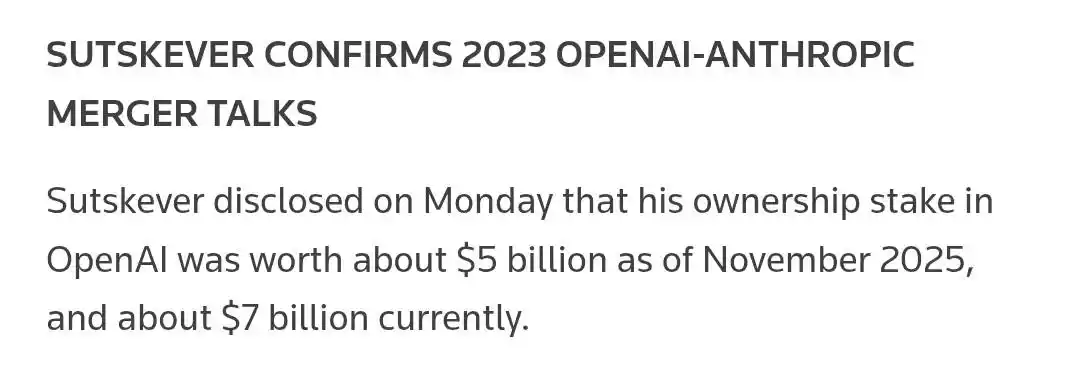
Just a week prior, OpenAI President Greg Brockman had admitted to holding shares worth $30 billion.

And Altman, whom Musk accused of being "blinded by greed," had a net worth of about $3.5 billion (mainly from his external investments).

A scene of irony unfolded: these former believers who championed "non-profit" had become the fastest-accumulating wealthy individuals in human history.
But Ilya displayed a near-tragic sense of contradiction in court.

He mentioned that back then, to join OpenAI, he rejected Google's renewal offer of $6 million per year—at the time, it seemed like "an astronomical figure" to him.

He explained why, on the weekend of the coup, he suddenly changed course and signed the petition calling for Altman's return.

"It was a 'Hail Mary,'" Ilya said in a low voice, "I saw the company was about to collapse, and Microsoft was ready to swallow us all."

At the time, the situation deteriorated faster than anyone expected. A large number of employees indicated they would leave with Altman. The company faced dissolution.

Ilya later expressed regret—not for gathering evidence or voting for removal, but for "participating in the board's action." He criticized his board colleagues for lacking experience, accepting "not very good legal advice," and acting too hastily.

On Monday in court, when he said these words, the entire gallery fell silent.

"I have a strong sense of belonging to OpenAI. I feel like I've poured my life into it. I just care about it. I don't want it to be destroyed."
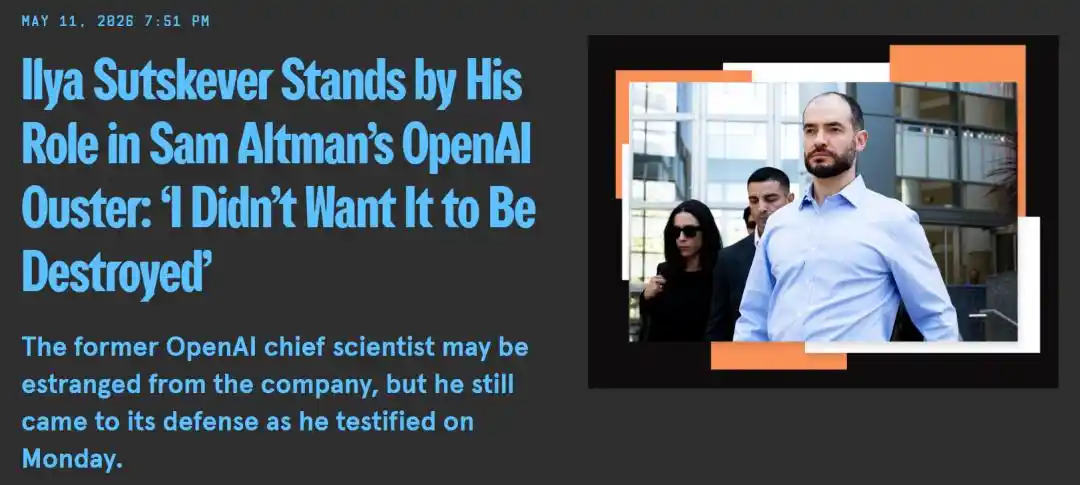
The OpenAI Mafia Panorama

Furthermore, this trial incidentally unveiled a panoramic view of the "OpenAI Mafia."

In May 2024, he left OpenAI and founded Safe Superintelligence. By April 2026, this company had raised $3 billion with a valuation of $32 billion.

Dario and Daniela Amodei left to found Anthropic, rumored to be racing towards a trillion-dollar valuation.

Mira Murati founded Thinking Machines Lab, which completed a $2 billion seed round last year at a $12 billion valuation, with two-thirds of the team being OpenAI alumni.

Aravind Srinivas founded Perplexity, valued at $20 billion. Liam Fedus founded Periodic Labs, valued at $7 billion.

It's intriguing that while their reasons for leaving varied, almost every one was related to Altman's leadership style.
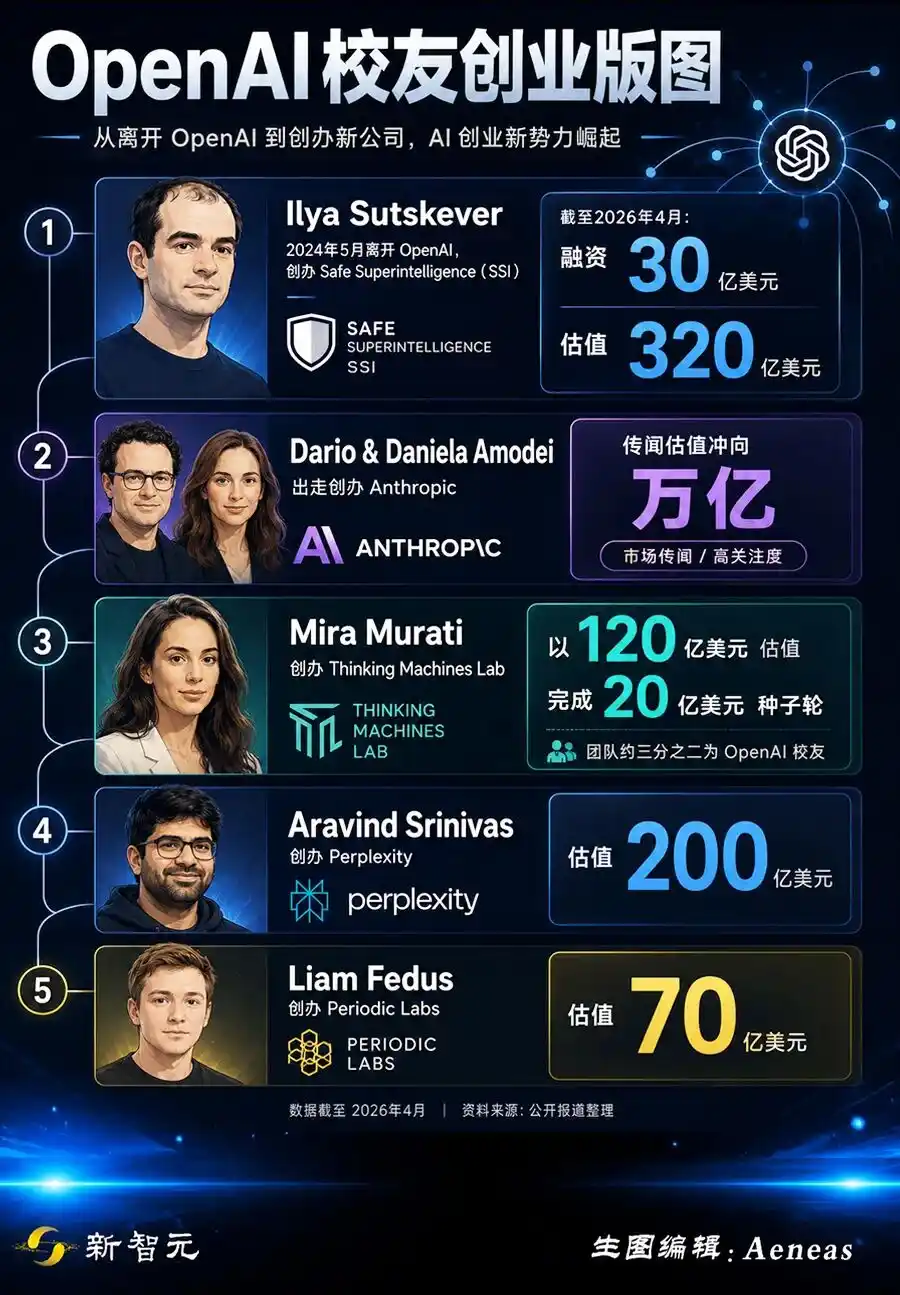
The Almost-Happened Anthropic Merger

Ilya's testimony wasn't just about Altman.

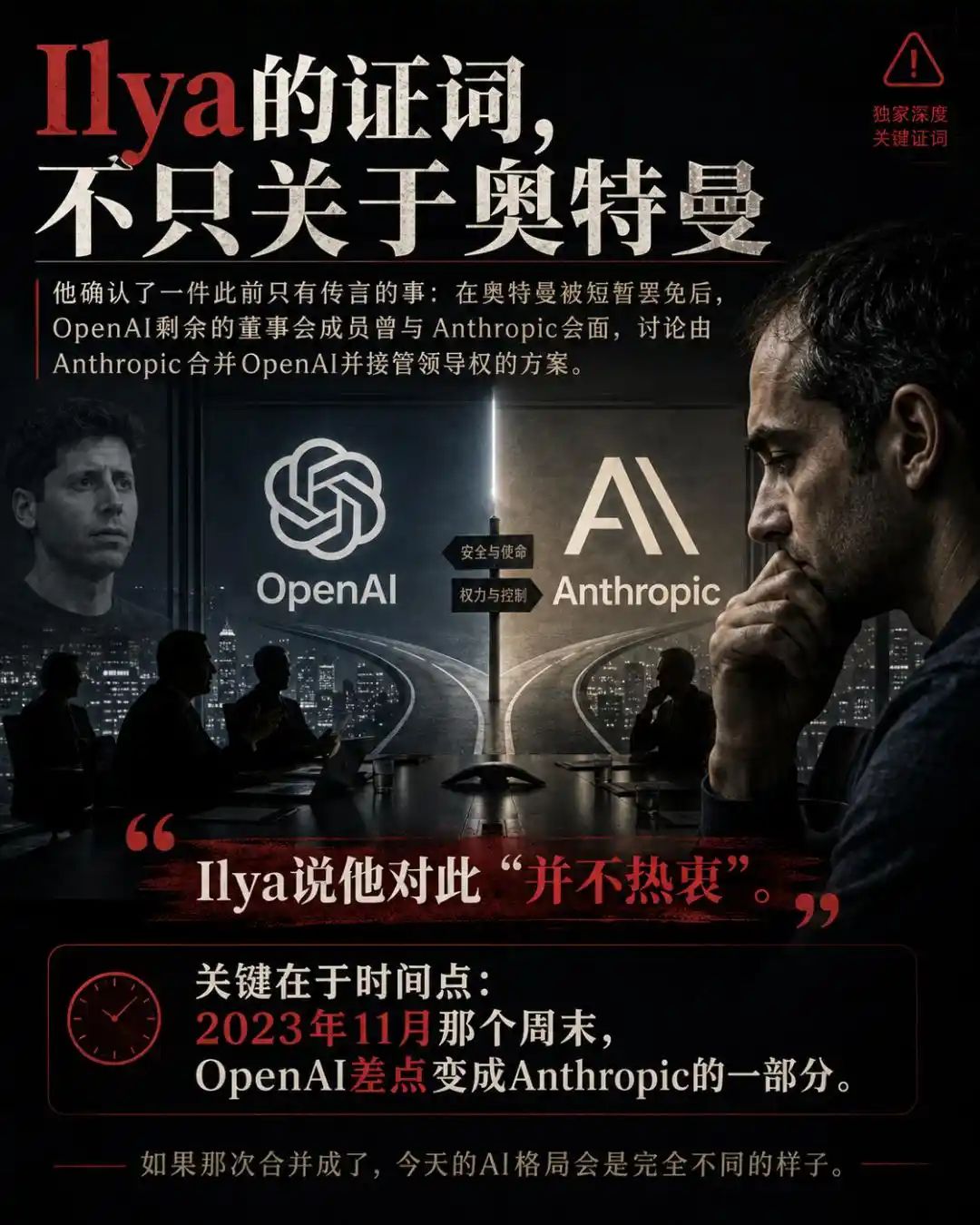
He confirmed something previously only rumored: after Altman's brief ousting, the remaining OpenAI board members met with Anthropic to discuss a plan for Anthropic to merge with and take over leadership of OpenAI.
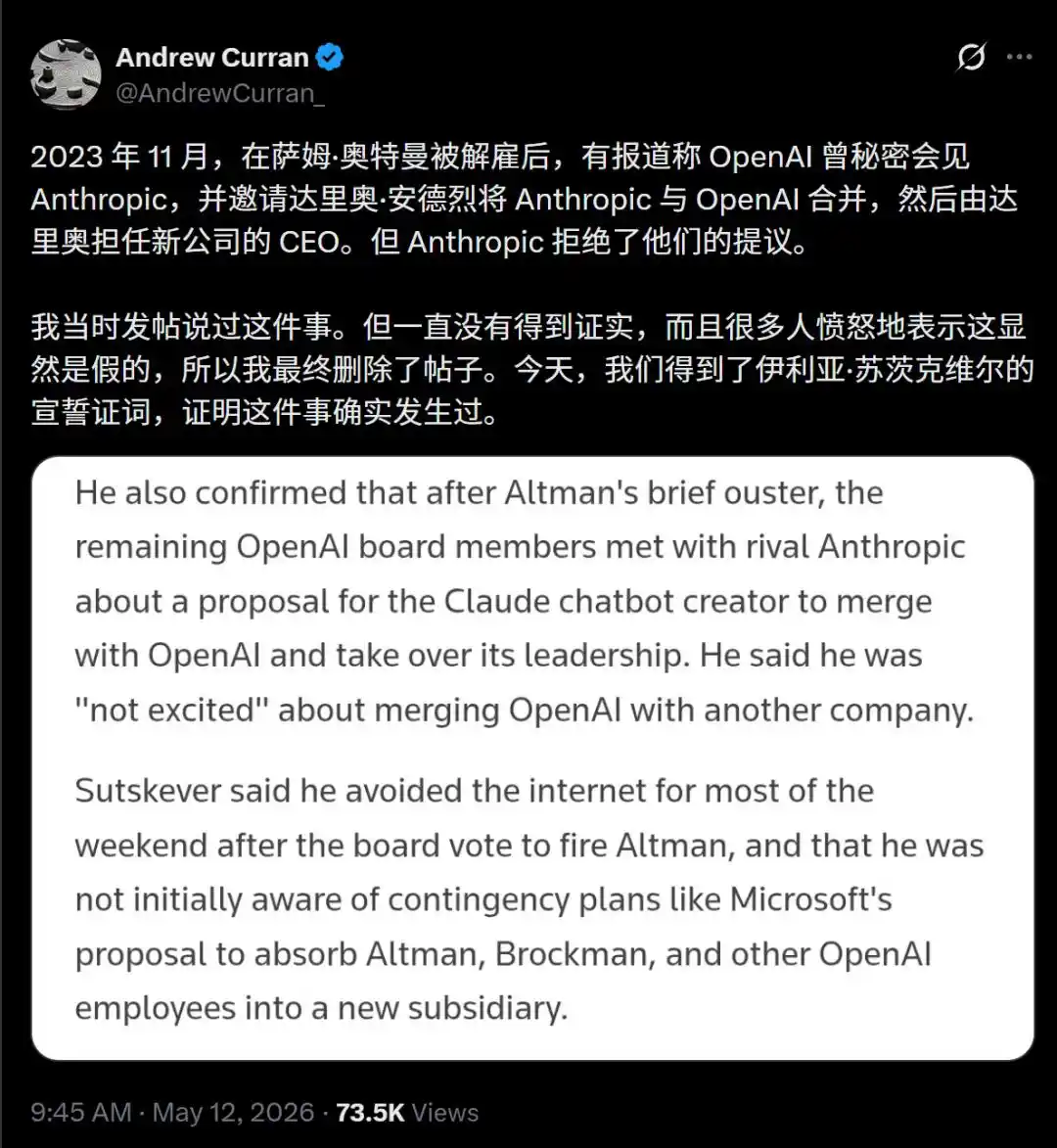
Ilya said he was "not enthusiastic" about it.

The damaging nature of this detail lies in the timing—that weekend in November 2023, OpenAI almost became part of Anthropic.

If that merger had happened, today's AI landscape would be completely different.
Microsoft's Shadow: Nadella's 'Power Grab' Ambition

If Ilya exposed internal rot, then Microsoft CEO Satya Nadella, who took the stand next, demonstrated the cold logic of capital.

Nadella described the ousting incident at the time as "amateur city," saying he "never got a clear explanation."

But court documents revealed another side of Nadella himself.
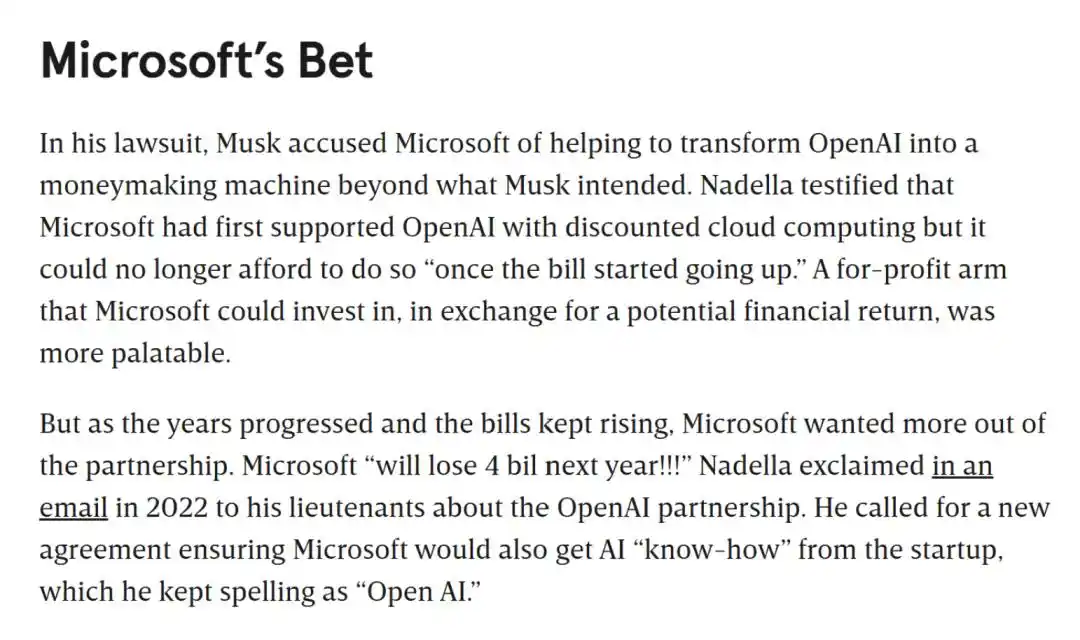
A 2022 email made public in court showed Nadella furiously raging to a subordinate: "If we're putting this much money in and have no control, it makes no sense at all!"

Under questioning by Musk's lawyer, Nadella admitted that when the 2023 coup occurred, Microsoft had already prepared a 14-person "takeover board list" and exercised de facto "veto power" over new OpenAI board members.

Even more explosive, Nadella had texted Altman repeatedly in early 2023 urging him: "Launch the paid subscription version of ChatGPT as soon as possible. The sooner, the better."

Two weeks later, he was inquiring about subscriber numbers.

This directly confirmed Musk's accusation: OpenAI was no longer a research lab, but Microsoft's 'IT department' and monetization machine.

And this, precisely this, was at the core of Musk's accusation—that OpenAI had deviated from its non-profit mission.

Musk's Fury: A Dream 'Exploited'?

Sitting in the audience, Musk perhaps wore a complex smile.

The core of this trial is: Did Altman use false promises of "non-profit" to deceive Musk into providing early investment and brand endorsement, then turn around and sell the results to Microsoft?

While Ilya's testimony didn't fully side with Musk (he denied ever promising Musk that OpenAI would never seek profit), his denunciation of Altman's character undoubtedly provided the strongest ammunition for Musk's lawsuit.
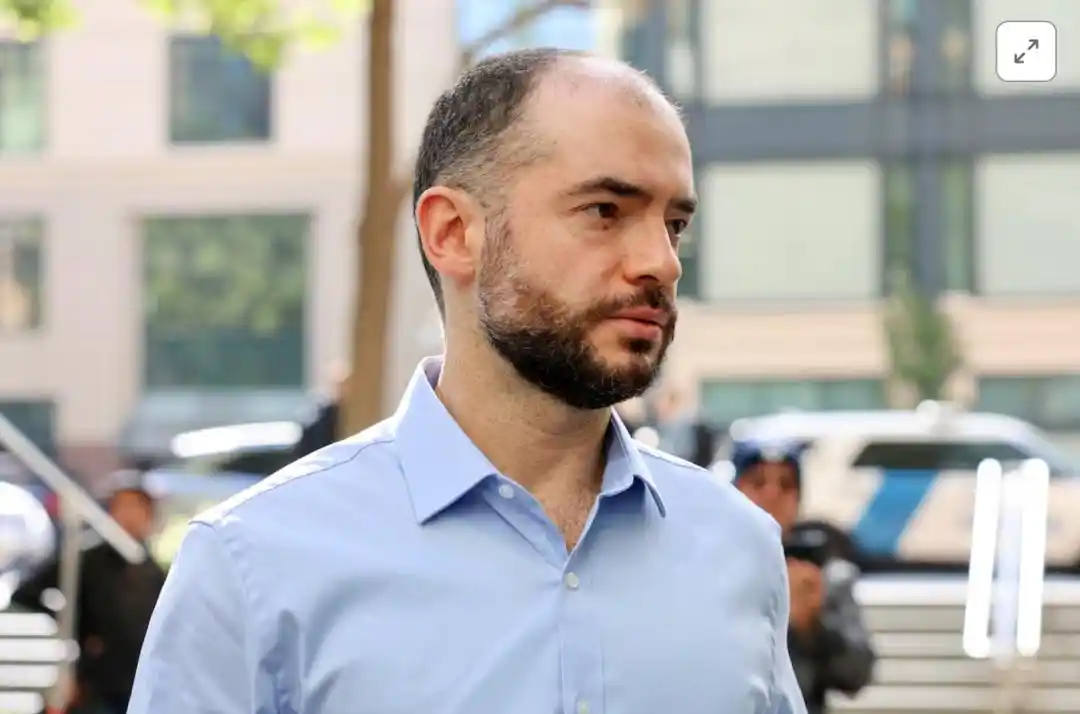
Ilya mentioned that he also opposed Musk's proposal to merge OpenAI into Tesla back then, considering Musk too "aggressive."

Musk's core accusation is: Altman and Brockman violated the promise that OpenAI would remain forever non-profit, turning instead to pursue profit.

Ilya's testimony on this issue actually favored OpenAI.

He said he "never promised Musk that OpenAI would remain non-profit."

He said something that will likely be repeatedly quoted: "OpenAI's mission is greater than its non-profit or for-profit structure."

At this point in the lawsuit, there are no absolute heroes left. It's more like a group of geniuses, on their path to godhood, engaged in the dirtiest brawl over interests, power, and the right to define humanity's future.

Approaching the Endgame: OpenAI or OpenMoney?

The trial continues.

Altman himself will take the stand this Tuesday.

The current situation is extremely dangerous for OpenAI.

If the judge ultimately rules that OpenAI violated its original non-profit charter, its for-profit entity valued at $850 billion could face structural reorganization.

Ilya sat in the witness stand for about an hour. According to a Wired reporter's observation, he made almost no eye contact with anyone throughout.

This man was once the soul of OpenAI, the leader who chanted "Feel the AGI" with employees at company gatherings.

Now, wearing a shirt without a suit jacket, he looked lonely and weary. In court, he said: "I've poured my life into OpenAI, I don't want it to be destroyed."

But the reality is, that pure OpenAI he deeply loved perhaps died the moment the first page of that 52-page evidence was written.

This trial is not about the success or failure of a company, but the core contradiction in Silicon Valley today: when technology granting god-like power (AGI) collides with ultimate human greed, can we still hold onto the last vestiges of integrity?

Next Thursday, the judge will deliver closing arguments.

And humanity's right to define the future of AI may be quietly rewritten within these few pages of testimony.

References:

https://www.reuters.com/business/former-openai-executive-sutskever-discloses-nearly-7-billion-stake-ai-firm-2026-05-11/

https://www.forbes.com/sites/aliciapark/2026/05/11/Ilya-sutskever-testifies-he-holds-7-billion-openai-stake-second-new-billionaire-revealed-in-musk-altman-trial/

https://www.wired.com/story/Ilya-sutskever-testifies-musk-v-altman-trial/

This article is from the WeChat public account "New Zhiyuan," author: New Zhiyuan, editor: Aeneas

Domande pertinenti

QWhat is the core accusation Ilya Sutskever makes against Sam Altman during the trial?

AIlya Sutskever testified that Sam Altman habitually lied, manipulated and sowed discord among executives, and created an environment where senior managers could not obtain accurate information, actions which were detrimental to developing safe AGI.

QWhat was the stated value of Ilya Sutskever's OpenAI stake revealed in court?

AThe value of Ilya Sutskever's stake in OpenAI was revealed to be 7 billion US dollars.

QWhat reason did Ilya Sutskever give for signing the letter asking for Sam Altman's return during the November 2023 'coup'?

AIlya Sutskever stated his decision to sign the letter was a 'Hail Mary' (a desperate measure) because he saw the company was on the verge of collapse, with Microsoft poised to absorb everyone, and he did not want OpenAI to be destroyed.

QWhat major alternative to OpenAI's leadership was discussed after Sam Altman's brief ouster in November 2023, according to Ilya's testimony?

AAccording to Ilya Sutskever's testimony, after Sam Altman's ouster, the remaining OpenAI board members met with Anthropic to discuss a potential merger where Anthropic would take over the leadership of OpenAI.

QWhat does the trial fundamentally question about OpenAI, based on Elon Musk's lawsuit?

ABased on Elon Musk's lawsuit, the trial fundamentally questions whether OpenAI violated its original non-profit charter and mission by pursuing profits and becoming a de facto 'IT department' for its major investor, Microsoft.

Letture associate

Wall Street's 'Compliance Hunt': The Great Stablecoin Reserve Migration

In a concentrated move over the past week, several Wall Street giants have advanced their tokenized money market fund initiatives, signaling a strategic shift driven by impending U.S. stablecoin regulations. JPMorgan Chase launched its second such fund, JLTXX, on Ethereum, explicitly targeting future stablecoin issuer reserve needs. Concurrently, Franklin Templeton partnered with Kraken to integrate its BENJI tokenized funds onto the exchange platform for use as collateral and cash management tools. BlackRock further solidified its position by filing for two new tokenized funds with the SEC, aiming to convert its massive traditional stablecoin custody business into a tokenized model. These parallel developments represent a multi-pronged institutional "compliance hunt" to capture future crypto liquidity. BlackRock and JPMorgan are focusing on the backend, preparing to serve as the core reserve and settlement infrastructure for compliant stablecoins as outlined by the GENIUS Act. This act defines strict "qualified reserve asset" requirements for stablecoin backing while prohibiting interest payments to holders. Franklin Templeton and Kraken, however, are exploiting a potential regulatory gap. By offering a tokenized fund (BENJI) that is not a stablecoin, they aim to provide yield-bearing, collateralizable digital cash instruments, circumventing GENIUS Act's ban on stablecoin yield. The impending CLARITY Act, which will delineate digital asset market structure, is seen as a complementary piece to GENIUS. Its treatment of passive income could solidify the niche for instruments like BENJI. With conservative market size estimates for tokenized money market funds reaching hundreds of billions by 2030, Wall Street institutions are positioning themselves early, using on-chain settlement as a key competitive differentiator to offer superior liquidity and composability for the next generation of dollar reserves.

marsbit44 min fa

Wall Street's 'Compliance Hunt': The Great Stablecoin Reserve Migration

marsbit44 min fa

Altman Drops Bombshell While Musk is Away: He Once Wanted His Children to Inherit OpenAI

In a California court, Sam Altman testified for the first time in the ongoing legal battle between Elon Musk and OpenAI. Altman made a striking claim: Musk once suggested that control of OpenAI could one day be passed down to his children. This statement reframes the long-standing conflict not as a simple governance dispute but as a foundational power struggle. Altman sought to counter the narrative that OpenAI betrayed its original non-profit, idealistic mission. He argued that from the beginning, it was Musk who sought increasing control over the organization, including a larger equity stake and ultimate decision-making authority. Altman opposed this, citing OpenAI's core principle that AGI should not be controlled by any single individual. He also addressed the key point of contention about OpenAI's shift to a for-profit structure, claiming Musk was aware of and initially supportive of exploring such a model to secure the massive funding needed for advanced AI research. Altman framed the change as a practical necessity, not a betrayal. Further testimony revealed internal concerns after Musk left OpenAI's board, with worries he might take retaliatory action. Altman critiqued Musk's management style as unsuitable for a research lab, damaging morale and culture. Throughout his testimony, Altman's focus appeared to shift from technological idealism to the realities of organizational governance and resource requirements. Regarding his brief ouster in 2023, Altman stated he seriously considered joining Microsoft but ultimately returned because OpenAI was too important to abandon.

marsbit1 h fa

Altman Drops Bombshell While Musk is Away: He Once Wanted His Children to Inherit OpenAI

marsbit1 h fa

Trading

Spot
Futures

Articoli Popolari

Cosa è $S$

Comprendere SPERO: Una Panoramica Completa Introduzione a SPERO Mentre il panorama dell'innovazione continua a evolversi, l'emergere delle tecnologie web3 e dei progetti di criptovaluta gioca un ruolo fondamentale nel plasmare il futuro digitale. Un progetto che ha attirato l'attenzione in questo campo dinamico è SPERO, denotato come SPERO,$$s$. Questo articolo mira a raccogliere e presentare informazioni dettagliate su SPERO, per aiutare gli appassionati e gli investitori a comprendere le sue basi, obiettivi e innovazioni nei domini web3 e crypto. Che cos'è SPERO,$$s$? SPERO,$$s$ è un progetto unico all'interno dello spazio crypto che cerca di sfruttare i principi della decentralizzazione e della tecnologia blockchain per creare un ecosistema che promuove l'impegno, l'utilità e l'inclusione finanziaria. Il progetto è progettato per facilitare interazioni peer-to-peer in modi nuovi, fornendo agli utenti soluzioni e servizi finanziari innovativi. Al suo interno, SPERO,$$s$ mira a responsabilizzare gli individui fornendo strumenti e piattaforme che migliorano l'esperienza dell'utente nello spazio delle criptovalute. Questo include la possibilità di metodi di transazione più flessibili, la promozione di iniziative guidate dalla comunità e la creazione di percorsi per opportunità finanziarie attraverso applicazioni decentralizzate (dApps). La visione sottostante di SPERO,$$s$ ruota attorno all'inclusività, cercando di colmare le lacune all'interno della finanza tradizionale mentre sfrutta i vantaggi della tecnologia blockchain. Chi è il Creatore di SPERO,$$s$? L'identità del creatore di SPERO,$$s$ rimane piuttosto oscura, poiché ci sono risorse pubblicamente disponibili limitate che forniscono informazioni dettagliate sul suo fondatore o fondatori. Questa mancanza di trasparenza può derivare dall'impegno del progetto per la decentralizzazione—un ethos che molti progetti web3 condividono, dando priorità ai contributi collettivi rispetto al riconoscimento individuale. Centrando le discussioni attorno alla comunità e ai suoi obiettivi collettivi, SPERO,$$s$ incarna l'essenza dell'empowerment senza mettere in evidenza individui specifici. Pertanto, comprendere l'etica e la missione di SPERO rimane più importante che identificare un creatore singolo. Chi sono gli Investitori di SPERO,$$s$? SPERO,$$s$ è supportato da una varietà di investitori che vanno dai capitalisti di rischio agli investitori angelici dedicati a promuovere l'innovazione nel settore crypto. Il focus di questi investitori generalmente si allinea con la missione di SPERO—dando priorità a progetti che promettono avanzamenti tecnologici sociali, inclusività finanziaria e governance decentralizzata. Queste fondazioni di investitori sono tipicamente interessate a progetti che non solo offrono prodotti innovativi, ma contribuiscono anche positivamente alla comunità blockchain e ai suoi ecosistemi. Il supporto di questi investitori rafforza SPERO,$$s$ come un concorrente degno di nota nel dominio in rapida evoluzione dei progetti crypto. Come Funziona SPERO,$$s$? SPERO,$$s$ impiega un framework multifunzionale che lo distingue dai progetti di criptovaluta convenzionali. Ecco alcune delle caratteristiche chiave che sottolineano la sua unicità e innovazione: Governance Decentralizzata: SPERO,$$s$ integra modelli di governance decentralizzati, responsabilizzando gli utenti a partecipare attivamente ai processi decisionali riguardanti il futuro del progetto. Questo approccio favorisce un senso di proprietà e responsabilità tra i membri della comunità. Utilità del Token: SPERO,$$s$ utilizza il proprio token di criptovaluta, progettato per servire varie funzioni all'interno dell'ecosistema. Questi token abilitano transazioni, premi e la facilitazione dei servizi offerti sulla piattaforma, migliorando l'impegno e l'utilità complessivi. Architettura Stratificata: L'architettura tecnica di SPERO,$$s$ supporta la modularità e la scalabilità, consentendo un'integrazione fluida di funzionalità e applicazioni aggiuntive man mano che il progetto evolve. Questa adattabilità è fondamentale per mantenere la rilevanza nel panorama crypto in continua evoluzione. Coinvolgimento della Comunità: Il progetto enfatizza iniziative guidate dalla comunità, impiegando meccanismi che incentivano la collaborazione e il feedback. Nutrendo una comunità forte, SPERO,$$s$ può affrontare meglio le esigenze degli utenti e adattarsi alle tendenze di mercato. Focus sull'Inclusione: Offrendo basse commissioni di transazione e interfacce user-friendly, SPERO,$$s$ mira ad attrarre una base utenti diversificata, inclusi individui che potrebbero non aver precedentemente interagito nello spazio crypto. Questo impegno per l'inclusione si allinea con la sua missione generale di empowerment attraverso l'accessibilità. Cronologia di SPERO,$$s$ Comprendere la storia di un progetto fornisce preziose intuizioni sulla sua traiettoria di sviluppo e sui traguardi. Di seguito è riportata una cronologia suggerita che mappa eventi significativi nell'evoluzione di SPERO,$$s$: Fase di Concettualizzazione e Ideazione: Le idee iniziali che formano la base di SPERO,$$s$ sono state concepite, allineandosi strettamente con i principi di decentralizzazione e focus sulla comunità all'interno dell'industria blockchain. Lancio del Whitepaper del Progetto: Dopo la fase concettuale, è stato rilasciato un whitepaper completo che dettaglia la visione, gli obiettivi e l'infrastruttura tecnologica di SPERO,$$s$ per suscitare interesse e feedback dalla comunità. Costruzione della Comunità e Prime Interazioni: Sono stati effettuati sforzi attivi di outreach per costruire una comunità di early adopters e potenziali investitori, facilitando discussioni attorno agli obiettivi del progetto e ottenendo supporto. Evento di Generazione del Token: SPERO,$$s$ ha condotto un evento di generazione del token (TGE) per distribuire i propri token nativi ai primi sostenitori e stabilire una liquidità iniziale all'interno dell'ecosistema. Lancio della Prima dApp: La prima applicazione decentralizzata (dApp) associata a SPERO,$$s$ è stata attivata, consentendo agli utenti di interagire con le funzionalità principali della piattaforma. Sviluppo Continuo e Partnership: Aggiornamenti e miglioramenti continui alle offerte del progetto, inclusi partnership strategiche con altri attori nello spazio blockchain, hanno plasmato SPERO,$$s$ in un concorrente competitivo e in evoluzione nel mercato crypto. Conclusione SPERO,$$s$ rappresenta una testimonianza del potenziale del web3 e delle criptovalute di rivoluzionare i sistemi finanziari e responsabilizzare gli individui. Con un impegno per la governance decentralizzata, il coinvolgimento della comunità e funzionalità progettate in modo innovativo, apre la strada verso un panorama finanziario più inclusivo. Come per qualsiasi investimento nello spazio crypto in rapida evoluzione, si incoraggiano potenziali investitori e utenti a ricercare approfonditamente e a impegnarsi in modo riflessivo con gli sviluppi in corso all'interno di SPERO,$$s$. Il progetto mostra lo spirito innovativo dell'industria crypto, invitando a ulteriori esplorazioni delle sue innumerevoli possibilità. Mentre il percorso di SPERO,$$s$ è ancora in fase di sviluppo, i suoi principi fondamentali potrebbero effettivamente influenzare il futuro di come interagiamo con la tecnologia, la finanza e tra di noi in ecosistemi digitali interconnessi.

75 Totale visualizzazioniPubblicato il 2024.12.17Aggiornato il 2024.12.17

Cosa è $S$

Cosa è AGENT S

Agent S: Il Futuro dell'Interazione Autonoma in Web3 Introduzione Nel panorama in continua evoluzione di Web3 e criptovalute, le innovazioni stanno costantemente ridefinendo il modo in cui gli individui interagiscono con le piattaforme digitali. Uno di questi progetti pionieristici, Agent S, promette di rivoluzionare l'interazione uomo-computer attraverso il suo framework agentico aperto. Aprendo la strada a interazioni autonome, Agent S mira a semplificare compiti complessi, offrendo applicazioni trasformative nell'intelligenza artificiale (AI). Questa esplorazione dettagliata approfondirà le complessità del progetto, le sue caratteristiche uniche e le implicazioni per il dominio delle criptovalute. Cos'è Agent S? Agent S si presenta come un innovativo framework agentico aperto, progettato specificamente per affrontare tre sfide fondamentali nell'automazione dei compiti informatici: Acquisizione di Conoscenze Specifiche del Dominio: Il framework apprende in modo intelligente da varie fonti di conoscenza esterne ed esperienze interne. Questo approccio duale gli consente di costruire un ricco repository di conoscenze specifiche del dominio, migliorando le sue prestazioni nell'esecuzione dei compiti. Pianificazione su Lungo Orizzonte di Compiti: Agent S impiega una pianificazione gerarchica potenziata dall'esperienza, un approccio strategico che facilita la suddivisione e l'esecuzione efficiente di compiti complessi. Questa caratteristica migliora significativamente la sua capacità di gestire più sottocompiti in modo efficiente ed efficace. Gestione di Interfacce Dinamiche e Non Uniformi: Il progetto introduce l'Interfaccia Agente-Computer (ACI), una soluzione innovativa che migliora l'interazione tra agenti e utenti. Utilizzando Modelli Linguistici Multimodali di Grandi Dimensioni (MLLM), Agent S può navigare e manipolare senza sforzo diverse interfacce grafiche utente. Attraverso queste caratteristiche pionieristiche, Agent S fornisce un framework robusto che affronta le complessità coinvolte nell'automazione dell'interazione umana con le macchine, preparando il terreno per innumerevoli applicazioni nell'AI e oltre. Chi è il Creatore di Agent S? Sebbene il concetto di Agent S sia fondamentalmente innovativo, informazioni specifiche sul suo creatore rimangono elusive. Il creatore è attualmente sconosciuto, il che evidenzia sia la fase embrionale del progetto sia la scelta strategica di mantenere i membri fondatori sotto anonimato. Indipendentemente dall'anonimato, l'attenzione rimane sulle capacità e sul potenziale del framework. Chi sono gli Investitori di Agent S? Poiché Agent S è relativamente nuovo nell'ecosistema crittografico, informazioni dettagliate riguardanti i suoi investitori e sostenitori finanziari non sono documentate esplicitamente. La mancanza di approfondimenti pubblicamente disponibili sulle fondazioni di investimento o sulle organizzazioni che supportano il progetto solleva interrogativi sulla sua struttura di finanziamento e sulla roadmap di sviluppo. Comprendere il supporto è cruciale per valutare la sostenibilità del progetto e il suo potenziale impatto sul mercato. Come Funziona Agent S? Al centro di Agent S si trova una tecnologia all'avanguardia che gli consente di funzionare efficacemente in contesti diversi. Il suo modello operativo è costruito attorno a diverse caratteristiche chiave: Interazione Uomo-Computer Simile a Quella Umana: Il framework offre una pianificazione AI avanzata, cercando di rendere le interazioni con i computer più intuitive. Mimando il comportamento umano nell'esecuzione dei compiti, promette di elevare le esperienze degli utenti. Memoria Narrativa: Utilizzata per sfruttare esperienze di alto livello, Agent S utilizza la memoria narrativa per tenere traccia delle storie dei compiti, migliorando così i suoi processi decisionali. Memoria Episodica: Questa caratteristica fornisce agli utenti una guida passo-passo, consentendo al framework di offrire supporto contestuale mentre i compiti si sviluppano. Supporto per OpenACI: Con la capacità di funzionare localmente, Agent S consente agli utenti di mantenere il controllo sulle proprie interazioni e flussi di lavoro, allineandosi con l'etica decentralizzata di Web3. Facile Integrazione con API Esterne: La sua versatilità e compatibilità con varie piattaforme AI garantiscono che Agent S possa adattarsi senza problemi agli ecosistemi tecnologici esistenti, rendendolo una scelta attraente per sviluppatori e organizzazioni. Queste funzionalità contribuiscono collettivamente alla posizione unica di Agent S all'interno dello spazio crittografico, poiché automatizza compiti complessi e multi-fase con un intervento umano minimo. Man mano che il progetto evolve, le sue potenziali applicazioni in Web3 potrebbero ridefinire il modo in cui si svolgono le interazioni digitali. Cronologia di Agent S Lo sviluppo e le tappe di Agent S possono essere riassunti in una cronologia che evidenzia i suoi eventi significativi: 27 Settembre 2024: Il concetto di Agent S è stato lanciato in un documento di ricerca completo intitolato “Un Framework Agentico Aperto che Usa i Computer Come un Umano”, mostrando le basi per il progetto. 10 Ottobre 2024: Il documento di ricerca è stato reso pubblicamente disponibile su arXiv, offrendo un'esplorazione approfondita del framework e della sua valutazione delle prestazioni basata sul benchmark OSWorld. 12 Ottobre 2024: È stata rilasciata una presentazione video, fornendo un'idea visiva delle capacità e delle caratteristiche di Agent S, coinvolgendo ulteriormente potenziali utenti e investitori. Questi indicatori nella cronologia non solo illustrano i progressi di Agent S, ma indicano anche il suo impegno per la trasparenza e il coinvolgimento della comunità. Punti Chiave su Agent S Man mano che il framework Agent S continua a evolversi, diversi attributi chiave si distinguono, sottolineando la sua natura innovativa e il potenziale: Framework Innovativo: Progettato per fornire un uso intuitivo dei computer simile all'interazione umana, Agent S porta un approccio nuovo all'automazione dei compiti. Interazione Autonoma: La capacità di interagire autonomamente con i computer attraverso GUI segna un passo avanti verso soluzioni informatiche più intelligenti ed efficienti. Automazione di Compiti Complessi: Con la sua metodologia robusta, può automatizzare compiti complessi e multi-fase, rendendo i processi più veloci e meno soggetti a errori. Miglioramento Continuo: I meccanismi di apprendimento consentono ad Agent S di migliorare dalle esperienze passate, migliorando continuamente le sue prestazioni e la sua efficacia. Versatilità: La sua adattabilità attraverso diversi ambienti operativi come OSWorld e WindowsAgentArena garantisce che possa servire un'ampia gamma di applicazioni. Man mano che Agent S si posiziona nel panorama di Web3 e delle criptovalute, il suo potenziale per migliorare le capacità di interazione e automatizzare i processi segna un significativo avanzamento nelle tecnologie AI. Attraverso il suo framework innovativo, Agent S esemplifica il futuro delle interazioni digitali, promettendo un'esperienza più fluida ed efficiente per gli utenti in vari settori. Conclusione Agent S rappresenta un audace passo avanti nell'unione tra AI e Web3, con la capacità di ridefinire il modo in cui interagiamo con la tecnologia. Sebbene sia ancora nelle sue fasi iniziali, le possibilità per la sua applicazione sono vaste e coinvolgenti. Attraverso il suo framework completo che affronta sfide critiche, Agent S mira a portare le interazioni autonome al centro dell'esperienza digitale. Man mano che ci addentriamo nei regni delle criptovalute e della decentralizzazione, progetti come Agent S giocheranno senza dubbio un ruolo cruciale nel plasmare il futuro della tecnologia e della collaborazione uomo-computer.

505 Totale visualizzazioniPubblicato il 2025.01.14Aggiornato il 2025.01.14

Cosa è AGENT S

Come comprare S

Benvenuto in HTX.com! Abbiamo reso l'acquisto di Sonic (S) semplice e conveniente. Segui la nostra guida passo passo per intraprendere il tuo viaggio nel mondo delle criptovalute.Step 1: Crea il tuo Account HTXUsa la tua email o numero di telefono per registrarti il tuo account gratuito su HTX. Vivi un'esperienza facile e sblocca tutte le funzionalità,Crea il mio accountStep 2: Vai in Acquista crypto e seleziona il tuo metodo di pagamentoCarta di credito/debito: utilizza la tua Visa o Mastercard per acquistare immediatamente SonicS.Bilancio: Usa i fondi dal bilancio del tuo account HTX per fare trading senza problemi.Terze parti: abbiamo aggiunto metodi di pagamento molto utilizzati come Google Pay e Apple Pay per maggiore comodità.P2P: Fai trading direttamente con altri utenti HTX.Over-the-Counter (OTC): Offriamo servizi su misura e tassi di cambio competitivi per i trader.Step 3: Conserva Sonic (S)Dopo aver acquistato Sonic (S), conserva nel tuo account HTX. In alternativa, puoi inviare tramite trasferimento blockchain o scambiare per altre criptovalute.Step 4: Scambia Sonic (S)Scambia facilmente Sonic (S) nel mercato spot di HTX. Accedi al tuo account, seleziona la tua coppia di trading, esegui le tue operazioni e monitora in tempo reale. Offriamo un'esperienza user-friendly sia per chi ha appena iniziato che per i trader più esperti.

920 Totale visualizzazioniPubblicato il 2025.01.15Aggiornato il 2025.03.21

Come comprare S

Discussioni

Benvenuto nella Community HTX. Qui puoi rimanere informato sugli ultimi sviluppi della piattaforma e accedere ad approfondimenti esperti sul mercato. Le opinioni degli utenti sul prezzo di S S sono presentate come di seguito.

活动图片