From OpenSea to OpenRouter: Is Alex Atallah Repeating His 'Exit at the Peak' Playbook?

链捕手Pubblicato 2026-07-24Pubblicato ultima volta 2026-07-24

Introduzione

From OpenSea to OpenRouter: Is Alex Atallah Repeating His "Exit at the Peak" Playbook? According to the Wall Street Journal, payments giant Stripe is in talks to acquire the AI model aggregation platform OpenRouter in a potential deal valuing the company near $100 billion. This would mark founder Alex Atallah's second creation of a company reaching a $100 billion valuation, following his co-founding of NFT marketplace OpenSea. OpenRouter, founded just over three years ago, has grown rapidly by acting as a unified gateway for developers to access over 400 AI models. It currently has about 10 million users and processes over 200 trillion tokens monthly. While the platform's annualized revenue is around $50 million, its valuation has skyrocketed from $1.3 billion in March 2026. The potential acquisition by Stripe, a company OpenRouter's founder once likened it to, represents a major expansion into AI infrastructure for the payments leader. This move echoes Atallah's previous timing with OpenSea, where he departed before the NFT market's significant downturn. For OpenRouter, selling now may be strategic. Despite its scale, its business model—charging a 5-5.5% fee on AI inference calls—faces pressure from competition, open-source models, and potential price wars among model providers, limiting its profitability narrative for an IPO. A key asset for potential acquirers like Stripe is OpenRouter's vast repository of real-world AI usage data, which offers unique insights into mod...

Author:Nancy,PANews

Over four years ago, Alex Atallah exited before the peak of the NFT bubble; now, he is in the spotlight again amid the AI boom and is preparing to sell his AI model aggregation platform OpenRouter at a high price.

On July 23, according to the Wall Street Journal, payment giant Stripe is in talks to acquire OpenRouter, with a potential transaction valuation nearing $10 billion. If the deal goes through, this would be another successful creation of a company worth tens of billions of dollars by Alex Atallah, following the NFT platform OpenSea.

Stripe Plans to Acquire OpenRouter, Valuation Could Reach $10 Billion

Rumors of OpenRouter's "sell-out" have been brewing for some time.

Last week, multiple foreign media outlets including The Information and Jawl reported that OpenRouter has received acquisition interest from several large technology companies and has initiated discussions regarding a sale, with a potential deal size reaching several billion dollars.
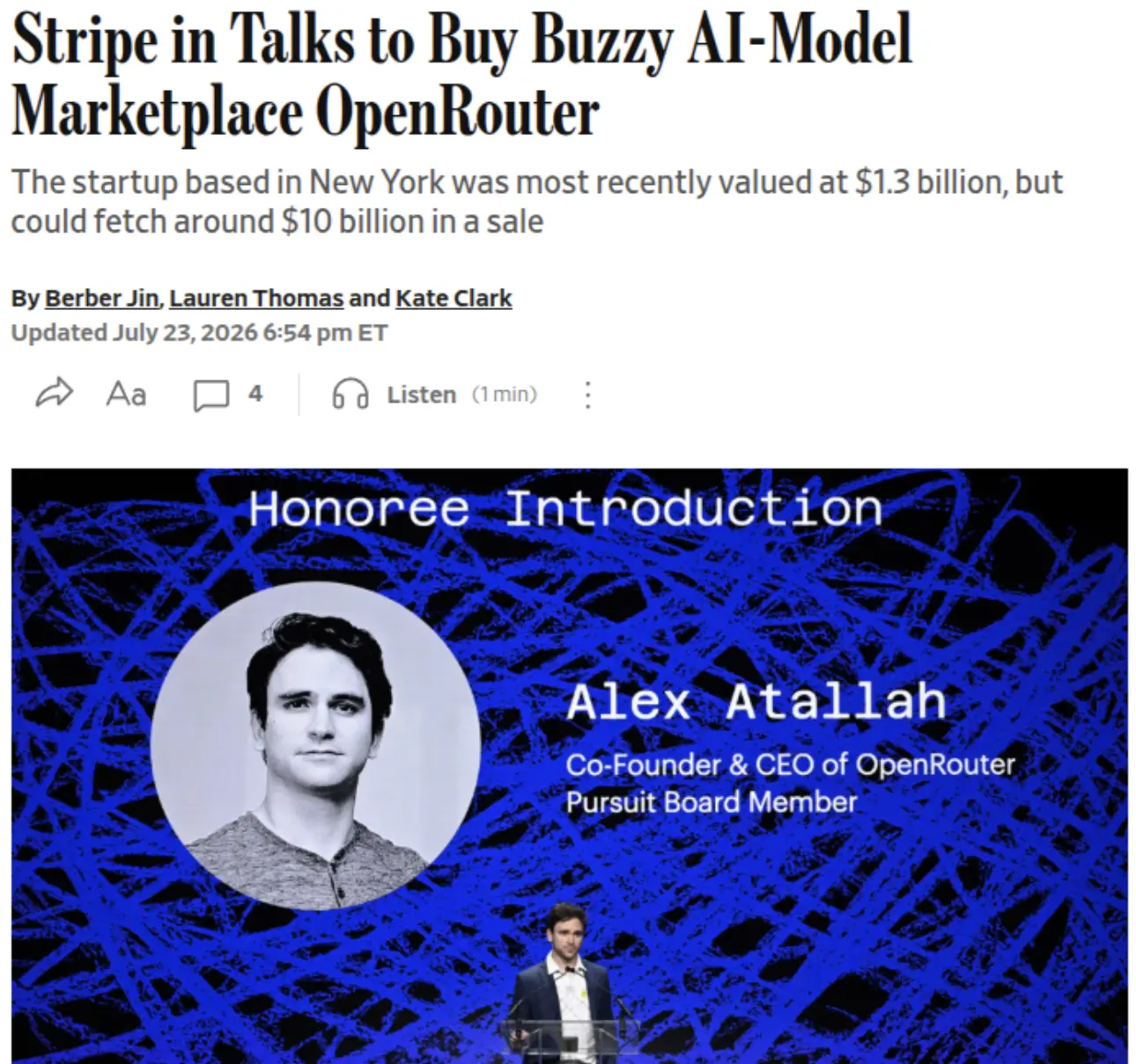
According to the latest report from the Wall Street Journal, Stripe is considering acquiring this global largest AI model aggregation platform. Informed sources reveal that transaction talks between the two parties may be announced soon, but uncertainties remain, and the possibility of negotiation breakdown or other potential buyers joining the bid cannot be ruled out.

Interestingly, Alex Atallah once described OpenRouter as "the Stripe of the AI field." In his view, just as Stripe helps clients handle various payments through a unified entry point, OpenRouter aims to become a unified entry point for enterprises to access different AI models, reducing the cost of switching between multiple AI suppliers while avoiding being "locked in" by a single model supplier.

In fact, OpenRouter and Stripe have already established a cooperative relationship. This potential transaction between the two parties is also seen as an important strategic move by the payment infrastructure giant to further extend into the AI infrastructure sector. It's worth noting that this could be another major acquisition move by Stripe, following recent market rumors of its plan to acquire PayPal.

Currently, neither party has disclosed specific transaction amounts. However, according to informed sources, if the deal is finalized, OpenRouter's valuation at the time of sale could be close to $10 billion.

This figure far exceeds OpenRouter's valuation during its previous financing rounds. In just over three years since its founding, this AI infrastructure company has achieved rapid growth driven by the wave of large models.
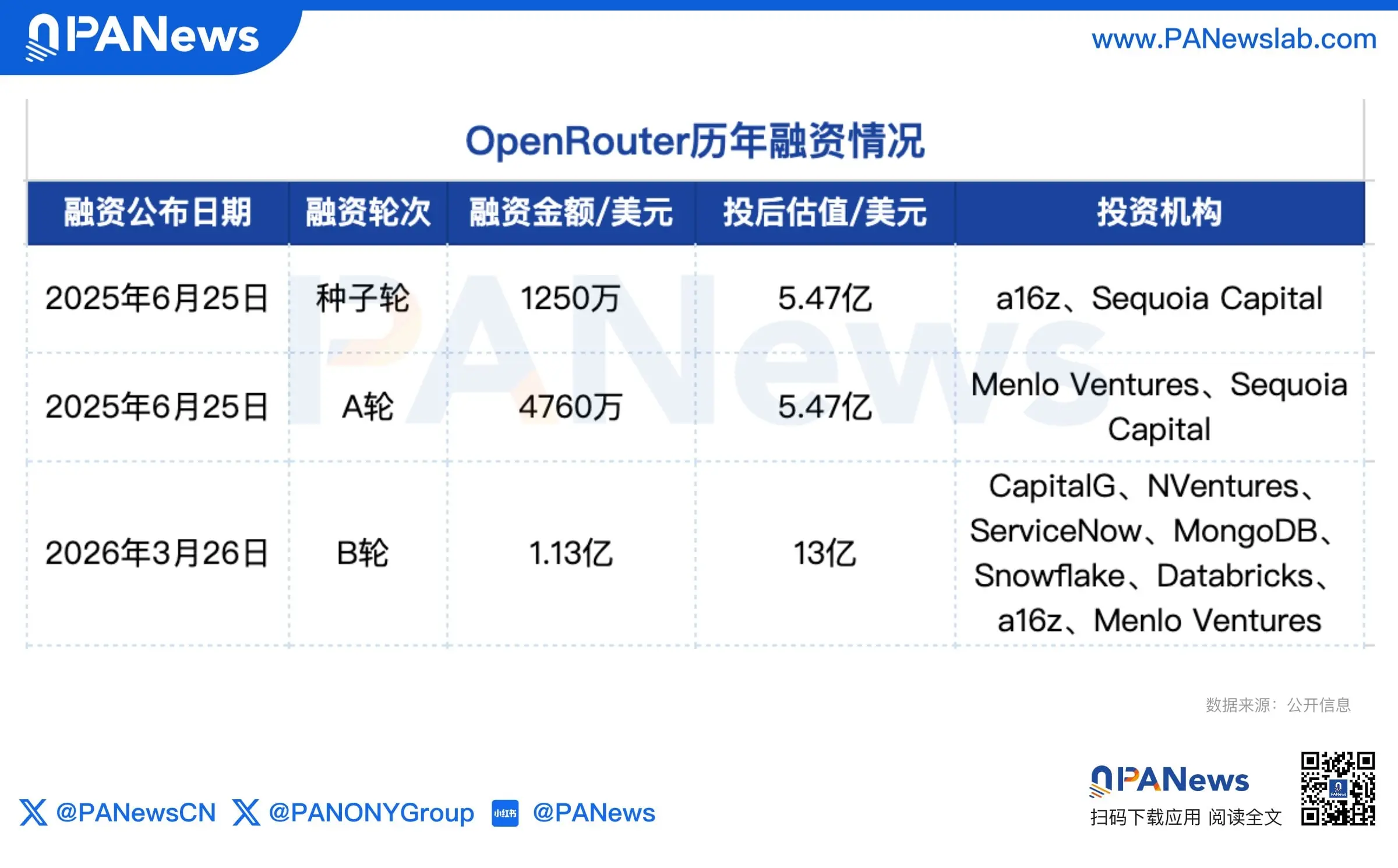
Public data shows that OpenRouter has completed three rounds of financing, raising over $150 million cumulatively. In June 2025, OpenRouter announced the completion of $40 million in seed and Series A funding, with a post-money valuation of approximately $547 million at the time; on March 26, 2026, OpenRouter announced the completion of a $113 million Series B funding round, with a post-money valuation of about $1.3 billion.

If this transaction materializes, it would mean OpenRouter's valuation could increase nearly tenfold within months, joining the ranks of decacorns (companies valued over $10 billion).

Behind OpenRouter's rising value lies not only the explosive demand brought about by the rapid expansion of large models but also increased attention from the capital market towards the AI infrastructure sector.

Repeating the OpenSea Exit Playbook? Why is OpenRouter Choosing to 'Sell Out'?

This is not the first time Alex Atallah has built a company worth tens of billions of dollars.

Prior to this, the serial entrepreneur co-founded OpenSea, bringing NFTs from a niche circle into the mainstream spotlight. During the peak of NFT frenzy, OpenSea grew from a little-known platform into the world's largest NFT marketplace, with its valuation once exceeding $13 billion, and the net worth of its two founders reaching approximately $2.2 billion each.

However, before the comprehensive downturn of the NFT market in 2022, Alex Atallah chose to leave OpenSea. Subsequently, as the industry bubble burst, OpenSea's valuation shrank significantly, and the former NFT leader gradually faded from its peak glory. Alex Atallah's early exit was also seen by the market as a significant signal of the peak.

Afterwards, Alex Atallah turned his focus to AI infrastructure, and the OpenRouter he founded became the largest transit hub in the AI era.
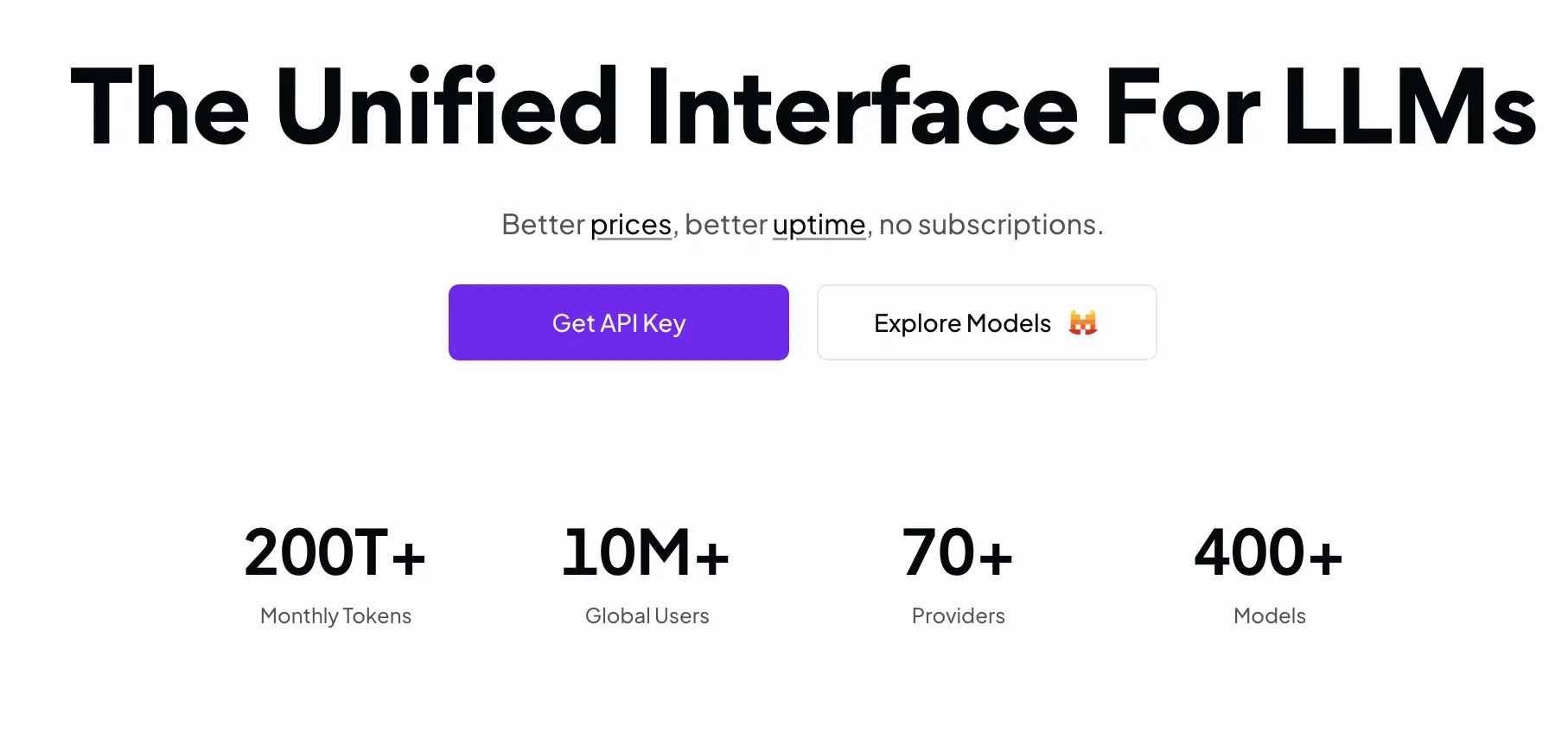
Currently, OpenRouter has integrated over 400 AI models, boasts approximately 10 million users, and processes over 200 trillion tokens per month. This year, the number of tokens processed through its API has increased roughly tenfold.

But it is worth noting that despite rapid business growth, OpenRouter has not chosen an IPO but is heading down the path of a potential sale. The reason lies in it being a large-scale but low-margin gateway business.

Currently, OpenRouter primarily profits by charging a platform service fee when developers call AI models, with a commission rate of about 5%-5.5%. Although its annualized AI inference consumption scale has reached several hundred million dollars, as of April 2026, the company's annualized revenue was approximately $50 million.

In other words, OpenRouter connects to a massive AI demand market but does not fully control the upstream value chain. As model capabilities gradually standardize, the platform is susceptible to factors such as the rise of open-source models, ecosystem lock-in by cloud providers, and direct price reductions by model suppliers, which could continuously pressure profit margins. OpenRouter finds it difficult to tell a story of exponential growth and ultra-high profits in the capital market.

Meanwhile, competition in the AI model aggregation track is intensifying. For example, Meta's internal AI incubator is developing a dispatch service similar to OpenRouter to reduce code development and compute costs; domestically in China, large model aggregation platforms have also emerged, including Cheetah Mobile's EasyRouter and NetEase Youdao's ThinkFlow.

Therefore, the high valuation currently given to OpenRouter by the market is more about pricing its future potential rather than its current profitability.

However, for potential buyers, the truly attractive asset of OpenRouter may not be its current revenue scale but rather the real AI usage data it has accumulated over the long term.

By connecting hundreds of models and tens of millions of users, OpenRouter has amassed a large amount of invocation data from real production environments, including performance differences of various models in actual tasks, developer preferences, price sensitivity, and substitution relationships between open-source and closed-source models. Compared to lab test data, this real-world AI usage data is closer to market demand and harder to replicate quickly through short-term investment. This is perhaps a key reason why large technology companies are willing to pay a high premium for OpenRouter.

From NFTs to AI, Alex Atallah has twice caught the wave of the times. If OpenRouter is ultimately sold at a $10 billion valuation, will it signify a repricing of AI infrastructure value or be another signal of a cyclical peak? The answer may still require time to verify.

Crypto di tendenza

Domande pertinenti

QWho is the founder of OpenRouter, and what other notable company did he co-found before?

AThe founder of OpenRouter is Alex Atallah. He previously co-founded the NFT marketplace OpenSea.

QWhat is the reported potential valuation of OpenRouter in the acquisition talks with Stripe?

AThe reported potential valuation of OpenRouter in the acquisition talks with Stripe is close to 100 billion US dollars.

QHow does OpenRouter generate its revenue according to the article?

AOpenRouter generates revenue primarily by charging a platform service fee, approximately 5%-5.5%, when developers use its API to call AI models.

QWhat are some competitive challenges OpenRouter faces in the AI model aggregation space?

AOpenRouter faces competitive challenges such as the rise of open-source models, potential bundling by cloud service providers, price reductions by model suppliers, and new entrants like Meta's internal AI incubator service and similar platforms in China.

QWhat unique asset of OpenRouter is highlighted as a key attraction for potential acquirers like Stripe?

AA key asset of OpenRouter is its extensive collection of real-world AI usage data, including performance differences of models in production tasks, developer preferences, and substitution relationships between open-source and closed-source models, which is difficult to replicate quickly.

Letture associate

The Verdict in Choi Tae-won's Divorce Case: Revealing the Inheritance Undercurrent Behind SK Hynix's Trillion-Won Empire

SK Group Chairman Chey Tae-won's high-profile divorce case, involving a record 1.38 trillion won settlement, has drawn attention to the succession plans for Korea's second-largest conglomerate, especially its crown jewel, SK hynix. Unlike traditional chaebol scripts centered on the eldest son, Chey's three children from his marriage to former President Roh Tae-woo's daughter, Roh Soh-yeong, are carving distinct, non-traditional paths. Eldest daughter Chey Yun-jung (b. 1989) is seen as the most evident successor. With a scientific and consulting background, she holds executive roles at SK bioscience and SK Inc.'s growth support department, focusing on future strategy and biopharma. Her marriage is to an AI infrastructure entrepreneur, not a traditional business alliance. Second daughter Chey Min-jung (b. 1991) took a unique route, voluntarily serving as a South Korean naval officer, including an anti-piracy deployment. She later worked on policy and strategy for SK hynix in Washington D.C. before co-founding an AI-driven healthcare startup. She married a former U.S. Marine Corps officer, connecting her to U.S. defense and policy circles—networks crucial for a global semiconductor giant. The only son, Chey In-geun (b. 1995), who studied physics like his father, worked briefly at SK E&S before joining McKinsey. Despite fitting the traditional "heir" profile as the eldest son, he remains silent and holds no public position or shares in SK, suggesting the old succession playbook is obsolete. As SK hynix's valuation soars, becoming a geopolitical asset in the AI era, the heirs' legitimacy is no longer automatic. They must prove themselves in fields like AI biotech, global policy, and strategic consulting. Their marriages also reflect new elite networks in tech and defense, not old political alliances. Their inheritance is the complex challenge of navigating a globalized, tech-driven world, not just a corporate throne.

marsbit7 h fa

The Verdict in Choi Tae-won's Divorce Case: Revealing the Inheritance Undercurrent Behind SK Hynix's Trillion-Won Empire

marsbit7 h fa

Trading

Spot

Articoli Popolari

Cosa è ₿O₿

Bitcoin Bob ($₿o₿): Pionieristico DeFi Centrato su Bitcoin Attraverso Innovazione Ibrida Layer-2 In un'era in cui l'economia digitale sta evolvendo rapidamente, Bitcoin Bob ($₿o₿) emerge come un progetto rivoluzionario volto a migliorare l'utilità di Bitcoin nel settore della finanza decentralizzata (DeFi). Lanciato ufficialmente a maggio 2024, Bitcoin Bob, noto anche come Build on Bitcoin (BOB), rappresenta una soluzione blockchain ibrida Layer-2 che fonde la rinomata sicurezza e immutabilità di Bitcoin con la programmabilità di Ethereum. Questa iniziativa cerca di colmare un'importante lacuna nell'ecosistema di Bitcoin facilitando l'integrazione di smart contract e applicazioni decentralizzate, mantenendo al contempo i principi fondamentali di fiducia e sicurezza insiti in Bitcoin. Con un sostegno significativo da parte di importanti investitori di venture capital, Bitcoin Bob è posizionato per ridefinire il ruolo di Bitcoin nel panorama DeFi, rendendolo una pietra miliare delle operazioni finanziarie decentralizzate a livello globale. Cos'è Bitcoin Bob, $₿o₿? Alla sua base, Bitcoin Bob è una soluzione blockchain ibrida progettata per migliorare la funzionalità di Bitcoin. L'obiettivo principale del progetto è abilitare la finanza decentralizzata su Bitcoin, facilitando transazioni rapide e senza soluzione di continuità, garantendo al contempo elevati livelli di sicurezza. Bitcoin Bob utilizza tecnologie avanzate, in particolare un'architettura ibrida layer-2 che combina le caratteristiche di sicurezza di Bitcoin con la programmabilità e la flessibilità della Ethereum Virtual Machine (EVM). Questo approccio pragmatico consente al progetto di operare efficacemente senza compromettere i valori fondamentali di Bitcoin, rappresentando un passo monumentale nel colmare il divario tra i tradizionali detentori di Bitcoin e l'emergente ecosistema DeFi. Una delle caratteristiche distintive di Bitcoin Bob è il suo ruolo nel fornire un ambiente a fiducia minimizzata attraverso meccanismi innovativi, come gli optimistic rollups inizialmente basati su Ethereum, che si evolveranno infine verso un'integrazione completa con Bitcoin. Questo sistema ibrido è progettato per garantire che la vasta liquidità presente in Bitcoin non solo venga preservata, ma anche utilizzata efficacemente in vari protocolli DeFi. Chi è il Creatore di Bitcoin Bob, $₿o₿? La forza creativa dietro Bitcoin Bob è il co-fondatore e CEO Alexei Zamyatin, che porta con sé una vasta esperienza e conoscenza dal suo ampio background nel settore delle criptovalute. Zamyatin ha conseguito un dottorato in Informatica ed è stato attivamente coinvolto nello sviluppo di Bitcoin dal 2015. La sua profonda comprensione degli ecosistemi di Bitcoin ed Ethereum gioca un ruolo cruciale nel plasmare la visione e le basi tecnologiche di Bitcoin Bob. Insieme a Zamyatin c'è il co-fondatore Dominik Harz, che ricopre il ruolo di Chief Technology Officer (CTO). Insieme, i due hanno coltivato un team di talenti con una passione condivisa per spingere i confini della tecnologia blockchain, assicurando la posizione innovativa di Bitcoin Bob nel mercato. Chi Sono gli Investitori di Bitcoin Bob, $₿o₿? Bitcoin Bob ha ottenuto con successo il supporto di una serie di importanti investitori e società di venture capital che riconoscono il suo potenziale di trasformare il panorama di Bitcoin. A marzo 2024, il progetto ha completato un robusto round di finanziamento seed da 10 milioni di dollari, guidato da Castle Island Ventures, con una partecipazione notevole da parte di aziende come Coinbase Ventures e Bankless Ventures. Poco dopo, a luglio 2024, Bitcoin Bob ha ottenuto un ulteriore finanziamento strategico di 1,6 milioni di dollari. Questo round è stato co-guidato da Ledger Ventures e ha visto la partecipazione di angel investor provenienti da varie aziende di spicco come BlackRock, Aave e Curve. Il forte sostegno finanziario riflette un riconoscimento a livello di settore dell'approccio innovativo di Bitcoin Bob per sbloccare il potenziale di Bitcoin nello spazio DeFi. Questo finanziamento è cruciale non solo per lo sviluppo continuo del progetto, ma anche per stabilire un incubatore per promuovere applicazioni decentralizzate (dApps) native di Bitcoin, mirate specificamente a soddisfare le esigenze di una base utenti in crescita. Come Funziona Bitcoin Bob, $₿o₿? Le meccaniche operative di Bitcoin Bob sono radicate nella sua architettura ibrida rollup, progettata per combinare i benefici della sicurezza di Bitcoin con la versatilità dell'EVM di Ethereum. Il progetto utilizza un modello di sicurezza a fasi che delinea la sua interazione con utenti e sviluppatori nel seguente modo: Fase 1 – La fase iniziale opera come un optimistic rollup su Ethereum, in cui le transazioni vengono elaborate con una promettente aspettativa di validità, aprendo la strada a futuri sviluppi su Bitcoin. Fase 2 – Man mano che il progetto si evolve, integrerà la finalità di Bitcoin attraverso il Bitcoin Staking, sfruttando il Babylon Network per migliorare la sicurezza. Questo meccanismo richiede ai validatori di bloccare Bitcoin, verificando così le transazioni BOB, il che non solo migliora la sicurezza ma crea anche opportunità di rendimento per i partecipanti. Fase 3 – La visione prospettica per Bitcoin Bob è quella di integrarsi completamente con Bitcoin, utilizzando tecnologie innovative come BitVM e prove a conoscenza zero per facilitare il calcolo off-chain mantenendo l'integrità della sicurezza di Bitcoin. Innovazioni chiave come BitVM2, un protocollo di bridge a fiducia minimizzata co-autore di Zamyatin, sono fondamentali per la funzionalità del progetto, consentendo depositi e prelievi di Bitcoin senza la necessità di una dipendenza estesa dalla rete. Questo consente all'ecosistema di connettersi in modo efficiente con Ethereum e altre catene compatibili, creando un modello di interazione snello ed efficace per utenti e sviluppatori. Cronologia di Bitcoin Bob, $₿o₿ Comprendere l'evoluzione di Bitcoin Bob implica seguire le sue tappe importanti: 2019: Alexei Zamyatin e Dominik Harz fondano una società di ricerca focalizzata su soluzioni blockchain, ponendo le basi per progetti futuri. Marzo 2024: Bitcoin Bob raccoglie con successo 10 milioni di dollari in un round di finanziamento seed, segnando il suo ingresso nel competitivo panorama blockchain. 1 Maggio 2024: Si svolge il lancio ufficiale della mainnet, mostrando le capacità del progetto con una significativa adozione da parte degli utenti e un valore totale bloccato (TVL). Luglio 2024: Il progetto attira un ulteriore 1,6 milioni di dollari in finanziamento strategico per stabilire il suo incubatore, mirato a promuovere innovazioni guidate da Bitcoin. Ottobre 2024: Bitcoin Bob rilascia un “Vision Paper”, dettagliando il suo design ibrido layer-2 e le strategie prospettiche. 2025: Si prevede il lancio delle funzionalità della Fase 2, focalizzandosi sulla finalità di Bitcoin e sui bridge BitVM mirati a migliorare la funzionalità complessiva. Conclusione: Ridefinire il Ruolo di Bitcoin nella Finanza Decentralizzata Bitcoin Bob ($₿o₿) non è solo un altro progetto blockchain; rappresenta un cambiamento di paradigma nel modo in cui Bitcoin può interagire con applicazioni finanziarie più ampie. Combinando meticolosamente la sicurezza di Bitcoin con la flessibilità di Ethereum, Bitcoin Bob mira a rimodellare il panorama DeFi, colmando il divario tra valuta digitale e applicazioni decentralizzate. Con un robusto framework tecnologico, una forte leadership e finanziamenti strategici, Bitcoin Bob è ben posizionato per affermarsi come un attore fondamentale nell'ecosistema delle criptovalute, sbloccando nuove dimensioni di liquidità e utilità per Bitcoin. Man mano che il progetto continua a evolversi ed espandersi, promette di inaugurare una nuova era di innovazione, dimostrando che il potenziale di Bitcoin si estende ben oltre essere un semplice deposito di valore, ma piuttosto come una pietra angolare del futuro panorama finanziario. Mentre il progetto avanza attraverso le sue fasi anticipate, tutti gli occhi saranno puntati su Bitcoin Bob, in particolare riguardo al suo impegno per incorporare principi decentralizzati e garantire che gli utenti possano godere dei pieni benefici di DeFi ancorati a Bitcoin.

52 Totale visualizzazioniPubblicato il 2025.06.30Aggiornato il 2025.06.30

Cosa è ₿O₿

Come comprare O

Benvenuto in HTX.com! Abbiamo reso l'acquisto di O1 exchange (O) semplice e conveniente. Segui la nostra guida passo passo per intraprendere il tuo viaggio nel mondo delle criptovalute.Step 1: Crea il tuo Account HTXUsa la tua email o numero di telefono per registrarti il tuo account gratuito su HTX. Vivi un'esperienza facile e sblocca tutte le funzionalità,Crea il mio accountStep 2: Vai in Acquista crypto e seleziona il tuo metodo di pagamentoCarta di credito/debito: utilizza la tua Visa o Mastercard per acquistare immediatamente O1 exchangeO.Bilancio: Usa i fondi dal bilancio del tuo account HTX per fare trading senza problemi.Terze parti: abbiamo aggiunto metodi di pagamento molto utilizzati come Google Pay e Apple Pay per maggiore comodità.P2P: Fai trading direttamente con altri utenti HTX.Over-the-Counter (OTC): Offriamo servizi su misura e tassi di cambio competitivi per i trader.Step 3: Conserva O1 exchange (O)Dopo aver acquistato O1 exchange (O), conserva nel tuo account HTX. In alternativa, puoi inviare tramite trasferimento blockchain o scambiare per altre criptovalute.Step 4: Scambia O1 exchange (O)Scambia facilmente O1 exchange (O) nel mercato spot di HTX. Accedi al tuo account, seleziona la tua coppia di trading, esegui le tue operazioni e monitora in tempo reale. Offriamo un'esperienza user-friendly sia per chi ha appena iniziato che per i trader più esperti.

151 Totale visualizzazioniPubblicato il 2026.06.19Aggiornato il 2026.06.29

Come comprare O

Discussioni

Benvenuto nella Community HTX. Qui puoi rimanere informato sugli ultimi sviluppi della piattaforma e accedere ad approfondimenti esperti sul mercato. Le opinioni degli utenti sul prezzo di O O sono presentate come di seguito.

活动图片