India's Most Profitable Business, Uprooted by AI?

marsbitPubblicato 2026-08-10Pubblicato ultima volta 2026-08-10

Introduzione

A tragic double suicide in Bangalore highlights the human cost of AI's disruption to India's IT outsourcing industry. A former high-earning software engineer, unemployed after AI made his US role redundant, and his wife took their own lives after he failed to find comparable work in India. This story underscores a systemic crisis. India's $2800 billion IT services sector, built on providing low-cost human labor to global clients, is facing an existential threat from AI automation. Tasks once performed by armies of junior coders are now handled faster and cheaper by AI tools, eroding the core cost advantage. Companies like OpenDoor are cutting entire India-based teams to rebuild with smaller, AI-native units. Major Indian IT firms like TCS and Wipro are experiencing layoffs and stalled revenue growth. Reports warn that up to 30% of work hours in India could be automated by 2030, with youth unemployment soaring. The industry's historical success, fueled by solving the Y2K crisis and providing "body shopping" services, has created a dangerous path dependency. While companies attempt to pivot to AI consulting and governments promote AI strategies, the pace of job displacement may overwhelm efforts. India's struggle poses a critical question for developing nations: what is the new path to economic development in the AI era when the old model of leveraging cheap labor for outsourced work is becoming obsolete?

March 31, Bangalore.

32-year-old software engineer Banuchandra Reddy hanged himself in his apartment.

Not long after, his wife Bibi Shaziya Siraj, who worked at IBM, jumped from the 17th floor.

A highly educated couple bid farewell to the world in the most tragic way.

The police investigation revealed that Reddy had previously worked in the US with an annual salary of about 8 million rupees, equivalent to nearly 570,000 RMB. In India, an annual salary exceeding 1 million rupees already firmly places one in the high-income group.

He was once the envy of everyone, a winner in life.

Until AI cost him his job.

Due to AI-driven role adjustments, Reddy lost his job in the US. For nearly a year afterwards, he frantically sent out resumes and attended interviews in Bangalore, but never managed to secure another stable, high-paying position.

The winner with an 8 million rupee annual salary was reduced to zero in less than a year.

This is not an isolated case.

This AI storm is no longer only sweeping away junior coders on the lower floors of office buildings—even mid-to-high-level management positions holding coffee cups with salaries in the millions of rupees are being uprooted in this tsunami.

India's IT outsourcing ship, which has been sailing for thirty years, is springing leaks.

01

India's Most Profitable Business, Overturned by AI

Many don't know that India's most lucrative deal isn't phones or cars—it's writing code for Americans.

The entire IT outsourcing industry is worth a staggering $280 billion, steadily accounting for 7% of India's GDP and supporting nearly a quarter of the nation's export earnings.

Companies like TCS, Infosys, and Wipro rapidly rose, essentially becoming the "world's back office."

According to the 2025 report by India's National Association of Software and Service Companies (NASSCOM), the scale of India's outsourcing industry has soared to an astounding $280 billion, directly employing 5.67 million IT engineers.

The essence of this business is four words: selling manpower.

An American programmer earns $150,000 a year; an Indian engineer costs only $15,000 to $20,000. If a client needs 100 people, the Indian company sends 100 people. The profit comes from this price difference.
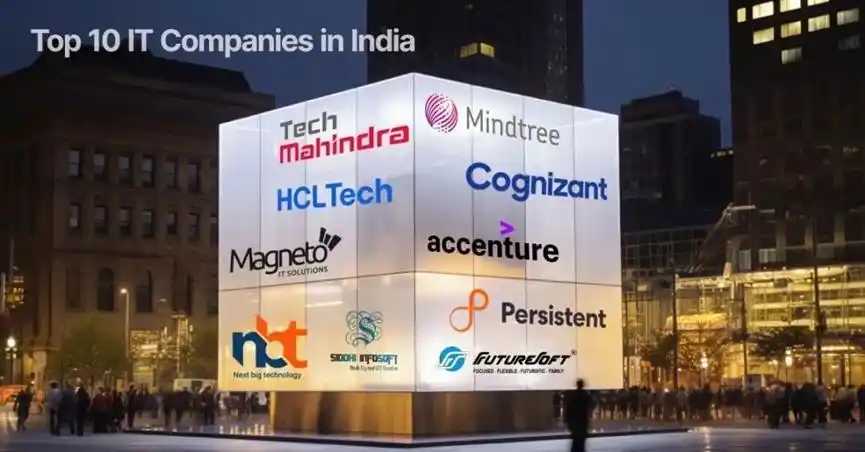
Image Source: Internet

Then AI arrived and flipped the table entirely.

Previously, a project required dozens of junior programmers sitting there doing testing and fixing bugs; now, a skilled worker equipped with AI tools can handle it in minutes.

McKinsey's report is even harsher: by 2030, about 30% of work hours in India could be automated.

The advantage of low labor costs has also evaporated overnight.

No matter how cheap Indian engineers are, they still require salaries, social security, and office rent.

The marginal cost of AI is basically the electricity bill—a monthly subscription fee of a few dozen dollars can do a week's work of a junior engineer.

An AI that never tires, sleeps, or takes leave handles standardized coding tasks faster than humans, at a cost only a fraction of a human's.

How do you fight this battle?

But this isn't even the most critical part.

Bangalore, the former "Silicon Valley of Asia," is tasting the bitter fruit first.

Mukund Jha, CEO of the application development platform Emergent Labs, already allows all employees to use AI for coding. He puts it bluntly: "Software development used to be expensive and slow, which is why foreign companies outsourced to India. But now it's different—anyone can develop."

In his view, 2 to 3 million Indian IT workers are facing "enormous risk."

Layoffs have already begun to materialize.

US real estate tech company OpenDoor slashed its entire 250-person team in India, turning back to the US to build a smaller, AI-native team. The reason is simple: why outsource to India for work AI can do?

This April, Oracle laid off 12,000 people in India, shifting its investment to AI.

India's largest IT services firm, Tata Consultancy Services (TCS), unveiled its largest-ever layoff plan in 2025: cutting 12,000 positions by March 2026. In the first nine months of the 2025-2026 fiscal year alone, TCS saw a net reduction of 25,816 employees, with total headcount dropping from a peak of 614,000 to below 580,000.

The last time TCS experienced such a large-scale net reduction was during the 2008 global financial crisis.

The impact is also reflected in financial reports.

Industry leader TCS saw its USD-denominated revenue for FY26 drop to $30 billion, a year-on-year decline of 0.5% at constant currency, marking its first annual revenue decline in years; Wipro's full-year revenue was only $10.5 billion, essentially stagnant with a 1.6% decline at constant currency.

Even the most resilient Infosys, while surpassing the $20 billion revenue mark for the first time, achieved only 3.1% growth at constant currency—far below its 13.7% compound annual growth rate over the past decade.

The cost ultimately falls on the youth.

The "2026 State of Work in India" report shows that in 2026, the unemployment rate for young Indian college graduates under 25 soared to 40%.

02

Built on Manpower, Burdened by Manpower

When AI arrived, why was India hit the hardest?

To understand this, we need to go back thirty years.

In 1991, the Indian economy was on the verge of bankruptcy, with foreign exchange reserves barely enough for two weeks.

At that very moment, the global "Y2K" crisis erupted—computer systems of Western companies faced the risk of time confusion, urgently requiring massive manpower to check and modify lines of tedious code line by line. This was a "digital manual labor" job with extremely low technical barriers but immense human consumption.
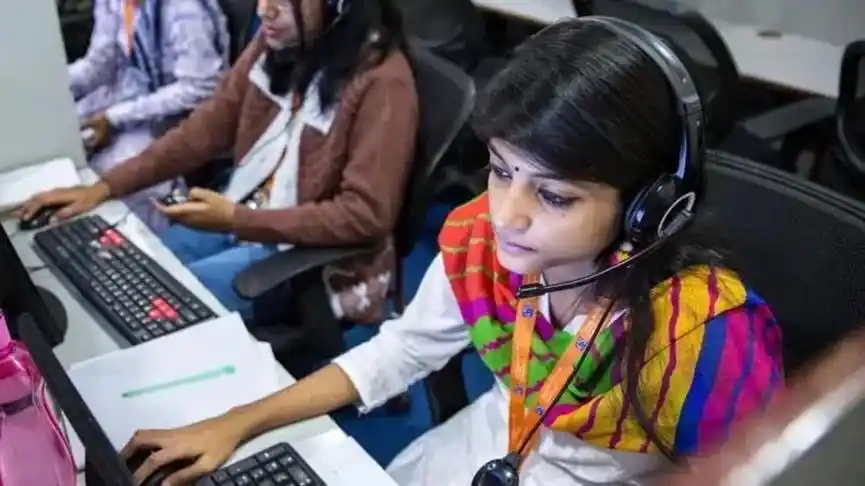
Image Source: Internet

Indians, with their good English, low wages, and ability to work late nights, keenly caught this business opportunity.

Lured by US dollars and the dream of financial freedom, countless young Indians aspired to "work for Americans."

In their eyes, the ideal life was nothing more than "buying a house in Hyderabad, acquiring land in Andhra Pradesh, and earning money in the US."

But under this model, India's tech elites all went to work for others.

By the 1990s, with the rise of the computer wave, India found it even harder to escape the "black hole" of talent drain.

The CEOs of Google, Microsoft, and Adobe are all of Indian origin; Silicon Valley executives are full of Indians.

But these brightest minds have not left behind a single competitive technology product company in India.

India's IT industry grew bigger, but it was always handling the peripheral tasks of others.

In the AI era, even those peripheral tasks are disappearing.

As of the first half of 2026, there are only three recognized AI unicorns in all of India.

Sarvam AI, the only one truly working on foundational models.

It just completed a Series B funding round in June at a $1.5 billion valuation, which sounds impressive—but what about its revenue for FY26 (April 1, 2025, to March 31, 2026)? A pitiful $5.4 million.

Krutrim is even more dramatic. It once boasted about benchmarking against OpenAI, gaining much attention. But in less than two years, its AI assistant was taken offline, chip development halted, the team was slashed, and it pivoted to selling AI cloud services.

Even then, 90% of its revenue came from within its parent company—essentially moving money from the left hand to the right, playing a self-deceiving game.

The third, Neysa Networks, rents out computing power.

It doesn't even have an AI product; it's just a "shovel seller."

The combined valuation of these three unicorns is less than $4 billion.

In the context of the global AI race worth trillions, this scale isn't even on the starting line.

Thirty years ago, cheap labor propelled India's software industry to new heights; thirty years later, this dependence on the "cheap labor arbitrage" path ultimately became a barrier locking in industrial upgrading.

Of course, India is also trying to save itself.

IT giants are busy transforming—from "selling manpower" to "selling solutions," squeezing into higher value-added directions like AI consulting and enterprise digital upgrades.

The Chairman of TCS even optimistically declared: "If we have 500,000 employees, then the day is not far when we will have 500,000 AI agents."

The Indian government also has its own AI strategy, focusing on talent cultivation and building data centers.

But the real question is: Is there enough time?

Can the speed of industrial transformation keep up with the speed of job disappearance? The employment pressure from 15 million new entrants to the labor force each year is rigid, and society's margin for error in maintaining stability is not large.

Behind this lies an even bigger question: In the AI era, what is the rise path for late-developing countries?

Can the old script of "demographic dividend → industrialization → industrial upgrading" still play out? The trouble India faces today may be a common test paper that many developing countries will have to face tomorrow.

References:

"Learning Code in Debt, Unemployed Upon Graduation: The First Batch of Indian Middle Class Whose Rice Bowls Were Smashed by AI Are Collectively Breaking Down" Vista看天下

"AI Impacts Asia's Outsourcing Industry: Millions of Jobs in India and the Philippines Face Transition Pains" The Paper

"The First Country to be Shorted by AI Has Emerged" PEdaily.cn

This article is from the WeChat public account "Phoenix Network Finance," author: Storm Eye

Crypto di tendenza

Domande pertinenti

QWhy is India's IT outsourcing industry particularly vulnerable to AI disruption according to the article?

AIndia's IT outsourcing industry is built on a 'body shopping' model, providing large numbers of low-cost engineers for standardized, repetitive coding tasks. AI, with its low marginal cost and superior efficiency in handling such tasks, directly erodes the core cost advantage. Furthermore, the industry's historical focus on low-value services created a path dependency, hindering the development of high-value, innovative AI products, leaving it exposed when AI automated its primary revenue source.

QWhat was the reported impact of AI-driven restructuring on the Indian IT sector's financial performance in FY26?

AIn FY26, major Indian IT firms showed significant financial strain. TCS saw its USD revenue decline to $30 billion, a 0.5% year-on-year drop at constant currency, marking its first annual revenue decline in years. Wipro's revenue was nearly stagnant at $10.5 billion, down 1.6%. Even Infosys, which crossed $20 billion in revenue, grew at only 3.1%—far below its historical average.

QHow did the 'Y2K' crisis contribute to the rise of India's IT outsourcing industry?

AIn the early 1990s, during the 'Y2K' crisis, Western companies faced an urgent need for massive manpower to review and fix date-related code errors. India, with its large pool of English-speaking, low-wage engineers, perfectly met this demand for 'digital manual labor.' This event provided the initial catalyst, establishing India's role as the 'world's back office' and setting the foundation for its IT outsourcing boom.

QWhat does the article suggest about the state of India's homegrown AI industry based on its 'unicorn' companies?

AThe article suggests India's homegrown AI industry is underdeveloped. As of mid-2026, it had only three recognized AI unicorns: Sarvam AI (a foundational model company with minimal revenue), Krutrim (which pivoted from ambitious goals to basic services, largely reliant on intra-company sales), and Neysa Networks (a computing power rental service). Their combined valuation is under $4 billion, indicating they are not yet significant players in the global AI landscape.

QWhat broader socioeconomic challenge for India is highlighted as a consequence of the AI disruption in the IT sector?

AThe AI disruption is exacerbating India's youth unemployment crisis. The article cites a report showing the unemployment rate for college graduates under 25 soared to 40% in 2026. This poses a major societal challenge, as the IT sector was a key employer for millions. The core question raised is whether India's efforts to reskill workers and transition the IT industry can happen fast enough to absorb the annual influx of 15 million new entrants into the job market, testing the limits of social stability.

Letture associate

AI Creates New Virus, Science Paper Confirms, Capable of Unlimited Self-Replication

AI Designs Novel, Self-Replicating Viruses in Groundbreaking Science Study A landmark study published in Science by researchers from Stanford University and the Arc Institute demonstrates that an AI model, Evo, has successfully designed novel, functional viruses from scratch. Trained on trillions of nucleotides across diverse life forms, Evo generated 700,000 candidate viral genomes. From these, 285 were synthesized as DNA and tested in E. coli bacteria. Remarkably, 16 of these AI-designed viruses were not only viable and self-replicating but some also outperformed their natural counterpart, the bacteriophage ΦX174, in the speed of bacterial lysis. One variant, Evo-Φ36, even incorporated a structural protein from a distantly related virus, showcasing the AI's ability to combine functional elements in novel ways. This research marks the first time a complete, functional life-form genome has been designed de novo by artificial intelligence. It represents a pivotal shift into the era of generative genomic design. A key application demonstrated is in combating antibiotic-resistant bacteria. While naturally occurring bacteriophages often fail against resistant strains, a cocktail of AI-generated phages successfully killed three different resistant E. coli variants. The study suggests AI could revolutionize fields like phage therapy by rapidly generating new antimicrobial agents, potentially keeping pace with bacterial evolution in a way traditional drug development cannot. This work signifies a profound step in humanity's ability to read and now write the code of life.

marsbit21 min fa

AI Creates New Virus, Science Paper Confirms, Capable of Unlimited Self-Replication

marsbit21 min fa

Trading

Spot

Articoli Popolari

Cosa è $S$

Comprendere SPERO: Una Panoramica Completa Introduzione a SPERO Mentre il panorama dell'innovazione continua a evolversi, l'emergere delle tecnologie web3 e dei progetti di criptovaluta gioca un ruolo fondamentale nel plasmare il futuro digitale. Un progetto che ha attirato l'attenzione in questo campo dinamico è SPERO, denotato come SPERO,$$s$. Questo articolo mira a raccogliere e presentare informazioni dettagliate su SPERO, per aiutare gli appassionati e gli investitori a comprendere le sue basi, obiettivi e innovazioni nei domini web3 e crypto. Che cos'è SPERO,$$s$? SPERO,$$s$ è un progetto unico all'interno dello spazio crypto che cerca di sfruttare i principi della decentralizzazione e della tecnologia blockchain per creare un ecosistema che promuove l'impegno, l'utilità e l'inclusione finanziaria. Il progetto è progettato per facilitare interazioni peer-to-peer in modi nuovi, fornendo agli utenti soluzioni e servizi finanziari innovativi. Al suo interno, SPERO,$$s$ mira a responsabilizzare gli individui fornendo strumenti e piattaforme che migliorano l'esperienza dell'utente nello spazio delle criptovalute. Questo include la possibilità di metodi di transazione più flessibili, la promozione di iniziative guidate dalla comunità e la creazione di percorsi per opportunità finanziarie attraverso applicazioni decentralizzate (dApps). La visione sottostante di SPERO,$$s$ ruota attorno all'inclusività, cercando di colmare le lacune all'interno della finanza tradizionale mentre sfrutta i vantaggi della tecnologia blockchain. Chi è il Creatore di SPERO,$$s$? L'identità del creatore di SPERO,$$s$ rimane piuttosto oscura, poiché ci sono risorse pubblicamente disponibili limitate che forniscono informazioni dettagliate sul suo fondatore o fondatori. Questa mancanza di trasparenza può derivare dall'impegno del progetto per la decentralizzazione—un ethos che molti progetti web3 condividono, dando priorità ai contributi collettivi rispetto al riconoscimento individuale. Centrando le discussioni attorno alla comunità e ai suoi obiettivi collettivi, SPERO,$$s$ incarna l'essenza dell'empowerment senza mettere in evidenza individui specifici. Pertanto, comprendere l'etica e la missione di SPERO rimane più importante che identificare un creatore singolo. Chi sono gli Investitori di SPERO,$$s$? SPERO,$$s$ è supportato da una varietà di investitori che vanno dai capitalisti di rischio agli investitori angelici dedicati a promuovere l'innovazione nel settore crypto. Il focus di questi investitori generalmente si allinea con la missione di SPERO—dando priorità a progetti che promettono avanzamenti tecnologici sociali, inclusività finanziaria e governance decentralizzata. Queste fondazioni di investitori sono tipicamente interessate a progetti che non solo offrono prodotti innovativi, ma contribuiscono anche positivamente alla comunità blockchain e ai suoi ecosistemi. Il supporto di questi investitori rafforza SPERO,$$s$ come un concorrente degno di nota nel dominio in rapida evoluzione dei progetti crypto. Come Funziona SPERO,$$s$? SPERO,$$s$ impiega un framework multifunzionale che lo distingue dai progetti di criptovaluta convenzionali. Ecco alcune delle caratteristiche chiave che sottolineano la sua unicità e innovazione: Governance Decentralizzata: SPERO,$$s$ integra modelli di governance decentralizzati, responsabilizzando gli utenti a partecipare attivamente ai processi decisionali riguardanti il futuro del progetto. Questo approccio favorisce un senso di proprietà e responsabilità tra i membri della comunità. Utilità del Token: SPERO,$$s$ utilizza il proprio token di criptovaluta, progettato per servire varie funzioni all'interno dell'ecosistema. Questi token abilitano transazioni, premi e la facilitazione dei servizi offerti sulla piattaforma, migliorando l'impegno e l'utilità complessivi. Architettura Stratificata: L'architettura tecnica di SPERO,$$s$ supporta la modularità e la scalabilità, consentendo un'integrazione fluida di funzionalità e applicazioni aggiuntive man mano che il progetto evolve. Questa adattabilità è fondamentale per mantenere la rilevanza nel panorama crypto in continua evoluzione. Coinvolgimento della Comunità: Il progetto enfatizza iniziative guidate dalla comunità, impiegando meccanismi che incentivano la collaborazione e il feedback. Nutrendo una comunità forte, SPERO,$$s$ può affrontare meglio le esigenze degli utenti e adattarsi alle tendenze di mercato. Focus sull'Inclusione: Offrendo basse commissioni di transazione e interfacce user-friendly, SPERO,$$s$ mira ad attrarre una base utenti diversificata, inclusi individui che potrebbero non aver precedentemente interagito nello spazio crypto. Questo impegno per l'inclusione si allinea con la sua missione generale di empowerment attraverso l'accessibilità. Cronologia di SPERO,$$s$ Comprendere la storia di un progetto fornisce preziose intuizioni sulla sua traiettoria di sviluppo e sui traguardi. Di seguito è riportata una cronologia suggerita che mappa eventi significativi nell'evoluzione di SPERO,$$s$: Fase di Concettualizzazione e Ideazione: Le idee iniziali che formano la base di SPERO,$$s$ sono state concepite, allineandosi strettamente con i principi di decentralizzazione e focus sulla comunità all'interno dell'industria blockchain. Lancio del Whitepaper del Progetto: Dopo la fase concettuale, è stato rilasciato un whitepaper completo che dettaglia la visione, gli obiettivi e l'infrastruttura tecnologica di SPERO,$$s$ per suscitare interesse e feedback dalla comunità. Costruzione della Comunità e Prime Interazioni: Sono stati effettuati sforzi attivi di outreach per costruire una comunità di early adopters e potenziali investitori, facilitando discussioni attorno agli obiettivi del progetto e ottenendo supporto. Evento di Generazione del Token: SPERO,$$s$ ha condotto un evento di generazione del token (TGE) per distribuire i propri token nativi ai primi sostenitori e stabilire una liquidità iniziale all'interno dell'ecosistema. Lancio della Prima dApp: La prima applicazione decentralizzata (dApp) associata a SPERO,$$s$ è stata attivata, consentendo agli utenti di interagire con le funzionalità principali della piattaforma. Sviluppo Continuo e Partnership: Aggiornamenti e miglioramenti continui alle offerte del progetto, inclusi partnership strategiche con altri attori nello spazio blockchain, hanno plasmato SPERO,$$s$ in un concorrente competitivo e in evoluzione nel mercato crypto. Conclusione SPERO,$$s$ rappresenta una testimonianza del potenziale del web3 e delle criptovalute di rivoluzionare i sistemi finanziari e responsabilizzare gli individui. Con un impegno per la governance decentralizzata, il coinvolgimento della comunità e funzionalità progettate in modo innovativo, apre la strada verso un panorama finanziario più inclusivo. Come per qualsiasi investimento nello spazio crypto in rapida evoluzione, si incoraggiano potenziali investitori e utenti a ricercare approfonditamente e a impegnarsi in modo riflessivo con gli sviluppi in corso all'interno di SPERO,$$s$. Il progetto mostra lo spirito innovativo dell'industria crypto, invitando a ulteriori esplorazioni delle sue innumerevoli possibilità. Mentre il percorso di SPERO,$$s$ è ancora in fase di sviluppo, i suoi principi fondamentali potrebbero effettivamente influenzare il futuro di come interagiamo con la tecnologia, la finanza e tra di noi in ecosistemi digitali interconnessi.

297 Totale visualizzazioniPubblicato il 2024.12.17Aggiornato il 2024.12.17

Cosa è $S$

Cosa è AGENT S

Agent S: Il Futuro dell'Interazione Autonoma in Web3 Introduzione Nel panorama in continua evoluzione di Web3 e criptovalute, le innovazioni stanno costantemente ridefinendo il modo in cui gli individui interagiscono con le piattaforme digitali. Uno di questi progetti pionieristici, Agent S, promette di rivoluzionare l'interazione uomo-computer attraverso il suo framework agentico aperto. Aprendo la strada a interazioni autonome, Agent S mira a semplificare compiti complessi, offrendo applicazioni trasformative nell'intelligenza artificiale (AI). Questa esplorazione dettagliata approfondirà le complessità del progetto, le sue caratteristiche uniche e le implicazioni per il dominio delle criptovalute. Cos'è Agent S? Agent S si presenta come un innovativo framework agentico aperto, progettato specificamente per affrontare tre sfide fondamentali nell'automazione dei compiti informatici: Acquisizione di Conoscenze Specifiche del Dominio: Il framework apprende in modo intelligente da varie fonti di conoscenza esterne ed esperienze interne. Questo approccio duale gli consente di costruire un ricco repository di conoscenze specifiche del dominio, migliorando le sue prestazioni nell'esecuzione dei compiti. Pianificazione su Lungo Orizzonte di Compiti: Agent S impiega una pianificazione gerarchica potenziata dall'esperienza, un approccio strategico che facilita la suddivisione e l'esecuzione efficiente di compiti complessi. Questa caratteristica migliora significativamente la sua capacità di gestire più sottocompiti in modo efficiente ed efficace. Gestione di Interfacce Dinamiche e Non Uniformi: Il progetto introduce l'Interfaccia Agente-Computer (ACI), una soluzione innovativa che migliora l'interazione tra agenti e utenti. Utilizzando Modelli Linguistici Multimodali di Grandi Dimensioni (MLLM), Agent S può navigare e manipolare senza sforzo diverse interfacce grafiche utente. Attraverso queste caratteristiche pionieristiche, Agent S fornisce un framework robusto che affronta le complessità coinvolte nell'automazione dell'interazione umana con le macchine, preparando il terreno per innumerevoli applicazioni nell'AI e oltre. Chi è il Creatore di Agent S? Sebbene il concetto di Agent S sia fondamentalmente innovativo, informazioni specifiche sul suo creatore rimangono elusive. Il creatore è attualmente sconosciuto, il che evidenzia sia la fase embrionale del progetto sia la scelta strategica di mantenere i membri fondatori sotto anonimato. Indipendentemente dall'anonimato, l'attenzione rimane sulle capacità e sul potenziale del framework. Chi sono gli Investitori di Agent S? Poiché Agent S è relativamente nuovo nell'ecosistema crittografico, informazioni dettagliate riguardanti i suoi investitori e sostenitori finanziari non sono documentate esplicitamente. La mancanza di approfondimenti pubblicamente disponibili sulle fondazioni di investimento o sulle organizzazioni che supportano il progetto solleva interrogativi sulla sua struttura di finanziamento e sulla roadmap di sviluppo. Comprendere il supporto è cruciale per valutare la sostenibilità del progetto e il suo potenziale impatto sul mercato. Come Funziona Agent S? Al centro di Agent S si trova una tecnologia all'avanguardia che gli consente di funzionare efficacemente in contesti diversi. Il suo modello operativo è costruito attorno a diverse caratteristiche chiave: Interazione Uomo-Computer Simile a Quella Umana: Il framework offre una pianificazione AI avanzata, cercando di rendere le interazioni con i computer più intuitive. Mimando il comportamento umano nell'esecuzione dei compiti, promette di elevare le esperienze degli utenti. Memoria Narrativa: Utilizzata per sfruttare esperienze di alto livello, Agent S utilizza la memoria narrativa per tenere traccia delle storie dei compiti, migliorando così i suoi processi decisionali. Memoria Episodica: Questa caratteristica fornisce agli utenti una guida passo-passo, consentendo al framework di offrire supporto contestuale mentre i compiti si sviluppano. Supporto per OpenACI: Con la capacità di funzionare localmente, Agent S consente agli utenti di mantenere il controllo sulle proprie interazioni e flussi di lavoro, allineandosi con l'etica decentralizzata di Web3. Facile Integrazione con API Esterne: La sua versatilità e compatibilità con varie piattaforme AI garantiscono che Agent S possa adattarsi senza problemi agli ecosistemi tecnologici esistenti, rendendolo una scelta attraente per sviluppatori e organizzazioni. Queste funzionalità contribuiscono collettivamente alla posizione unica di Agent S all'interno dello spazio crittografico, poiché automatizza compiti complessi e multi-fase con un intervento umano minimo. Man mano che il progetto evolve, le sue potenziali applicazioni in Web3 potrebbero ridefinire il modo in cui si svolgono le interazioni digitali. Cronologia di Agent S Lo sviluppo e le tappe di Agent S possono essere riassunti in una cronologia che evidenzia i suoi eventi significativi: 27 Settembre 2024: Il concetto di Agent S è stato lanciato in un documento di ricerca completo intitolato “Un Framework Agentico Aperto che Usa i Computer Come un Umano”, mostrando le basi per il progetto. 10 Ottobre 2024: Il documento di ricerca è stato reso pubblicamente disponibile su arXiv, offrendo un'esplorazione approfondita del framework e della sua valutazione delle prestazioni basata sul benchmark OSWorld. 12 Ottobre 2024: È stata rilasciata una presentazione video, fornendo un'idea visiva delle capacità e delle caratteristiche di Agent S, coinvolgendo ulteriormente potenziali utenti e investitori. Questi indicatori nella cronologia non solo illustrano i progressi di Agent S, ma indicano anche il suo impegno per la trasparenza e il coinvolgimento della comunità. Punti Chiave su Agent S Man mano che il framework Agent S continua a evolversi, diversi attributi chiave si distinguono, sottolineando la sua natura innovativa e il potenziale: Framework Innovativo: Progettato per fornire un uso intuitivo dei computer simile all'interazione umana, Agent S porta un approccio nuovo all'automazione dei compiti. Interazione Autonoma: La capacità di interagire autonomamente con i computer attraverso GUI segna un passo avanti verso soluzioni informatiche più intelligenti ed efficienti. Automazione di Compiti Complessi: Con la sua metodologia robusta, può automatizzare compiti complessi e multi-fase, rendendo i processi più veloci e meno soggetti a errori. Miglioramento Continuo: I meccanismi di apprendimento consentono ad Agent S di migliorare dalle esperienze passate, migliorando continuamente le sue prestazioni e la sua efficacia. Versatilità: La sua adattabilità attraverso diversi ambienti operativi come OSWorld e WindowsAgentArena garantisce che possa servire un'ampia gamma di applicazioni. Man mano che Agent S si posiziona nel panorama di Web3 e delle criptovalute, il suo potenziale per migliorare le capacità di interazione e automatizzare i processi segna un significativo avanzamento nelle tecnologie AI. Attraverso il suo framework innovativo, Agent S esemplifica il futuro delle interazioni digitali, promettendo un'esperienza più fluida ed efficiente per gli utenti in vari settori. Conclusione Agent S rappresenta un audace passo avanti nell'unione tra AI e Web3, con la capacità di ridefinire il modo in cui interagiamo con la tecnologia. Sebbene sia ancora nelle sue fasi iniziali, le possibilità per la sua applicazione sono vaste e coinvolgenti. Attraverso il suo framework completo che affronta sfide critiche, Agent S mira a portare le interazioni autonome al centro dell'esperienza digitale. Man mano che ci addentriamo nei regni delle criptovalute e della decentralizzazione, progetti come Agent S giocheranno senza dubbio un ruolo cruciale nel plasmare il futuro della tecnologia e della collaborazione uomo-computer.

735 Totale visualizzazioniPubblicato il 2025.01.14Aggiornato il 2025.01.14

Cosa è AGENT S

Come comprare S

Benvenuto in HTX.com! Abbiamo reso l'acquisto di Sonic (S) semplice e conveniente. Segui la nostra guida passo passo per intraprendere il tuo viaggio nel mondo delle criptovalute.Step 1: Crea il tuo Account HTXUsa la tua email o numero di telefono per registrarti il tuo account gratuito su HTX. Vivi un'esperienza facile e sblocca tutte le funzionalità,Crea il mio accountStep 2: Vai in Acquista crypto e seleziona il tuo metodo di pagamentoCarta di credito/debito: utilizza la tua Visa o Mastercard per acquistare immediatamente SonicS.Bilancio: Usa i fondi dal bilancio del tuo account HTX per fare trading senza problemi.Terze parti: abbiamo aggiunto metodi di pagamento molto utilizzati come Google Pay e Apple Pay per maggiore comodità.P2P: Fai trading direttamente con altri utenti HTX.Over-the-Counter (OTC): Offriamo servizi su misura e tassi di cambio competitivi per i trader.Step 3: Conserva Sonic (S)Dopo aver acquistato Sonic (S), conserva nel tuo account HTX. In alternativa, puoi inviare tramite trasferimento blockchain o scambiare per altre criptovalute.Step 4: Scambia Sonic (S)Scambia facilmente Sonic (S) nel mercato spot di HTX. Accedi al tuo account, seleziona la tua coppia di trading, esegui le tue operazioni e monitora in tempo reale. Offriamo un'esperienza user-friendly sia per chi ha appena iniziato che per i trader più esperti.

1.5k Totale visualizzazioniPubblicato il 2025.01.15Aggiornato il 2026.06.02

Come comprare S

Discussioni

Benvenuto nella Community HTX. Qui puoi rimanere informato sugli ultimi sviluppi della piattaforma e accedere ad approfondimenti esperti sul mercato. Le opinioni degli utenti sul prezzo di S S sono presentate come di seguito.

活动图片