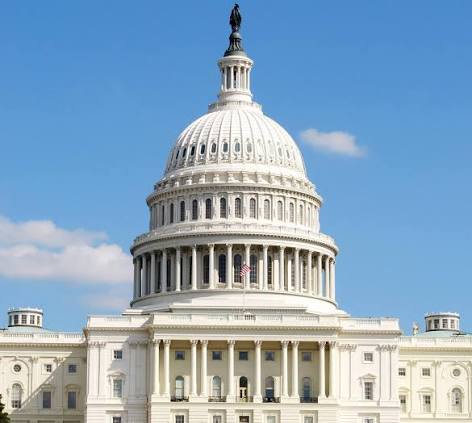
OpenAI proposes transferring 5% equity to the U.S. government, valued at over $40 billion based on an $852 billion valuation. Altman also wants to bring all U.S. AI giants on board—how will this move reshape the industry landscape?
OpenAI, valued at $852 billion, is actively offering its equity to the White House.
According to a report by the Financial Times, OpenAI has initiated preliminary talks with the U.S. government, proposing to transfer 5% of the company's equity—worth approximately $42.6 billion at the current valuation.
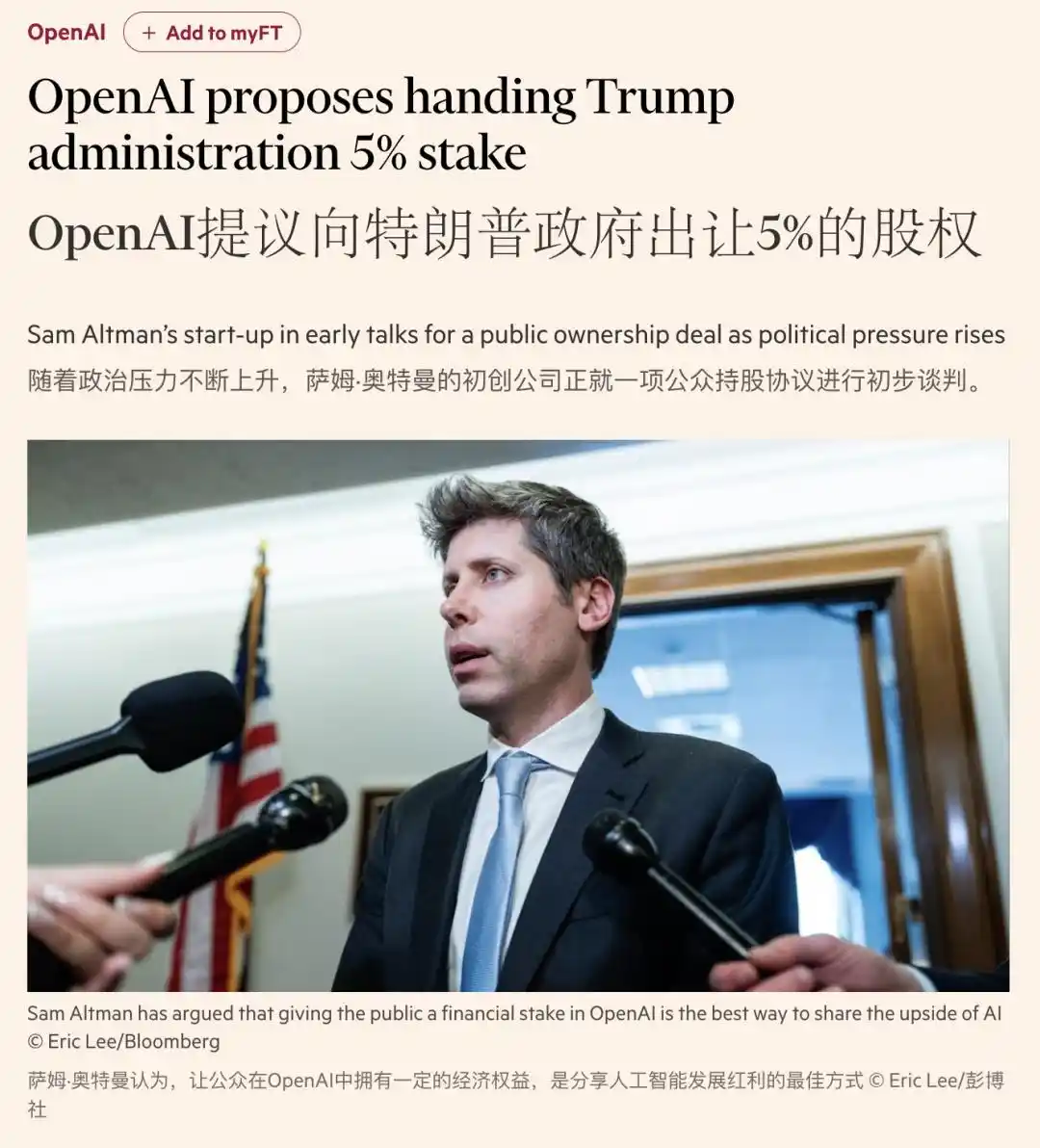
https://www.ft.com/content/7c803eab-8e80-4431-9a87-e943bf00e00b?syn-25a6b1a6=1
The core argument Altman presented in the discussion was that public ownership of AI company equity is the best way to share the dividends of AI development.
This proposal contains an even greater ambition: Altman suggested that all major U.S. AI companies contribute an equal proportion of their equity to a public investment vehicle, similar to the Alaska Permanent Fund, to distribute dividends to the U.S. government and its residents.
The AI industry in the U.S. is facing growing regulatory pressure, and Altman's chosen strategy is to make the U.S. government a stakeholder in the industry.
Exchanging Equity for Trust: Altman's Big Calculation
Altman has discussed this proposal directly with several senior U.S. government officials, including Commerce Secretary Howard Lutnick and Treasury Secretary Scott Bessent.
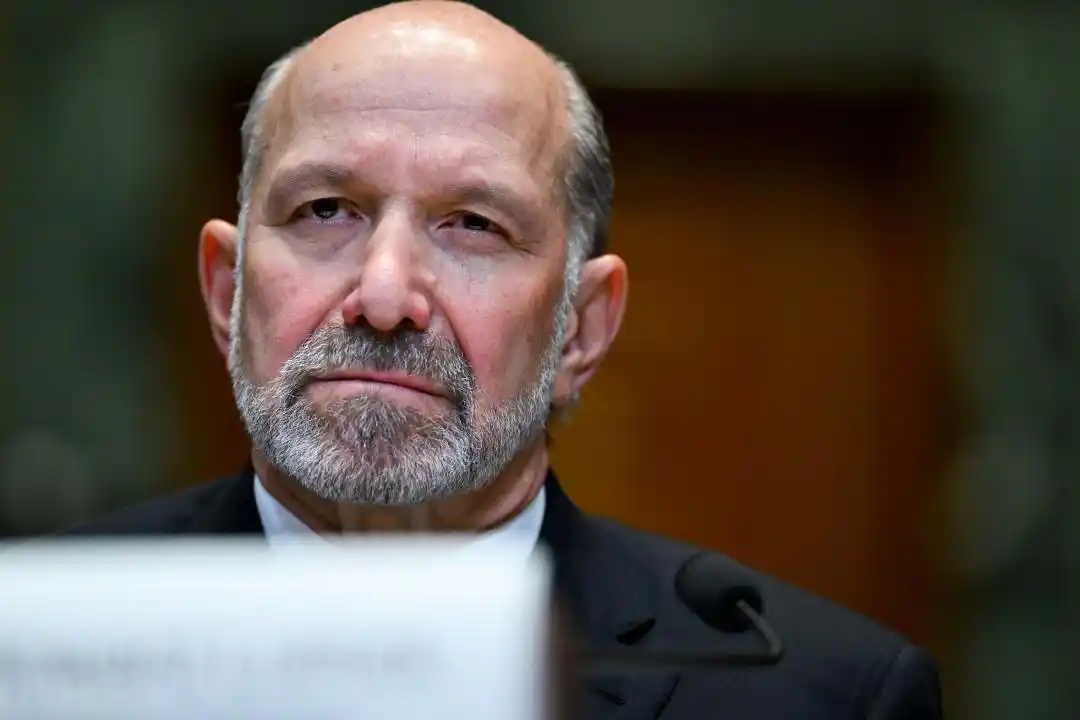
Howard Lutnick

Scott Bessent
Negotiations are currently at a "conceptual" stage, and any transaction would likely require Congressional legislation to proceed.
However, the mere existence of these talks sends a signal: OpenAI is willing to exchange tangible financial interests for a more stable relationship with the U.S. government.
The specific model proposed by Altman references the Alaska Permanent Fund. This fund invests Alaska's oil revenues in the stock market and distributes dividends to the state government and its residents.
Altman envisions that AI company equity could be managed similarly—held by a public investment vehicle to allow ordinary American citizens to benefit from AI growth, even if they have never invested in the stock market.
This vision is not limited to OpenAI.
Altman suggested that major U.S. AI companies like Anthropic, Google, and Meta join the same arrangement, each transferring 5% of their equity.
However, there is currently no evidence that these companies have any interest in this proposal.
The implementation difficulty of a proposal requiring collective concessions from competitors is self-evident.
5% vs 50%
A Divergence in Strategy Behind a Number
Altman is not the only one advocating for public ownership in AI.
U.S. Senator Sanders has also engaged in conversations with Altman in recent weeks, but Sanders' stance is far more radical—he believes the public should hold nearly half of the equity in U.S. AI companies through a sovereign wealth fund.
Further Reading: New U.S. Proposal: "Nationalize" AI Giants, "Public Ownership" of 50%
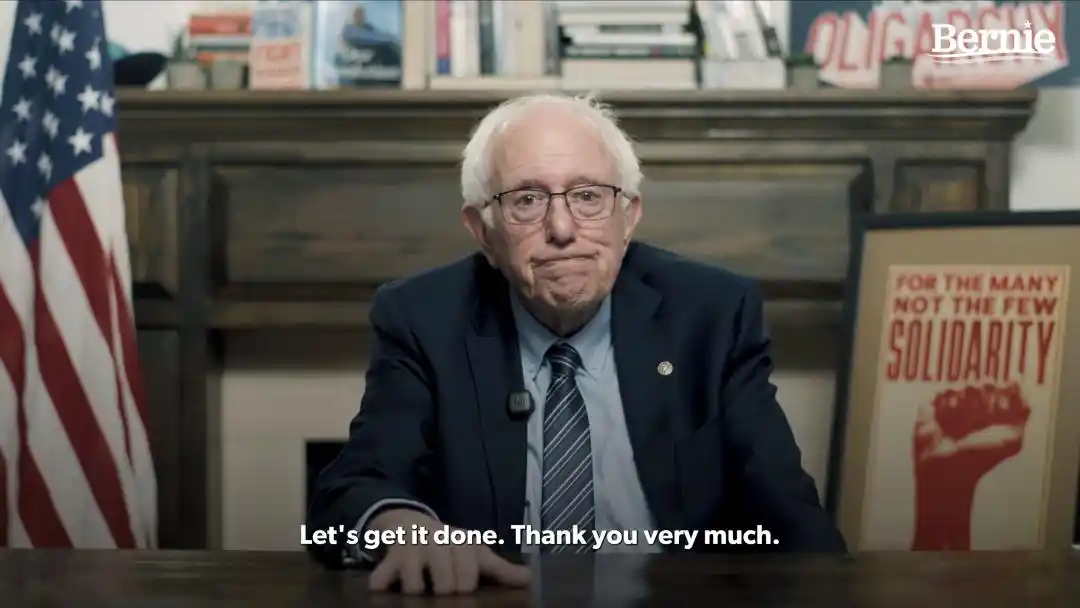
The gap between 5% and 50% reflects two fundamentally different approaches.
Altman's 5% proposal is a gesture of profit-sharing, allowing the U.S. government and public to "participate" in AI growth while control remains firmly in the hands of the companies.
Senator Sanders' 50% proposal would make the public a substantial majority shareholder, granting them genuine influence over corporate governance.
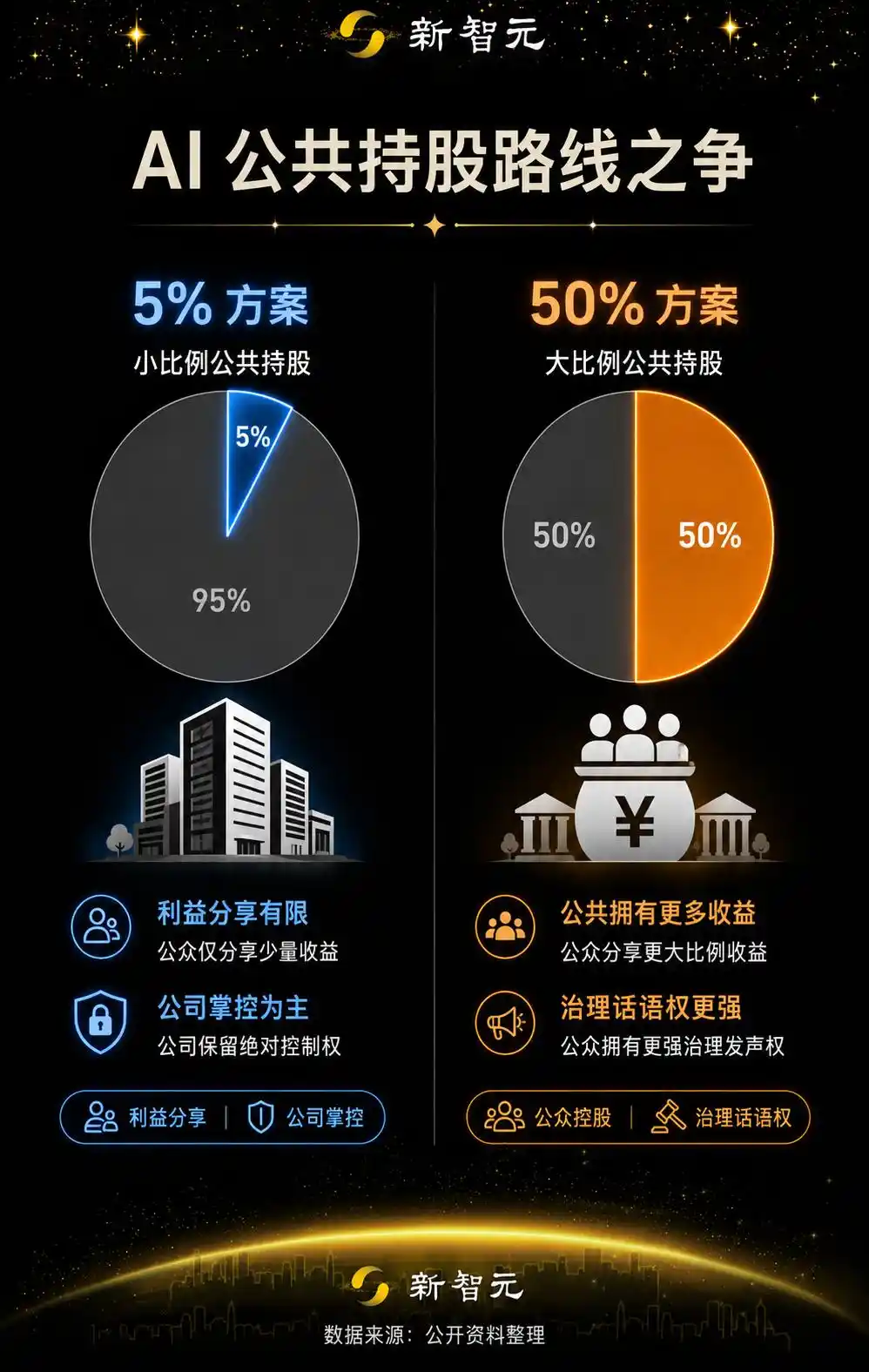
Intriguingly, OpenAI's own policy documents hint that 5% might not be enough.
In April of this year, OpenAI proposed establishing a "Public Wealth Fund" to allow "every citizen—including those not invested in financial markets—to benefit from AI-driven economic growth."
In May, the OpenAI Foundation went further in an official blog post: "Society may need new ways for people to gain enduring stakes in value-creating systems."
The foundation also stated the goal is "to give people both a stake and a voice in shaping the transformation, rather than just picking up the pieces after decisions have been made."
Judging from OpenAI's own statements, 5% appears more like an opening offer than a final solution.
The AI Industry's Regulatory Dilemma
To understand the true driving force behind this proposal, one must look at what the AI industry in the U.S. is currently experiencing.
Both OpenAI and Anthropic recently faced delays by the U.S. government in releasing their frontier models (GPT-5.6, Mythos 5, Fable 5) for review.
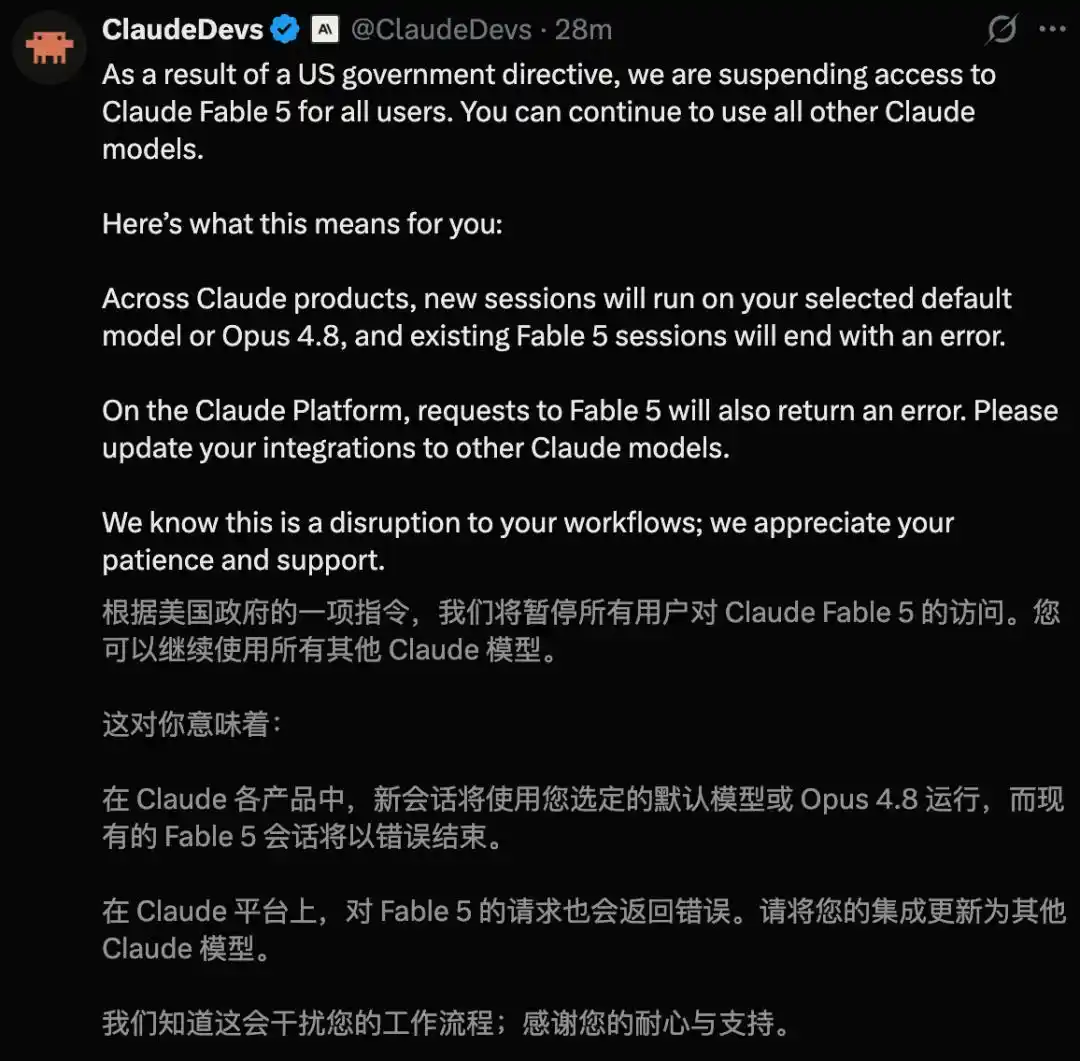
Concerns in U.S. society regarding large-scale data center construction, AI's impact on employment, and cybersecurity risks continue to escalate. Some members of Congress and White House advisors have explicitly leaned towards imposing stricter regulations on the AI industry.
A relevant precedent is Intel.
After the U.S. government acquired a 10% stake in Intel, the White House's attitude towards the chip giant noticeably shifted towards support.
Government equity ownership as a tool to improve relations already has a ready-made case study.

https://cn.wsj.com/articles/%E7%89%B9%E6%9C%97%E6%99%AE%E4%B8%8E%E8%8B%B1%E7%89%B9%E5%B0%94%E8%BE%BE%E6%88%90%E5%8D%8F%E8%AE%AE-%E6%94%BF%E5%BA%9C%E6%8C%81%E8%82%A110-8954b92d
OpenAI and Anthropic are also preparing for public listings, which would broaden their shareholder bases and bring substantial returns to existing investors—though OpenAI's IPO might not occur until next year.
Offering equity to the U.S. government at this juncture is a telling move: is it to secure stable external relationships before an IPO, or a strategic preemptive move ahead of tightening regulations?
Both interpretations point to the same conclusion—Altman believes the relationship with regulators has become urgent enough to require maintenance through equity.
A New Variable in the AGI Race
The figure of 5% may seem small, but its impact will extend far beyond the financial realm.
AGI development is currently the core race within the AI industry.
OpenAI, Anthropic, and Google DeepMind are all sprinting towards this goal, with each leap in frontier model capabilities accompanied by sharper safety debates.
When the government holds equity in these companies, it gains an institutionalized window to intervene in decision-making—from the release pace of frontier models and safety evaluation standards to data usage norms and export controls, government influence will find its points of application.
Accepting the transfer of 5% equity can, in the short term, alleviate regulatory pressure and address public discontent over the perceived windfall profits of the U.S. AI industry.
Senator Sanders' 50% proposal already shows that discussions about how much equity the government should hold in AI companies have only just begun.
The development path for AGI will no longer be driven purely by technical judgment and commercial logic; considerations from regulatory and public interest perspectives will become hard constraints.
This proposal is still in its early conceptual stages, far from any formal agreement, and may never materialize.
However, it marks the entry of the relationship between the AI industry and the government into a new dimension—the focus of debate shifts from "whether to regulate AI" to "whether the government should become a shareholder in AI."
The answer to this question will determine who ultimately develops, owns, and sets the boundaries for AGI.
The 5% offered by Altman might become the beautiful butterfly that flaps its wings.
References:
https://www.ft.com/content/7c803eab-8e80-4431-9a87-e943bf00e00b
This article is from the WeChat public account "新智元", author: ASI启示录, editor: 马可