Xiaomi to pre-install Sei crypto wallet on millions of phones in global rollout

cointelegraphPubblicato 2025-12-11Pubblicato ultima volta 2025-12-11

Introduzione

Sei Labs, the developer behind the Sei blockchain, has partnered with Xiaomi to pre-install a crypto wallet and discovery app on all Xiaomi smartphones sold outside mainland China and the U.S. The app will allow users to sign in with Google or Xiaomi accounts and includes a secure MPC wallet, access to crypto applications, and support for P2P and merchant payments. The rollout will begin in Europe, Latin America, Southeast Asia, and Africa. A $5 million fund will support mobile blockchain projects. The companies also plan to enable stablecoin payments for Xiaomi products, including phones and EVs, starting in Hong Kong and the EU by mid-2026. This move follows similar efforts by Solana Mobile, which has launched two Web3 smartphones, and Samsung’s integration of crypto features via Coinbase.

Sei Labs, the core development group behind the Sei blockchain, has reached a distribution deal with Xiaomi to pre-install a new crypto wallet and discovery app on all Xiaomi smartphones sold outside mainland China and the United States.

According to Thursday’s announcement, the app will let users sign in with their existing Google or Xiaomi IDs and will feature a multiparty computation wallet for security, access to popular crypto applications, and support for both peer-to-peer and merchant payments.

The rollout will start in Europe, Latin America, Southeast Asia and Africa. Sei Labs is also creating a $5 million program aimed at funding mobile projects that bring blockchain features to consumer devices.

The companies plan to add stablecoin payments across Xiaomi’s retail and online channels, allowing customers to purchase devices, including phones and electric vehicles, using assets like USDC (USDC), which is supported by Sei. Early launches are targeted for Hong Kong and the EU by mid-2026, with broader expansion to follow.
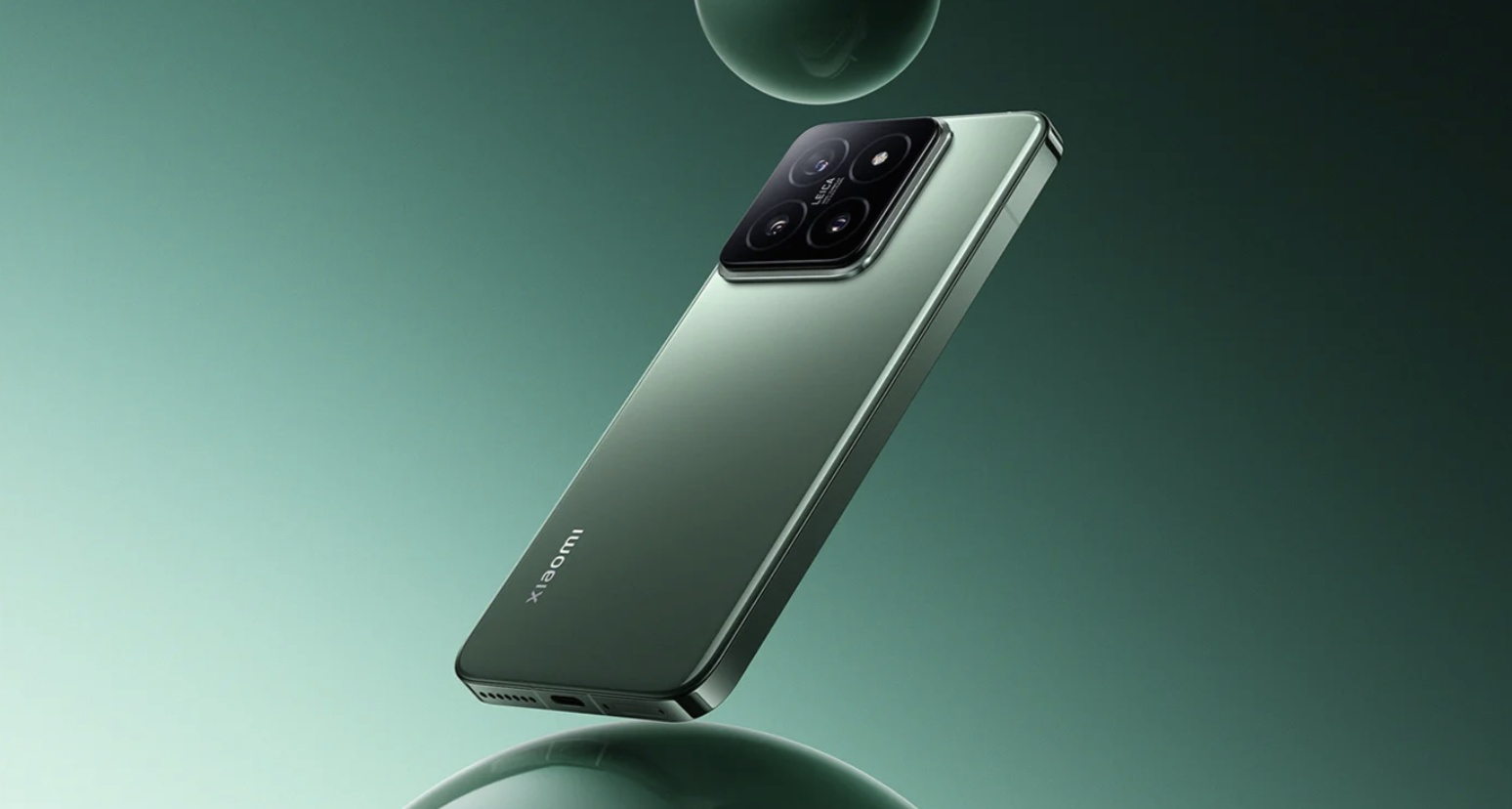
Xiaomi’s “Lens to Legend” smartphone. Source: Xiaomi

Sei, launched in 2023, is a high-speed layer-1 blockchain built for low-cost transactions. Xiaomi is a global electronics company that makes smartphones, smart-home devices, IoT hardware and electric vehicles. It was founded in 2010 and is based in Beijing.

Related: Chinese tech giants halt Hong Kong stablecoin plans amid Beijing concerns: FT

Solana’s push into smartphones

Sei Labs isn’t the first Web3 project to target smartphones as a gateway for mainstream crypto adoption.

The Solana Mobile, a subsidiary of Solana Labs, announced its first smartphone, the Saga, in June 2022 before beginning shipments the following year. In late 2023, sales surged when a BONK airdrop tied to each device briefly made the phone worth more in tokens than its retail price.

In August 2024, Solana began shipping its second-generation Seeker phone to users in over 50 countries after receiving more than 150,000 preorders. The device includes broad hardware upgrades, a built-in crypto wallet, a decentralized app store and an updated seed-vault system.
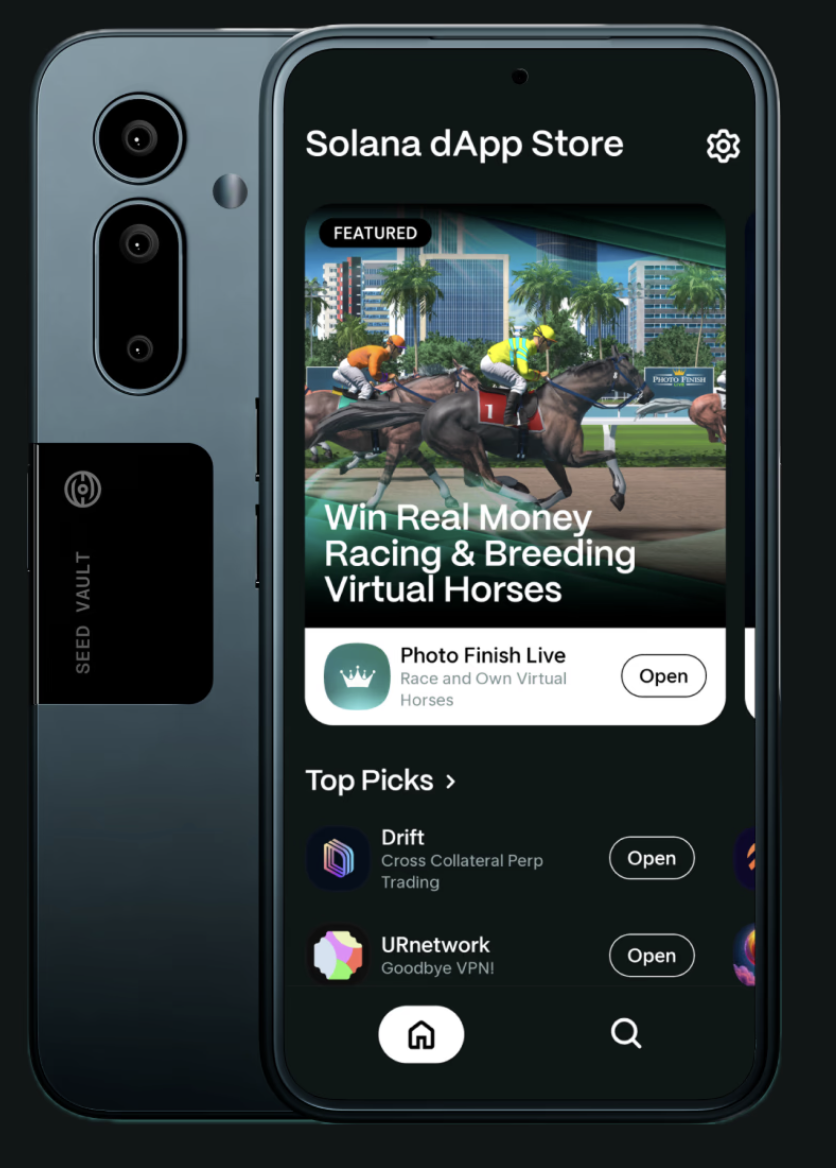
Source: Solana Mobile

On Dec. 3, Solana Mobile announced its plans to launch a native token, SKR, tied to its Seeker phone and broader mobile ecosystem in early 2026. The 10 billion-token supply will include large allocations for airdrops, growth incentives, liquidity and a community treasury, with portions also set aside for Solana Mobile and Solana Labs.

Samsung has also been expanding crypto features on its phones through a recent partnership with Coinbase. In October, the companies began allowing roughly 75 million US Galaxy users to buy crypto directly in Samsung Wallet, with plans to extend the integration to other markets.

Magazine: Meet the onchain crypto detectives fighting crime better than the cops


Letture associate

You Should Still Believe in Crypto

The article "You Should Still Believe in Crypto" addresses the growing sense of burnout and disillusionment within the cryptocurrency industry, sparked by a post from Aevo co-founder Ken Chan titled "I Wasted 8 Years of My Life in Crypto." It acknowledges the collective fatigue many feel due to the industry's fast-paced, often speculative nature, where narratives shift rapidly, and projects frequently fail or disappear. However, the piece argues that the core value of crypto remains vital. It references Nic Carter’s response, highlighting crypto’s potential to create a more robust monetary system, encode business logic via smart contracts, establish true digital property rights, improve capital market efficiency, and enhance global financial inclusion. The article revisits Bitcoin’s origin as a peer-to-peer electronic cash system born from the 2008 financial crisis, emphasizing its purpose as a trustless, decentralized alternative to traditional finance. It points to real-world adoption in high-inflation countries like Argentina and Turkey, where Bitcoin and stablecoins serve as essential financial tools, and notes increasing institutional embrace from firms like BlackRock and Fidelity. Finally, it draws a parallel to the early internet era, arguing that despite chaos, failed projects, and speculative excess, the crypto industry—like the internet—is laying foundational groundwork for future technological and financial evolution. The conclusion is a call to persevere, recognizing that the collective efforts of developers, researchers, and builders worldwide are contributing to a transformative global shift.

marsbit19 min fa

You Should Still Believe in Crypto

marsbit19 min fa

Oracle Plunges 40%, Will Excessive AI Infrastructure Overbuild Drag Down Giants?

Oracle's stock has plummeted 40% from its September peak, despite securing over $500 billion in AI infrastructure orders, signaling that massive backlogs alone no longer assure investor confidence. Similarly, Broadcom, with a $73 billion AI order backlog, and CoreWeave, which recently landed $36 billion in deals with OpenAI and Meta, have also faced stock declines. The market is growing skeptical of the AI infrastructure boom, concerned not only about suppliers' ability to fund and deliver these projects but also about the financial health and commitment of their major clients—primarily tech giants like Meta, Alphabet, Microsoft, Amazon, Apple, and Nvidia, alongside AI startups like OpenAI and Anthropic. While giants have robust finances, they are increasingly relying on debt to fuel AI capex, with soaring expenditures on data centers straining cash reserves and free cash flow. For instance, Microsoft, Alphabet, and Amazon are projected to collectively invest $1 trillion over four years. However, AI still contributes minimally to their overall revenue, raising questions about the sustainability of using profits from core businesses to fund speculative AI expansions. Execution challenges—such as power grid limitations, cooling issues, and community opposition—further complicate timely deployment. The critical uncertainty remains: if exponential AI demand fails to materialize and monetize quickly enough, these vast investments could lead to underutilized infrastructure, massive losses, and a fundamental weakening of these tech titans. The race between AI infrastructure build-out and actual market payoff will determine whether this bet becomes a triumph or a disastrous overreach.

marsbit1 h fa

Oracle Plunges 40%, Will Excessive AI Infrastructure Overbuild Drag Down Giants?

marsbit1 h fa

Trading

Spot
Futures
活动图片