Author: Aaron Stanley
Compiled by: Jiahuan, ChainCatcher
The stablecoin cross-border payment industry is experiencing rapid growth.
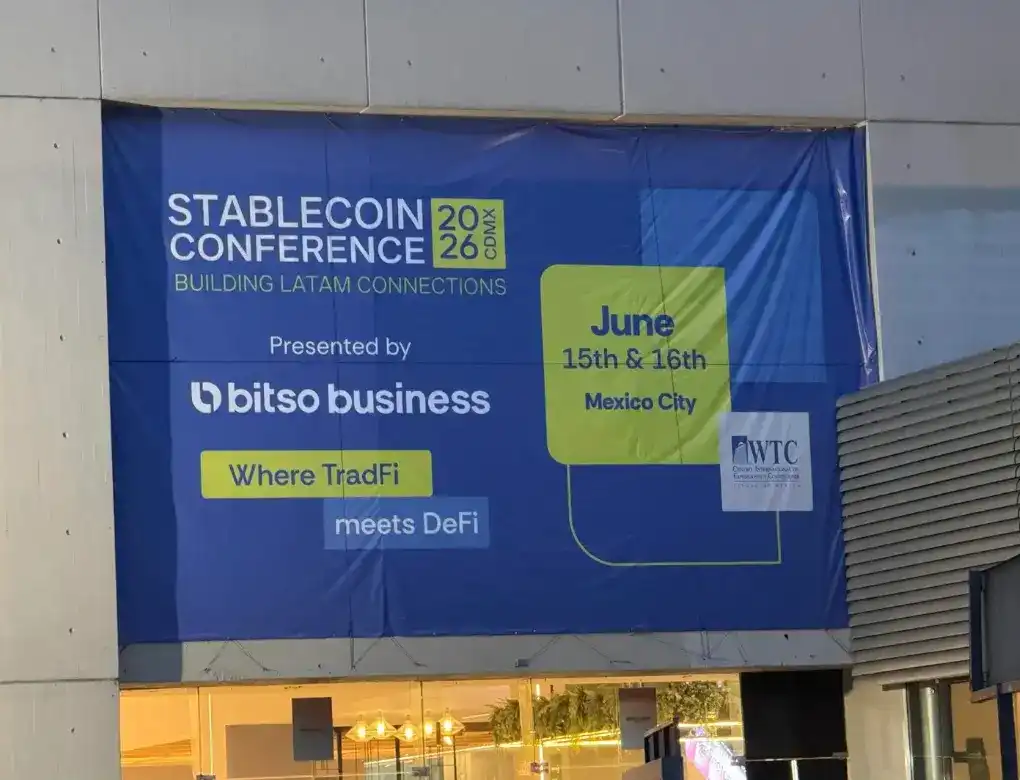
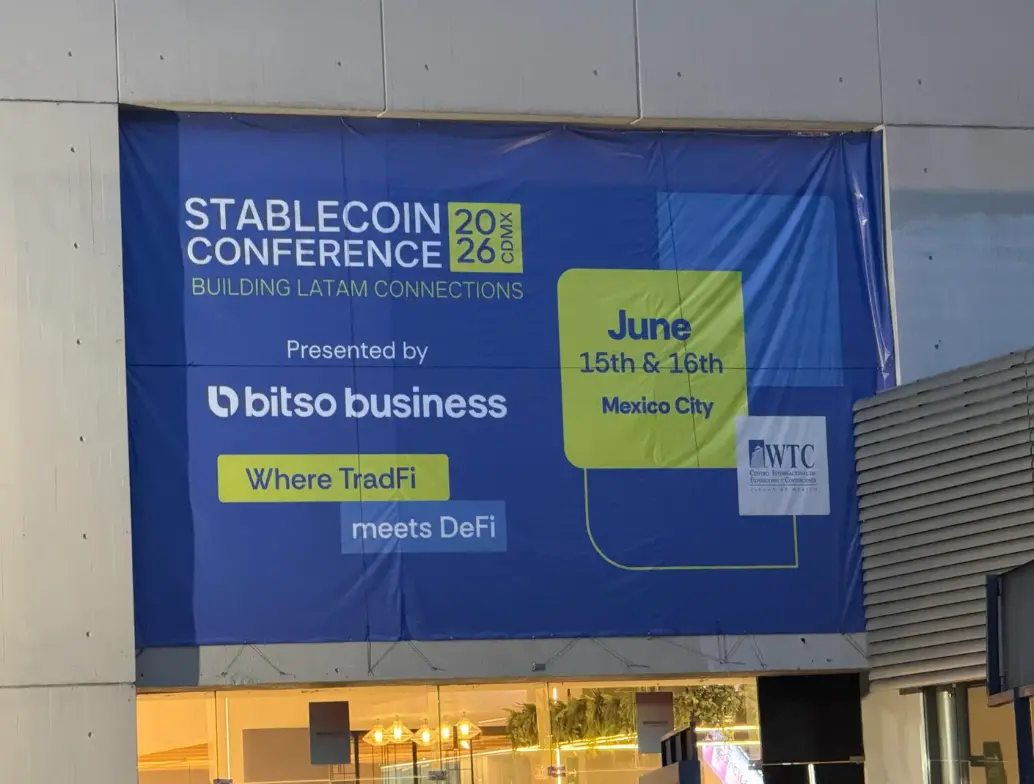
Earlier this month, hundreds of companies gathered at the Bitso Business stablecoin conference in Mexico City. Ask any attendee, and you'll hear the same answer: the technology is mature and available, the regulatory environment is improving, and transaction volumes are climbing.
However, spend some time talking to those who actually move money across borders, and a more nuanced picture emerges: cross-border payments based on stablecoins are faster, more accessible, and increasingly reliable. But in terms of price, the industry has yet to deliver on its promise.
Where does the gap come from? Foreign exchange brokers typically charge 60 to 70 basis points for cross-border supplier payments. Stablecoins promise to compress this cost to 2 to 5 basis points. The direction is clear.
It's just that the deep liquidity pools needed to make this cost compression a reality have not yet been built at scale.
Imran Ahmad, head of Bitso Business, the B2B division of one of Latin America's largest crypto exchanges, puts it bluntly: Before significant institutional liquidity flows into these channels, the cost advantage of stablecoins remains theoretical.
Once banks start connecting directly, pricing will be forced down, and the equation will change accordingly.
Ahmad explained in an interview during the conference: "They are faster, better, that's unquestionable; they operate 24/7, that's also unquestionable. But are they cheaper? Not yet. The liquidity pools need to be built first."
Addressing the Trust Problem
Bringing this liquidity online requires some behavioral change.
Imagine a medium-sized importer based in Santos, Brazil (Latin America's largest port), who has been using the same local FX broker for years to handle payments.
That broker charges 60 to 70 basis points. In theory, a stablecoin solution could complete the same payment for a fraction of that cost.
But the importer might not think of the transaction in basis points. He thinks of the reliable agent who has handled his forex for a decade: the person who always answers the phone, who always gets things done.
This relationship, built on trust, is the real barrier to stablecoin adoption in B2B payments. It will only erode slowly: when the price gap becomes too large to ignore, when a new generation of operators no longer takes personal relationships for granted.
"Ultimately, it all comes down to trust," said Ezra Kebrab, CEO of Caliza, a cross-border payments company handling supplier payments and treasury management transactions between Latin America, North America, and Asia.
"It's not as simple as 'I'm the cheapest, fastest solution,'" Kebrab added. "Do you know the consequences if this payment doesn't meet the counterparty's requirements?"
Complementing Swift, Not Replacing It
Contrary to some narratives in the stablecoin payments space, the companies truly gaining market traction are those that have stopped treating existing infrastructure as the enemy.
Caliza's clients range from customs brokers in Santos to global payment processors like Flutterwave and India's Skydo; the company also partners with payment partner LianLian for flows from Latin America to China.
Despite running on stablecoin rails, Caliza still completes many transactions via Swift. The reason is: in supplier payments, paying correctly is as important as paying quickly. A remittance with an incorrect tax ID or missing payment field can cause goods to be held at customs indefinitely.
"Some of my peers might call themselves 'Swift killers,'" Kebrab said. "But I think Swift has done an excellent job in establishing the standardization needed for supplier payments."
This willingness to work alongside, rather than against, traditional systems has translated into sustained growth. Since its inception, Caliza has seen month-over-month growth exceeding 40%, reaching 60% last month.
To avoid reliance on intermediaries, the company built its licensing and banking partnerships from scratch. A decision that seemed costly early on now looks more and more like a competitive advantage.
Bitso's Ahmad believes the growth momentum of stablecoin companies operating in these cross-border corridors over the past year has been staggering. But given the business structure and highly regulated nature, he expects a natural shakeout will eventually occur.
"The growth trajectories of these companies are fascinating," he said. "There hasn't been a 'graveyard' of stablecoin companies yet. But I think one day there will be."
In his view, who ultimately stands firm depends on three things: licenses, fiat channels, and liquidity. Build these, and you have a real business. "Otherwise, you're just a middleman."