Just now, for the first time in history, AI-assisted treatment has cured cancer!
Tonight, the global medical community is experiencing an earthquake significant enough to be recorded in history.
The global mRNA giant Moderna and Merck jointly announced——
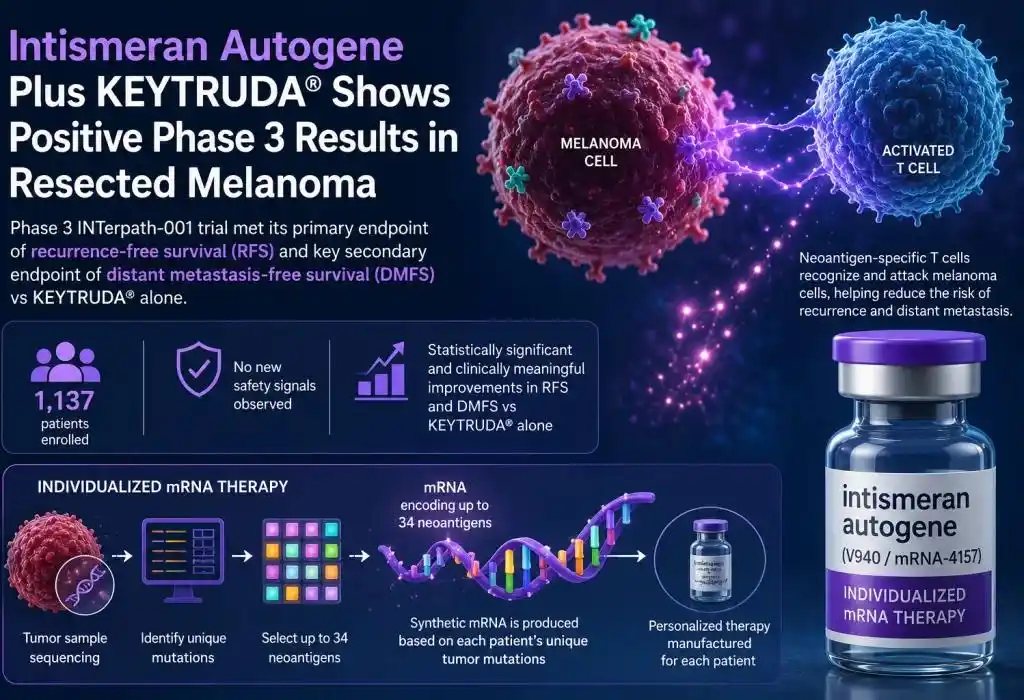
Their first personalized mRNA cancer therapy, intismeran autogene, has achieved historic success in a global Phase III clinical trial targeting high-risk melanoma.
The two key endpoints of "Recurrence-Free Survival" and "Distant Metastasis-Free Survival" were both met!
The news instantly sent Wall Street into a frenzy.
Moderna's stock price surged over 100%~170% in a single day, adding tens of billions of dollars to its market value.
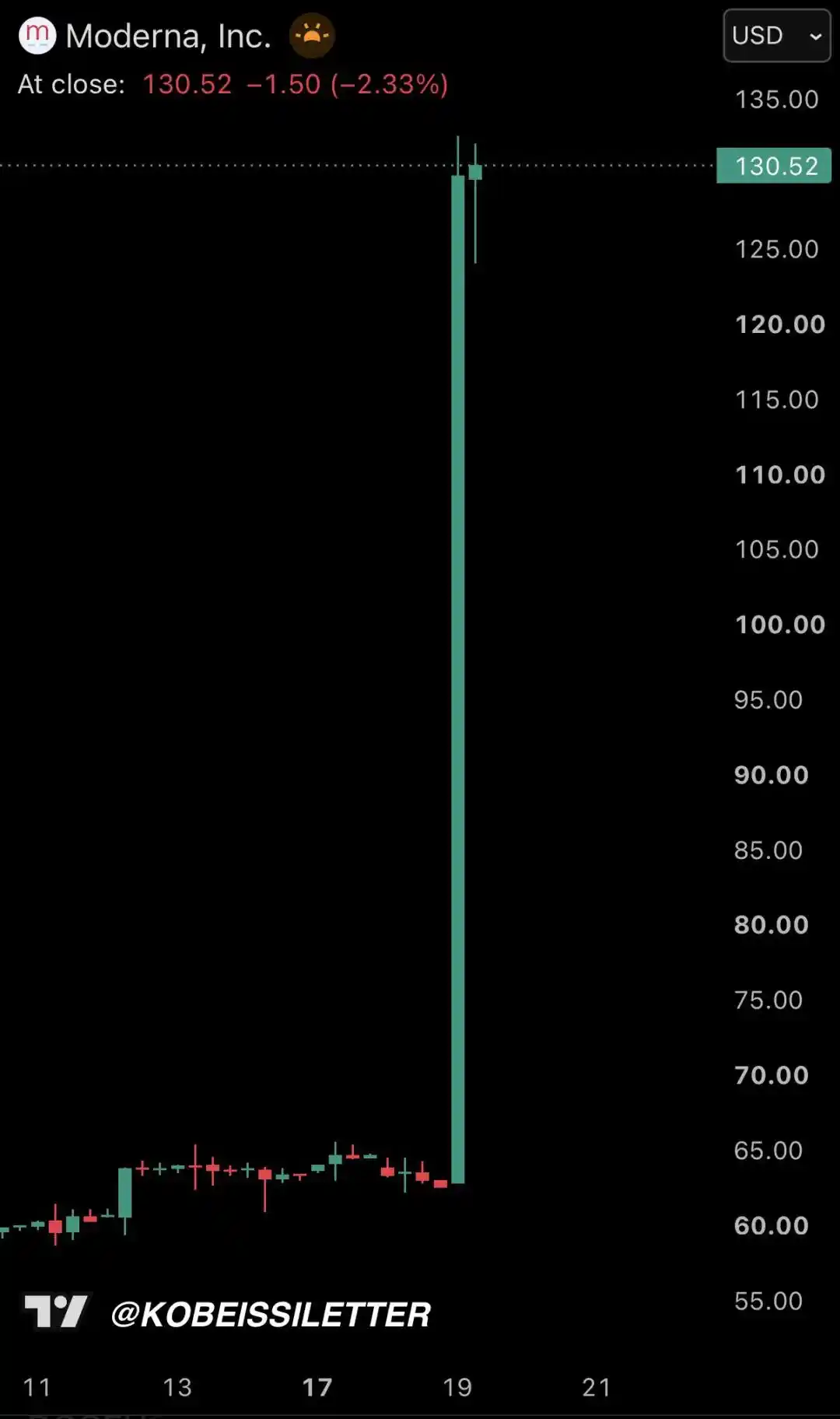
Merck followed the rise, and the Nasdaq Biotechnology Index soared to a new all-time high!
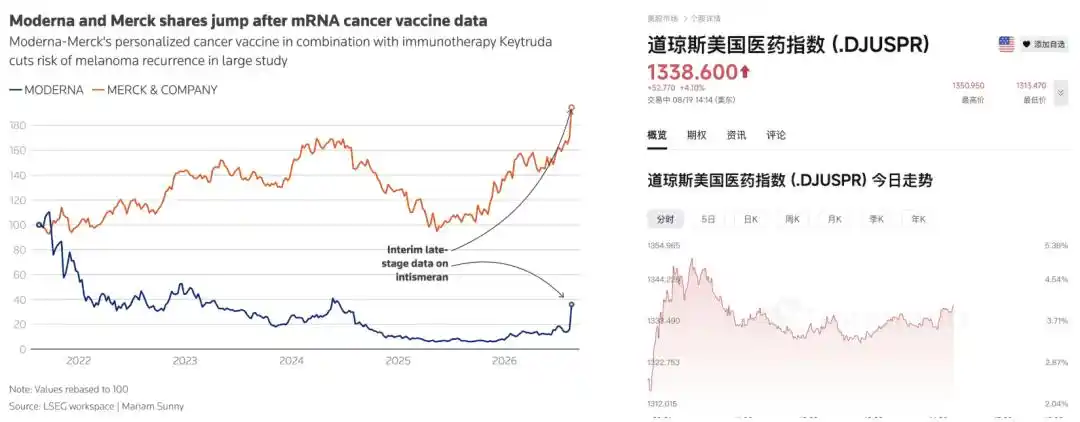
However, what commands even greater respect is the revolutionary significance behind the technology.
This is the first time in human history that a personalized mRNA anticancer drug has been truly "privately tailored" based on a patient's specific cancer gene mutations, with AI deeply involved in target design from the outset!
Elon Musk bluntly stated: Artificial RNA essentially turns disease treatment into a software problem.
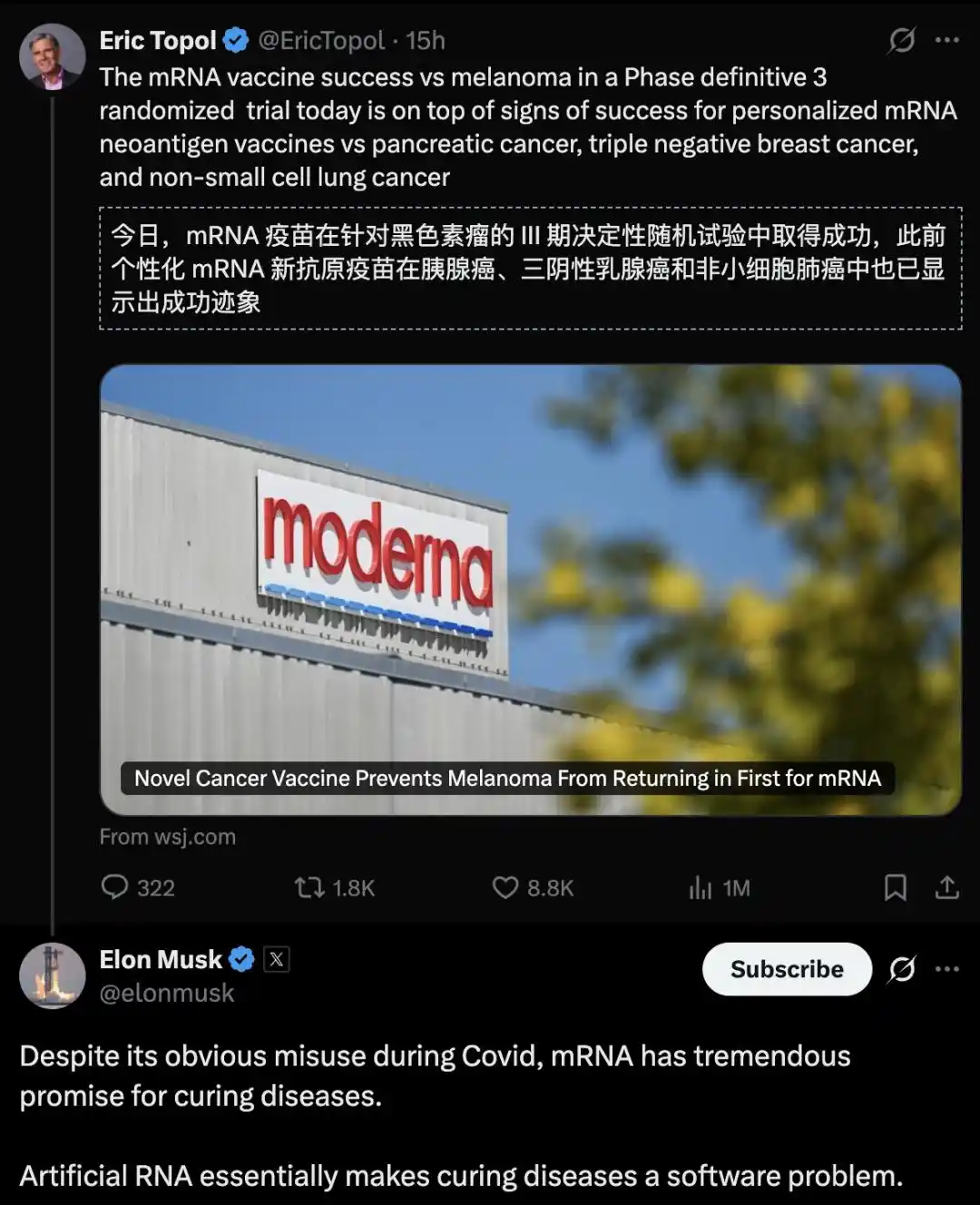
Karen Knudsen, CEO of the Parker Institute for Cancer Immunotherapy in the US, went even further, stating:
This major victory marks the official entry of solid tumor treatment into a new era of immunotherapy. This is an extremely bright beginning, and the curtain of a new era has been lifted!
Remember today. In 2020, mRNA technology took 11 months to go from viral sequence to vaccine approval, helping humanity withstand a pandemic; in 2026, the same platform, empowered by AI, has for the first time in a Phase III trial squarely defeated cancer.
"The Black Death": A Century-Long Nightmare on Humanity's Anti-Cancer Journey
To understand the greatness of this breakthrough, we must first see the ferocity of the opponent.
This clinical trial targeted melanoma. Although it accounts for only about 1% of all skin cancers, it is highly malignant and a leading cause of death among skin cancers.
Melanoma is called one of the "kings of cancer" for extremely cruel reasons.
It often originates from a seemingly insignificant mole; if not careful, it rapidly spreads through lymph and blood to vital organs like the lungs, liver, and brain.
Moreover, it has an extremely high recurrence rate. Even after surgical tumor removal, tiny residual cancer cells lying dormant in the body can stage a comeback within 2 to 3 years post-surgery.
For years, the most effective treatment has been Merck's "king of drugs"——Keytruda (K drug, PD-1 inhibitor).
The principle of K drug is to "release the immune brakes" of the human body, allowing T cells to attack cancer cells.
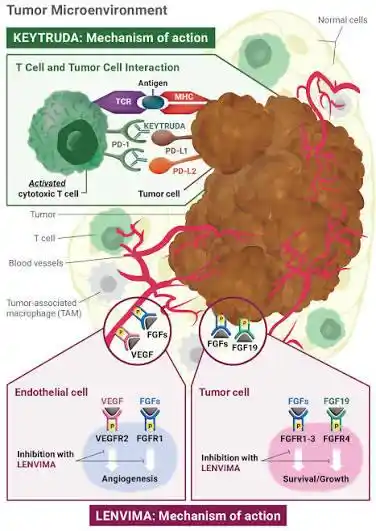
But it has a fatal flaw: if the patient's own immune system simply cannot "recognize" what the lurking cancer cells look like, even if the brakes are released, the immune army just wanders aimlessly within the body.
Post-operative recurrence, distant metastasis, drug resistance... millions of patients still endure torment.
This time, humanity has finally waited for a "searchlight" that can illuminate the disguise of cancer cells in the dark.
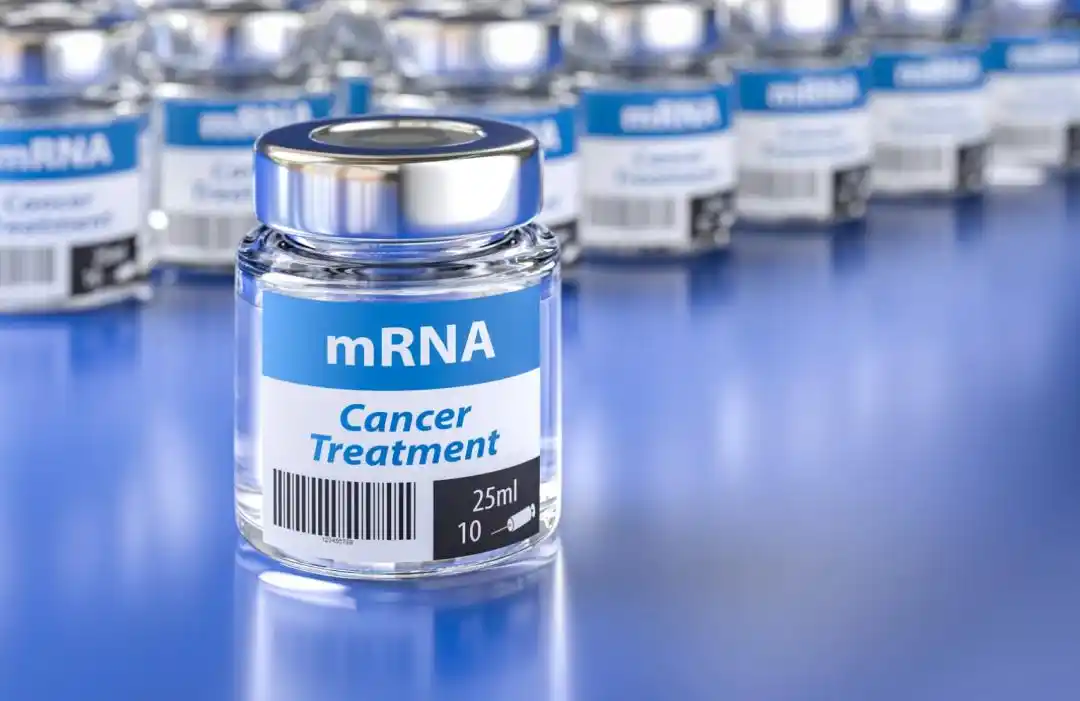
AI Personally Issues "Personalized Wanted Posters" to the Immune System
Moderna and Merck have pioneered the true era of "one patient, one drug."
And the core of this treatment process is AI algorithms.
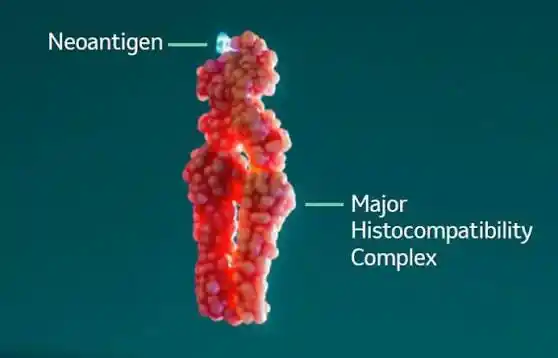
This mind-bending, surgical-level precision therapy can identify mutations and find the "fingerprint" of cancer cells.
Doctors surgically remove the patient's tumor tissue, extract a sample of healthy blood, and perform comprehensive high-throughput gene sequencing. By comparing the DNA of healthy cells and cancer cells, the unique gene mutations of that patient's tumor can be identified.
Next, AI takes over, pinpointing the most lethal "34 targets" from tens of thousands of mutations.
There may be thousands of mutations within a patient's body. Which ones can activate the immune system to the greatest extent?
Relying on human scientists to screen them one by one through experiments would take years or even decades, a wait patients simply cannot afford.
At this moment, the AI large model steps onto the stage.
Moderna's deeply integrated AI algorithm, within hours, furiously runs simulations of protein folding, binding affinity predictions, and immune response modeling, ultimately selecting, from the sea of mutations, up to 34 "neoantigens" with the most potent immune-killing power.
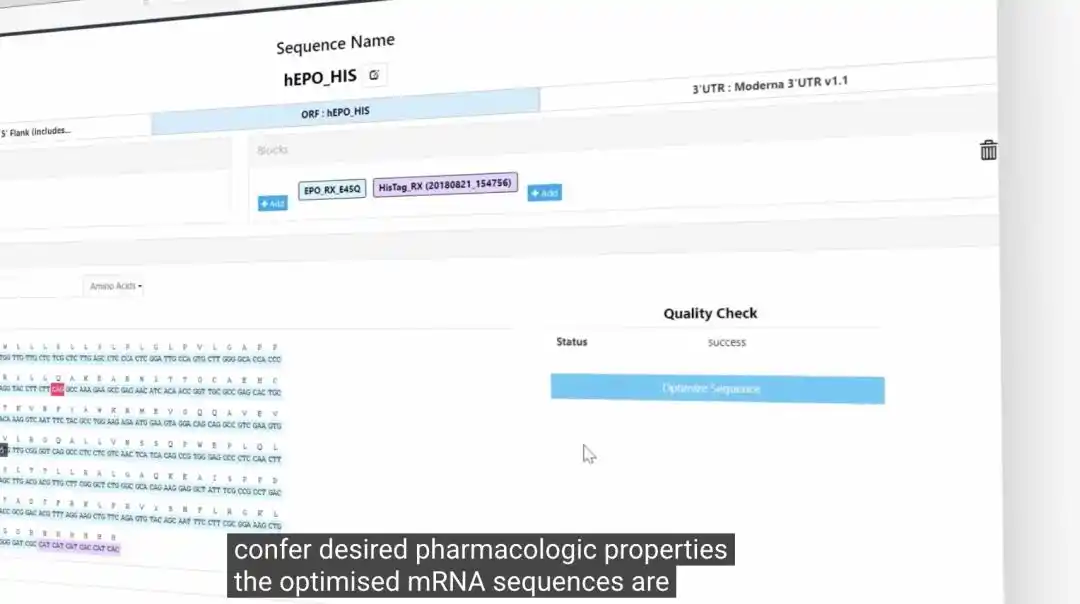
Ultra-Fast Customization: One Unique mRNA for Each Person
Based on these 34 unique targets selected by AI, Moderna's super-automated platform rapidly designs and synthesizes a strand of mRNA sequence exclusively for this patient, encapsulating it into lipid nanoparticles (LNP).
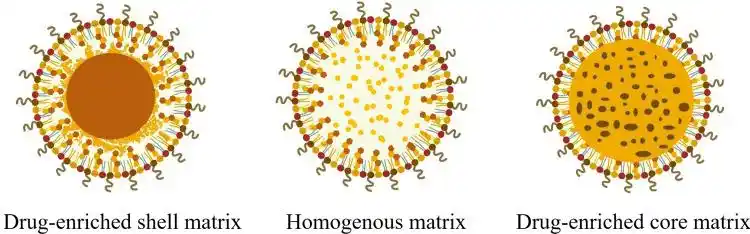
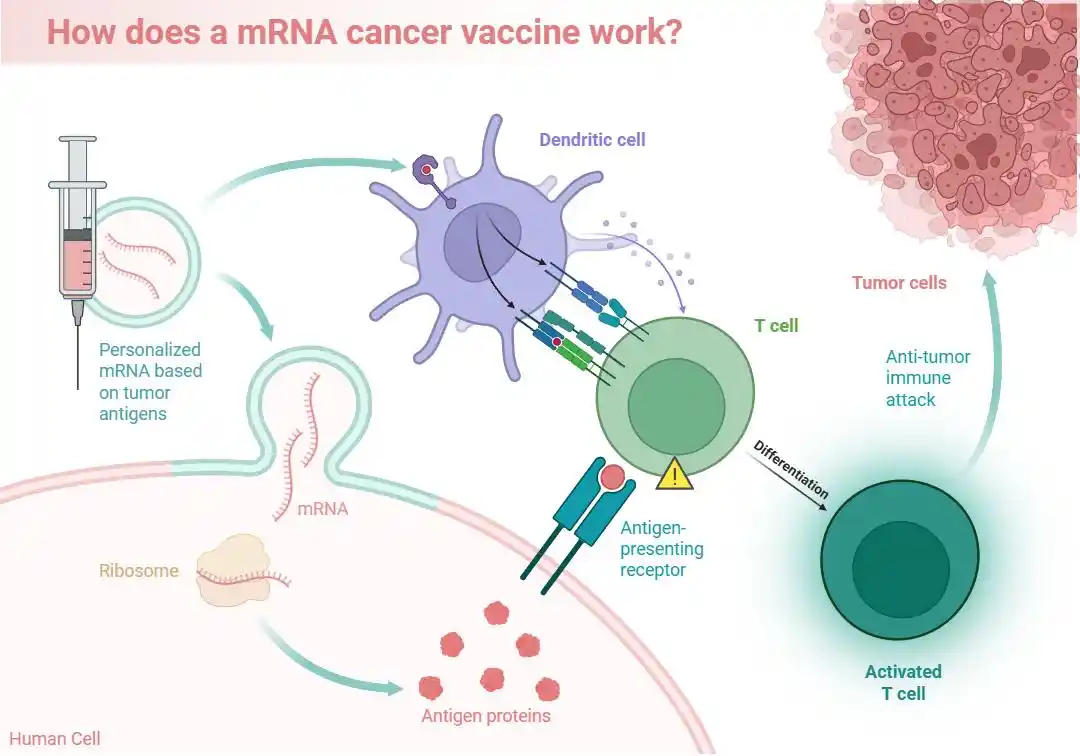
When this one-of-a-kind vaccine is injected into the patient's body, it instructs healthy cells to express these 34 mutated protein fragments that exist only on cancer cells.
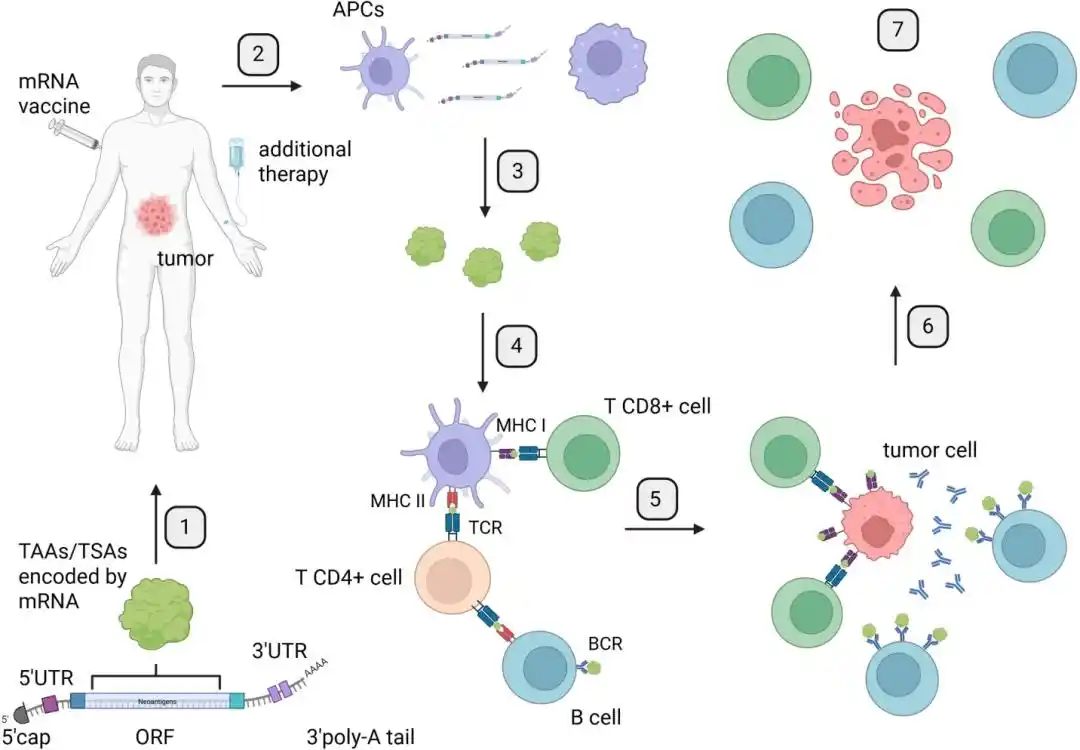
This is equivalent to directly handing the "3D HD wanted poster" of this patient's lurking cancer cells into the hands of the immune T cells!
At this point, combined with the administration of K drug to release the immune brakes, the fully trained, heavily armed T cell army will conduct a carpet search in every corner of the body, precisely hunting down and thoroughly eliminating any residual, hidden cancer cells!
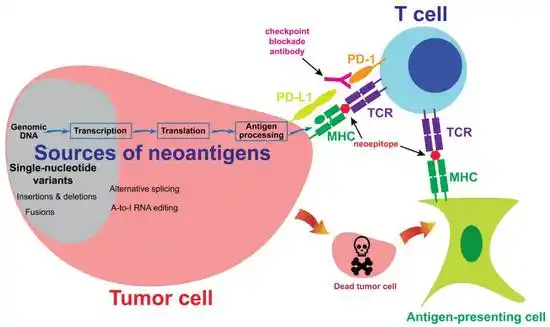
It does not harm innocent normal cells, only chases and kills cancer cells with specific mutations——this is the precision medicine humanity has long dreamed of!
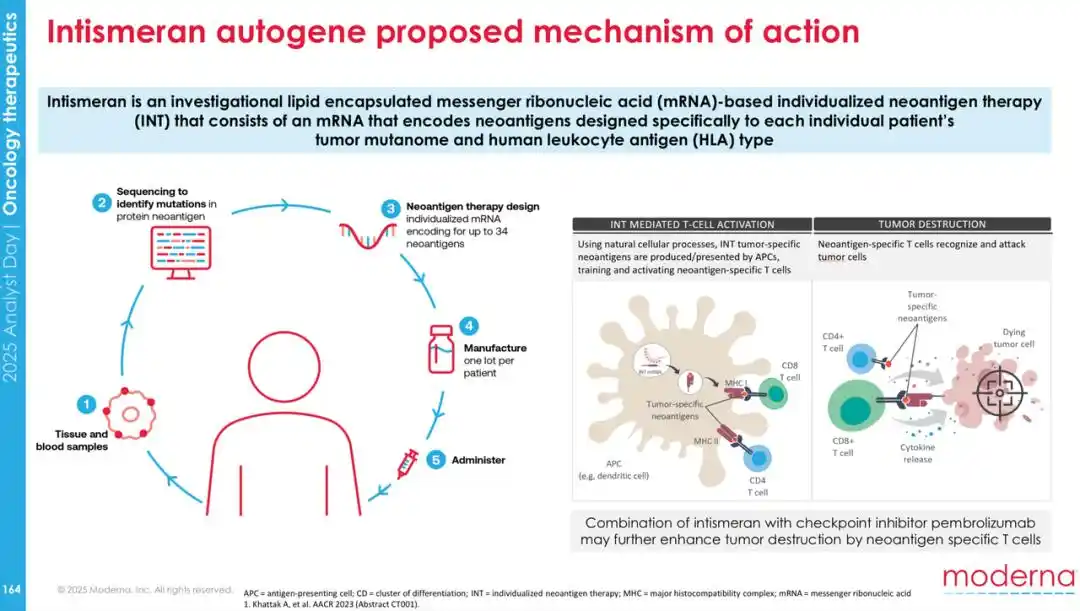
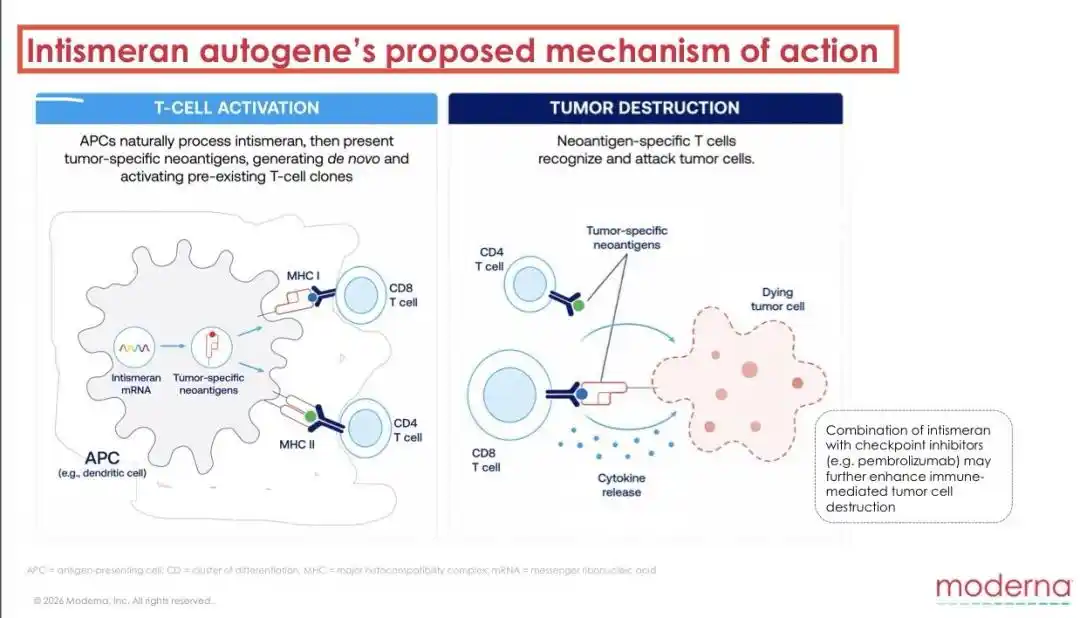
After administration, the mRNA-encoded neoantigen sequences are translated and presented to the immune system within the body, a crucial step in generating specific T-cell responses against cancer cells. The mRNA sequence is transient and does not integrate into DNA.
Crossing the "Valley of Death": The First mRNA Cancer Therapy to Achieve Phase III Victory
In the world of drug development, there is a recognized iron law: "Phase II brings hope, Phase III buries everything."
Countless highly anticipated anti-cancer miracle drugs and cancer vaccines have ultimately fallen in the large-scale, extremely stringent randomized double-blind Phase III clinical trials.
But this time, Moderna and Merck have created a miracle!
This is a global large-scale Phase III clinical trial that enrolled 1,137 patients with stage IIB to IV high-risk melanoma who had already undergone surgical removal of their lesions.
The trial used the highest standard of randomized, double-blind, placebo-controlled design:
One group received: Personalized mRNA vaccine + K drug combination therapy;
The other group received: Standard therapy (K drug alone) for about one year.
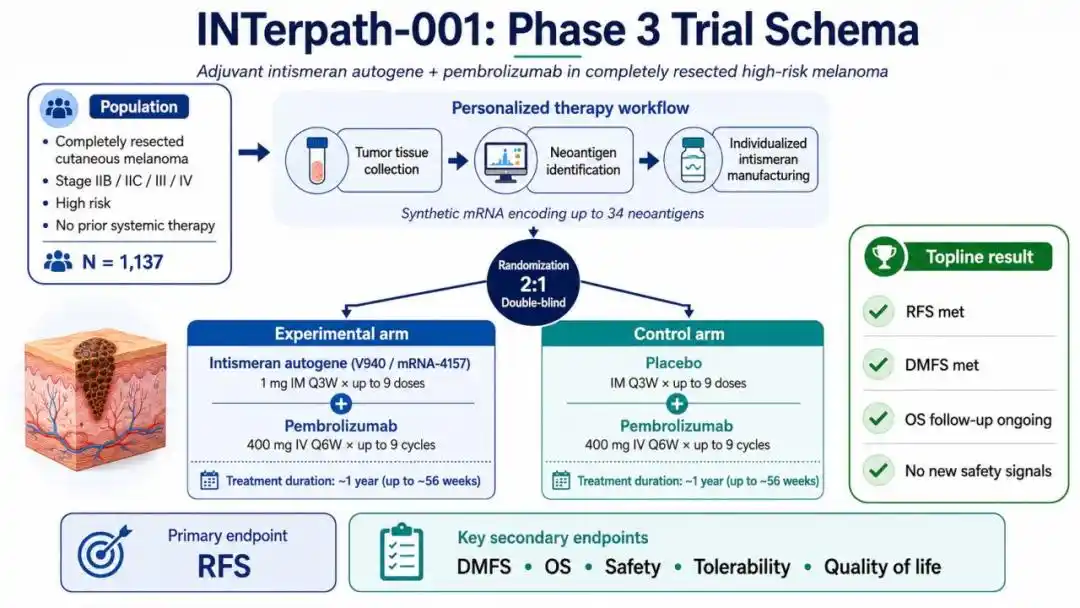
The interim analysis results completely shocked the clinical medical community.
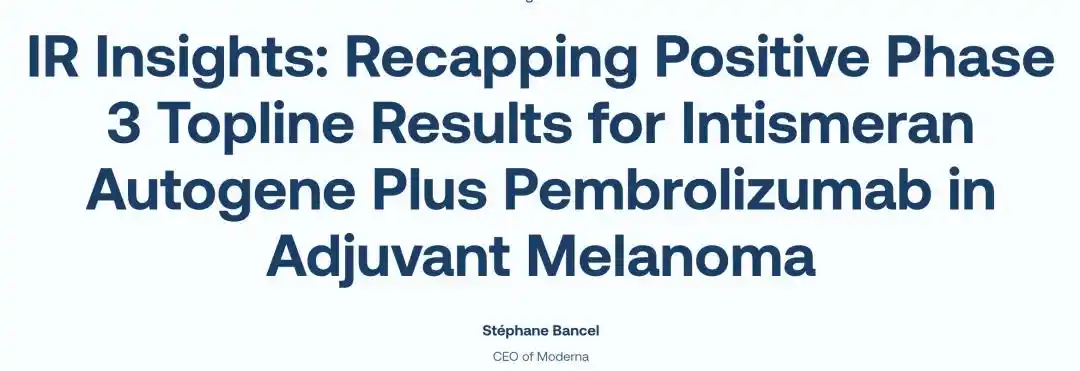
First, the primary endpoint was a resounding success.
The mRNA vaccine combination group showed a statistically extremely significant and clinically meaningful extension in Recurrence-Free Survival (RFS)!
Second, the secondary endpoints were fully met: It significantly reduced the risk of tumors spreading to distant parts of the body (such as lungs, brain, liver) (DMFS was met)!
Additionally, its safety profile was excellent.
The two companies confirmed that the combination therapy did not present new unexpected safety signals, with side effects largely similar to ordinary vaccines and good tolerability.
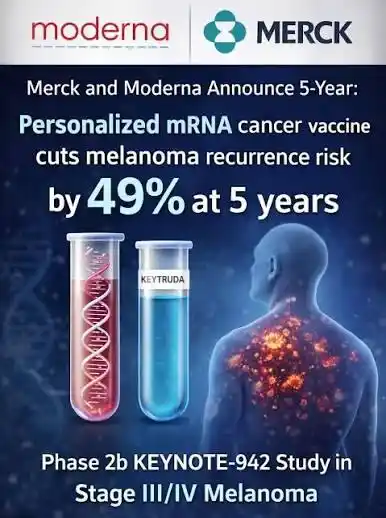
It is worth noting that in previously disclosed long-term follow-up data from the Phase IIb trial, this combination therapy directly reduced the risk of recurrence or death by 49% and slashed the risk of distant metastasis or death by a staggering 59% over a period of up to 5 years!
Professor Lennard Lee, a top cancer expert from Oxford University, commented excitedly:
This is the world's first individualized neoantigen therapy to achieve positive results in a Phase III clinical trial, and also the first successful mRNA cancer treatment regimen. In just a few years since the COVID-19 pandemic, we have actually ushered in an mRNA vaccine capable of treating cancer. This is an epoch-making milestone!
When AI Finally Begins to Save Lives
Today, Moderna and Merck have given the world the loudest, most powerful answer——
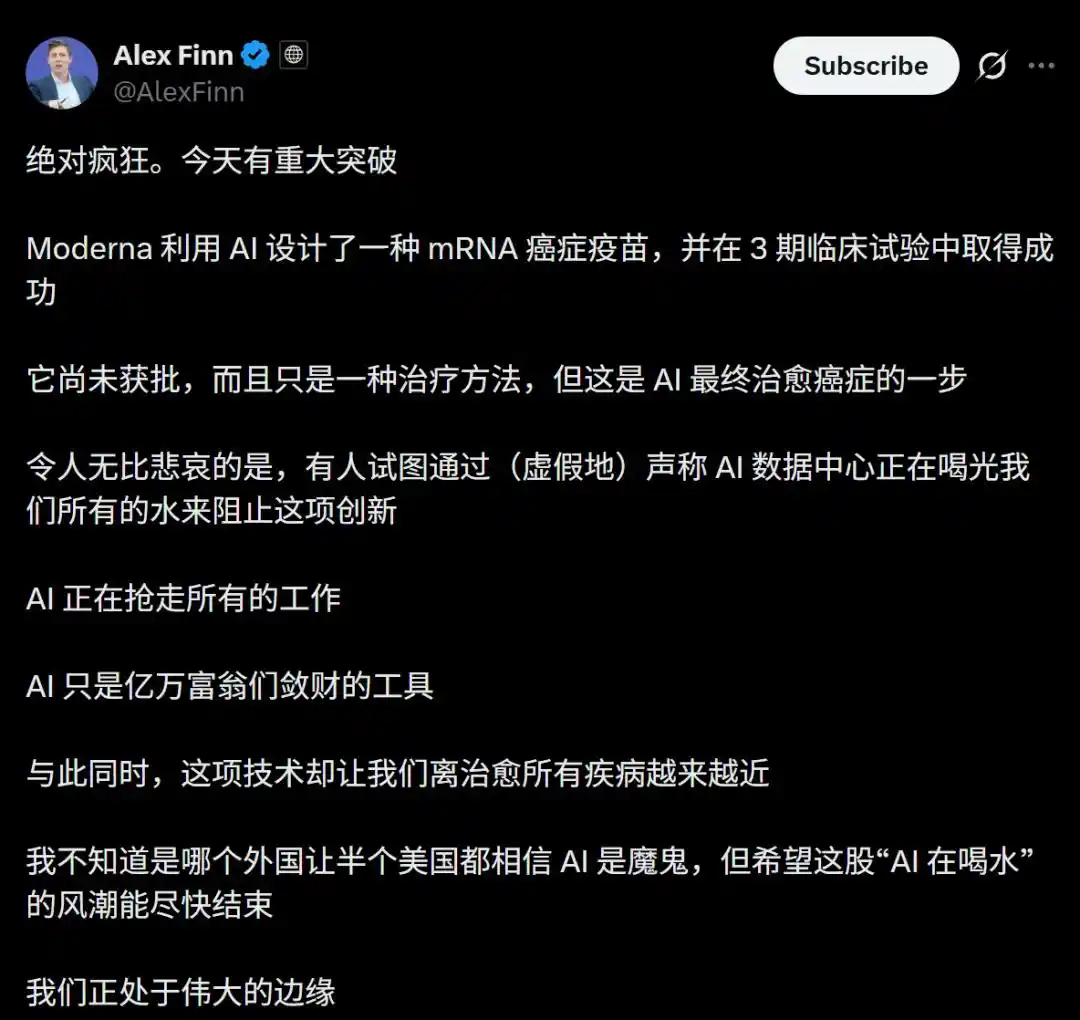
The true destiny of AI is never to snatch jobs from the grassroots, nor to be a digital toy for chatting, but to stand at the forefront of human intelligence, to crack those life-and-death terminal illnesses that have plagued humanity for centuries!
In the past, new drug development had a famous "Rule of Two Tens"——taking 10 years and costing $1 billion, with a success rate of less than 10%.
In the field of tumor personalization, since everyone's mutations vary widely, without the massive computational and target prediction capabilities of AI, "one patient, one drug" would be an absolute impossibility in terms of economic and time costs.
The "AI + mRNA custom vaccine" therapy may signify that the day humanity defeats cancer has truly arrived.
AI is bringing the dream of curing all diseases closer!
Which Cancers Will Usher in the Dawn?
What's even more significant is that this breakthrough is by no means limited to melanoma alone.
As pointed out by Moderna CEO Stéphane Bancel and Merck Research Laboratories President Dean Li, melanoma is merely the "testing ground" for this AI + mRNA platform.
As long as this underlying logic (tumor sequencing ➡️ AI selecting neoantigens ➡️ customizing mRNA ➡️ activating immunity) is proven viable in Phase III trials, this technological foundation can theoretically be replicated for all solid tumors with gene mutations!
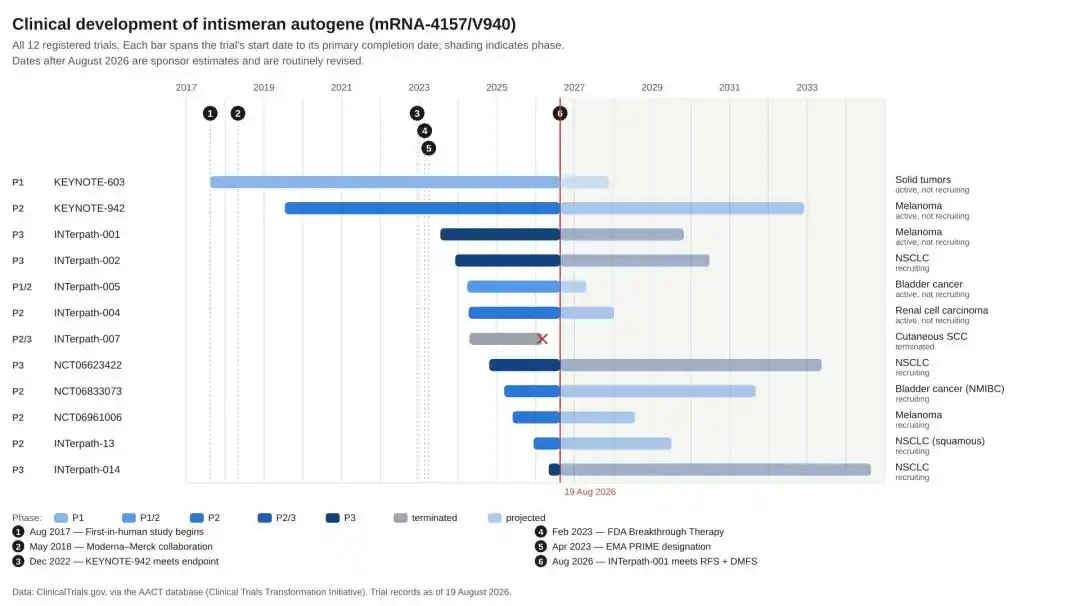
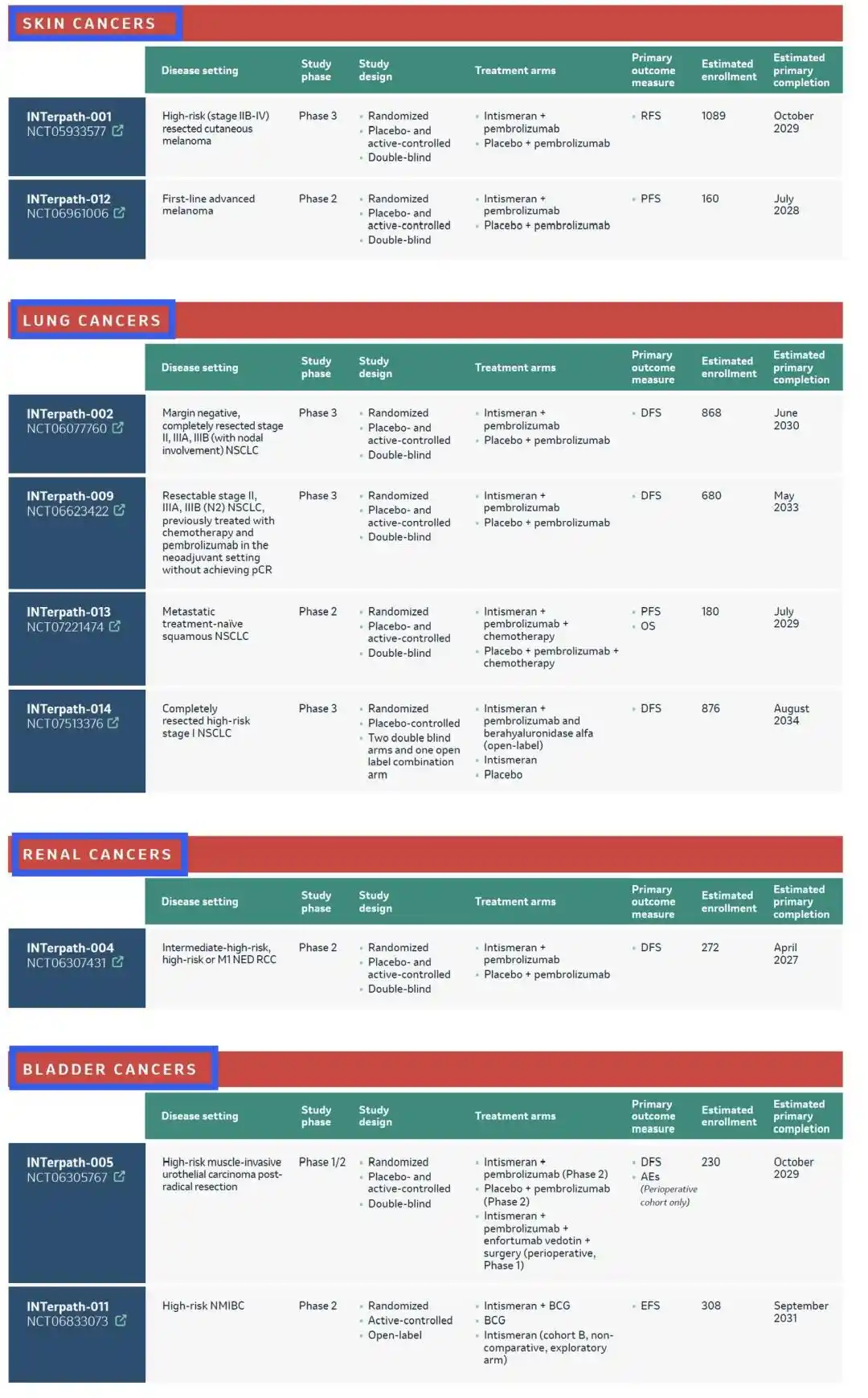
Currently, Moderna and Merck have initiated multiple global clinical trials to apply this AI-customized vaccine to more major cancer types, such as non-small cell lung cancer, pancreatic cancer, triple-negative breast cancer, bladder cancer, and renal cell carcinoma.
Officials disclosed that since this therapy has already received the "Breakthrough Therapy Designation" granted by the US FDA, the two companies plan to urgently communicate with major global regulatory agencies within the next few months and swiftly submit applications for market approval.
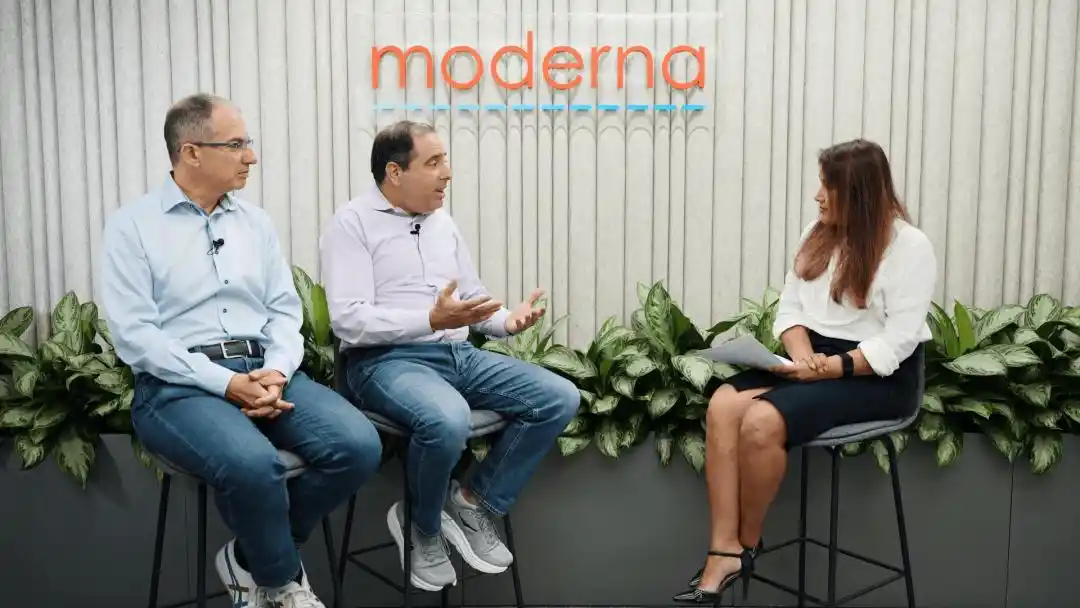
In an interview, Moderna President Stephen Hoge, unable to conceal his excitement, stated:
If approvals proceed smoothly, tens of thousands of high-risk cancer patients worldwide who have undergone surgery could potentially have access to this miracle drug as early as next year (2027)!
Top investment banks predict that for this melanoma indication alone, the annual sales of this therapy after market launch will easily surpass $3 billion.
And once major cancer types like lung cancer and pancreatic cancer are fully conquered, an AI-personalized precision medicine empire with a scale of hundreds of billions of dollars will be completely formed.
The cost curve also stands on the side of patients.
Remember the history of gene sequencing? The Human Genome Project burned $3 billion and took 13 years; today, sequencing a whole genome costs only a few hundred dollars, with results in a day or two.
Personalized mRNA vaccines are on the same path of industrialization-driven cost reduction: sequencing costs are dropping, and computing power costs are dropping. Once scale ramps up, marginal costs will be relentlessly driven down.
Of course, there is still a gap between "tens of thousands" and "tens of millions," but the trend is now irreversible.
References:
https://x.com/AYi_AInotes/status/2090129595794084303
https://www.merck.com/news/merck-and-moderna-announce-phase-3-interpath-001-trial-of-intismeran-autogene-plus-keytruda-met-endpoints-of-recurrence-free-survival-rfs-and-distant-metastasis-free-survival-dmfs-in-patient/
https://www.modernatx.com/ir-insights-phase-3-intesmeran
https://www.reuters.com/legal/litigation/merck-moderna-say-melanoma-skin-cancer-vaccine-meets-goals-large-trial-2026-08-19/
This article is from the WeChat public account "AI Era Inspiration," author: ASI Apocalypse