Tokenized gold and silver outperform Bitcoin as capital rotates into on-chain safe havens

ambcryptoPubblicato 2025-12-10Pubblicato ultima volta 2025-12-10

Introduzione

Tokenized commodities, particularly gold (PAXG) and silver (KAG), have significantly outperformed Bitcoin in 2025, according to CryptoRank data. While Bitcoin has seen negative yearly performance amid macroeconomic uncertainty, tokenized metals have repeatedly reached new all-time highs. This shift accelerated in late 2025 as investors sought safe-haven assets within the crypto ecosystem rather than exiting entirely. The trend highlights the growing role of real-world assets (RWAs) as on-chain hedges, allowing capital to rotate into precious metals without leaving the digital infrastructure. Market capitalization for tokenized gold grew from $1.8B to over $4B, reflecting real investor inflows. The movement has reignited debates about Bitcoin's role as a store of value, underscoring a maturing market where diversified on-chain safe havens are now available.

Tokenized commodities have surged ahead of Bitcoin this year, with tokenized gold [PAXG] and tokenized silver [KAG] delivering clear outperformance despite broader crypto market volatility, according to new data from CryptoRank.

Bitcoin, which reached an all-time high of $125,000 earlier in 2025, has now slipped into negative yearly performance—down roughly 4–5%—as macroeconomic uncertainty and geopolitical tensions have pressured risk assets across the board.

Bitcoin falls while tokenized metals hit multiple ATHs

While Bitcoin has struggled to reclaim its highs, tokenized gold and silver have continued to build momentum throughout the second half of 2025. They have each made new all-time highs on repeated occasions.

The rotation into commodities accelerated from October to December, coinciding with one of the sharpest fear spikes in the crypto market since 2022.

Data shows that investors have moved capital directly into tokenized precious metals, rather than exiting the crypto ecosystem entirely—underscoring how real-world assets now serve as an internal hedge.

Coingecko market-cap charts also show steady inflows, with tokenized gold rising from around $1.8B early in the year to above $4B today.

Tokenized silver remains smaller, but its upward trend reflects similar demand.

RWAs enable a new form of digital safe haven

Unlike prior cycles, this is one of the first times investors can rotate into metals without liquidating into traditional markets.

The growth of tokenization—first through treasuries, then into commodities—has given traders a crypto-native hedge that acts more like a safe-haven asset.

The mechanics now resemble traditional market behavior: risk-off sentiment pushes flows into gold exposure, except this time the move stays on-chain.

This aligns with the broader rise of real-world assets [RWAs] as one of the strongest adoption themes of 2025, especially as regulatory clarity around tokenization continues to expand in the United States.

Schiff vs CZ debate highlights the moment

The trend also reignited the long-running “Bitcoin vs gold” debate after gold advocate Peter Schiff recently argued that tokenized gold’s performance proves Bitcoin is inferior as a store of value.

Binance founder Changpeng Zhao [CZ] countered that tokenization expands the crypto ecosystem, and that the ability to rotate between assets is proof of market maturity—not weakness.

The ongoing argument reflects a deeper narrative: Bitcoin is no longer the only on-chain hedge, and capital now has the option to rotate to metal exposure without abandoning digital infrastructure.


Final Thoughts

  • Tokenized metals outperformed Bitcoin and reached repeated ATHs in 2025
  • Market-cap trends show real inflows, not just price volatility
Letture associate

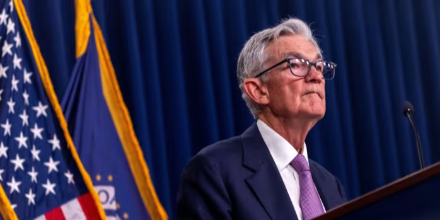
Fed Chair Race Takes a Surprising Turn: Warsh Overtakes Hassett, Trump's Interest Rate Gambit Places a New Piece

US Federal Reserve Chair Race Shifts: Warsh Surpasses Hassett as Trump's Top Pick In a surprise turn of events, President Trump confirmed to The Wall Street Journal that former Fed Governor Kevin Warsh has become the leading candidate for the next Federal Reserve Chair, overtaking previously favored Kevin Hassett. This shift followed a 45-minute meeting where Warsh aligned with Trump’s desire for lower interest rates. Warsh’s Wall Street experience and previous role at the Fed during the 2008 financial crisis distinguished him from the more academic Hassett. Market probabilities reflected the change, with Hassett’s odds dropping from 85% to 52%, while Warsh’s rose to 38%. Trump has repeatedly criticized current Chair Jerome Powell for not cutting rates aggressively enough, and even suggested the Fed should consult the president on rate decisions—a direct challenge to the central bank’s independence. Other candidates include Fed Governors Christopher Waller and Michelle Bowman, and BlackRock’s Rick Rieder. Historical parallels were drawn to Nixon-era political pressure on the Fed, which led to high inflation. ECB President Christine Lagarde warned that political interference poses a “very serious threat” to global economic stability. Wall Street reacted cautiously, with Jamie Dimon noting both candidates' strengths but acknowledging Warsh’s potential to be an “outstanding chair.” Powell, whose term ends in May, aims to hand over a stable economy but has consistently resisted Trump’s calls for deeper rate cuts. The outcome of this selection will significantly influence global financial markets and test the Fed’s independence in the years ahead.

marsbit4 min fa

Fed Chair Race Takes a Surprising Turn: Warsh Overtakes Hassett, Trump's Interest Rate Gambit Places a New Piece

marsbit4 min fa

Trading

Spot
Futures
活动图片