The Domestic Answer to Space Computing Power: Photonics Are More Efficient, Musk and Huang's Approaches Are Too Roundabout

marsbitPubblicato 2026-06-28Pubblicato ultima volta 2026-06-28

Introduzione

The Space Computing Race: A Photonic Advantage The competition for space-based computing has intensified, with figures like Elon Musk and NVIDIA's Jensen Huang highlighting its potential. Musk predicts solar-powered AI satellites could offer the most cost-effective computing by 2032. However, space presents extreme challenges for traditional electronic chips: radiation from cosmic particles can cause errors, the vacuum environment hinders heat dissipation, and limited solar power constrains energy-hungry systems. Photonic computing, using light instead of electrons, offers a promising solution. Its core advantages for space are threefold: 1) **Radiation Resistance**: Photons are charge-neutral, making them inherently immune to particle interference. 2) **Low Heat Generation**: Light propagation in waveguides generates minimal heat, bypassing critical thermal management issues. 3) **Low Power Consumption**: Photonic chips have near-zero static power draw, aligning perfectly with the energy constraints of satellites. Furthermore, for a given payload weight and volume, photonic systems can potentially deliver higher total compute density. Since they require less bulky cooling and power infrastructure, more space can be allocated to the compute units themselves. While photonic computing holds great promise, current industry approaches face hurdles like the memory-compute bottleneck (separate storage and processing) and challenges in large-scale integration. Engineering for sp...

The race for space computing power has turned into a real arms race.

Musk estimates that by 2032, solar-powered space AI satellites will become the world's most cost-effective computing power solution.

NVIDIA CEO Jensen Huang's statement in March this year, in a way, defined the nature of this race — intelligence must exist wherever data is generated.

After these two giants made their moves, the battlefield of space computing power has been pushed to an unprecedented height, but the engineering challenges facing space computing are still far more brutal than those on the ground.

Without air convection, chips can't dissipate heat; the universe contains high-energy particles that can cause chip errors at any time......
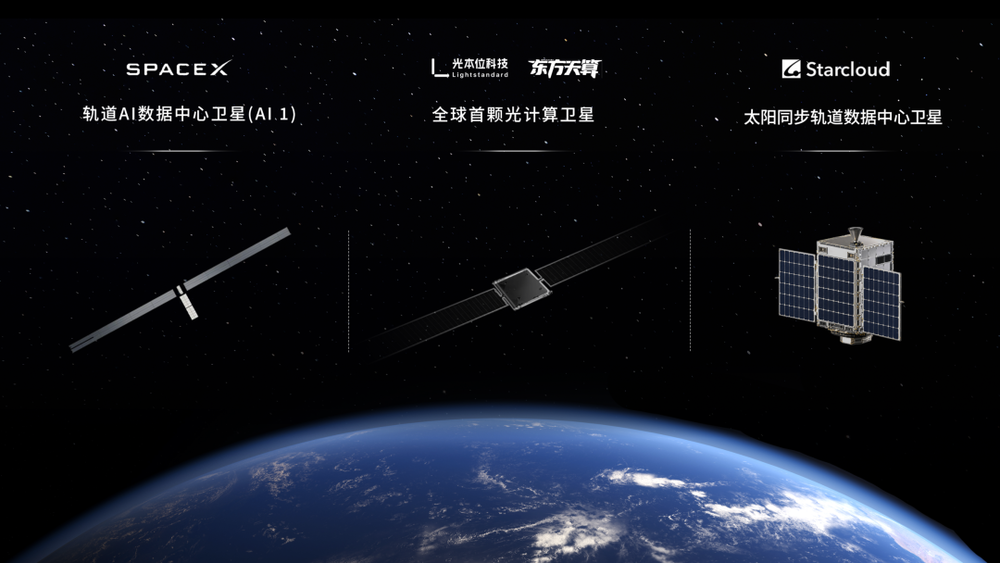
△Domestic and Foreign Computing Satellites (AI-assisted generation)

On the other side, Musk has also been revealed to have new developments — his company SpaceX is considering acquiring the optical module company Mesh.

The main business of Mesh, which caught Musk's eye, is the mass production of optical transceivers to improve the communication efficiency of AI data centers, thereby enhancing quality and efficiency.

Why Optical Computing is Naturally Suited for Space

In the space computing power race, chips face much harsher challenges than on the ground. Computing payloads must overcome three hurdles — radiation, heat dissipation, and power consumption.

Traditional electronic chips rely on charge storage and silicon-based transistors to operate, while space is filled with a large number of cosmic high-energy particles.

Once high-energy particles strike a chip, they can cause single-event upsets, single-event latch-ups, and other effects, leading to calculation errors or even device failure.

Optical computing chips fundamentally bypass this hurdle.

Optical computing uses photons as carriers for computational information. Photons themselves carry no charge, making them inherently immune to direct interference from high-energy particle impacts and eliminating the need for special radiation shielding designs.

Heat dissipation is the second hurdle, and arguably the trickiest one.

When traditional electronic chips operate, electron transport through wires and transistor switching inevitably generate heat. AI tasks place immense demands on data movement and computation, keeping the power consumption and heat generation of electronic chips high.

Space is a vacuum environment with no air convection, leaving only heat conduction and thermal radiation as heat dissipation pathways.

These stringent thermal constraints can easily lead to traditional chips throttling performance or even failing.

Optical computing chips operate in a fundamentally different way. Light propagates through waveguides to perform calculations, a process that generates almost no heat.

The third hurdle is power consumption.

Satellites in orbit rely heavily on solar panels for power. During orbital shadow periods, they depend solely on onboard batteries, making energy supply extremely limited.

The greater the energy consumption of high-performance computing chips, the larger the required solar panel area, which in turn increases satellite weight, volume, and launch costs.

The static power consumption of optical computing chips theoretically approaches zero, making them a natural fit for the stringent energy constraints of satellites, thus bypassing half of this hurdle.

The three characteristics of optical computing — radiation resistance, low heat generation, and low power consumption — are "killer features" in the space environment that help space computing directly leap over the technological obstacles of its initial stages.

After crossing these three hurdles, optical computing possesses another system-level advantage in space scenarios that is difficult for electronic computing to match —

Under the same payload weight, optical computing can deliver a higher total computing power.

The core constraint of moving ground-based data centers into space is the weight and volume of the payload.

The entire architecture of traditional servers is designed for terrestrial forms. Sending computing power into space — computing chips, storage, CPUs, along with the supporting cooling systems, radiation shielding layers... each component occupies precious payload space, leaving little room for actual computation.

NVIDIA's proposed solution is to integrate the CPU and GPU, achieving relatively impressive computing power within an extremely small size and weight. The Space-1 Vera Rubin module is a continuation of this approach.

But optical computing can go even further.

Because optical computing chips inherently generate low heat and consume little power, the required supporting cooling structures and power systems can be made lighter and smaller. Within a payload of equal weight, optical computing can accommodate more computing power.

Therefore, under the same energy supply and thermal conditions, optical computing achieves a higher total computing power than electronic computing.
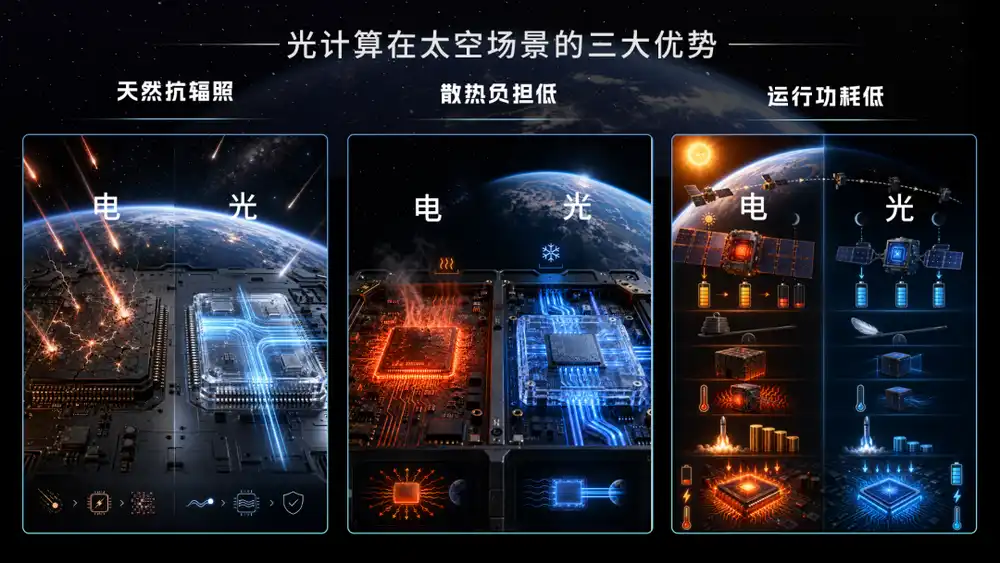
△Three Major Advantages of Optical Computing in Space Scenarios (AI-assisted generation)

According to Pu Huanan, Deputy Dean of the Photonics-Centric Science and Technology Research Institute, there is profound intrinsic motivation behind this advantage.

The performance progress of electronic computing chips has long relied on process node scaling — integrating more transistors in the same area to increase computational density through finer interconnects.

However, this path has a physical limit. When the gate spacing of transistors shrinks to a certain extent, the quantum tunneling effect inevitably emerges.

Electrons can tunnel through theoretically insurmountable potential barriers, causing leakage current and computational errors. This is an inherent physical ceiling that electronic computing cannot bypass.

Optical computing follows a completely different path.

The fabrication of optical computing chips does not rely on the advanced process system dominated by extreme ultraviolet (EUV) lithography machines. Existing 45nm and above, even sub-micron, processes can meet the fabrication needs of optical computing chips.

The improvement of optical computing power relies on scaling up the optical computing architecture and fully utilizing the multiple multiplexing dimensions inherent to photons themselves, such as wavelength, polarization, and optical modes.

On this path, the heat generation and power consumption of optical computing remain stable, costs can be effectively controlled, and the ceiling for computing power is far from being reached.

Photonics Breakthrough: From Ground to On-Orbit Inference

Photons are the core carriers of optical computing.

The fundamental idea of optical computing is to use photons instead of electrons to perform the most crucial part of AI inference computation — the vast number of matrix operations.

The advantage of optical computing chips is that a single light propagation can simultaneously complete a large batch of such multiplication operations, extremely fast, and generating almost no heat.

However, looking across the industry, most optical computing solutions still have a gap compared to electronic computing in terms of being truly scalable, general-purpose, and stably deployable.

Two of the most prominent issues are:

  • First, the separation of memory and computing persists. During AI inference, model parameters frequently need to be moved from external memory to the computing unit, making memory bandwidth the bottleneck of the entire system;

  • Second, challenges in scaling and integration. Limited by the physical constraints of silicon photonics platforms regarding chip size, warpage, and interconnect density, traditional optical computing solutions face difficulties in scaling computing power.

These two thresholds mean optical computing still has some distance to go to match the mature and comprehensive computing ecosystem of electronic chips.
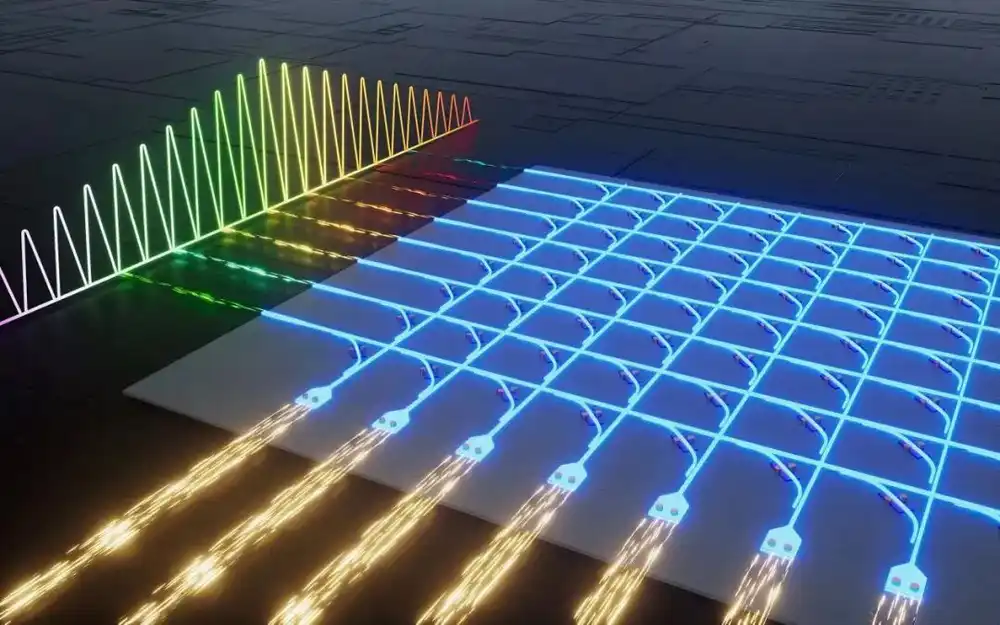
△Photonics-Centric Technology's Photonic In-Memory Computing Architecture
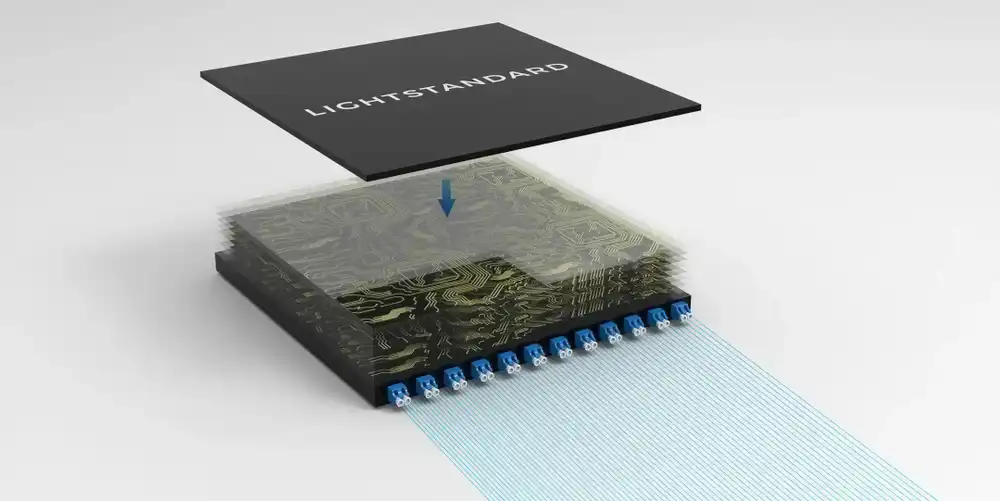
△Photonics-Centric Technology's Multi-Layer Packaged Glass-Based Optical Computing System

But from the ground to space, Pu Huanan believes that "optical computing needs to cross another hurdle of engineering."

The vibration during the rocket launch phase is extremely intense. Compared to pure electronic chips, optical structures introduce more packaging components, posing an additional test for the structural stability of chips under high-intensity vibration.

Once in orbit, the optical computing system needs to undergo system-level validation for power, thermal control, and communication in the real space environment.

Optical Computing & Optical Interconnects: The Next Trump Card for Space Computing Power

This path is similar in logic to NVIDIA's evolution from a single GPU to cluster-level solutions, but the underlying technological routes are fundamentally different.

Looking at the entire space-based computing industry, current development is still in an extremely early stage, with a considerable distance to go before large-scale commercial deployment.

Technology validation, system integration, and scale deployment — each link still has numerous engineering challenges to overcome.

Limited power resources on satellite platforms, iteration cycles for space chips, and low-cost large-scale orbit insertion are all thresholds that must be crossed for space-based computing to move from experimentation to commercialization.

Only when the comprehensive cost of space-based computing is lower than ground-based computing, or when space-based scenarios can provide high-value services irreplaceable by ground-based ones, will there be a real driving force for widespread commercialization.

The race for space computing power has just begun. The technological path chosen for computing chips and systems will determine the capability ceiling of future computing constellations.

As electronic computing gradually hits its ceiling facing process limits, optical computing and optical interconnects might be the crucial card in this race to bypass physical constraints and carve out a differentiated path.

This article is from WeChat Official Account: Quantum Bit , Author: Following Frontier Technology, Original Title: "The Domestic Answer to Space Computing Power: Photonics Are More Efficient! Musk and Huang's Approaches Are Too Roundabout"


Crypto di tendenza

Domande pertinenti

QWhat are the three key engineering challenges for computing chips in space, and why is optical computing naturally suited to overcome them?

AThe three key challenges are radiation, heat dissipation, and power consumption. Optical computing overcomes them because photons are charge-neutral (making them immune to radiation effects), generate minimal heat during calculation, and have near-zero static power consumption, aligning perfectly with the limited power and harsh thermal environment of space.

QAccording to the article, what is the core limitation for moving ground-based data centers to space, and how do optical computing chips offer a weight/volume advantage over electronic chips?

AThe core limitation is the weight and volume of the payload. Optical computing chips offer an advantage because their low heat generation and power consumption allow for smaller, lighter cooling and energy supply systems. Therefore, within the same payload weight, more optical computing units can be installed, delivering higher total computational power.

QWhat are the two main obstacles that most optical computing solutions currently face in becoming widely deployable, as mentioned in the article?

AThe two main obstacles are: 1) The separation of storage and computation, where the frequent transfer of model parameters from external memory creates a bandwidth bottleneck. 2) Difficulties in large-scale integration due to physical constraints of silicon photonic platforms, such as chip size and interconnection density.

QWhat fundamental physical limit does electronic chip performance eventually face, and how does the path for improving optical computing performance differ?

AElectronic chip performance faces the quantum tunneling effect, where electrons can leak through barriers as transistor gates shrink to atomic scales, causing errors. Optical computing, in contrast, doesn't rely on advanced nanometer-scale processes. Its performance improvement comes from scaling the optical computing architecture and utilizing multiple properties of photons (like wavelength, polarization) for parallel processing, with a much higher theoretical ceiling.

QWhy does the article suggest that Elon Musk's reported interest in acquiring optical module company Mesh is relevant to the space computing race?

AMesh specializes in mass-producing optical transceivers to improve communication efficiency within AI data centers. This move by Musk's SpaceX suggests a strategic focus on optimizing data transfer, which is a critical component for high-performance computing clusters in space. It highlights the importance of both optical computation and optical communication ("light compute, light interconnect") for future space-based compute constellations.

Letture associate

Apple and the Power Rebalancing with 'The Microns': Dissecting the Profit Ledger Behind the iPhone

The article analyzes the shifting profit dynamics and power balance between Apple and memory suppliers like Micron within the iPhone supply chain. It highlights a social media post criticizing Apple for raising iPhone prices while blaming memory chip cost increases, despite historically paying suppliers like Micron very little. An estimated iPhone 18 cost breakdown is referenced. Historically, memory was a minor cost component. In 2017's iPhone X, memory accounted for only about 1.6-2.3% of the price, with Apple capturing nearly 50% net profit. Over time, memory's share of the Bill-of-Materials (BOM) cost has grown significantly, reaching an estimated 12-15% for the iPhone 17 series. The core driver of this change is soaring demand for memory from the AI industry, particularly for High Bandwidth Memory (HBM) and AI servers, which is diverting production capacity and squeezing supply for consumer electronics. Memory manufacturers, after enduring periods of low profits, now hold greater pricing power. This is reflected in their recent strong financials, like Micron's 84.6% gross margin. Apple CEO Tim Cook initially described the memory price pressure as unprecedented in his 40-year career, later calling it a "once-in-a-century flood," before Apple announced price hikes across several product lines, causing a significant stock drop. Elon Musk echoed Cook's sentiment about the dramatic cost surge. The article concludes that the era of memory suppliers being at the mercy of Apple's pricing power has temporarily reversed, thanks to AI-driven demand. It notes Apple is reportedly seeking to diversify its supply chain, including exploring chips from China's CXMT.

Odaily星球日报1 h fa

Apple and the Power Rebalancing with 'The Microns': Dissecting the Profit Ledger Behind the iPhone

Odaily星球日报1 h fa

Conversation with the Founder of 42 Macro: The Fed's 'Boiling the Frog Slowly' and the K-Shaped Economy

In a conversation with Anthony Pompliano, Darius Dale, founder of 42 Macro, discusses the Federal Reserve's monetary policy and the K-shaped U.S. economy. Dale characterizes new Fed Chair Kevin Warsh as a "dove in hawk's clothing," expecting the Fed to signal or enact policy tightening in the coming quarters to create room for later easing. He argues current economic signals, including high deficit spending, debt monetization, and credit growth, strongly indicate inflation is not on a credible path back to 2%, forcing the Fed to act. The discussion highlights the stark "K-shaped" economic reality. While top earners, buoyed by massive cash savings (up ~$8 trillion since pre-pandemic), continue robust spending, those at the bottom face severe financial strain, with delinquency rates on consumer loans reaching crisis-era highs. Dale attributes much of the current social and political anxiety to this divergence, driven by the "Cantillon effects" of monetary expansion, which disproportionately benefits asset owners. He emphasizes that in this environment of "financial repression," individuals must participate in asset markets to avoid being left behind. On equities, Dale notes a rotation from the "Magnificent Seven" tech giants into broader AI-exposed companies, while warning that the tech giants' massive capital expenditure cycles could eventually puncture over-optimistic cash flow projections. Dale concludes by stressing that the core desire across all economic strata is simply the dignity to provide for one's family, a goal currently undermined by systemic policies that act as a "wealth siphon" from the bottom to the top.

marsbit1 h fa

Conversation with the Founder of 42 Macro: The Fed's 'Boiling the Frog Slowly' and the K-Shaped Economy

marsbit1 h fa

Trading

Spot

Articoli Popolari

Cosa è $S$

Comprendere SPERO: Una Panoramica Completa Introduzione a SPERO Mentre il panorama dell'innovazione continua a evolversi, l'emergere delle tecnologie web3 e dei progetti di criptovaluta gioca un ruolo fondamentale nel plasmare il futuro digitale. Un progetto che ha attirato l'attenzione in questo campo dinamico è SPERO, denotato come SPERO,$$s$. Questo articolo mira a raccogliere e presentare informazioni dettagliate su SPERO, per aiutare gli appassionati e gli investitori a comprendere le sue basi, obiettivi e innovazioni nei domini web3 e crypto. Che cos'è SPERO,$$s$? SPERO,$$s$ è un progetto unico all'interno dello spazio crypto che cerca di sfruttare i principi della decentralizzazione e della tecnologia blockchain per creare un ecosistema che promuove l'impegno, l'utilità e l'inclusione finanziaria. Il progetto è progettato per facilitare interazioni peer-to-peer in modi nuovi, fornendo agli utenti soluzioni e servizi finanziari innovativi. Al suo interno, SPERO,$$s$ mira a responsabilizzare gli individui fornendo strumenti e piattaforme che migliorano l'esperienza dell'utente nello spazio delle criptovalute. Questo include la possibilità di metodi di transazione più flessibili, la promozione di iniziative guidate dalla comunità e la creazione di percorsi per opportunità finanziarie attraverso applicazioni decentralizzate (dApps). La visione sottostante di SPERO,$$s$ ruota attorno all'inclusività, cercando di colmare le lacune all'interno della finanza tradizionale mentre sfrutta i vantaggi della tecnologia blockchain. Chi è il Creatore di SPERO,$$s$? L'identità del creatore di SPERO,$$s$ rimane piuttosto oscura, poiché ci sono risorse pubblicamente disponibili limitate che forniscono informazioni dettagliate sul suo fondatore o fondatori. Questa mancanza di trasparenza può derivare dall'impegno del progetto per la decentralizzazione—un ethos che molti progetti web3 condividono, dando priorità ai contributi collettivi rispetto al riconoscimento individuale. Centrando le discussioni attorno alla comunità e ai suoi obiettivi collettivi, SPERO,$$s$ incarna l'essenza dell'empowerment senza mettere in evidenza individui specifici. Pertanto, comprendere l'etica e la missione di SPERO rimane più importante che identificare un creatore singolo. Chi sono gli Investitori di SPERO,$$s$? SPERO,$$s$ è supportato da una varietà di investitori che vanno dai capitalisti di rischio agli investitori angelici dedicati a promuovere l'innovazione nel settore crypto. Il focus di questi investitori generalmente si allinea con la missione di SPERO—dando priorità a progetti che promettono avanzamenti tecnologici sociali, inclusività finanziaria e governance decentralizzata. Queste fondazioni di investitori sono tipicamente interessate a progetti che non solo offrono prodotti innovativi, ma contribuiscono anche positivamente alla comunità blockchain e ai suoi ecosistemi. Il supporto di questi investitori rafforza SPERO,$$s$ come un concorrente degno di nota nel dominio in rapida evoluzione dei progetti crypto. Come Funziona SPERO,$$s$? SPERO,$$s$ impiega un framework multifunzionale che lo distingue dai progetti di criptovaluta convenzionali. Ecco alcune delle caratteristiche chiave che sottolineano la sua unicità e innovazione: Governance Decentralizzata: SPERO,$$s$ integra modelli di governance decentralizzati, responsabilizzando gli utenti a partecipare attivamente ai processi decisionali riguardanti il futuro del progetto. Questo approccio favorisce un senso di proprietà e responsabilità tra i membri della comunità. Utilità del Token: SPERO,$$s$ utilizza il proprio token di criptovaluta, progettato per servire varie funzioni all'interno dell'ecosistema. Questi token abilitano transazioni, premi e la facilitazione dei servizi offerti sulla piattaforma, migliorando l'impegno e l'utilità complessivi. Architettura Stratificata: L'architettura tecnica di SPERO,$$s$ supporta la modularità e la scalabilità, consentendo un'integrazione fluida di funzionalità e applicazioni aggiuntive man mano che il progetto evolve. Questa adattabilità è fondamentale per mantenere la rilevanza nel panorama crypto in continua evoluzione. Coinvolgimento della Comunità: Il progetto enfatizza iniziative guidate dalla comunità, impiegando meccanismi che incentivano la collaborazione e il feedback. Nutrendo una comunità forte, SPERO,$$s$ può affrontare meglio le esigenze degli utenti e adattarsi alle tendenze di mercato. Focus sull'Inclusione: Offrendo basse commissioni di transazione e interfacce user-friendly, SPERO,$$s$ mira ad attrarre una base utenti diversificata, inclusi individui che potrebbero non aver precedentemente interagito nello spazio crypto. Questo impegno per l'inclusione si allinea con la sua missione generale di empowerment attraverso l'accessibilità. Cronologia di SPERO,$$s$ Comprendere la storia di un progetto fornisce preziose intuizioni sulla sua traiettoria di sviluppo e sui traguardi. Di seguito è riportata una cronologia suggerita che mappa eventi significativi nell'evoluzione di SPERO,$$s$: Fase di Concettualizzazione e Ideazione: Le idee iniziali che formano la base di SPERO,$$s$ sono state concepite, allineandosi strettamente con i principi di decentralizzazione e focus sulla comunità all'interno dell'industria blockchain. Lancio del Whitepaper del Progetto: Dopo la fase concettuale, è stato rilasciato un whitepaper completo che dettaglia la visione, gli obiettivi e l'infrastruttura tecnologica di SPERO,$$s$ per suscitare interesse e feedback dalla comunità. Costruzione della Comunità e Prime Interazioni: Sono stati effettuati sforzi attivi di outreach per costruire una comunità di early adopters e potenziali investitori, facilitando discussioni attorno agli obiettivi del progetto e ottenendo supporto. Evento di Generazione del Token: SPERO,$$s$ ha condotto un evento di generazione del token (TGE) per distribuire i propri token nativi ai primi sostenitori e stabilire una liquidità iniziale all'interno dell'ecosistema. Lancio della Prima dApp: La prima applicazione decentralizzata (dApp) associata a SPERO,$$s$ è stata attivata, consentendo agli utenti di interagire con le funzionalità principali della piattaforma. Sviluppo Continuo e Partnership: Aggiornamenti e miglioramenti continui alle offerte del progetto, inclusi partnership strategiche con altri attori nello spazio blockchain, hanno plasmato SPERO,$$s$ in un concorrente competitivo e in evoluzione nel mercato crypto. Conclusione SPERO,$$s$ rappresenta una testimonianza del potenziale del web3 e delle criptovalute di rivoluzionare i sistemi finanziari e responsabilizzare gli individui. Con un impegno per la governance decentralizzata, il coinvolgimento della comunità e funzionalità progettate in modo innovativo, apre la strada verso un panorama finanziario più inclusivo. Come per qualsiasi investimento nello spazio crypto in rapida evoluzione, si incoraggiano potenziali investitori e utenti a ricercare approfonditamente e a impegnarsi in modo riflessivo con gli sviluppi in corso all'interno di SPERO,$$s$. Il progetto mostra lo spirito innovativo dell'industria crypto, invitando a ulteriori esplorazioni delle sue innumerevoli possibilità. Mentre il percorso di SPERO,$$s$ è ancora in fase di sviluppo, i suoi principi fondamentali potrebbero effettivamente influenzare il futuro di come interagiamo con la tecnologia, la finanza e tra di noi in ecosistemi digitali interconnessi.

93 Totale visualizzazioniPubblicato il 2024.12.17Aggiornato il 2024.12.17

Cosa è $S$

Cosa è AGENT S

Agent S: Il Futuro dell'Interazione Autonoma in Web3 Introduzione Nel panorama in continua evoluzione di Web3 e criptovalute, le innovazioni stanno costantemente ridefinendo il modo in cui gli individui interagiscono con le piattaforme digitali. Uno di questi progetti pionieristici, Agent S, promette di rivoluzionare l'interazione uomo-computer attraverso il suo framework agentico aperto. Aprendo la strada a interazioni autonome, Agent S mira a semplificare compiti complessi, offrendo applicazioni trasformative nell'intelligenza artificiale (AI). Questa esplorazione dettagliata approfondirà le complessità del progetto, le sue caratteristiche uniche e le implicazioni per il dominio delle criptovalute. Cos'è Agent S? Agent S si presenta come un innovativo framework agentico aperto, progettato specificamente per affrontare tre sfide fondamentali nell'automazione dei compiti informatici: Acquisizione di Conoscenze Specifiche del Dominio: Il framework apprende in modo intelligente da varie fonti di conoscenza esterne ed esperienze interne. Questo approccio duale gli consente di costruire un ricco repository di conoscenze specifiche del dominio, migliorando le sue prestazioni nell'esecuzione dei compiti. Pianificazione su Lungo Orizzonte di Compiti: Agent S impiega una pianificazione gerarchica potenziata dall'esperienza, un approccio strategico che facilita la suddivisione e l'esecuzione efficiente di compiti complessi. Questa caratteristica migliora significativamente la sua capacità di gestire più sottocompiti in modo efficiente ed efficace. Gestione di Interfacce Dinamiche e Non Uniformi: Il progetto introduce l'Interfaccia Agente-Computer (ACI), una soluzione innovativa che migliora l'interazione tra agenti e utenti. Utilizzando Modelli Linguistici Multimodali di Grandi Dimensioni (MLLM), Agent S può navigare e manipolare senza sforzo diverse interfacce grafiche utente. Attraverso queste caratteristiche pionieristiche, Agent S fornisce un framework robusto che affronta le complessità coinvolte nell'automazione dell'interazione umana con le macchine, preparando il terreno per innumerevoli applicazioni nell'AI e oltre. Chi è il Creatore di Agent S? Sebbene il concetto di Agent S sia fondamentalmente innovativo, informazioni specifiche sul suo creatore rimangono elusive. Il creatore è attualmente sconosciuto, il che evidenzia sia la fase embrionale del progetto sia la scelta strategica di mantenere i membri fondatori sotto anonimato. Indipendentemente dall'anonimato, l'attenzione rimane sulle capacità e sul potenziale del framework. Chi sono gli Investitori di Agent S? Poiché Agent S è relativamente nuovo nell'ecosistema crittografico, informazioni dettagliate riguardanti i suoi investitori e sostenitori finanziari non sono documentate esplicitamente. La mancanza di approfondimenti pubblicamente disponibili sulle fondazioni di investimento o sulle organizzazioni che supportano il progetto solleva interrogativi sulla sua struttura di finanziamento e sulla roadmap di sviluppo. Comprendere il supporto è cruciale per valutare la sostenibilità del progetto e il suo potenziale impatto sul mercato. Come Funziona Agent S? Al centro di Agent S si trova una tecnologia all'avanguardia che gli consente di funzionare efficacemente in contesti diversi. Il suo modello operativo è costruito attorno a diverse caratteristiche chiave: Interazione Uomo-Computer Simile a Quella Umana: Il framework offre una pianificazione AI avanzata, cercando di rendere le interazioni con i computer più intuitive. Mimando il comportamento umano nell'esecuzione dei compiti, promette di elevare le esperienze degli utenti. Memoria Narrativa: Utilizzata per sfruttare esperienze di alto livello, Agent S utilizza la memoria narrativa per tenere traccia delle storie dei compiti, migliorando così i suoi processi decisionali. Memoria Episodica: Questa caratteristica fornisce agli utenti una guida passo-passo, consentendo al framework di offrire supporto contestuale mentre i compiti si sviluppano. Supporto per OpenACI: Con la capacità di funzionare localmente, Agent S consente agli utenti di mantenere il controllo sulle proprie interazioni e flussi di lavoro, allineandosi con l'etica decentralizzata di Web3. Facile Integrazione con API Esterne: La sua versatilità e compatibilità con varie piattaforme AI garantiscono che Agent S possa adattarsi senza problemi agli ecosistemi tecnologici esistenti, rendendolo una scelta attraente per sviluppatori e organizzazioni. Queste funzionalità contribuiscono collettivamente alla posizione unica di Agent S all'interno dello spazio crittografico, poiché automatizza compiti complessi e multi-fase con un intervento umano minimo. Man mano che il progetto evolve, le sue potenziali applicazioni in Web3 potrebbero ridefinire il modo in cui si svolgono le interazioni digitali. Cronologia di Agent S Lo sviluppo e le tappe di Agent S possono essere riassunti in una cronologia che evidenzia i suoi eventi significativi: 27 Settembre 2024: Il concetto di Agent S è stato lanciato in un documento di ricerca completo intitolato “Un Framework Agentico Aperto che Usa i Computer Come un Umano”, mostrando le basi per il progetto. 10 Ottobre 2024: Il documento di ricerca è stato reso pubblicamente disponibile su arXiv, offrendo un'esplorazione approfondita del framework e della sua valutazione delle prestazioni basata sul benchmark OSWorld. 12 Ottobre 2024: È stata rilasciata una presentazione video, fornendo un'idea visiva delle capacità e delle caratteristiche di Agent S, coinvolgendo ulteriormente potenziali utenti e investitori. Questi indicatori nella cronologia non solo illustrano i progressi di Agent S, ma indicano anche il suo impegno per la trasparenza e il coinvolgimento della comunità. Punti Chiave su Agent S Man mano che il framework Agent S continua a evolversi, diversi attributi chiave si distinguono, sottolineando la sua natura innovativa e il potenziale: Framework Innovativo: Progettato per fornire un uso intuitivo dei computer simile all'interazione umana, Agent S porta un approccio nuovo all'automazione dei compiti. Interazione Autonoma: La capacità di interagire autonomamente con i computer attraverso GUI segna un passo avanti verso soluzioni informatiche più intelligenti ed efficienti. Automazione di Compiti Complessi: Con la sua metodologia robusta, può automatizzare compiti complessi e multi-fase, rendendo i processi più veloci e meno soggetti a errori. Miglioramento Continuo: I meccanismi di apprendimento consentono ad Agent S di migliorare dalle esperienze passate, migliorando continuamente le sue prestazioni e la sua efficacia. Versatilità: La sua adattabilità attraverso diversi ambienti operativi come OSWorld e WindowsAgentArena garantisce che possa servire un'ampia gamma di applicazioni. Man mano che Agent S si posiziona nel panorama di Web3 e delle criptovalute, il suo potenziale per migliorare le capacità di interazione e automatizzare i processi segna un significativo avanzamento nelle tecnologie AI. Attraverso il suo framework innovativo, Agent S esemplifica il futuro delle interazioni digitali, promettendo un'esperienza più fluida ed efficiente per gli utenti in vari settori. Conclusione Agent S rappresenta un audace passo avanti nell'unione tra AI e Web3, con la capacità di ridefinire il modo in cui interagiamo con la tecnologia. Sebbene sia ancora nelle sue fasi iniziali, le possibilità per la sua applicazione sono vaste e coinvolgenti. Attraverso il suo framework completo che affronta sfide critiche, Agent S mira a portare le interazioni autonome al centro dell'esperienza digitale. Man mano che ci addentriamo nei regni delle criptovalute e della decentralizzazione, progetti come Agent S giocheranno senza dubbio un ruolo cruciale nel plasmare il futuro della tecnologia e della collaborazione uomo-computer.

557 Totale visualizzazioniPubblicato il 2025.01.14Aggiornato il 2025.01.14

Cosa è AGENT S

Come comprare S

Benvenuto in HTX.com! Abbiamo reso l'acquisto di Sonic (S) semplice e conveniente. Segui la nostra guida passo passo per intraprendere il tuo viaggio nel mondo delle criptovalute.Step 1: Crea il tuo Account HTXUsa la tua email o numero di telefono per registrarti il tuo account gratuito su HTX. Vivi un'esperienza facile e sblocca tutte le funzionalità,Crea il mio accountStep 2: Vai in Acquista crypto e seleziona il tuo metodo di pagamentoCarta di credito/debito: utilizza la tua Visa o Mastercard per acquistare immediatamente SonicS.Bilancio: Usa i fondi dal bilancio del tuo account HTX per fare trading senza problemi.Terze parti: abbiamo aggiunto metodi di pagamento molto utilizzati come Google Pay e Apple Pay per maggiore comodità.P2P: Fai trading direttamente con altri utenti HTX.Over-the-Counter (OTC): Offriamo servizi su misura e tassi di cambio competitivi per i trader.Step 3: Conserva Sonic (S)Dopo aver acquistato Sonic (S), conserva nel tuo account HTX. In alternativa, puoi inviare tramite trasferimento blockchain o scambiare per altre criptovalute.Step 4: Scambia Sonic (S)Scambia facilmente Sonic (S) nel mercato spot di HTX. Accedi al tuo account, seleziona la tua coppia di trading, esegui le tue operazioni e monitora in tempo reale. Offriamo un'esperienza user-friendly sia per chi ha appena iniziato che per i trader più esperti.

1.1k Totale visualizzazioniPubblicato il 2025.01.15Aggiornato il 2026.06.02

Come comprare S

Discussioni

Benvenuto nella Community HTX. Qui puoi rimanere informato sugli ultimi sviluppi della piattaforma e accedere ad approfondimenti esperti sul mercato. Le opinioni degli utenti sul prezzo di S S sono presentate come di seguito.

活动图片