Altura Closes $3.9M Infinity Vault After $8.5M Investor Withdrawal Surge

TheNewsCryptoPubblicato 2026-06-22Pubblicato ultima volta 2026-06-22

Introduzione

Altura is shutting down its Infinity Vault product after investors withdrew approximately $8.5 million in a single day, leaving about $3.9 million in the vault. The platform cited declining participation and will refund remaining amounts to participants, who can continue withdrawing funds until the closure is complete. This event reflects broader pressure on crypto yield products, as market volatility and shifting investor demand challenge sustainability and liquidity management, especially during large-scale withdrawals. Despite closing the vault, Altura remains committed to its broader Web3 gaming ecosystem development. The shutdown underscores the importance of liquidity management and user engagement for crypto investment products.

The Altura Web3 gaming platform intends to shut down its Infinity Vault due to huge investor withdrawals. Investors withdrew approximately $8.5 million from the vault in a single day. With the fast flow of money, the total amount of money left in the vault was about $3.9 million. After the withdrawals had taken place, Altura announced that it would stop production. And start the process of refunding the leftover amounts to the participants. Reports indicated that declining participation rates prompted Altura to reassess the vault’s viability and ultimately wind down the product. Altura also stated that participants can continue withdrawing their funds until the closure process is complete.

Market Situation Continues Pressure on Crypto Yield Products

The closure comes as many crypto projects continue to face challenges in relation to market dynamics and investor demands. First, several crypto asset providers have experienced decreased levels of activity from their investors, who are shifting funds to other projects. Additionally, market volatility affected the operations of decentralized finance platforms, making many projects rethink the performance of their products and sustainability.

As per the market experts, large withdrawal activities could create issues for small yield products and vault investments. The difficulty that operators might experience in managing liquidity, performance, and sustainability of their products is likely to come in when there are considerable withdrawals by investors in a short span of time. The crypto market will keep an eye on the response from different platforms to the new market dynamics. With increased selectiveness among investors, many projects are focusing on liquidity, sustainability, risk management, and effective communication.

Altura Moves Beyond Infinity Vault for Ecosystem Development

Despite the closure of the Infinity Vault, Altura continues to develop its broader ecosystem in blockchain-based games. Indeed, the company is still committed to developing platforms for Web3 gaming initiatives and managing the transition from the vault initiative. Altura stated that it will continue supporting its key initiatives within the ecosystem.

Moreover, it was observed that the shutdown is a reminder of the importance of proper management of liquidity and involvement of crypto investment product users. Considering the ongoing changes in the digital assets market, companies are now considering future steps in the development of their products for investors.

Highlighted Crypto News:
Toss Bank, Solana Launch Blockchain-Based Cross-Border Payments Trial

TagsBlockchainCryptocurrencyGamingVaultweb3 gaming

Domande pertinenti

QWhy is Altura closing its Infinity Vault?

AAltura is closing its Infinity Vault due to a massive surge in investor withdrawals, with approximately $8.5 million withdrawn in a single day, leaving only about $3.9 million. Declining participation rates prompted the company to reassess the vault's viability and wind down the product.

QWhat specific market challenges are putting pressure on crypto yield products like the Infinity Vault?

AMarket challenges include decreased investor activity as funds shift to other projects, market volatility affecting decentralized finance platforms, and the operational difficulty for small yield products when managing liquidity and sustainability during large, rapid withdrawals.

QWhat will Altura do after closing the Infinity Vault?

AAfter closing the vault, Altura will start the process of refunding the leftover amounts to participants and continue supporting its broader ecosystem development in blockchain-based games and Web3 gaming initiatives.

QAccording to the article, what key areas are crypto projects now focusing on due to increased investor selectiveness?

ADue to increased investor selectiveness, crypto projects are now focusing on liquidity, sustainability, risk management, and effective communication in their product development and operations.

QWhat broader reminder does the shutdown of the Infinity Vault provide for the crypto industry?

AThe shutdown serves as a reminder of the critical importance of proper liquidity management and user engagement for crypto investment products, highlighting the need for companies to adapt their strategies in a changing digital assets market.

Letture associate

Two Giants' Credit Expansion: Loan Balances of $9.9 Billion vs. $14.6 Billion, Brazil Emerges as the Main Battlefield

Title: Two Giants "Credit" Surge: Loan Balances of 99 Billion vs. 146 Billion USD, Brazil Emerges as Main Battlefield Summary: The article compares the rapid expansion of credit businesses by two major e-commerce and fintech players, Sea (via Monee) and Mercado Libre (via Mercado Pago), in overseas markets like Southeast Asia and Latin America, contrasting with a slowing domestic Chinese credit market. Using Q1 2026 financial data, it highlights their significant growth. Sea's Monee reached a loan balance of $99 billion, up 71% year-over-year (YoY), contributing 17.5% to Sea's total revenue. Mercado Pago's loan balance hit $146 billion, up 87% YoY, contributing 45% to its parent company's revenue. Both maintained stable risk metrics (e.g., Monee's 90+ day NPL at 1.1%) despite rapid scaling. Brazil is identified as a key and accelerating growth market for both. Sea's Brazilian operations saw loan volumes exceed $10 billion, growing 250% YoY, with SPayLater GMV penetration still low (~10%) indicating high potential. Sea also secured a key Brazilian financial credit license (SCFI). Mercado Libre's Brazil segment contributed over half (54%) of total group revenue, with its credit business there generating $11.24 billion in revenue, up 89% YoY and accounting for 12.7% of global revenue. Mercado Pago's credit portfolio, especially credit cards (46% of loans, +105% YoY), is a strategic focus, described as crucial as building logistics was a decade ago. Its net interest margin after loss (NIMAL) remains high at 17.8%. The article concludes that while Brazil presents immense opportunities, the success is largely driven by these integrated "e-commerce + fintech" giants with proprietary transaction data and ecosystems, making it challenging for standalone fintech players to compete effectively.

链捕手22 min fa

Two Giants' Credit Expansion: Loan Balances of $9.9 Billion vs. $14.6 Billion, Brazil Emerges as the Main Battlefield

链捕手22 min fa

Research Report Analysis: Is Intel Making a Comeback with Apple? Bernstein's Calculations Show the Right Direction, but the Price Is Already Overvalued

Bernstein analyst Stacy A. Rasgon published a report on June 18 regarding Intel, assessing the potential impact of recent political support for a US-based PC chip design and manufacturing collaboration between Apple and Intel. The report views this as a significant signal for the foundry landscape shift but concludes the initial financial contribution would be minimal. Key conclusions: 1) An Apple deal is seen as a small-scale "proof of concept." Even if Intel wins 40% of Apple's premium notebook chip orders (~5 million units/year), Bernstein estimates it would generate only about $500M in annual revenue and ~$0.03 EPS, negligible against Intel's ~$55B revenue. 2) Political encouragement is not equivalent to enforceable mandates. Winning orders ultimately depends on Intel demonstrating competitive technology (like its 18A node), cost, and reliable supply. 3) The path from validation to large-scale production involves significant challenges, capital investment, and time. Due to these uncertainties, Bernstein maintains a Market-Perform (Hold) rating with a $100 price target, implying potential downside from the ~$121.10 price at the report date. The analysis highlights the tension between near-term validation value—serving as a crucial trust signal for Intel's foundry ambitions and US supply chain resilience—and the long-term opportunity to attract larger cloud and AI chip customers. The investment thesis hinges on successful 18A execution and sustained policy support, not on immediate financial gains from Apple.

marsbit46 min fa

Research Report Analysis: Is Intel Making a Comeback with Apple? Bernstein's Calculations Show the Right Direction, but the Price Is Already Overvalued

marsbit46 min fa

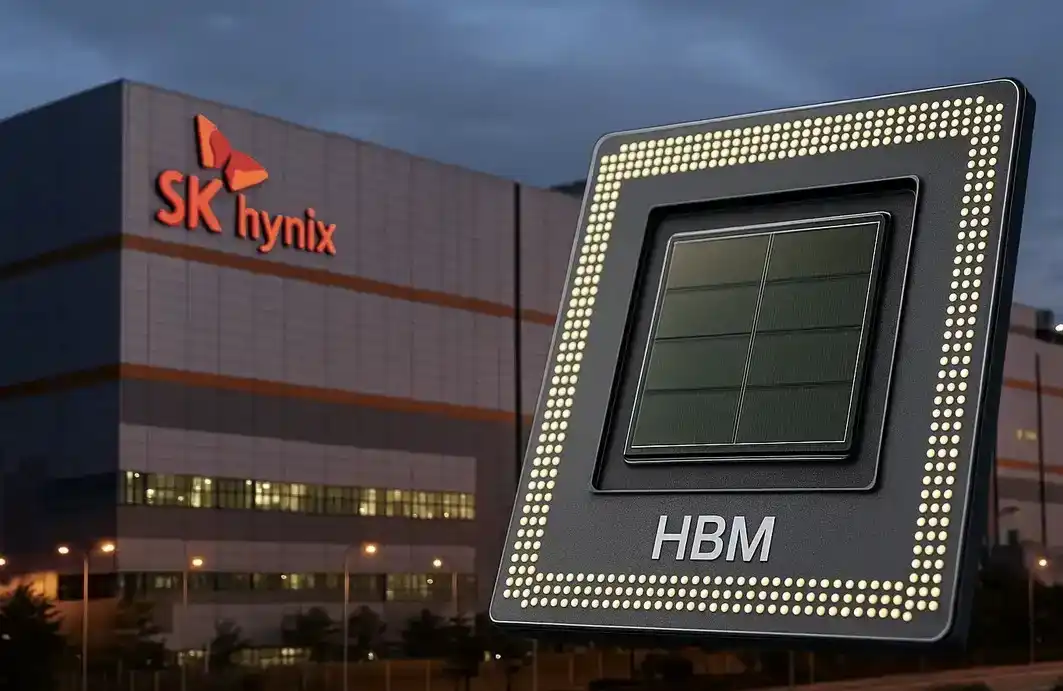
27-Year Reign Ends: SK Hynix Market Cap Surpasses Samsung for First Time, an AI-Driven Reshuffle of Korean Chip Power

On June 22, 2026, SK Hynix made history by surpassing Samsung Electronics in market capitalization, ending Samsung's 27-year reign as South Korea's most valuable company. This dramatic reversal is powered by the AI boom and SK Hynix's dominant position in High Bandwidth Memory (HBM), a critical component for AI model training. Once a heavily indebted firm on the brink of bankruptcy, SK Hynix bet early on HBM, which has evolved from a niche product to essential AI infrastructure. It now commands a 59% share of the global HBM market. Its financial performance is staggering, with Q1 2026 net profit soaring nearly fourfold year-over-year to KRW 40.35 trillion, translating to over 2 billion RMB in daily net profit. HBM now drives roughly 40% of its revenue with exceptionally high margins. In contrast, Samsung, with its broad portfolio spanning memory chips, smartphones, and foundry services, has lagged in the HBM race while facing headwinds in other divisions. This shift signifies a deeper restructuring of South Korea's economy, moving from consumer electronics to AI-driven growth. However, the future remains competitive. With major capacity expansions planned industry-wide by 2028 and Samsung aiming to catch up in HBM technology, the new market leader cannot afford complacency. This event marks a pivotal moment in the global semiconductor industry's ongoing power realignment.

marsbit57 min fa

27-Year Reign Ends: SK Hynix Market Cap Surpasses Samsung for First Time, an AI-Driven Reshuffle of Korean Chip Power

marsbit57 min fa

Trading

Spot
Futures
活动图片