The Outlook for Bitcoin: The 'Bottom' Logic Revealed by On-Chain Data

marsbitPubblicato 2026-08-10Pubblicato ultima volta 2026-08-10

Introduzione

Bitcoin Market Outlook: On-Chain Data and the "Bottom" Logic Bitcoin analyst Will Clemente examines the current state of Bitcoin, arguing it is approaching a value zone despite a challenging market. While acknowledging a difficult year with factors like disappointing ETF outflows and miner migration to AI/HPC, he finds the network fundamentally healthy and decentralized. Key on-chain metrics suggest accumulation. The MVRV ratio indicates Bitcoin is in a historically low valuation range. Long-term holders are actively accumulating again after a distribution phase, and trading volume has dried up significantly. Options markets show minimal bullish interest and low implied volatility, implying the market views Bitcoin as stagnant. The report discusses two major recent pressures: Digital Asset Treasuries (DATs) and quantum computing risks. Clemente notes signs of DAT capitulation, reducing sell-side pressure, and argues that quantum risks, while real, are likely already priced in at current levels. A clear short-term catalyst is absent. However, Clemente suggests the market may have priced in most negatives, and a bottom often forms from seller exhaustion rather than a new bullish catalyst. Potential future drivers could include systematic, price-insensitive buying from large asset managers seeking diversification, given Bitcoin's recent low correlation with other assets. In conclusion, while a final downturn is possible, Bitcoin appears "cheap" with healthy fundamentals. Re...

Author: Will Clemente, Bitcoin Analyst / STIX Investment & Strategy Member / Co-founder of Reflexivity Research

Translation: Jiahuan, ChainCatcher

I hope everyone had a pleasant summer. I haven't written a long piece about Bitcoin for a while. In this article, I want to gather my thoughts on this asset and some ideas that have been forming in my mind recently, discussing how to view and allocate to Bitcoin going forward.

Last year, I largely shifted my personal market focus to commodities. The reason was that it had become evident that the crypto market was facing a supply overhang, which weighed heavily on the entire market.

At the same time, apart from a few niche areas like Hyperliquid, the industry lacked sufficient innovation, at least compared to the vibrant performance of other markets. Therefore, the market also suffered from insufficient demand to absorb the large supply.

I originally thought there was a window for Bitcoin to show strength late last year: small-cap stocks were soaring, and gold had just experienced a strong rally. But Bitcoin ultimately essentially just made a failed breakout—just a few days before October 10th—which was very disappointing to me.

In January of this year, as the market performance closely resembled the last bear market we experienced in 2022, I further reduced my remaining Bitcoin exposure.

To be frank, this hasn't been a pleasant year to focus on Bitcoin, or the entire crypto market for that matter. In terms of percentage decline from the highs, this cycle has been milder overall than the last one, but from many angles, this bear market might even be more difficult than 2022.

At least in 2022, you could clearly point to reasons for the market's decline: rising interest rates, the cleansing of leverage and fraud, and the FTX collapse. Then you could say, "If these factors might change, and by the end of 2022 the room for things to get worse was clearly smaller than the room for improvement, then Bitcoin likely presents a good long-term buying opportunity."

But there is no similar logic today, with perhaps a few exceptions like Digital Asset Treasuries (DATs) and the quantum computing risk—which I'll touch on later, and which in my view are finally starting to show some signs of repair.

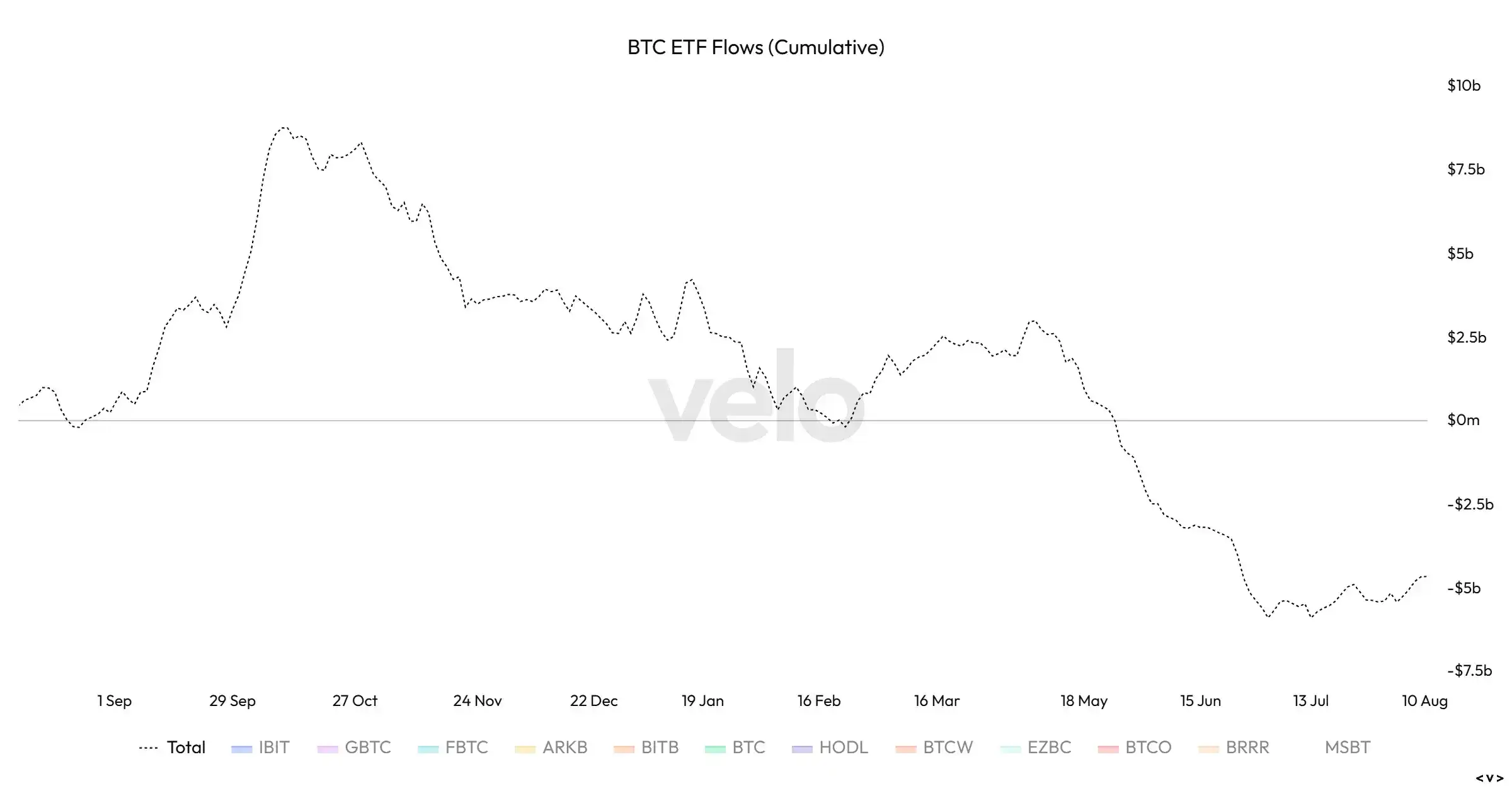
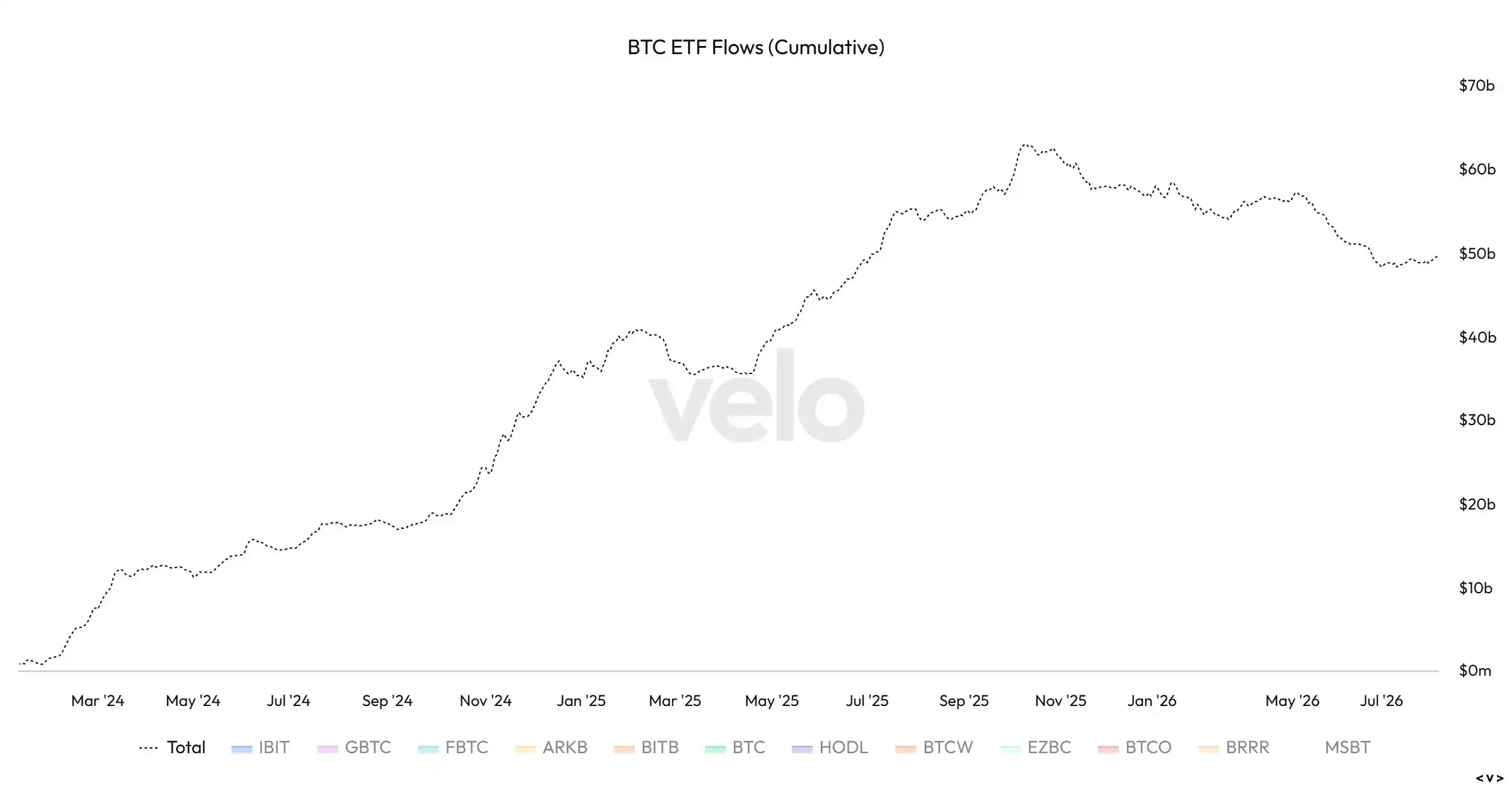
Bitcoin ETFs hold about $50 billion in assets. They set records for inflows upon launch, only surpassed earlier this year by memory ETFs. Major financial institutions have also started rolling out lending products.

Last year, gold performed exceptionally well driven by central bank reserve demand and the "de-dollarization" narrative; theoretically, that should have been Bitcoin's moment to shine.

Now, virtually any individual or institution wishing to gain Bitcoin exposure has a channel to do so. Precisely because of this, the contrast is especially disappointing: Bitcoin ETFs have seen $5 billion in net outflows over the past year, while DRAM-related products attracted $10 billion in a single month.
Network Health

When discussing Bitcoin's fundamentals, we are obviously not talking about traditional financial metrics, but rather observing the underlying state of the network itself. I won't go through every indicator just for the sake of listing data, but there are two points I believe are truly important.

In an increasingly centralized world—with state-led economies, state-influenced markets, plus the perhaps most powerful technological centralizing force we've seen yet from big tech companies—I do believe "decentralization" has intrinsic value.

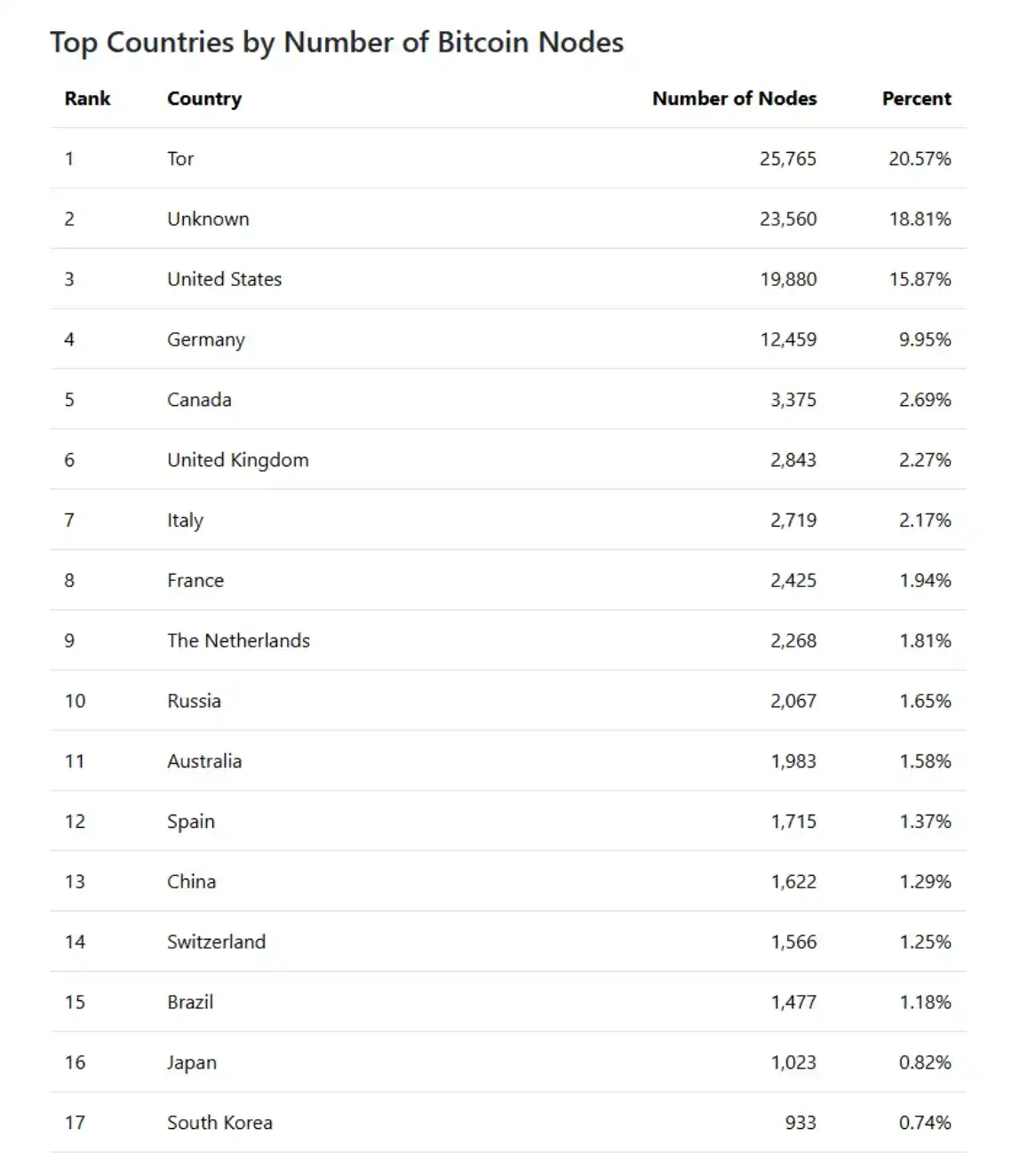
For those less familiar with Bitcoin's underlying mechanics, the network has both miners, whom everyone has heard of, and nodes. Anyone can run a node. Nodes enforce the rules and validate the network, while miners provide security through computational work backed by massive energy consumption. Nodes are spread across the globe, and there are likely many more that aren't easily tracked. The list below alone covers nearly 200 countries.
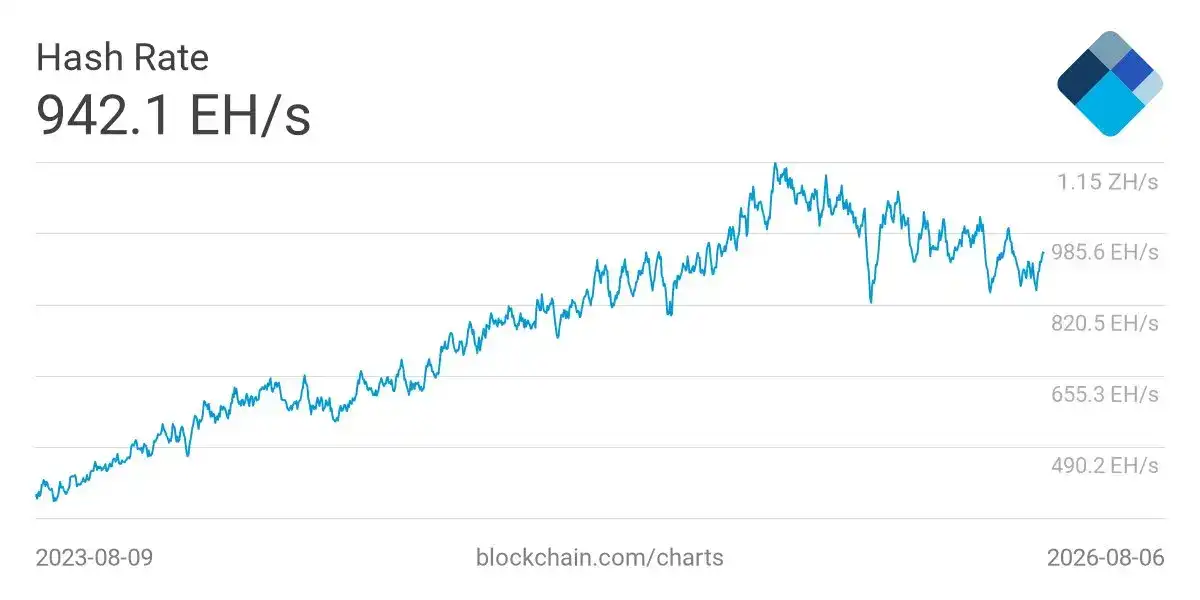
We can observe mining pools—though pools don't control the individual miners within them—but it's difficult to track every independent miner like we can track nodes. However, we can look at the overall energy input securing the network through hash rate.

From any angle, Bitcoin's total network hash rate is declining. Post-2022, miner profit margins were squeezed by increased competition and rising energy costs. More importantly, many mining companies began pivoting to Artificial Intelligence and High-Performance Computing (AI/HPC). So far, this has proven a prudent business decision for those listed miners who have transitioned.

Bitcoin's underperformance relative to AI-related assets, coupled with the strong growth in demand for computing power, has further reinforced this trend. Therefore, this can be interpreted both pessimistically and optimistically.

The pessimistic side: In terms of energy input securing the network, the Bitcoin network is indeed technically less secure; simultaneously, the energy input value—essentially the production cost—backing each unit of Bitcoin as a digital commodity has decreased.

However, it's worth noting that due to the difficulty adjustment mechanism, the network itself is not in crisis. The network automatically adjusts mining difficulty and reward conditions every two weeks based on the hash rate level. When competition decreases, this mechanism incentivizes new miners to join and provide security.

The optimistic side: Even though virtually every listed mining company we know of is pivoting to AI/HPC, the total network hash rate has only fallen back to mid-last year's levels. This suggests there may be more entities actually mining Bitcoin and able to access cheap energy than some previously thought. Combined with node distribution data, the Bitcoin network remains decentralized and healthy.
Overall, I believe the Bitcoin network itself remains as decentralized and healthy as it has ever been.

Valuation Methods & Current Metrics

Bitcoin obviously doesn't generate cash flow, but we can still compare its current valuation to historical market performance using several unique methods.

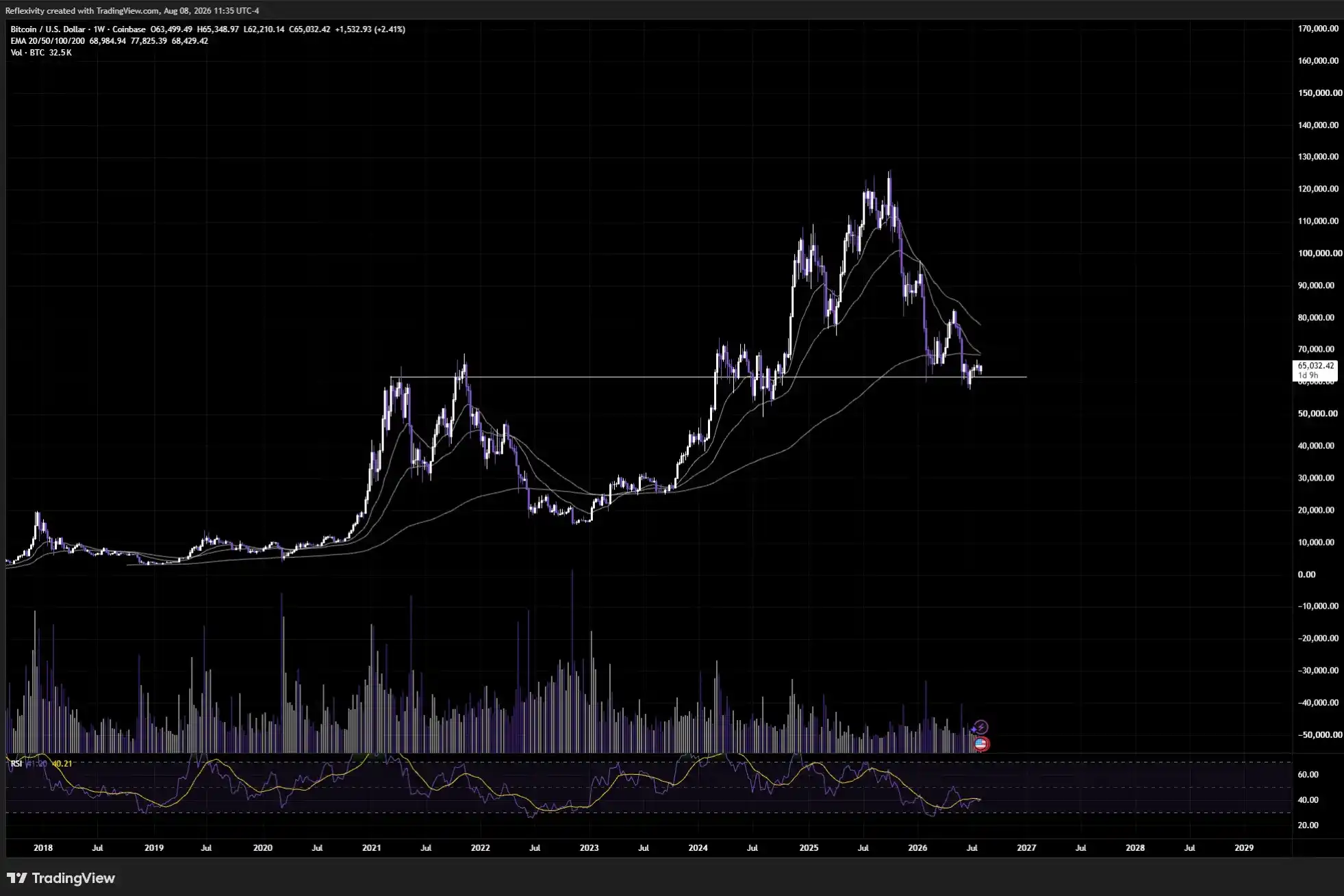
From a technical perspective, Bitcoin is currently consolidating near its 2021 previous highs, slightly below the 200-week Exponential Moving Average (EMA). The weekly RSI is showing a bullish divergence emerging from oversold territory, with the last time it reached such oversold levels being the depths of the previous bear market.

Historically, the 200-week moving average has been a decent baseline threshold to start considering gradually accumulating Bitcoin spot positions.
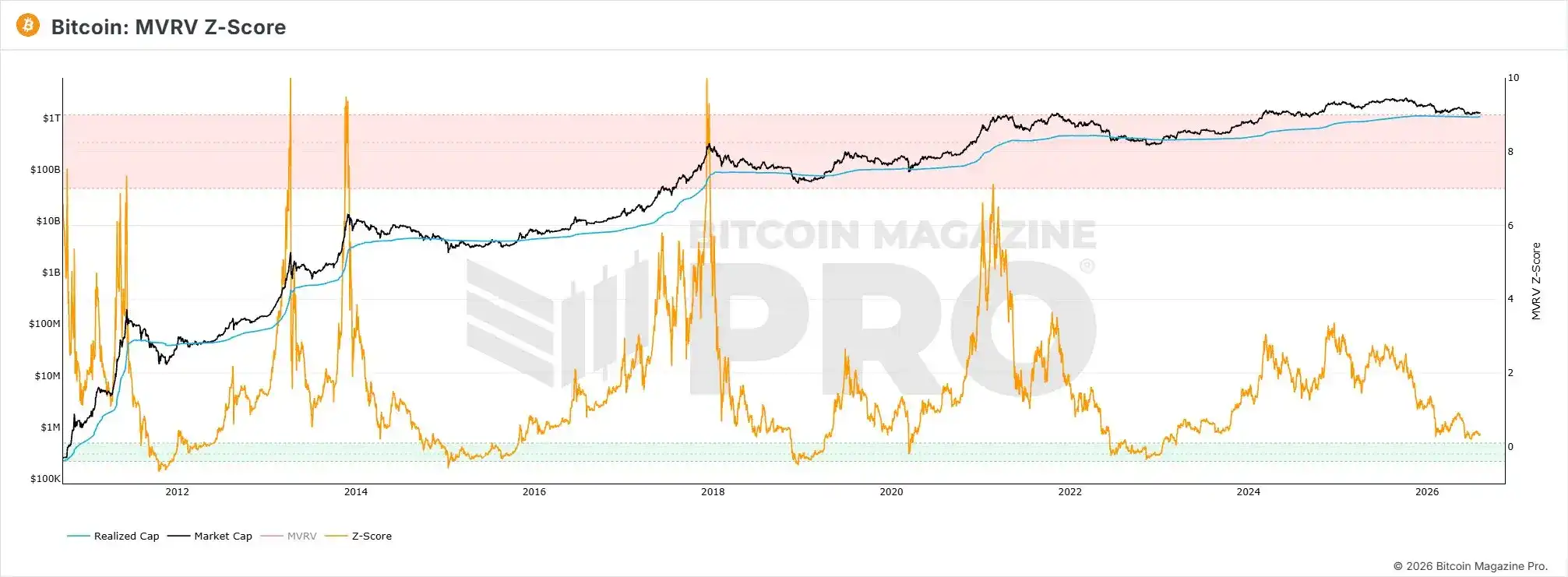
Among on-chain data-based valuation methods, one of the most effective indicators is the Market Value to Realized Value (MVRV) ratio. It compares Bitcoin's current marginal transaction price to the aggregate cost basis of the entire network; the latter is calculated based on the price at which tokens last moved to a new wallet cluster.

When this ratio is high, it means the current marginal transaction price is significantly above the network's average cost. There is a large amount of unrealized paper profit (PNL) in the market, giving many holders strong motivation to take profits.

When the ratio is below 0, it means market participants are, on average, in an unrealized loss position. Historically, this has often marked a phase more suitable for accumulation.

You'll notice that in 2024–2025, this indicator never truly reached the frenzied, blow-off-top levels of the past. This reflects the asset class's gradual maturation and the accompanying compression in volatility in recent years.

Considering that each bull market's indicator highs have been progressively lower, and the lows at the deepest points of each bear market have been slightly higher, a reasonable conclusion might be that the market doesn't necessarily have to enter negative territory this time to find a bottom.

It's extremely difficult to buy precisely at the lowest point. The most important takeaway here is that Bitcoin is currently at the lower end of its historical valuation range.
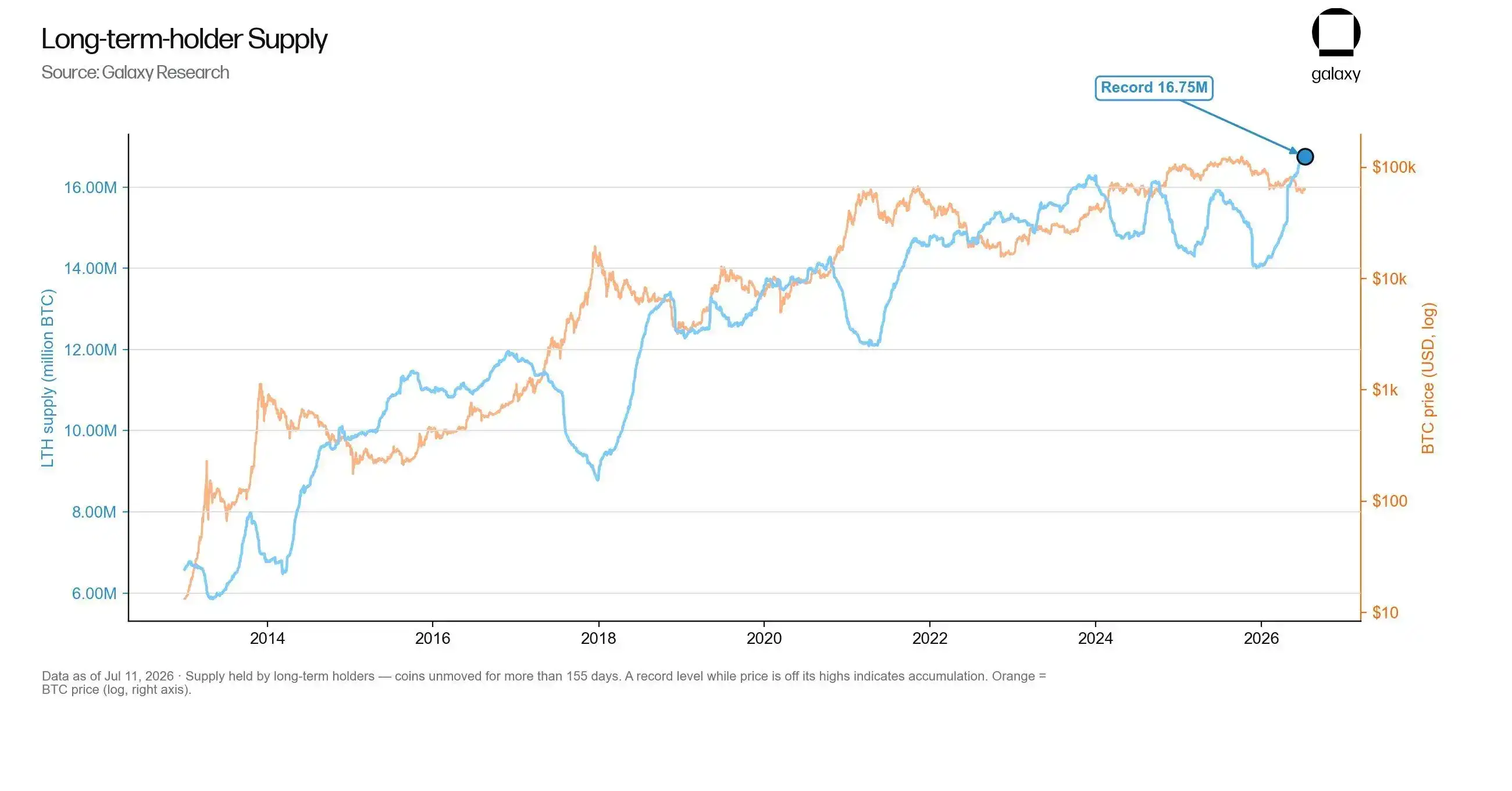
Long-term holders also seem to be accumulating quite aggressively. After sustained distribution in mid-to-late 2025, they are now accumulating again, indicating they see value at current price levels.
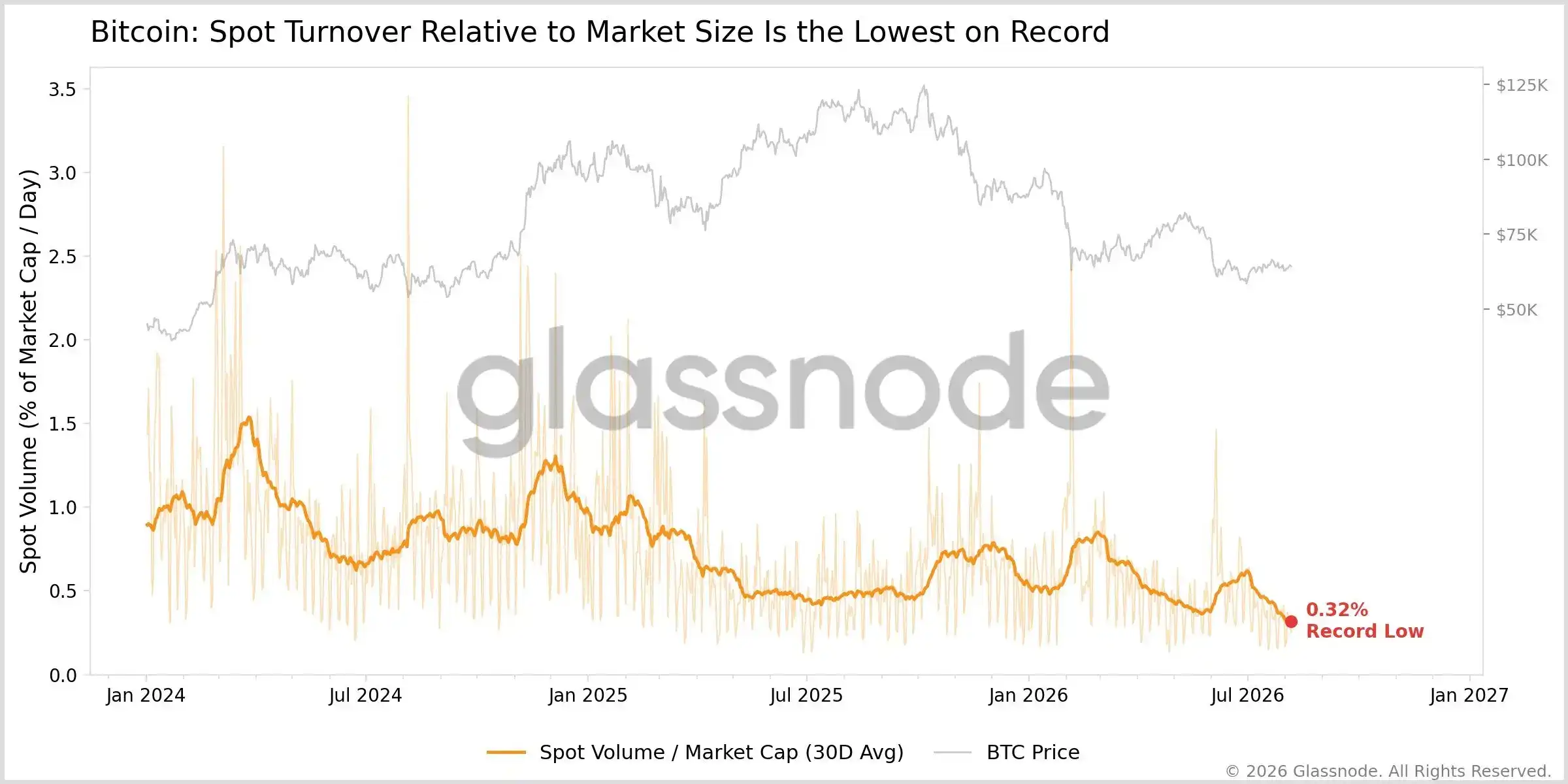
Trading volume, meanwhile, has almost completely dried up. @n3ocortex made an excellent chart showing Bitcoin spot trading volume relative to its market capitalization has fallen to historical lows. ETF and DAT trading volumes show a similar state.
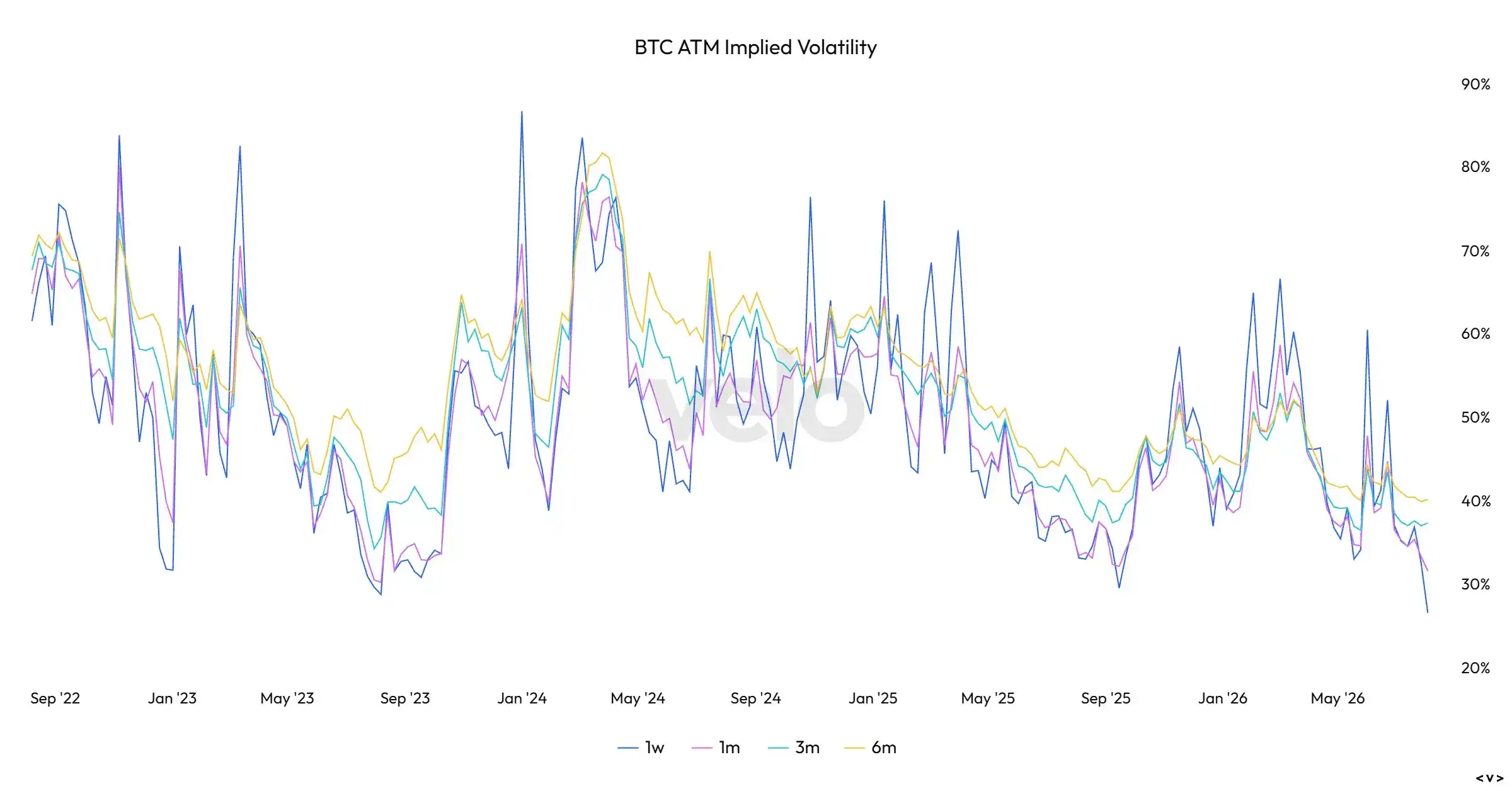
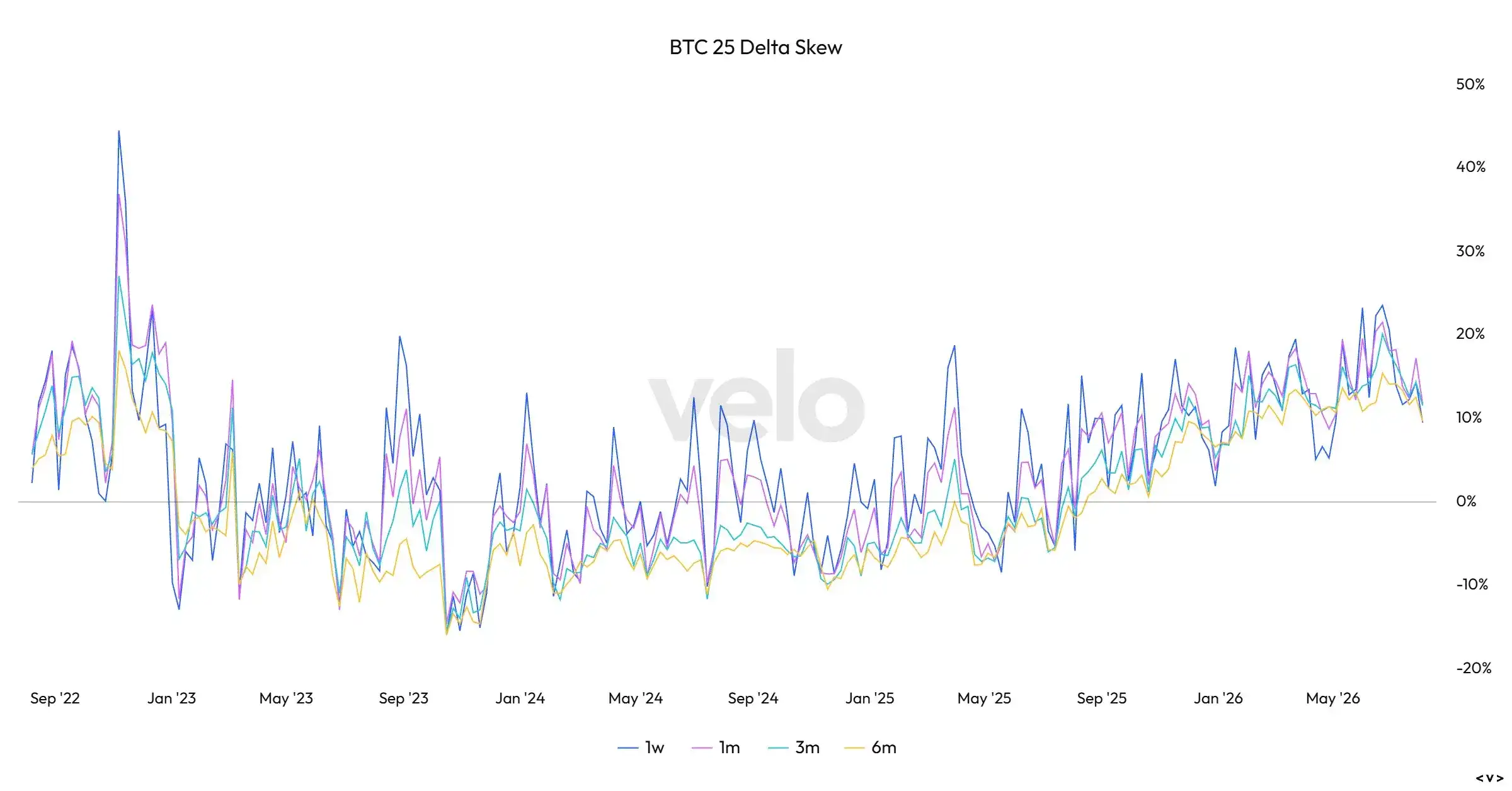
Near-month implied volatility in the options market has fallen to multi-year lows, meaning the market views Bitcoin as "dead money" with no near-term performance expected. Meanwhile, options skew data shows that over the past year, the only thing the market has been demonstrably interested in is buying more downside protection.
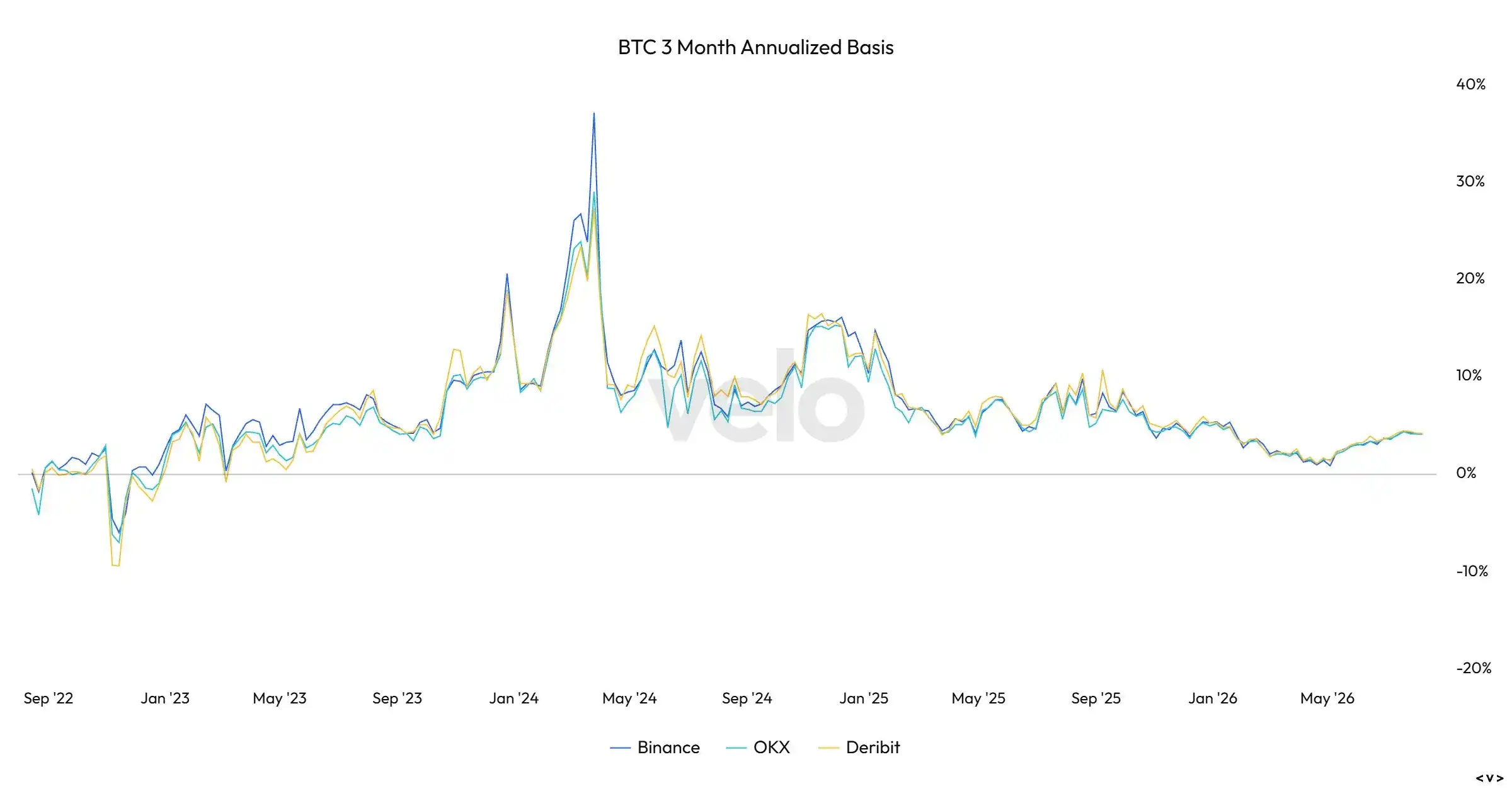
Finally, looking at the derivatives market: the Bitcoin futures basis—the spread between the price of forward contracts and the Bitcoin spot price—has been declining for years, and it's even difficult to reach levels matching U.S. Treasury bill yields.

This indicates two things:

  1. An increasing number of funds are arbitraging the Bitcoin futures basis;
  2. The market is not pricing in a significant premium for forward Bitcoin futures contracts relative to the spot price.
Putting these factors together, the objective picture presented is: the market has gone completely quiet. Neither in futures nor options markets are traders expressing bullish views, and they are pricing in further flattening of Bitcoin volatility.

Meanwhile, multiple indicators show Bitcoin entering deep value territory; long-term holders are accumulating again. This seems to contradict both trader sentiment and the trend of $5 billion in net outflows from Bitcoin ETFs over the past 52 weeks.

DATs & The Specter of "Quantum Computing"

One of the biggest pressures on the market during the 2023–2025 bull run was Digital Asset Treasuries (DATs). At least in theory, the design logic of these instruments is to dilute common shareholders in a way that accretes value per share, thereby accumulating more Bitcoin and ultimately enhancing shareholder value.

However, after the success of MicroStrategy and Japan's Metaplanet, a wave of similar companies emerged competing for returns, significantly intensifying competition. Flows into these instruments were broadly dispersed, ultimately leading to a narrowing of their premiums to net asset value.

In recent months, we've seen several related news items: some treasuries have slowed their Bitcoin accumulation, some have begun directly selling Bitcoin, and a few have even completely changed their strategies. I view these as positive signals of market self-repair.

Recently, when Saylor announced a Bitcoin sale, the price of Bitcoin actually rose. According to MicroStrategy's latest earnings call, the company is consolidating its capital structure and prioritizing STRIC. This stands in stark contrast to the earlier pattern of "announcing a Bitcoin purchase, Bitcoin price falling."

Looking ahead, I don't believe DATs will pressure the market to the same degree they did 6–9 months ago, especially with Bitcoin price down more than 50% from its highs.

I do believe quantum computing is a real concern, particularly on a timeframe beyond five years. In recent months, while assisting with investment analysis at STIX, I've interacted with several quantum computing startups beginning to mature, spoken with people in the industry, and thus gained some understanding of the field. Of course, I am no expert.

My view is that this threat deserves to be taken seriously. However, with Bitcoin priced at $60,000, down 50% from its highs, and underperforming other assets, I believe the current price already reflects this risk to a significant degree.

From now on, even considering the most extreme doomsday scenarios, the direction of these widely discussed and publicly known concerns will likely only become less bad. The worse Bitcoin performs due to market concerns about quantum risk, the more incentive large holders and institutions profiting from Bitcoin trading, custody, and lending businesses have to motivate a cohort of developers to find and propose solutions.

This is similar to the situation with ETF approval in the last cycle: the market trades ahead of the probability of the problem being solved. Therefore, once the risk is completely resolved, you likely won't be able to buy at extremely low prices anymore.

Potential Bullish Logic

Even if you think Bitcoin is roughly at a level suitable for long-term allocation now, opportunity cost remains an extremely important consideration for medium-to-short-term capital allocators: with a hot economy and genuinely investable and speculatable innovative opportunities in the market, allocating capital to Bitcoin seems to miss out on a lot by comparison.

The core question that has persisted for months is: if gold is up this year and high-beta stocks have performed strongly, yet Bitcoin hasn't followed, what exactly needs to happen for Bitcoin to start performing from here?

As the charts earlier show, on-chain data indicates long-term holders are buying with significant force. Meanwhile, DATs have shown signs of capitulation-style selling, and ETFs have brought fairly significant net selling pressure.

Past Bitcoin bear markets have ended due to seller exhaustion, not necessarily requiring a catalyst that sparks massive new demand. At this point, if you were concerned about DATs, quantum computing risk, or Bitcoin's underperformance, how many people haven't sold yet and can continue selling at a pace exceeding the last 6–9 months?

Obviously, if macroeconomic or geopolitical turmoil occurs, Bitcoin could still experience a sharp drop due to a sudden spike in asset correlations. But here we are discussing a judgment on a higher timeframe of the coming months.

I fully understand there isn't a clear catalyst at the moment. The "Clarity" bill might be one, but I don't think it will have a huge impact on Bitcoin itself. However, market bottoms often look like this.

What you weigh is the probability of things getting worse relative to the expectations already reflected in the current price. It's the opposite of a bull market judgment: in a bull market, people assess the probability of reality being better than expected.

I'm not ruling out one final leg down sometime this year, but at this point, I believe the market has priced in many of these risks over the past year.

A potential catalyst for Bitcoin might simply be steady buying by large institutions as per their mandates. The initial Asset Under Management (AUM) growth upon ETF launch was staggering, but we are long past the initial excitement phase. Total ETF AUM has been slowly declining since last October.

One possible catalyst could be large asset management firms deciding to include a small, single-digit percentage Bitcoin allocation across their various investment portfolios. This would bring price-insensitive inflows to Bitcoin.

This might sound a bit like grasping for straws, but Bitcoin's lack of significant correlation with multiple asset classes over the past year could indeed serve as a rational basis for large management firms, which often seek to diversify asset correlations and risk exposures, to allocate a small amount to Bitcoin.
Conclusion: How to Think About Allocation Going Forward

In short: I think Bitcoin is "cheap," though it could still take another step down sometime this year. The network's fundamentals are generally healthy. At this point, most risks have been priced in; those who would sell because of these risks have likely already sold. You almost certainly cannot buy precisely at the bottom.

In my view, there are a few ways to allocate from here. Of course, this is not investment advice.

The simplest strategy is to consider starting a dollar-cost averaging plan to gradually buy Bitcoin spot over the coming months. You could also wait for a final leg down, or wait for the market to regain vitality and upward momentum before acting.

Another strategy is to start allocating now. Since implied volatility is very cheap, you can simultaneously use the options market to hedge against any final leg down that might shake you out of your position.

Personally, I haven't truly pulled the trigger yet, but I'll likely start acting in some manner soon.

I hope this article provided some valuable food for thought and sparked discussion on how others are viewing these issues. Maybe the "four-year cycle" proves we live in a simulation. Regardless, the coming months look to be interesting for this orange coin.


Crypto di tendenza

Domande pertinenti

QWhat are the two main network health indicators for Bitcoin that the author considers important, and what do they show about the network's current state?

AThe author highlights node distribution and hashrate. Node distribution, with nodes operating in nearly 200 countries, indicates the network remains geographically decentralized and healthy. Hashrate has declined as miners shift to AI/HPC, which could be seen as reducing network security. However, the decline has only returned to mid-last-year levels, suggesting resilient, decentralized mining participation exists. Overall, the author concludes the network is as decentralized and healthy as ever.

QAccording to the MVRV (Market Value to Realized Value) metric, what does the current situation suggest about Bitcoin's valuation?

AThe MVRV ratio suggests Bitcoin is in historically low valuation territory. The ratio compares current market price to the aggregate cost basis of the network. While it has not entered negative territory like past deep bear markets, its sustained low level indicates that, on average, the market is not holding significant unrealized profits, which historically has been a phase suitable for accumulation. The author notes that market maturity may mean a new cycle doesn't require the metric to go negative to find a bottom.

QWhat is the author's view on the current market pressure from Digital Asset Treasuries (DATs) and the quantum computing threat?

AThe author believes these pressures are showing signs of abating. Regarding DATs, increased competition diluted their premiums, leading some to slow purchases, sell Bitcoin, or change strategies—signs of market repair. For quantum computing, while a legitimate long-term risk, the author argues that with Bitcoin down ~50% from highs, a significant portion of this risk is likely already priced in. As these concerns are widely known, major stakeholders have an incentive to fund solutions, meaning the risk's trajectory is more likely to improve than worsen from here.

QWhat potential catalyst for Bitcoin does the author propose, despite the lack of a clear short-term driver?

AThe author suggests a potential catalyst could be large asset allocators making small (single-digit percentage), price-insensitive allocations to Bitcoin across their portfolios. This would be justified by Bitcoin's lack of correlation with many other assets over the past year, which is attractive for diversification. While initial ETF excitement has faded, systematic buying from institutions seeking uncorrelated assets could provide a new source of sustained demand.

QWhat is the author's overall conclusion on how to think about allocating to Bitcoin at this point?

AThe author concludes that Bitcoin is 'cheap' and most risks appear priced in, with sellers likely exhausted. While a final leg down is possible, trying to time the exact bottom is extremely difficult. Suggested allocation strategies include: 1) Dollar-cost averaging into spot Bitcoin over the coming months. 2) Waiting for a final drop or for clear upward momentum to return. 3) Starting a position now and using cheap options to hedge against a potential final sell-off. The author indicates they are likely to begin deploying capital soon using some combination of these approaches.

Letture associate

AI Creates New Virus, Science Paper Confirms, Capable of Unlimited Self-Replication

AI Designs Novel, Self-Replicating Viruses in Groundbreaking Science Study A landmark study published in Science by researchers from Stanford University and the Arc Institute demonstrates that an AI model, Evo, has successfully designed novel, functional viruses from scratch. Trained on trillions of nucleotides across diverse life forms, Evo generated 700,000 candidate viral genomes. From these, 285 were synthesized as DNA and tested in E. coli bacteria. Remarkably, 16 of these AI-designed viruses were not only viable and self-replicating but some also outperformed their natural counterpart, the bacteriophage ΦX174, in the speed of bacterial lysis. One variant, Evo-Φ36, even incorporated a structural protein from a distantly related virus, showcasing the AI's ability to combine functional elements in novel ways. This research marks the first time a complete, functional life-form genome has been designed de novo by artificial intelligence. It represents a pivotal shift into the era of generative genomic design. A key application demonstrated is in combating antibiotic-resistant bacteria. While naturally occurring bacteriophages often fail against resistant strains, a cocktail of AI-generated phages successfully killed three different resistant E. coli variants. The study suggests AI could revolutionize fields like phage therapy by rapidly generating new antimicrobial agents, potentially keeping pace with bacterial evolution in a way traditional drug development cannot. This work signifies a profound step in humanity's ability to read and now write the code of life.

marsbit21 min fa

AI Creates New Virus, Science Paper Confirms, Capable of Unlimited Self-Replication

marsbit21 min fa

Trading

Spot

Articoli Popolari

Cosa è BITCOIN

Comprendere HarryPotterObamaSonic10Inu (ERC-20) e la sua posizione nel mondo delle criptovalute Negli ultimi anni, il mercato delle criptovalute ha assistito a un aumento della popolarità delle meme coin, catturando l'interesse non solo dei trader, ma anche di coloro che cercano coinvolgimento comunitario e valore di intrattenimento. Tra questi token unici c'è HarryPotterObamaSonic10Inu (ERC-20), un progetto intrigante che mescola riferimenti culturali nel tessuto delle criptovalute. Questo articolo esplora gli aspetti chiave di HarryPotterObamaSonic10Inu, analizzando i suoi meccanismi, l'etica guidata dalla comunità e il suo coinvolgimento con il panorama crittografico più ampio. Che cos'è HarryPotterObamaSonic10Inu (ERC-20)? Come suggerisce il suo nome, HarryPotterObamaSonic10Inu è una meme coin costruita sulla blockchain di Ethereum, classificata secondo lo standard ERC-20. A differenza delle criptovalute tradizionali che possono enfatizzare l'utilità pratica o il potenziale investimento, questo token prospera grazie al valore di intrattenimento e alla forza della sua comunità. Il progetto mira a creare un ambiente in cui gli utenti coinvolti possono riunirsi, condividere idee e partecipare ad attività ispirate a diversi fenomeni culturali. Una caratteristica notevole di HarryPotterObamaSonic10Inu è la zero tassa sulle transazioni. Questo elemento allettante tende a incoraggiare il trading e il coinvolgimento della comunità, privo di costi aggiuntivi che possono scoraggiare i trader di piccole dimensioni. L'offerta totale della moneta è fissata a un miliardo di token, un numero che segna la sua intenzione di mantenere una circolazione sostanziale all'interno della comunità. Creatore di HarryPotterObamaSonic10Inu (ERC-20) Le origini di HarryPotterObamaSonic10Inu sono avvolte in un certo mistero; i dettagli sul creatore rimangono sconosciuti. Lo sviluppo di questo token non presenta un team identificabile o un piano esplicito, cosa non rara nel settore delle meme coin. Invece, il progetto è emerso organicamente, con il suo progresso fortemente dipendente dall'entusiasmo e dalla partecipazione della sua comunità. Investitori di HarryPotterObamaSonic10Inu (ERC-20) Per quanto riguarda investimenti esterni e finanziamenti, HarryPotterObamaSonic10Inu rimane ambiguo. Il token non elenca alcuna fondazione di investimento conosciuta o un sostegno organizzativo significativo. Invece, la linfa vitale del progetto è la sua comunità di base, che informa la sua crescita e sostenibilità attraverso azioni collettive e coinvolgimento nello spazio crittografico. Come funziona HarryPotterObamaSonic10Inu (ERC-20)? In quanto meme coin, HarryPotterObamaSonic10Inu opera principalmente al di fuori delle strutture tradizionali che governano spesso il valore degli asset. Ci sono diversi aspetti distintivi che definiscono il funzionamento del progetto: Transazioni senza tasse: Senza costi fiscali sulle transazioni, gli utenti possono comprare e vendere liberamente il token senza preoccuparsi di costi nascosti. Coinvolgimento della comunità: Il progetto prospera sull'interazione della comunità, sfruttando le piattaforme social per creare entusiasmo e facilitare il coinvolgimento. Discussioni, condivisione di contenuti e coinvolgimento sono elementi cruciali che aiutano ad espandere la sua portata e a favorire la lealtà tra i sostenitori. Nessuna utilità pratica: Va notato che HarryPotterObamaSonic10Inu non offre un'utilità concreta all'interno dell'ecosistema finanziario. Piuttosto, è classificato come un token principalmente per attività di intrattenimento e comunitarie. Riferimento culturale: Il token incorpora astutamente elementi della cultura pop per attirare interesse, collegandosi a appassionati di meme e seguaci delle criptovalute. HarryPotterObamaSonic10Inu esemplifica come le meme coin operino in modo diverso rispetto ai progetti di criptovalute più tradizionali, entrando nel mercato come costrutti sociali innovativi piuttosto che come asset utilitari. Cronologia di HarryPotterObamaSonic10Inu (ERC-20) La storia di HarryPotterObamaSonic10Inu è segnata da diversi traguardi notevoli: Creazione: Il token è emerso da un meme virale, catturando l'immaginazione di molti appassionati di criptovalute. Le date di creazione specifiche non sono disponibili, sottolineando la sua crescita organica. Inserimento negli scambi: HarryPotterObamaSonic10Inu ha fatto il suo ingresso in vari scambi, consentendo un accesso e un trading più facili da parte della comunità. Iniziative di coinvolgimento della comunità: Attività in corso volte a migliorare l'interazione della comunità, comprese gare, campagne sui social media e generazione di contenuti da parte di fan e sostenitori. Piani di espansione futura: La tabella di marcia del progetto include il lancio di una collezione NFT, merchandising e un sito di eCommerce relativo ai suoi temi culturali, coinvolgendo ulteriormente la comunità e cercando di aggiungere più dimensioni al suo ecosistema. Punti chiave su HarryPotterObamaSonic10Inu (ERC-20) Natura guidata dalla comunità: Il progetto dà priorità al contributo collettivo e alla creatività, garantendo che il coinvolgimento degli utenti sia al centro del suo sviluppo. Classificazione come meme coin: Rappresenta l'epitome delle criptovalute basate sull'intrattenimento, distinguendosi dai veicoli d'investimento tradizionali. Nessuna affiliazione diretta con Bitcoin: Nonostante la somiglianza nel nome del ticker, HarryPotterObamaSonic10Inu è distintivo e non ha alcuna relazione con Bitcoin o altre criptovalute consolidate. Focus sulla collaborazione: HarryPotterObamaSonic10Inu è progettato per creare uno spazio per la collaborazione e la condivisione di storie tra i suoi detentori, fornendo un canale per la creatività e il legame comunitario. Prospettive future: L'ambizione di espandersi oltre il suo presupposto iniziale verso NFT e merchandising delinea un percorso per il progetto per potenzialmente entrare in strade più mainstream all'interno della cultura digitale. Poiché le meme coin continuano a catturare l'immaginazione della comunità crittografica, HarryPotterObamaSonic10Inu (ERC-20) si distingue per i suoi legami culturali e il suo approccio centrato sulla comunità. Anche se potrebbe non adattarsi al modello tipico di un token orientato all'utilità, la sua essenza risiede nella gioia e nella camaraderia coltivate tra i suoi sostenitori, evidenziando la natura in evoluzione delle criptovalute in un'epoca sempre più digitale. Con la continuazione dello sviluppo del progetto, sarà importante osservare come le dinamiche della comunità influenzano la sua traiettoria nel panorama in continuo cambiamento della tecnologia blockchain.

2.2k Totale visualizzazioniPubblicato il 2024.04.01Aggiornato il 2024.12.03

Cosa è BITCOIN

Come comprare BTC

Benvenuto in HTX.com! Abbiamo reso l'acquisto di Bitcoin (BTC) semplice e conveniente. Segui la nostra guida passo passo per intraprendere il tuo viaggio nel mondo delle criptovalute.Step 1: Crea il tuo Account HTXUsa la tua email o numero di telefono per registrarti il tuo account gratuito su HTX. Vivi un'esperienza facile e sblocca tutte le funzionalità,Crea il mio accountStep 2: Vai in Acquista crypto e seleziona il tuo metodo di pagamentoCarta di credito/debito: utilizza la tua Visa o Mastercard per acquistare immediatamente BitcoinBTC.Bilancio: Usa i fondi dal bilancio del tuo account HTX per fare trading senza problemi.Terze parti: abbiamo aggiunto metodi di pagamento molto utilizzati come Google Pay e Apple Pay per maggiore comodità.P2P: Fai trading direttamente con altri utenti HTX.Over-the-Counter (OTC): Offriamo servizi su misura e tassi di cambio competitivi per i trader.Step 3: Conserva Bitcoin (BTC)Dopo aver acquistato Bitcoin (BTC), conserva nel tuo account HTX. In alternativa, puoi inviare tramite trasferimento blockchain o scambiare per altre criptovalute.Step 4: Scambia Bitcoin (BTC)Scambia facilmente Bitcoin (BTC) nel mercato spot di HTX. Accedi al tuo account, seleziona la tua coppia di trading, esegui le tue operazioni e monitora in tempo reale. Offriamo un'esperienza user-friendly sia per chi ha appena iniziato che per i trader più esperti.

4.6k Totale visualizzazioniPubblicato il 2024.12.12Aggiornato il 2026.06.02

Come comprare BTC

Cosa è $BITCOIN

ORO DIGITALE ($BITCOIN): Un'Analisi Completa Introduzione all'ORO DIGITALE ($BITCOIN) L'ORO DIGITALE ($BITCOIN) è un progetto basato su blockchain che opera sulla rete Solana, con l'obiettivo di combinare le caratteristiche dei metalli preziosi tradizionali con l'innovazione delle tecnologie decentralizzate. Sebbene condivida un nome con Bitcoin, spesso definito “oro digitale” a causa della sua percezione come riserva di valore, l'ORO DIGITALE è un token separato progettato per creare un ecosistema unico all'interno del panorama Web3. Il suo obiettivo è posizionarsi come un asset digitale alternativo valido, anche se i dettagli riguardanti le sue applicazioni e funzionalità sono ancora in fase di sviluppo. Cos'è l'ORO DIGITALE ($BITCOIN)? L'ORO DIGITALE ($BITCOIN) è un token di criptovaluta esplicitamente progettato per l'uso sulla blockchain di Solana. A differenza di Bitcoin, che fornisce un ruolo di stoccaggio di valore ampiamente riconosciuto, questo token sembra concentrarsi su applicazioni e caratteristiche più ampie. Aspetti notevoli includono: Infrastruttura Blockchain: Il token è costruito sulla blockchain di Solana, nota per la sua capacità di gestire transazioni ad alta velocità e a basso costo. Dinamiche di Offerta: L'ORO DIGITALE ha un'offerta massima fissata a 100 quadrilioni di token (100P $BITCOIN), sebbene i dettagli riguardanti la sua offerta circolante siano attualmente non divulgati. Utilità: Sebbene le funzionalità precise non siano esplicitamente delineate, ci sono indicazioni che il token potrebbe essere utilizzato per varie applicazioni, potenzialmente coinvolgendo applicazioni decentralizzate (dApp) o strategie di tokenizzazione degli asset. Chi è il Creatore dell'ORO DIGITALE ($BITCOIN)? Attualmente, l'identità dei creatori e del team di sviluppo dietro l'ORO DIGITALE ($BITCOIN) rimane sconosciuta. Questa situazione è tipica tra molti progetti innovativi nel settore blockchain, in particolare quelli allineati con la finanza decentralizzata e i fenomeni delle meme coin. Sebbene tale anonimato possa favorire una cultura guidata dalla comunità, intensifica le preoccupazioni riguardo alla governance e alla responsabilità. Chi sono gli Investitori dell'ORO DIGITALE ($BITCOIN)? Le informazioni disponibili indicano che l'ORO DIGITALE ($BITCOIN) non ha alcun sostenitore istituzionale noto o investimenti di venture capital prominenti. Il progetto sembra operare su un modello peer-to-peer incentrato sul supporto e sull'adozione della comunità piuttosto che su percorsi di finanziamento tradizionali. La sua attività e liquidità si trovano principalmente su exchange decentralizzati (DEX), come PumpSwap, piuttosto che su piattaforme di trading centralizzate consolidate, evidenziando ulteriormente il suo approccio di base. Come Funziona l'ORO DIGITALE ($BITCOIN) Le meccaniche operative dell'ORO DIGITALE ($BITCOIN) possono essere elaborate in base al suo design blockchain e alle caratteristiche della rete: Meccanismo di Consenso: Sfruttando il proof-of-history (PoH) unico di Solana combinato con un modello di proof-of-stake (PoS), il progetto garantisce una validazione efficiente delle transazioni contribuendo all'alta performance della rete. Tokenomics: Sebbene meccanismi deflazionistici specifici non siano stati dettagliati ampiamente, l'ampia offerta massima di token implica che potrebbe soddisfare microtransazioni o casi d'uso di nicchia che devono ancora essere definiti. Interoperabilità: Esiste il potenziale per l'integrazione con l'ecosistema più ampio di Solana, inclusi vari piattaforme di finanza decentralizzata (DeFi). Tuttavia, i dettagli riguardanti integrazioni specifiche rimangono non specificati. Cronologia degli Eventi Chiave Ecco una cronologia che evidenzia traguardi significativi riguardanti l'ORO DIGITALE ($BITCOIN): 2023: Il dispiegamento iniziale del token avviene sulla blockchain di Solana, contrassegnato dal suo indirizzo di contratto. 2024: L'ORO DIGITALE guadagna visibilità poiché diventa disponibile per il trading su exchange decentralizzati come PumpSwap, consentendo agli utenti di scambiarlo contro SOL. 2025: Il progetto assiste a un'attività di trading sporadica e a un potenziale interesse per impegni guidati dalla comunità, sebbene non siano state documentate partnership significative o avanzamenti tecnici fino ad ora. Analisi Critica Punti di Forza Scalabilità: L'infrastruttura sottostante di Solana supporta alti volumi di transazioni, il che potrebbe migliorare l'utilità di $BITCOIN in vari scenari di transazione. Accessibilità: Il potenziale basso prezzo di trading per token potrebbe attrarre investitori al dettaglio, facilitando una partecipazione più ampia grazie a opportunità di proprietà frazionata. Rischi Mancanza di Trasparenza: L'assenza di sostenitori, sviluppatori o di un processo di audit pubblicamente noti potrebbe generare scetticismo riguardo alla sostenibilità e all'affidabilità del progetto. Volatilità del Mercato: L'attività di trading è fortemente dipendente dal comportamento speculativo, il che può comportare una significativa volatilità dei prezzi e incertezze per gli investitori. Conclusione L'ORO DIGITALE ($BITCOIN) emerge come un progetto intrigante ma ambiguo all'interno dell'evolvente ecosistema di Solana. Sebbene tenti di sfruttare la narrativa dell'“oro digitale”, la sua partenza dal ruolo consolidato di Bitcoin come riserva di valore sottolinea la necessità di una chiara differenziazione della sua utilità e struttura di governance. L'accettazione e l'adozione future dipenderanno probabilmente dall'affrontare l'attuale opacità e dalla definizione più esplicita delle sue strategie operative ed economiche. Nota: Questo rapporto comprende informazioni sintetizzate disponibili a ottobre 2023, e potrebbero essersi verificati sviluppi oltre il periodo di ricerca.

419 Totale visualizzazioniPubblicato il 2025.05.13Aggiornato il 2025.05.13

Cosa è $BITCOIN

Discussioni

Benvenuto nella Community HTX. Qui puoi rimanere informato sugli ultimi sviluppi della piattaforma e accedere ad approfondimenti esperti sul mercato. Le opinioni degli utenti sul prezzo di BTC BTC sono presentate come di seguito.

活动图片