Wall Street Giants Vie for GPU Futures, Crypto Market Already in Early Skirmish

marsbitPubblicato 2026-05-22Pubblicato ultima volta 2026-05-22

Introduzione

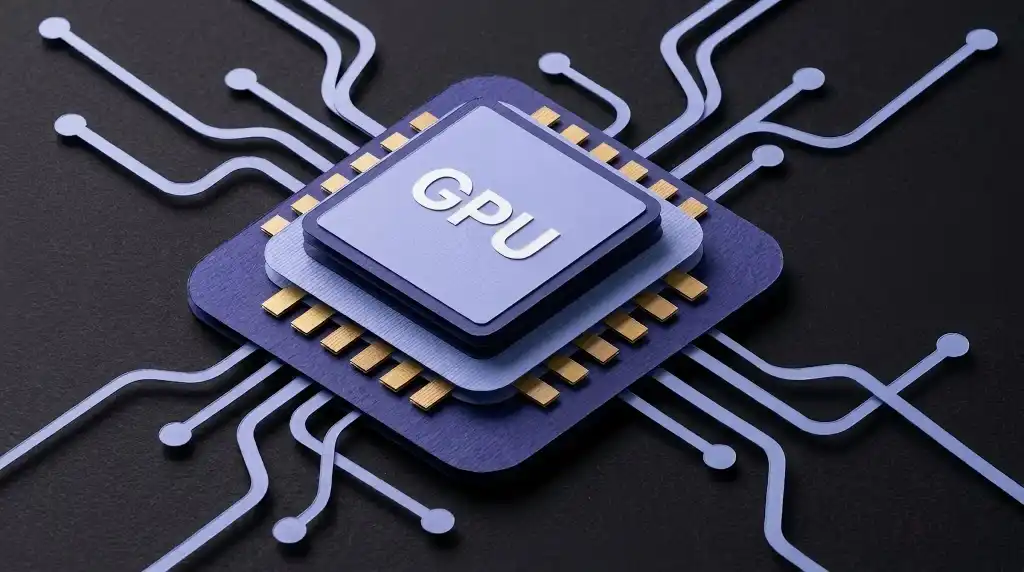
Wall Street giants CME and ICE are racing to launch GPU futures, marking a pivotal shift as computing power transforms from a critical IT resource into a tradable financial asset. In mid-May, both exchanges announced plans for futures contracts tied to GPU compute pricing indices, aiming to establish a benchmark and provide hedging tools for the volatile, trillion-dollar AI compute market. ICE partnered with data provider Ornn for a broad index covering enterprise and consumer GPUs, while CME teamed with Silicon Data to focus on an H100 leasing index with cash settlement. This push for financialization addresses a key industry pain point: the lack of risk management tools in a market dominated by a few cloud providers, where prices are opaque and highly unstable. Proponents argue futures will help large cloud operators and AI labs lock in costs and manage investment risk. However, challenges remain, including the intangible nature of compute, high market concentration, and the potential for leveraged speculation to exacerbate price swings and resource inequality. Notably, the crypto market has moved faster. Platforms like Architect Financial have already launched perpetual contracts tied to compute indices, leveraging DeFi's agility to create a parallel, global market. As Wall Street awaits regulatory approval, the race to define and control the pricing of "21st-century oil" is accelerating both in traditional and decentralized finance.

Author: Jae, PANews

Computing power has become the "new oil of the 21st century" fueling global AI operations. The computing power arms race driven by AI is transcending the physical boundaries of information technology and deeply penetrating the veins of modern financial infrastructure.

Larry Fink, the head of global asset management giant BlackRock, once pointed out that in the context of scarce AI ecosystem resources, a futures market linked to computing power might emerge. This prophecy found concrete evidence in May.

Within just one week, two leading players in the traditional financial market, CME Group and Intercontinental Exchange (ICE), the parent company of the New York Stock Exchange, announced plans to develop GPU computing power futures markets one after another.

Computing power is transforming from an intangible technological resource into a standardized financial asset that can be speculated on, traded, and hedged. The fierce competition among Wall Street giants for the pricing power of this new macro commodity also marks the official opening of the era of computing power asset financialization.

GPU Futures Become New Wall Street Battleground: ICE Aims for Universal Coverage, CME Seeks First-Mover Advantage

In this beachhead landing war for the financialization of computing power assets, the two Wall Street titans have chosen different entry paths.

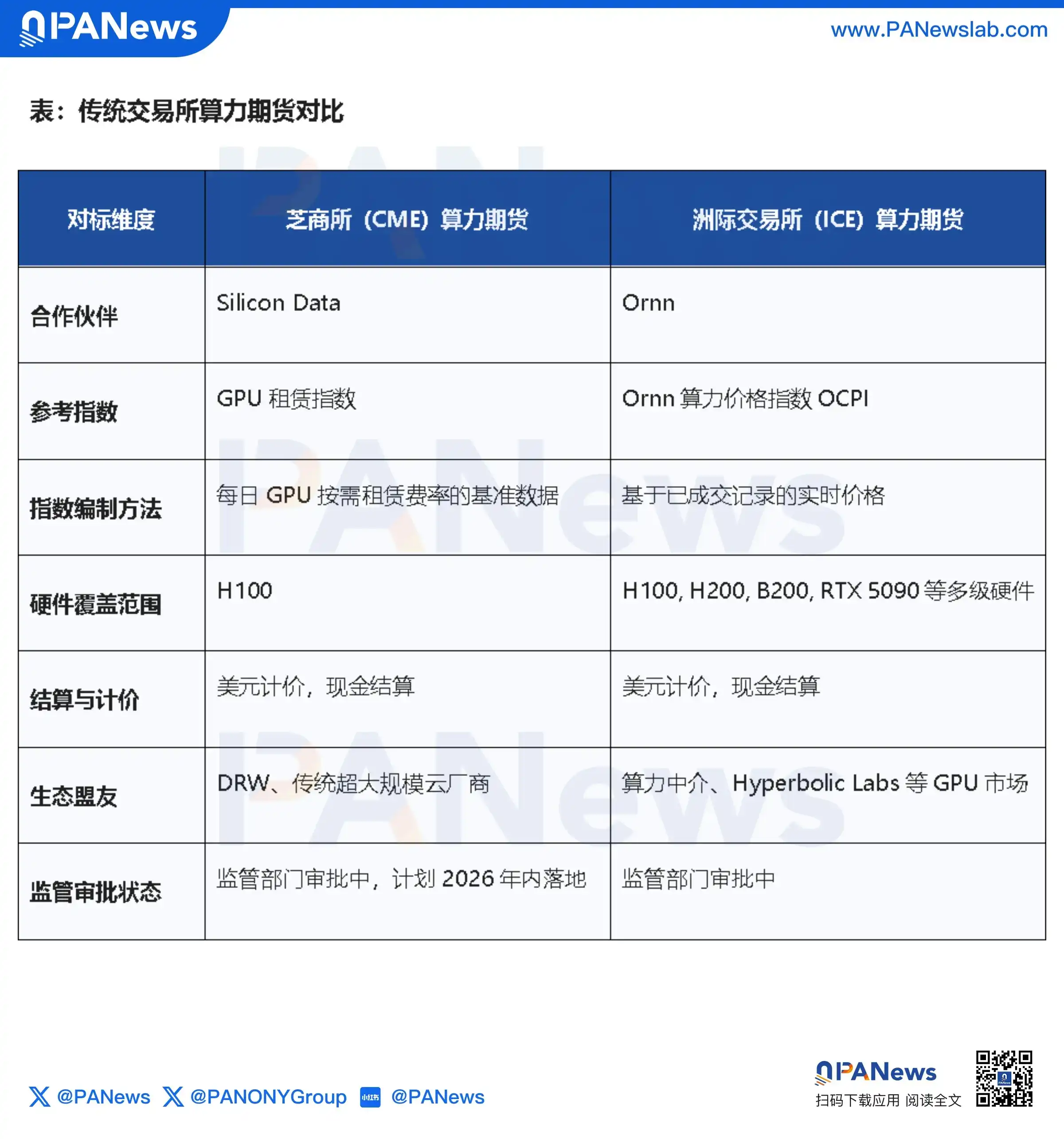
On May 19th, ICE, in collaboration with data provider Ornn, entered the fray, planning to launch a series of GPU computing power futures contracts based on the Ornn Computing Price Index (OCPI).

The OCPI introduced by ICE is the world's first computing power index constructed from real transaction records. Ornn ensures the transparency of this pricing data by distributing the index in real-time to Bloomberg Terminals through its subsidiary Ornn Data, thereby avoiding the issue of "listed price distortion."

Ornn co-founder and CEO Kush Bavaria believes computing power has grown into a trillion-dollar market, and ICE's futures listing will provide a risk transfer layer for institutional buyers and computing power operators.

ICE's computing power futures contracts cover not only mainstream enterprise-grade high-end GPUs like H100, H200, and B200 but also include high-end consumer-grade graphics cards like the RTX 5090, offering refined hedging options for computing power needs across different scenarios. This means ICE is attempting to seize pricing power for computing power across the entire spectrum, from cloud to edge, and from training to inference.

To further solidify the index's industrial foundation, Ornn has also brought in Hyperbolic Labs, one of the world's largest GPU marketplaces, as an ally. Its co-founder and CEO, Jasper Zhang, pointed out that the current GPU market is increasingly resembling the global commodity market, and ICE's move precisely addresses the risk management pain points of new computing power service providers (Neoclouds) and AI labs.

Rather than saying ICE is actively entering the computing power futures market, it's more accurate to say it is rushing to catch up. In fact, CME had already made the first move a week earlier.

On May 12th, CME announced it would partner with GPU market intelligence and benchmark data provider Silicon Data, backed by trading giant DRW, to launch the world's first computing power futures contracts. As a benchmark in the global derivatives market, CME's entry signifies that computing power has officially been included in the sequence of "macro commodities" recognized by Wall Street.

Unlike ICE's broad approach, CME's computing power futures are anchored to Silicon Data's compiled "H100 Lease Index." By providing daily standardized tracking of real-time on-demand leasing rates across major cloud service providers and new GPU cloud platforms, it establishes a unified pricing benchmark for a highly fragmented and opaque spot market.

To avoid depreciation and transportation losses associated with physical hardware delivery, CME's GPU futures contracts will adopt a cash settlement model. The underlying asset being traded is not the physical chip but expectations for future H100 leasing prices.

For large-scale cloud service providers, this provides a much-needed hedging tool. When a cloud service provider invests billions in procuring H100s, it only needs to establish a short position in the CME computing power futures market to lock in a minimum return on investment (ROI) for its servers, thereby mitigating the risk of asset devaluation caused by plummeting computing power prices.

This approach closely mirrors the logic that once turned crude oil, natural gas, and electricity into commodities.
Computing Power Futures Ignite Pricing Power Battle, Financialization Brings Both Opportunities and Tests

Since the wave of large language models swept the globe, computing power has leapt from an "IT resource" to a "strategic material" contested by the AI triumvirate (OpenAI, Anthropic, Google) and Silicon Valley giants like Meta. Simply put, whoever hoards more GPUs holds the entry ticket to the AI era.

But problems have also emerged: the computing power market is too expensive and too unpredictable.

The four cloud giants—Amazon AWS, Microsoft Azure, Oracle, and Google GCP—control about 78% of global IT power capacity and 69% of H100 supply. Spot leasing prices sometimes surge severalfold, only to plummet during chip generation updates. If an AI lab wants to lock in computing power a year in advance, it may have to pay a significant premium; if not, it faces the risk of supply disruption.

What's more troublesome is that the computing power market lacks hedging instruments.

DRW founder Don Wilson frankly stated: The explosive growth of capital-intensive investments like data centers has historically been constrained by the lack of effective risk management tools. The launch of a computing power futures market is a solution to this pain point.

One could argue that whoever masters the pricing power of computing power masters the Bretton Woods system of the AI era.

The battle for computing power pricing rights between the two Wall Street giants reveals that this emerging factor of production is at a historical intersection of "financialization" and "commoditization." This evolution is underpinned by industry cycles but also accompanied by non-negligible potential risks.

From a supply-demand cycle perspective, the global computing power market is entering a new phase of rebalancing. Although early-stage explosive growth in AI applications led to extreme supply-demand mismatch for high-end GPUs and leasing prices soared multiple times, with the large-scale completion of data center construction and chip generation iterations, spot prices will exhibit high volatility. The market urgently needs forward pricing tools to smooth out risks.

However, the "intangible nature" of computing power means it cannot replicate the delivery logic of traditional commodities. Physical chips have a short lifecycle, typically facing technological obsolescence or depreciation within 18 to 24 months, rendering physical delivery forward contracts invalid. Therefore, using a "standard computing unit," such as converting to a benchmark unit like 1 hour of H100 runtime, supplemented by cash settlement, has become the industry's recognized optimal solution. However, this also increases the complexity of pricing models.

Furthermore, the supply side of computing power is highly concentrated, and the spot market is essentially an oligopoly. Building a derivatives market on such a structure creates an inherent fragility in the price discovery mechanism, making futures prices susceptible to indirect manipulation via spot prices.

More importantly, once the computing power derivatives market fully opens, its leverage attributes might amplify price volatility in the spot market. Inflows of leveraged capital and speculative fervor could drive up procurement costs for computing power, turning small and medium-sized AI enterprises into the "harvested," potentially evolving into a "financial hunt" that further exacerbates the uneven distribution of computing resources.

Wall Street Awaits Approval, Crypto Players Already Charging Ahead

While Wall Street's two major exchanges still await regulatory approval, players in the crypto market have already taken the lead.

As early as January this year, Architect Financial Technologies, founded by the former president of FTX US, partnered with Ornn to launch perpetual contracts linked to the OCPI-H100 index through its AX platform.

As more platforms follow suit, it's not impossible that centralized exchanges (CEX) will successively list related computing power futures markets. Additionally, they might launch structured wealth management products for ordinary users or fixed investment products tied to GPU leasing rates, further achieving seamless integration between the crypto market and traditional financial macro assets.

Compared to the heavily regulated CME and ICE facing lengthy approval processes, perpetual decentralized exchanges (Perp DEX) operating on smart contracts possess higher agility and the institutional advantage of permissionless innovation.

Perp DEXs also don't need to go through the lengthy listing procedures of CEXs. For instance, developers only need to stake 500,000 HYPE tokens (or potentially lower thresholds in the future) to list computing power perpetual contracts linked to GPU indices on Hyperliquid's HIP-3 market. This product development capability will allow DeFi to establish a global computing power speculation market unrestricted by geography or barriers, operating even outside Wall Street's regular trading hours.

However, computing power futures is, after all, a nascent asset class with relatively high risk coefficients in its early stages. The computing power market is predominantly over-the-counter (OTC), making data sources susceptible to manipulation. In more extreme cases, such as facing black swan events like technological breakthroughs or chip embargoes, computing power indices might experience non-continuous, sharp price fluctuations. Both scenarios can lead to price distortion, triggering large-scale liquidations of highly leveraged contracts.

Regardless, the Wall Street giants' scramble for computing power futures marks an inflection point in the convergence of AI infrastructure and modern finance.

GPU computing power, once viewed more as an IT resource, is being experimented with as a quantifiable, tradable, hedgeable standardized asset, embedding the logic of technological resource allocation into the global financial system.

With the commoditization of computing power assets, its resource allocation logic may also shift from relying solely on spot procurement to being increasingly influenced by financial market price signals. In the future, computing power might gradually form more mature price discovery mechanisms and capital allocation systems, much like foundational factors of production such as energy and electricity.


Domande pertinenti

QWhich two major Wall Street exchanges are competing to launch GPU computing power futures, and what are the key features of their respective proposed contracts?

AChicago Mercantile Exchange Group (CME Group) and Intercontinental Exchange (ICE) are competing. CME, partnering with Silicon Data, plans to offer cash-settled futures contracts based on the 'H100 rental index' to hedge against price fluctuations for large cloud providers. ICE, partnering with data provider Ornn, aims to offer a broader range of futures based on the Ornn Computing Power Index (OCPI), covering both enterprise-grade (e.g., H100, H200) and high-end consumer-grade GPUs (e.g., RTX 5090) to establish pricing power across the entire computing spectrum.

QAccording to the article, what is the primary problem or pain point in the current AI computing power market that these futures contracts aim to solve?

AThe primary problem is the extreme volatility and unpredictability of computing power prices in a fragmented and opaque market. Prices can surge or plummet dramatically due to supply-demand imbalances and rapid hardware iteration. Major AI companies and cloud providers lack effective risk management tools to hedge against these price swings, making long-term planning and investment difficult.

QWhat potential risks does the article associate with the financialization of computing power through futures markets?

AKey risks include: 1) Price manipulation due to the highly concentrated, oligopolistic nature of the underlying spot market (controlled by major cloud providers). 2) Amplified price volatility as leverage and speculative capital enter the derivatives market. 3) Increased procurement costs for smaller AI firms, potentially exacerbating resource inequality. 4) The inherent complexity of creating a pricing model for an 'intangible' asset like computing power that faces rapid technological obsolescence.

QHow have cryptocurrency market players reacted to the trend of computing power financialization, compared to traditional Wall Street institutions?

ACryptocurrency market players have moved faster and with more agility. For example, Architect Financial Technologies launched a perpetual contract tied to the OCPI-H100 index as early as January. The article suggests that decentralized perpetual contract exchanges (Perp DEXs) could create permissionless, global markets for computing power speculation, operating outside traditional trading hours and with lower listing barriers than heavily regulated Wall Street exchanges or even centralized crypto exchanges (CEX).

QWhat is the core 'commodity' being traded in proposed computing power futures contracts like CME's, and how is it settled to avoid physical hardware issues?

AThe core commodity is the future price expectation for standardized computing power units, specifically the rental/lease rate for GPU runtime (e.g., one hour of H100 computing time). To avoid issues related to the physical depreciation, transportation, and rapid obsolescence of hardware chips, these contracts are designed to be cash-settled. The contracts are settled financially based on the difference between the contracted price and the benchmark index price at expiration, rather than requiring the physical delivery of GPUs.

Letture associate

Token Packages Are Here, Are Telecom Operators in a Hurry?

Major Chinese telecom operators are launching token-based AI computing packages, sparking public debate and highlighting a strategic shift amid slowing traditional revenue growth. In May, Shanghai Telecom introduced token plans (e.g., 9.9 RMB for 10 million tokens), quickly followed by nationwide offerings from China Telecom, China Mobile, and China Unicom. While priced higher than major AI firms like DeepSeek, these packages allow users to access multiple AI models via API using their phone bills, similar to purchasing universal mobile data. The move reflects operators' anxiety as traditional voice, SMS, and data services stagnate. With revenue growth hitting multi-year lows in 2025, AI and computing power represent a critical new frontier. However, current C端 offerings, such as AI photo editing or virtual pets, are seen as non-essential and highlight operators' role as "pipes" or integrators rather than creators of compelling AI products. Beyond consumer packages, operators aim to become key infrastructure players in China’s national computing power network. They position themselves as the "power grid" delivering AI算力, leveraging their vast network of base stations to ensure low-latency, reliable coverage, especially for applications like autonomous driving. This infrastructure role, coupled with unified national调度, could make算力 a ubiquitous utility, driving new consumption scenarios even if mass adoption of token packages remains uncertain.

marsbit1 min fa

Token Packages Are Here, Are Telecom Operators in a Hurry?

marsbit1 min fa

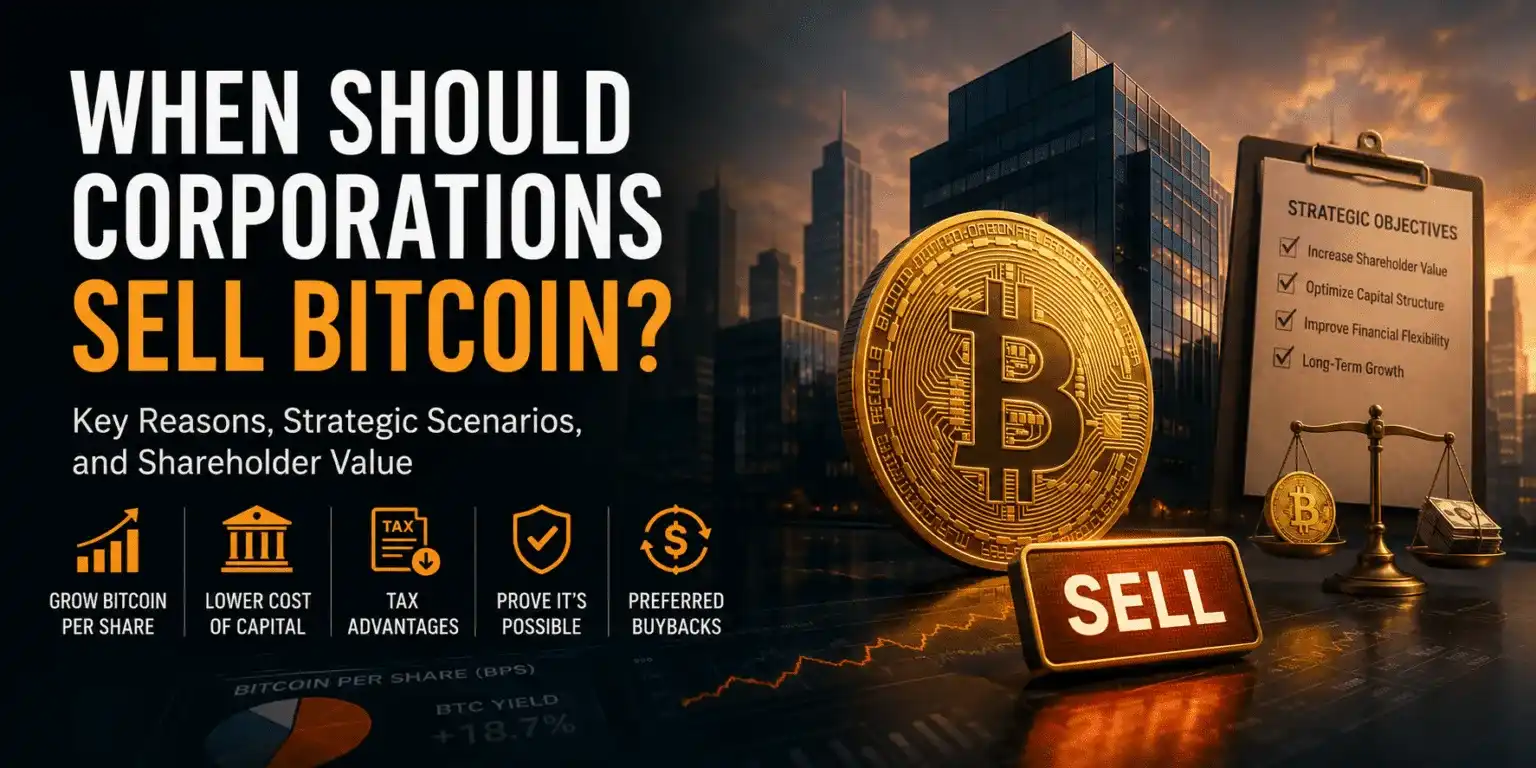
The Five Value Logics Behind Enterprises Selling Bitcoin

"Five Value Logics Behind Corporate Bitcoin Sell-offs" Recent news of Strategy company considering selling part of its bitcoin holdings to meet operational goals sparked market discussions, challenging its previous "never sell" stance. While long-term holding aligns with crypto investment philosophy, selling bitcoin can be a rational corporate decision aimed at maximizing shareholder value, unlike personal sales for life improvements. For instance, in Q1 2026, miners sold 25,376 BTC to fund a pivot into AI, deeming it a higher-return investment. For treasury-holding firms like Strategy, selling bitcoin can create value through five key logics: 1. **Increasing Bitcoin Per Share:** The core metric is bitcoin per share. If a company's stock trades below its bitcoin asset value, selling BTC to buy back shares can increase this ratio, as the reduction in shares outstanding outweighs the BTC sold. Similarly, using BTC proceeds to cover fixed costs like dividends during stock undervaluation minimizes the dilution of bitcoin per share. 2. **Optimizing Capital Structure & Lowering Financing Costs:** Credit ratings significantly influence financing costs. Rating agencies like S&P value cash reserves. By selling bitcoin to boost cash, companies can meet capital market expectations, secure better ratings, and issue debt at lower costs. Reducing debt through BTC sales also improves the appeal of preferred stock. Lower interest rates compound over time, boosting profits. 3. **Legitimate Tax Planning:** The US currently has no wash-sale rules for bitcoin. Companies can sell to realize a book loss, immediately repurchase at a lower cost basis, and use the loss to offset taxes—a strategy Strategy used in 2022's bear market. This can be combined with stock buybacks or debt repayment for multiple benefits. 4. **Dispelling Market FUD (Fear, Uncertainty, Doubt):** Negative narratives claim large corporate BTC sales could crash the market or invalidate the treasury model. A controlled sale (e.g., 50,000 BTC) without causing major market or stock price volatility could debunk such myths, helping the market accept bitcoin as a corporate asset. This reason is the most subjective of the five. 5. **Buying Back Preferred Stock at a Discount:** This lesser-known strategy involves repurchasing a company's own floating-rate preferred stock when it trades significantly below its par value. For example, if a $100-par security like STRC trades at $82, selling bitcoin to buy it back yields an $18 per-share, tax-free profit. Price drops may occur due to leveraged trading cascades, unrelated to BTC's price. Repurchasing avoids future increased dividend costs. In conclusion, corporate bitcoin sales should not be automatically viewed as bearish. In many scenarios, they protect the interests of the company and its shareholders. Bitcoin's monetary properties offer flexible capital allocation; using the asset rationally unlocks its maximum value.

marsbit1 min fa

The Five Value Logics Behind Enterprises Selling Bitcoin

marsbit1 min fa

I Tested with $10,000: Zero Wear, 8% APY, and Earn Points (Full Tutorial + Screenshots Included)

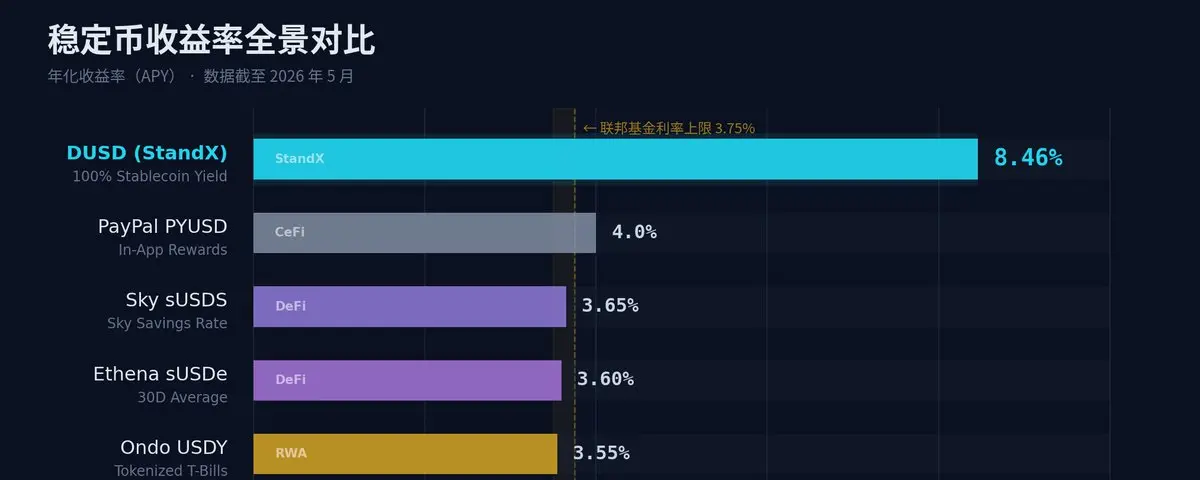
**Title:** My $10,000 Real-World Test: Zero Wear-and-Tear, ~8% APY, Plus Earning Points (Full Guide + Screenshots Included) **Summary:** This article details a personal experiment with $10,000 on the StandX platform to verify its advertised ~8% APY for its stablecoin, DUSD, while earning trading points. The author created two accounts, each depositing $5,000 worth of DUSD, and used StandX's unique "Block Trade" feature to open perfectly offsetting long and short BTC positions (2x leverage each). This neutralized directional market risk. **Key Results (Over 8 Days):** * **Total Profit:** $16.91 (~7.8% annualized). * **Zero Net Directional P&L:** BTC price movements canceled out. * **Zero Wear-and-Tear:** No losses from fees, slippage, or gas from frequent trading. * **Points Earned:** 380+ trading points. **Source of the ~8.46% APY:** The yield is composed of three layers, all paid in DUSD (real USD value, not governance tokens): 1. **DUSD Base (~1.27%):** Derived from funding rates (similar to Ethena's USDe). 2. **SIP-2 Position Boost (~2.27%):** A protocol revenue-sharing mechanism. Users providing liquidity (via open positions) earn a share of platform trading fees. Leverage acts as a multiplier on this yield. 3. **SIP-3 Universal Fee Share (~4.92%):** A portion of all platform trading fees is distributed to *every* DUSD holder, regardless of whether they trade. **Sustainability Claim:** The author argues this yield is more sustainable than pure funding-rate models (e.g., Ethena) because over 7% of it comes from transaction fees (SIP-2 + SIP-3), which are less dependent on market cycles. **Step-by-Step Strategy:** A concise 3-step guide is provided for replicating the zero-risk strategy using two wallets and StandX's Block Trade to create matched long/short positions. **Risk Disclosures:** The article notes standard DeFi risks: smart contract vulnerability and yield fluctuation (Base yield varies with funding rates; SIP-2/3 yields depend on platform trading volume). **Author's Note:** The author discloses their role in Growth at StandX. The piece is presented as personal testing and analysis, not investment advice.

链捕手35 min fa

I Tested with $10,000: Zero Wear, 8% APY, and Earn Points (Full Tutorial + Screenshots Included)

链捕手35 min fa

Senior Analyst Dialogue: What Powell's Departure and Warsh's Appointment Mean for Crypto?

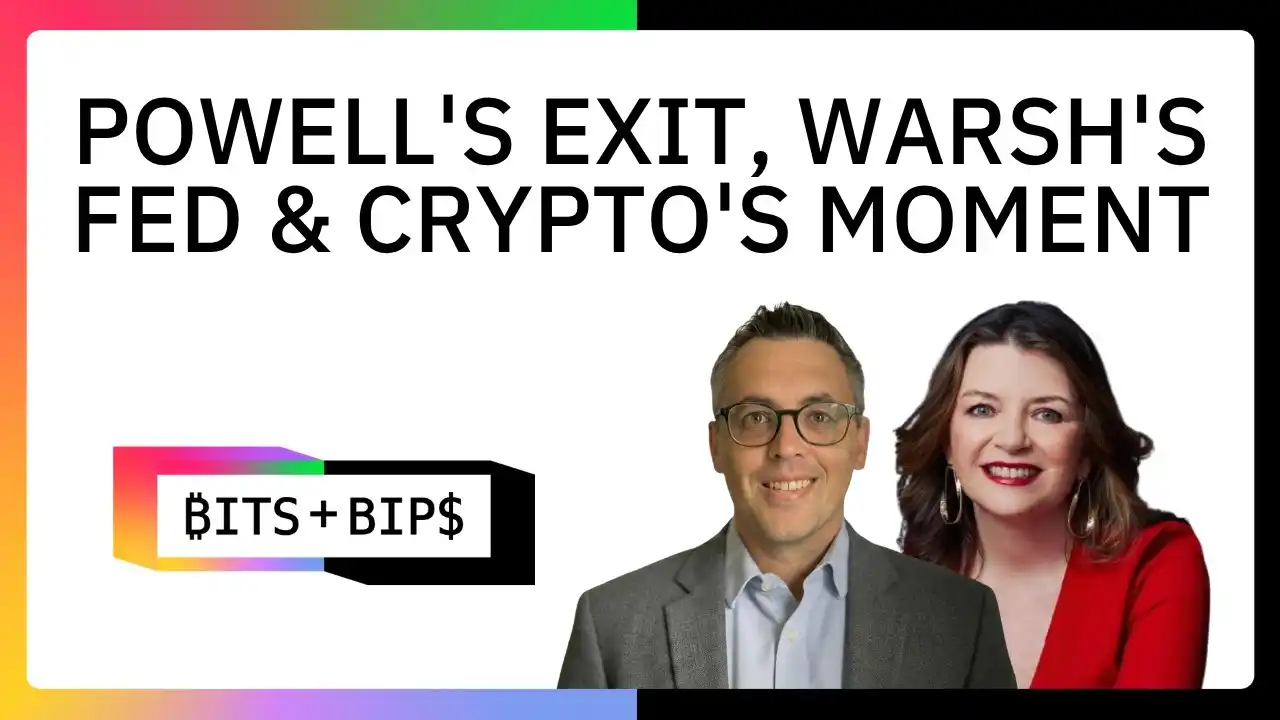
The podcast episode "Powell Is Out, Warsh Is In: What It Means for Crypto" features an analysis by Noelle Acheson on the macro-economic landscape and its implications for crypto. Key discussion points include: * **Equity-Bond Divergence:** Acheson highlights a significant and growing disconnect between stock and bond markets. While bond yields rise globally, signaling tighter financial conditions, equities are driven by AI-related hype and speculation, reminiscent of the 1999 dot-com bubble. * **'Bliss Trade' and Systemic Fragility:** The discussion explores the concept of a structural, cross-party government expectation to provide fiscal support ("Bliss Trade"), which underpins risk asset valuations and carries its own systemic vulnerabilities. * **Inflation Outlook:** Acheson argues that inflation is not meaningfully declining, citing core CPI stagnation and attributing the trend to de-globalization, tariffs, and geopolitical tensions like the Strait of Hormuz crisis. * **Powell's Legacy:** Powell's tenure receives mixed marks. While his defense of Fed independence is noted, he is also criticized for overseeing the "de-banking" of crypto firms in 2023 and initially misjudging inflation. * **Outlook for Warsh:** Expectations for the incoming Fed Chair, Kevin Warsh, are measured. While he may aim to reduce Fed balance sheet size and forward guidance, market realities and the FOMC will likely constrain his ability to enact significant policy shifts, particularly rate cuts. * **Crypto as a Macro Asset:** Bitcoin's role is framed as a hedge against currency debasement, benefiting from expectations of monetary stimulus. However, its maturation as a macro asset means it now competes with other high-volatility investments like AI stocks, potentially limiting near-term price catalysts. * **Market Structure & Tokenization:** The potential Clarity Act is seen as more beneficial for assets like Ethereum than Bitcoin, which already has relative regulatory clarity. Concerns are raised about "innovation exemptions" for tokenization if they enable third-party derivatives that encourage pure speculation over capital formation. In conclusion, the analysis suggests crypto markets lack a near-term positive catalyst and are caught between competing macro narratives, with significant underlying fragilities in traditional markets.

marsbit46 min fa

Senior Analyst Dialogue: What Powell's Departure and Warsh's Appointment Mean for Crypto?

marsbit46 min fa

Trading

Spot
Futures
活动图片