Cold Wallet Attack Sparks Self-Custody Concerns, Funds Flow to Institutional Products, Bitcoin ETF Weekly Inflows Hit 4-Month High

华尔街日报Pubblicato 2026-08-10Pubblicato ultima volta 2026-08-10

Introduzione

The security breach of a cold wallet has raised concerns about self-custody in the cryptocurrency market, leading to a shift of funds toward regulated institutional products. Last week, U.S.-listed bitcoin ETFs saw over $850 million in inflows, the strongest weekly performance since April. This surge was triggered by a hack targeting Coinkite's Coldcard wallets, resulting in the theft of approximately $130 million in bitcoin. Analysts suggest the incident may make bitcoin spot ETFs more attractive to some investors, including long-term holders. Notably, this ETF inflow occurred without a significant rebound in bitcoin's price, which has been range-bound and down roughly 50% from its all-time high. The event challenges the traditional perception of cold wallets as the safest storage method. Experts observe a structural shift as "marginal bitcoin is migrating from self-custody to institutionalized products." While ETFs offer bitcoin price exposure without the need for self-custody, they do not eliminate risk entirely, as custodians can also be vulnerable. However, the regulated framework of ETFs provides a different level of oversight and security measures compared to individual self-custody, potentially boosting investor confidence in delegating exposure to large financial institutions.

The security breach of Bitcoin cold wallets has triggered a chain reaction in the cryptocurrency market, prompting investors to turn their attention towards regulated Wall Street products.

Last week, U.S.-listed Bitcoin exchange-traded funds (ETFs) recorded over $8.5 billion in net inflows, marking the strongest weekly performance since April.

The catalyst for this wave of inflows was a hacking incident targeting the Coldcard wallet from Canadian company Coinkite, leading to the theft of approximately $1.3 billion in Bitcoin. Bloomberg Intelligence analyst Eric Balchunas stated that this attack may make Bitcoin spot ETFs more attractive to some investors, including long-term holders.

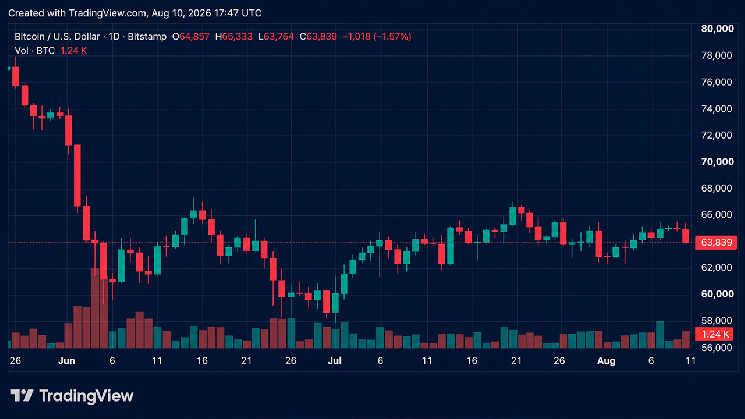
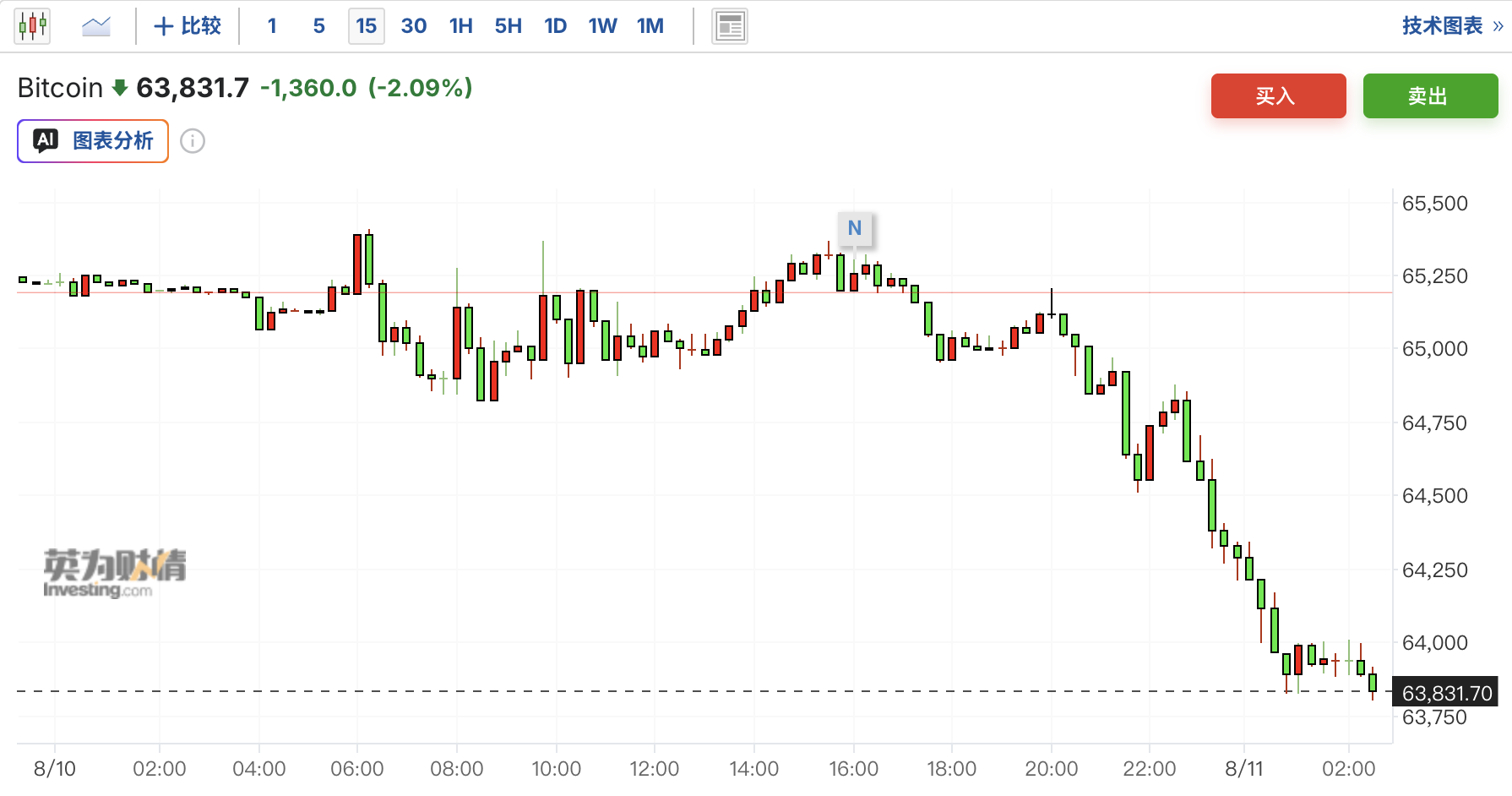
Notably, this round of ETF inflows did not coincide with a significant rebound in Bitcoin's price. Bitcoin fell over 2% on Monday to $63,830, continuing its narrow-range oscillation between $60,000 and $67,000 since June, representing a cumulative decline of about 50% from its all-time high in October of last year.
Cold wallets have long been considered one of the most secure ways to store digital assets.

These physical devices remain offline, granting holders the ability to execute cryptocurrency transactions through private codes. Their physical isolation from the internet theoretically provides strong resistance to cyberattacks.

However, the Coinkite incident has shattered this traditional perception.

It is reported that a specific version of Coinkite's firmware contained a flaw, causing the security information used by some wallets to be far more predictable than expected. This allowed attackers to seize control of affected wallets and steal Bitcoin without ever physically accessing the Coldcard devices.

"We are working closely with affected customers," Coinkite said on Thursday.

The surge in ETF demand is particularly striking precisely because it occurred amidst a lack of upward momentum in the coin's price, indicating that the driving force is a structural shift of assets rather than a rise in speculative sentiment.

Rajiv Sawhney, Head of International Portfolio Management at Wave Digital Assets, believes this trend suggests "marginal Bitcoin is migrating from self-custody to institutionalized products, thereby becoming locked-up, allocated supply."

Bitcoin ETFs offer investors a channel to gain price exposure to Bitcoin without the need to hold or custody the tokens themselves, whereas self-custody has historically been an important symbol for cryptocurrency holders to demarcate themselves from the traditional financial system.

A shift towards ETFs does not mean risks are entirely eliminated.

An ETF's cryptocurrency custodian could also suffer security breaches, and investors would give up the direct control that comes with holding Bitcoin outright—a concern that has kept many wary in the backdrop of frequent exchange collapses, bankruptcies, and fraud within the cryptocurrency industry over the years.

However, the regulated institutional framework offers a degree of differentiated protection.

Eric Balchunas noted, "If an ETF's custodian were attacked, it's not guaranteed investors wouldn't suffer losses, but such an event would likely trigger immediate regulatory scrutiny and enforcement investigation."

He believes this might give some investors more confidence when delegating their Bitcoin exposure to large financial institutions. Large institutions typically have dedicated security teams and employ extensive protective measures to safeguard client assets, creating a stark contrast with the security capabilities of individual self-custody.


Crypto di tendenza

Domande pertinenti

QWhat event triggered the recent surge in inflows to US-listed Bitcoin ETFs?

AThe recent surge in inflows to US-listed Bitcoin ETFs was triggered by a security breach at the Coldcard hardware wallet, developed by the Canadian company Coinkite, where approximately $130 million in Bitcoin was stolen. This incident raised concerns about self-custody, making regulated ETFs appear more attractive to some investors.

QWhat was the approximate amount and significance of the weekly inflows into Bitcoin ETFs mentioned in the article?

AUS-listed Bitcoin ETFs recorded over $850 million in weekly inflows, marking the strongest single-week performance since April. This is significant because the surge occurred despite a lack of upward momentum in Bitcoin's price, suggesting a structural shift of assets rather than speculative fervor.

QWhat is the key difference in security perspective between using a Bitcoin ETF and self-custody according to the article?

AA Bitcoin ETF allows investors to gain price exposure to Bitcoin without the responsibility of holding or securing the tokens themselves. Self-custody, while offering direct control, requires individuals to manage their own security, creating a capability gap compared to the dedicated security teams and extensive protective measures of large financial institutions that act as ETF custodians.

QWhat vulnerability was exploited in the Coldcard wallet attack described in the article?

AThe attack exploited a defect in specific versions of Coinkite's firmware, which made the security information used by some wallets far more predictable than expected. This allowed the attackers to seize control of the affected wallets and steal the Bitcoin without ever physically accessing the Coldcard devices.

QAccording to analysts cited in the article, what does the trend of shifting to ETFs from self-custody represent for the Bitcoin market?

AAnalysts, such as Rajiv Sawhney from Wave Digital Assets, suggest this trend indicates that marginal Bitcoin is migrating from self-custody towards institutionalized products like ETFs. This effectively transforms that portion of Bitcoin into a 'locked, allocated supply' within the regulated financial system.

Letture associate

Legendary Bloomberg Analyst Mike McGlone Makes New Comments on Bitcoin! 'We Are in a Bear Market'

Legendary Bloomberg analyst Mike McGlone has made new comments on Bitcoin, stating "We are in a bear market." This comes as the Bitcoin market enters a new phase following a sharp rise in institutional interest in spot ETFs. Recent data shows a massive $853 million inflow into spot Bitcoin ETFs in a short period. In a recent broadcast, industry experts Dave Weisberger, David Duong, and Mike McGlone discussed this market dynamic. David Duong, Director of Research at CoinShares, argued that the ETF inflows confirm institutional confidence and long-term interest in crypto. He noted that with lowered rate hike expectations, investors are turning to risk assets like Bitcoin, creating significant upward price pressure. Dave Weisberger, CEO of CoinRoute, highlighted the impact of ETF inflows on exchange activity and liquidity. He stated that declining OTC supply forces ETF issuers to buy directly on the market, technically supporting a strong breakout. However, Mike McGlone, Bloomberg Intelligence Senior Commodity Strategist, focused on broader macroeconomic risks. While acknowledging the short-term bullish momentum from ETFs, McGlone warned not to ignore global liquidity conditions and volatility in traditional markets. He assessed that although Bitcoin has signaled a technical breakout, a sustained rally depends on the overall macroeconomic balance and Fed actions, maintaining that BTC is currently in a bear market.

cryptonews.ru48 min fa

Legendary Bloomberg Analyst Mike McGlone Makes New Comments on Bitcoin! 'We Are in a Bear Market'

cryptonews.ru48 min fa

Trading

Spot

Articoli Popolari

Come comprare 4

Benvenuto in HTX.com! Abbiamo reso l'acquisto di 4 (4) semplice e conveniente. Segui la nostra guida passo passo per intraprendere il tuo viaggio nel mondo delle criptovalute.Step 1: Crea il tuo Account HTXUsa la tua email o numero di telefono per registrarti il tuo account gratuito su HTX. Vivi un'esperienza facile e sblocca tutte le funzionalità,Crea il mio accountStep 2: Vai in Acquista crypto e seleziona il tuo metodo di pagamentoCarta di credito/debito: utilizza la tua Visa o Mastercard per acquistare immediatamente 44.Bilancio: Usa i fondi dal bilancio del tuo account HTX per fare trading senza problemi.Terze parti: abbiamo aggiunto metodi di pagamento molto utilizzati come Google Pay e Apple Pay per maggiore comodità.P2P: Fai trading direttamente con altri utenti HTX.Over-the-Counter (OTC): Offriamo servizi su misura e tassi di cambio competitivi per i trader.Step 3: Conserva 4 (4)Dopo aver acquistato 4 (4), conserva nel tuo account HTX. In alternativa, puoi inviare tramite trasferimento blockchain o scambiare per altre criptovalute.Step 4: Scambia 4 (4)Scambia facilmente 4 (4) nel mercato spot di HTX. Accedi al tuo account, seleziona la tua coppia di trading, esegui le tue operazioni e monitora in tempo reale. Offriamo un'esperienza user-friendly sia per chi ha appena iniziato che per i trader più esperti.

496 Totale visualizzazioniPubblicato il 2025.10.20Aggiornato il 2026.06.02

Come comprare 4

Discussioni

Benvenuto nella Community HTX. Qui puoi rimanere informato sugli ultimi sviluppi della piattaforma e accedere ad approfondimenti esperti sul mercato. Le opinioni degli utenti sul prezzo di 4 4 sono presentate come di seguito.

活动图片