Ripple выпустила 10 миллионов RLUSD, а объем предложения достиг 1,71 млрд

cryptonews.ruPubblicato 2026-08-17Pubblicato ultima volta 2026-08-17

Introduzione

On August 17th, Ripple issued an additional 10 million Ripple USD (RLUSD) tokens on the XRP Ledger, bringing the stablecoin's total circulating supply to approximately 1.711 billion. The tokens were transferred from Ripple's issuer account to a target wallet, though the recipient and specific purpose were not disclosed. The article notes this minting operation does not by itself confirm new institutional demand, as newly created tokens may remain in controlled accounts for treasury management or client settlements. This latest issuance follows another 10 million token mint on August 10th, occurring alongside a separate burn of 5 million RLUSD on the Ethereum network. Supply has fluctuated throughout the year, with recent mints offsetting previous burns. RLUSD is issued under a New York state-regulated trust and is backed by reserves of cash, cash equivalents, and short-term U.S. Treasuries, with monthly attestations. Ripple has been expanding institutional access to RLUSD through its Ripple Mint platform and partnerships in regions like Japan and Turkey. However, the identity behind the recent 10 million token issuance remains unknown. Future transactions from the target wallet or the next monthly reserve report may provide more clarity on the tokens' destination and the overall supply trajectory.

17 августа Ripple выпустила 10 миллионов токенов Ripple USD на платформе $XRP Ledger, завершив еще одну крупную эмиссионную операцию, в результате чего объем стейблкоина в обращении достиг приблизительно 1,711 миллиарда.

Согласно общедоступным данным, опубликованным XRPScan , токены были переведены на целевой счет $RLUSD со счета эмитента Ripple. Стоимость транзакции составила 0,000405 $XRP, в ней участвовали два уполномоченных лица, а максимальная сумма перевода составила 10 миллионов $RLUSD.

Компания Ripple не назвала получателя токенов и не раскрыла их предполагаемое назначение. Транзакция подтверждает выпуск токенов, но сама по себе не подтверждает утверждения о «росте институционального спроса».

Ripple Mint $RLUSD не подтверждает наличие спроса со стороны клиентов.

Ripple Mint создает токены в блокчейне. Это не доказывает, что токены немедленно поступили на биржи, в платежные каналы или институциональные портфели. Вновь выпущенные $RLUSD могут оставаться на контролируемых счетах до тех пор, пока одобренный клиент не совершит транзакцию.

Запись в бухгалтерской книге также не подтверждает, что 10 миллионов долларов поступили на более широкий криптовалютный рынок. Ripple Mint позволяет клиентам выпускать, обменивать и переводить $RLUSD для расчетов, обеспечения ликвидности и казначейских операций. Поэтому часть выпуска может отражать управление запасами, а не новые инвестиции.

10 августа Ripple завершила выпуск еще 10 миллионов токенов. Транзакция произошла в то время, когда предложение $RLUSD оставалось ниже уровня начала лета. Ripple также не назвала клиента, стоящего за этим выпуском.

В отдельном сообщении от аккаунта сообщества BankXRP сообщалось, что на Ethereum было сожжено 5 миллионов $RLUSD. Сжигание токенов изымается из обращения и может сопровождать погашение токенов клиентами. Имеющиеся записи не показывают, были ли связаны это сжигание и выпуск XRPL 17 августа.

Объем предложения $RLUSD вернулся к отметке в 1,71 миллиарда долларов.

По данным CoinGecko, 17 августа объем обращающихся токенов $RLUSD составлял около 1,711 миллиарда. Рыночная капитализация составляла приблизительно 1,71 миллиарда долларов, а объем торгов за 24 часа, по данным проверки, составлял около 50 миллионов долларов. Рыночные данные могут меняться в течение дня.

Последние данные о предложении оказались выше, чем сообщалось компанией Ripple 6 августа. На странице прозрачности компании сообщалось о наличии 1,5896 миллиарда долларов США в обращении и 1,7026 миллиарда долларов США в резервных активах по состоянию на эту дату.

Разница отражает время создания снимка резерва и последующую активность в блокчейне. Ежемесячные подтверждения предоставляют историческую картину, а не текущий баланс.

Предложение также колебалось в течение 2026 года. Монеты, выпущенные 10 августа, появились после того, как предыдущие сжигания сократили их количество в обращении. Поэтому отдельные эмиссионные операции следует рассматривать в совокупности с погашениями и сжиганиями, а не как постоянный прирост.

Надзор со стороны США регулирует резервы $RLUSD.

Компания Standard Custody & Trust Company выпускает $RLUSD на основании устава траста ограниченного назначения, выданного Департаментом финансовых услуг штата Нью-Йорк. Это соглашение обеспечивает стейблкоину прямую связь с регулированием в США через штат Нью-Йорк.

Компания Ripple заявляет, что $RLUSD можно обменять на один доллар США, и они обеспечены отдельными резервами. Эти резервы включают наличные деньги, их эквиваленты и краткосрочные казначейские облигации США. Ежемесячные проверки проводит независимая аудиторская фирма, имеющая лицензию в США.

В отчете от 6 августа о резервах указано, что активы превышают заявленное количество находящихся в обращении монет на эту дату. Однако в нем не установлен точный баланс резервов на момент чеканки монет 17 августа. Следующее официальное сравнение количества находящихся в обращении токенов и резервных активов будет предоставлено в ходе последующего подтверждения.

Регулирующий надзор также не идентифицирует клиента, стоящего за каждым выпущенным токеном. Система охватывает такие области, как управление резервами, права погашения и отчетность, в то время как данные публичного реестра показывают движение токенов.

Ripple расширяет институциональный доступ к $RLUSD.

В июле компания Ripple представила платформу Ripple Mint для утвержденных институциональных клиентов. Платформа предоставляет веб-интерфейс и интерфейсы прикладного программирования для выпуска, погашения, обеспечения промежуточных операций и мониторинга $RLUSD.

Как сообщалось ранее, Ripple разработала платформу таким образом, чтобы институциональные клиенты могли автоматизировать процессы создания и погашения криптовалюты. Клиенты могут получать уведомления о получении фиатных денег, обработке создания, расчетах в блокчейне и завершении выплат.

Компания Ripple также осуществила инвестиции в Notabene, сумма которых не разглашается. Компании планируют добавить $RLUSD в Notabene Flow и изучить возможности интеграции системы авторизации транзакций Notabene с Ripple Payments. Они пока не объявили ни о первом клиенте, ни о дате завершения сделки.

Международный доступ расширился вместе с развитием этой инфраструктуры. В июне Ripple и SBI открыли новый канал дистрибуции после того, как $RLUSD стал доступен клиентам в Японии. SBI VC Trade предлагает токен соответствующим розничным и институциональным клиентам через VCTRADE.

Компания Ripple также заключила партнерские соглашения с BiLira, Bitexen и Bitlo, чтобы сделать $RLUSD доступным для институциональных инвесторов в Турции. Эти события поддерживают более широкую институциональную стратегию Ripple, но ни одно из них не раскрывает, кто стоит за последним выпуском монет.

Что будет дальше с 10 миллионами токенов?

Будущие транзакции с целевого счета могут показать, переместились ли токены на биржу, к платежному провайдеру, маркет-мейкеру или в другой контролируемый кошелек. При этом перемещения средств в кошельке могут не раскрываться личность клиента и его коммерческая цель.

Дальнейшие этапы сжигания определят, сможет ли монетный двор обеспечить устойчивый рост предложения. Компания Ripple не опубликовала график будущих выпусков или крайний срок раскрытия информации об активности клиентов, связанной с данной сделкой.

Следующий ежемесячный отчет о резервах предоставит наиболее четкую официальную информацию о количестве монет в обращении и их обеспеченности. До тех пор подтвержденных фактов остается мало: Ripple выпустила 10 миллионов $RLUSD на XRPL, предложение достигло примерно 1,711 миллиарда, а общедоступные данные не подтверждают рост институционального спроса.

end-content

Crypto di tendenza

Domande pertinenti

QWhat was the amount and date of the latest RLUSD token issuance by Ripple mentioned in the article?

ARipple issued 10 million RLUSD tokens on August 17th.

QAccording to the article, what does the act of Ripple minting RLUSD tokens not confirm by itself?

AThe minting itself does not confirm immediate movement to exchanges, payment channels, or institutional portfolios, nor does it prove a rise in institutional customer demand. The newly minted tokens could remain in controlled accounts until an approved client initiates a transaction.

QWhat regulatory framework oversees the RLUSD stablecoin reserves?

ARLUSD is issued under a limited purpose trust charter from the New York State Department of Financial Services to Standard Custody & Trust Company, providing U.S. regulatory oversight through New York state. The reserves are audited monthly by an independent, U.S.-licensed firm.

QWhat platform did Ripple launch in July to provide institutional clients with access to RLUSD?

AIn July, Ripple launched the Ripple Mint platform, which provides approved institutional clients with a web interface and APIs for minting, redeeming, collateral management, and monitoring RLUSD.

QWhat will the next monthly reserve attestation report provide, according to the article's conclusion?

AThe next monthly reserve attestation report will provide the clearest official snapshot of the number of coins in circulation and their backing by reserve assets.

Letture associate

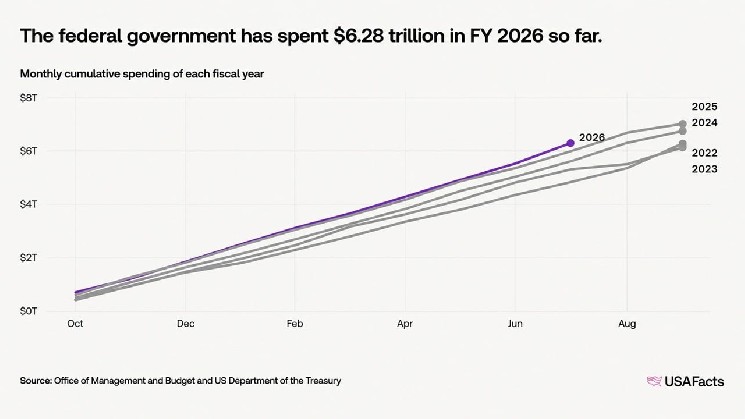
U.S. National Debt Approaches $40 Trillion in 5 Months, Bitcoin Debate Gains Momentum

The US national debt has surged to nearly $40 trillion in just five months, the fastest trillion-dollar increase on record. The debt's growth has accelerated dramatically over time, from taking 192 years to reach the first $1 trillion in 1981 to adding the latest $1 trillion in only five months. The federal budget deficit for the fiscal year is already over $1.8 trillion, exceeding last year's total, and net interest payments on the debt have surpassed $1 trillion, now exceeding defense or Medicare spending. This rapid debt accumulation is fueling arguments within the cryptocurrency industry that Bitcoin serves as a hedge against government-backed currencies and fiscal irresponsibility. Proponents, including some lawmakers and industry leaders, argue Bitcoin could act as a "hard currency" fiscal control mechanism. Legislation has even been proposed for the Treasury to acquire Bitcoin to help reduce the national debt. The International Monetary Fund has warned that global public debt could hit 100% of world GDP by 2029 if current trends continue, with the US and China as primary drivers. Some analyses suggest a sovereign debt crisis could drive capital into alternative assets like Bitcoin, similar to past regional banking crises. However, skeptics point out that both Bitcoin and gold have fallen in price at times during 2026 despite record debt, indicating the depreciation hedge theory may operate over a much longer timeframe than short-term price action.

cryptonews.ru6 min fa

U.S. National Debt Approaches $40 Trillion in 5 Months, Bitcoin Debate Gains Momentum

cryptonews.ru6 min fa

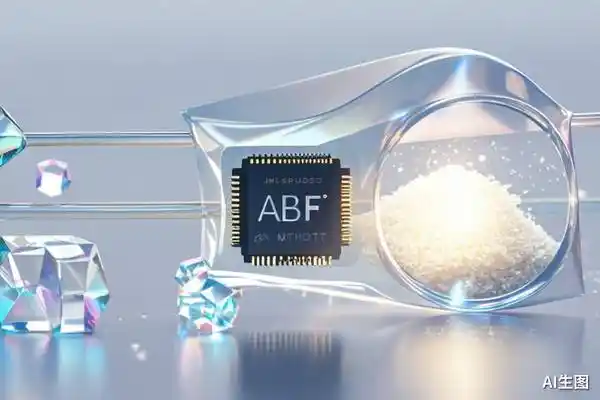
Technological Self-Reliance in China: A War from Lithography Machines to ABF Films

"China's Tech Independence: A Battle from Lithography Machines to ABF Film" In August 2026, Japan's Ajinomoto announced a 30% supply cut of ABF film to Chinese mainland clients, causing industry-wide shock and fears of price hikes and shortages in the semiconductor supply chain. That same year, Chinese company Lotus Holdings, known for its MSG business, acquired a small domestic ABF film startup for 103 million yuan, aiming to change this passive situation. ABF film is a core insulating material for advanced CPU, GPU, and AI chip packages. Ajinomoto, originally a food flavoring company, has monopolized over 95% of the global ABF film market for nearly 30 years, deriving its technology from byproducts of monosodium glutamate production. With AI chips consuming 5-10 times more ABF film than traditional chips, the supply-demand gap is widening. Ajinomoto's supply cut to China, where domestic ABF film production accounts for less than 5%, directly threatens the production of domestic high-end AI chips and their substrates. This incident highlights a crucial but often overlooked truth: the vulnerabilities in China's quest for technological self-reliance extend beyond headline areas like lithography machines to critical but seemingly minor components—insulating films, photoresists, electronic specialty gases, etc. The article frames China's tech independence as a multi-front war. While major breakthroughs have been achieved in chip design (e.g., Huawei's HiSilicon), foundry (e.g., SMIC), and memory chips (e.g., YMTC), countless smaller "Ajinomoto-style" chokepoints remain. Lotus Holdings' acquisition represents a significant shift: the battle is no longer fought only by tech giants but has become a collective, industry-wide effort involving companies from diverse backgrounds. Historically, external blockades have often spurred China's technological breakthroughs, as seen with Huawei's Kirin chips and YMTC's 3D NAND flash memory. Ajinomoto's supply cut, while a short-term challenge, may similarly catalyze domestic innovation in ABF film and other critical materials. The path to technological sovereignty is long and arduous, requiring sustained patience and investment to fill every gap in the complex supply chain. Lotus's move is not an immediate solution but a step towards that future, symbolizing a broader, relentless march toward independence.

marsbit26 min fa

Technological Self-Reliance in China: A War from Lithography Machines to ABF Films

marsbit26 min fa

The Great Ethereum "Rate Cut" Debate: Is Now the Golden Window for Staking with the Unconventional EIP-8363?

Ethereon's economic policy is under review as a new proposal, EIP-8363, sparks debate over potential "interest rate cuts" for staking. The unconventional proposal suggests gradually increasing the proportion of newly issued ETH rewards that are burned as the total staked ETH ratio rises, with issuance fully offset by burns once the ratio nears 50%. This would drive the protocol-level staking APR towards 0%, though validators would still earn transaction fees and MEV. This discussion emerges as staked ETH approaches 35% of supply, with the current protocol APR at ~2.6%. The core question is whether Ethereum needs to continue paying high issuance costs for marginal gains in security once sufficient participation is achieved. EIP-8363 aims to optimize security spending, but critics warn it could disproportionately impact solo stakers and potentially increase centralization among large, resilient operators. Paradoxically, this debate coincides with the Pectra upgrade (EIP-7251), which introduces native compounding for staking rewards, significantly improving capital efficiency for long-term holders. This creates a dual narrative: the protocol is making staking more efficient while reconsidering the economic incentive to stake. For long-term ETH holders, this environment may present a "time window" rather than a fixed-rate opportunity. While future APRs are expected to trend downward, starting staking earlier maximizes the compounding effect over time. The decision to stake depends on individual factors like investment horizon, liquidity needs, and risk tolerance regarding options like native validation, staking services, or liquid staking tokens (LSTs). The evolution from encouraging staking to managing its economic cost marks a new, mature phase for Ethereum's tokenomics, where the true value of staking may increasingly lie in the long-term power of compounding time.

marsbit34 min fa

The Great Ethereum "Rate Cut" Debate: Is Now the Golden Window for Staking with the Unconventional EIP-8363?

marsbit34 min fa

Analyst States Bitcoin Remains Within $61-68k Range

An analyst stated that Bitcoin is likely to remain within a trading range of $61,000 to $68,000. According to Kirill Komalenkov, director of strategic communications at Bitbanker, Bitcoin continues to trade sideways amidst declining market volatility. He attributes its current stability to high market liquidity, with volatility near three-year lows. Komalenkov warned that sustained low activity carries risks of a price decline, with potential tests of support at $62,300 and $61,600. He suggested that major market players might use the current situation to accumulate liquidity, meaning any initial breakout from the range could be a false move. The analyst expects this sideways movement to persist until the latter part of August. Key factors for determining future market direction include fund flows into Exchange-Traded Funds (ETFs) and trader activity. However, Komalenkov noted a potential negative scenario for the second half of August, where heightened geopolitical tensions or hawkish rhetoric from US monetary authorities could trigger a new decline. In such a case, Bitcoin could fall to a range of $45,000–$50,000 by early autumn, which might form a new base for a potential market recovery later in the season. Separately, a Russian deputy finance minister recently announced that non-qualified investors in Russia will soon be allowed to legally purchase Bitcoin, Ethereum, and popular stablecoins, with an annual limit of 300,000 rubles per intermediary.

cryptonews.ru36 min fa

Analyst States Bitcoin Remains Within $61-68k Range

cryptonews.ru36 min fa

Trading

Spot

Articoli Popolari

Cosa è XRP 2.0

XRP 2.0: Una Nuova Frontiera nel Paesaggio delle Criptovalute Introduzione a XRP 2.0 Nel mondo in continua evoluzione delle criptovalute, nuovi progetti emergono continuamente, cercando attenzione e adozione. Una tale iniziativa promettente è XRP 2.0, un nuovo progetto di criptovaluta progettato per sfruttare avanzate tecnologie blockchain e metodologie di crittografia robuste. Anche se il nome richiama alla mente l'XRP di Ripple, è fondamentale notare che XRP 2.0 opera in modo indipendente, concentrandosi sul miglioramento della sicurezza delle transazioni, della privacy e della scalabilità. Mentre il panorama finanziario digitale abbraccia sempre di più soluzioni decentralizzate, XRP 2.0 mira a contribuire in modo significativo al web3 e all'espansione generale dei progetti crypto. Cos'è XRP 2.0? Alla sua base, XRP 2.0 è un progetto di criptovaluta che mira a creare un ecosistema di valuta digitale sicuro e decentralizzato. La sua tecnologia fondamentale integra principi di blockchain sofisticati con tecniche di crittografia all'avanguardia. L'obiettivo principale di XRP 2.0 è quello di affermarsi come una piattaforma affidabile ed efficiente in grado di consentire un'esecuzione rapida delle transazioni, dando priorità a migliori protezioni della privacy per i suoi utenti. Il progetto è promosso come una soluzione a molte limitazioni affrontate dalle criptovalute esistenti, proponendo un sistema in grado di gestire un volume maggiore di transazioni con migliorata velocità e privacy. Questa versatilità pone XRP 2.0 come un significativo competitor in un mercato affollato di varie valute digitali. Chi è il Creatore di XRP 2.0? L'identità del creatore dietro XRP 2.0 è stata segnalata come 'Wilbur'. Tuttavia, i dettagli completi riguardanti Wilbur o l'entità associata rimangono sfuggenti. L'anonimato di molti creatori di criptovalute non è un fenomeno raro nel settore, spesso progettato per mantenere un certo grado di privacy e sicurezza. Chi sono gli Investitori di XRP 2.0? Al momento, informazioni specifiche relative alle fondazioni o organizzazioni di investimento a supporto di XRP 2.0 non sono disponibili pubblicamente. Nel settore delle criptovalute, il supporto di investitori rinomati può influenzare significativamente la credibilità e il successo di un progetto, tuttavia la trasparenza riguardo ai sostenitori finanziari di XRP 2.0 non è stata stabilita. Come Funziona XRP 2.0? XRP 2.0 si distingue per l'impiego di una combinazione di tecnologia blockchain e algoritmi di crittografia avanzati che garantiscono transazioni sicure e decentralizzate. La sua struttura innovativa include caratteristiche uniche progettate per promuovere il coinvolgimento degli utenti e ampliare le funzionalità oltre le transazioni convenzionali delle criptovalute. Tra queste caratteristiche, XRP 2.0 incorpora capacità alimentate da intelligenza artificiale, come funzionalità di testo in immagini e testo in voce. Queste aggiunte sono progettate per migliorare l'esperienza interattiva per gli utenti, promuovendo una maggiore applicabilità in vari settori. Unendo progressi tecnologici con design incentrati sugli utenti, XRP 2.0 mira a catturare l'attenzione di una vasta gamma di individui e aziende che cercano di integrare soluzioni di criptovaluta nei loro framework operativi. Cronologia di XRP 2.0 Comprendere XRP 2.0 richiede di esaminare i traguardi che hanno definito il suo percorso fino ad ora: 23 luglio 2023: XRP 2.0 viene introdotto come un nuovo progetto di criptovaluta, mirante a rivoluzionare le capacità di transazione sicura e decentralizzata nel dominio blockchain. 8 settembre 2023: Si verifica il lancio di un altro progetto, XRP20, marcando l'emergere di un token ERC-20 sulla blockchain di Ethereum che resta non correlato a XRP 2.0. 13 novembre 2023: Il ledger XRP subisce un significativo aggiornamento con il rilascio della versione 2.0.0 del software server rippled. È essenziale notare che questo sviluppo è scollegato dal progetto di criptovaluta XRP 2.0. Punti Chiave su XRP 2.0 Per distillare l'essenza di XRP 2.0, emergono diversi fattori critici: Caratteristiche Uniche: L'inclusione di funzionalità come il testo in immagini e testo in voce alimentato da intelligenza artificiale diversifica ulteriormente le potenziali applicazioni di XRP 2.0. Tecnologia Blockchain: Il framework utilizza meccanismi blockchain avanzati e protocolli di crittografia, garantendo un ambiente sicuro e decentralizzato per le transazioni. Scalabilità e Privacy: XRP 2.0 dà priorità a migliori protezioni della privacy nei processi di transazione e alla scalabilità necessaria per accogliere una base di utenti in crescita. Nessuna Affiliazione con Ripple: È importante notare che, nonostante il suo nome, XRP 2.0 non ha alcuna fedeltà o collaborazione con l'XRP di Ripple, distinguendo il proprio framework operativo e obiettivi all'interno dell'ecosistema delle criptovalute. Conclusione XRP 2.0 rappresenta un'ambiziosa venture nell'ambito delle criptovalute, mirante a offrire una combinazione di sicurezza, privacy ed efficienza nelle transazioni digitali. Integrando tecnologie sofisticate e caratteristiche user-friendly, il progetto si propone di ampliare gli orizzonti di ciò che le criptovalute possono realizzare nell'economia digitale odierna. Sebbene l'anonimato del suo creatore e la mancanza di investitori dichiarati possano sollevare domande per alcuni, il focus di XRP 2.0 su funzionalità avanzate e decentralizzazione ne amplifica l'appeal in un mercato crypto sempre più affollato. Man mano che il panorama delle criptovalute continua a evolversi, XRP 2.0 potrebbe emergere come un attore decisivo nell'espansione di soluzioni blockchain sicure e scalabili.

313 Totale visualizzazioniPubblicato il 2024.04.05Aggiornato il 2024.12.03

Cosa è XRP 2.0

Come comprare XRP

Benvenuto in HTX.com! Abbiamo reso l'acquisto di XRP (XRP) semplice e conveniente. Segui la nostra guida passo passo per intraprendere il tuo viaggio nel mondo delle criptovalute.Step 1: Crea il tuo Account HTXUsa la tua email o numero di telefono per registrarti il tuo account gratuito su HTX. Vivi un'esperienza facile e sblocca tutte le funzionalità,Crea il mio accountStep 2: Vai in Acquista crypto e seleziona il tuo metodo di pagamentoCarta di credito/debito: utilizza la tua Visa o Mastercard per acquistare immediatamente XRPXRP.Bilancio: Usa i fondi dal bilancio del tuo account HTX per fare trading senza problemi.Terze parti: abbiamo aggiunto metodi di pagamento molto utilizzati come Google Pay e Apple Pay per maggiore comodità.P2P: Fai trading direttamente con altri utenti HTX.Over-the-Counter (OTC): Offriamo servizi su misura e tassi di cambio competitivi per i trader.Step 3: Conserva XRP (XRP)Dopo aver acquistato XRP (XRP), conserva nel tuo account HTX. In alternativa, puoi inviare tramite trasferimento blockchain o scambiare per altre criptovalute.Step 4: Scambia XRP (XRP)Scambia facilmente XRP (XRP) nel mercato spot di HTX. Accedi al tuo account, seleziona la tua coppia di trading, esegui le tue operazioni e monitora in tempo reale. Offriamo un'esperienza user-friendly sia per chi ha appena iniziato che per i trader più esperti.

1.9k Totale visualizzazioniPubblicato il 2024.12.10Aggiornato il 2026.06.02

Come comprare XRP

Discussioni

Benvenuto nella Community HTX. Qui puoi rimanere informato sugli ultimi sviluppi della piattaforma e accedere ad approfondimenti esperti sul mercato. Le opinioni degli utenti sul prezzo di XRP XRP sono presentate come di seguito.

活动图片