Warsh's First Conundrum: Rate Cuts, Inflation, and a Fractured Fed

marsbitPubblicato 2026-05-20Pubblicato ultima volta 2026-05-20

Introduzione

Walsh's First Dilemma: Rate Cuts, Inflation, and a Divided Fed Kevin Warsh officially assumed the Fed Chairmanship on May 15th, inheriting a central bank deeply divided over inflation. Contrary to market expectations of a dovish stance due to his appointment by President Trump, Warsh's historical record shows early and consistent hawkish concerns about inflation. The Fed he leads is fractured, with three FOMC members recently dissenting against even hinting at future rate cuts. The immediate challenge is surging inflation. While the Iran-related oil shock is a temporary factor, core CPI and services inflation are accelerating, showing signs of becoming entrenched—echoing the Fed's 2022 "transitory" misstep. Warsh faces the task of building consensus within a committee where several members believe policy may not be restrictive enough, especially if the neutral interest rate (r-star) is higher than currently estimated. Politically, Warsh is caught between Trump's desire for rate cuts and the economic reality of persistent price pressures. Any move perceived as bowing to political pressure could undermine Fed independence. Market implications are significant. Long-term Treasury yields (e.g., 30-year at 5.19%) could rise further, especially if the June FOMC statement hints at possible tightening. Tech stocks face continued valuation pressure from higher rates. The key variable is progress in Iran negotiations; a breakthrough before the June meeting could temporarily ease oil...

Source: Wall Street News

Trump chose Warsh to cut rates. But on May 15th, when Warsh formally took the chair left by Jerome Powell, what he inherited was not a Fed ready to cut rates at any moment, but an FOMC where three governors disagreed even with "hinting that the next move might be a rate cut".

Those three dissenting votes—Cleveland's Hammack, Minneapolis's Kashkari, Dallas's Logan—cast the most unusual dissent since October 1992 at the late-April meeting. Not against cutting rates, but against the "tone being too soft." They believed that in the current inflation environment, not even a hint of rate cuts should be given.

What Warsh took over was a central bank on the verge of tearing itself apart from within.

1. A Man Misread by the Market

The market's mainstream characterization of Warsh comes from two rather unreliable sources.

The first: Trump chose him precisely because he wanted rate cuts. The logic is—if you pick him, he'll cut. The second: During his confirmation hearing, Warsh showed some agreement with the notion that "the Iran oil shock is transitory," which was interpreted as a dovish signal.

Both of these inferences skip over the most authentic side of Warsh from the past fifteen years.

In November 2010, the Fed was debating QE2—the question of whether to purchase another $600 billion in Treasury securities. Warsh voted in favor that day. The same week, he published an article in *The Wall Street Journal* criticizing QE2. Voting support while writing opposition is extremely rare in Fed history, later dubbed a "silent dissent" by researchers—not truly agreeing, just not wanting to break consensus.

Back then, core PCE never exceeded 2.5%, and unemployment was as high as 10%. There was no obvious inflation pressure, yet between 2006 and 2011, Warsh gave 13 speeches specifically mentioning "upside risks to inflation." While other governors were still discussing how to support employment, he was already worrying about an enemy that hadn't yet appeared.

Now that enemy is at the door. April CPI at 3.8% is a three-year high. The energy shock from the Iran war pushed gasoline prices up 28.4% year-on-year, and fuel oil up 54.3%. In Warsh's first week, the 30-year Treasury yield just touched 5.19%, only a step away from its 2007 peak.

2. Inflation Isn't Just an Iran Problem

There is a reasonable kernel in the dovish argument: the Iran oil shock is an exogenous event. Once there is progress in Hormuz negotiations and oil prices retreat from $100+ to $75-80, energy inflation will fade quickly, CPI numbers will naturally improve, and Warsh will get a window for rate cuts.

This logic holds. But there's a line of data in April's inflation figures that makes it less clean.

Services inflation jumped to a month-on-month +0.5% in April. In March, this number was +0.2%.

Services inflation doesn't contain much gasoline. Dining, healthcare, transportation services, entertainment—the rise in these prices isn't directly related to Hormuz. The housing component was +0.6% month-on-month in the same period, doubling its contribution. Core CPI, which excludes food and energy, was +0.4% month-on-month in April, the fastest monthly increase since late 2025.

In other words, inflation is spreading from the energy side to the services side. Once this process starts, even if oil prices fall back to $80 tomorrow, service-side price pressures won't disappear in two or three months.

This is precisely the old path the Fed misjudged as "transitory" in 2022. Back then, Powell said inflation was transitory. By the time he realized services-sector stickiness had formed, he could only use the most aggressive hiking cycle to catch up. Warsh has historically awakened earlier than the market on inflation issues—this time, he's unlikely to make the same mistake again.

3. The FOMC He Inherited

Another thing the market hasn't fully priced in: the Fed Warsh inherited is already split to an unusual degree.

The April 28-29 meeting, which kept rates unchanged, had an 8-4 vote result on the surface. An 8-4 split itself is abnormal—the last time there were four dissents was October 1992. But what's more subtle is the direction of these four votes: three opposed hinting at rate cuts, one supported a rate cut. There were dissents in both directions simultaneously within the Board.

In the FOMC statement, the Committee changed its description of inflation from "somewhat elevated" to "elevated." This upgrade in wording has been underestimated by the market. In the Fed's linguistic system, this isn't a minor tweak; it's the Board clearly telling the market: our tolerance for inflation is shrinking.

As Chairman, Warsh must build consensus within this Board. He faces three voting members—Hammack, Kashkari, Logan—each more eager to tighten than he is, who believe not even a hint of "the next move could be a cut" should be given. To cut rates, he must first persuade these three.

Right now, no one can tell you how he does that.

4. The Hidden Problem with the Neutral Rate

There's another debate that hasn't entered the mainstream narrative, but it might be the most important backdrop to the whole thing.

The median estimate of the Fed's Board is that the neutral rate (r-star) is around 3.0%. The current federal funds rate is at 3.5%-3.75%, so from this perspective, monetary policy is in a "restrictive" range—it's putting the brakes on the economy, and inflation will slowly come down.

But the Cleveland Fed has a model that estimates the neutral rate at 3.7%. If this estimate is closer to reality, the current 3.5%-3.75% isn't truly restrictive, at best "neutral-tight," insufficient to sustainably suppress inflation.

In his past research and speeches, Warsh has consistently leaned towards believing r-star is higher than the Board's estimate. If, after taking office, he pushes the Fed to reassess its neutral rate assumptions, it would mean not only is there no room for rate cuts, but even the premise that "current policy is already tight enough" would be in question.

The market hasn't priced in this scenario.

5. There's Also a Political Equation

It took Trump nearly a year to put a man willing to "cut rates significantly" into the Fed Chairman's seat. This act itself has already changed the Fed's political landscape.

The confirmation vote was 54-45, the closest in history for a Fed Chairman, more divided than any previous term. During Powell's tenure, Trump had congressional testimony records subpoenaed by prosecutors and publicly mocked him as "too late." The Fed headquarters' renovation was used as a political tool; a Fed independence crisis became one of the most watched themes of 2025.

Warsh's current predicament is: he was chosen to cut rates, but the conditions for cutting don't exist; if he insists on not cutting, Trump's next reaction is unpredictable; if he cuts under political pressure, inflation will tell the market the Federal Reserve is no longer independent.

This isn't a problem with a standard answer.

6. How Assets Move

Look at the bond market first.

Long-end US Treasuries have been the most honest scorekeeper of this macro narrative. The 30-year went from 4.4% at the start of the year all the way to 5.19%, the 10-year to 4.67%. Barclays' Ajay Rajadhyaksha explicitly said: 5.5% isn't the top; they're warning this level could be breached. Citi's macro rates strategist McCormick says 5.5% has become the new "round number target" for traders.

The mechanism pushing the long end higher isn't complicated: at the June 16th FOMC, if Warsh's statement contains any wording approaching "does not rule out further tightening," the 30-year Treasury will be repriced to the 5.3%-5.4% range within 30 minutes that day. At that point, 5.5% wouldn't be a forecast; it would be the next stop.

Failure condition: If Iran peace talks show substantive progress before the June FOMC, Hormuz navigation resumes, and oil prices fall back below $80 from $102—then May and June CPI data will show clear improvement, long-end rates have a chance to retreat, and this judgment needs a full revision.

Tech stocks are the second in line. The Nasdaq's forward P/E has already compressed from last year's peak of 33x to the 27x range, but the historical average is around 20-22x. As long as the 10-year Treasury stays above 4.5%, it's a ceiling for tech stock P/E multiples. The first stage of compression was "disappearing rate cut expectations"; the second stage of compression is "rekindled rate hike expectations"—there's a hurdle between these two stages, and we've just crossed the first one.

Specifically: right after the press conference ends that evening, funds will first look for any hint of a rate cut timetable in Warsh's wording. If there isn't one—the current base case—the Nasdaq's correction will enter mega-cap tech stocks within 48 hours. Nvidia, Microsoft, Apple are the first affected; secondary tech and growth stocks follow behind, but are more volatile and harder to predict directionally.

Gold reads the most ambiguously in this framework. Theoretically, rising real rates are negative for gold, but real rates are nominal rates minus inflation expectations—if the market starts worrying about Fed independence, inflation expectations themselves could be revised up, potentially offsetting the pressure from rising rates on gold. Add in the continuing expansion of the US fiscal deficit and foreign central banks' continued gold-buying behavior for de-dollarization, gold could experience a scenario of "rates rise but prices don't fall." This isn't the main call, but an edge case to watch.

The dollar is relatively straightforward: rekindled rate hike expectations → a stronger dollar. But if the market determines Fed independence issues have become structural, this logic will be discounted.

7. The Most Important Thing Before June 17th

Progress in Iran peace talks is the biggest variable in all of this.

Iranian Foreign Minister Araghchi said last week that the agreement was "inches away"—while also saying he "completely distrusts the Americans." Trump halted a planned military strike against Iran on May 19th, citing "serious negotiations underway." But the Strait of Hormuz is still effectively under control, and the issue of transferring 40kg of highly enriched uranium remains unresolved.

If talks break down before June 16th, oil prices return to $110+, May CPI is highly likely to exceed expectations again, and Warsh's first FOMC opening faces the worst possible scenario. If talks achieve a breakthrough before then, oil prices retreat, and inflation data shows improvement, the whole "Warsh being backed into a corner" logic softens.

The former is negative for both bonds and tech stocks; the latter gives Warsh a temporary breathing space—but even so, the endogenous stickiness of services inflation won't disappear, at best pushing the problem back a few months.

8. June 17th

The most important Fed calendar entry this year is 2:30 PM on June 17th—when Warsh takes the stage to release his first chaired FOMC statement, then answers reporters' questions.

That day, every word will be analyzed repeatedly: whether he uses "patient" or "vigilant," whether he mentions rate hikes, how he describes the persistence of inflation, how he answers questions like "What are your conversations with Trump like?".

The answers will tell the market how much it mispriced Warsh, and how long it will take to correct that mistake.

Domande pertinenti

QWhat is the core dilemma facing the new Fed Chairman, Kevin Warsh, according to the article?

AWarsh's core dilemma is the conflict between his perceived mandate to cut interest rates (likely a political expectation from Trump who appointed him) and the reality of the Fed he inherits: high and persistent inflation, particularly in services, and an internally divided FOMC with members strongly opposed to even hinting at rate cuts.

QWhat evidence does the article provide to argue that the market's perception of Warsh as a dovish rate-cutter might be incorrect?

AThe article points to Warsh's historical record as evidence against a dovish perception: 1) His 'silent dissent' in 2010 where he publicly criticized QE2 after voting for it. 2) His consistent focus on 'upside inflation risks' in 13 speeches between 2006-2011, even when inflation was low. 3) His past research leans towards believing the neutral interest rate (r-star) is higher than the Fed's median estimate, implying a more hawkish bias.

QBeyond the energy shock from Iran, what other inflation dynamic poses a significant challenge for the Fed?

AThe significant challenge is the broadening of inflation into the services sector. In April, services inflation jumped to +0.5% month-over-month, and housing costs contributed heavily. The core CPI (excluding food and energy) rose at its fastest monthly pace since late 2025. This type of inflation is more persistent and domestically driven, less likely to quickly reverse even if oil prices fall.

QWhat is the article's outlook for US long-term Treasury yields and technology stocks if Warsh's Fed adopts a more hawkish stance?

AFor long-term Treasuries (like the 30-year), yields could rise further, with 5.5% seen as the next target. A hawkish shift in the June FOMC statement could push the 30-year yield to 5.3-5.4% quickly. For technology stocks, their forward P/E multiples face downward pressure. With the 10-year yield above 4.5%, it acts as a ceiling for tech valuations. The article suggests a two-stage compression: first from disappearing rate-cut hopes, and potentially a second from rekindled rate-hike fears.

QWhat is identified as the most critical variable or 'wildcard' for the economic and market outlook leading up to the June FOMC meeting?

AThe most critical variable is the progress of negotiations with Iran over the Strait of Hormuz. A breakthrough leading to lower oil prices before the June 16-17 FOMC meeting would soften inflation data and ease pressure on Warsh. Conversely, a breakdown in talks sending oil prices above $110 would worsen inflation and present Warsh with the worst possible scenario for his first meeting.

Letture associate

Can Alibaba Cloud Rewrite Itself?

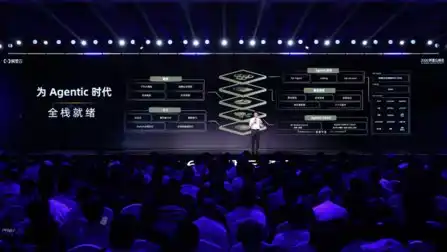
Over the past five months, Alibaba Cloud's MaaS (Model as a Service) revenue has surged 15x, marking a strategic overhaul where the company is shifting its 17-year-old system designed for "humans using cloud" to a new paradigm centered on "Agents consuming Tokens." At its recent summit, Alibaba Cloud announced a full-stack upgrade encompassing "chip-cloud-model-inference," all optimized for AI Agents. Key launches include the new AI product portal "QianWen Cloud," hyper-node servers powered by the in-house AI chip Zhenwu M890, and the latest flagship model, Qwen3.7-Max. Senior VP Liu Weiguang described this as building "China's largest AI factory," where chips are raw materials, the cloud is the workshop, models are machines, and the inference platform is the assembly line, with Tokens as the final product. The company is now emphasizing its chip strategy, unveiling the Zhenwu M890 and a two-year roadmap for future chips. With over 560,000 chips deployed across 400+ clients, Alibaba Cloud aims to control the marginal cost per Token, mirroring Google's integration of TPU and Gemini for optimal cost-performance. The cloud infrastructure itself is being rewritten. Traditional cloud interfaces are being transformed into standardized, Agent-callable Skills. A new scheduling logic focuses on "task scheduling" over "resource scheduling" to handle the unpredictable, elastic workloads of Agents. Liu noted that AI applications now automatically provision cloud resources, with one customer's daily automated provisioning equaling two weeks of manual work. For models, the focus has shifted from conversational prowess to execution capability. Qwen3.7-Max demonstrated this by autonomously writing and optimizing a production-grade AI compute kernel for the new Zhenwu M890 chip over 35 hours, achieving a 10x performance improvement. The underlying Bailian platform was upgraded for efficiency, and it maintains an open ecosystem, hosting third-party models. This restructuring extends beyond technology to sales, organization, and metrics. Alibaba Cloud has established dedicated MaaS sales teams, separated from traditional IaaS, with new KPIs focusing on high-quality Tokens that solve real problems, the number of core business systems integrated with models, and the efficiency of Agent task completion. The underlying bet is clear: AI represents an opportunity orders of magnitude larger than before. Despite the uncertainty, Alibaba Cloud is aggressively rebuilding its entire system, betting on an AI-driven future where Tokens could become its largest product line.

marsbit12 min fa

Can Alibaba Cloud Rewrite Itself?

marsbit12 min fa

Harvard and Others Exit, Six Core Talents Depart in a Month: What's Happening to Ethereum?

Ethereum faces significant internal and external pressures, marked by a wave of high-profile departures from its core development team and a loss of confidence from major institutional investors. Within four months, at least seven key figures—including researchers, protocol leads, and a former executive director—have left the Ethereum Foundation. This exodus, partly triggered by controversy over a new "mission statement" requiring employee sign-off, risks derailing critical roadmap upgrades like PeerDAS and Verkle trees, and has already contributed to delays in the planned Glamsterdam upgrade. Compounding the internal instability, major institutions are reducing their exposure. Goldman Sachs slashed its iShares Ethereum Trust holdings by approximately 70%, and Harvard's endowment fund completely exited its $87 million Ethereum ETF position. Concurrently, the Ethereum Foundation itself has been unstaking and selling ETH for "treasury rebalancing," further unsettling the market. These challenges emerge as Ethereum's competitive dominance erodes. Its share of the total DeFi market has fallen to around 54%, with rivals like Solana and Base gaining ground. In fee revenue, it was recently outpaced by newer chains like Hyperliquid. Furthermore, a trend of institutions exploring proprietary or hybrid blockchains (exemplified by Circle's Arc) threatens Ethereum's position as the premier settlement layer for institutional assets. While founder Vitalik Buterin's vision for Ethereum as a secure, decentralized "technical sanctuary" and "world computer" remains clear, its realization is threatened by the concurrent loss of execution capability, institutional patience, and market share during a critical competitive phase.

链捕手1 h fa

Harvard and Others Exit, Six Core Talents Depart in a Month: What's Happening to Ethereum?

链捕手1 h fa

Trading

Spot
Futures

Articoli Popolari

Cosa è $S$

Comprendere SPERO: Una Panoramica Completa Introduzione a SPERO Mentre il panorama dell'innovazione continua a evolversi, l'emergere delle tecnologie web3 e dei progetti di criptovaluta gioca un ruolo fondamentale nel plasmare il futuro digitale. Un progetto che ha attirato l'attenzione in questo campo dinamico è SPERO, denotato come SPERO,$$s$. Questo articolo mira a raccogliere e presentare informazioni dettagliate su SPERO, per aiutare gli appassionati e gli investitori a comprendere le sue basi, obiettivi e innovazioni nei domini web3 e crypto. Che cos'è SPERO,$$s$? SPERO,$$s$ è un progetto unico all'interno dello spazio crypto che cerca di sfruttare i principi della decentralizzazione e della tecnologia blockchain per creare un ecosistema che promuove l'impegno, l'utilità e l'inclusione finanziaria. Il progetto è progettato per facilitare interazioni peer-to-peer in modi nuovi, fornendo agli utenti soluzioni e servizi finanziari innovativi. Al suo interno, SPERO,$$s$ mira a responsabilizzare gli individui fornendo strumenti e piattaforme che migliorano l'esperienza dell'utente nello spazio delle criptovalute. Questo include la possibilità di metodi di transazione più flessibili, la promozione di iniziative guidate dalla comunità e la creazione di percorsi per opportunità finanziarie attraverso applicazioni decentralizzate (dApps). La visione sottostante di SPERO,$$s$ ruota attorno all'inclusività, cercando di colmare le lacune all'interno della finanza tradizionale mentre sfrutta i vantaggi della tecnologia blockchain. Chi è il Creatore di SPERO,$$s$? L'identità del creatore di SPERO,$$s$ rimane piuttosto oscura, poiché ci sono risorse pubblicamente disponibili limitate che forniscono informazioni dettagliate sul suo fondatore o fondatori. Questa mancanza di trasparenza può derivare dall'impegno del progetto per la decentralizzazione—un ethos che molti progetti web3 condividono, dando priorità ai contributi collettivi rispetto al riconoscimento individuale. Centrando le discussioni attorno alla comunità e ai suoi obiettivi collettivi, SPERO,$$s$ incarna l'essenza dell'empowerment senza mettere in evidenza individui specifici. Pertanto, comprendere l'etica e la missione di SPERO rimane più importante che identificare un creatore singolo. Chi sono gli Investitori di SPERO,$$s$? SPERO,$$s$ è supportato da una varietà di investitori che vanno dai capitalisti di rischio agli investitori angelici dedicati a promuovere l'innovazione nel settore crypto. Il focus di questi investitori generalmente si allinea con la missione di SPERO—dando priorità a progetti che promettono avanzamenti tecnologici sociali, inclusività finanziaria e governance decentralizzata. Queste fondazioni di investitori sono tipicamente interessate a progetti che non solo offrono prodotti innovativi, ma contribuiscono anche positivamente alla comunità blockchain e ai suoi ecosistemi. Il supporto di questi investitori rafforza SPERO,$$s$ come un concorrente degno di nota nel dominio in rapida evoluzione dei progetti crypto. Come Funziona SPERO,$$s$? SPERO,$$s$ impiega un framework multifunzionale che lo distingue dai progetti di criptovaluta convenzionali. Ecco alcune delle caratteristiche chiave che sottolineano la sua unicità e innovazione: Governance Decentralizzata: SPERO,$$s$ integra modelli di governance decentralizzati, responsabilizzando gli utenti a partecipare attivamente ai processi decisionali riguardanti il futuro del progetto. Questo approccio favorisce un senso di proprietà e responsabilità tra i membri della comunità. Utilità del Token: SPERO,$$s$ utilizza il proprio token di criptovaluta, progettato per servire varie funzioni all'interno dell'ecosistema. Questi token abilitano transazioni, premi e la facilitazione dei servizi offerti sulla piattaforma, migliorando l'impegno e l'utilità complessivi. Architettura Stratificata: L'architettura tecnica di SPERO,$$s$ supporta la modularità e la scalabilità, consentendo un'integrazione fluida di funzionalità e applicazioni aggiuntive man mano che il progetto evolve. Questa adattabilità è fondamentale per mantenere la rilevanza nel panorama crypto in continua evoluzione. Coinvolgimento della Comunità: Il progetto enfatizza iniziative guidate dalla comunità, impiegando meccanismi che incentivano la collaborazione e il feedback. Nutrendo una comunità forte, SPERO,$$s$ può affrontare meglio le esigenze degli utenti e adattarsi alle tendenze di mercato. Focus sull'Inclusione: Offrendo basse commissioni di transazione e interfacce user-friendly, SPERO,$$s$ mira ad attrarre una base utenti diversificata, inclusi individui che potrebbero non aver precedentemente interagito nello spazio crypto. Questo impegno per l'inclusione si allinea con la sua missione generale di empowerment attraverso l'accessibilità. Cronologia di SPERO,$$s$ Comprendere la storia di un progetto fornisce preziose intuizioni sulla sua traiettoria di sviluppo e sui traguardi. Di seguito è riportata una cronologia suggerita che mappa eventi significativi nell'evoluzione di SPERO,$$s$: Fase di Concettualizzazione e Ideazione: Le idee iniziali che formano la base di SPERO,$$s$ sono state concepite, allineandosi strettamente con i principi di decentralizzazione e focus sulla comunità all'interno dell'industria blockchain. Lancio del Whitepaper del Progetto: Dopo la fase concettuale, è stato rilasciato un whitepaper completo che dettaglia la visione, gli obiettivi e l'infrastruttura tecnologica di SPERO,$$s$ per suscitare interesse e feedback dalla comunità. Costruzione della Comunità e Prime Interazioni: Sono stati effettuati sforzi attivi di outreach per costruire una comunità di early adopters e potenziali investitori, facilitando discussioni attorno agli obiettivi del progetto e ottenendo supporto. Evento di Generazione del Token: SPERO,$$s$ ha condotto un evento di generazione del token (TGE) per distribuire i propri token nativi ai primi sostenitori e stabilire una liquidità iniziale all'interno dell'ecosistema. Lancio della Prima dApp: La prima applicazione decentralizzata (dApp) associata a SPERO,$$s$ è stata attivata, consentendo agli utenti di interagire con le funzionalità principali della piattaforma. Sviluppo Continuo e Partnership: Aggiornamenti e miglioramenti continui alle offerte del progetto, inclusi partnership strategiche con altri attori nello spazio blockchain, hanno plasmato SPERO,$$s$ in un concorrente competitivo e in evoluzione nel mercato crypto. Conclusione SPERO,$$s$ rappresenta una testimonianza del potenziale del web3 e delle criptovalute di rivoluzionare i sistemi finanziari e responsabilizzare gli individui. Con un impegno per la governance decentralizzata, il coinvolgimento della comunità e funzionalità progettate in modo innovativo, apre la strada verso un panorama finanziario più inclusivo. Come per qualsiasi investimento nello spazio crypto in rapida evoluzione, si incoraggiano potenziali investitori e utenti a ricercare approfonditamente e a impegnarsi in modo riflessivo con gli sviluppi in corso all'interno di SPERO,$$s$. Il progetto mostra lo spirito innovativo dell'industria crypto, invitando a ulteriori esplorazioni delle sue innumerevoli possibilità. Mentre il percorso di SPERO,$$s$ è ancora in fase di sviluppo, i suoi principi fondamentali potrebbero effettivamente influenzare il futuro di come interagiamo con la tecnologia, la finanza e tra di noi in ecosistemi digitali interconnessi.

75 Totale visualizzazioniPubblicato il 2024.12.17Aggiornato il 2024.12.17

Cosa è $S$

Cosa è AGENT S

Agent S: Il Futuro dell'Interazione Autonoma in Web3 Introduzione Nel panorama in continua evoluzione di Web3 e criptovalute, le innovazioni stanno costantemente ridefinendo il modo in cui gli individui interagiscono con le piattaforme digitali. Uno di questi progetti pionieristici, Agent S, promette di rivoluzionare l'interazione uomo-computer attraverso il suo framework agentico aperto. Aprendo la strada a interazioni autonome, Agent S mira a semplificare compiti complessi, offrendo applicazioni trasformative nell'intelligenza artificiale (AI). Questa esplorazione dettagliata approfondirà le complessità del progetto, le sue caratteristiche uniche e le implicazioni per il dominio delle criptovalute. Cos'è Agent S? Agent S si presenta come un innovativo framework agentico aperto, progettato specificamente per affrontare tre sfide fondamentali nell'automazione dei compiti informatici: Acquisizione di Conoscenze Specifiche del Dominio: Il framework apprende in modo intelligente da varie fonti di conoscenza esterne ed esperienze interne. Questo approccio duale gli consente di costruire un ricco repository di conoscenze specifiche del dominio, migliorando le sue prestazioni nell'esecuzione dei compiti. Pianificazione su Lungo Orizzonte di Compiti: Agent S impiega una pianificazione gerarchica potenziata dall'esperienza, un approccio strategico che facilita la suddivisione e l'esecuzione efficiente di compiti complessi. Questa caratteristica migliora significativamente la sua capacità di gestire più sottocompiti in modo efficiente ed efficace. Gestione di Interfacce Dinamiche e Non Uniformi: Il progetto introduce l'Interfaccia Agente-Computer (ACI), una soluzione innovativa che migliora l'interazione tra agenti e utenti. Utilizzando Modelli Linguistici Multimodali di Grandi Dimensioni (MLLM), Agent S può navigare e manipolare senza sforzo diverse interfacce grafiche utente. Attraverso queste caratteristiche pionieristiche, Agent S fornisce un framework robusto che affronta le complessità coinvolte nell'automazione dell'interazione umana con le macchine, preparando il terreno per innumerevoli applicazioni nell'AI e oltre. Chi è il Creatore di Agent S? Sebbene il concetto di Agent S sia fondamentalmente innovativo, informazioni specifiche sul suo creatore rimangono elusive. Il creatore è attualmente sconosciuto, il che evidenzia sia la fase embrionale del progetto sia la scelta strategica di mantenere i membri fondatori sotto anonimato. Indipendentemente dall'anonimato, l'attenzione rimane sulle capacità e sul potenziale del framework. Chi sono gli Investitori di Agent S? Poiché Agent S è relativamente nuovo nell'ecosistema crittografico, informazioni dettagliate riguardanti i suoi investitori e sostenitori finanziari non sono documentate esplicitamente. La mancanza di approfondimenti pubblicamente disponibili sulle fondazioni di investimento o sulle organizzazioni che supportano il progetto solleva interrogativi sulla sua struttura di finanziamento e sulla roadmap di sviluppo. Comprendere il supporto è cruciale per valutare la sostenibilità del progetto e il suo potenziale impatto sul mercato. Come Funziona Agent S? Al centro di Agent S si trova una tecnologia all'avanguardia che gli consente di funzionare efficacemente in contesti diversi. Il suo modello operativo è costruito attorno a diverse caratteristiche chiave: Interazione Uomo-Computer Simile a Quella Umana: Il framework offre una pianificazione AI avanzata, cercando di rendere le interazioni con i computer più intuitive. Mimando il comportamento umano nell'esecuzione dei compiti, promette di elevare le esperienze degli utenti. Memoria Narrativa: Utilizzata per sfruttare esperienze di alto livello, Agent S utilizza la memoria narrativa per tenere traccia delle storie dei compiti, migliorando così i suoi processi decisionali. Memoria Episodica: Questa caratteristica fornisce agli utenti una guida passo-passo, consentendo al framework di offrire supporto contestuale mentre i compiti si sviluppano. Supporto per OpenACI: Con la capacità di funzionare localmente, Agent S consente agli utenti di mantenere il controllo sulle proprie interazioni e flussi di lavoro, allineandosi con l'etica decentralizzata di Web3. Facile Integrazione con API Esterne: La sua versatilità e compatibilità con varie piattaforme AI garantiscono che Agent S possa adattarsi senza problemi agli ecosistemi tecnologici esistenti, rendendolo una scelta attraente per sviluppatori e organizzazioni. Queste funzionalità contribuiscono collettivamente alla posizione unica di Agent S all'interno dello spazio crittografico, poiché automatizza compiti complessi e multi-fase con un intervento umano minimo. Man mano che il progetto evolve, le sue potenziali applicazioni in Web3 potrebbero ridefinire il modo in cui si svolgono le interazioni digitali. Cronologia di Agent S Lo sviluppo e le tappe di Agent S possono essere riassunti in una cronologia che evidenzia i suoi eventi significativi: 27 Settembre 2024: Il concetto di Agent S è stato lanciato in un documento di ricerca completo intitolato “Un Framework Agentico Aperto che Usa i Computer Come un Umano”, mostrando le basi per il progetto. 10 Ottobre 2024: Il documento di ricerca è stato reso pubblicamente disponibile su arXiv, offrendo un'esplorazione approfondita del framework e della sua valutazione delle prestazioni basata sul benchmark OSWorld. 12 Ottobre 2024: È stata rilasciata una presentazione video, fornendo un'idea visiva delle capacità e delle caratteristiche di Agent S, coinvolgendo ulteriormente potenziali utenti e investitori. Questi indicatori nella cronologia non solo illustrano i progressi di Agent S, ma indicano anche il suo impegno per la trasparenza e il coinvolgimento della comunità. Punti Chiave su Agent S Man mano che il framework Agent S continua a evolversi, diversi attributi chiave si distinguono, sottolineando la sua natura innovativa e il potenziale: Framework Innovativo: Progettato per fornire un uso intuitivo dei computer simile all'interazione umana, Agent S porta un approccio nuovo all'automazione dei compiti. Interazione Autonoma: La capacità di interagire autonomamente con i computer attraverso GUI segna un passo avanti verso soluzioni informatiche più intelligenti ed efficienti. Automazione di Compiti Complessi: Con la sua metodologia robusta, può automatizzare compiti complessi e multi-fase, rendendo i processi più veloci e meno soggetti a errori. Miglioramento Continuo: I meccanismi di apprendimento consentono ad Agent S di migliorare dalle esperienze passate, migliorando continuamente le sue prestazioni e la sua efficacia. Versatilità: La sua adattabilità attraverso diversi ambienti operativi come OSWorld e WindowsAgentArena garantisce che possa servire un'ampia gamma di applicazioni. Man mano che Agent S si posiziona nel panorama di Web3 e delle criptovalute, il suo potenziale per migliorare le capacità di interazione e automatizzare i processi segna un significativo avanzamento nelle tecnologie AI. Attraverso il suo framework innovativo, Agent S esemplifica il futuro delle interazioni digitali, promettendo un'esperienza più fluida ed efficiente per gli utenti in vari settori. Conclusione Agent S rappresenta un audace passo avanti nell'unione tra AI e Web3, con la capacità di ridefinire il modo in cui interagiamo con la tecnologia. Sebbene sia ancora nelle sue fasi iniziali, le possibilità per la sua applicazione sono vaste e coinvolgenti. Attraverso il suo framework completo che affronta sfide critiche, Agent S mira a portare le interazioni autonome al centro dell'esperienza digitale. Man mano che ci addentriamo nei regni delle criptovalute e della decentralizzazione, progetti come Agent S giocheranno senza dubbio un ruolo cruciale nel plasmare il futuro della tecnologia e della collaborazione uomo-computer.

518 Totale visualizzazioniPubblicato il 2025.01.14Aggiornato il 2025.01.14

Cosa è AGENT S

Come comprare S

Benvenuto in HTX.com! Abbiamo reso l'acquisto di Sonic (S) semplice e conveniente. Segui la nostra guida passo passo per intraprendere il tuo viaggio nel mondo delle criptovalute.Step 1: Crea il tuo Account HTXUsa la tua email o numero di telefono per registrarti il tuo account gratuito su HTX. Vivi un'esperienza facile e sblocca tutte le funzionalità,Crea il mio accountStep 2: Vai in Acquista crypto e seleziona il tuo metodo di pagamentoCarta di credito/debito: utilizza la tua Visa o Mastercard per acquistare immediatamente SonicS.Bilancio: Usa i fondi dal bilancio del tuo account HTX per fare trading senza problemi.Terze parti: abbiamo aggiunto metodi di pagamento molto utilizzati come Google Pay e Apple Pay per maggiore comodità.P2P: Fai trading direttamente con altri utenti HTX.Over-the-Counter (OTC): Offriamo servizi su misura e tassi di cambio competitivi per i trader.Step 3: Conserva Sonic (S)Dopo aver acquistato Sonic (S), conserva nel tuo account HTX. In alternativa, puoi inviare tramite trasferimento blockchain o scambiare per altre criptovalute.Step 4: Scambia Sonic (S)Scambia facilmente Sonic (S) nel mercato spot di HTX. Accedi al tuo account, seleziona la tua coppia di trading, esegui le tue operazioni e monitora in tempo reale. Offriamo un'esperienza user-friendly sia per chi ha appena iniziato che per i trader più esperti.

932 Totale visualizzazioniPubblicato il 2025.01.15Aggiornato il 2025.03.21

Come comprare S

Discussioni

Benvenuto nella Community HTX. Qui puoi rimanere informato sugli ultimi sviluppi della piattaforma e accedere ad approfondimenti esperti sul mercato. Le opinioni degli utenti sul prezzo di S S sono presentate come di seguito.

活动图片