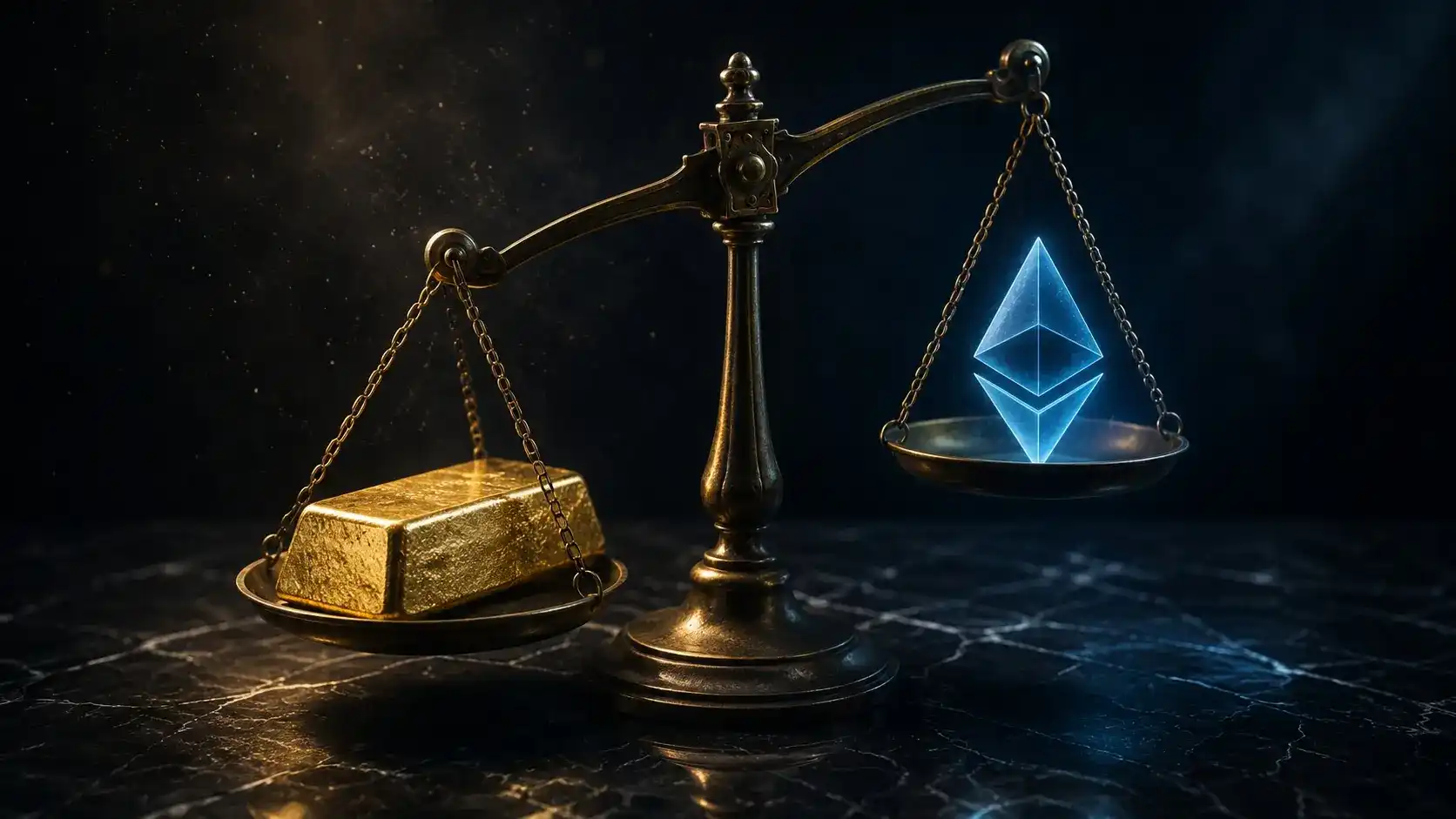
Gold, Fiat, or Bitcoin: Which Will Dominate Global Finance in 10 Years?

marsbitPubblicato 2026-05-28Pubblicato ultima volta 2026-05-28

Introduzione

In an increasingly multipolar world moving away from the post-1991 unipolar era dominated by the US dollar, the global monetary system is shifting towards multipolarity. Gold remains a key non-sovereign store of value due to its size, liquidity, and immunity from devaluation or seizure. Diversification into multiple fiat currencies is a practical but inefficient option. Bitcoin presents a novel, decentralized, and fast-settling digital ledger, though its widespread adoption faces challenges of security, network effects, and volatility. Its success depends on whether individuals value financial sovereignty enough to overcome adoption barriers. By 2036, gold and major fiat currencies will likely remain significant, but Bitcoin has the potential to rival their scale if it maintains security and gains broader acceptance for its unique attributes of self-custody and permissionless transactions.

Written by: Lyn Alden

Compiled by: AididiaoJP, Foresight News

As I write this article in 2026, the world is increasingly moving towards multipolarity, a trend I expect to continue over the next decade until 2036.

In fact, this recent unipolar era is the rare historical anomaly. From the end of World War II in 1945, especially after the dissolution of the Soviet Union in 1991, the United States has existed as the sole global superpower. Telecommunications and industry connected the entire world for the first time, enabling truly global influence.

Before this, multipolarity was the norm. Even at the height of the Roman Empire nearly two thousand years ago, there were other powerful regions in the world, including the Han Dynasty and other Asian kingdoms and empires. That was an era of distance and difficulty, where great powers could coexist but interaction was limited.

The multipolarity of power is also reflected in the multipolarity of currency. For millennia, gold, silver, and secondary commodities have been money. No single sovereign ledger was large enough to serve the entire world, so only a natural, decentralized ledger could suffice.

But in the era of telecommunications, as commerce and money began to move at the speed of light in the late 19th and early 20th centuries, even gold became insufficient. The US dollar became the primary currency for cross-border lending and contract pricing, and US Treasury bonds became the premier reserve asset for central banks. People often mention previous reserve currencies like the British pound or the Dutch guilder, but they were different from the dollar. They were proxies for metal, while gold itself was the true reserve currency of that era. However, in this unipolar superpower era, the freely floating dollar and its bond markets surpassed the known market capitalization of gold to become the largest asset held in sovereign reserves.

Many once believed this unipolar era was the "end of history," although history never ends. China and India gradually regained their economic strength from the lows of colonialism and war—the very events that shaped their destinies in the 19th and 20th centuries. Now, in the early 21st century, China has become the world's largest producer of steel, electricity, and manufactured goods. Meanwhile, the United States suffers deeply from the Triffin Dilemma: to maintain its status as the world's reserve currency, it must supply the world with its currency, achieved through persistent deficits. These deficits, and the resulting industrial hollowing out, ultimately erode trust in that currency.

Today, many among the US ruling class are no longer willing to bear the costs of issuing the reserve currency, though few admit it openly—the imbalances have become too severe. Simultaneously, the rest of the world does not want its assets to be arbitrarily devalued or frozen by Washington, nor does it want its debts to be hardened. No other sovereign entity is both willing and able to shoulder the burden of being the global ledger—it requires immense trust and comes with a heavy cost.

Therefore, we are witnessing a gradual return to currency multipolarity.

Gold is the obvious first choice: it is the only store of value with sufficient scale, liquidity, and divisibility. It is still not fast enough, but countries realize they do not have to go all-in on the dollar as they have in recent decades. They can hold more gold as a larger portion of their savings, substituting for treasury bonds. Gold has its flaws, but it cannot be hacked, unilaterally devalued or frozen, and it is eternal.

The second choice is mundane yet realistic: diversification. In a world with a handful of major economic powers, countries can diversify their fiat exposures. They can hold a basket of currencies and bonds proportionate to the scale of their trade partners and capital providers. This diversifies devaluation and confiscation risks. The problem is network effects: liquidity reinforces itself, and entities dislike having assets and liabilities denominated in different units, so currencies naturally tend towards singularity. A patchwork solution of gold plus two or three major fiat currencies serving as a global ledger is possible, but not ideal.

The third potential choice remains in a relatively early stage: Bitcoin. Nature provides a slow but decentralized ledger. Sovereignty provides a fast but centralized ledger. Bitcoin provides a ledger that is both decentralized and fast. The unipolar superpower world emerged in an era where transaction speed could reach light speed, but final settlement could not keep up. Fast global transactions (i.e., IOUs) could be done simply via Morse code over telegraph, which was simple and low bandwidth; fast global settlement (i.e., irreversible transfer) required higher bandwidth communication and strong cryptography. Now, fast settlement is achievable at scale, reducing reliance on centralized intermediaries to bridge the gap between fast transactions and slow settlement.

The challenges from here on out, however, are two: security and network effects.

Bitcoin's ultimate security has been questioned since its inception. Can its economic incentives keep it permissionless and decentralized forever, or will it gradually succumb to centralized capture? Will its cryptographic assumptions continue to hold? Related to both: despite decentralization, can it be upgraded progressively over time, remaining functional and secure as the underlying world computer infrastructure evolves? At only 17 years old, these questions remain unanswered. But those of us who invest in the asset and participate directly or by funding development believe Bitcoin is our best shot, and so we work to create the reality we hope to see.

Bitcoin's network effects are strong but still limited. These network effects, combined with its simple and robust design, have been enough to keep it the largest cryptocurrency for 17 consecutive years since inception, with no real competitor emerging. Yet, from a broader perspective, it's still a small fish in a big sea. Its direct user base is only in the millions, while the world has billions. Its market cap is in the low trillions, while global assets are around a hundred trillion. As for the dollar, the largest, most liquid currency is used as the unit of account—the dollar globally, and other fiat locally. It's the unit in which salaries are priced, commercial contracts are referenced, and liabilities are fulfilled.

To achieve immense growth, Bitcoin must necessarily be volatile to the upside. Upside volatility is accompanied by mania and leverage, which creates conditions for downside volatility. This adoption volatility will last for decades because it requires gradually eroding the existing network effects of the dollar and other large currencies. This limits Bitcoin's appeal as a unit of account and a vehicle for short-term savings. It exists as an investable asset, a long-term savings tool, and the most unstoppable means of payment and settlement for goods and services denominated in the more stable incumbent currencies. During this adoption phase, Bitcoin's fate rests on the vision of early adopters who plan in multi-decade timeframes. The larger it gets, the more stable it becomes, and the more it can serve as a unit of account and for short-term savings, but getting there is a long journey.

As long as Bitcoin remains robust against security threats and continues to erode the networks of incumbent currencies, it becomes more attractive to individuals, corporations, and sovereigns. By 2036, I believe gold will still be popular because people have a natural affinity for physical, eternal things. I also believe the biggest fiat currencies, troubles and all, will still be widely used: those trains have a long way to go yet. If successful, Bitcoin in 2036 will have a market capitalization larger than any single stock and rival the market sizes of the largest currencies and metals.

Bitcoin's biggest challenge is not governments, not quantum computers, not rogue developers, nor other digital assets. Rather, the biggest challenge, the biggest risk, is us. The people. All the people.

By 2036, war, corruption, and tyranny will still exist. But it's a matter of proportion and quantity. People imagine governments imposing these on us, but in reality, only partly so. In practice, it's people actively asking for them.

There's a perceived balance between freedom and security. War, tyranny, and the centralized ledgers that fuel them arise not just from human evil, but from human fear. When people fear invaders, plagues, technology, and competition for scarce resources, they turn to leaders for protection. As long as they perceive themselves under the umbrella of collective security, and the state's power is directed at others, not themselves, they give up some freedoms. This works for a while, but breeds corruption. Power begets power, and eventually turns inward. When state failures occur, they must be covered up. Critics of the state, whether external or internal, must be silenced. When freedom disappears, the system that promised security ironically becomes the greatest threat to it.

Those who criticize opponents for mass surveillance and bureaucratic overreach often embrace those very tools the moment their own political allies are in power. It's a short-sighted strategy, either relying on staying in power forever or lacking the foresight to know these tools will eventually come back, in more potent forms, in the hands of opponents, to be used against them again.

If by 2036 Bitcoin has not caught on, I think it will be because humanity did not want it, or was not ready for it. Its technology itself is robust; proof-of-work helps keep the network secure. Strict limits on bandwidth and storage help keep the network decentralized. Layers on top help provide scaling and privacy. More work needs to be done, but the foundation is strong, openly available, and already used at scale. When significant challenges arise, the network can upgrade, provided enough consensus is reached.

In this recent bull-bear cycle, Bitcoin further widened the gap with other cryptocurrencies but failed to attract many new users. AI services were adopted by the public much faster, surpassing Bitcoin in adoption because people and businesses could see the direct benefits of AI for them, while Bitcoin's benefits are not clear to many who haven't looked deeply.

There are many alternative stores of value, and volatility is painful. For Bitcoin to truly catch on, it must be because people value financial sovereignty. It must be because hundreds of millions—not the current few million—recognize the importance of self-custodied savings, permissionless payments, and financial privacy. These are precisely the properties Bitcoin uniquely provides at scale.

Before Bitcoin, in this century of fast transactions but lacking fast settlement, governments could control the financial system through back doors. By regulating banks, they could largely surveil and restrict activity, with almost no direct restrictions on any end user. Thus, most people didn't see a direct threat to their financial freedom. With Bitcoin, people can run open-source code, transact without permission, and self-custody liquid savings. If governments feel threatened, they can no longer just impose restrictions on thousands of banks; they must impose them on millions of end users and developers.

The question is, now that the technology has lifted the mask, will enough people resist and push through the friction to move forward, or will they comply and step back without protest?

We now have the tools, but will we use them? That is the main question to be answered by 2036.

Domande pertinenti

QWhat are the three potential contenders for the dominant global monetary system by 2036 according to the article, and what are their key advantages?

AAccording to the article, the three potential contenders are 1) Gold: It is a large, liquid, and divisible store of value that cannot be hacked, unilaterally devalued, or frozen. 2) Fiat Currency Diversification: A practical patchwork of holding several major currencies to disperse devaluation and seizure risk. 3) Bitcoin: It offers a decentralized yet fast ledger, enabling permissionless payments, self-custody of savings, and financial privacy at scale.

QWhat does the author identify as the two main challenges facing Bitcoin's widespread adoption?

AThe two main challenges are security and network effects. Security involves questions about whether its economic incentives will keep it permissionless and decentralized long-term and if its cryptographic assumptions will hold. Network effects refer to Bitcoin's current limited user base and market size compared to global assets and dominant currencies like the US dollar, which makes it volatile and less attractive as a unit of account or short-term savings tool during its adoption phase.

QWhat historical shift does the author describe that led to the US dollar becoming the world's reserve currency, and what problem is now undermining that position?

AThe author describes that in the era of telecommunications (late 19th/early 20th century), when commerce and money could move at light speed, even gold became insufficient. The US dollar became the primary currency for cross-border lending and contract pricing. However, its position is now undermined by the Triffin Dilemma: to maintain its reserve status, the US must run persistent deficits, which leads to deindustrialization and ultimately erodes trust in the currency.

QWhat does the author state is the 'biggest challenge' and 'greatest risk' to Bitcoin's success by 2036?

AThe author states that the biggest challenge and greatest risk to Bitcoin is 'ourselves. The people. All of them.' It argues that Bitcoin's adoption depends on whether enough people (hundreds of millions) value financial sovereignty, self-custody, permissionless payments, and privacy enough to overcome friction and potential government restrictions. If Bitcoin fails to become popular, it will be because humanity did not want it or was not ready for it.

QHow does the author contrast the adoption of AI services with the adoption of Bitcoin in the recent market cycle?

AThe author notes that in the recent bull-bear cycle, AI services were adopted by the public much faster than Bitcoin. The reason given is that people and businesses can see the direct benefits of AI for them, whereas the benefits of Bitcoin are not clear to many who have not studied it in depth.

Letture associate

Iran and the Fed -- Three Scenarios That Will Impact Global Markets Next

"Three Scenarios for Iran and the Fed Shaping Global Markets" Iranian geopolitics and the Fed's monetary policy path are two dominant themes for markets. Deutsche Bank Research outlines three scenarios linking Iran ceasefire outcomes to Fed policy, with oil prices as the key transmission channel. **Scenario 1: Peace Deal.** A breakthrough leading to the Strait of Hormuz reopening would ease near-term Fed tightening pressure. Recent inflation would be viewed as a temporary energy shock. However, medium-term risks remain; rate hikes could resurface in 2027 if inflation persists. **Scenario 2: Stalemate.** A breakdown in talks and a prolonged Strait closure, but no major escalation, is deemed the scenario with the *highest* Fed hike risk. Sustained high oil prices would feed into core inflation and threaten inflation expectations, while not severely damaging demand enough to give the Fed a reason to pause. This environment could necessitate multiple Fed rate hikes in 2026. **Scenario 3: Conflict Escalation.** Renewed conflict and sharply higher oil prices create a two-way risk for Fed policy. On one hand, it would risk severe inflation expectations de-anchoring, forcing a hawkish response. On the other, extreme oil prices could severely damage demand and the labor market, potentially shifting the Fed's focus toward easing. The ultimate policy decision would depend on which risk materializes first. Overall, Deutsche Bank's framework emphasizes that the path for oil prices, dictated by Iran, will define the nature of inflation pressures and ultimately determine the Fed's policy space. Key signals to watch include ceasefire progress, whether Brent crude stabilizes below $100, and any shift in Fed officials' rhetoric from discussing cuts to potential hikes.

marsbit5 min fa

Iran and the Fed -- Three Scenarios That Will Impact Global Markets Next

marsbit5 min fa

Hash Global Founder: Why I Also Choose to Liquidate All My ETH Holdings?

Hash Global founder explains his decision to sell all ETH holdings, despite recognizing the potential regulatory clarity from the US CLARITY Act as a positive development. He argues against the narrative that such clarity would automatically grant ETH a "monetary premium" comparable to Bitcoin or gold. The core of his critique is that market valuation for ETH remains tied to fundamental network metrics—like mainnet revenue, DeFi activity, staking yield, and competition—rather than a pure store-of-value narrative. He contends that legal classification solves compliance issues for institutions but does not inherently create the deep, historical consensus required for monetary status. Furthermore, Ethereum's complexity and role as a multi-functional infrastructure asset (gas, collateral, settlement layer) work against the simple narrative needed for such a premium. Looking forward, he suggests that the rise of DeFi and tokenized real-world assets (RWA) will mean ETH is not the only yield-bearing asset; tokenized gold, treasuries, and others will also offer programmable yield. Thus, ETH's "yielding" advantage diminishes. He believes monetary premium will likely remain with Bitcoin, physical gold, and potentially tokenized gold, while ETH's value is more accurately framed as a crucial infrastructure asset. Ultimately, he views CLARITY's benefit as reducing a "regulatory discount" on ETH, not unlocking trillions in monetary re-rating. ETH's long-term value is significant but stems from its network effects, developer ecosystem, and role in on-chain finance—not from being a direct substitute for gold.

marsbit7 min fa

Hash Global Founder: Why I Also Choose to Liquidate All My ETH Holdings?

marsbit7 min fa

Elon Musk's 'Granny Drain'

Title: Musk "Milking the Old Folks" Author: Nancy, PANews As the memory sector surges with Micron and SK Hynix each surpassing a trillion-dollar market cap, Elon Musk is accelerating his own myth of becoming the world's first trillionaire. SpaceX, with its astronomical valuation, is speeding toward the capital markets. This potentially wealth-history-rewriting super IPO is pushing Musk toward that unprecedented personal fortune and delivering hundredfold or even thousandfold returns to early backers like Google, Valor Equity Partners, Founders Fund, and others. However, to sustain this most expensive space narrative in human history, new buyers are ultimately needed. As massive pension funds are set to be "forced to buy," the retirement savings of Americans are becoming the fuel for Musk's space dreams. Wall Street has begun paving a fast track for such super IPOs. Major indices like Nasdaq and S&P have recently eased rules, allowing mega-companies like SpaceX to be incorporated into key benchmarks like the Nasdaq 100 much faster post-listing. This matters because a vast portion of the U.S. retirement system—trillions in 401(k)s and pension funds—relies on passive index investing. Once a company enters a major index, all funds tracking it are compelled to buy its shares automatically, regardless of valuation, profitability, or risk. This has sparked significant backlash. Teacher unions and major public pension funds (collectively managing trillions) have warned the SEC and written to Musk, opposing SpaceX's extreme governance structure where Musk holds 85% voting control. They argue workers' lifelong savings could be tied to a company resembling a Musk family office more than a transparent public entity. In essence, after early investors reap immense rewards, the potential "bag-holding" cost is being transferred onto passive investors—the ordinary American retirees—through the mechanism of index inclusion.

marsbit10 min fa

Elon Musk's 'Granny Drain'

marsbit10 min fa

This Xiaohongshu Graphic Layout AI Skill Has Found a Route to Bypass AI Labeling for Graphic Generation

A new open-source tool called "guizang-social-card-skill" has emerged, offering a unique workaround for AI content labeling rules on platforms like Xiaohongshu. Instead of using AI models to generate images, it employs AI to make layout decisions, then uses HTML/CSS to render the final graphic. Photographic assets are sourced from libraries like Unsplash. The output is a rasterized browser screenshot, not an "AI-generated image." This approach is a direct response to platform policies. In early 2026, Xiaohongshu mandated labeling for AI-generated synthetic content and deployed audio-visual recognition models to detect AI-generated pixels based on statistical patterns. This tool bypasses those pixel-level detectors by not using diffusion or GAN models for image generation. The tool provides 28 predefined layout templates across two visual styles. Users input a topic, and the AI selects a template, positions text, and integrates elements like maps (using OpenStreetMap). The system prioritizes user-uploaded photos before falling back to stock image searches. The article outlines three divergent technical paths for social media graphic tools: 1) AI models directly generating pixels (highest detection risk), 2) API template engines (risk of anti-spam rules for homogeneity), and 3) this HTML-rendering method. The longevity of this workaround depends on whether platforms broaden their definition of "AI-generated content" to include programmatically rendered, AI-designed graphics. While effective for structured content like travel itineraries, the tool's 28 templates may be too restrictive for creative fields like fashion or beauty. Its future hinges on an ongoing cat-and-mouse game between platform detection models and tool developers, highlighting the tension between "AI-assisted" creativity and "AI-replaced" mass production.

marsbit17 min fa

This Xiaohongshu Graphic Layout AI Skill Has Found a Route to Bypass AI Labeling for Graphic Generation

marsbit17 min fa

Trading

Spot
Futures

Articoli Popolari

Cosa è BITCOIN

Comprendere HarryPotterObamaSonic10Inu (ERC-20) e la sua posizione nel mondo delle criptovalute Negli ultimi anni, il mercato delle criptovalute ha assistito a un aumento della popolarità delle meme coin, catturando l'interesse non solo dei trader, ma anche di coloro che cercano coinvolgimento comunitario e valore di intrattenimento. Tra questi token unici c'è HarryPotterObamaSonic10Inu (ERC-20), un progetto intrigante che mescola riferimenti culturali nel tessuto delle criptovalute. Questo articolo esplora gli aspetti chiave di HarryPotterObamaSonic10Inu, analizzando i suoi meccanismi, l'etica guidata dalla comunità e il suo coinvolgimento con il panorama crittografico più ampio. Che cos'è HarryPotterObamaSonic10Inu (ERC-20)? Come suggerisce il suo nome, HarryPotterObamaSonic10Inu è una meme coin costruita sulla blockchain di Ethereum, classificata secondo lo standard ERC-20. A differenza delle criptovalute tradizionali che possono enfatizzare l'utilità pratica o il potenziale investimento, questo token prospera grazie al valore di intrattenimento e alla forza della sua comunità. Il progetto mira a creare un ambiente in cui gli utenti coinvolti possono riunirsi, condividere idee e partecipare ad attività ispirate a diversi fenomeni culturali. Una caratteristica notevole di HarryPotterObamaSonic10Inu è la zero tassa sulle transazioni. Questo elemento allettante tende a incoraggiare il trading e il coinvolgimento della comunità, privo di costi aggiuntivi che possono scoraggiare i trader di piccole dimensioni. L'offerta totale della moneta è fissata a un miliardo di token, un numero che segna la sua intenzione di mantenere una circolazione sostanziale all'interno della comunità. Creatore di HarryPotterObamaSonic10Inu (ERC-20) Le origini di HarryPotterObamaSonic10Inu sono avvolte in un certo mistero; i dettagli sul creatore rimangono sconosciuti. Lo sviluppo di questo token non presenta un team identificabile o un piano esplicito, cosa non rara nel settore delle meme coin. Invece, il progetto è emerso organicamente, con il suo progresso fortemente dipendente dall'entusiasmo e dalla partecipazione della sua comunità. Investitori di HarryPotterObamaSonic10Inu (ERC-20) Per quanto riguarda investimenti esterni e finanziamenti, HarryPotterObamaSonic10Inu rimane ambiguo. Il token non elenca alcuna fondazione di investimento conosciuta o un sostegno organizzativo significativo. Invece, la linfa vitale del progetto è la sua comunità di base, che informa la sua crescita e sostenibilità attraverso azioni collettive e coinvolgimento nello spazio crittografico. Come funziona HarryPotterObamaSonic10Inu (ERC-20)? In quanto meme coin, HarryPotterObamaSonic10Inu opera principalmente al di fuori delle strutture tradizionali che governano spesso il valore degli asset. Ci sono diversi aspetti distintivi che definiscono il funzionamento del progetto: Transazioni senza tasse: Senza costi fiscali sulle transazioni, gli utenti possono comprare e vendere liberamente il token senza preoccuparsi di costi nascosti. Coinvolgimento della comunità: Il progetto prospera sull'interazione della comunità, sfruttando le piattaforme social per creare entusiasmo e facilitare il coinvolgimento. Discussioni, condivisione di contenuti e coinvolgimento sono elementi cruciali che aiutano ad espandere la sua portata e a favorire la lealtà tra i sostenitori. Nessuna utilità pratica: Va notato che HarryPotterObamaSonic10Inu non offre un'utilità concreta all'interno dell'ecosistema finanziario. Piuttosto, è classificato come un token principalmente per attività di intrattenimento e comunitarie. Riferimento culturale: Il token incorpora astutamente elementi della cultura pop per attirare interesse, collegandosi a appassionati di meme e seguaci delle criptovalute. HarryPotterObamaSonic10Inu esemplifica come le meme coin operino in modo diverso rispetto ai progetti di criptovalute più tradizionali, entrando nel mercato come costrutti sociali innovativi piuttosto che come asset utilitari. Cronologia di HarryPotterObamaSonic10Inu (ERC-20) La storia di HarryPotterObamaSonic10Inu è segnata da diversi traguardi notevoli: Creazione: Il token è emerso da un meme virale, catturando l'immaginazione di molti appassionati di criptovalute. Le date di creazione specifiche non sono disponibili, sottolineando la sua crescita organica. Inserimento negli scambi: HarryPotterObamaSonic10Inu ha fatto il suo ingresso in vari scambi, consentendo un accesso e un trading più facili da parte della comunità. Iniziative di coinvolgimento della comunità: Attività in corso volte a migliorare l'interazione della comunità, comprese gare, campagne sui social media e generazione di contenuti da parte di fan e sostenitori. Piani di espansione futura: La tabella di marcia del progetto include il lancio di una collezione NFT, merchandising e un sito di eCommerce relativo ai suoi temi culturali, coinvolgendo ulteriormente la comunità e cercando di aggiungere più dimensioni al suo ecosistema. Punti chiave su HarryPotterObamaSonic10Inu (ERC-20) Natura guidata dalla comunità: Il progetto dà priorità al contributo collettivo e alla creatività, garantendo che il coinvolgimento degli utenti sia al centro del suo sviluppo. Classificazione come meme coin: Rappresenta l'epitome delle criptovalute basate sull'intrattenimento, distinguendosi dai veicoli d'investimento tradizionali. Nessuna affiliazione diretta con Bitcoin: Nonostante la somiglianza nel nome del ticker, HarryPotterObamaSonic10Inu è distintivo e non ha alcuna relazione con Bitcoin o altre criptovalute consolidate. Focus sulla collaborazione: HarryPotterObamaSonic10Inu è progettato per creare uno spazio per la collaborazione e la condivisione di storie tra i suoi detentori, fornendo un canale per la creatività e il legame comunitario. Prospettive future: L'ambizione di espandersi oltre il suo presupposto iniziale verso NFT e merchandising delinea un percorso per il progetto per potenzialmente entrare in strade più mainstream all'interno della cultura digitale. Poiché le meme coin continuano a catturare l'immaginazione della comunità crittografica, HarryPotterObamaSonic10Inu (ERC-20) si distingue per i suoi legami culturali e il suo approccio centrato sulla comunità. Anche se potrebbe non adattarsi al modello tipico di un token orientato all'utilità, la sua essenza risiede nella gioia e nella camaraderia coltivate tra i suoi sostenitori, evidenziando la natura in evoluzione delle criptovalute in un'epoca sempre più digitale. Con la continuazione dello sviluppo del progetto, sarà importante osservare come le dinamiche della comunità influenzano la sua traiettoria nel panorama in continuo cambiamento della tecnologia blockchain.

1.5k Totale visualizzazioniPubblicato il 2024.04.01Aggiornato il 2024.12.03

Cosa è BITCOIN

Come comprare BTC

Benvenuto in HTX.com! Abbiamo reso l'acquisto di Bitcoin (BTC) semplice e conveniente. Segui la nostra guida passo passo per intraprendere il tuo viaggio nel mondo delle criptovalute.Step 1: Crea il tuo Account HTXUsa la tua email o numero di telefono per registrarti il tuo account gratuito su HTX. Vivi un'esperienza facile e sblocca tutte le funzionalità,Crea il mio accountStep 2: Vai in Acquista crypto e seleziona il tuo metodo di pagamentoCarta di credito/debito: utilizza la tua Visa o Mastercard per acquistare immediatamente BitcoinBTC.Bilancio: Usa i fondi dal bilancio del tuo account HTX per fare trading senza problemi.Terze parti: abbiamo aggiunto metodi di pagamento molto utilizzati come Google Pay e Apple Pay per maggiore comodità.P2P: Fai trading direttamente con altri utenti HTX.Over-the-Counter (OTC): Offriamo servizi su misura e tassi di cambio competitivi per i trader.Step 3: Conserva Bitcoin (BTC)Dopo aver acquistato Bitcoin (BTC), conserva nel tuo account HTX. In alternativa, puoi inviare tramite trasferimento blockchain o scambiare per altre criptovalute.Step 4: Scambia Bitcoin (BTC)Scambia facilmente Bitcoin (BTC) nel mercato spot di HTX. Accedi al tuo account, seleziona la tua coppia di trading, esegui le tue operazioni e monitora in tempo reale. Offriamo un'esperienza user-friendly sia per chi ha appena iniziato che per i trader più esperti.

3.8k Totale visualizzazioniPubblicato il 2024.12.12Aggiornato il 2025.03.21

Come comprare BTC

Cosa è $BITCOIN

ORO DIGITALE ($BITCOIN): Un'Analisi Completa Introduzione all'ORO DIGITALE ($BITCOIN) L'ORO DIGITALE ($BITCOIN) è un progetto basato su blockchain che opera sulla rete Solana, con l'obiettivo di combinare le caratteristiche dei metalli preziosi tradizionali con l'innovazione delle tecnologie decentralizzate. Sebbene condivida un nome con Bitcoin, spesso definito “oro digitale” a causa della sua percezione come riserva di valore, l'ORO DIGITALE è un token separato progettato per creare un ecosistema unico all'interno del panorama Web3. Il suo obiettivo è posizionarsi come un asset digitale alternativo valido, anche se i dettagli riguardanti le sue applicazioni e funzionalità sono ancora in fase di sviluppo. Cos'è l'ORO DIGITALE ($BITCOIN)? L'ORO DIGITALE ($BITCOIN) è un token di criptovaluta esplicitamente progettato per l'uso sulla blockchain di Solana. A differenza di Bitcoin, che fornisce un ruolo di stoccaggio di valore ampiamente riconosciuto, questo token sembra concentrarsi su applicazioni e caratteristiche più ampie. Aspetti notevoli includono: Infrastruttura Blockchain: Il token è costruito sulla blockchain di Solana, nota per la sua capacità di gestire transazioni ad alta velocità e a basso costo. Dinamiche di Offerta: L'ORO DIGITALE ha un'offerta massima fissata a 100 quadrilioni di token (100P $BITCOIN), sebbene i dettagli riguardanti la sua offerta circolante siano attualmente non divulgati. Utilità: Sebbene le funzionalità precise non siano esplicitamente delineate, ci sono indicazioni che il token potrebbe essere utilizzato per varie applicazioni, potenzialmente coinvolgendo applicazioni decentralizzate (dApp) o strategie di tokenizzazione degli asset. Chi è il Creatore dell'ORO DIGITALE ($BITCOIN)? Attualmente, l'identità dei creatori e del team di sviluppo dietro l'ORO DIGITALE ($BITCOIN) rimane sconosciuta. Questa situazione è tipica tra molti progetti innovativi nel settore blockchain, in particolare quelli allineati con la finanza decentralizzata e i fenomeni delle meme coin. Sebbene tale anonimato possa favorire una cultura guidata dalla comunità, intensifica le preoccupazioni riguardo alla governance e alla responsabilità. Chi sono gli Investitori dell'ORO DIGITALE ($BITCOIN)? Le informazioni disponibili indicano che l'ORO DIGITALE ($BITCOIN) non ha alcun sostenitore istituzionale noto o investimenti di venture capital prominenti. Il progetto sembra operare su un modello peer-to-peer incentrato sul supporto e sull'adozione della comunità piuttosto che su percorsi di finanziamento tradizionali. La sua attività e liquidità si trovano principalmente su exchange decentralizzati (DEX), come PumpSwap, piuttosto che su piattaforme di trading centralizzate consolidate, evidenziando ulteriormente il suo approccio di base. Come Funziona l'ORO DIGITALE ($BITCOIN) Le meccaniche operative dell'ORO DIGITALE ($BITCOIN) possono essere elaborate in base al suo design blockchain e alle caratteristiche della rete: Meccanismo di Consenso: Sfruttando il proof-of-history (PoH) unico di Solana combinato con un modello di proof-of-stake (PoS), il progetto garantisce una validazione efficiente delle transazioni contribuendo all'alta performance della rete. Tokenomics: Sebbene meccanismi deflazionistici specifici non siano stati dettagliati ampiamente, l'ampia offerta massima di token implica che potrebbe soddisfare microtransazioni o casi d'uso di nicchia che devono ancora essere definiti. Interoperabilità: Esiste il potenziale per l'integrazione con l'ecosistema più ampio di Solana, inclusi vari piattaforme di finanza decentralizzata (DeFi). Tuttavia, i dettagli riguardanti integrazioni specifiche rimangono non specificati. Cronologia degli Eventi Chiave Ecco una cronologia che evidenzia traguardi significativi riguardanti l'ORO DIGITALE ($BITCOIN): 2023: Il dispiegamento iniziale del token avviene sulla blockchain di Solana, contrassegnato dal suo indirizzo di contratto. 2024: L'ORO DIGITALE guadagna visibilità poiché diventa disponibile per il trading su exchange decentralizzati come PumpSwap, consentendo agli utenti di scambiarlo contro SOL. 2025: Il progetto assiste a un'attività di trading sporadica e a un potenziale interesse per impegni guidati dalla comunità, sebbene non siano state documentate partnership significative o avanzamenti tecnici fino ad ora. Analisi Critica Punti di Forza Scalabilità: L'infrastruttura sottostante di Solana supporta alti volumi di transazioni, il che potrebbe migliorare l'utilità di $BITCOIN in vari scenari di transazione. Accessibilità: Il potenziale basso prezzo di trading per token potrebbe attrarre investitori al dettaglio, facilitando una partecipazione più ampia grazie a opportunità di proprietà frazionata. Rischi Mancanza di Trasparenza: L'assenza di sostenitori, sviluppatori o di un processo di audit pubblicamente noti potrebbe generare scetticismo riguardo alla sostenibilità e all'affidabilità del progetto. Volatilità del Mercato: L'attività di trading è fortemente dipendente dal comportamento speculativo, il che può comportare una significativa volatilità dei prezzi e incertezze per gli investitori. Conclusione L'ORO DIGITALE ($BITCOIN) emerge come un progetto intrigante ma ambiguo all'interno dell'evolvente ecosistema di Solana. Sebbene tenti di sfruttare la narrativa dell'“oro digitale”, la sua partenza dal ruolo consolidato di Bitcoin come riserva di valore sottolinea la necessità di una chiara differenziazione della sua utilità e struttura di governance. L'accettazione e l'adozione future dipenderanno probabilmente dall'affrontare l'attuale opacità e dalla definizione più esplicita delle sue strategie operative ed economiche. Nota: Questo rapporto comprende informazioni sintetizzate disponibili a ottobre 2023, e potrebbero essersi verificati sviluppi oltre il periodo di ricerca.

99 Totale visualizzazioniPubblicato il 2025.05.13Aggiornato il 2025.05.13

Cosa è $BITCOIN

Discussioni

Benvenuto nella Community HTX. Qui puoi rimanere informato sugli ultimi sviluppi della piattaforma e accedere ad approfondimenti esperti sul mercato. Le opinioni degli utenti sul prezzo di BTC BTC sono presentate come di seguito.

活动图片