A Country That Mined Bitcoin for 8 Years Has Built Its Own Dedicated Crypto Bank

Foresight NewsPubblicato 2026-06-17Pubblicato ultima volta 2026-06-17

Introduzione

A country that has been mining Bitcoin for eight years has established its own dedicated crypto bank. DK Bank, located in Bhutan's newly developed GMC special administrative zone, aims to fill the significant banking service gap for the cryptocurrency industry. Its CEO, Zheng YD, explained that most banks avoid crypto businesses due to a lack of risk management frameworks for decentralized and anonymous protocols. Operating under a unique "one country, two systems" governance model separate from mainland Bhutan, GMC aspires to become a financial hub for South Asia. DK Bank differentiates itself by offering integrated multi-currency accounts where users can manage both fiat currencies and stablecoins like USDT and USDC in one place, alongside services like Bitcoin-backed loans. The bank faces technical challenges in merging traditional banking systems with 24/7 crypto markets and implements rigorous on-chain and off-chain transaction monitoring for risk control. GMC's regulatory framework draws from Singaporean common law and Abu Dhabi's ADGM rules, offering a fast-track licensing process for already licensed firms while maintaining high standards. The initiative is part of Bhutan's longer-term crypto strategy, which includes Bitcoin mining since 2018. The focus, however, is on building a diversified institutional-grade crypto ecosystem—including custody and asset management—rather than retail speculative tokens. Proponents argue such sovereign crypto infrastructure is neces...


Written by: Boaz Sobrado

Compiled by: Luffy, Foresight News



"If you don't know how to handle something, just avoid it."


DK Bank CEO Zheng YD used this phrase to explain the root cause of crypto businesses frequently having their banking services cut off. This bank is located in Bhutan's newly built GMC, Gelephu Mindfulness City, and is also the only licensed bank in the area. Its founding purpose was precisely to take on the crypto business that other financial institutions are keen to avoid.


"There has long been a significant supply gap in banking services for the crypto industry," Zheng YD stated on the "On The Margin" podcast. "The root cause is that cryptocurrencies were born from decentralized protocols, inherently carrying anonymity, and the banking industry generally lacks corresponding risk control methods. To this day, the vast majority of institutions still don't know how to proceed."


DK Bank, jointly regulated by the Royal Monetary Authority of Bhutan, is at the core of a unique financial experiment. Bhutan is a small Himalayan nation with a population of less than a million. Compared to GDP, Gross National Happiness is this country's iconic development metric. Gelephu Mindfulness City (GMC) is a special administrative zone in southern Bhutan. The project operator claims this area has independent governance rules.


"The new city is independent from mainland Bhutan in administrative, legislative, and judicial aspects," said Jigdrel Singay, Director of the Gelephu Mindfulness City Authority and head of fintech business. He describes this governance model as "one country, two systems."


They are targeting a vast market that has long lacked corresponding financial services. "South Asia has about 2 billion people but lacks a financial services hub, which is equivalent to a gap for a regional financial gateway," Singay said. He hopes GMC can become the financial services center for South Asia, much like Hong Kong is for China or Singapore for Southeast Asia.


Fiat and Stablecoins in the Same Account


DK Bank's business positioning is very clear. Zheng YD said most banks on the market that claim to support cryptocurrencies are only willing to handle the fiat business of crypto companies, while digital assets still need to be custodied on external platforms.


"These banks will only say they won't close your account because you are a crypto business, but all your crypto asset flows cannot go through their channels," Zheng YD said. "We want to be different. We have integrated fiat and crypto asset systems, launching integrated multi-currency accounts and crypto custody services. Users can manage stablecoins like USDT and USDC within the same bank account, just like managing USD, GBP, or EUR."


According to disclosed project materials, the account supports 9 fiat currencies, along with Bitcoin collateralized lending and two-way fiat-crypto asset exchange channels for deposits and withdrawals. There were two main difficulties in implementation. The first is the underlying architecture: traditional banks only process business in batches from 9 to 5 on weekdays, while the crypto market operates 24/7 with real-time trading. Zheng YD admitted that integrating the two systems required an extremely difficult technical upgrade.


The second difficulty is filtering out bad actors. Zheng YD did not shy away from the industry's issues. "We never deny that there are bad actors in the crypto industry; any industry will breed a certain proportion of non-compliant participants," he said. "Therefore, the Gelephu City Authority and DK Bank collaborate to complete risk screening from the user onboarding stage." Risk control doesn't stop at account opening: "We don't just monitor off-chain fund flows; we also track the complete on-chain trajectory, scan wallet addresses, and verify every receipt, payment, and counterparty information."


Zheng YD believes this track is worth deep cultivation, with the core judgment being that global financial services are gradually moving from off-chain to on-chain. "We believe global financial services will continue to migrate on-chain. DK Bank aims to be the financial institution that is fully prepared to welcome this transformation."


Borrowing from Singapore Law, Opening Fast-Track Licensing Channel


Gelephu City did not build its regulatory system from scratch. "At the corporate governance level, we adopt Singapore common law; for financial regulatory rules, we benchmark against the Abu Dhabi Global Market (ADGM)," Singay explained. "The reason for choosing these two systems is that they are both top-tier global standards with extremely high recognition from international investors." Companies that have already obtained licenses in Singapore, ADGM, or Hong Kong can operate here without going through the full approval process again, via a fast-track channel.


There is widespread external concern that simplified processes might lower regulatory standards. Singay clarified this: speed-up only applies to the approval process; regulatory standards will not be relaxed. Companies wanting to enjoy the city's highest zero corporate income tax incentive must have a genuine business presence. "We do not welcome companies that only register shell companies with empty offices," Singay said. "Companies need to meet physical operation requirements: hire local Bhutanese employees, set up physical office space, and provide proof of daily operational expenses. Core management personnel of the company also need to pass qualification reviews by the regulatory authority."


Why is a Small Country Building This Infrastructure Now?


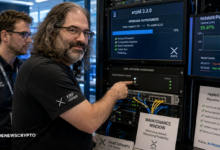
Bhutan is not the only small sovereign state focusing on this track. Xin Yan, CEO of the sovereign crypto infrastructure company Sign, has been deeply involved in this field for two years, shifting his service target from crypto users to national governments, with Bhutan being one of his partner countries.


"Governments are the gatekeepers of all business, data, and assets in the real world," Xin Yan mentioned on the podcast. "Government decisions are very pragmatic; they won't blindly chase concepts like Bitcoin or crypto just for the sake of it. There is only one core demand: solving their own development problems." He pointed out that countries generally face risks of external dependence. "The current mainstream global financial infrastructure is dominated by China and the United States. Once these two countries restrict cooperation for geopolitical reasons, the financial systems of related countries will suffer impacts."


Neo, founder of the Swiss-licensed on-chain neo-bank UR, bluntly stated that many current Web3 projects have superficial models. "Today, both Web2 and Web3 industries are taking shortcuts: issuing USDC stablecoins, launching payment cards, and calling themselves digital banks. It looks glamorous, but there is no substantial change in the underlying architecture."


Neo explained that the Swiss Financial Market Supervisory Authority (FINMA)'s regulatory approach is centered on on-chain data. Regulatory authorities directly read the blockchain, checking quarterly fund flows and portfolio sizes of various wallet addresses to determine if a company is compliant and issue the next stage of operating permits. Zheng YD said DK Bank adopts a similar regulatory logic, simultaneously monitoring on-chain wallet flows and fiat funds to safeguard the financial security of the entire new city.


Mining Since 2018, and Hedging Bitcoin Risk


Bhutan's crypto layout is not a spur-of-the-moment decision; Bitcoin mining operations leveraging hydropower resources have been running for years. Singay said mining operations started in 2018. Zheng YD added: "National-scale mining began in 2019. Long before most countries understood Bitcoin, Bhutan was already deeply involved in the crypto ecosystem." Singay attributes this to the country's long-term vision. "Our industry accumulation is the best proof; we are early pioneers in the industry."


Both leaders are unwilling to bet the country's development on a single crypto asset. When asked if Bhutan would launch a native cryptocurrency similar to the Trump token, Singay said the focus is on institutional-grade full crypto industry chain: mining, custody, asset management, and prime brokerage services. "At least Gelephu City will not proactively layout speculative tokens targeting retail investors."


When asked how they would cope if Bitcoin's price crashed and failed to recover for a long time, Zheng YD answered with a banker's risk control mindset: "Running a bank requires anticipating all kinds of risks; theoretically, extreme market conditions are all possible. If Bitcoin experiences a deep drop, how do we respond?" His solution is diversification, not relying solely on Bitcoin: "Blockchain is the underlying technology; Bitcoin is just one application on it. We focus on Bitcoin but also push forward in other blockchain tracks like stablecoins and real-world asset tokenization."


Project implementation is subject to time constraints. The crucial international airport mentioned by Singay will be managed by the operator of Singapore's Changi Airport, with overall planning by the renowned architectural firm Bjarke Ingels Group (BIG), expected to be completed by December 2029. As for the digital nomad visa for overseas remote workers, Zheng YD said it is still in the testing phase. This newly planned city, focused on human-nature coexistence, exempts foreign nationals from personal income tax, with monthly rents as low as $400 to $500. However, currently, there are only complete planning blueprints and DK Bank in operation.


Whether this crypto bank can create value depends on a common industry question. Wojciech Kaszycki, founder of the digital asset firm Mobilum, explicitly stated the necessity of sovereign crypto infrastructure: "I believe every country should establish its own native digital asset reserve institution."


Zheng YD gently elaborated on the value of small countries laying out crypto finance with a personal anecdote. "When I first visited Bhutan, the entire capital city had only one traffic light," he said. "It wasn't because there were few cars; the local car ownership rate is not low. But people yielded politely and orderly, so traffic lights weren't needed. When traffic jammed, everyone waited quietly without honking. In today's increasingly chaotic global environment, this kind of inclusive and restrained thinking is precisely the trait urgently needed by the global financial industry." While most countries still ignored blockchain technology, Bhutan had already started Bitcoin mining; now, this small Himalayan country is going a step further, building a dedicated, compliant crypto bank.

Crypto di tendenza

Domande pertinenti

QAccording to the article, what is the main reason why traditional banks often refuse to provide services to crypto businesses?

AThe main reason is that traditional banks generally lack the corresponding risk control mechanisms for cryptocurrencies, which are born from decentralized protocols and have inherent anonymity. Most institutions still don't know how to handle them effectively, leading them to simply avoid these businesses.

QWhat is the unique feature of DK Bank's accounts for its users?

ADK Bank offers integrated multi-currency accounts and crypto custody services. Users can manage stablecoins like USDT and USDC within the same bank account, just like managing traditional fiat currencies such as USD, GBP, or EUR.

QHow does Bhutan's Gelephu Mindfulness City (GMC) plan to streamline the licensing process for crypto businesses?

AGMC has adopted Singapore common law for corporate governance and aligned its financial regulatory rules with the Abu Dhabi Global Market (ADGM). Companies already licensed in Singapore, ADGM, or Hong Kong can obtain a license to operate in GMC through a fast-track process without going through the full approval procedure again.

QWhen did Bhutan begin its involvement in the Bitcoin mining industry according to the article?

AAccording to the article, Bhutan began its Bitcoin mining operations in 2018, with nationwide, scaled mining starting from 2019. This makes it an early adopter in the crypto ecosystem.

QWhat is Bhutan's strategic focus in the crypto industry, and what type of tokens does it specifically avoid promoting?

ABhutan's strategic focus is on building a full institutional-grade crypto industry chain, including mining, custody, asset management, and prime brokerage services. The Gelephu Mindfulness City specifically stated it would not proactively develop speculative tokens aimed at retail investors.

Letture associate

Why Is the World Nervous About Japan Raising Interest Rates?

In June 2026, the Bank of Japan raised its policy rate to 1%, marking its first hike to this level since 1995. While this rate remains low compared to global peers like the US and Europe, the move signals a profound shift for a nation that has been a global source of ultra-cheap funding for decades. Japan's long-standing near-zero or negative interest rates had facilitated massive "yen carry trades," where international investors borrowed low-cost yen to invest in higher-yielding assets worldwide, such as US tech stocks and emerging market bonds. This made Japan a critical, often overlooked, source of global liquidity. Japan's ultra-loose policy stemmed from structural challenges post-1990s asset bubble: aging demographics, chronic low inflation/deflation, and high public debt. Recent shifts, including sustained wage growth (exceeding 5% in recent years) and inflation consistently above the 2% target, have created a "wage-price spiral" possibility, prompting the policy normalization. The global market's concern lies not in the absolute rate but in the potential unwinding of the yen carry trade. As Japanese borrowing costs rise, the economics of these leveraged global investments change, potentially triggering deleveraging and capital outflows from risk assets. Market anxiety focuses on the end of a thirty-year consensus that Japan would perpetually provide cheap funding. Ultimately, the global impact will depend on the interplay with US monetary policy. While Japan is tightening, the significant interest rate differential with the US remains. The key future dynamic is whether simultaneous Japanese hikes and eventual US rate cuts will narrow this gap, forcing a major recalibration of global capital flows and asset pricing built on an era of abundant, cheap yen liquidity.

marsbit2 h fa

Why Is the World Nervous About Japan Raising Interest Rates?

marsbit2 h fa

Research Report Analysis: MRVL's Optical AI Booming, Why High Valuation Keeps Morgan Stanley's Star Analyst Sidelined?

Report Recap: MRVL Optical AI Boom - Why High Valuation Led Morgan Stanley's Star Analyst to Stay Neutral? Morgan Stanley analyst Joseph Moore maintained an "Equal-weight" (Neutral) rating on Marvell Technology (MRVL) on May 28, raising the price target from $172 to $195, below the trading price. This stance comes despite Marvell reporting a record quarter and significantly raising its full-year outlook (FY27 revenue ~$11.5B, up ~40%). Moore's neutral view is based on valuation. The $195 target implies ~40x CY2027 P/E. He contrasts MRVL with NVDA: both trade near ~$200, but Nvidia's forward EPS is more than double Marvell's. For MRVL's valuation to hold, it needs consistent earnings upgrades, proof of networking market share gains, or certainty on large-scale custom AI chip shipments—none of which are confirmed yet. Growth is driven by two pillars: **1) Optical Interconnect** (the faster runner): Moore raised FY27 growth expectations to >70%, with the optical module product line nearing a $1B annualized run rate. **2) Custom AI Chips** (the climber): Confidence in FY28 is growing, but a major new customer project only ramps in FY28, with no current revenue visibility. Key risks are the underperforming Storage, Enterprise, and legacy Networking segments. Moore acknowledges the real AI opportunity but believes the current price already reflects it. For the stock to work from here, investors need to see the optical business hit its targets, custom chips ramp as planned, and a recovery in the weaker business units.

marsbit3 h fa

Research Report Analysis: MRVL's Optical AI Booming, Why High Valuation Keeps Morgan Stanley's Star Analyst Sidelined?

marsbit3 h fa

Trading

Spot
Futures

Articoli Popolari

Cosa è BITCOIN

Comprendere HarryPotterObamaSonic10Inu (ERC-20) e la sua posizione nel mondo delle criptovalute Negli ultimi anni, il mercato delle criptovalute ha assistito a un aumento della popolarità delle meme coin, catturando l'interesse non solo dei trader, ma anche di coloro che cercano coinvolgimento comunitario e valore di intrattenimento. Tra questi token unici c'è HarryPotterObamaSonic10Inu (ERC-20), un progetto intrigante che mescola riferimenti culturali nel tessuto delle criptovalute. Questo articolo esplora gli aspetti chiave di HarryPotterObamaSonic10Inu, analizzando i suoi meccanismi, l'etica guidata dalla comunità e il suo coinvolgimento con il panorama crittografico più ampio. Che cos'è HarryPotterObamaSonic10Inu (ERC-20)? Come suggerisce il suo nome, HarryPotterObamaSonic10Inu è una meme coin costruita sulla blockchain di Ethereum, classificata secondo lo standard ERC-20. A differenza delle criptovalute tradizionali che possono enfatizzare l'utilità pratica o il potenziale investimento, questo token prospera grazie al valore di intrattenimento e alla forza della sua comunità. Il progetto mira a creare un ambiente in cui gli utenti coinvolti possono riunirsi, condividere idee e partecipare ad attività ispirate a diversi fenomeni culturali. Una caratteristica notevole di HarryPotterObamaSonic10Inu è la zero tassa sulle transazioni. Questo elemento allettante tende a incoraggiare il trading e il coinvolgimento della comunità, privo di costi aggiuntivi che possono scoraggiare i trader di piccole dimensioni. L'offerta totale della moneta è fissata a un miliardo di token, un numero che segna la sua intenzione di mantenere una circolazione sostanziale all'interno della comunità. Creatore di HarryPotterObamaSonic10Inu (ERC-20) Le origini di HarryPotterObamaSonic10Inu sono avvolte in un certo mistero; i dettagli sul creatore rimangono sconosciuti. Lo sviluppo di questo token non presenta un team identificabile o un piano esplicito, cosa non rara nel settore delle meme coin. Invece, il progetto è emerso organicamente, con il suo progresso fortemente dipendente dall'entusiasmo e dalla partecipazione della sua comunità. Investitori di HarryPotterObamaSonic10Inu (ERC-20) Per quanto riguarda investimenti esterni e finanziamenti, HarryPotterObamaSonic10Inu rimane ambiguo. Il token non elenca alcuna fondazione di investimento conosciuta o un sostegno organizzativo significativo. Invece, la linfa vitale del progetto è la sua comunità di base, che informa la sua crescita e sostenibilità attraverso azioni collettive e coinvolgimento nello spazio crittografico. Come funziona HarryPotterObamaSonic10Inu (ERC-20)? In quanto meme coin, HarryPotterObamaSonic10Inu opera principalmente al di fuori delle strutture tradizionali che governano spesso il valore degli asset. Ci sono diversi aspetti distintivi che definiscono il funzionamento del progetto: Transazioni senza tasse: Senza costi fiscali sulle transazioni, gli utenti possono comprare e vendere liberamente il token senza preoccuparsi di costi nascosti. Coinvolgimento della comunità: Il progetto prospera sull'interazione della comunità, sfruttando le piattaforme social per creare entusiasmo e facilitare il coinvolgimento. Discussioni, condivisione di contenuti e coinvolgimento sono elementi cruciali che aiutano ad espandere la sua portata e a favorire la lealtà tra i sostenitori. Nessuna utilità pratica: Va notato che HarryPotterObamaSonic10Inu non offre un'utilità concreta all'interno dell'ecosistema finanziario. Piuttosto, è classificato come un token principalmente per attività di intrattenimento e comunitarie. Riferimento culturale: Il token incorpora astutamente elementi della cultura pop per attirare interesse, collegandosi a appassionati di meme e seguaci delle criptovalute. HarryPotterObamaSonic10Inu esemplifica come le meme coin operino in modo diverso rispetto ai progetti di criptovalute più tradizionali, entrando nel mercato come costrutti sociali innovativi piuttosto che come asset utilitari. Cronologia di HarryPotterObamaSonic10Inu (ERC-20) La storia di HarryPotterObamaSonic10Inu è segnata da diversi traguardi notevoli: Creazione: Il token è emerso da un meme virale, catturando l'immaginazione di molti appassionati di criptovalute. Le date di creazione specifiche non sono disponibili, sottolineando la sua crescita organica. Inserimento negli scambi: HarryPotterObamaSonic10Inu ha fatto il suo ingresso in vari scambi, consentendo un accesso e un trading più facili da parte della comunità. Iniziative di coinvolgimento della comunità: Attività in corso volte a migliorare l'interazione della comunità, comprese gare, campagne sui social media e generazione di contenuti da parte di fan e sostenitori. Piani di espansione futura: La tabella di marcia del progetto include il lancio di una collezione NFT, merchandising e un sito di eCommerce relativo ai suoi temi culturali, coinvolgendo ulteriormente la comunità e cercando di aggiungere più dimensioni al suo ecosistema. Punti chiave su HarryPotterObamaSonic10Inu (ERC-20) Natura guidata dalla comunità: Il progetto dà priorità al contributo collettivo e alla creatività, garantendo che il coinvolgimento degli utenti sia al centro del suo sviluppo. Classificazione come meme coin: Rappresenta l'epitome delle criptovalute basate sull'intrattenimento, distinguendosi dai veicoli d'investimento tradizionali. Nessuna affiliazione diretta con Bitcoin: Nonostante la somiglianza nel nome del ticker, HarryPotterObamaSonic10Inu è distintivo e non ha alcuna relazione con Bitcoin o altre criptovalute consolidate. Focus sulla collaborazione: HarryPotterObamaSonic10Inu è progettato per creare uno spazio per la collaborazione e la condivisione di storie tra i suoi detentori, fornendo un canale per la creatività e il legame comunitario. Prospettive future: L'ambizione di espandersi oltre il suo presupposto iniziale verso NFT e merchandising delinea un percorso per il progetto per potenzialmente entrare in strade più mainstream all'interno della cultura digitale. Poiché le meme coin continuano a catturare l'immaginazione della comunità crittografica, HarryPotterObamaSonic10Inu (ERC-20) si distingue per i suoi legami culturali e il suo approccio centrato sulla comunità. Anche se potrebbe non adattarsi al modello tipico di un token orientato all'utilità, la sua essenza risiede nella gioia e nella camaraderia coltivate tra i suoi sostenitori, evidenziando la natura in evoluzione delle criptovalute in un'epoca sempre più digitale. Con la continuazione dello sviluppo del progetto, sarà importante osservare come le dinamiche della comunità influenzano la sua traiettoria nel panorama in continuo cambiamento della tecnologia blockchain.

1.7k Totale visualizzazioniPubblicato il 2024.04.01Aggiornato il 2024.12.03

Cosa è BITCOIN

Come comprare BTC

Benvenuto in HTX.com! Abbiamo reso l'acquisto di Bitcoin (BTC) semplice e conveniente. Segui la nostra guida passo passo per intraprendere il tuo viaggio nel mondo delle criptovalute.Step 1: Crea il tuo Account HTXUsa la tua email o numero di telefono per registrarti il tuo account gratuito su HTX. Vivi un'esperienza facile e sblocca tutte le funzionalità,Crea il mio accountStep 2: Vai in Acquista crypto e seleziona il tuo metodo di pagamentoCarta di credito/debito: utilizza la tua Visa o Mastercard per acquistare immediatamente BitcoinBTC.Bilancio: Usa i fondi dal bilancio del tuo account HTX per fare trading senza problemi.Terze parti: abbiamo aggiunto metodi di pagamento molto utilizzati come Google Pay e Apple Pay per maggiore comodità.P2P: Fai trading direttamente con altri utenti HTX.Over-the-Counter (OTC): Offriamo servizi su misura e tassi di cambio competitivi per i trader.Step 3: Conserva Bitcoin (BTC)Dopo aver acquistato Bitcoin (BTC), conserva nel tuo account HTX. In alternativa, puoi inviare tramite trasferimento blockchain o scambiare per altre criptovalute.Step 4: Scambia Bitcoin (BTC)Scambia facilmente Bitcoin (BTC) nel mercato spot di HTX. Accedi al tuo account, seleziona la tua coppia di trading, esegui le tue operazioni e monitora in tempo reale. Offriamo un'esperienza user-friendly sia per chi ha appena iniziato che per i trader più esperti.

4.0k Totale visualizzazioniPubblicato il 2024.12.12Aggiornato il 2026.06.02

Come comprare BTC

Cosa è $BITCOIN

ORO DIGITALE ($BITCOIN): Un'Analisi Completa Introduzione all'ORO DIGITALE ($BITCOIN) L'ORO DIGITALE ($BITCOIN) è un progetto basato su blockchain che opera sulla rete Solana, con l'obiettivo di combinare le caratteristiche dei metalli preziosi tradizionali con l'innovazione delle tecnologie decentralizzate. Sebbene condivida un nome con Bitcoin, spesso definito “oro digitale” a causa della sua percezione come riserva di valore, l'ORO DIGITALE è un token separato progettato per creare un ecosistema unico all'interno del panorama Web3. Il suo obiettivo è posizionarsi come un asset digitale alternativo valido, anche se i dettagli riguardanti le sue applicazioni e funzionalità sono ancora in fase di sviluppo. Cos'è l'ORO DIGITALE ($BITCOIN)? L'ORO DIGITALE ($BITCOIN) è un token di criptovaluta esplicitamente progettato per l'uso sulla blockchain di Solana. A differenza di Bitcoin, che fornisce un ruolo di stoccaggio di valore ampiamente riconosciuto, questo token sembra concentrarsi su applicazioni e caratteristiche più ampie. Aspetti notevoli includono: Infrastruttura Blockchain: Il token è costruito sulla blockchain di Solana, nota per la sua capacità di gestire transazioni ad alta velocità e a basso costo. Dinamiche di Offerta: L'ORO DIGITALE ha un'offerta massima fissata a 100 quadrilioni di token (100P $BITCOIN), sebbene i dettagli riguardanti la sua offerta circolante siano attualmente non divulgati. Utilità: Sebbene le funzionalità precise non siano esplicitamente delineate, ci sono indicazioni che il token potrebbe essere utilizzato per varie applicazioni, potenzialmente coinvolgendo applicazioni decentralizzate (dApp) o strategie di tokenizzazione degli asset. Chi è il Creatore dell'ORO DIGITALE ($BITCOIN)? Attualmente, l'identità dei creatori e del team di sviluppo dietro l'ORO DIGITALE ($BITCOIN) rimane sconosciuta. Questa situazione è tipica tra molti progetti innovativi nel settore blockchain, in particolare quelli allineati con la finanza decentralizzata e i fenomeni delle meme coin. Sebbene tale anonimato possa favorire una cultura guidata dalla comunità, intensifica le preoccupazioni riguardo alla governance e alla responsabilità. Chi sono gli Investitori dell'ORO DIGITALE ($BITCOIN)? Le informazioni disponibili indicano che l'ORO DIGITALE ($BITCOIN) non ha alcun sostenitore istituzionale noto o investimenti di venture capital prominenti. Il progetto sembra operare su un modello peer-to-peer incentrato sul supporto e sull'adozione della comunità piuttosto che su percorsi di finanziamento tradizionali. La sua attività e liquidità si trovano principalmente su exchange decentralizzati (DEX), come PumpSwap, piuttosto che su piattaforme di trading centralizzate consolidate, evidenziando ulteriormente il suo approccio di base. Come Funziona l'ORO DIGITALE ($BITCOIN) Le meccaniche operative dell'ORO DIGITALE ($BITCOIN) possono essere elaborate in base al suo design blockchain e alle caratteristiche della rete: Meccanismo di Consenso: Sfruttando il proof-of-history (PoH) unico di Solana combinato con un modello di proof-of-stake (PoS), il progetto garantisce una validazione efficiente delle transazioni contribuendo all'alta performance della rete. Tokenomics: Sebbene meccanismi deflazionistici specifici non siano stati dettagliati ampiamente, l'ampia offerta massima di token implica che potrebbe soddisfare microtransazioni o casi d'uso di nicchia che devono ancora essere definiti. Interoperabilità: Esiste il potenziale per l'integrazione con l'ecosistema più ampio di Solana, inclusi vari piattaforme di finanza decentralizzata (DeFi). Tuttavia, i dettagli riguardanti integrazioni specifiche rimangono non specificati. Cronologia degli Eventi Chiave Ecco una cronologia che evidenzia traguardi significativi riguardanti l'ORO DIGITALE ($BITCOIN): 2023: Il dispiegamento iniziale del token avviene sulla blockchain di Solana, contrassegnato dal suo indirizzo di contratto. 2024: L'ORO DIGITALE guadagna visibilità poiché diventa disponibile per il trading su exchange decentralizzati come PumpSwap, consentendo agli utenti di scambiarlo contro SOL. 2025: Il progetto assiste a un'attività di trading sporadica e a un potenziale interesse per impegni guidati dalla comunità, sebbene non siano state documentate partnership significative o avanzamenti tecnici fino ad ora. Analisi Critica Punti di Forza Scalabilità: L'infrastruttura sottostante di Solana supporta alti volumi di transazioni, il che potrebbe migliorare l'utilità di $BITCOIN in vari scenari di transazione. Accessibilità: Il potenziale basso prezzo di trading per token potrebbe attrarre investitori al dettaglio, facilitando una partecipazione più ampia grazie a opportunità di proprietà frazionata. Rischi Mancanza di Trasparenza: L'assenza di sostenitori, sviluppatori o di un processo di audit pubblicamente noti potrebbe generare scetticismo riguardo alla sostenibilità e all'affidabilità del progetto. Volatilità del Mercato: L'attività di trading è fortemente dipendente dal comportamento speculativo, il che può comportare una significativa volatilità dei prezzi e incertezze per gli investitori. Conclusione L'ORO DIGITALE ($BITCOIN) emerge come un progetto intrigante ma ambiguo all'interno dell'evolvente ecosistema di Solana. Sebbene tenti di sfruttare la narrativa dell'“oro digitale”, la sua partenza dal ruolo consolidato di Bitcoin come riserva di valore sottolinea la necessità di una chiara differenziazione della sua utilità e struttura di governance. L'accettazione e l'adozione future dipenderanno probabilmente dall'affrontare l'attuale opacità e dalla definizione più esplicita delle sue strategie operative ed economiche. Nota: Questo rapporto comprende informazioni sintetizzate disponibili a ottobre 2023, e potrebbero essersi verificati sviluppi oltre il periodo di ricerca.

100 Totale visualizzazioniPubblicato il 2025.05.13Aggiornato il 2025.05.13

Cosa è $BITCOIN

Discussioni

Benvenuto nella Community HTX. Qui puoi rimanere informato sugli ultimi sviluppi della piattaforma e accedere ad approfondimenti esperti sul mercato. Le opinioni degli utenti sul prezzo di BTC BTC sono presentate come di seguito.

活动图片