Saylor Pauses Bitcoin Purchases: The World's Largest Bitcoin Holder Is Transforming into a 'Digital Asset Bank'

marsbitPubblicato 2026-08-26Pubblicato ultima volta 2026-08-26

Introduzione

Saylor's Strategy has paused its long-standing practice of buying Bitcoin, marking a significant shift for the world's largest corporate BTC holder. The company is now prioritizing capital structure management over accumulation. Strategy recently raised $2 billion by selling shares but purchased zero Bitcoin, directing funds instead to a new USD cash reserve, repaying preferred stock, and building its dollar liquidity pool. This follows a series of BTC sales in 2026, totaling around 6,916 coins, often at a loss, to meet its substantial annual dollar obligations of approximately $1.76 billion in dividends and interest payments. The core change is the adoption of a new "Digital Credit Capital Framework." Strategy is transforming from a leveraged Bitcoin proxy into a "digital asset bank." Its focus has shifted from simply increasing its BTC holdings to managing a balance sheet where Bitcoin acts as the reserve asset, common stock as equity, and preferred shares as liabilities. The goal is now to optimize the "Bitcoin per share" metric and maintain stability, even if it means selling BTC at a loss during market stress to protect its financial footing. The market appears to be re-evaluating Strategy, pricing it less as a volatile Bitcoin tracker and more as a capital management firm. Despite its recent sales, Bitcoin's price has surged, indicating Strategy's selling pressure is easily absorbed by broader market flows like ETF inflows. If successful, Strategy could emerge as a n...

Author: Xiaobing

Strategy sold 18.26 million shares of common stock last week, raising $2 billion. Not a single Bitcoin was purchased.

The allocation of this money is as follows: $136 million used to repurchase its STRK preferred shares, $300 million injected into the existing USD Reserve pool, and the remaining $1.59 billion placed into a newly established "USD Cash" pool. As of August 23, Strategy had $6.69 billion in cash on its books, with its Bitcoin holdings of 840,447 coins remaining completely unchanged.

This is a company that used to file an 8-K every week announcing Bitcoin purchases, with its founder posting pictures on X every Sunday to flaunt the holdings. Michael Saylor's iconic "green square chart" hasn't been updated for several weeks.

The essence of the question of why Strategy paused its purchases is, what kind of company is it becoming?

From 'Never Selling' to a Digital Credit Capital Framework

On May 26, 2026, Strategy sold its first batch of Bitcoin in history: 32 coins, worth approximately $2.5 million. The quantity was insignificant, but the signal was deafening.

Subsequent five sales escalated step by step.

32 coins at the end of May, 1,363 coins at the end of June, 2,225 coins at the beginning of July, 1,638 coins at the end of July, and 1,690 coins at the beginning of August. Strategy sold a total of approximately 6,916 BTC in 2026, cashing out approximately $432 million.

Except for the first sale, which executed slightly above cost at $77,135, all others were executed in the $60,000-$64,000 range, far below the average holding cost of $75,385. The realized loss on paper exceeds $102 million.

Selling at a loss? It's because the bills are due.

On June 29, Strategy officially released its "Digital Credit Capital Framework." The core content of this document includes three authorizations: a "BTC Liquidation Plan" allowing the sale of up to $1.25 billion worth of Bitcoin; a $1 billion preferred stock repurchase authorization and a $1 billion common stock repurchase authorization; and a mandatory USD reserve policy requiring reserves to cover at least 12 months of preferred stock dividends and interest payments.

By August 1, the BTC liquidation authorization had been expanded to $5 billion.

Understanding the meaning of these numbers: Strategy has issued five series of preferred stock (STRK, STRF, STRD, STRE, STRC), with annual dividend yields ranging from 8% to 12%; combined with over $6.7 billion in convertible bond interest, the company needs to pay approximately $1.76 billion in hard dollar obligations annually. At the beginning of 2026, the dividend coverage ratio could still last over 7 years; by June, CryptoQuant's calculations showed this number had shrunk to about 14 months.

The crux is that in May, Strategy spent $1.38 billion in cash to prepay $1.5 billion face value of its 2029 convertible bonds (an 8% discount). This operation, while eliminating debt and boosting the "Bitcoin per share" metric, directly drained the cash pool. It's like a family paying off their mortgage early, only to find they have no income next month.

Therefore, since the end of June, Strategy's operational logic has undergone a fundamental shift: it's no longer the flywheel of "raise capital → buy Bitcoin → announce increased holdings → stock price rises → raise more capital → buy more Bitcoin," but rather the balance sheet management of "raise capital → build reserves → stabilize preferred stock → repurchase STRC → wait for opportunities."

Transformation

On the surface, stopping Bitcoin purchases is admitting defeat. MSTR is down over 60% year-to-date and nearly 80% from its 2024 all-time high. The market is pricing it like a failed leveraged BTC ETF.

But if you shift the perspective from "Bitcoin proxy stock" to "capital structure engineering," the logic is completely different.

Saylor's rhetoric in the Q2 earnings report has quietly changed. He no longer repeats the old narrative of "Bitcoin rises, MSTR must follow." He has started frequently using the terms "Bitcoin Per Share" and "BTC Yield."

So far in 2026, although Strategy has sold nearly 7,000 BTC, the BTC Yield has remained at 13.3% through concurrent repurchases of STRC and share management. In plain language: the total number of BTC the company holds has decreased, but because it is simultaneously repurchasing its own stock and preferred shares, the amount of BTC corresponding to each share of MSTR is actually increasing.

The logical model of this operation is closer to a bank than a fund.

A bank's core competency lies in managing the interest rate spread, duration, and liquidity between assets and liabilities; the holding amount itself is never the focus.

What Strategy is doing is treating Bitcoin as "reserve assets," MSTR common stock as "equity capital," and STRC and other preferred stock as "deposit-like liabilities," then performing dynamic balancing among the three.

The $6.69 billion in cash is Strategy's version of a "capital adequacy ratio buffer."

In a research report on August 22, Bernstein gave the trigger condition for resuming purchases: STRC returning to near its $100 par value. This preferred stock fell to as low as $70 in June, reflecting market panic over Strategy's solvency. Now STRC has recovered to about $96.5, and the dividend coverage ratio has improved from 14 months to about 2.8 years, meaning the balance sheet pressure has significantly eased.

Look at it from another perspective: Strategy was forced to sell small amounts (about 0.8% of holdings) at BTC prices of $60,000-$64,000 to stabilize its capital structure. Now, with BTC at $80,000, it holds $6.7 billion in cash, 840,000 BTC, and close to zero net leverage. If selling at low prices is "cutting losses," then holding massive firepower without buying at high prices is an exercise in extreme restraint and timing judgment.

Why the Market Doesn't Care

A noteworthy phenomenon is: the world's largest corporate Bitcoin holder has been reducing its holdings by nearly 7,000 BTC over two consecutive months, yet the BTC price not only didn't face downward pressure but soared from $60,000 to $81,000 during the same period.

This indicates at least two things. The pricing power of the BTC market has shifted from a single institution to a broader capital structure. The spot ETF's weekly net inflow of $1.92 billion is enough to completely absorb Strategy's selling pressure.

Simultaneously, the market is "pricing in" Strategy's transformation itself: MSTR rose about 1.2% on the trading day after BTC broke through $80,000, not following BTC with 2-3x leveraged volatility as it did in the past. The compression of the premium (mNAV dropping from over 3x at its historical peak to roughly flat) means the market has already reclassified MSTR from "leveraged BTC" to a company that needs to be valued using a DCF model.

If Strategy can successfully complete its transformation from "Bitcoin maximalist" to "digital credit issuer," it might become an unprecedented species in the crypto industry: a "Bitcoin bank."

Different from exchanges, custodians, and ETF issuers, it uses Bitcoin as reserve assets, multi-layered capital instruments as its liability side, and "Bitcoin per share appreciation" as its operational goal, resembling a new type of capital management company.

The risks on this path are equally enormous: $1.76 billion in annual hard obligations means that for every day the BTC price falls below the cost basis of $75,385, the safety margin of the balance sheet thins. The $5 billion BTC liquidation authorization means the board has prepared for the worst-case scenario.

Saylor no longer posts his chart every Sunday, but his silence might be more worthy of serious attention than his past proclamations.


Crypto di tendenza

Domande pertinenti

QWhat major change in strategy has Michael Saylor's company, MicroStrategy, recently adopted regarding its Bitcoin holdings?

AMicroStrategy has shifted from its long-standing strategy of aggressively accumulating Bitcoin to a more conservative approach focused on financial stability. The company has paused its regular Bitcoin purchases and is now actively managing its balance sheet. This includes selling some Bitcoin (even at a loss) to meet hard dollar obligations, establishing large USD cash reserves (reaching $6.69 billion), repurchasing its own stock and preferred shares, and adhering to a mandatory USD reserve policy. The core strategy has evolved from 'finance -> buy BTC' to managing the interplay between its BTC holdings (asset), equity, and preferred share liabilities.

QAccording to the article, why did MicroStrategy start selling Bitcoin in 2026, and what financial pressure prompted this?

AMicroStrategy started selling Bitcoin in 2026 primarily to fulfill its hard dollar obligations. The company has significant annual cash outflows of approximately $1.76 billion to cover dividends on its preferred shares (STRK, STRF, STRD, STRE, STRC) and interest on its convertible notes. An earlier cash-intensive move in May 2026—spending $1.38 billion to repurchase $1.5 billion face value of its 2029 convertible notes—severely depleted its cash reserves. This left the company with insufficient liquidity to cover upcoming payments, forcing it to sell Bitcoin to generate cash and stabilize its capital structure.

QWhat is the 'Digital Credit Capital Framework' announced by MicroStrategy, and what are its key components?

AThe 'Digital Credit Capital Framework' is a strategic policy announced by MicroStrategy on June 29, 2026. It formally authorizes the company to manage its capital with a focus on financial stability. Its key components include: 1. A 'BTC Monetization Plan' allowing the sale of up to $1.25 billion worth of Bitcoin (later expanded to $5 billion). 2. Authorization for up to $1 billion in preferred stock repurchases and $1 billion in common stock repurchases. 3. A mandatory USD reserve policy requiring the company to hold enough cash to cover at least 12 months of preferred stock dividend and interest payments.

QDespite selling nearly 7,000 BTC, how has MicroStrategy managed to increase its 'Bitcoin per Share' metric?

AMicroStrategy has increased its 'Bitcoin per Share' (BTC Yield) by concurrently buying back its own equity while selling Bitcoin. Although the total number of BTC in its treasury decreased by about 7,000, the company aggressively repurchased its Series C preferred stock (STRC) and managed its share count. This means the reduced BTC holdings are spread across a smaller number of total shares (common + preferred), resulting in a higher BTC amount attributable to each share. As of the article, this BTC Yield was maintained at 13.3%.

QHow does the article suggest the market's perception of MicroStrategy (MSTR) is changing, and what does this imply for its future?

AThe article suggests the market is no longer treating MicroStrategy (MSTR) purely as a leveraged Bitcoin ETF. This is evidenced by MSTR's price not making the 2-3x leveraged moves alongside Bitcoin's price as it did historically, and its premium to net asset value (mNAV) collapsing to near parity. The market is starting to value MSTR based on its own financials and business model (like a DCF model) rather than just as a Bitcoin proxy. This implies a future where MicroStrategy could evolve into a novel 'Bitcoin bank'—a capital management company that uses Bitcoin as a reserve asset, issues layered capital tools as liabilities, and aims to increase 'Bitcoin per Share' as its primary goal.

Letture associate

Didier Zheng Answers: Will MicroStrategy Enter a Death Spiral? How Will the Macro Trend Unfold in the Second Half of the Year?

In the latest WuShuo Uncensored podcast, investor Didier Zheng analyzes recent market trends. He argues that Bitcoin's recent decline is primarily driven by market anticipation of MicroStrategy potentially selling small amounts of Bitcoin regularly to cover cash flow for its growing priority shares and debt, rather than macro factors or ETF outflows alone. This creates a new dynamic of expected continuous selling pressure. Didier views Token as the new form of labor in the AI era, replacing human roles in execution and driving the ongoing rally in U.S. stocks within the AI supply chain (semiconductors, data centers). This shift is seen as a long-term structural change, boosting corporate profitability. He notes that crypto exchanges are naturally expanding into U.S. stocks and real-world assets due to the scarcity of valuable native crypto assets beyond Bitcoin and major protocols. For traders, the transition may not require a drastic change in strategy, as similar speculative and fundamental assets exist in both markets. The analyst believes the native crypto altcoin rally is likely over, severely damaged by the liquidity destruction from the "1011" crash event. Liquidity has migrated to deeper markets like U.S. equities. For the macro outlook, Didier expresses increased caution for H2 2024 due to potential market pressure from mega-IPOs (e.g., SpaceX) and the U.S. midterm elections. A Democratic sweep could bring stricter regulation for Web3 and AI. Long-term, he remains optimistic about the convergence of AI and blockchain, enabling a more automated, machine-driven economy, but expects a shift towards a more mature, institutional phase for the crypto industry.

marsbit20 min fa

Didier Zheng Answers: Will MicroStrategy Enter a Death Spiral? How Will the Macro Trend Unfold in the Second Half of the Year?

marsbit20 min fa

Bitcoin's Historically Rare Pattern: When August Rises, September Always Pulls Back, Followed by an Average 44% Surge in October

Historical Seasonal Pattern for Bitcoin Resurfaces: Strong August (Up 25% YTD) Points to Potential September Dip, Followed by October Rally Bitcoin is on track for its strongest August performance since 2017, with gains of approximately 25% for the month as of late August, trading between $78K-$79K. This has revived discussion of a historical seasonal pattern observed since 2013. Data shows that in the four previous years where Bitcoin posted a positive return in August (2013, 2017, 2020, 2021), the following September consistently closed in negative territory, with an average decline of about -5.9%. Notably, a positive September has never followed a positive August in Bitcoin's history. However, the pattern shows a potential silver lining. Following each instance of a "Green August" followed by a "Red September," the subsequent month of October has historically seen significant rallies. The average gain for October after such a sequence is approximately +44%. While this pattern highlights a recurring seasonal trend, analysts caution that it is based on a limited sample size of only four occurrences. Each period had distinct macroeconomic and market conditions. Therefore, past performance is not a reliable indicator of future results, and whether 2026 will follow this sequence remains to be seen as September trading begins.

marsbit20 min fa

Bitcoin's Historically Rare Pattern: When August Rises, September Always Pulls Back, Followed by an Average 44% Surge in October

marsbit20 min fa

Strive CEO: US Bond Market Approaching a Critical Point, Bitcoin's "Home Run Moment" Taking Shape

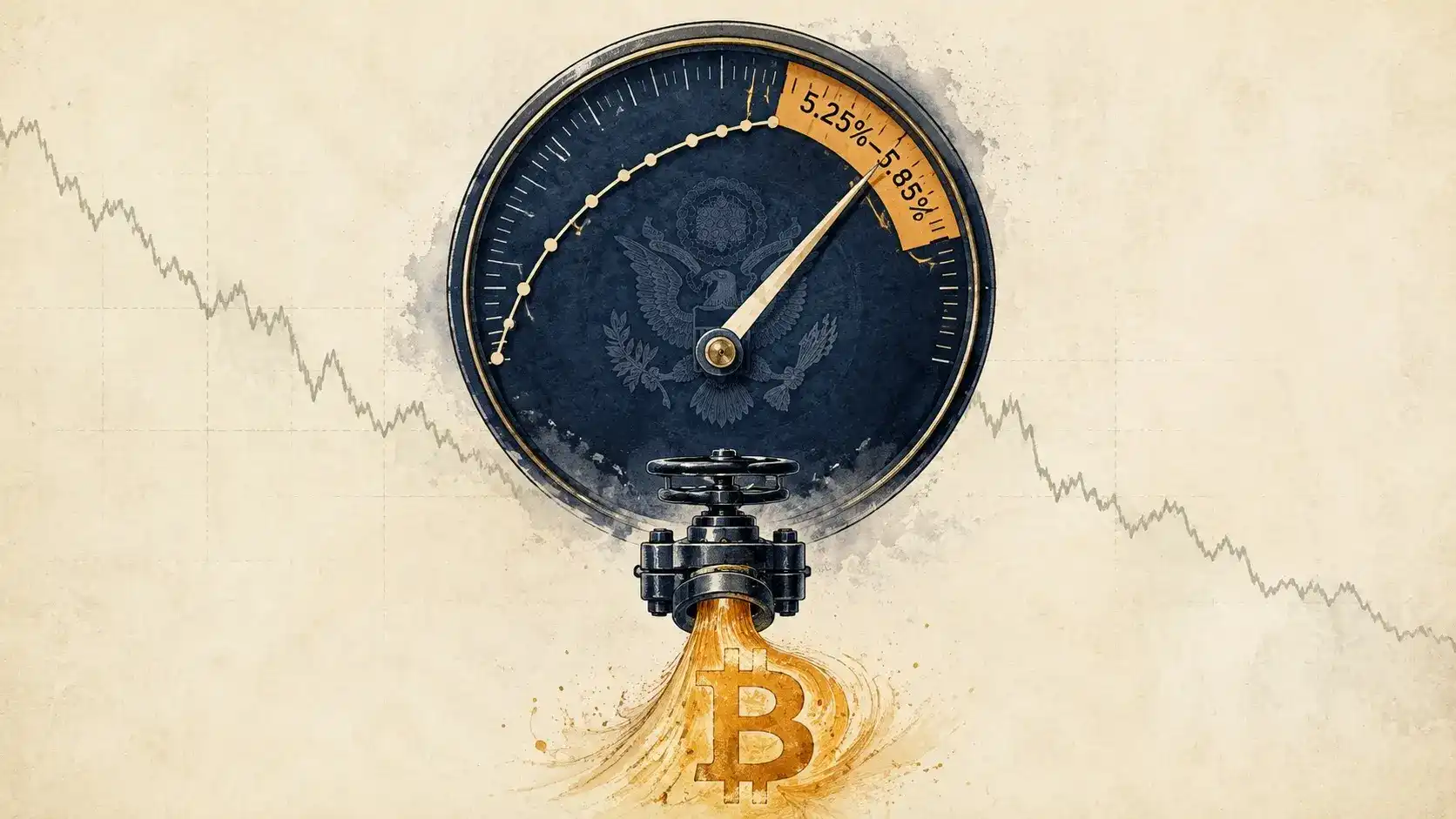
The CEO of Strive argues that the U.S. Treasury market is approaching a critical juncture, setting the stage for a major opportunity in Bitcoin. He highlights that unsustainable U.S. fiscal deficits and expanding entitlement programs are creating fundamental pressure for higher long-term bond yields. However, the political system is unwilling to enact necessary fiscal discipline. Consequently, as the 10-year Treasury yield enters a key resistance zone of 5.25%–5.85%, the narrative will shift to a potential bond market crisis. This will force policymakers (the Treasury or Federal Reserve) to intervene aggressively to suppress yields through tools like large-scale bond buybacks or balance sheet expansion. Since the underlying fiscal imbalance remains unresolved, the adjustment pressure will be transferred to the U.S. dollar, making it the "pressure release valve" of the system. A trend decline in the dollar, potentially to multi-decade lows, would create a historically unique macro environment for Bitcoin. Bitcoin stands to benefit as a scarce, non-sovereign monetary asset, especially as AI erodes the scarcity of traditional corporate moats. The author concludes that if bond market stress causes a Bitcoin dip, it would be a major buying opportunity; if not, having exposure is still crucial. The overall expectation is that the market is still underestimating Bitcoin's long-term upside potential in this unfolding macro shift.

marsbit29 min fa

Strive CEO: US Bond Market Approaching a Critical Point, Bitcoin's "Home Run Moment" Taking Shape

marsbit29 min fa

Trading

Spot

Articoli Popolari

Cosa è $BANK

Banca AI: Un Passo Rivoluzionario nel Futuro della Banca Introduzione In un'era caratterizzata da rapidi progressi tecnologici, Banca AI si trova all'incrocio tra intelligenza artificiale (AI) e servizi bancari. Questo progetto innovativo mira a ridefinire il panorama finanziario, migliorando l'efficienza operativa, le misure di sicurezza e le esperienze dei clienti attraverso il potere dell'AI. Mentre ci impegniamo in questa esplorazione di Banca AI, esamineremo cosa comporta il progetto, le sue dinamiche operative, il suo contesto storico e i traguardi significativi. Cos'è Banca AI? Alla sua essenza, Banca AI rappresenta un'iniziativa trasformativa volta a integrare l'intelligenza artificiale in varie operazioni bancarie. Questo progetto sfrutta le capacità dell'AI per automatizzare processi, migliorare i protocolli di gestione del rischio e potenziare l'interazione con i clienti attraverso servizi personalizzati. Gli obiettivi principali di Banca AI includono: Automazione delle Funzioni Bancarie: Sfruttando le tecnologie AI, Banca AI mira ad automatizzare compiti di routine, riducendo il carico sulle risorse umane e aumentando l'efficienza. Miglioramento della Gestione del Rischio: Il progetto utilizza algoritmi AI per prevedere e identificare i rischi, rafforzando così le misure di sicurezza contro le frodi e altre minacce. Personalizzazione dei Servizi Bancari: Banca AI si concentra sull'offrire prodotti e servizi finanziari su misura analizzando i dati e i comportamenti dei clienti. Miglioramento dell'Esperienza del Cliente: L'implementazione di soluzioni guidate dall'AI, come chatbot e assistenti virtuali, mira a fornire agli utenti interazioni più umane, rivoluzionando il modo in cui i clienti si relazionano con le banche. Con questi obiettivi, Banca AI si posiziona come un attore cruciale nel rendere la banca più efficiente, sicura e centrata sull'utente. Chi è il Creatore di Banca AI? I dettagli riguardanti il creatore di Banca AI rimangono sconosciuti. Pertanto, non è stata identificata alcuna persona o organizzazione specifica nelle informazioni disponibili. L'anonimato che circonda la nascita del progetto solleva domande, ma non sminuisce la sua ambiziosa visione e obiettivi. Chi sono gli Investitori di Banca AI? Simile al creatore del progetto, informazioni specifiche riguardo gli investitori o le organizzazioni di supporto di Banca AI non sono state divulgate. Senza queste informazioni, è difficile delineare il sostegno finanziario e istituzionale che potrebbe spingere il progetto in avanti. Tuttavia, l'importanza di avere una solida base di investimento è fondamentale per sostenere lo sviluppo in un campo così innovativo. Come Funziona Banca AI? Banca AI opera su più fronti innovativi, concentrandosi su fattori unici che la differenziano dai framework bancari tradizionali. Di seguito sono riportate le caratteristiche operative chiave: Automazione: Applicando algoritmi di machine learning, Banca AI automatizza vari processi manuali all'interno delle banche. Ciò si traduce in una riduzione dei costi operativi e consente ai lavoratori umani di reindirizzare i propri sforzi verso attività più strategiche. Gestione Avanzata del Rischio: L'integrazione dell'AI nelle pratiche di gestione del rischio fornisce alle banche strumenti per prevedere con precisione potenziali minacce come le frodi, garantendo che le informazioni e i beni dei clienti rimangano al sicuro. Raccomandazioni Finanziarie Personalizzate: Attraverso l'apprendimento continuo dalle interazioni con i clienti, i sistemi AI sviluppano una comprensione sfumata delle esigenze degli utenti, consentendo loro di offrire consigli su misura per le decisioni finanziarie. Interazioni Migliorate con i Clienti: Utilizzando chatbot e assistenti virtuali alimentati dall'AI, Banca AI consente un'esperienza cliente più coinvolgente, permettendo agli utenti di risolvere rapidamente le loro richieste, riducendo così i tempi di attesa e migliorando i livelli di soddisfazione. Tutte queste caratteristiche operative posizionano Banca AI come un pioniere nel settore bancario, stabilendo nuovi standard per la fornitura di servizi e l'eccellenza operativa. Timeline di Banca AI Comprendere la traiettoria di Banca AI richiede uno sguardo al suo contesto storico. Di seguito è riportata una timeline che evidenzia traguardi e sviluppi importanti: Inizio 2010: La concettualizzazione dell'integrazione dell'AI nei servizi bancari ha cominciato a guadagnare attenzione mentre le istituzioni bancarie riconoscevano i potenziali benefici. 2018: Si è verificato un aumento significativo nell'implementazione delle tecnologie AI quando le banche hanno iniziato a utilizzare strumenti AI come i chatbot per servizi clienti di base e sistemi di gestione del rischio per migliorare la sicurezza. 2023: La sofisticazione dell'AI ha continuato ad avanzare, con l'introduzione dell'AI generativa per compiti più complessi come l'elaborazione di documenti e l'analisi degli investimenti in tempo reale. Quest'anno ha segnato un significativo salto nelle capacità offerte alle banche dalla tecnologia AI. 2024-Stato Attuale: A partire da quest'anno, Banca AI è su una traiettoria ascendente, con ricerche e sviluppi in corso pronti a migliorare ulteriormente le capacità nelle operazioni bancarie. L'esplorazione continua delle applicazioni AI suggerisce sviluppi entusiasmanti in arrivo. Punti Chiave su Banca AI Integrazione dell'AI nella Banca: Banca AI si concentra sull'adozione dell'intelligenza artificiale per snellire i processi bancari e migliorare le esperienze degli utenti. Focus su Automazione e Gestione del Rischio: Il progetto enfatizza fortemente queste aree, mirando a spostare il carico di compiti di routine mentre migliora le strutture di sicurezza attraverso analisi predittive. Soluzioni Bancarie Personalizzate: Sfruttando i dati dei clienti, Banca AI consente servizi bancari su misura che si adattano alle esigenze individuali degli utenti. Impegno per lo Sviluppo: Banca AI rimane impegnata in sforzi di ricerca e sviluppo continuativi, garantendo la sua adattabilità e rilevanza continua man mano che la tecnologia continua a evolversi. Conclusione In sintesi, Banca AI rappresenta un passo cruciale in avanti nell'industria bancaria, sfruttando l'intelligenza artificiale per rimodellare i paradigmi operativi, migliorare la sicurezza e promuovere la soddisfazione del cliente. Nonostante le lacune nelle informazioni riguardo il creatore e gli investitori, gli obiettivi chiari e i meccanismi funzionali di Banca AI forniscono una solida base per la sua continua evoluzione. Mentre la tecnologia AI continua ad avanzare e fondersi con il settore bancario, Banca AI è ben posizionata per avere un impatto significativo sul futuro dei servizi finanziari, migliorando il modo in cui comprendiamo e interagiamo con la banca.

298 Totale visualizzazioniPubblicato il 2024.04.06Aggiornato il 2024.12.03

Cosa è $BANK

Come comprare BANK

Benvenuto in HTX.com! Abbiamo reso l'acquisto di Lorenzo Protocol (BANK) semplice e conveniente. Segui la nostra guida passo passo per intraprendere il tuo viaggio nel mondo delle criptovalute.Step 1: Crea il tuo Account HTXUsa la tua email o numero di telefono per registrarti il tuo account gratuito su HTX. Vivi un'esperienza facile e sblocca tutte le funzionalità,Crea il mio accountStep 2: Vai in Acquista crypto e seleziona il tuo metodo di pagamentoCarta di credito/debito: utilizza la tua Visa o Mastercard per acquistare immediatamente Lorenzo ProtocolBANK.Bilancio: Usa i fondi dal bilancio del tuo account HTX per fare trading senza problemi.Terze parti: abbiamo aggiunto metodi di pagamento molto utilizzati come Google Pay e Apple Pay per maggiore comodità.P2P: Fai trading direttamente con altri utenti HTX.Over-the-Counter (OTC): Offriamo servizi su misura e tassi di cambio competitivi per i trader.Step 3: Conserva Lorenzo Protocol (BANK)Dopo aver acquistato Lorenzo Protocol (BANK), conserva nel tuo account HTX. In alternativa, puoi inviare tramite trasferimento blockchain o scambiare per altre criptovalute.Step 4: Scambia Lorenzo Protocol (BANK)Scambia facilmente Lorenzo Protocol (BANK) nel mercato spot di HTX. Accedi al tuo account, seleziona la tua coppia di trading, esegui le tue operazioni e monitora in tempo reale. Offriamo un'esperienza user-friendly sia per chi ha appena iniziato che per i trader più esperti.

929 Totale visualizzazioniPubblicato il 2025.05.09Aggiornato il 2026.06.02

Come comprare BANK

Discussioni

Benvenuto nella Community HTX. Qui puoi rimanere informato sugli ultimi sviluppi della piattaforma e accedere ad approfondimenti esperti sul mercato. Le opinioni degli utenti sul prezzo di BANK BANK sono presentate come di seguito.

活动图片