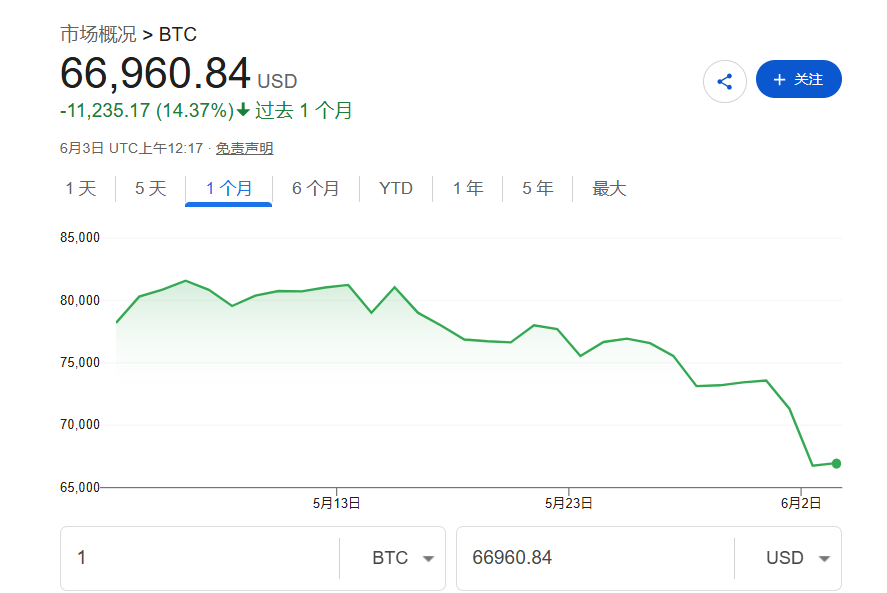
Bitcoin has been declining recently. It once fell to $66,123 intraday, hitting a two-month low, and was last quoted at $66,620; Ethereum dropped to $1,837 during the same period, a three-month low, and was last quoted at $1,855.
There are several explanations circulating in the market: ETF outflows, tense geopolitical situations, and an unexpected reduction by Strategy (formerly MicroStrategy). According to analysis by Bloomberg analyst Sid Verma, all these statements are correct, but they might only be superficial phenomena. The real issue is deeper—Bitcoin is losing an asset competition.
For a long time in the past, interest rates were near zero, holding cash meant depreciation; stock valuations were too high; AI was just a concept; and gold's gains were limited. Analysis points out that Bitcoin's competitor back then was not a specific asset, but "investors' dissatisfaction"—fear of inflation, discontent with existing options.
But now, the market has changed.
Losing Ground on Three Fronts
Analysts describe Bitcoin's current situation quite bluntly: it's stuck in an "awkward middle ground," under attack from three sides.
Hedge inflation? Gold wins. Investors worried about inflation are now more inclined to buy gold, energy stocks, and commodity producers, rather than Bitcoin. These assets have physical backing, pricing power, and a more straightforward logic.
Pursue growth? AI wins. Investors seeking high growth can now buy AI-benefiting companies with real revenue and real profits. Bitcoin doesn't generate cash flow and has no advantage in this race.
Gain crypto exposure? Stablecoins and infrastructure win. Even investors wanting crypto exposure don't necessarily have to buy Bitcoin. They can buy exchanges, stablecoin businesses, payment networks, tokenized finance companies—these targets' performance is directly linked to the actual adoption rate of the crypto industry, offering operating leverage and clearer logic.
To summarize in one sentence: Bitcoin is neither the best safe-haven asset, nor the best growth asset, nor the only crypto asset anymore.
Inflation Has Arrived, But Bitcoin Isn't Rising
One detail is quite telling.
This week, Cleveland Fed President Beth Hammack warned that inflation risks might be becoming "more persistent." A few years ago, such a statement would almost certainly have been interpreted by the market as positive for Bitcoin—high inflation, fiat depreciation, buy Bitcoin to hedge.
But this time, the market didn't react that way.
Investors' response to inflation has changed now—they are more inclined to buy assets with direct exposure to energy, commodities, and pricing power. Bitcoin's "digital gold" narrative is being eroded by actual gold and energy stocks.
ETF Outflows and Strategy's Reduction
Returning to the immediate triggers for this recent decline.
ETF outflows and Strategy's reduction—these events themselves are real. But Bloomberg's analysis believes treating them as the "cause" is a misreading—they are more like "symptoms," reflecting the same underlying reality: Capital has more places to go, and investors' demands on Bitcoin are also higher.
Investors are becoming more discerning: they don't just want "crypto exposure," they want to know what returns this exposure will bring, why Bitcoin and not something else.
The logic behind Bitcoin's bear market is no longer "it's a scam," "it's a bubble," "it's a failed technology." The new bear market logic is—Scarcity alone is no longer enough.